When you start searching for help with euthanasia, it usually means you've already carried a heavy stretch of caregiving. Your dog may be struggling to stand, pacing at night, refusing meals, or looking tired in a way that feels different. Your cat may still purr when touched, yet hide more, move less, or seem worn down by pain or illness. Most families reach this point with love, doubt, and exhaustion all tangled together.
Choosing a peaceful goodbye at home isn't giving up. It's often the last way you can protect your pet from fear, pain, and the stress of one more difficult trip. For many families, the idea of their pet resting in a favorite bed, hearing familiar voices, and staying in a known space feels gentler than entering a clinic at the end.
In-home euthanasia is also not unusual or experimental. A 2023 veterinary survey reported that nearly 15% of non-emergency canine euthanasia procedures were performed as house-calls. That matters because it shows this is already an established part of end-of-life veterinary care.
If you're in South Tampa and trying to sort through what this choice looks like, it may also help to understand the broader value of at-home veterinary care for pets that do best in familiar surroundings. At the end of life, those benefits become even more meaningful.
Saying Goodbye With Dignity At Home
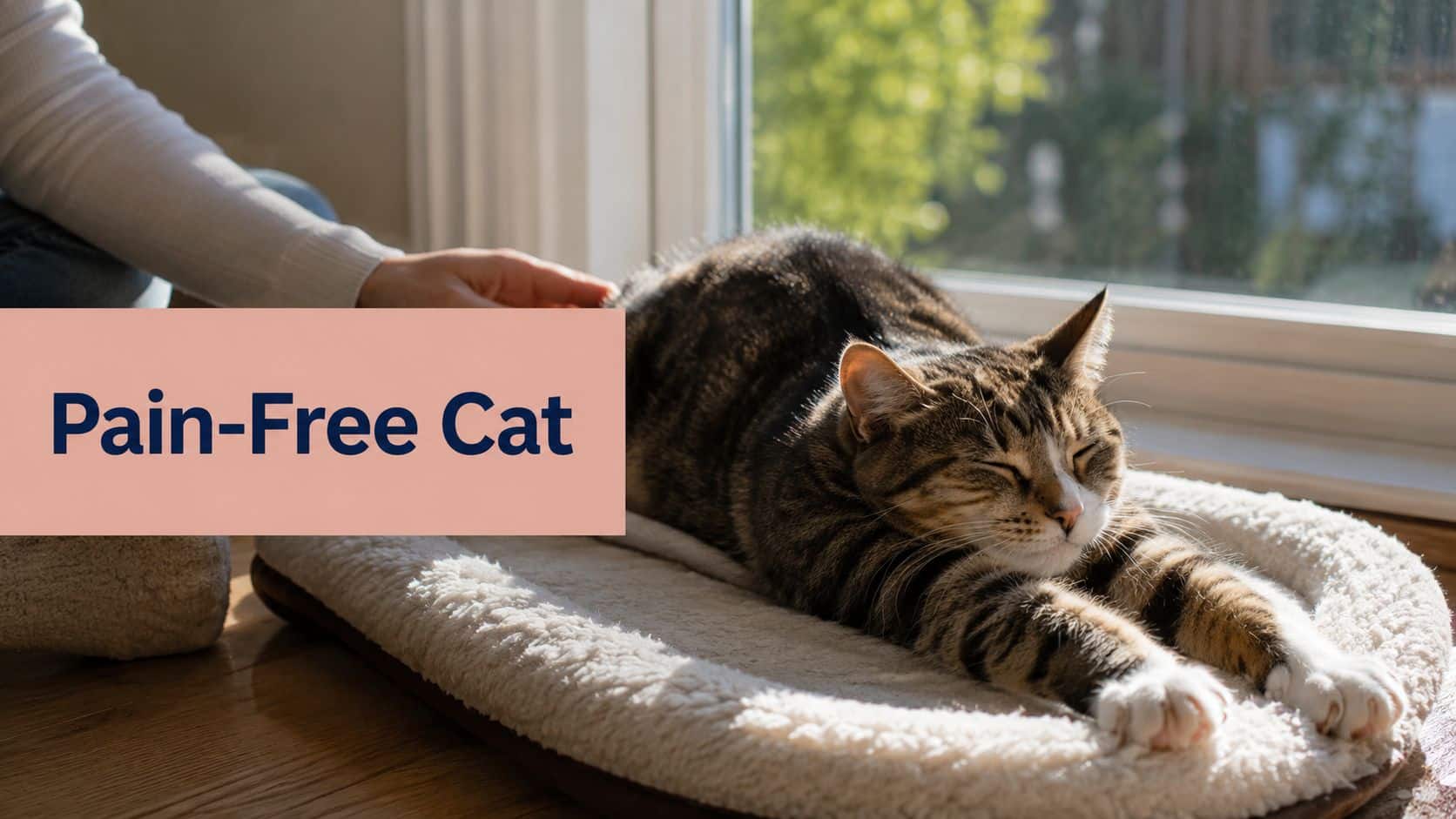
A home goodbye often begins subtly. A family notices their senior dog no longer wants to get into the car. A cat with advanced disease still seeks out a sunny window but no longer seems comfortable enough to enjoy much else. The question stops being, “Can we get one more day?” and becomes, “What would the kindest day look like?”
That shift matters.
Families often worry that choosing euthanasia means they're deciding too soon. In practice, this decision is usually made after a long period of treatment, observation, and daily adaptation. Ramps were added. Medications were adjusted. Favorite foods were offered. Sleep was interrupted. You kept showing up. A peaceful passing at home can be the final expression of that care.
Why Home Feels Different
The home setting changes the emotional texture of the visit. There's no lobby, no fluorescent exam room, no pressure to compose yourself in public. Your pet can stay on a familiar blanket, near a favorite person, with normal household sounds in the background.
The right setting doesn't remove grief. It can remove avoidable stress.
For some pets, especially older animals and those with pain or fear, that difference is substantial. For many people, the memory of the final moments matters long after the appointment is over. Home can make those moments feel more private, more personal, and less medical.
What This Choice Really Means
Choosing in-home euthanasia means choosing comfort over escalation when comfort is no longer possible to preserve in a meaningful way. It means deciding that your pet doesn't need one more hard trip, one more unfamiliar table, or one more anxious wait.
That's not surrender. It's protection.
Understanding In-Home Pet Euthanasia
Mobile vet services for euthanasia bring end-of-life care into the place where your pet feels safest. Instead of transporting a weak, painful, or frightened animal to a clinic, the veterinarian comes to your home, evaluates the situation, answers questions, and performs the procedure in a quieter setting.

The biggest practical advantage is reduced stress. Mobile euthanasia services are designed to reduce transport-related distress and environmental arousal, which is especially important for geriatric, painful, or fearful dogs and cats. If your pet trembles in the car, pants through appointments, resists handling, or becomes disoriented outside the home, this matters.
A home visit also gives the family more control over the environment. You can choose the room, who's present, whether other pets are nearby, and how quiet or simple you want the moment to be. Many families sit on the floor, on a couch, or outside in a shaded yard if the weather and the pet's condition allow it.
What Works Well
In-home euthanasia tends to work best when there's enough time to plan rather than react. That doesn't mean delaying until things become severe. It means reaching out while your pet is still stable enough for a thoughtful conversation.
Some advantages families notice right away include:
- Less physical strain: Fragile pets don't need to be lifted into a car or carried through a parking lot.
- More privacy: Family members can cry, pause, pray, talk, or sit in silence without feeling watched.
- Better pacing: The visit usually feels less rushed than a busy hospital schedule.
- A fuller support conversation: Mobile providers often discuss the appointment, timing, and aftercare as part of one visit.
If you're struggling with the decision itself, a pet quality of life consultation can help clarify whether the next step should be euthanasia, hospice support, or a comfort-focused care plan.
This short video gives a helpful overview of how many families think about the home option.
The Trade-Offs To Consider
Home euthanasia isn't perfect for every situation. It usually requires scheduling, and urgent same-day needs can be harder to accommodate than in a hospital. Some homes have tight spaces, stairs, or access issues that make body transport more complicated afterward. And for some families, there's an emotional difficulty in saying goodbye in the same room where they relax every day.
Practical rule: If you think your pet may be entering their final days, don't wait for a crisis to learn what mobile options exist.
There's also the cost question. In-home care is often more expensive than an in-clinic visit because the veterinarian is traveling, reserving a longer appointment, and providing a more individualized service. The right choice isn't always the cheapest one, but it should be one you understand clearly before the day arrives.
The Euthanasia Process Explained Step-By-Step
Uncertainty is often the hardest part. Most families don't fear being present nearly as much as they fear not knowing what will happen. A clear explanation helps.

Arrival And Initial Conversation
The visit usually starts with a quiet discussion. The veterinarian confirms your wishes, reviews your pet's condition, and talks through any remaining questions before anything medical happens. This is the time to say if you want more time, less talking, a certain room, or if a family member is still on the way.
If you're uncertain even at that moment, some families benefit from a brief virtual veterinary visit beforehand to talk through readiness and what to expect. That kind of conversation can make the home visit feel less overwhelming.
Sedation Comes First
The standard at-home process uses pre-euthanasia sedation first, then placement of an intravenous catheter for the final medication. This sequence is described in this overview of at-home euthanasia workflow. The purpose is comfort and consistency.
Sedation is not the final injection. It's the medication that helps your pet become relaxed, sleepy, and unaware of stress. Depending on the pet's condition, the veterinarian may give that medication in a way that keeps handling gentle and simple.
For families, this part often changes the emotional atmosphere of the visit. Once the pet is resting comfortably, the room usually becomes quieter. Breathing may slow. Tension often leaves the face and body.
Time To Gather Close
After sedation, you typically have time with your pet before the final step. Some people hold a paw. Some feed a favorite taste if it's appropriate. Some talk through memories. Others sit in silence.
A few things may happen during this stage that are normal:
- Sleepiness: Your pet may become drowsy very quickly or more gradually.
- Reduced awareness: They may stop responding much to voices or touch as they settle.
- Changes in posture: Muscles relax, and the body may shift into a more natural resting position.
A peaceful passing usually looks quieter than families fear.
The Final Injection
Once your pet is fully sedated, the veterinarian places the catheter and gives the euthanasia solution through that direct IV access. Because the catheter is already in place, the medication can be delivered smoothly and reliably.
Death is usually gentle and rapid after the injection. Your pet does not experience this as fear or struggle when the sedation step has worked as intended. The veterinarian will listen for the heart and confirm death.
What You May See After Death
Some families are surprised by normal physical signs that can happen after passing. The eyes usually remain open. There may be a final breath, a small muscle twitch, or release of urine or stool. These are reflexes or natural changes after death, not signs of distress.
Knowing this ahead of time helps many people stay grounded in the moment.
The Veterinarian's Role At The End
A good mobile euthanasia visit isn't just technical. It's also steady, calm guidance. The veterinarian should help you pace the visit, explain what is happening before it happens, and avoid making you feel hurried.
If something feels important to you, say it. Families often assume they shouldn't ask for extra time, a different blanket, or a pause for another person to enter the room. In most cases, those requests are reasonable and welcome.
Preparing Your Home And Your Pet
The most comforting home visits usually feel simple. Not staged. Not formal. Just intentional. A little planning can make the experience softer for both your pet and your family.

Choose The Right Space
Pick the place where your pet is most comfortable now, not where you think the goodbye should happen. For some dogs, that's a living room rug near their people. For some cats, it's a bed, a favorite chair, or a quiet office. If your pet has arthritis or weakness, avoid any area that requires extra lifting or repositioning.
Think through the practical side too. The veterinarian will need enough room to kneel, place supplies, and work calmly. Soft bedding, a towel, and a washable blanket are helpful.
Prepare The People In The Room
You don't need to invite everyone who loved your pet. You only need the people whose presence will support a calm goodbye. Some children want to be present. Some don't. Some family members need to step out before the final injection. That's okay.
It can help to decide in advance:
- Who will be present: Keep the room emotionally steady, not crowded.
- Whether other pets should attend: Some animals settle with a companion nearby. Others become more agitated.
- Who will speak with the veterinarian: One point person can make logistics easier.
- How you want the room to feel: Quiet music, natural light, or silence can all be right.
If your pet has been struggling with chronic pain or mobility decline leading up to this day, some families find it useful to review comfort-focused home support such as at-home pain relief strategies for dogs as part of the decision process.
Small Comforts Matter
A final day doesn't need to be elaborate to be meaningful. Many pets want to be near you. If your veterinarian says it's safe, you may offer a favorite snack, a lick of something special, or a familiar toy beside them.
Keep the plan gentle enough that your pet can enjoy it.
A few practical items to have ready:
- Blankets and towels: Useful for comfort and for after the procedure.
- A leash or carrier nearby: Not always needed, but helpful if movement becomes necessary.
- Payment handled early if possible: Many families prefer not to deal with this after the passing.
- Aftercare decisions made in advance: Even a tentative choice is better than deciding in shock.
Clear your schedule afterward if you can. Grief can feel more physically draining than anticipated in the hours immediately after a goodbye.
Aftercare Options And Memorializing Your Pet
This is the part many families avoid thinking about until the last minute. It's also the part that becomes much harder to sort through under stress. One of the biggest gaps in online guidance is the lack of clear, practical detail about aftercare, body transport, and cremation choices, as noted in this discussion of common owner questions after home euthanasia.
What Happens Immediately After
After your pet has passed, most veterinarians will give you a few private moments before discussing next steps. If cremation has been arranged, the veterinarian or service team usually handles transport. That relieves the family of having to move the body themselves.
If you haven't made arrangements in advance, the first questions are usually logistical:
- Will the veterinarian coordinate transport?
- Do you want ashes returned or not?
- Would you like a memorial item, such as a paw print, if offered?
- If your pet dies before the appointment, who should you call next?
These are practical questions, not cold ones. Having answers protects you from rushed decisions.
Comparing The Main Aftercare Choices
Private cremation means your pet is cremated individually and the ashes are returned to you. Families who want an urn, scattering ceremony, or a permanent memorial often prefer this option.
Communal cremation means your pet is cremated with other animals and ashes are not returned. Some families choose this when they don't feel a need to keep remains at home.
Aquamation may be available in some areas. Families who prefer this option often do so because it feels gentler or aligns better with their personal values. Availability varies, so it's worth asking directly rather than assuming.
Home burial can be meaningful, but it depends on local rules, property considerations, and the practical realities of body handling. It's not something to decide casually on the spot.
What Helps Families Most
The best aftercare plan is the one that matches your values and keeps the day manageable. Some people want to bring ashes home. Others want the memory to live in photos, routines, and stories rather than physical remains.
A few memorial choices can feel especially grounding:
- Clay or ink paw prints: Simple and often meaningful.
- A lock of fur: Small, easy to keep, and comforting for many families.
- A photo ritual at home: Lighting a candle, framing a favorite picture, or creating a shelf.
- A community remembrance: Some families share a tribute in a pet memorial gallery or private family album.
There isn't a correct level of memorialization. There's only what feels faithful to your bond.
If possible, make these decisions before the appointment. You don't need every detail resolved, but having a basic plan reduces pressure when your emotions are at their highest.
Compassionate Care In South Tampa With PAW Vet Practice
Families looking for mobile vet services for euthanasia often want more than a house call. They want a veterinarian who understands pain, mobility decline, anxiety, and the emotional weight of the decision itself. In a home setting, technical skill matters, but so does tone, pacing, and the ability to read what both pet and family need in the moment.

PAW Vet Practice serves the South Tampa area only. That local focus matters because end-of-life care works best when scheduling, travel, and follow-up are built around a defined community rather than a broad territory.
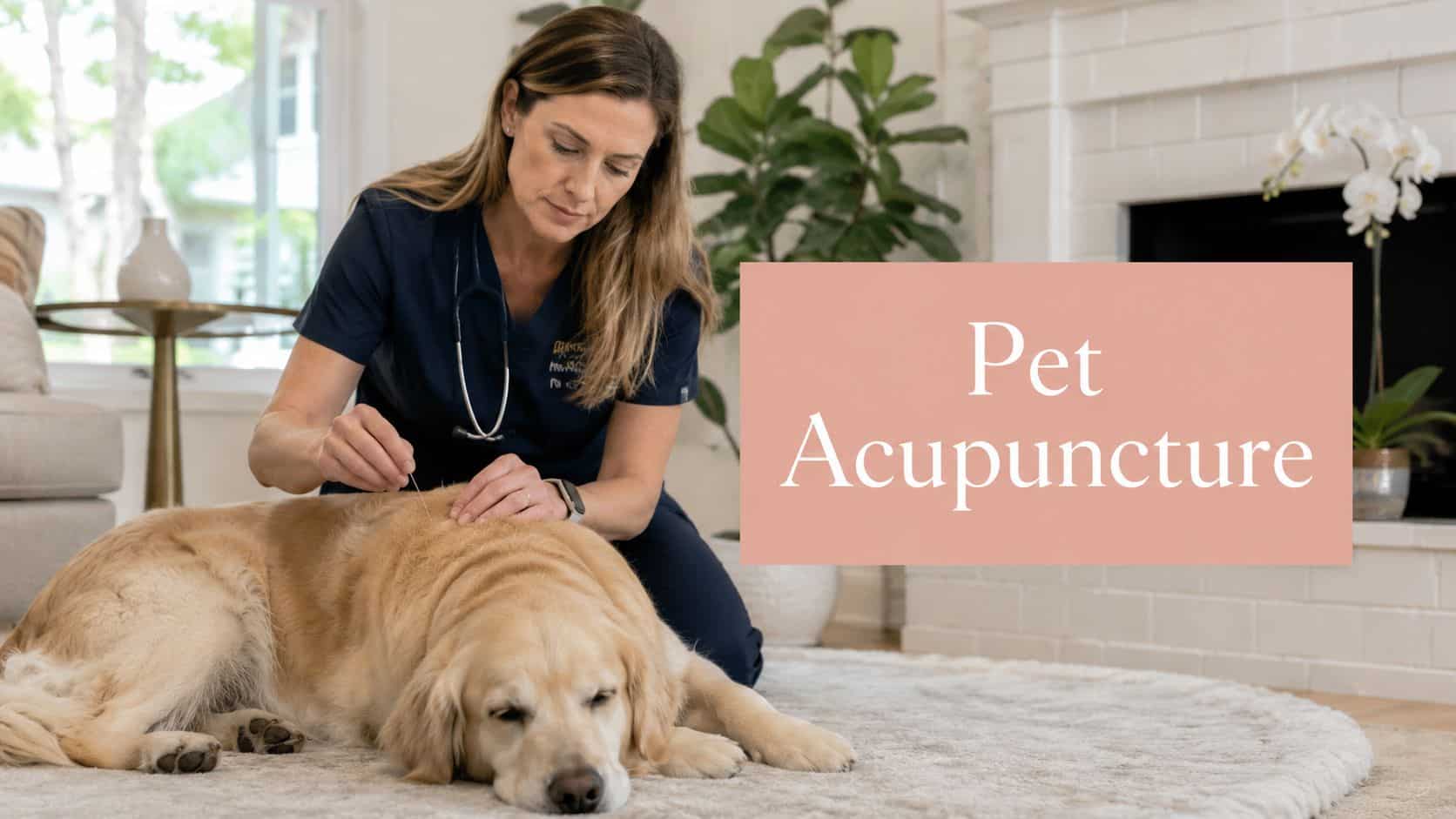
Dr. Monica's background in general, emergency, and integrative care shapes a style of medicine that pays close attention to comfort. Families facing goodbye often arrive there after weeks or months of managing arthritis, neurologic disease, cancer, frailty, or chronic pain. A veterinarian who already focuses on mobility support and whole-patient comfort brings a practical perspective to those cases.
Why A Comfort-Focused House Call Matters
A calm home visit is especially valuable when a pet is:
- Painful or weak: Transport can worsen discomfort.
- Fearful of clinics: The setting itself can raise anxiety.
- Near the end of a chronic decline: Families often need space for careful conversation, not a rushed transition.
- Managing multiple conditions: Whole-patient judgment matters more than a narrow checklist.
The most helpful mobile veterinarians don't approach euthanasia as a single injection. They approach it as a guided end-of-life visit with clinical clarity, emotional steadiness, and respect for the home.
A Good Fit For South Tampa Families
For pet owners in South Tampa, choosing a local mobile practice means working with someone who understands the area served and has built care around in-home visits rather than treating them as an occasional add-on. That tends to produce a smoother experience, especially when a family also needs support around pain management, mobility, and comfort before the final day arrives.
Common Questions And Navigating Grief
The two questions families ask most often are usually the hardest ones. How do I know it's time? And what happens to me after this?
The timing question rarely has a perfect answer. Many owners struggle with knowing whether euthanasia is the right step versus continued hospice care, and the most useful guidance gives a real framework for quality-of-life assessment rather than vague reassurance, as discussed by Tranquil Tails on end-of-life decision-making. If your pet still has moments of connection but is losing comfort, mobility, appetite, or dignity in daily life, a veterinarian can help sort out whether more supportive care is likely to help or whether it's time to prevent further suffering.
Questions Families Commonly Ask
Here are a few answers that may help steady the decision:
- Will my pet know what's happening? With proper sedation, the goal is deep relaxation before the final medication is given.
- Can I hold my pet? Often yes, depending on size, position, and what is safest and most comfortable.
- Should children be present? If they want to be and can be prepared, many families find it meaningful. If not, that's okay too.
- How much does it cost? Pricing varies by provider, travel, timing, and aftercare choices. Ask for the total expected fee, including cremation or memorial items if relevant.
- Can other pets say goodbye? Sometimes yes. Some animals benefit from seeing or sniffing the body afterward. Others don't seem interested.
Grief Usually Comes In Waves
People often expect relief and heartbreak to cancel each other out. They don't. Many families feel both at once. You may feel certain you made the kind choice and still ache terribly when the house is quiet.
Grief after euthanasia isn't a sign that the decision was wrong. It's a sign that the bond was real.
If you're struggling, reach for support on purpose. Your veterinarian may know local resources. You can also look for pet loss support groups, grief counselors familiar with animal loss, or veterinary hospice organizations that offer bereavement resources. Some people need conversation right away. Others need ritual, time off, journaling, or a simple daily acknowledgment that the absence is real.
There's no clean timeline for this. Some people cry immediately. Some feel numb for days and then break down when they put away a leash or wash a food bowl. All of that falls within normal grief.
If you're in South Tampa and need gentle, in-home guidance for a pet nearing the end of life, Pet Acupuncture & Wellness (PAW Vet Practice) offers compassionate mobile care centered on comfort, dignity, and thoughtful support for both pets and the people who love them.