Your cat knows when a day is different. The carrier comes out. You walk a little faster. Keys jingle. Your cat disappears under the bed, or stiffens, or cries the whole drive. By the time you reach a clinic, many cats are already frightened, over-alert, and far less able to show us who they normally are.
That's the moment many South Tampa cat owners start searching for home cat care services near me. Sometimes they want simple help while they travel. Sometimes they need something more difficult to find: calm, skilled medical support at home for a cat with arthritis, anxiety, recovery needs, or chronic pain.
Basic cat sitting absolutely has a place. In Tampa, in-home cat care services commonly include feeding, fresh water, litter box cleaning, and playtime or companionship, as listed by local Tampa cat sitter profiles on Care.com. But for cats who need pain management, mobility support, laser therapy, acupuncture, or coordinated monitoring after a health setback, pet sitting alone often isn't enough.
The Challenge of Traditional Vet Visits for Cats
A senior cat with sore hips may tolerate home life reasonably well, then seem much worse on clinic day. The struggle into the carrier can leave the cat panting or hiding. The car ride adds motion, noise, and unfamiliar smells. In the waiting room, the cat has to process barking dogs, strangers, and restraint before the exam even begins.
For anxious cats, the problem isn't only inconvenience. Stress changes behavior. A shy cat may freeze. A painful cat may lash out. A cat with asthma or heart disease can become more fragile when frightened. Owners often tell me the hardest part isn't the treatment itself. It's getting the cat there.
When The Trip Becomes The Hardest Part
One common example is the older cat with arthritis who still eats well and enjoys favorite resting spots, but can't manage abrupt handling. Another is the cat with a history of fear who stops eating after a clinic visit. In both situations, the owner is trying to do the right thing, yet the process can feel like a setback.
That's why in-home care matters. You learn more when a cat stays in familiar territory. You can watch how the cat rises, walks, jumps, uses the litter box area, and responds to touch without the extra layer of transport stress.
Cats often show us their real comfort level at home. In a clinic, some hide it. Others look sicker because they're scared.
A house call also gives the veterinarian a view of the environment itself. Flooring, stair access, litter box placement, resting areas, and household noise all matter when a cat is painful, aging, or recovering.
A Calmer Option In South Tampa
For South Tampa families, mobile care offers a practical alternative when clinic travel causes more distress than the exam should. A thoughtful house call can reduce the friction around care and make ongoing treatment more realistic. If you want a broader look at how this approach helps pets stay calmer, the overview of the benefits of at-home vet care is a useful starting point.
What Specialized In-Home Cat Care Includes
The biggest misunderstanding I see is this: people assume all home cat care means the same thing. It doesn't. There's a clear difference between routine pet sitting and specialized in-home veterinary support.
Most online content about home cat care centers on feeding, litter, and play. It often leaves out the harder question of how to help a cat with arthritis, neurologic weakness, chronic pain, or significant anxiety at home. One discussion of medical-needs cat sitting points out that many sitter platforms are helpful for medication help, yet are “not best for high medical need situations”, which leaves a real gap for cats needing more clinical skills and therapies at home, as described in this medical-needs cat sitting discussion.

What A Sitter Usually Handles
A qualified sitter can be exactly right for a healthy cat who needs routine care while you're away. Typical tasks include:
- Daily basics: Feeding meals, refreshing water, scooping litter, and keeping the routine stable.
- Observation: Noticing whether your cat seems less social, less hungry, or less active than usual.
- Companionship: Play, affection if your cat wants it, and a familiar visit schedule.
That's important care. It supports many cats well.
What Veterinary Home Care Adds
For cats with chronic conditions, the home plan may need more than maintenance. It may include treatments and structured follow-up.
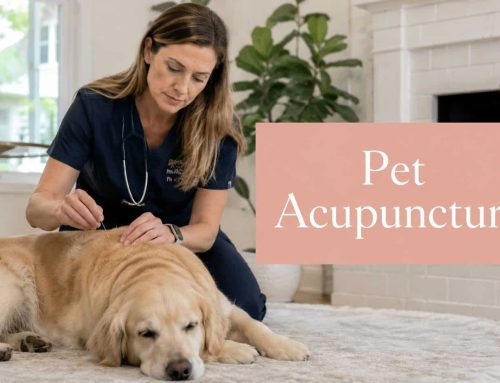
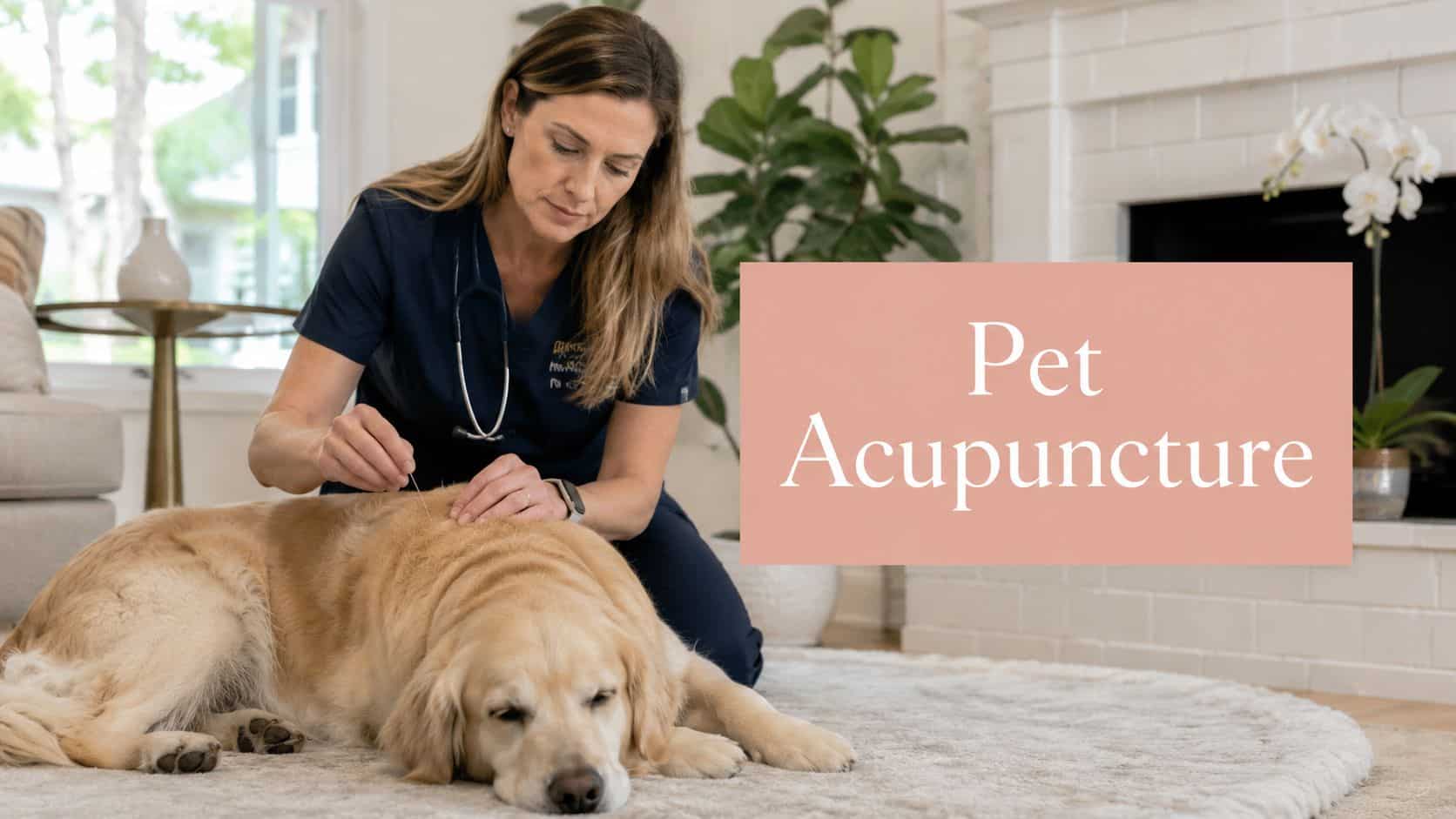
- Acupuncture: Used to support comfort, mobility, and relaxation. This can be especially helpful for older cats with stiffness or chronic pain.
- Electroacupuncture: A form of acupuncture that adds gentle electrical stimulation to selected points when clinically appropriate.
- Laser therapy: Often used to support painful joints, soft tissue healing, and post-procedure comfort.
- Rehabilitation plans: Home exercise and movement support specific to what the cat is able to do without increasing stress.
- Technician visits: Follow-up support, monitoring, and practical help carrying out a veterinarian's plan.
- Chinese herbal and food therapy: Added selectively when they fit the cat's overall medical picture and daily routine.
One option available locally is cat physical therapy near me, which reflects this middle ground between simple pet sitting and full hospital-based care.
What Works Best In Practice
The most successful home plans are simple enough for the household to maintain. A cat with arthritis may do better with short, repeatable therapies and environmental changes than with a complicated routine nobody can sustain. A recovering cat may need monitoring for appetite, mobility, grooming, and comfort, not just medication timing.
Practical rule: The right home care plan should fit your cat's temperament and your real daily schedule. If it's too complex to follow, it won't help for long.
Benefits for Arthritic Anxious and Recovering Cats
Some cats benefit from in-home care because it's convenient. Others benefit because it changes the quality of treatment they are able to tolerate.
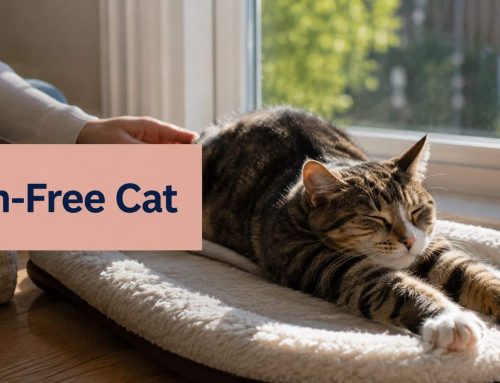
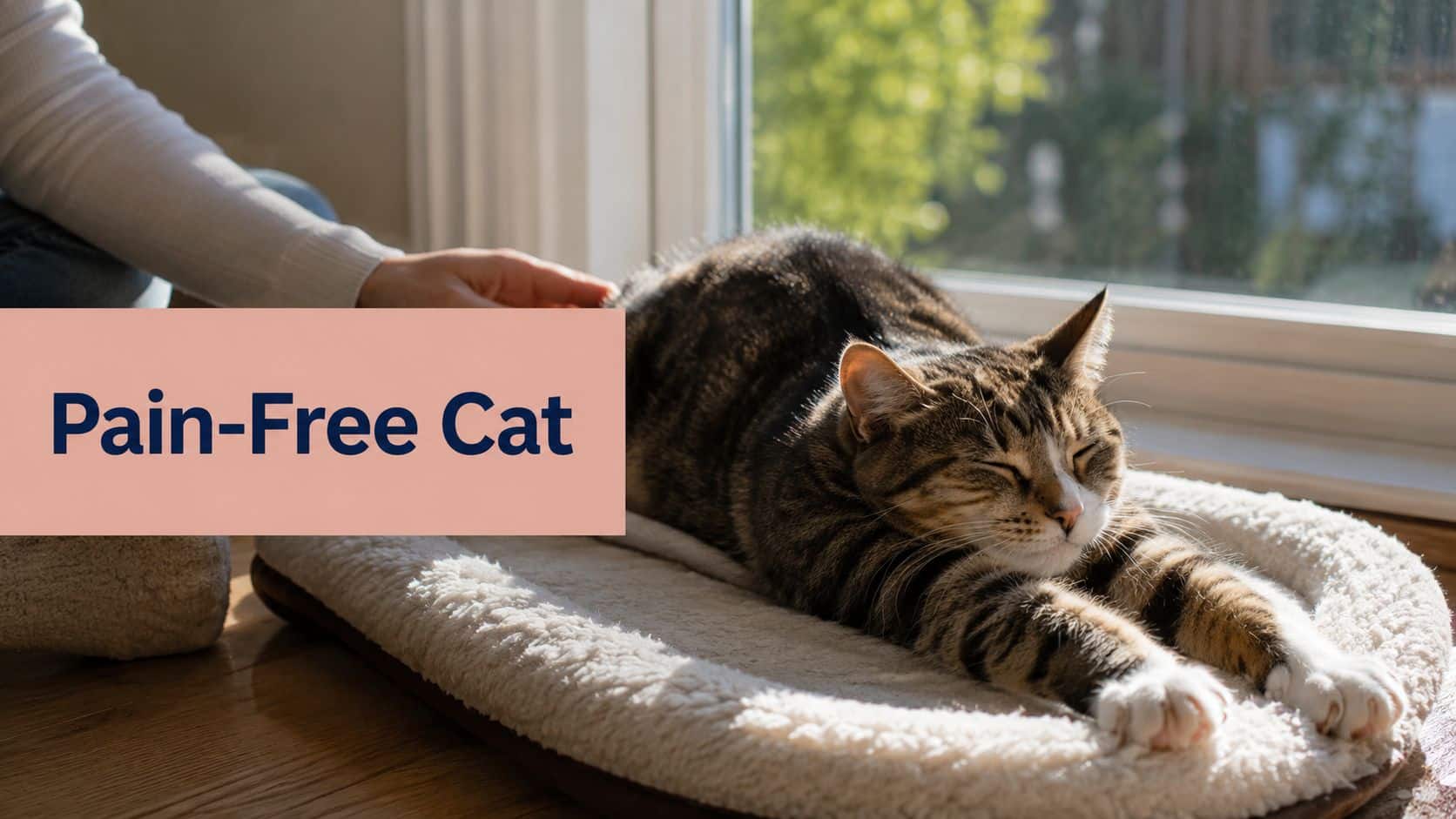
An arthritic cat, for example, may brace, crouch, or refuse movement after a stressful trip. At home, that same cat often walks more naturally, chooses familiar routes, and settles more quickly for gentle hands-on assessment. That gives you a more honest picture of mobility and pain.

Arthritic Cats Need Less Disruption
With older cats, small stresses matter. If every appointment requires hiding, restraint, and a difficult recovery afterward, owners often delay follow-up care. Home-based pain support removes many of those barriers.
A cat with chronic stiffness may respond well when treatment happens on a favorite blanket, near a normal resting place, with minimal noise and no car ride. That setting often allows more consistent treatment over time, which matters more than one dramatic visit. If pain is the central issue, cat pain relief is often part of the conversation.
Anxious Cats Need Trust More Than Force
Fearful cats rarely need more pressure. They need less. In a familiar room, they can approach, retreat, observe, and settle at their own pace. That lowers the chance that fear becomes defensive behavior.
Owners also feel less tense at home. Cats notice that. When the household isn't bracing for a difficult car trip, the visit usually starts from a better place.
A cat that can remain in its own territory often accepts care that would be impossible after a stressful trip across town.
Recovering Cats Need Continuity
The overlooked piece in many “near me” searches is continuity of care. Senior and medically complex cats do better when everyone involved is working from the same plan. Current sitter-focused advice often assumes continuity will happen on its own, but it usually needs structure, especially when a mobile veterinarian is providing therapies such as acupuncture or aquapuncture while a sitter handles daily support. That gap is discussed in this article on finding a sitter for a senior cat.
A smoother model looks like this:
- Primary veterinarian: Handles diagnosis, core medical records, and major treatment decisions.
- Mobile integrative veterinarian: Adds in-home therapies and comfort-focused support.
- Sitter or family member: Carries out the day-to-day routine and watches for changes.
- Owner: Tracks appetite, litter habits, mobility, and any change in behavior.
That setup is especially helpful after surgery, during flare-ups of chronic pain, or when a senior cat's needs are changing month to month.
What to Expect During Your First House Call
Most owners are relieved once they know what the visit looks like. A good first house call doesn't feel rushed. It also shouldn't feel like a clinic was dropped into your living room. The pace is quieter than that.
A helpful visual overview appears below.

The Visit Usually Starts With Observation
Before anyone touches your cat, there's value in observation. How does your cat enter the room? Is the gait stiff? Is the breathing quiet and easy? Does your cat seek distance, or remain curious?
In-home care works best when handling is temperament-based. The ASPCA's cat care guidance supports daily litter box scooping, weekly full cleaning with mild unscented detergent, avoidance of ammonia or citrus cleaners, and close observation of appetite, litter output, and behavior changes. That same guidance also fits house-call medicine well because shy cats often do best with low posture, a quiet voice, and calm handling rather than force, as outlined in this ASPCA general cat care resource.
The Exam Is Cat Led And Environment Aware
During the first appointment, the veterinarian reviews history, current concerns, medications, and what you've noticed at home. The physical exam may include mobility assessment, palpation, and, in integrative care, additional observations such as tongue and pulse findings.
What I value most during a house call is context. You can see where the food bowls are. You can inspect the litter box setup. You can ask whether the cat slips on tile, avoids stairs, or struggles to reach a favorite perch. Those details matter.
If you're exploring this model for the first time, mobile veterinary clinic near me gives a sense of how mobile visits are structured.
A short video can also make the experience feel more familiar before the appointment begins.
Treatment And Discussion Happen In Real Time
If treatment is appropriate that day, it's done with the cat's tolerance in mind. Some cats accept care immediately. Others do better with a slower first visit that prioritizes trust and planning.
Afterward, you discuss what was found, what can be done at home, what to monitor, and when to follow up.
What helps most: Write down the three changes you've noticed most at home. That's usually more useful than trying to remember every small detail once the visit starts.
How to Prepare Your Home for a Successful Visit
A smooth house call starts before the doorbell rings. You don't need a perfect home. You need a setup that lets your cat feel secure and lets the veterinarian observe normal behavior.
Professional pet sitting has become heavily cat-focused. In 2024, 97% of Pro Pet Sitters International members reported providing care for cats, compared with 93% who care for dogs, according to the PSI 2024 industry report on rising demand for cat care. That tells you many households now expect care to happen at home. The medical side works better too when the environment is prepared.
Simple Steps That Make The Visit Better
- Choose one quiet area: A bedroom, office, or living room corner is often enough. Pick a place where your cat already spends time.
- Reduce household traffic: Keep children, guests, and other pets out of the room if they tend to add energy or noise.
- Leave hiding options available: A cat bed, open carrier, or covered chair can help your cat feel safer. Don't drag your cat out if they choose a sheltered spot.
- Set out current medications and supplements: Keep labels visible so the plan can be reviewed accurately.
- Gather records and notes: If your cat has recent lab work, imaging reports, or a medication list, have them ready.
What Owners Should Watch Before The Appointment
You don't need to produce a perfect timeline. Just pay attention to patterns over the day or two before the visit.
- Appetite and water intake: Has your cat finished meals normally?
- Litter box habits: Any change in urine, stool, frequency, or effort?
- Movement: Is your cat hesitating before jumping, using stairs less, or resting more?
- Mood: More clingy, more withdrawn, less tolerant, or less playful?
Those observations often tell us more than a cat who looks guarded in a clinic ever could.
Booking Your Cat Care Visit in South Tampa
If you're searching for home cat care services near me and you live in South Tampa, the first thing to know is simple: service area matters. We only service the South Tampa area. That's important for scheduling, follow-up, and keeping house calls practical for cats who need ongoing support rather than one isolated visit.
The second thing to know is that not all in-home services are interchangeable. A sitter may be exactly right for feeding and litter maintenance during travel. A mobile veterinarian is the better fit when your cat needs pain relief, mobility care, laser therapy, acupuncture, rehabilitation planning, or coordinated follow-up with a primary clinic.
What The Booking Decision Usually Comes Down To
Many families compare home care options by starting with cost, and that's understandable. In the broader market, the national average hourly cat sitting rate is about $15.77, and Tampa averages $15.28 per hour for a one-hour cat sitting visit, according to Care.com cat sitting rate data. In the Tampa market, some in-home cat sitting visits also begin at $20 for 20 minutes, as shown on Meowtel cat sitters in Tampa.
Those numbers are useful context, but they describe sitter pricing, not advanced in-home veterinary care. Once a cat needs medical judgment, integrative treatment, coordinated follow-up, or a plan built around chronic pain and function, you're no longer comparing the same service.
Trust Signals Matter In South Tampa
For any provider entering your home, credentials and business standards matter. In South Tampa, reputable mobile pet care operators explicitly require full insurance and bonding, which supports the standard expectation that providers be licensed, bonded, and insured, as reflected by South Tampa Dog Walking & Pet Sitting.
That matters even more when the visit involves hands-on medical care.

One local option for this kind of care is Pet Acupuncture & Wellness pricing and service information, where South Tampa pet owners can review how a mobile integrative model is structured. Dr. Monica's background includes general, emergency, and integrative experience, which is especially relevant when a cat's needs sit between routine wellness support and traditional hospital care.
When It's Time To Reach Out
Booking usually makes sense when one of these situations applies:
- Your cat's clinic stress is becoming a barrier: You're delaying needed care because the trip is so difficult.
- Pain or mobility is the main issue: You need practical help in the actual environment where your cat lives.
- You want care coordination: Your cat already has a primary veterinarian, but needs added in-home support.
- Recovery feels hard to manage alone: You need a calmer plan for monitoring and comfort at home.
A thoughtful house call doesn't replace every clinic service. It fills the gap many cat owners struggle to solve on their own.
If your cat is aging, anxious, recovering, or is more comfortable at home, Pet Acupuncture & Wellness (PAW Vet Practice) offers integrative mobile veterinary care in South Tampa that can complement your primary veterinarian's plan and make treatment easier on both you and your cat.