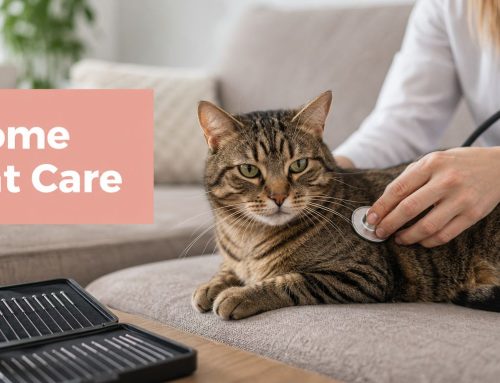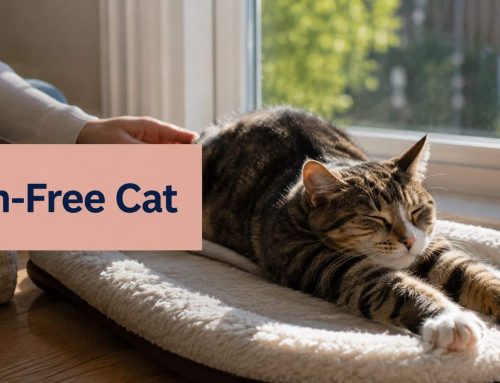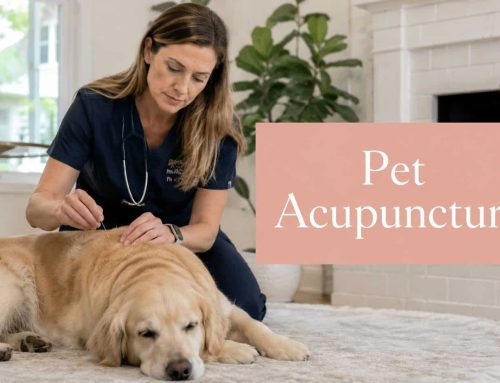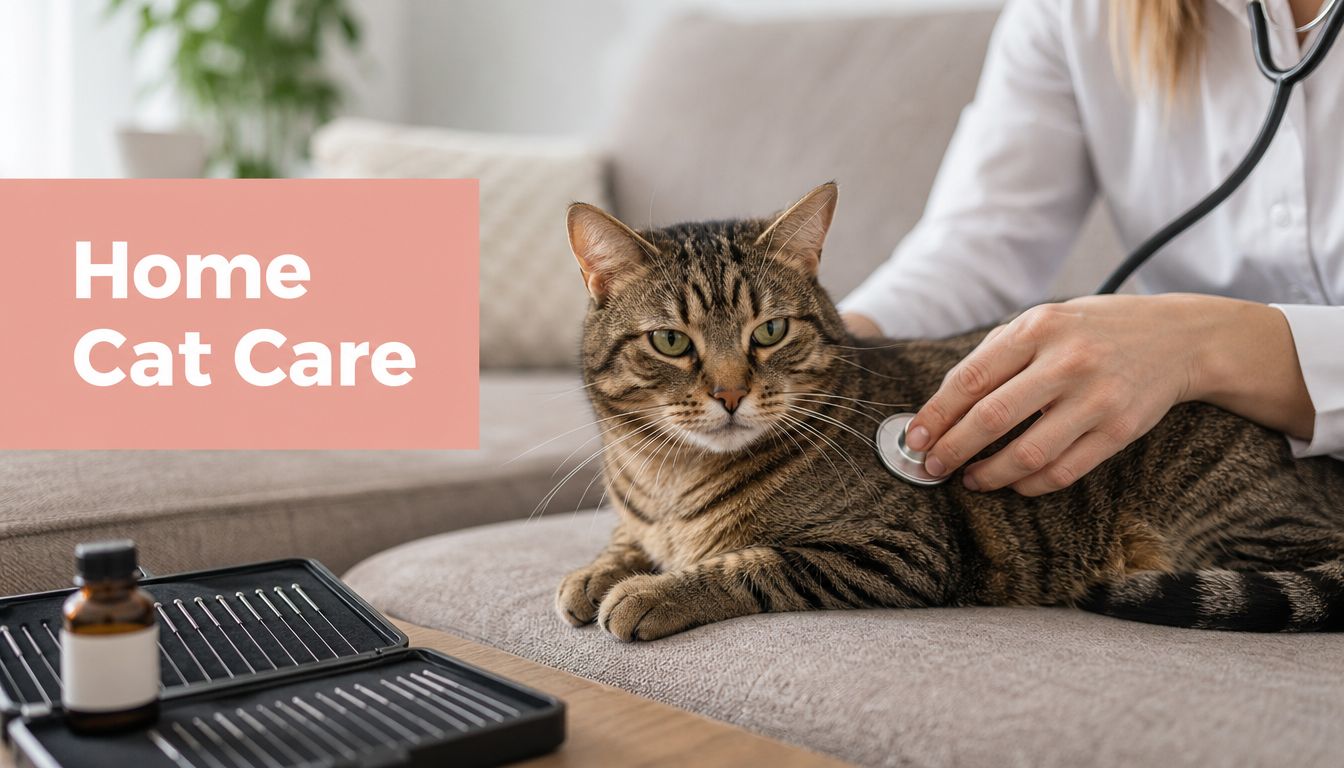
You're probably here because something about your cat feels off, but it's hard to name.
Maybe she pauses before jumping onto the bed. Maybe he's still eating and purring, but he's moving more stiffly after naps. Maybe grooming has become patchy, litter box entry looks awkward, or petting over the back suddenly gets a tail flick. Those changes are easy to dismiss because cats are masters at hiding pain. They rarely announce discomfort. They adjust, compensate, and get quieter.
That's why a search for Cat Physical Therapy Near Me often starts with a gut feeling. You know your cat's normal. When that normal changes, it's worth paying attention.
Physical therapy for cats isn't a desperate last step. In many cases, it's one of the gentlest and most practical ways to reduce pain, support healing, and help a cat move with more ease. For anxious, senior, or clinic-averse cats, the setting matters just as much as the treatment. A calm plan at home often works better than forcing care in an environment your cat already fears.
Your Cat's Silent Signals for Help
A lot of cats don't limp in an obvious way. Instead, they get selective.
They stop jumping to favorite perches. They sleep downstairs instead of following you up at night. They sit beside the couch and look at it, rather than hopping up. Owners often describe this as “slowing down,” but slowing down is often a symptom, not just aging.
Small Changes That Matter
The most common signs I'd take seriously are subtle functional losses, such as:
- Jumping hesitation: your cat crouches, aborts the jump, or uses lower furniture as a step.
- Post-nap stiffness: the first few steps after resting look careful or tight.
- Grooming changes: the back, hips, or lower spine don't get cleaned well anymore.
- Litter box trouble: climbing in or posturing seems uncomfortable.
- Behavior shifts: less play, less climbing, more hiding, or irritation when touched.
Sometimes owners worry they're overreacting. They usually aren't. Cats communicate pain through movement and behavior long before they show dramatic signs. If you want a good primer on those early clues, this guide on signs of pain in a senior dog or cat is useful.
Cats rarely stop moving all at once. They give up one movement at a time.
Why Early Rehab Helps
When a cat moves less, muscles weaken, joints stiffen, and confidence drops. Then the original problem gets compounded by deconditioning. That's where physical therapy can help. It addresses the pain itself, but also the secondary losses that come with pain, including reduced strength, limited flexibility, and avoidance of normal movement.
Owners often picture rehab as something only used after surgery. In reality, it can be a proactive tool for arthritic cats, neurologic cats, and cats who are starting to withdraw from activities they used to enjoy. The goal isn't to turn your cat into an athlete. It's to help your cat feel safe and comfortable using their body again.
What Exactly Is Cat Physical Therapy
Cat physical therapy is veterinary rehabilitation adapted to feline anatomy, feline behavior, and feline tolerance. The easiest way to think about it is this: it's similar to human physical therapy, but the plan has to work for a cat who won't follow verbal instructions and won't tolerate force.

What Rehab Is Trying To Do
A good rehab plan focuses on function. That means helping a cat do ordinary cat things more comfortably.
Those goals often include:
- Reducing pain: especially pain linked to arthritis, injury, or compensation patterns.
- Improving mobility: making it easier to walk, turn, climb, jump, or get into the litter box.
- Supporting muscle health: preserving strength when pain or neurologic disease has reduced activity.
- Improving quality of life: restoring confidence, engagement, and comfort at home.
The treatment itself may include hands-on work, targeted exercises, environmental changes, and other modalities chosen for the cat's condition and temperament.
It's A Real Veterinary Discipline
Many owners still wonder whether feline rehab is fringe medicine, but it isn't. Physical rehabilitation for cats is a recognized veterinary field with professional certification now available, and the established toolkit includes massage, heat therapy, electrotherapy, and therapeutic exercise for both orthopedic and neurologic conditions, as explained by the EveryCat Health Foundation review on physical therapy and rehabilitation for cats.
That professionalization changed the conversation. Cat rehab is no longer something improvised from dog protocols. It has defined methods, trained providers, and clear clinical uses.
Practical rule: If a therapy plan can't explain what function it's trying to improve, it's not a strong rehab plan.
More Than Post Surgical Care
One of the biggest misconceptions is that rehab only starts after orthopedic surgery. That's too narrow.
Cats may benefit when they have chronic arthritis, age-related stiffness, neurologic weakness, pain-related muscle loss, or recovery needs after injury. Some also benefit when the main goal is preserving comfort and independence rather than chasing a dramatic change.
For owners who want a broader overview of how rehab fits into integrative care, this comprehensive guide to rehabilitation therapy for pets gives helpful context.
Could Your Cat Be a Candidate for Rehab
Many cats who need rehab don't look “sick.” They look older, quieter, or less willing. That's why it helps to think in terms of daily function instead of dramatic symptoms.
Cats I'd Consider Strong Candidates
Your cat may be a good candidate if any of these sound familiar:
- A senior cat with stiffness or arthritis-related changes: not jumping as high, moving carefully, or resisting stairs.
- A post-operative cat: especially after orthopedic or neurologic procedures, when safe return to movement matters.
- A cat recovering from injury: soft tissue injury, back pain, or a strain can leave lasting compensation patterns.
- A cat with neurologic weakness: wobbliness, paw placement changes, or reduced coordination can all affect mobility.
- An overweight cat who needs safer movement: increased activity has to be gradual and joint-conscious.
- A cat struggling with normal routines: entering the litter box, grooming, climbing, or getting onto favorite resting spots.
What Improvement Should Look Like
The best outcomes are functional, not theatrical. I'd rather see a cat comfortably step into the litter box, groom the lower back again, and return to a preferred windowsill than look “better” on one good day.
That's why strong rehab programs don't rely only on owner impressions. They use objective tools like gait assessment, range-of-motion measurements, and pain scoring at regular intervals to track whether the plan is producing real gains, as described by Peak Paws Veterinary Rehabilitation.
What Rehab Won't Do
Rehab isn't magic, and it doesn't erase every underlying diagnosis.
It won't make severe arthritis disappear. It won't force a frightened cat into compliance. And it won't work well if the plan is too aggressive for the cat's temperament. The cats who do best usually have realistic goals, careful pacing, and a home routine the owner can realistically maintain.
If your cat is painful and you're not sure whether what you're seeing counts, this resource on cat pain relief can help you think through the signs in practical terms.
What Happens During a Physical Therapy Visit
Most owners feel better once they know what a rehab visit looks like. The appointment is usually quieter and more observational than they expect.

The First Part Is Assessment
A physical therapy visit begins with history and function. I want to know what changed, when it changed, what surfaces your cat avoids, whether jumping is different, and what daily tasks seem harder.
Then comes a gentle physical assessment. Depending on the cat, that may include:
- Gait observation: how the cat walks, turns, loads each limb, and transitions from sitting to standing.
- Posture review: whether the back, neck, or limbs are being held in protective ways.
- Palpation: checking muscle tension, tenderness, and areas of compensation.
- Joint and flexibility screening: where motion is restricted or uncomfortable.
A good exam is calm and adaptive. Cats don't benefit from being pushed past tolerance just to complete a checklist.
Treatment Usually Uses More Than One Tool
Rehab works best when the plan matches the problem. A cat with arthritis, for example, may need pain modulation, gentle strengthening, and changes to movement habits at home. A cat recovering from surgery may need controlled reintroduction of motion and muscle support.
Common elements may include:
- Manual therapy: gentle hands-on work to reduce tension and improve comfort.
- Therapeutic exercise: carefully chosen movements that build strength, control, and confidence.
- Electrotherapy or related modalities: used in selected cases to support pain control and muscle preservation.
- Laser therapy or acupuncture-based care: often included in integrative practice when appropriate to the individual cat.
One of the clearest lessons in rehab is that combination care often outperforms isolated care. Emerging research found that electroacupuncture combined with targeted rehab exercises in a home setting improved mobility by 51% in cats with chronic arthritis compared with standalone therapies. That finding supports what many practitioners already see clinically. Integrated plans often work better than one modality used alone.
The visit should feel tailored, not scripted. Two arthritic cats may need very different plans.
Home Exercises Matter More Than Owners Expect
The visit itself is only part of the treatment. Progress usually depends on what happens between appointments.
A home exercise plan might include weight shifts, guided reach movements, assisted transitions, surface adjustments, or play-based tasks that encourage better movement patterns without overwhelming the cat. The best version is simple enough that you'll do it.
If you want examples of what those assignments can look like, this guide to rehabilitation exercises for cats and dogs is a helpful starting point.
Finding the Right Provider For Your Cat
When owners search for cat physical therapy near me, they usually start with location. That makes sense, but location shouldn't be the only filter. Cat rehab is highly dependent on provider skill, feline handling, and whether the treatment setting helps or hurts adherence.

Questions Worth Asking
Before booking, I'd ask practical questions, not just broad ones.
- What training do you have in rehabilitation? Look for a provider who can clearly explain their rehab background and clinical process.
- How much experience do you have with cats specifically? Feline patients require a different pace and handling style than dogs.
- How do you measure progress? You want someone who tracks function, not someone who relies on vague impressions.
- Will you coordinate with my primary veterinarian? Rehab works best when everyone is aligned on diagnosis, medications, and limits.
- Do you offer home visits? For many cats, this isn't a luxury. It changes what's possible.
In Clinic Versus In Home
Some cats do fine in a facility. Others don't. The difference matters because stress changes behavior, movement, and willingness to participate.
For sensitive cats, in-home care has major advantages. A reported 68% of cat owners say their pets experience significant stress during veterinary visits, and a 2024 study found that cats receiving home-based pain and mobility support had 42% higher treatment adherence and 35% lower anxiety markers than clinic-based counterparts. Those figures support what many cat owners already know. The environment can determine whether a plan is sustainable.
Why Home Rehab Often Works Better For Cats
The practical benefits of in-home rehab are easy to see:
- Less transportation stress: no carrier battle, car ride, waiting room, or unfamiliar smells.
- More natural movement assessment: the cat can be evaluated on the floors, furniture, and routes used every day.
- Better owner coaching: adjustments happen in the exact space where exercises and environmental changes will occur.
- Improved tolerance: a cat who'd shut down in clinic may engage much better at home.
If a cat is too stressed to show normal movement in clinic, the assessment is already missing part of the truth.
For a species that values routine and territory, home is often the most honest treatment environment. That doesn't mean in-clinic rehab is wrong. It means the right setting should be part of the medical decision, not an afterthought.
In-Home Cat Physical Therapy in South Tampa
If you're in South Tampa and looking for cat physical therapy near you, the most cat-friendly option may not be a clinic at all. It may be a house call.
For anxious cats, senior cats, and cats who deteriorate the moment the carrier appears, in-home care removes the part of the process that often derails treatment. The practitioner sees your cat where your cat lives. That changes the assessment. It also changes the plan, because recommendations can be built around your real furniture, your real floors, your litter box setup, and your cat's habits.

What A Home Visit Usually Feels Like
A well-run home visit is deliberate and low pressure. The appointment usually starts with observation before hands-on work. Some cats approach quickly. Others need time under the bed first. Both are normal.
The clinician can watch how your cat rises, turns, jumps, moves across rugs or slick flooring, and uses favorite resting areas. That information is often more useful than what a cat shows in a strange exam room. Treatment can then include gentle rehab work, integrative pain support, and a home plan you can repeat without turning daily care into a struggle.
How To Prepare Your Cat And Home
You don't need to make the house perfect. You just want the visit to feel calm and easy.
A few helpful steps:
- Choose a quiet area: one room with minimal noise and foot traffic is ideal.
- Have favorite treats ready: if your cat is food-motivated, this helps build a positive association.
- Keep routine items nearby: a familiar bed, mat, or perch can make the session smoother.
- Share videos in advance if needed: if your cat hides during visits, normal-movement videos from another time can help.
- Make a short note of concerns: list the activities your cat has stopped doing or seems to avoid.
If you're comparing mobile options, this page on a mobile veterinary clinic near me gives a clear sense of how house-call care works in practice.
South Tampa owners often don't need a more forceful plan. They need a more realistic one. For many cats, the path to better mobility starts with reducing fear first, then building comfort and movement from there.
If your cat is moving differently, slowing down, or struggling with pain, Pet Acupuncture & Wellness (PAW Vet Practice) provides compassionate, in-home integrative veterinary care in South Tampa. Dr. Monica works alongside your primary veterinarian to support mobility, comfort, and quality of life with rehabilitation, acupuncture, laser therapy, and practical home exercise plans designed for the environment where your cat feels safest.