TL;DR:
- Switching to canned food, adding warm water, and providing multiple fresh water sources can often relieve mild feline constipation within 24 to 72 hours. If symptoms persist or serious signs appear, such as vomiting or abdominal distension, immediate veterinary care is essential, and home management should be supplemented or replaced by professional treatment. Diet modifications and hydration strategies are key long-term solutions, but severe cases may require in-home veterinary interventions like acupuncture, fluids, or specialized diets.
For a mildly constipated cat, the three safest diet-first steps you can take right now are: switch to canned or wet food, add warm water directly to every meal, and offer fresh water in multiple locations around the house. These changes raise fecal water content quickly and often produce results within 24–72 hours. Nutrition is the mainstay of long-term feline constipation management, and for senior or disabled cats who can’t easily travel to a clinic, getting these steps right at home matters even more.
Watch for these red flags and seek immediate veterinary care if you see any:
- Vomiting repeatedly or unable to keep water down
- Lethargy, collapse, or unresponsiveness
- Visible abdominal distension or signs of pain when touched
- No stool passed in 48–72 hours with worsening behavior
Never use a human phosphate enema on your cat. The MSD Veterinary Manual warns these products cause life-threatening electrolyte imbalances, including hyperphosphatemia and hypocalcemia, and can be fatal in cats.
This article provides general information, not a substitute for professional veterinary advice. Always confirm diagnosis and dosing with your veterinarian.
Table of Contents
- How does diet affect your cat’s digestion and stool?
- What should you feed a constipated cat?
- How can you get a senior or immobile cat to drink more water?
- What supplements and laxatives are safe for cats?
- When does your cat need mobile integrative care at home?
- Your 72-hour at-home plan for mild constipation
- When should you stop home care and get emergency help?
- Key Takeaways
- What we see in home visits for constipated cats
- When diet alone isn’t enough, Pet Acupuncture & Wellness comes to you
- Useful sources
- FAQ
How does diet affect your cat’s digestion and stool?
Diet controls stool water content and bulk, which directly determines whether your cat can pass stool comfortably. The colon’s main job is to reclaim water from waste before it exits the body. When a cat is even mildly dehydrated, the colon pulls too much water from stool, leaving it hard, dry, and painful to pass.
Fiber type changes everything here. Insoluble fibers act as bulking agents, adding physical mass to stool. Soluble, fermentable fibers retain water and produce short-chain fatty acids (SCFAs) that stimulate colonic motility, essentially nudging the colon to keep things moving. Low-residue diets take a different approach entirely, reducing stool volume so the colon does less work overall. Different fiber profiles suit different cats, and what helps one senior cat may worsen another’s symptoms.
Middle-aged and older male cats are overrepresented in idiopathic constipation cases, and for them, long-term dietary management is usually more effective than repeated interventions.
What should you feed a constipated cat?
Canned pâté or morsels-in-gravy is the first-line diet change, full stop. It raises fecal water content faster than any supplement, and most cats find it more palatable than dry food with water added. For senior or disabled cats who may already be eating less, the palatability factor is not a small thing.
Practical options to try, in order of priority:
- Replace dry kibble with canned food at every meal, or at minimum add 2–4 tablespoons of warm water to each serving
- Offer low-sodium chicken or fish broth mixed into food to encourage eating
- Rotate textures (pâté vs. shredded vs. chunky) to find what your cat accepts most readily
- Consider a senior cat diet formulated for digestive health if your cat has ongoing issues
For fiber supplementation, psyllium is the most studied option. A 6-month controlled clinical trial found a psyllium-enriched gastrointestinal diet effective for managing chronic constipation in cats. Veterinary literature describes psyllium doses commonly around a small measurable amount once or twice daily mixed into wet food, though your vet should confirm the right amount for your cat’s size and condition. Psyllium increases water needs, so always pair it with extra hydration.
One important caution: in cats with severely reduced colonic motility or megacolon, high-fiber diets can worsen signs. For those cats, a low-residue, highly digestible diet is safer. If your cat’s constipation is severe or recurring, get a diagnosis before committing to a high-fiber approach.
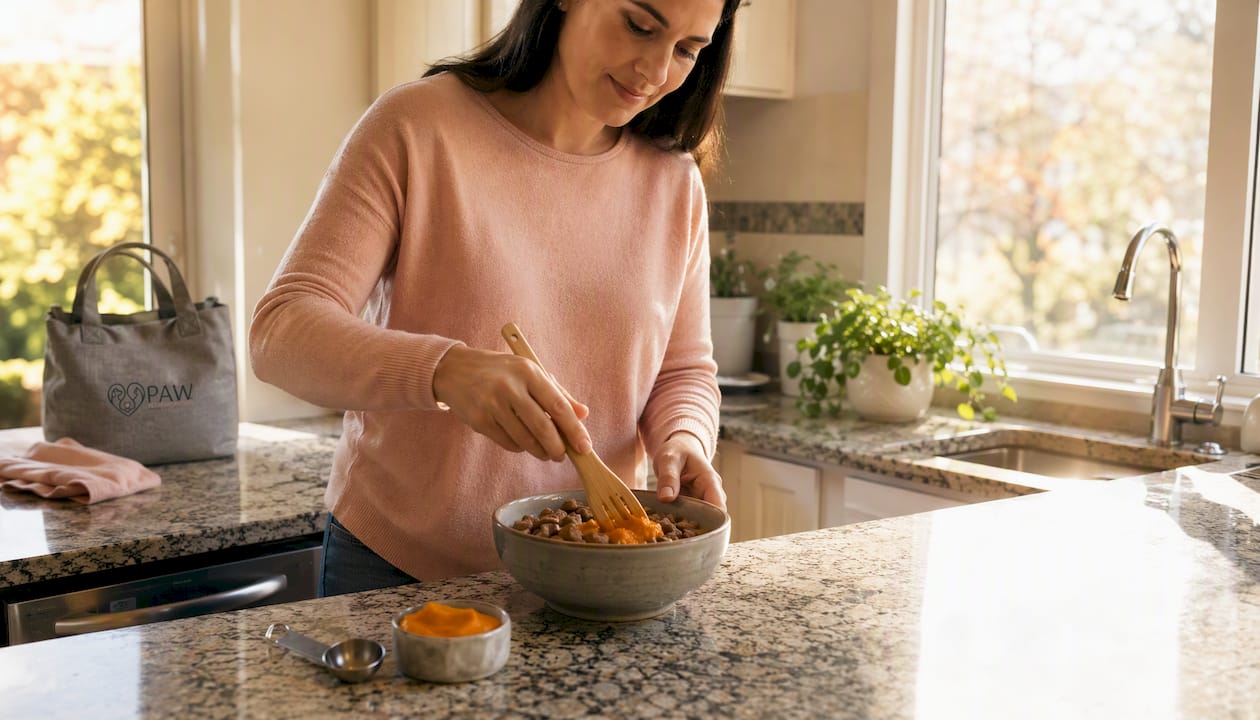
Pro Tip: Pumpkin (plain canned, not pie filling) is a popular home remedy because it contains both soluble and insoluble fiber. A teaspoon mixed into wet food is a gentle starting point, but it works best for mild cases in well-hydrated cats.
How can you get a senior or immobile cat to drink more water?
Raising dietary water through food is often more effective than relying on a cat to drink enough on its own, especially for seniors who may have reduced thirst drive. That said, combining food-based hydration with smart water strategies gives you the best results.
Low-stress hydration tactics for senior or disabled cats:
- Use wide, shallow bowls to avoid whisker fatigue, which causes some cats to avoid deep bowls entirely
- Place water stations away from the litter box and food bowl (cats instinctively avoid drinking near elimination sites)
- Freeze low-sodium broth into ice cubes and add one to the water bowl; many cats are drawn to the moving, flavored water as it melts
- Try a pet water fountain, which provides continuous movement that appeals to cats’ natural preference for running water
- Offer small, frequent meals with added warm water rather than one large meal
For cats who genuinely cannot rehydrate orally, subcutaneous (SC) fluids are a safe and effective option. A mobile veterinarian can administer them at home and, in many cases, teach you to do it yourself between visits.
Pro Tip: Rotating bowl materials (ceramic, stainless steel, glass) sometimes reveals a strong preference in finicky seniors. A cat that ignores a plastic bowl may drink readily from a ceramic one.
What supplements and laxatives are safe for cats?
Osmotic laxatives are the most commonly recommended adjuncts to diet. PEG 3350 (polyethylene glycol) is often the preferred choice because it is nearly flavorless and mixes easily into wet food. Lactulose is another option, though some cats reject its sweet taste. Both work by drawing water into the colon to soften stool, and both require veterinary titration to avoid diarrhea or electrolyte shifts.
Probiotics and prebiotics are frequently mentioned as natural remedies for cat constipation, but the evidence is more nuanced than most product labels suggest. Probiotic effects are strain-specific, and generic over-the-counter products may not provide the strains that benefit feline GI motility. An integrative or nutrition-experienced veterinarian can guide you toward a product with relevant evidence behind it.
Safety checklist before starting any oral laxative:
- Confirm the diagnosis with your vet before starting; constipation and obstruction can look similar
- Never use human phosphate enemas — they are dangerous in cats
- Start at the lowest suggested dose and titrate upward slowly
- Monitor stool frequency and consistency daily
- Stop and call your vet if diarrhea develops, your cat stops eating, or vomiting begins
- For long-term PEG 3350 use, schedule periodic electrolyte checks
You can find evidence-based supplement options through Pet Acupuncture & Wellness’s recommended products if you want guidance on what the practice uses clinically.
When does your cat need mobile integrative care at home?
When diet changes and home laxatives haven’t produced results within 48–72 hours, or when your cat is too fragile or anxious to travel to a clinic, mobile integrative care becomes the most practical next step. Acupuncture and electroacupuncture have been used to treat chronic constipation and megacolon in cats, with case reports describing improved bowel movements after a series of sessions.
The in-home environment matters more than most owners realize. Clinic stress activates the sympathetic nervous system, which suppresses GI motility. A cat that is calm, in its own space, and not fighting a carrier is physiologically more receptive to treatment. Integrative veterinarians note that diet must be paired with strategies addressing the cat’s emotional and physical state, and that in-home visits reduce the clinic-related stress that can worsen GI function.
What to ask a mobile integrative vet:
- What is your experience with feline constipation and megacolon specifically?
- Do you offer in-home subcutaneous fluid administration or instruction?
- Which acupuncture protocols do you use for GI motility (e.g., GV-1, ST-36)?
- What does a follow-up plan look like after the first visit?
Acupuncture for cats in South Tampa can be combined with nutritional therapy and manual rehabilitation for cats whose constipation has a mobility or musculoskeletal component.
Your 72-hour at-home plan for mild constipation
Over 72 hours, prioritize hydration through food, try a vet-approved osmotic laxative if you have guidance, monitor closely, and contact a mobile vet if there is no improvement by hour 48.
- Hour 0: Replace dry food with canned pâté; add 2–4 tablespoons of warm water per serving
- Hour 0–12: Set up a water fountain and place shallow water bowls in two or three locations
- Hour 12: If your vet has approved PEG 3350, mix a conservative, titrated dose into wet food
- Hour 12–24: Offer small meals every 4–6 hours rather than one large meal
- Hour 24: Log stool output, appetite, and energy level; note any vomiting
- Hour 48: If no stool and appetite is declining, contact your mobile vet
| Time Window | Intervention | What to Watch For | When to Call the Vet |
|---|---|---|---|
| 0–24 hrs | Wet food + added water, hydration stations | Any stool passed, appetite, energy | Vomiting, pain, lethargy |
| 24–48 hrs | Continue above + PEG 3350 if vet-approved | Stool frequency, consistency | No stool, worsening lethargy |
| 48–72 hrs | Maintain diet changes, log all observations | Appetite returning, normal stool | No improvement at all |
| 72+ hrs | Escalate to mobile vet visit | Any red flag symptom | Immediately if red flags appear |
Cost context: a bag of PEG 3350 powder typically runs $10–$20 at a pharmacy, and a case of quality canned cat food averages $30–$50. A single mobile integrative vet visit in South Tampa generally costs more, but it includes a physical exam, individualized plan, and hands-on treatment that home measures cannot replicate. For a breakdown of budgeting for senior pet care, that partner resource covers cost planning in detail.
When should you stop home care and get emergency help?
Seek immediate veterinary attention if your cat is vomiting repeatedly, is lethargic or unresponsive, shows signs of abdominal pain, or has not passed any stool in 48–72 hours with worsening behavior. These signs can indicate obstipation, megacolon, or a systemic illness that diet changes cannot address.
Emergency red flags:
- Repeated vomiting or inability to keep water down
- Collapse or extreme weakness
- Pale or white gums
- Rapid or labored breathing
- Visible abdominal distension
- Fever or signs of severe dehydration (skin tenting, sunken eyes)
- Crying out or reacting painfully when the abdomen is touched
If your cat has not passed stool in 72 hours and is showing any of the above signs, this is a veterinary emergency. Clinical protocols for severe constipation prioritize rehydration before any manual intervention, which is why IV or subcutaneous fluids must come before attempting deobstipation.
When you call, have ready: the date of your cat’s last bowel movement, any medications or supplements given, recent diet changes, and your cat’s current water intake. This information helps a mobile vet triage quickly over the phone.
Key Takeaways
Wet food and hydration are the fastest, safest first steps for a constipated cat; add vet-guided osmotic laxatives if needed, and call a mobile integrative vet if there is no improvement within 48–72 hours or if any red flag appears.
| Point | Details |
|---|---|
| Wet food first | Switching to canned food raises fecal water content faster than any supplement. |
| Fiber type matters | High-fiber diets help mild cases but can worsen megacolon; low-residue diets are safer for severe colonic dysfunction. |
| Probiotics need guidance | Probiotic effects are strain-specific; consult an integrative vet before choosing a product. |
| Never use phosphate enemas | Human phosphate enemas cause life-threatening electrolyte imbalances in cats. |
| Pet Acupuncture & Wellness | Offers mobile in-home integrative care in South Tampa, including acupuncture, SC fluids, and individualized nutrition plans for senior or disabled cats. |
What we see in home visits for constipated cats
The most consistent thing we notice when visiting a constipated senior cat at home is how much calmer the cat is compared to a clinic setting. That calm is not just comfort; it is physiologically meaningful. A relaxed cat has better GI motility, is more likely to eat, and responds more readily to acupuncture and nutritional adjustments. We have seen cats who had been straining for days begin passing stool within 24 hours of a combined visit that included targeted acupuncture, a revised diet plan, and in-home SC fluids.
What owners often underestimate is how much the environment shapes the outcome. A cat fighting a carrier, stressed by a waiting room, and examined on a cold table is not the same patient as one resting in its own bed. The diet changes matter, but pairing them with a calm, familiar setting and hands-on integrative care frequently changes the trajectory in ways that diet alone cannot.
If you are managing a senior or disabled cat’s constipation at home and feeling uncertain, that is exactly the situation a mobile integrative visit is designed for. You do not have to wait until things become an emergency.
When diet alone isn’t enough, Pet Acupuncture & Wellness comes to you
For South Tampa cat owners who have tried the diet changes and still aren’t seeing improvement, Pet Acupuncture & Wellness offers something no pharmacy shelf can: a licensed mobile integrative veterinarian who comes to your home, examines your cat in its own environment, and builds a plan around what your specific cat actually needs.
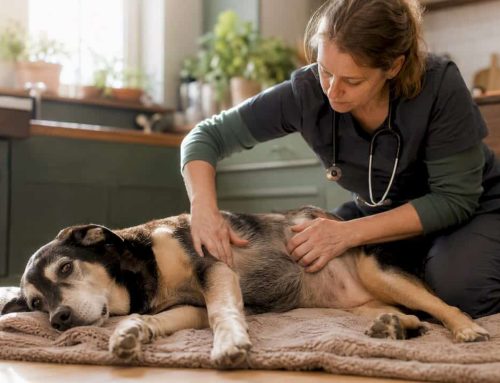
A typical at-home constipation visit includes a focused physical exam and abdominal palpation, targeted acupuncture when appropriate for GI motility support, a personalized nutrition plan, instruction for home PEG 3350 dosing or SC fluid administration, and a clear follow-up schedule. For cats with mobility limitations, pet rehabilitation therapy can be added to address the physical inactivity that often contributes to sluggish digestion. Telemedicine follow-ups are available between visits so you are never left guessing.
If your cat hasn’t improved after 48–72 hours of home measures, book a mobile integrative visit through pawvetpractice.com and let us assess what’s happening in the comfort of your own home.
Useful sources
- Nutrition and Feline Idiopathic Constipation — Today’s Veterinary Practice: Clinical review covering fiber types, diet forms, and long-term nutritional management strategies.
- Constipation, Obstipation, and Megacolon in Small Animals — MSD Veterinary Manual: Primary clinical reference for diagnosis, treatment protocols, and the phosphate enema safety warning.
- Feline Megacolon and Deobstipation — MSPCA: Practical guidance on PEG 3350 dosing, titration, and electrolyte monitoring.
- Medical and Nutritional Management of Constipation in Cats — DVM360 Proceedings: Conference proceedings covering in-hospital rehydration protocols and escalation criteria.
- Acupuncture Treatment of Chronic Constipation and Megacolon in a Cat — ResearchGate: Case report documenting acupuncture outcomes for feline chronic constipation.
- A Psyllium-Supplemented Gastrointestinal Diet for Chronic Constipation in Cats — Journal of Feline Medicine and Surgery: Six-month controlled trial evaluating a psyllium-enriched diet’s efficacy.
FAQ
What is the best diet for a constipated cat?
Canned or wet food is the most effective first-line diet change because it directly raises fecal water content. Adding warm water or low-sodium broth to each meal amplifies the effect.
Can pumpkin help with cat constipation?
Plain canned pumpkin (not pie filling) provides both soluble and insoluble fiber and can help in mild cases. One teaspoon mixed into wet food is a gentle starting dose, but it works best in well-hydrated cats.
How long does a cat constipation diet take to work?
Most cats show improvement within 24–72 hours of switching to wet food and increasing hydration. If there is no stool after 72 hours, contact a veterinarian.
Are probiotics safe for constipated cats?
Probiotics may help, but their effects are strain-specific and evidence in feline constipation is limited. Consult an integrative veterinarian before choosing a product rather than relying on a generic over-the-counter option.
When should I call a vet instead of managing at home?
Call immediately if your cat is vomiting repeatedly, is lethargic, shows abdominal pain, or has not passed stool in 48–72 hours. Pet Acupuncture & Wellness offers mobile in-home visits in South Tampa for cats who need clinical assessment without the stress of travel.