Mobile veterinary visits reduce stress for your pet, save you time, and open the door to more personalized, at-home medical care. The American Veterinary Medical Association’s preventive-care guidelines support regular wellness exams as the foundation of good pet health, and a house call can deliver that care without the car ride. One honest caveat: mobile care isn’t built for life-threatening emergencies or most surgeries.
- Calmer pets and more accurate exams
- Saved time and easier logistics for owners
- Longer, more personalized visits
- Not a substitute for emergency or surgical care
Key Takeaways
Mobile veterinary care reduces pet stress, saves owners time, and supports personalized treatment for senior, anxious, or mobility-limited pets, though it can’t replace emergency or surgical care.
| Point | Details |
|---|---|
| Stress reduction improves exams | Calm pets in familiar rooms allow more thorough exams and more reliable vitals. |
| Convenience saves real time | Skipping travel and waiting rooms benefits multi-pet homes and owners with mobility limits. |
| Scope covers most routine care | Wellness exams, vaccines, bloodwork, and palliative care are all typically available at home. |
| Know the limits | Emergencies, most surgeries, and overnight monitoring still require a clinic or ER. |
| Pet Acupuncture & Wellness fits senior and anxious pets | South Tampa house calls combine wellness care with acupuncture and rehab for pets who struggle with clinic visits. |
Table of Contents
- Reduced Stress and More Accurate Exams at Home
- Convenience for Owners: Time, Transport, and Accessibility
- What Mobile Vets Actually Do During a Visit
- Who Benefits Most From House-Call Veterinary Care
- Drawbacks and When to Choose a Clinic Instead
- How Mobile Vet Pricing Usually Compares to a Clinic Visit
- How to Prepare for Your Pet’s Mobile Vet Visit
- How to Choose a Trustworthy Mobile Vet
- Real-World Benefits We See in House-Call Practice
- Why We Often Recommend Mobile Care
- If You’re in South Tampa, Here’s How We Can Help
- Sources
- FAQ
Reduced Stress and More Accurate Exams at Home
Car rides, waiting rooms crowded with unfamiliar animals, and the smell of a clinic can send a dog’s heart rate climbing before the vet ever picks up a stethoscope. That physiological stress response isn’t just uncomfortable for your pet. It can actually distort exam findings, elevating blood pressure and heart rate to the point where a veterinarian struggles to tell “scared” from “sick.”
When your pet stays in a familiar room, that noise disappears. A calmer animal holds still longer, breathes more evenly, and allows a more thorough hands-on exam. Blood draws and other diagnostics tend to go smoother too, since a relaxed pet is easier to handle safely. The AVMA’s feline preventive-care guidance specifically notes how much the exam environment shapes outcomes for cats, who are especially sensitive to unfamiliar surroundings.
- Skip the carrier struggle and car anxiety entirely
- Get exam results less skewed by fear-driven vitals
- Reduce exposure to other animals’ illnesses in a waiting room
Pro Tip: Pick the room your pet already associates with naps and treats, not the one you use for baths. Familiar smells calm pets faster than anything a vet can do with a gentle voice.
Convenience for Owners: Time, Transport, and Accessibility
There’s no carrier wrestling match, no loading a nervous dog into the back seat, and no twenty minutes in a waiting room flipping through old magazines. A mobile visit collapses all of that into one appointment, right in your living room or driveway.
This matters even more if you’re managing a multi-pet household or dealing with your own mobility limits. Loading two cats and a senior dog into a car for back-to-back vet appointments is a logistical headache most owners dread. A house-call visit handles all of them in one stop.
- An arthritic senior dog avoids the pain of being lifted into a vehicle
- An indoor cat who hides under the bed the moment a carrier appears never has to leave the house
- Owners without reliable transportation, or with their own physical limitations, get equal access to quality care
What Mobile Vets Actually Do During a Visit
Mobile veterinary services cover far more than a quick checkup. A typical visit can include wellness exams, vaccinations, bloodwork, urinalysis, chronic-disease monitoring, prescription refills, pain management, and palliative or end-of-life care. Practicing house-call veterinarians report that the scope of services closely mirrors what you’d get at a traditional clinic, just delivered without the stress of getting there.
Visits also tend to run longer than a rushed fifteen-minute clinic slot, which gives your vet time to actually talk through your pet’s history, watch how they move around their own home, and tailor recommendations to your specific household.
- Wellness exams, vaccines, and routine bloodwork
- Chronic-condition monitoring (arthritis, kidney disease, diabetes)
- Prescription management and pain control
- Palliative and hospice-style end-of-life care
Some needs still point back to a clinic or specialty hospital: advanced imaging like MRI or CT, most surgical procedures, and overnight inpatient monitoring all require equipment a mobile practice can’t bring through your front door.
Who Benefits Most From House-Call Veterinary Care
Not every pet needs a house call, but some genuinely thrive with one. Anxious cats who panic at the sight of a carrier, senior dogs managing arthritis or cognitive decline, pets with chronic illness who need frequent monitoring, and multi-pet households all tend to see the biggest payoff.
- Anxious or fearful pets, especially cats
- Senior pets with mobility or cognitive changes
- Pets managing chronic disease that requires regular check-ins
- Owners with transportation or physical limitations
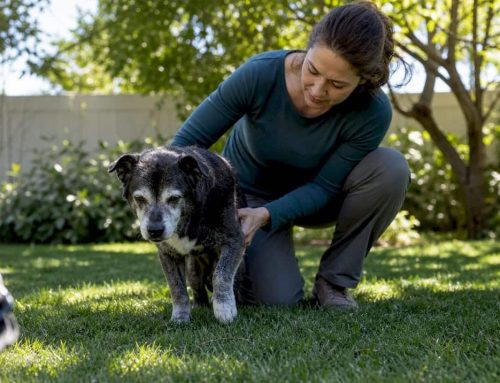
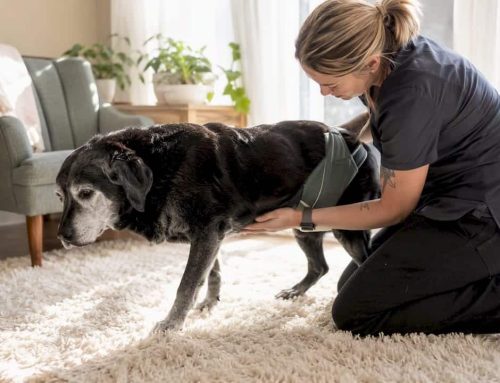
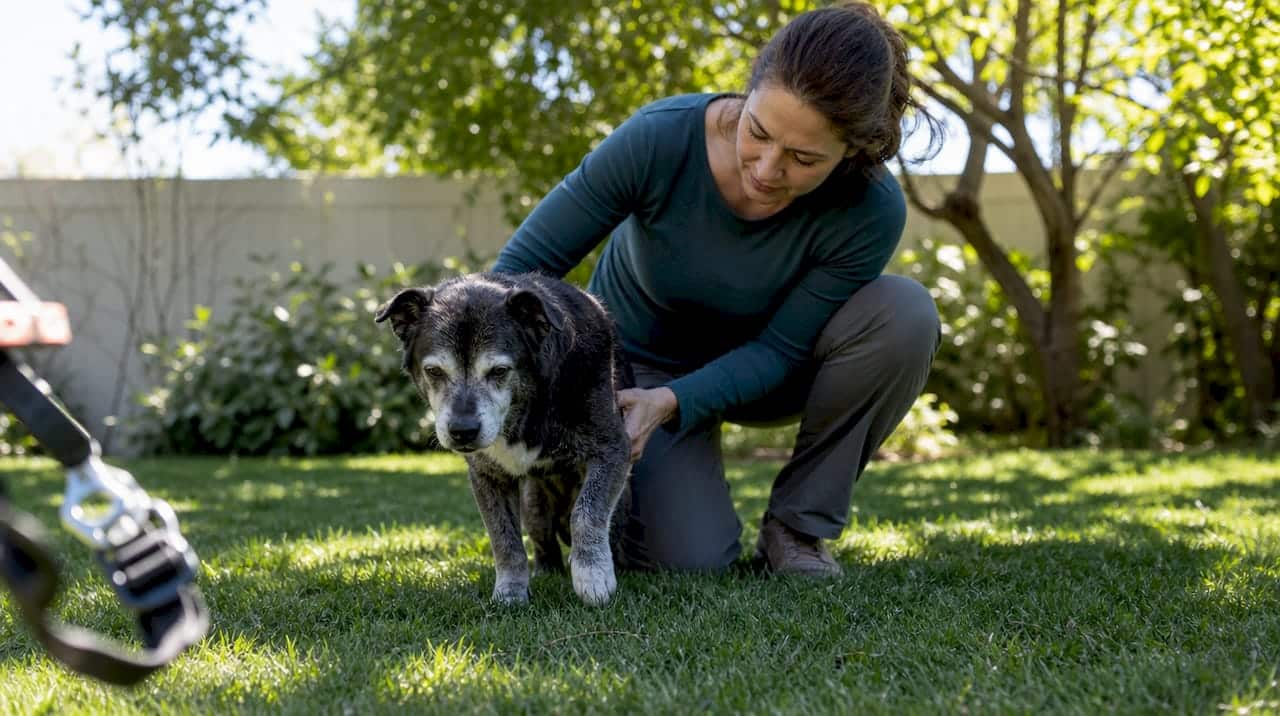
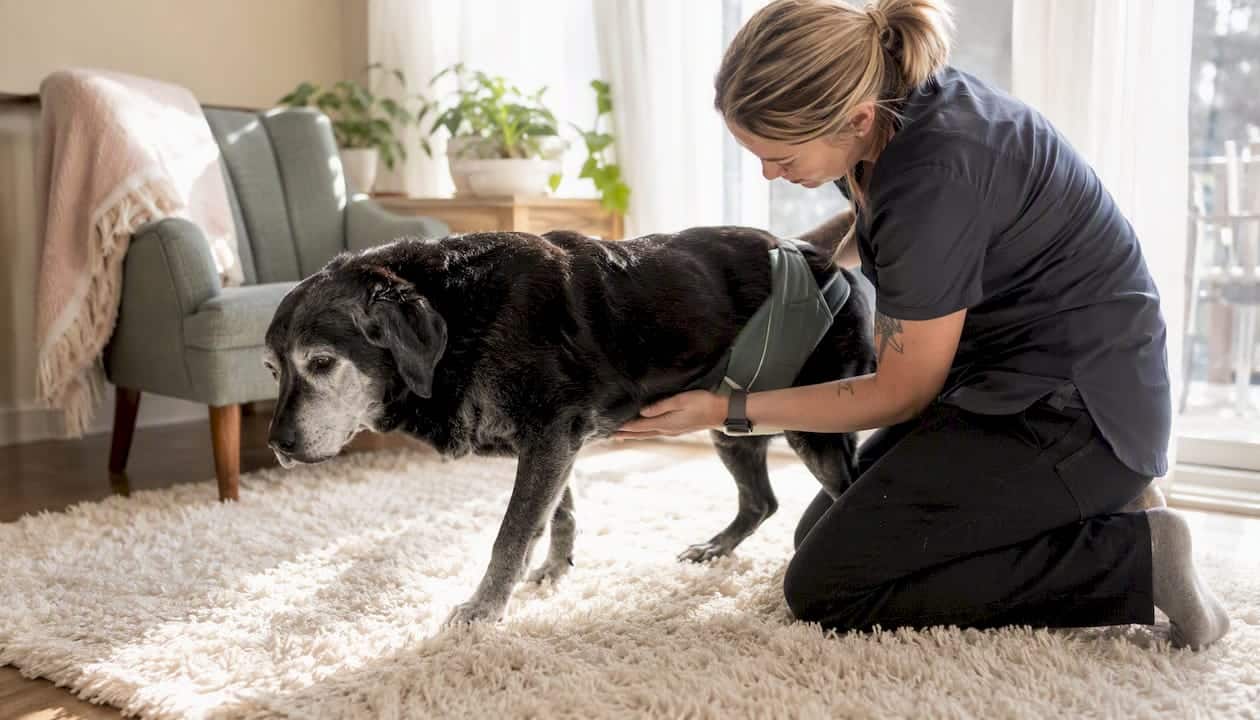
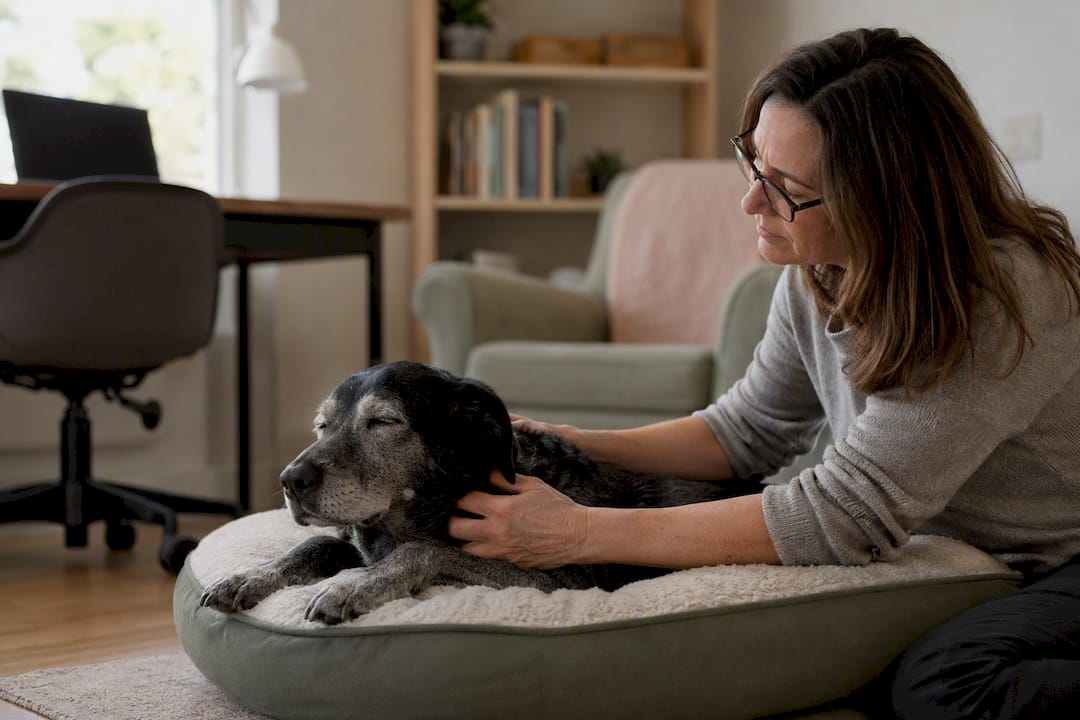
Picture a fourteen-year-old Labrador with hip dysplasia who can barely make it down the porch steps. A house call spares him the car ride entirely. Or consider a family facing a pet’s final weeks. In-home palliative and euthanasia care lets that last visit happen somewhere peaceful instead of a sterile exam room.
Drawbacks and When to Choose a Clinic Instead
Mobile veterinary care has real limits, and a good practice will tell you so upfront. It isn’t designed for life-threatening emergencies, most surgical procedures, or situations requiring overnight inpatient monitoring. If your pet needs advanced imaging like an MRI, that also means a trip to a specialty center.
Certain symptoms should send you straight to an emergency hospital rather than waiting on a scheduled house call:
- Signs of shock (pale gums, collapse, extreme lethargy)
- Uncontrolled or severe bleeding
- Labored or difficult breathing
- Seizures, especially if prolonged or repeated
A responsible house-call veterinarian, including any mobile vet visit worth booking, will have a clear referral pathway for exactly these situations. Ask about it before you need it.
How Mobile Vet Pricing Usually Compares to a Clinic Visit
A mobile vet bill typically breaks into three pieces: a base exam fee, a travel or house-call fee, and any added services like vaccines or labs. That travel fee is the one line item clinic visits don’t have, and it can make a mobile appointment look pricier on paper.
Factor in gas, a half-day off work, and the stress of getting a terrified cat into a carrier, and the math often evens out. Some practices also offer technician visits or tiered care plans for routine tasks, which trims the per-visit cost for pets needing frequent monitoring.
- Ask about the flat travel fee before booking
- Request an estimate for expected services, not just the exam
- Ask what payment options and care plans are available
How to Prepare for Your Pet’s Mobile Vet Visit
A little prep goes a long way toward a smooth, low-stress appointment.
- Pick a quiet room away from foot traffic and other pets, and clear a spot for the vet to work.
- Have vaccination records, medication lists, and any recent test results ready to hand over.
- Set out a favorite blanket or a few treats to help your pet settle in.
- Expect a longer visit than a typical clinic appointment, especially the first one, and plan extra time if you have more than one pet being seen.
Before the exam starts, expect your vet to ask about recent behavior changes, current medications, and appetite or bathroom habits. Have quick answers ready.
How to Choose a Trustworthy Mobile Vet
A few pointed questions separate a well-run mobile practice from one that’s cutting corners.
- Ask about licensing and credentials, and what equipment travels on the van
- Ask what happens if your pet needs emergency care mid-visit
- Ask for a clear pricing breakdown, including the travel fee
- Ask about follow-up policy after the appointment
Trust signals worth checking include a practice’s alignment with AVMA-style preventive-care guidance, a clearly listed menu of services, and genuine reviews from local pet owners. Practices offering technician visits or ongoing care plans are often worth extra consideration since they tend to lower long-term costs.
Real-World Benefits We See in House-Call Practice
Calmer exams are the pattern we notice most. A cat who would otherwise hiss and claw through a clinic visit often settles into a lap the moment the environment feels familiar. That calm translates into cleaner vitals and more reliable diagnostics, especially for senior pets whose chronic conditions need consistent tracking over time.
House calls also reveal things a clinic never would. A slippery floor near the food bowl, a litter box tucked behind a closed door, stairs a stiff-hipped dog now avoids. These details often explain a behavior or mobility change better than anything visible in an exam room.
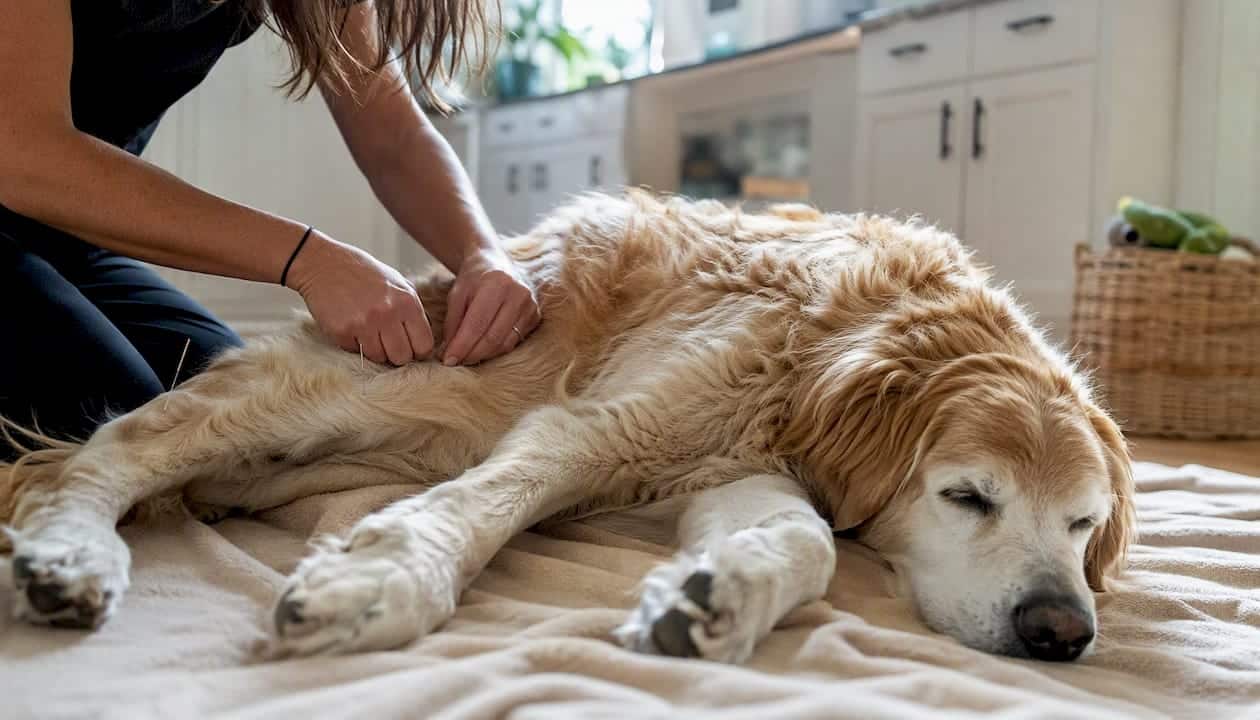
Pet Acupuncture & Wellness focuses specifically on senior, disabled, and anxious dogs and cats in South Tampa, pairing conventional exams with integrative therapies like acupuncture and rehabilitation. In practice, that means longer appointment windows, real attention to a pet’s home environment, and small mobility mods, like a non-slip mat by the water bowl, that clinics rarely get to suggest.
Why We Often Recommend Mobile Care
We recommend house calls most often for senior pets, anxious cats, and dogs whose mobility makes a car ride genuinely painful. Skipping that trip changes the whole tone of the visit, and it usually leads to a more honest, complete exam. Traditional clinics still matter enormously, though. Emergencies, surgeries, and advanced diagnostics belong there, not on a mobile van. When mobile care fits, we like layering in integrative options like acupuncture or rehab, since a calm pet gets more benefit from hands-on therapy than a stressed one ever will.
If You’re in South Tampa, Here’s How We Can Help
Pet Acupuncture & Wellness brings the exam room to your living room, and for pets who dread the car ride or the waiting room, that alone changes everything about how they experience veterinary care.
Our South Tampa house calls combine standard wellness care with integrative therapies built for pets who need something gentler than a rushed clinic slot:
- In-home wellness exams, vaccines, and chronic-care monitoring
- Acupuncture for pain management and mobility support
- Rehabilitation therapy for arthritic or post-surgical pets
- Compassionate palliative and end-of-life care at home
If your senior dog struggles with stairs or your cat turns into a ghost the moment the carrier comes out, book a visit and let us bring the calm, personalized exam to your door instead.
Sources
- Aaha-Avma canine preventive healthcare guidelines | AVMA
- Mobile vet visit: what to expect | GreatPetCare
FAQ
What are the benefits of using a mobile vet?
Mobile vets reduce stress by keeping pets in a familiar environment, save owners time on travel and waiting rooms, and often allow longer, more personalized appointments than a typical clinic visit.
What are the drawbacks of a mobile vet?
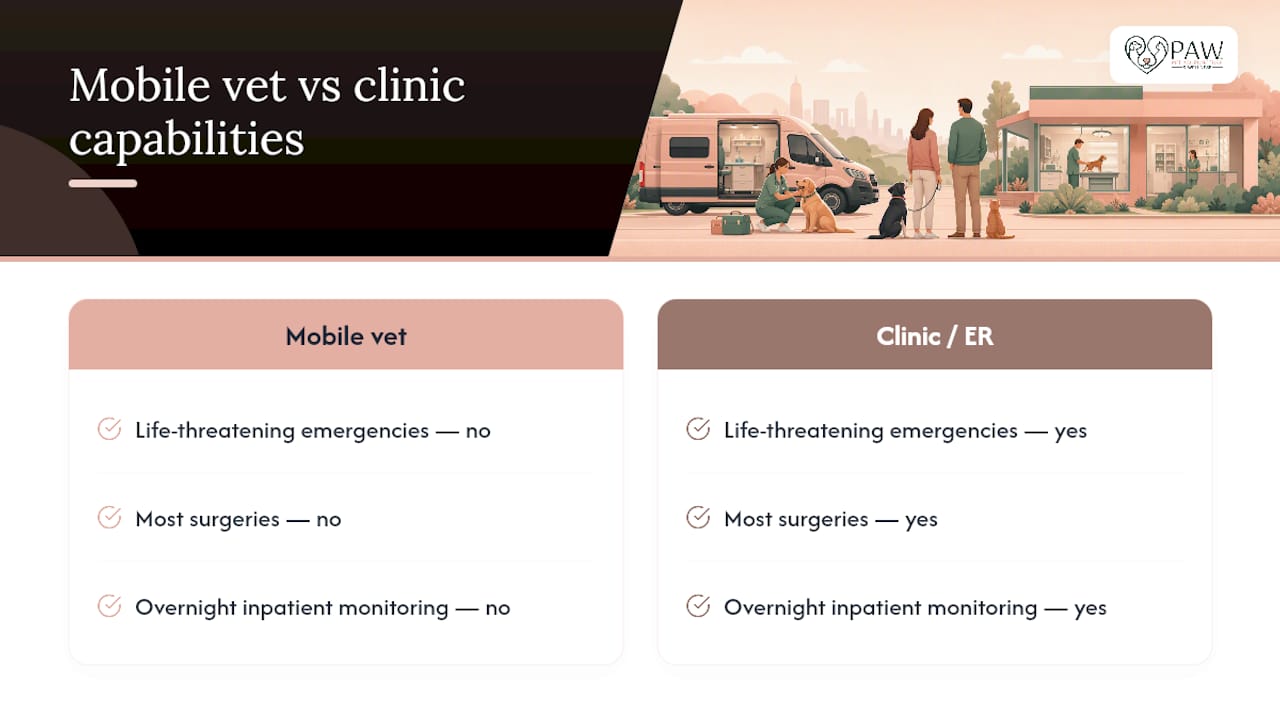
Mobile vets generally can’t handle life-threatening emergencies, most surgeries, or situations requiring overnight inpatient monitoring, so those cases still need a clinic or emergency hospital.
Is a mobile vet cheaper than a regular vet?
Mobile visits often add a travel or house-call fee on top of the exam cost, but once you factor in gas, lost time, and pet stress, the total value can come out comparable to a clinic visit.
What is the hardest animal to treat?
Difficulty varies by individual temperament more than species, but highly anxious cats and fear-aggressive dogs are frequently cited as the toughest to examine safely in an unfamiliar clinic setting, which is part of why in-home visits tend to help them the most.