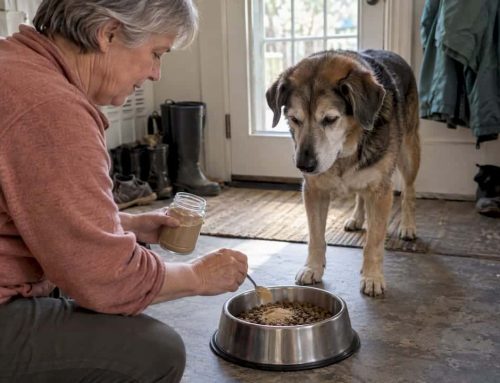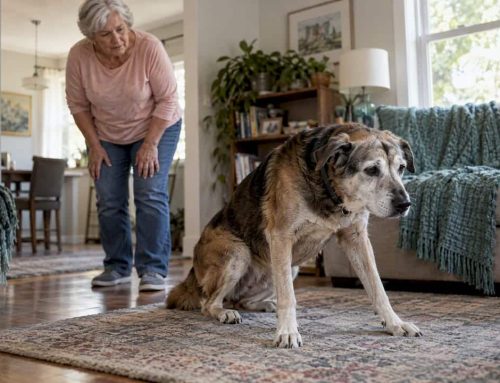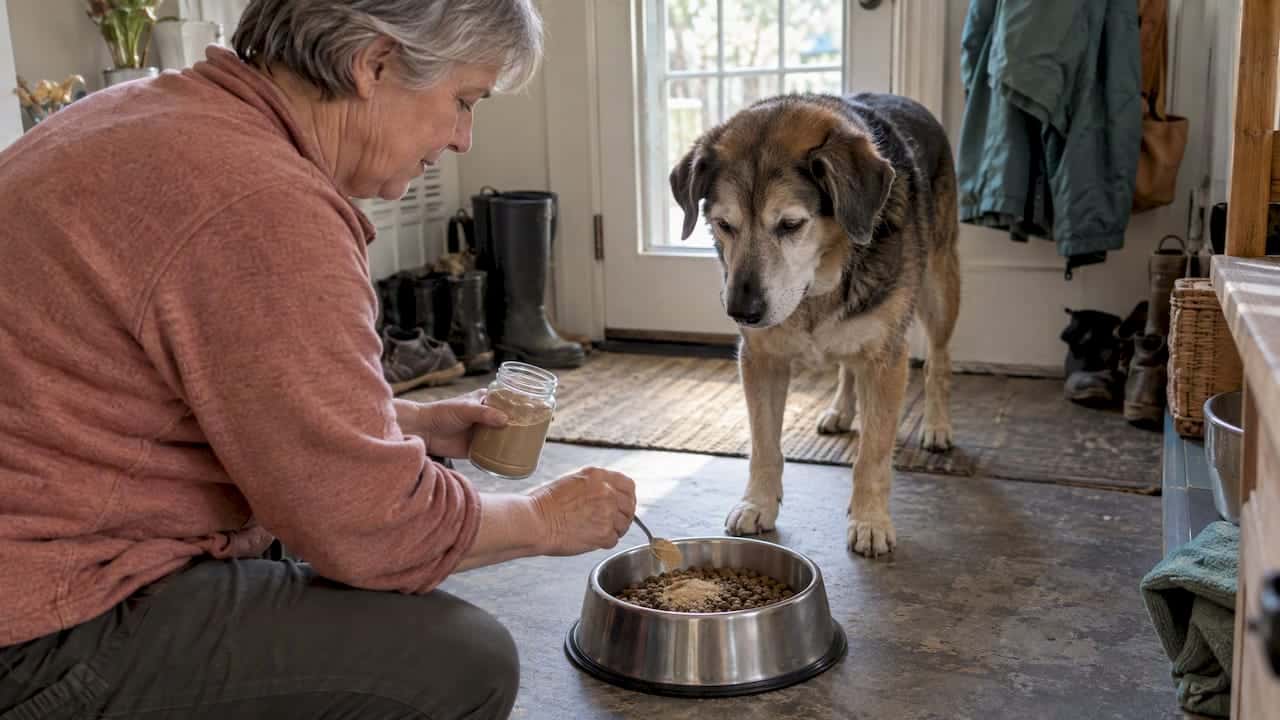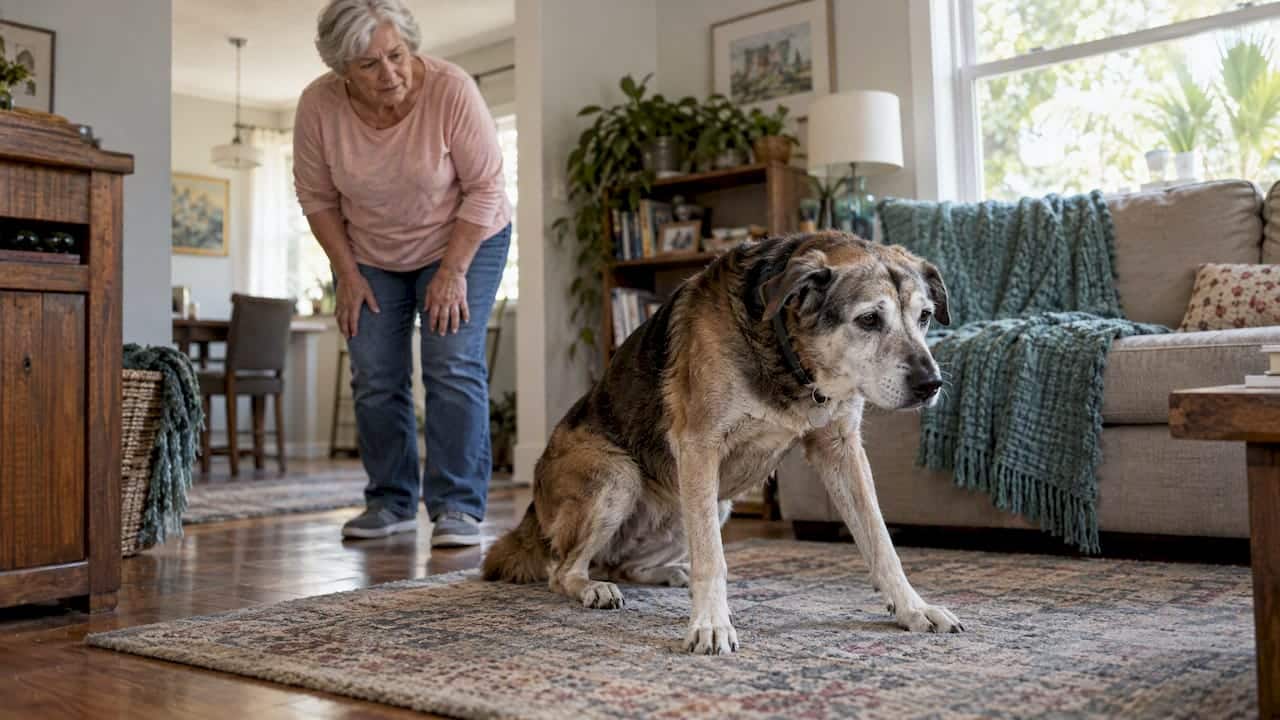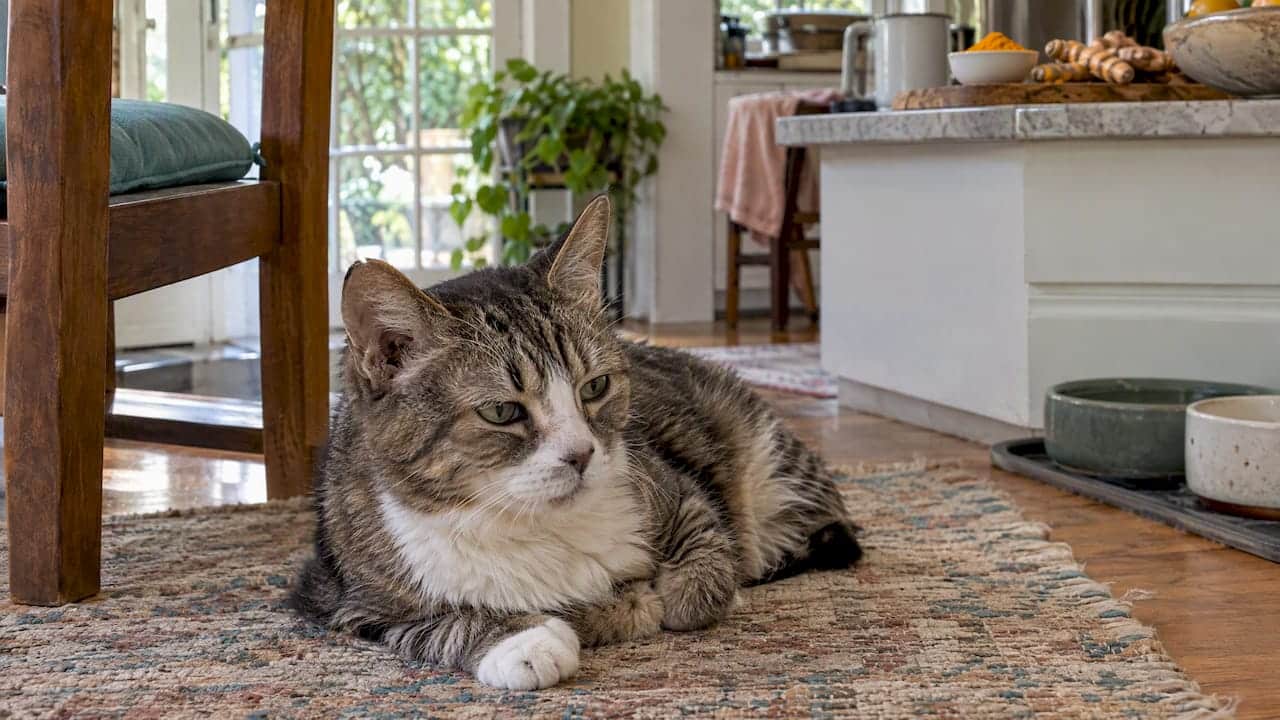
Pick a quiet, well-lit room away from hiding spots, gather your pet’s medical records and current medications, and set out a few high-value treats and a favorite blanket. Home visits typically run 45 to 60 minutes. This is longer than a rushed clinic slot, so build in extra time if your dog or cat is anxious or new to the process. A little setup goes a long way toward a smooth visit.
TL;DR:
- Most pet stress during visits is reduced when the examination occurs at home, leading to more accurate health assessments through lower cortisol levels.
- Preparing a familiar, decluttered room with treats, a blanket, and household logistics ready ahead of time minimizes pet anxiety and eases the vet’s access.
- Cats need enclosed, small spaces with open carriers to feel safe, while dogs benefit from pre-visit walks and high-value treats for quicker calmness.
- Handling anxiety with counterconditioning, environmental aids, and timing medication properly helps keep pets calm and receptive during the visit.
- Having all health records, medication details, and handling preferences organized ensures continuity of care and smoother diagnostics or treatments.
Table of Contents
- What Happens During an At-Home Vet Visit?
- Pre-Visit Checklist: Room, People, and Supplies
- How Do I Prepare Cats, Dogs, Seniors, and Multi-Pet Homes?
- Managing Anxiety Before the Exam
- What Documents Should You Have Ready?
- Day-of Checklist and Timing Tips
- How a mobile pet wellness service approaches home visits
- Ready to Book an In-Home Visit?
- Sources
- FAQ
What Happens During an At-Home Vet Visit?
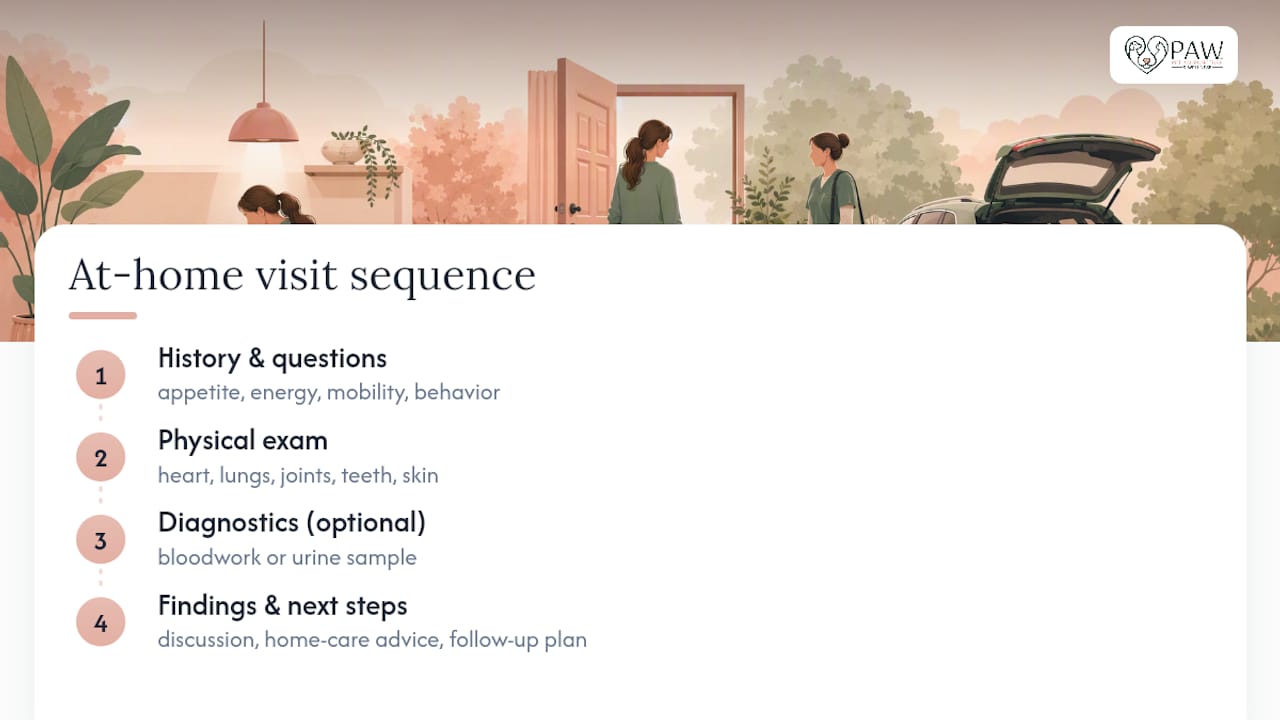
A house call follows a familiar rhythm, just without the waiting room. Your vet starts by asking about recent changes in appetite, energy, mobility, or behavior, then moves into a hands-on physical exam covering heart, lungs, joints, teeth, and skin. If bloodwork, a urine sample, or another diagnostic test is needed, many mobile vets can run it right there or collect a sample to send out. The visit closes with a conversation about findings and next steps, and this is where home care shines.
Because your pet stays in their own space, stress hormones like cortisol stay lower. This means heart rate, blood pressure, and behavior readings reflect your pet’s true baseline rather than a fear response. That accuracy matters more than most owners realize. It also means you get more uninterrupted time to ask questions without a technician knocking to move you to the next room. Some mobile vets work from a fully outfitted vehicle rather than inside your house. Both formats aim for the same thorough, low-stress standard of care link…
Pre-Visit Checklist: Room, People, and Supplies
Give yourself 24 to 48 hours before the appointment to get everything in place. Rushing this the morning of the visit is where most avoidable stress creeps in.
Start with the room itself. A good exam space is one your pet already associates with calm, not the room where the carrier lives or the bathroom where nail trims happen. It should be free of clutter, with enough floor space for the vet to kneel or set down a bag, and for cats, no gaps under furniture or behind appliances where a spooked animal can wedge itself.
- Choose a familiar, uncluttered room with good lighting and no easy hiding spots.
- Pull together vaccination records, a current medication list, and any recent lab results.
- Write down gate codes, parking instructions, and buzzer details so the vet isn’t stuck outside.
- Set out a calming toolkit: treats, a lick mat, a favorite blanket, and a pheromone diffuser if your pet already responds to one.
- Have a leash or carrier within reach, and keep other household pets in a separate room until called for.
- Assign one family member to greet the vet and one to manage the pet, so nobody is scrambling mid-visit.
Pro Tip: Do a trial run the day before. Set your pet up in the chosen room with a treat and see how they react to the space alone. If they seem tense there, pick a different room before the vet ever arrives.
How Do I Prepare Cats, Dogs, Seniors, and Multi-Pet Homes?
Every household has its own wrinkles, and a one-size checklist rarely covers all of them.
Cats generally do better in a small, enclosed space like a bathroom or a short hallway rather than a big open living room where they can bolt and hide. Let the carrier sit open in that room for a day beforehand so it reads as a safe spot instead of a trap, and resist the urge to chase or corner your cat once the vet arrives. Dogs usually settle faster with a short walk 20 to 30 minutes before the appointment to burn off nervous energy, plus a leash and harness already on and a non-slip mat or towel on the exam surface. High-value treats, the kind reserved only for vet visits, work better than everyday kibble.
- Senior or disabled pets: set up a low, stable exam surface, keep mobility aids like ramps or slings nearby, and jot down recent pain or stiffness patterns to share.
- Multi-pet households: separate animals into different rooms ahead of time and expect the visit to run longer since each pet needs individual attention.
Managing Anxiety Before the Exam
Letting your pet approach the vet on their own terms beats forcing an introduction every time. Counterconditioning with high-value food rewards, offered the moment the vet enters the room, teaches your pet to associate the visit with something good rather than something to dread.
Environmental aids help too. Calming garments, pheromone sprays, and a familiar blanket or toy all lower the emotional temperature of the room. If your vet has prescribed an anxiolytic for the visit, timing matters. These medications need enough lead time to take effect before the exam begins, so confirm the schedule directly with your prescribing veterinarian rather than guessing. It’s also worth asking upfront whether your vet uses Fear Free handling techniques, since that approach is built specifically around keeping pets calm in their own environment.
Pro Tip: If your pet has ever bitten, scratched, or shut down during a past vet visit, say so before the appointment, not during it. That single detail changes how the vet approaches handling from the first minute.
What Documents Should You Have Ready?
Continuity of care depends on the vet having a full picture, not just what happens in the room that day. Send what you can ahead of time by email or a client portal, then keep physical copies on hand as backup.
- Vaccination history and any known allergies or medication reactions.
- A current medication list, including supplements and dosages.
- Recent lab work, imaging reports, or referral notes from a specialist.
- Microchip number, in case it needs to be scanned or updated.
- A short note on handling preferences and behavior triggers.
If your pet’s case involves something that needs equipment only a clinic has, like advanced imaging or surgery, ask your mobile vet about referral pathways before the visit so you know the backup plan in advance.
Day-of Checklist and Timing Tips
The morning of the appointment, keep things simple and predictable.
- Fit any calming garment or apply pheromone spray at least 15 to 20 minutes before the vet arrives, not the moment they knock.
- Skip a heavy meal about two hours beforehand if your vet has advised it, especially if sedation or bloodwork is planned.
- Lay out treats, a blanket, and a towel in the exam room so nothing is a last-minute scramble.
- Give the vet a quick verbal summary of any recent changes, current medications, and your pet’s top handling cues as soon as they walk in.
- Clear your schedule on both sides of the appointment. Visits often run the full 45 to 60 minutes, and tight scheduling right before or after just adds pressure everyone can feel.
How a mobile pet wellness service approaches home visits
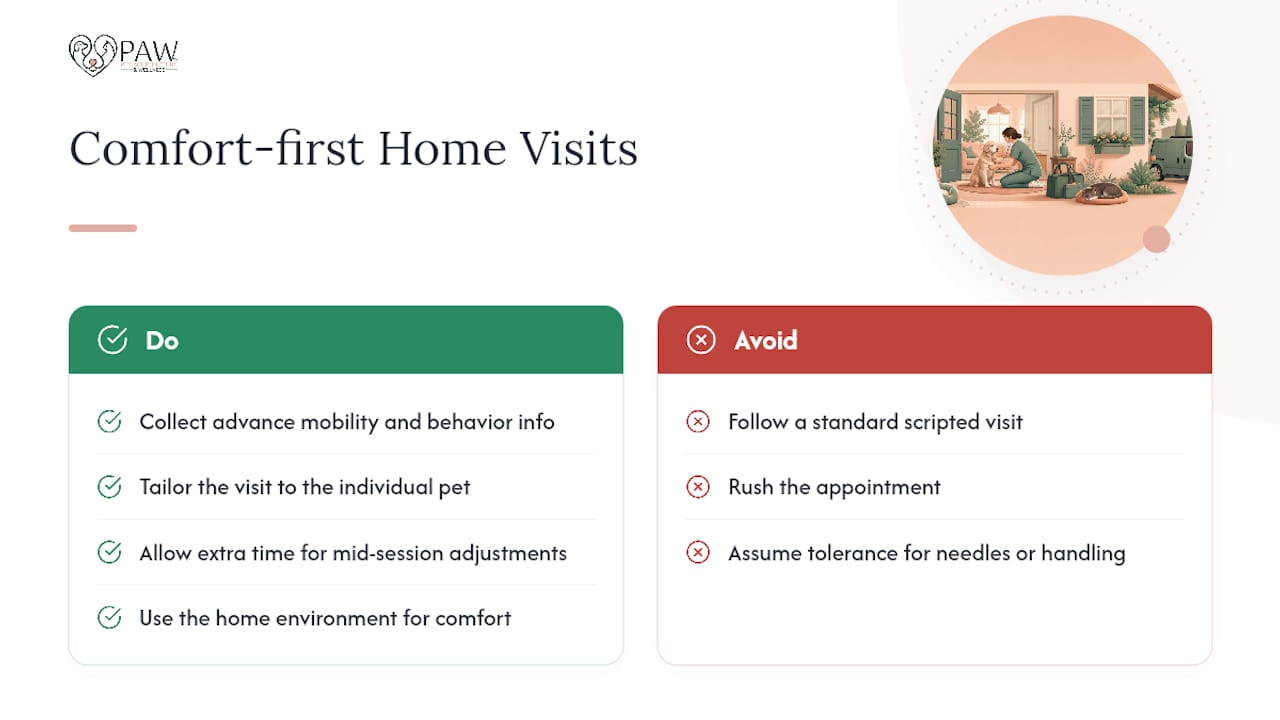
Comfort-first handling is important in mobile pet wellness for senior, disabled, and anxious pets. Acupuncture, rehabilitation, and herbal support all ask a pet to stay still and relaxed, which is easier in a familiar home environment than a clinic setting.
Many owners provide advance information about mobility limitations, past reactions to handling, or a pet’s response to needles and touch. This helps tailor the visit around the individual pet rather than a standard script, and extra time in a house call allows adjustments mid-session if needed. Pets who need breaks or a slower introduction benefit from this flexible approach rather than a rushed appointment.
Ready to Book an In-Home Visit?
Mobile veterinary services offer a way to skip the car ride, the waiting room, and the stress that comes with both, especially for senior dogs with joint pain or cats who shut down at the carrier. Instead of choosing between skipping care and a stressful trip, pet owners can access acupuncture, rehabilitation, laser therapy, herbal treatments, and telemedicine delivered in the pet’s familiar environment.

Booking works much like scheduling any house call: you share your pet’s history and current concerns, and the first visit runs longer to build a full picture before any hands-on treatment begins. If chronic pain, arthritis, or mobility loss has been wearing on your dog or cat, explore in-home acupuncture care and request a visit to see how a calmer, more personalized approach fits your pet’s needs.
Sources
- An inside look into mobile veterinary practices — dvm360
- Dr. Elizabeth (Liz) McCalley — PetMD author page
- Stressful situations for pets — Texas A&M Veterinary Medicine
- Mobile vet visit: what to expect — Great Pet Care
FAQ
How Much Does It Cost to Have a Vet Come to Your Home?
Costs vary widely by region, services provided, and whether integrative therapies like acupuncture are included, so it’s best to ask for a quote directly when booking rather than relying on a general estimate.
How Should I Prepare for At-Home Euthanasia of My Dog?
Choose a quiet, comfortable space your dog already loves, have a favorite blanket and treats on hand, and talk with your vet in advance about what the process involves so you know what to expect emotionally and logistically.
What Is the Rule of 20 in Veterinary Medicine?
The rule of 20 refers to a checklist critical care veterinarians use to monitor 20 different body systems and functions in seriously ill patients; it’s mainly relevant to hospitalized or emergency cases rather than routine home visits.
When Should I Give My Pet Anxiety Medication Before a Vet Visit?
Timing depends on the specific medication, so always follow your prescribing veterinarian’s instructions rather than a general rule, and give it early enough that it has taken effect before the exam starts.
What Is Considered the Hardest Animal to Treat?
There’s no single agreed-upon answer, since difficulty depends on the individual animal’s temperament, species-specific stress responses, and medical condition rather than any fixed ranking.