Mushroom supplements for dogs, such as reishi, turkey tail, shiitake and maitake, are sometimes used to support immune function, digestion and overall vitality, especially in senior dogs. The honest answer to “do they work?” is: possibly, for some dogs, as one part of a larger plan. The products are not tightly regulated, quality varies widely, and a supplement is never a replacement for diagnosing what is going on with your dog. This guide explains how to think about them, what to check on a label, and when to bring your veterinarian in.
TL;DR
- Medicinal mushrooms are used as gentle, long-term support for immunity, digestion and aging dogs. They are not a cure for cancer, Cushing’s disease, allergies or any other illness.
- In the U.S., pet supplements have no special regulatory category, so label quality and claims vary. Choose products that name the species, the part of the mushroom used and the manufacturer, and that can show third-party testing.
- Medicinal mushrooms are not the same as wild mushrooms. Never let your dog eat mushrooms found outdoors; some are dangerous within hours.
- Tell every veterinarian who treats your dog what you are giving, especially if your dog takes prescription medication or has a chronic condition.
Table of Contents
- Why dog owners are asking about mushrooms
- The mushrooms you will see on labels
- What the label can and cannot tell you
- Do mushroom supplements really help dogs?
- Safety: medicinal mushrooms versus wild mushrooms
- Drug interactions and chronic conditions
- Choosing a form: powder, chew, capsule or tincture
- A worked example: a senior dog and a short list
- Our perspective at Pet Acupuncture & Wellness
- When to bring in professional integrative care
- FAQ
- Sources
Why dog owners are asking about mushrooms
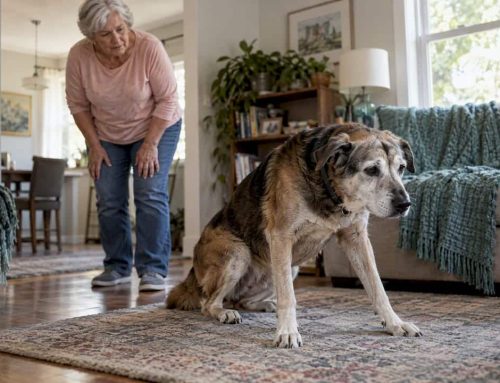
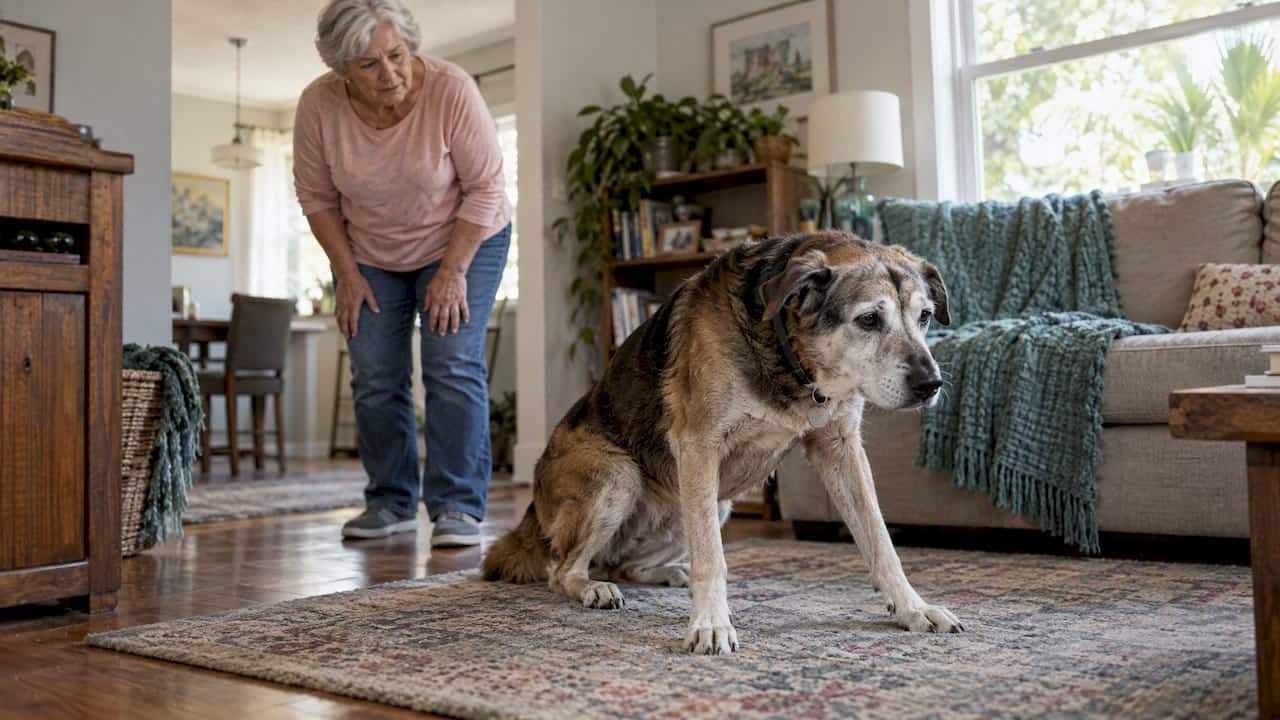
Most people arrive at this question the same way. Your dog is slowing down. Maybe the stairs are harder, the coat looks dull, or the vet has mentioned a chronic condition, and you want to do something gentle that supports the body without adding a harsh drug. Mushrooms have a long history in Traditional Chinese Medicine, and they have become a popular ingredient in chews, powders and tinctures sold for pets.
In Traditional Chinese Veterinary Medicine (TCVM), some mushrooms are used to support Qi, the body’s vital energy, and to help balance Yin and Yang. Think of Yin as shade and Yang as sunlight: a healthy dog has a bit of both, and illness often shows up when one overwhelms the other. Reishi, for example, is traditionally used for calming and for supporting the body’s resilience in older patients.
That tradition is a useful lens, but it is not proof that a specific product will help your specific dog. We try to keep both ideas in view: respect for what these remedies have been used for, and honesty about what has and has not been shown in dogs.
The mushrooms you will see on labels
Most products are built from a short list of species. Here is what each is generally used for in dog supplements.
| Mushroom | Commonly marketed for | Good to know |
|---|---|---|
| Reishi | Calm, immune balance, general vitality | Often the first one owners ask about. Frequently sold in blends. |
| Turkey tail | Immune and gut support | One of the most common single-species products. |
| Shiitake | Immune support, general wellness | Often paired with maitake in blends. |
| Maitake | Immune and metabolic support | Marketed for blood sugar support in some products; ask your vet before using with a diabetic dog. |
| Lion’s mane | Brain and nerve support in older dogs | Popular for senior dogs showing cognitive changes. |
| Cordyceps | Energy, stamina | Often marketed for older, low-energy dogs. |
| Chaga | Antioxidant support | Usually found in multi-mushroom blends. |
These are marketing categories, not medical promises. The research on mushrooms in dogs is still limited, and a lot of what you read online borrows from human or laboratory studies. When a page makes a bold claim, look for the study it relies on and check whether it was done in dogs.
What the label can and cannot tell you
Here is the part most owners are never told. In the United States there is no “dietary supplement” category for animals the way there is for people. Under FDA rules, a product sold for pets is regulated as animal food or as an animal drug, depending on what it claims to do. Animal food labels must carry basics such as product identity, net quantity, manufacturer information and an ingredient list, but that is not the same as a pre-market safety review.

The claims matter, too. If a company markets a product to treat or cure disease, the FDA can consider it an unapproved drug. The FDA has sent warning letters to mushroom sellers over disease claims, and animal drugs generally need FDA approval before they can legally be sold. In practice, that means a responsible label will say “supports” rather than “treats,” and a label that promises to shrink tumors or reverse kidney disease should make you walk away.
Five things to check before you buy
- The species, by its Latin name. “Mushroom blend” tells you nothing. Look for names such as Ganoderma lucidum (reishi) or Trametes versicolor (turkey tail).
- The part used. Fruiting body (the mushroom itself) and mycelium grown on grain are not the same. Some mycelium products contain a lot of leftover grain starch. A good label tells you which one you are buying.
- Extraction and active compounds. Mushrooms have tough cell walls, so many products use hot water extraction. Labels that state beta-glucan content give you something concrete to compare.
- Testing. Ask for a certificate of analysis (COA) from an independent lab covering identity, heavy metals and contaminants. If a company cannot or will not share one, that tells you something.
- Pet-safe ingredients throughout. Check blends for xylitol, onion or garlic powder, and large amounts of added sugar. Xylitol and onion-family ingredients are not for dogs.
If all this sounds like a lot, it is. That is one reason we encourage owners to choose products with their veterinarian rather than from a search results page.
Do mushroom supplements really help dogs?
Some dogs seem to do better on them. Owners commonly report better energy, steadier digestion or a calmer demeanor over a few weeks. Those observations matter, but they are not the same as controlled evidence. A senior dog’s good days and bad days vary on their own, and it is easy to credit whatever you started last month.
A fair way to describe the situation is this: certain mushrooms, turkey tail in particular, have attracted research attention in dogs, while for most of the others the evidence is thin and much of the enthusiasm comes from tradition and from lab or human studies. We would rather tell you that plainly than oversell. A mushroom supplement can be a reasonable piece of a supportive plan. It should not be the only piece, and it should never delay a diagnosis.
What mushrooms should not be used to replace
We regularly hear from owners who were told online that mushrooms can handle conditions that need real medical management. Please do not substitute a supplement for:
- Cancer treatment or monitoring. If your dog has a cancer diagnosis, any supplement, including turkey tail, should be discussed with the oncologist or primary vet, who can tell you whether it fits the treatment plan.
- Cushing’s disease, diabetes or kidney disease care. These need lab work and prescription oversight. Supportive herbs can sit alongside that care, but they do not replace it. We cover one example in our guide to herbal support for dogs with Cushing’s.
- Allergy or skin workups. Itching has many causes, and a supplement can mask the clues your vet needs.
- Sudden changes. Vomiting, collapse, a new limp, a swollen belly or rapid weight loss need an exam, not a new chew.
Safety: medicinal mushrooms versus wild mushrooms
These are two completely different conversations, and mixing them up can hurt a dog.
Medicinal mushrooms in a well-made supplement are generally considered low-risk for most dogs, but side effects can occur. The most common are mild stomach upset, loose stools or gas, especially when you start at a full dose. Introduce any new product slowly, one at a time, so that if something happens you know the cause.
Wild mushrooms are another matter. Dogs find them in yards and on walks, and some species are toxic. The AVMA reported in 2026 that Pet Poison Helpline calls about pets exposed to hallucinogenic mushrooms rose from about 50 in 2020 to more than 600 in 2025. Symptoms of neurotoxic mushroom ingestion can include tremors, disorientation and seizures, and they can appear within 30 minutes to 6 hours.
If your dog eats a mushroom outdoors, or you find a chewed edible, do not wait for symptoms. Call your veterinarian, an emergency clinic, or a poison helpline right away, and if you can, bring a photo or a sample of what was eaten. In South Tampa, Florida’s warm, damp weather means mushrooms pop up in lawns and mulch beds after rain, so it is worth a quick yard check before you let your dog out.
A few more safety points:
- Don’t give your dog human mushroom products without checking the ingredients and dose. Human gummies and coffees often contain sweeteners, caffeine or other additives.
- Be careful with cooked mushroom dishes. Garlic, onion and heavy seasoning are the problem, not just the mushroom.
- Watch for allergic reactions. Facial swelling, hives or repeated vomiting after a new product means stop and call your vet.
Drug interactions and chronic conditions
Because mushrooms act on the immune system and, in some products, on blood sugar, they can matter if your dog takes other medication. Dogs on immunosuppressive drugs, steroids, diabetes medication or chemotherapy are the obvious cases where you should ask first. Dogs heading into surgery should also be reviewed, since your vet may want to pause supplements beforehand.
We wrote a full overview in Herbal Interactions with Medications. If you are building a broader plan for an older dog, our guide to the best supplements for senior dogs shows where mushrooms sit alongside joint, omega-3 and cognitive support. For a wider look at plant-based options, see our South Tampa guide to dog herbal remedies and the overview of herbal supplements for dogs.
Choosing a form: powder, chew, capsule or tincture
The best form is the one your dog will take consistently and your vet is comfortable with.
- Powders are easy to dose by weight and easy to mix into food. They suit picky dogs only if the taste is mild.
- Chews are convenient, but they often contain less active ingredient per piece, plus binders and flavorings. Check the full ingredient list.
- Capsules can be opened and mixed into food, and they give a precise dose.
- Tinctures and liquid extracts absorb easily but may contain alcohol or glycerin. Ask about the base before using them, especially in small dogs.
Start with a fraction of the label dose for several days, then increase gradually if stools stay normal. Keep a simple log of appetite, stool quality, energy and mobility. After four to eight weeks, you and your vet can look at the notes and decide whether it is earning its place. If you see no difference, it is perfectly fine to stop.
A worked example: a senior dog and a short list
Picture a 12-year-old lab mix who is stiff in the mornings, has a dull coat and has recently been slower on walks. Bloodwork is normal for her age. Her owner is considering a mushroom blend.
A sensible plan might look like this. First, address pain and mobility directly, since stiffness is rarely solved by an immune supplement. Second, review her current diet and any medication. Third, if a mushroom product still makes sense, choose one with named species, a stated extraction method and a COA, and introduce it alone for a few weeks. Fourth, track the results and recheck with the vet. The mushroom may help with general vitality, but the real gains for a dog like this often come from pain management, movement and a diet that suits her.
Our perspective at Pet Acupuncture & Wellness
We see mushroom supplements most often in homes where a senior or chronically ill dog is already on a long list of things. Our view is shaped by that. Owners come to us wanting to do more, and sometimes the kindest, most useful answer is to do less, but do it better.
We treat supplements as one tool within an integrative plan, not the plan itself. Because we work in the home, we can see what your dog actually eats, where she sleeps, how she gets up from the floor and what is already in the cabinet, and that context changes our recommendations. We also work alongside your regular veterinarian so that nothing we suggest clashes with existing care.
In TCVM terms, we look at the whole pattern: an older dog who runs cold, tires easily and is stiff may need different support than a restless, panting dog. A mushroom that suits one may not suit the other. That is why we prefer to recommend a product after an assessment instead of offering a blanket answer, and why we are cautious about any label that promises the same result for every dog.
Above all, we want you to feel less alone with the question. You are not wrong to want gentle options for a dog you love. You just deserve clear information and a plan that is built for her.
— Pet Acupuncture & Wellness
When to bring in professional integrative care
It is time to talk to a veterinarian, rather than shop for a supplement, if:
- Your dog has a chronic diagnosis such as Cushing’s disease, arthritis, kidney or heart disease, or cancer.
- Your dog takes several medications.
- You are seeing changes in appetite, thirst, weight, mobility or behavior.
- Car rides and clinic visits are hard on your dog, or on you.
For many of the dogs we see, travel is the barrier. Our veterinary team comes to you in South Tampa, so your dog can be examined in a calm, familiar space. If you want to discuss supplements, herbs or a broader plan first, our herbal therapy service is a good place to start, and our telemedicine options can help you decide whether a home visit is the right next step. Our published fees, such as the initial assessment and acupuncture with a technician from 430 USD, are listed on the cost of services page. To book or ask a question, start at pawvetpractice.com.
FAQ
What is the best mushroom supplement for dogs?
There is no single best product, because the right choice depends on your dog’s age, health conditions and medications. Look for named species, a stated fruiting body or extract, and an independent lab report. Your veterinarian can help you narrow the list.
What kind of mushroom is good for dogs?
Turkey tail, reishi, shiitake, maitake, lion’s mane and cordyceps are the species most often used in dog supplements. Each has its own traditional uses, and the evidence in dogs is stronger for some than others. Only use products made for pets, and never feed wild mushrooms.
Can I give my dog reishi every day?
Many products are designed for daily use, but the right dose depends on your dog’s weight, product strength and health. Start low, watch stools and energy, and check with your vet first if your dog takes medication or has a chronic condition. Reishi is often used for calming and general support, not as a treatment for a specific disease.
What are the side effects of mushroom supplements in dogs?
The most common problems are mild: gas, soft stool or an upset stomach, usually when the dose is too high or started too quickly. Stop the product and call your vet if you see vomiting, hives, facial swelling or lethargy. Any product that contains onion, garlic or xylitol should be avoided entirely.
Sources
- Helpline sees ‘staggering’ surge in calls about pets ingesting hallucinogens, AVMA
- FDA’s Regulation of Pet Food, FDA
- FDA warning letter to Brilliant Enterprises LLC, 2021
- FDA Regulation of Animal Drugs, FDA