Omega-3 enriched therapeutic diets and a few veterinary-grade supplements have the best evidence for easing cat pain, while many herbs and essential oils can seriously harm cats. Human pain relievers such as acetaminophen and ibuprofen are toxic to them. Before you give any herbal or natural product, talk with your veterinarian, or a telemedicine vet, so it fits safely into a broader pain plan.
TL;DR:
- A 2024 trial found that a diet combining EPA, DHA, turmeric, and collagen improved limb loading and stair use over 13 weeks, but did not isolate turmeric’s effect.
- Choose a therapeutic diet when your cat can switch foods or needs kidney, weight, or digestive support; use a supplement when prescription food should stay unchanged.
- Joint products containing chondroitin and glucosamine showed no pain relief in a 2022 review, so routine use is not recommended for cats with osteoarthritis.
- Never give acetaminophen, ibuprofen, naproxen, or aspirin, and avoid essential oils, homemade tinctures, and human herbal products; cats can suffer organ failure or seizures.
- Before trying a product, have your veterinarian check medications and health conditions, introduce only one option at a time, and track mobility changes and side effects.
Table of Contents
- What natural options have real research behind them?
- How acupuncture, laser therapy, rehab and massage fit in
- Why some herbs and essential oils are dangerous for cats
- How to choose and introduce a natural option safely
- When to call your veterinarian right away
- How we approach herbal and integrative pain care for cats at home
- How we can help your cat feel more comfortable at home
- FAQ
- Sources
What natural options have real research behind them?
When we look at herbal pain relief for cats, the strongest evidence does not come from tinctures or teas. It comes from nutrition. Osteoarthritis is common in cats and cannot be cured, so the goal is comfort and movement, and omega-3s, collagen and plant-based approaches show promise, although high-quality feline trials remain limited.
A 2024 prospective, randomized, blinded study tested a diet enriched with EPA and DHA, turmeric extract and hydrolyzed collagen in cats with osteoarthritis. Over 13 weeks, the cats on that diet showed significantly improved peak vertical force, a measure of how much weight a cat puts through a limb, and better compliance with a stair assay. In everyday terms, cats used the sore leg more and climbed more willingly.
The broader picture comes from a 2022 systematic review and meta-analysis of therapeutic diets and nutraceuticals in dogs and cats. Its conclusions are worth keeping in mind:
- Omega-3 enriched diets and omega-3 supplements showed the clearest analgesic efficacy.
- Chondroitin-glucosamine products showed no analgesic effect.
- Those joint products should no longer be routinely recommended.
The 2022 review found no analgesic effect for chondroitin-glucosamine products, the very joint supplements many cat owners reach for first. Other experts echo this and note that clinicians are moving away from generic joint supplements toward diets and supplements backed by clinical data.
Therapeutic diet or oral supplement?
Both routes can deliver omega-3s, and the right choice depends on your cat.
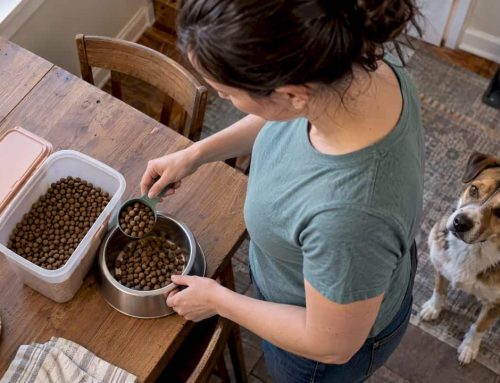
- A therapeutic diet is the easier habit to keep. Your cat eats it at every meal, and the dose is built into the food. The catch is that it works best when it replaces the current diet, which is hard for a picky senior cat or a multi-cat home where cats steal each other’s bowls.
- An oral supplement gives your veterinarian tighter control over the dose and lets you keep a food your cat already accepts. It does ask more of you, since every dose has to be given and some cats refuse it, even in a treat.
Your veterinarian may lean toward a diet when kidney, weight or digestive needs can be handled in one formula. A supplement can make more sense when your cat is already stable on a prescription food and a change would cause problems.
Where does turmeric fit?
Turmeric, or curcumin, is the herb people ask about most. The honest answer is that the evidence is mixed. The 2024 trial used turmeric extract inside a validated diet, alongside omega-3s and collagen, so we cannot say turmeric alone produced the benefit. A product from the pet aisle with an unknown curcumin amount is a different thing from a tested formula. If you want to try turmeric, we would steer you toward a validated therapeutic formulation rather than an ad hoc powder, and we would check it with your veterinarian first, because cats process plant compounds differently than people do.
How acupuncture, laser therapy, rehab and massage fit in
Plenty of owners want something more hands-on than a new food, and that is where integrative therapies come in. None of them replaces veterinary diagnosis. They work best as parts of a multimodal plan, meaning several gentle approaches layered together. Integrative veterinarians emphasize that herbal treatments belong inside a multimodal plan that also includes environmental changes, weight management and evidence-based medicine.
Acupuncture and acupressure
Some practitioners use acupuncture or acupressure as part of an integrative approach to pain care. In practical terms, owners hope for less pain, looser movement and a cat who jumps onto the couch again. Many integrative veterinarians, including us, make home visits, which matters for cats who panic in a carrier. You can read more about acupuncture for cats with arthritis and how in-home acupuncture and rehab for senior cat pain usually unfolds.

Laser therapy
Photobiomodulation, often called cold laser therapy, is offered as an integrative therapy for cats. The session is quiet, painless and short. Typical use cases include arthritic joints, sore backs in older cats and tissue recovering after injury. Many cats tolerate it well because there is no needle and no restraint beyond a lap or a soft towel. We explain what to expect in our guide to laser therapy for cats.
Rehabilitation and massage
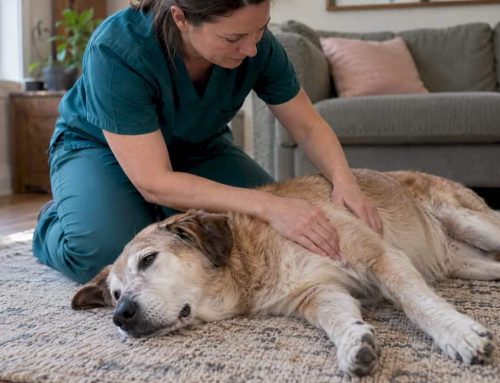
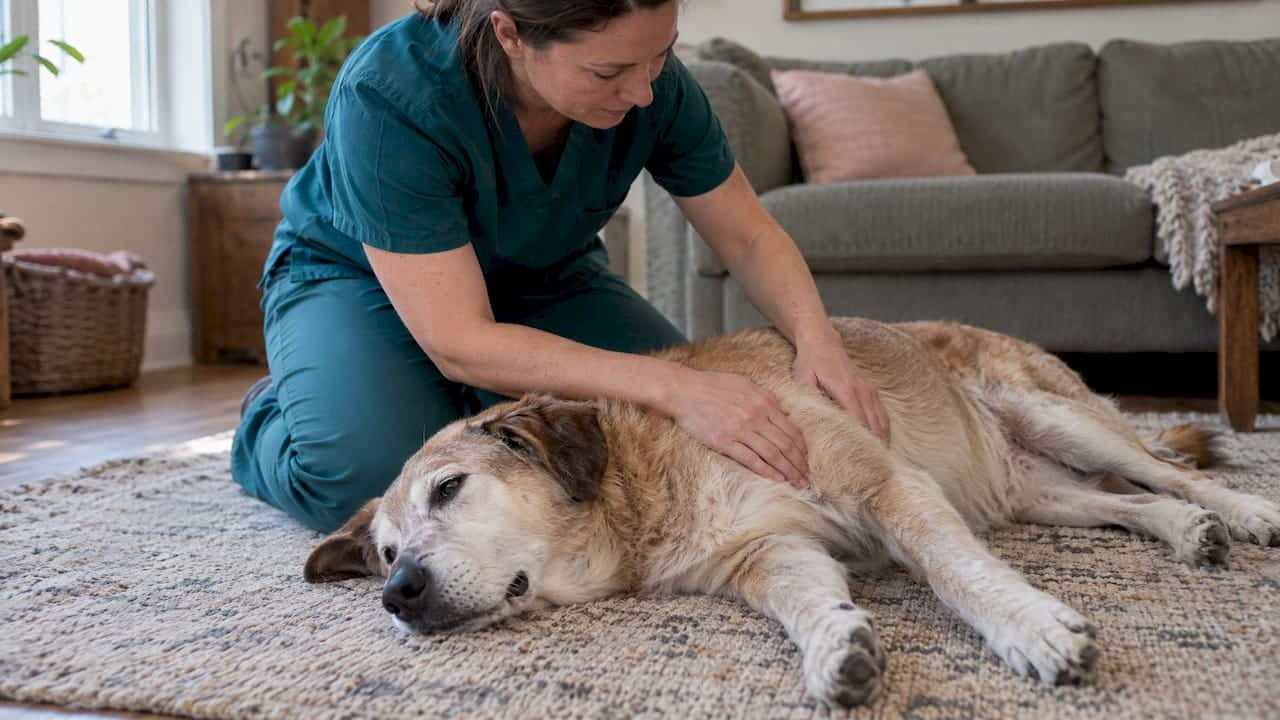
Rehabilitation is the slow, steady work that keeps a stiff cat moving. It includes targeted exercises, balance work and gentle massage to maintain muscle and range of motion. Gains tend to be gradual, so measure them over weeks. A cat who now clears the stairs without hesitation, or who grooms the hips again, is showing real progress.
- Acupuncture or acupressure: aims to ease pain and improve function.
- Laser therapy: supports comfort in sore joints and healing tissue.
- Rehabilitation exercises: maintain strength and mobility.
- Massage: loosens tight muscles and lets you notice sore spots early.
Pro Tip: Ask your practitioner to teach you two or three simple massage or range-of-motion moves, then do them on a calm evening. Your cat gets daily comfort, and you learn what normal feels like so you spot changes sooner.
Discuss the therapies with your veterinarian before combining them with a therapeutic diet or supplements. Telling every provider about everything your cat receives is what keeps that combination safe.
Why some herbs and essential oils are dangerous for cats
Natural does not mean safe for a cat. Cats have deficient glucuronyl transferase activity, which makes them especially sensitive to phenolic compounds found in many herbs and essential oils. Their livers cannot clear these compounds efficiently, so the risk climbs to liver damage, neurological signs or respiratory failure.
Essential oils can cause tremors, seizures, liver failure and paralysis in cats. Concentrated essential oils should not be applied to a cat’s skin or swallowed.
Hazards to avoid:
- Concentrated essential oils such as tea tree oil.
- Undiluted oils applied to fur or skin, which a cat then licks off.
- Oil diffusers and simmer pots in small, closed rooms.
- Human herbal extracts and capsules not made for cats.
- Homemade tinctures with no dose information.
Scents around the home matter too. A guide to candle ingredients to avoid around pets is a helpful read for anyone who loves a scented living room and shares it with a cat.
Medicines in the bathroom cabinet
Pain relief for people can be deadly for cats. Human over-the-counter pain medications such as acetaminophen, ibuprofen, naproxen and aspirin are extremely toxic to cats because cats lack the liver enzymes needed to break them down, and rapid, life-threatening organ failure can follow. Never give them, even as a one-time rescue.

Tainted and mislabeled products
Labels do not always tell the truth. The FDA announced a nationwide recall of an herbal supplement after testing found hidden pharmaceutical ingredients, including acetaminophen and diclofenac. Pet products carry similar risks, since the pet supplement market is largely unregulated, and “herbal” or “natural” products may contain hidden or inconsistent active ingredients. The FDA has also issued a warning letter about herbal and homeopathic pet products marketed with unsupported medical claims.
Herbs that clash with medications
Herbs act like drugs, so they can interact like drugs. Some, for example St. John’s wort, interact dangerously with prescription medications and alter how much medicine reaches the bloodstream. That is why you should tell your veterinarian about every supplement, treat and powder your cat gets. We cover this in more depth in our herbal interactions with medications safety guide.
How to choose and introduce a natural option safely
A careful process protects your cat and gives you a clear answer about whether something is helping. Here is the order we recommend.
- Start with a veterinary assessment. Get a physical exam and baseline tests as your veterinarian advises. Write down every medication, supplement and health condition, including kidney or liver disease, which change what is safe.
- Choose validated products. Favor veterinary-grade formulations or therapeutic diets with published data. Skip DIY tinctures and essential oil applications.
- Start low and slow. Introduce one product at a time. Before you begin, record your cat’s baseline: stair use, jumping, play and grooming. These are the objective markers you will compare against.
- Document and report. Keep a short daily log. Report adverse signs right away: stomach upset, wobbliness, behavior change or yellowing of the gums or eyes.
- Recheck on a schedule. Plan a follow-up so your veterinarian can judge whether the product is earning its place.
Reading a label like a skeptic
Look for clear active-ingredient amounts in plain numbers, a batch or lot number, and third-party testing. Be wary of “proprietary blends” that hide amounts, and of promises such as curing seizures, which is the kind of unsupported claim the FDA warning letter described.
Pro Tip: Photograph the product label and lot number the day you open it, and keep the photo in your cat’s log. If your cat reacts, your veterinarian can trace exactly what was given.
What counts as progress?
Because cats hide pain, small changes matter. A cat who takes the stairs with less hesitation, plays for longer or grooms the lower back again is improving. Our cat pain relief guide covers the signs of pain in more detail. If nothing changes after the trial period you agreed on with your veterinarian, that is useful information too, and it is a good time to adjust the plan rather than stack on more products.
When to call your veterinarian right away
Herbal and natural choices are supportive. They do not replace veterinary-directed pain management, and some situations cannot wait for a supplement trial.
If your cat shows concerning symptoms, seek immediate veterinary or emergency care.
Natural options also work alongside prescription medicine when appropriate. Decisions about NSAIDs belong to your veterinarian, because only a few are approved for short-term use in cats and they need screening and monitoring. The ISFM and AAFP consensus guidelines stress that veterinarians should guide NSAID use in chronic feline pain, combining screening, monitoring and nonpharmacologic measures with medication.
If your cat takes a long-term nutraceutical or NSAID, schedule periodic rechecks so your veterinarian can review how your cat is doing and adjust the plan.
How we approach herbal and integrative pain care for cats at home
We built our practice around senior, disabled and anxious pets who struggle with clinic visits. Our care happens in your living room, where your cat already feels safe, and every plan is individualized. Herbal therapy is part of our toolbox, but we use it only when it is appropriate for that cat, never as a default.
At the first visit, we take a full history, examine how your cat moves, review every medication and supplement, and look closely at the diet. We work alongside your primary veterinarian rather than around them, so the new plan complements existing care instead of competing with it.
Home delivery changes how cats respond. With no carrier, no car ride and no waiting room full of barking dogs, stress drops, and so does the chance that your cat hides or fights treatment. A calmer cat is easier to examine, easier to treat and far more likely to keep up with the plan. That consistency, in our experience, matters as much as any single therapy.
— Pet Acupuncture & Wellness
How we can help your cat feel more comfortable at home
If you want professional help weaving natural options into your cat’s care without the guesswork, we come to you. Your cat gets expert attention, and you skip the stress of travel.

Here is what we offer for cats in pain:
- In-home assessment and acupuncture with a technician, starting from $430. See our full cost of services.
- Herbal therapy, chosen only when appropriate for your cat.
- Laser therapy, with sessions from $45 to $120 per treatment.
- Telemedicine and tele-advice for follow-ups and questions between visits.
- Rehabilitation therapy, including at-home rehabilitation packages.
A technician mobile fee of $60 applies per visit. At the first visit we review your cat’s history, mobility, medications and diet, and we coordinate with your primary veterinarian. When you are ready for professional help, request an assessment and we will find a time that suits you and your cat.
This article is general information, not a substitute for advice from a qualified doctor. Consult a qualified healthcare professional about your own circumstances before acting on anything here.
FAQ
What is a natural pain reliever for cats?
The best-supported natural option is an omega-3 enriched diet or omega-3 supplement, which showed the clearest pain-relieving effect in a 2022 meta-analysis. Herbs and essential oils lack comparable proof, and many are risky for cats. Ask your veterinarian which option fits your cat.
Can I give my cat anything for pain without a vet?
No. Human pain medicines such as acetaminophen and NSAIDs are extremely toxic to cats, and acetaminophen can be fatal. Even natural products can interact with other medications, so a quick call or telemedicine visit comes first.
What can you give a cat as a painkiller?
Only what your veterinarian prescribes or approves. Few NSAIDs are approved for short-term use in cats, and they need screening and monitoring. Your veterinarian may also add diet changes, supplements and therapies such as acupuncture or laser.
How do I soothe my cat in pain?
Keep the home calm and easy to navigate: a low-sided litter box, soft bedding at floor level and steps to favorite perches. Gentle handling helps, and our cat pain relief guide explains the signs to watch. Then book a veterinary visit, because comfort measures do not replace a diagnosis.
Sources
- Fda
- Pmc
- Toxicoses From Essential Oils in Animals – Toxicology – Merck Veterinary Manual
- A 2022 Systematic Review and Meta-Analysis of Enriched Therapeutic Diets and Nutraceuticals in Canine and Feline Osteoarthritis