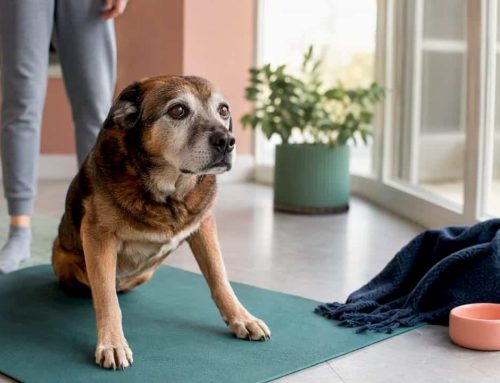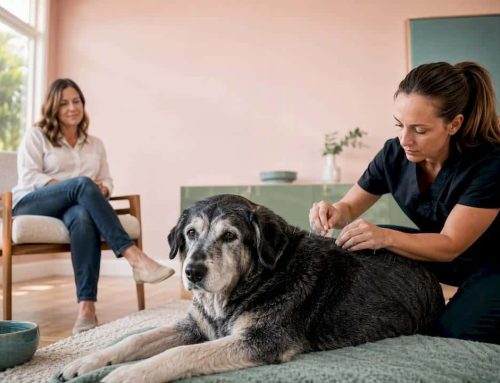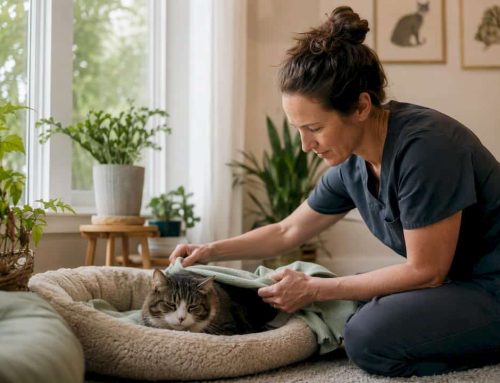
Yes, acupuncture often helps cats with arthritis, especially when a trained veterinary acupuncturist delivers it as part of a broader pain plan. Most owners judge success not by a clinical score but by what they see at home: your cat jumping onto the windowsill again, grooming those hard-to-reach spots, or simply moving through the litter box without hesitation. It won’t replace conventional treatment, but it complements it, and it’s remarkably gentle for a senior body.
TL;DR:
- Acupuncture can reduce pain by triggering the release of endorphins and improving blood flow, especially when combined with other therapies.
- Sessions typically last 10 to 30 minutes, with the first visit including a full exam, and most cats showing improvement after two to six treatments.
- Laser acupuncture is recommended for nervous cats and builds trust faster, reducing stress compared to traditional needling.
- Combining acupuncture with weight management, joint supplements, and home environment adjustments yields better long-term results.
- Safe when performed by trained veterinarians, acupuncture’s minor side effects include temporary soreness, with serious complications being very rare.
Table of Contents
- How Acupuncture Helps Cats With Arthritis Manage Pain
- What Happens During a Session and How Long Treatment Takes
- Does the Research Support Acupuncture for Feline Arthritis?
- Is Acupuncture Safe for Arthritic Cats?
- Building a Multimodal Plan Around Acupuncture
- How Do You Choose a Qualified Veterinary Acupuncturist?
- Pet Acupuncture & Wellness’s Perspective on At-Home Feline Arthritis Care
- Ready to Bring Acupuncture Home for Your Cat?
- Sources
- FAQ
How Acupuncture Helps Cats With Arthritis Manage Pain
Acupuncture works because thin needles placed at specific points trigger real, measurable physiologic responses, not just a placebo effect. Research reviews document local, segmental, and even brain-level analgesic pathways, including a release of the body’s own endorphins and neuromodulation effects that dial down pain signals traveling from an arthritic joint to the spinal cord. Think of Qi as the energy that should flow smoothly through your cat’s Meridians, the internal pathways connecting organs and tissue, much like a highway system. When arthritis creates a blockage, pain and stiffness build up behind it. Needling specific points helps clear that congestion, improve local blood flow to inflamed joints, and relax tight, overcompensating muscles.
Veterinary acupuncturists have a few tools depending on your cat’s temperament and condition:
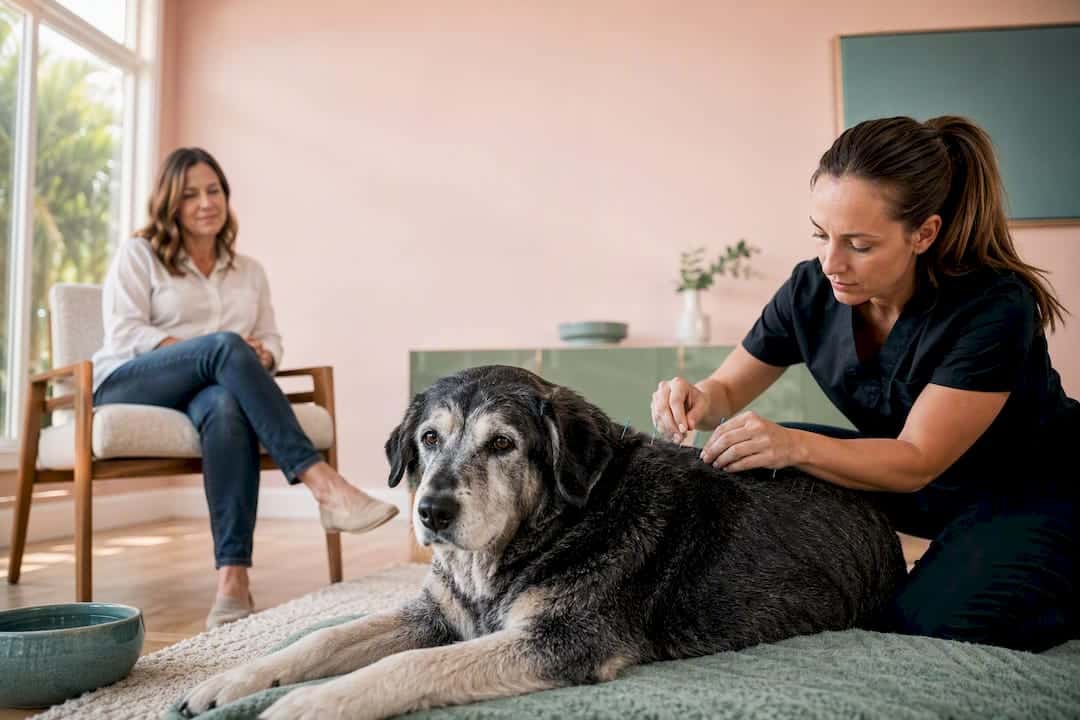
- Dry needling uses traditional fine needles at specific points, held briefly for a gentle, calming effect.
- Electroacupuncture adds a mild electrical current through the needles, useful for deeper or more chronic arthritic pain.
- Laser acupuncture stimulates points without needles at all, ideal for needle-shy cats.
- Aquapuncture injects a small amount of liquid (often vitamin B12) at acupoints for a longer-lasting effect.
Pro Tip: If your cat tenses up at the vet clinic just from the car ride, ask about laser acupuncture first. It often builds trust faster than needles do, and you can graduate to traditional needling once your cat associates treatment with relief instead of stress.
What Happens During a Session and How Long Treatment Takes
A first visit starts with a full exam, a review of any current medications, and a conversation about your cat’s daily habits, because a practitioner needs to know your cat’s baseline before measuring change. From there, most treatment courses follow a predictable rhythm.
- Initial assessment (15 to 20 minutes): joint palpation, gait observation, and medication review.
- First needling session (10 to 30 minutes): points are chosen based on the arthritic joints involved and your cat’s tolerance.
- Early frequency (weekly or twice-weekly): most cats need several sessions before benefits show clearly.
- Owner-observed changes: many owners notice a shift somewhere between the second and sixth session, often described as more willingness to jump or a calmer demeanor.
- Maintenance phase: sessions typically stretch to every few weeks once improvement holds steady.
Watch your cat’s body language closely after treatment. A relaxed cat may seem sleepy or unusually calm for the rest of the day, which is normal. Restlessness or guarding a limb more than before treatment is worth a call to your vet.
Does the Research Support Acupuncture for Feline Arthritis?
The strongest formal backing comes from the American Animal Hospital Association’s pain management guidance, which recognizes acupuncture as a legitimate, nonpharmaceutical piece of a multimodal pain plan for cats and dogs. That’s a meaningful endorsement, but it comes with an honest caveat: the guidance also notes that high-quality, large-scale evidence is still limited in certain areas of veterinary acupuncture research.
Smaller studies fill in some of the picture. One trial found acupuncture’s postoperative analgesic effect comparable to tramadol and meloxicam in cats, suggesting it can meaningfully reduce pain in at least some clinical scenarios. Clinical reports also describe improved mobility and pain scores in cats treated for osteoarthritis using acupuncture, though many of these come from case series rather than randomized, sham-controlled trials.
The honest summary:
- Guideline-level support exists, but it’s cautious, not absolute.
- Small trials show promise, particularly for pain scores and postoperative comfort.
- Sample sizes remain small and methods vary study to study, which limits how confidently anyone can generalize results.
- Tools like Client Specific Outcome Measures and the Feline Musculoskeletal Pain Index give owners and vets an objective way to track real progress instead of guessing.
That last point matters more than any single statistic. A cat that jumps onto the couch three more times a week is data, too.
Is Acupuncture Safe for Arthritic Cats?
Acupuncture carries a strong safety record when a properly trained veterinary professional performs it. Most cats tolerate sessions well, and serious complications are rare in the veterinary literature.
- Common, minor effects: brief tiredness or mild soreness at needle sites, usually resolving within a day.
- Rare complications: infection or bruising, almost always tied to improper technique rather than the treatment itself.
- Coordinate with medications: acupuncture should be layered into your cat’s existing pain plan, not started independently of it.
- Use caution with: cats on blood thinners or with clotting disorders, active local skin infections, or unstable acute illness.
- Post-treatment monitoring: a quick check-in that evening confirms your cat is resting comfortably, not guarding a limb or acting unusually withdrawn.
A full veterinary evaluation before the first session catches most of these concerns before they become a problem.
Building a Multimodal Plan Around Acupuncture
Acupuncture rarely works best alone. The most consistent results in case series combining acupuncture with physiotherapy come from pairing it with other supportive care, not using it as a stand-alone fix. Consider it one pillar among several:
- Weight management: even a modest weight loss meaningfully reduces joint load in cats.
- Joint supplements: often recommended alongside acupuncture to support cartilage and reduce inflammation.
- Rehabilitation and cold laser therapy: build strength and range of motion between acupuncture visits.
- Home environment changes: ramps, low-sided litter boxes, and heated resting spots reduce daily strain.
Acupuncture can sometimes allow vets to use lower doses of certain pain medications once mobility improves, though this decision always belongs to your cat’s veterinarian.
Pro Tip: Keep a simple weekly log of three things: how high your cat jumps unassisted, how often you see grooming, and litter box ease. That short list gives your vet more useful information than a single exam ever could.
How Do You Choose a Qualified Veterinary Acupuncturist?
A veterinary acupuncturist should hold a full veterinary degree first, then certification through a recognized program (CVA, DACVSMR) or membership through organizations like IVAS or AAVA. Before booking, ask a few direct questions:
- How much experience do you have treating cats specifically, not just dogs?
- What’s your sedation policy, and how do you handle needle-sensitive cats?
- What’s the expected treatment schedule and typical cost per session?
- How will we measure whether it’s actually working?
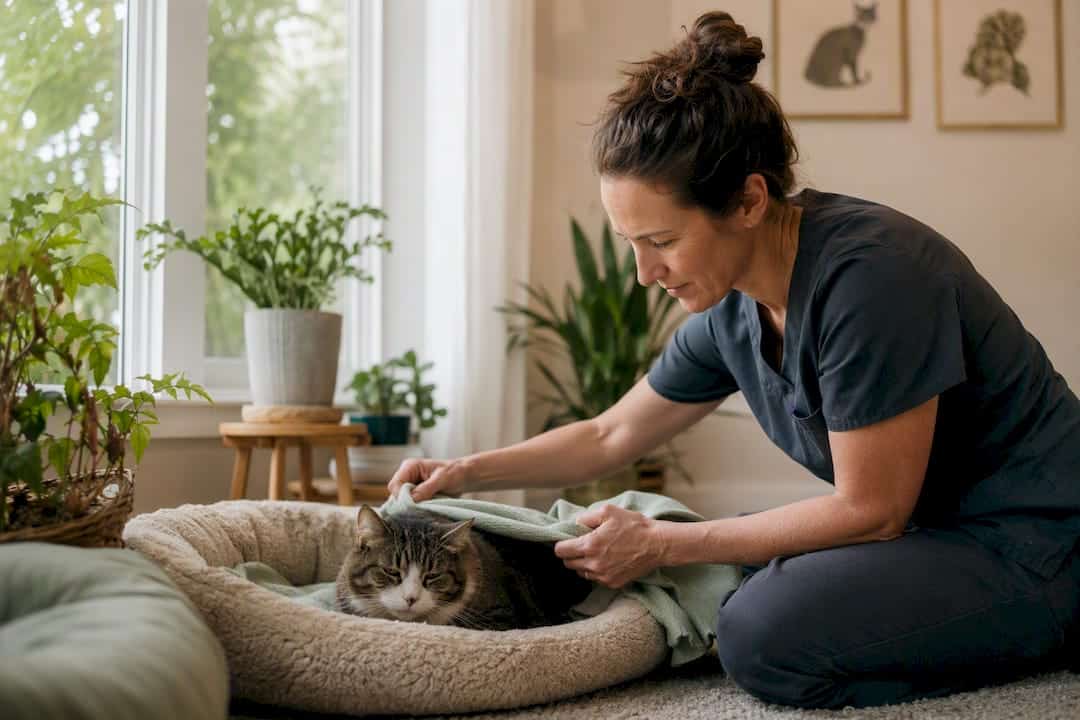
Red flags include anyone without a veterinary license, promises of a “cure,” or pressure to drop conventional medications without coordinating with your primary vet. If your cat gets anxious in the car, ask whether a home visit is available. It often changes the entire experience for a nervous senior cat.
Pet Acupuncture & Wellness’s Perspective on At-Home Feline Arthritis Care
We built our practice around a simple observation: a cat’s stress response can undo half the benefit of a treatment before the needle even goes in. Home visits reduce that transport stress considerably, letting arthritic cats settle into a familiar space where muscle guarding relaxes and treatment actually lands. We track progress the way this article recommends: jumping height, grooming frequency, litter box ease, paired with a realistic course length rather than a vague promise. Senior and anxious cats, in particular, tend to do better outside a clinic waiting room full of unfamiliar smells and barking dogs.
— Pet Acupuncture & Wellness
Ready to Bring Acupuncture Home for Your Cat?
Pet Acupuncture & Wellness is the alternative to a stressful clinic visit for cats with arthritis in South Tampa: we bring the needles, the laser unit, and the calm to your living room instead of asking your cat to tolerate a car ride and a waiting room first.

A typical visit starts with a mobility and pain assessment right where your cat already feels safe, followed by a session tailored to which joints are affected and how your cat tolerates handling. Before we arrive, all you need to prepare is a quiet room and your cat’s recent medication list. Many owners pair acupuncture with our rehabilitation therapy for faster mobility gains, and some add herbal therapy as a supporting layer once acupuncture is underway. If your cat’s stiffness and reluctance to jump sound familiar, learn more about our mobile acupuncture care for South Tampa cats and book a first assessment to see where your cat’s plan should start.
This article is general information, not a substitute for advice from a qualified doctor. Consult a qualified healthcare professional about your own circumstances before acting on anything here.
Sources
- Review: Mechanisms and clinical evidence for acupuncture in veterinary pain management (PMC article)
- American Animal Hospital Association (AAHA) pain management guidance
- Catster: Benefits of cat acupuncture
FAQ
Can I massage my cat’s arthritis at home?
Gentle massage around (not directly on) swollen or painful joints can help relax surrounding muscles, but it should never replace veterinary care. Ask your veterinary acupuncturist to show you safe pressure points and techniques specific to your cat’s condition.
How do I help a senior cat with arthritis day to day?
Combine environmental changes (ramps, low-sided litter boxes, heated beds) with any prescribed medication and consider enrichment activities and gentle movement games adapted for lower-mobility pets to maintain muscle tone without overexertion.
What are some home remedies for arthritis in cats?
Weight management, joint supplements recommended by your vet, soft bedding, and easy-access food and water stations all support comfort, but none replace a diagnosis and a real treatment plan for feline arthritis.
What are the most effective pain relief options for cats with arthritis?
The most effective approach usually combines conventional pain medication with complementary options like acupuncture, weight control, and rehabilitation rather than relying on any single method. For a fuller breakdown of options, see our guide to cat pain relief.
How many acupuncture sessions does an arthritic cat typically need?
Most cats start with weekly or twice-weekly sessions, with many owners noticing changes between the second and sixth visit, followed by a maintenance schedule spaced further apart once improvement holds.