Yes, most chronic pain in senior cats can be managed effectively with a veterinarian-guided, multimodal plan. Start with three things this week: book a vet exam, remove any human pain relievers from reach, and begin jotting down what you notice at home. From there, your vet can build a plan combining safe medications, integrative therapies like acupuncture, and simple home changes that add real comfort back into your cat’s days.
TL;DR:
- Regular veterinary assessments, including radiographs and blood tests, are essential to tailor safe and effective pain management plans for senior cats.
- Human pain medications like acetaminophen and ibuprofen must never be given to cats, as they are highly toxic and can be fatal even in small amounts.
- Incorporating in-home therapies such as acupuncture and laser treatment can significantly reduce stress-related pain behaviors and improve overall comfort.
- Small environmental modifications like ramps, non-slip rugs, and elevated food bowls can provide meaningful relief and support better mobility for aging cats.
- Consistent monitoring with short, scheduled re-evaluations helps ensure treatments remain effective and allows early intervention if symptoms worsen.
Table of Contents
- What Are the Signs of Pain in Senior Cats?
- How Do Vets Diagnose Chronic Pain in Cats?
- What Medications Help Senior Cats With Chronic Pain?
- Do Integrative Therapies Actually Help Cats in Pain?
- What Home Changes Reduce Pain for Older Cats?
- How Do You Track Whether Treatment Is Working?
- When Is Cat Pain an Emergency?
- Why In-Home Integrative Care Changes the Outcome
- Book In-Home Acupuncture and Rehab With Pet Acupuncture & Wellness
- Sources
- FAQ
What Are the Signs of Pain in Senior Cats?
Cats hide pain well, so pain management for senior cats starts with knowing what to watch for. A cat in pain rarely limps and cries the way a dog might. Instead, the signs are quiet and easy to write off as “just getting old.”
Owners commonly misattribute early pain signs to normal aging, which is exactly why gradual decline slips past even attentive people.
Watch for:
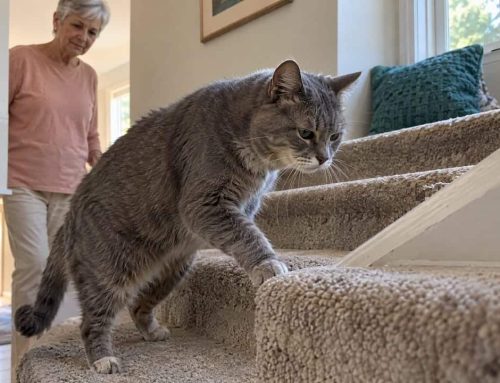
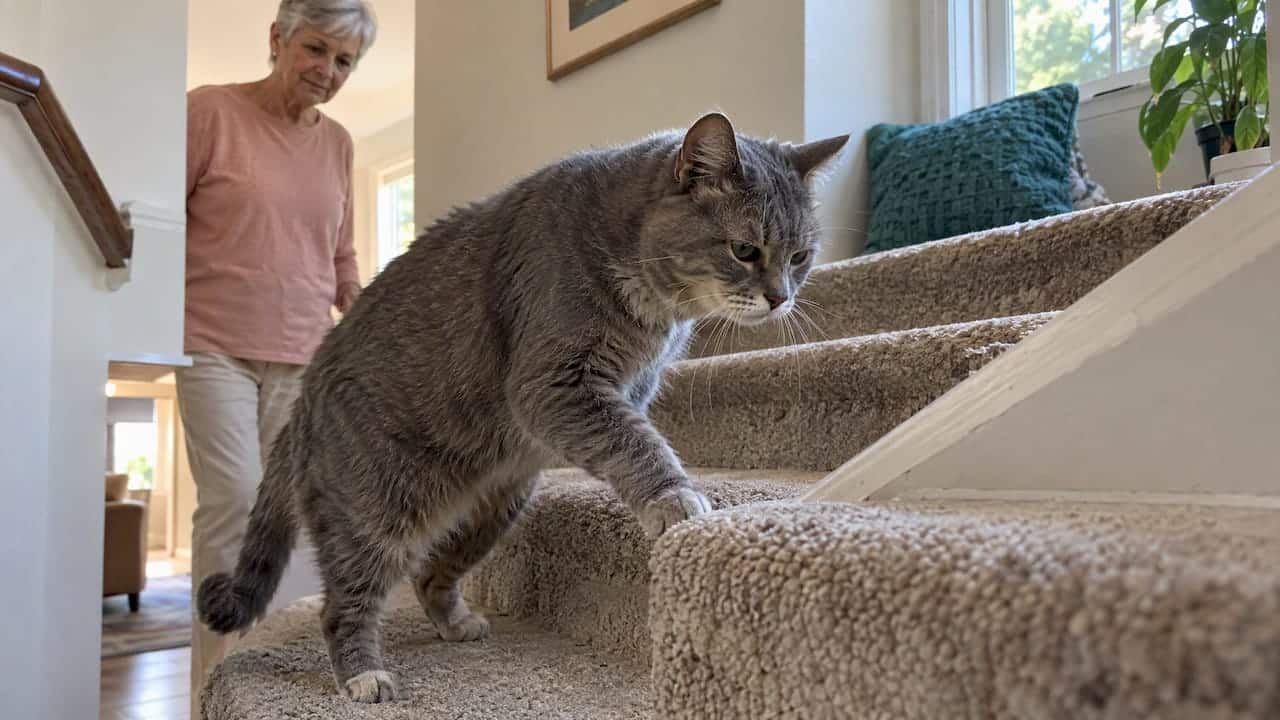
- Reluctance or refusal to jump onto favorite perches
- Grooming lapses, leaving the coat greasy, matted, or dull
- Sleeping in new spots, especially lower or warmer ones
- Vocalizing more, particularly at night
- Withdrawing from petting, play, or family interaction
- Skipping the litter box or eating less than usual
Filming a short video of your cat moving around the house each week gives your vet something concrete to compare over time, rather than relying on memory alone. Our guide on how not to miss the sign of pain walks through exactly what to capture.
How Do Vets Diagnose Chronic Pain in Cats?
A thorough workup blends what you report with what the exam reveals. Here’s what a typical visit for suspected chronic pain looks like:
- A detailed history covering appetite, litter habits, sleep location, and activity changes you’ve observed at home.
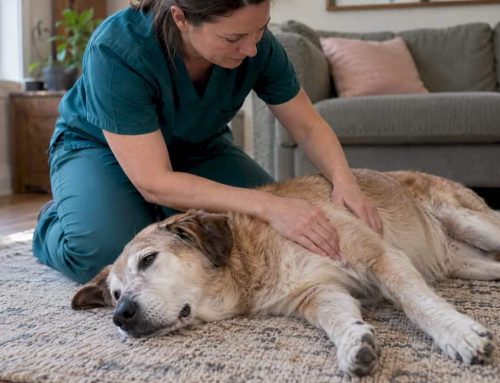
- A hands-on musculoskeletal and orthopedic exam, checking joint range of motion, muscle mass, and pain response.
- Radiographs (X-rays) to confirm osteoarthritis or other joint disease.
- Bloodwork and urinalysis, which matter enormously in seniors because kidney and thyroid values shape which medications are even safe to consider.
- A validated pain-assessment tool or owner questionnaire, since AAHA/AAFP senior-care guidance points to owner observation as central to catching what a fifteen-minute exam room visit can miss.
Bring your video clips and any written notes. Clinical metrology instruments, the structured questionnaires vets use to score pain severity, work far better with specific, dated observations than with a general “she seems slower lately.”
What Medications Help Senior Cats With Chronic Pain?
Never give a cat acetaminophen, ibuprofen, or aspirin. The FDA is explicit that no over-the-counter pain medication is approved for cats, and common human pain relievers are highly toxic to them, sometimes fatally.
Acetaminophen is especially dangerous for cats, as they lack the enzymes needed to safely break it down, making even small amounts potentially fatal. That single fact is worth taping to your medicine cabinet.
Once a vet has evaluated your cat, several prescription options may fit into a treatment plan:
- Prescription NSAIDs, used carefully and often short-term, since no NSAID is approved for long-term use in cats in the United States, unlike some countries where drugs such as meloxicam see longer-term use
- Gabapentin, frequently used for nerve-related pain and to ease anxiety around vet visits
- Opioids or transmucosal formulations for more severe or breakthrough pain, typically short-term
- Anti-NGF therapies, a newer class targeting the nerve growth factor pathway involved in osteoarthritis pain
Monitoring is not optional. Expect baseline bloodwork before starting most medications, repeat labs on a schedule your vet sets, and dose adjustments based on how your cat’s kidneys and liver respond over time.
Do Integrative Therapies Actually Help Cats in Pain?
Multimodal care means combining approaches rather than betting on one. AAHA guidance names acupuncture, laser therapy, and physical rehabilitation as legitimate adjuncts to medication, not replacements for it.
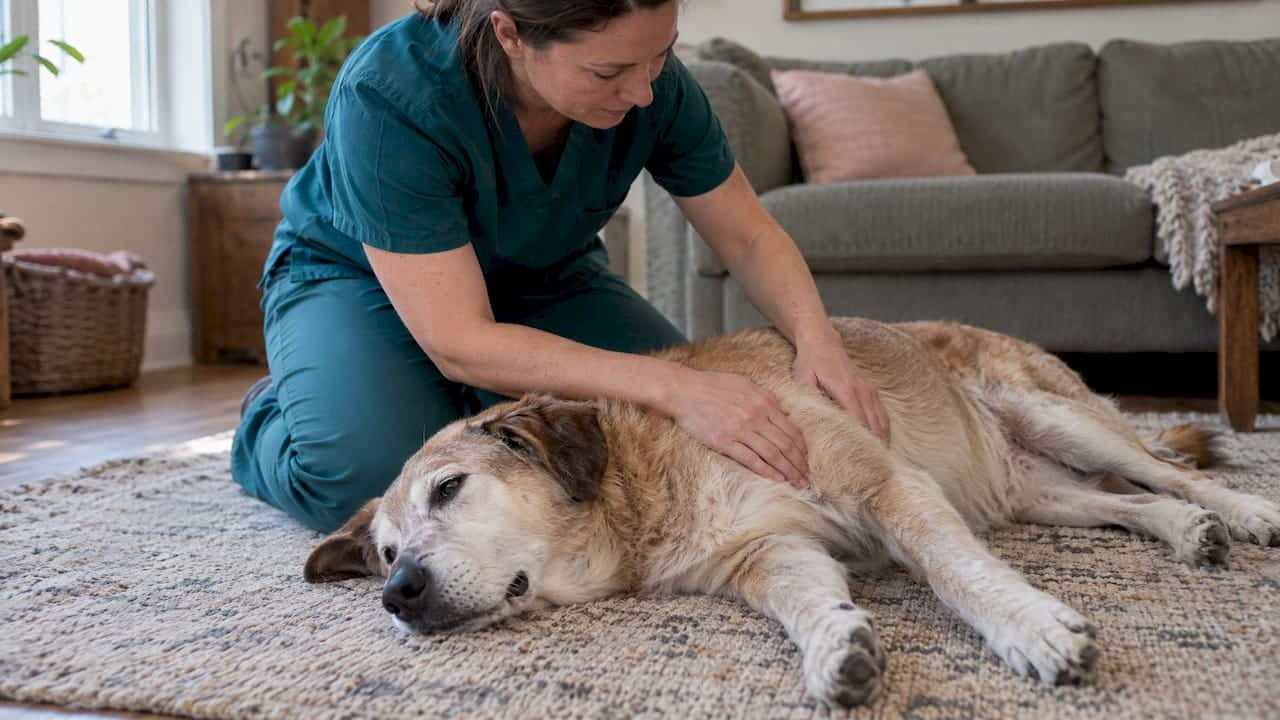
Acupuncture targets specific points along the body’s energy pathways, sometimes described as meridians, to ease pain signaling and support natural healing. For a senior cat who tenses up in a carrier or goes still with fear at the clinic, delivering that treatment at home changes the entire experience. Photobiomodulation, or laser therapy, uses light energy to reduce inflammation at the tissue level and pairs well with gentle rehabilitation exercises, including hydrotherapy where a cat tolerates water.
- Acupuncture sessions are typically spaced weekly, then tapered as improvement holds
- Laser therapy sessions run short, often ten to fifteen minutes
- Weight management alone can meaningfully reduce joint load in an overweight senior cat
- Nutraceuticals like omega-3s or glucosamine should be added only under vet guidance, since quality and dosing vary widely
Pro Tip: Repeated car rides and waiting rooms create their own stress response, which can mask improvement or worsen pain behaviors. Fear and stress from travel can amplify pain-related behaviors, which is part of why in-home acupuncture for arthritis often shows clearer results than clinic-only visits for anxious cats.
What Home Changes Reduce Pain for Older Cats?
Small environmental shifts often deliver outsized comfort. Consider these changes:
- Add ramps or steps to beds, couches, and windowsills
- Switch to low-sided litter boxes and place them on every floor of the house
- Lay non-slip rugs over hardwood or tile where your cat walks most
- Offer a heated or thickly padded bed away from drafts
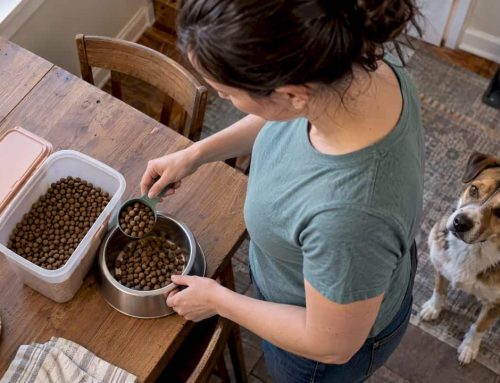
- Raise food and water bowls slightly to ease neck and shoulder strain
Keep daily routines gentle: short, low-impact play sessions and calm, predictable handling matter more than one big burst of activity. If pilling is a struggle, ask about flavored compounded formulations or hiding medication in a favorite treat, since fighting your cat twice a day builds a negative association that makes every future dose harder. Our home pain relief guide covers more specific setups room by room.
How Do You Track Whether Treatment Is Working?
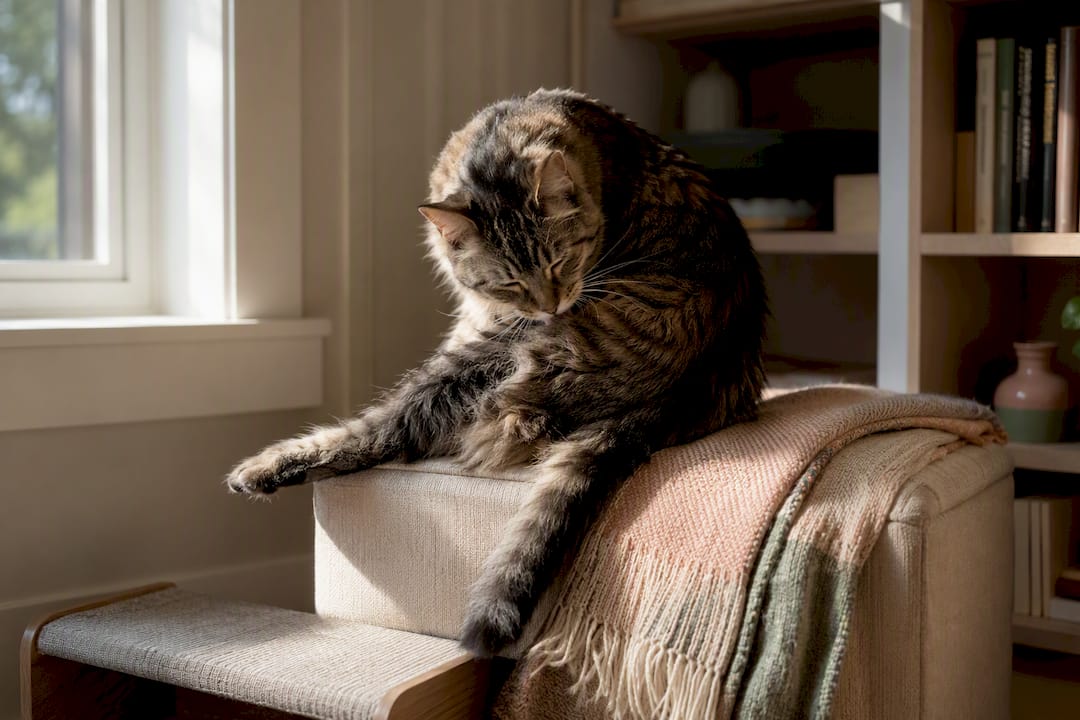
Set a check-in rhythm: brief notes or a simple questionnaire every two to four weeks, plus recheck labs on whatever schedule your vet recommends. Improvement looks like real, observable things, such as your cat jumping onto a low shelf again, grooming her back half without skipping it, or returning to normal meals.
Early intervention matters because unmanaged pain can sensitize the nervous system over time, making pain harder to control the longer it goes untreated. Catching decline early and adjusting the plan proactively beats waiting for a crisis.
When Is Cat Pain an Emergency?
Seek emergency care immediately for sudden collapse, inability to stand or walk, severe uncontrolled vomiting or diarrhea, labored breathing, or a cat crying out and unable to settle. Bring a list of current medications, when symptoms started, and any video you have.
Why In-Home Integrative Care Changes the Outcome
The cats who benefit most from mobile acupuncture and rehab tend to be the ones who shut down in a clinic: the anxious ones, the arthritic ones who dread the carrier, the ones whose blood pressure spikes just from the car ride. Treating pain in a familiar room, on a familiar blanket, removes a variable most treatment plans never account for.
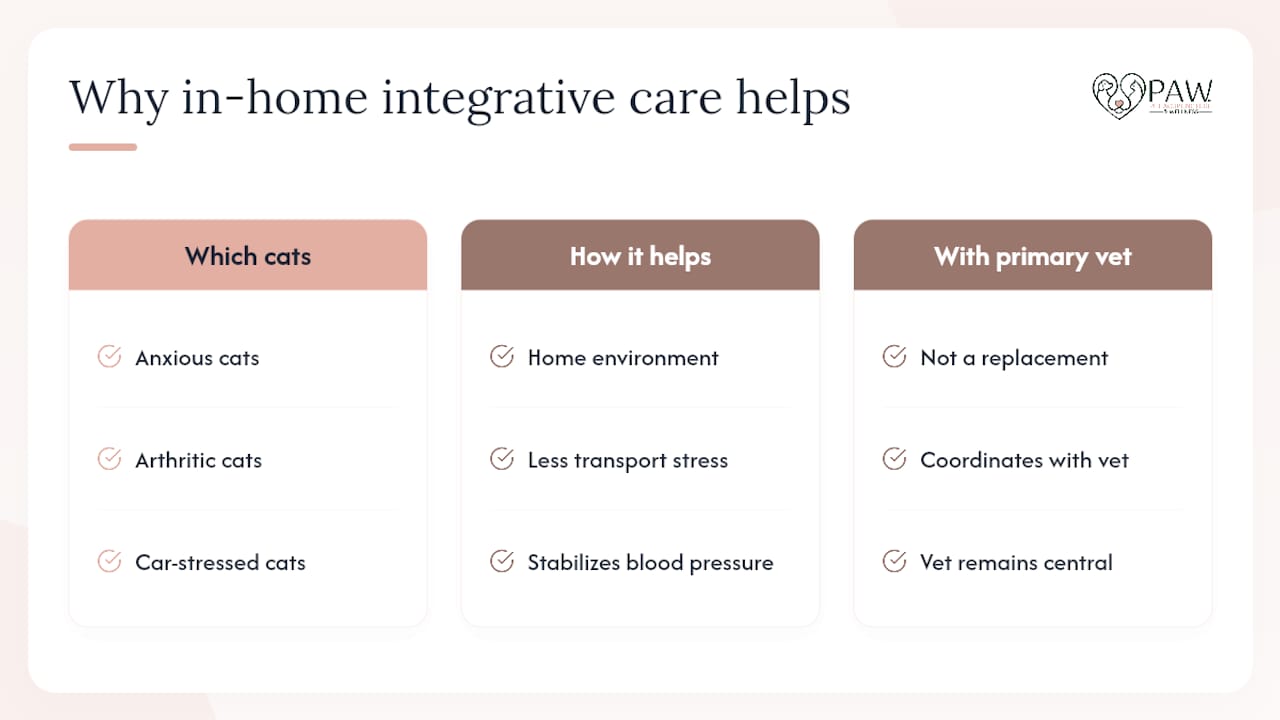
None of this replaces your primary vet. The strongest plans keep that relationship at the center and use in-home therapy as a coordinated piece of it.
— Pet Acupuncture & Wellness
Book In-Home Acupuncture and Rehab With Pet Acupuncture & Wellness
Mobile acupuncture and rehabilitation services can be an alternative to repeated clinic visits for senior cats who find travel and waiting rooms genuinely distressing. Instead of loading an arthritic, anxious cat into a carrier every couple of weeks, mobile services bring acupuncture, rehabilitation, herbal adjuncts, and telemedicine follow-up straight to the home.

A typical first visit starts with a conversation about your cat’s history and current medications, followed by a hands-on assessment in the room where your cat actually feels safe. The service coordinates directly with your primary vet, sharing notes and adjusting the integrative side of the plan around whatever medications or diagnostics they’ve already put in place. Ask about payment options when you book.
Ready to see whether in-home acupuncture could ease your cat’s arthritis pain? Explore mobile acupuncture for pain relief or learn more about in-home rehabilitation therapy to get started.
Sources
This article is general information, not a substitute for advice from a qualified doctor. Consult a qualified healthcare professional about your own circumstances before acting on anything here.
FAQ
How to tell if an elderly cat is suffering?
Look for reduced jumping, changes in grooming, altered sleeping spots, increased vocalization, and withdrawal from interaction. Any combination of these lasting more than a week or two warrants a vet visit.
Can I give my cat anything for pain without a vet?
No. The FDA warns that no over-the-counter pain medication is approved for cats, and common human pain relievers like acetaminophen and ibuprofen are highly toxic to them.
What’s the best pain relief for cats?
There’s no single best option. The AAHA guidelines recommend a multimodal plan combining vet-prescribed medication, weight management, and integrative therapies like acupuncture or laser therapy under professional supervision.
What are the recommended guidelines for pain management in senior cats?
AAHA frames pain care as a continuous cycle: assessment, treatment, reassessment, and revising the plan as needed, always favoring proactive, multimodal management over waiting for pain to worsen.
Is chronic pain in senior cats treatable long-term?
Yes, most chronic pain, including osteoarthritis, responds well to a combination of medication, weight management, and integrative therapies like at-home acupuncture, with regular reassessment to adjust the plan as your cat ages.