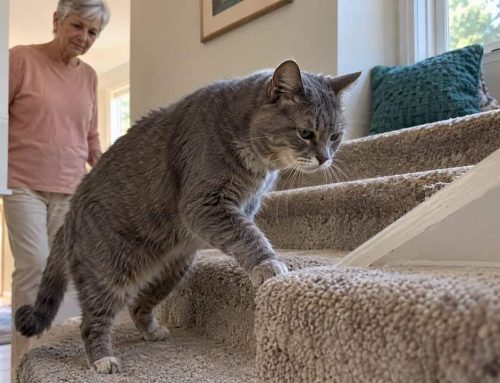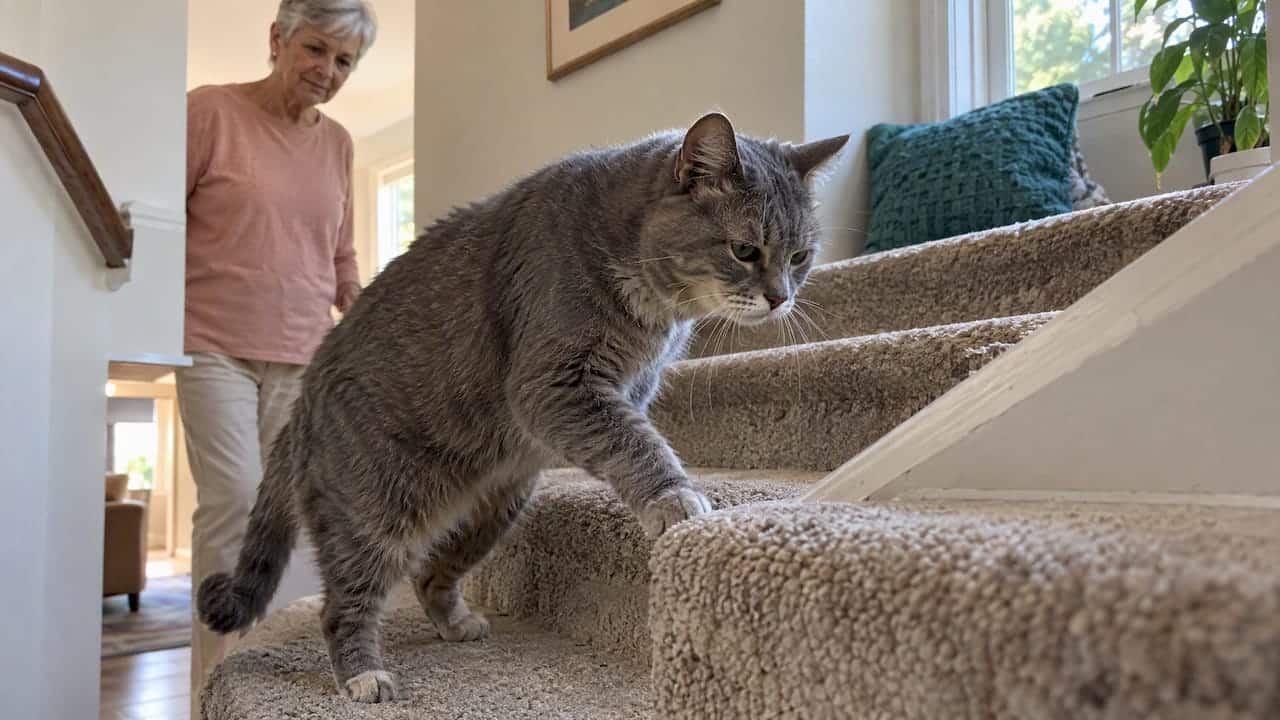
Bone broth can be a kind, useful addition to an arthritic dog’s bowl, but not because it treats arthritis. Current veterinary guidance has no clinical evidence that broth relieves joint pain or reverses osteoarthritis. What it can do is make food smell and taste better, add fluid, and help an achy senior dog eat or take medication. Used that way, plain and in small amounts, it earns its place. Used as a joint remedy, it can delay the care your dog really needs.
Below, we walk through what the research says, how to serve broth safely, whether heat or ice is better for stiff joints, and what moves the needle for dogs who are slowing down.
TL;DR
- Bone broth has not been shown to treat canine arthritis. Think of it as a hydration and appetite aid, not a joint therapy.
- Choose only plain broth with no onion, garlic, bouillon or heavy salt, and serve it as a small topper, never a meal replacement.
- Omega-3 fatty acids (EPA and DHA), healthy weight, movement and prescribed pain relief have far stronger evidence.
- Warm, gentle heat is generally used for chronic stiffness, but check with your vet first, and always protect your dog’s skin.
- Acupuncture, laser therapy and rehabilitation can be added to your dog’s plan, and we bring them to your home in South Tampa.
Table of Contents
- Why so many people reach for bone broth
- What the veterinary evidence actually says
- When broth genuinely helps a senior dog
- How to choose or make a dog-safe broth
- Heat or ice for a dog’s arthritis?
- What actually helps a dog with arthritis
- Our perspective: comfort first, expectations honest
- Bringing integrative care to your dog’s living room
- Signs it is time to call your vet, not reach for the broth
- FAQ
- Sources
Why so many people reach for bone broth
It makes sense. You watch your retriever hesitate at the bottom of the porch steps, or your old beagle take two tries to settle onto his bed, and you want to do something gentle and loving. Bone broth feels like exactly that. It is warm, it smells wonderful, and online articles describe it as rich in collagen, glucosamine and chondroitin.
Those claims are where the trouble starts. A homemade or store-bought broth varies enormously from batch to batch. Nobody can tell you how much glucosamine or chondroitin is in the cup you are about to pour, and published studies do not establish a therapeutic bone broth dose for dogs with osteoarthritis. The 2020 JAVMA review of nutrition and nutraceuticals for osteoarthritis makes a point worth remembering: evidence varies a great deal by ingredient, so ask which product has dog-specific clinical evidence rather than treating every supplement, or every broth, as equivalent.
What the veterinary evidence actually says
The 2022 AAHA pain management guidelines for dogs and cats single out omega-3 fatty acids as the nutritional supplement category with meaningful evidence in dogs. For other nutritional supplements, evidence for pain relief is low or absent. Broth is not even a supplement in the usual sense, so it sits further from the evidence than a tested joint product does.
Compare that with fish oil. In a randomized study of 38 osteoarthritic dogs, 82% of dogs eating the fish-oil-enriched food improved their weight bearing after 90 days, versus 38% of dogs on the control food. Mean peak vertical force rose 5.6% in the test group and 0.4% in controls. That was a therapeutic food, not broth, but it shows what “evidence” looks like for a nutritional approach.
The honest summary:
| Approach | Evidence for canine arthritis pain | Our take |
|---|---|---|
| Bone broth | No clinical evidence of benefit for pain | Fine as a tasty, hydrating topper |
| Omega-3 (EPA/DHA) | Meaningful evidence in dogs | Ask your vet about dose and product |
| Weight management | Strong, consistent | One of the most powerful things you can do |
| Prescribed pain medication | Established | Your vet decides what suits your dog |
| Acupuncture, laser, rehab | Adjuncts; the AAHA notes chronic-pain evidence is limited | Reasonable to consider alongside conventional care |
We would rather tell you this plainly than promise that a simmering pot will fix a joint disease. Arthritis is long-term. Management usually means several small things working together.
When broth genuinely helps a senior dog
Broth does have real, practical uses for an older dog:
- Picky appetite. Pain, nausea or dental trouble can make a senior dog turn up his nose at kibble. A spoonful of warm, plain broth over the food can bring the interest back.
- Taking medication. Some dogs will swallow a pill wrapped in food moistened with broth far more willingly. Ask your vet whether your dog’s medication can be given with food.
- Hydration. Dogs who drink less because getting up to the water bowl hurts may appreciate extra fluid in meals.
- Comfort. Warm food on a cool evening is a small pleasure, and quality of life is made of small pleasures.
Notice what these have in common: they support eating, drinking and comfort. They do not change the joint.
How to choose or make a dog-safe broth
The label matters more than the word “organic.” An organic broth is not automatically right for dogs, and organic does not guarantee low sodium or the absence of seasonings. The ASPCA warns that bouillon and gravy can be high in sodium, and that onions and garlic can be toxic to pets.
Before you pour, check for:
- No onion, garlic or chives. The ASPCA notes these alliums can irritate the gut and damage red blood cells.
- No bouillon or heavy salt. Too much salt can cause vomiting, diarrhea, neurologic signs and, in serious cases, death, according to the same ASPCA page.
- No sweeteners, especially xylitol.
- No bones left in the serving. Strain thoroughly. Cooked bones are a hazard.
- Short ingredient list. Ideally: water, meat or bones, maybe a splash of apple cider vinegar from the cooking process.
If your dog has kidney disease, heart disease, pancreatitis or is on a prescription diet, ask your veterinarian before adding broth at all. Sodium and fat content can matter a great deal in those dogs.
Serve it as a topper, not a meal
The common trap is letting broth drift into a meal replacement because your dog loves it. Keep it to a few spoonfuls over regular food, and count it toward daily calories if your dog is overweight, since extra weight is hard on arthritic joints.
The risk of going further with home cooking is real. A UC Davis study of homemade dog food recipes found that only 9 of 200 evaluated recipes met all adult-dog nutrient minimums, and 92% had vague or incomplete instructions. If you want to cook for your senior dog, the UC Davis nutrition service explains that individualized recipes are built with specialized software, based on the dog’s history, so a board-certified nutritionist is the right person to ask. Our own page on diet for arthritic dogs covers what to feed day to day.
Storing broth safely
Treat broth like any perishable leftover. The USDA’s food safety guidance says to refrigerate promptly; leftovers generally keep 3 to 4 days in the fridge or 3 to 4 months in the freezer. If a store-bought package gives a shorter limit after opening, follow the package. Discard anything that smells off or looks spoiled.
Freezing in small portions works well for a single dog. An ice cube tray gives you tablespoon-size servings you can thaw one at a time. If you like to cook for your dog, this homemade chicken broth dog treat recipe is a practical example of preparing and freezing broth for pets.

Heat or ice for a dog’s arthritis?
This question comes up often, and it deserves a careful answer. In general, cold is used for fresh injuries and swelling, while gentle warmth is commonly used for long-standing stiffness, such as the achy hips of an older dog on a cool morning. Many rehabilitation practitioners use warmth to loosen muscles before gentle movement.
A few ground rules we share with owners:
- Ask your vet first. A hot, swollen, suddenly worse joint can signal a flare, injury or infection that needs an exam, not a heating pad.
- Keep it warm, never hot. Test the heat source on your own inner wrist. Dogs with reduced sensation, thin coats or skin disease burn easily.
- Use a barrier. Place a towel or cover between the warm pack and your dog’s skin.
- Keep sessions short and supervised. Fifteen minutes or so, watching your dog the whole time, is a common starting point. Stop if he squirms or the skin looks red.
- Never use heating devices on a dog who cannot move away from them.
We go deeper on gentle hands-on options in our guide to massage therapy for dogs with arthritis.
What actually helps a dog with arthritis
If broth is the garnish, here is the main course. Current veterinary thinking centers on a combination, sometimes called multimodal care. The AAHA guidelines and the JAVMA review both point toward weight control, therapeutic nutrition, omega-3s, exercise or rehabilitation, and appropriately prescribed pain relief.
- Get a diagnosis and a plan. Limping, slowness or reluctance to climb stairs can come from arthritis, but also from other conditions. Your regular veterinarian should confirm what is going on.
- Keep your dog lean. Even a few extra pounds add stress to sore joints.
- Ask about omega-3 EPA and DHA. This is the nutritional area with the most evidence. Our supplement guide for senior dogs explains what to look for, and we also wrote about turmeric for dogs with arthritis, since many owners ask.
- Keep moving, gently. Short, frequent walks beat one long weekend outing. Rehabilitation exercises can rebuild the muscle that supports a sore joint.
- Use prescribed pain relief. Never give human pain medicines to a dog. Many are dangerous to them.
- Consider adjunct therapies. The AAHA guidelines say acupuncture, laser therapy and therapeutic exercise may be considered as adjuncts, though evidence for chronic pain benefit is limited. That is why we offer them as part of a plan, not as a promise.
For a wider overview, see our owner’s guide to pain relief for senior dogs and our look at alternative pain relief for dogs.
Our perspective: comfort first, expectations honest
We see senior dogs at home in South Tampa, and we see how much easier a visit is when the dog is on his own rug rather than in a car, a waiting room and a slippery exam-room floor. For a dog with sore hips, or an anxious dog who trembles at the clinic door, the trip itself can be part of the problem.

That shapes how we talk about broth. We are happy when an owner finds something that gets a dog eating again, and a warm spoonful of plain broth is a lovely thing to give. But we will not tell you it treats arthritis, because the evidence does not say so, and because the hope you place in it is hope that could be placed in something that works. Our approach is integrative: we complement your regular veterinarian’s care with acupuncture, rehabilitation, laser therapy, herbal and food therapy, tailored to your dog and the layout of your home. Sometimes that means a ramp over the back steps or non-slip runners on the tile, as much as it means a needle or a laser.
If your dog is slowing down, you are not failing him. Arthritis is common in aging dogs, and there is a lot we can do to make his days more comfortable.
— Pet Acupuncture & Wellness
Bringing integrative care to your dog’s living room
If stiffness is making life harder for your dog, or for you getting him to appointments, we can come to you. Our South Tampa house-call services include acupuncture, acupressure, rehabilitation therapy, laser therapy, herbal therapy and food therapy.
Our published prices: the initial assessment and acupuncture with a technician starts from 430 USD, and laser treatments run 45 to 120 USD per treatment. Electroacupuncture is 30 USD, and the technician mobile fee is 60 USD. At-home rehabilitation packages range from 85 to 918 USD. You can see the full list on our cost of services page, and read more about acupuncture for dog arthritis. Not sure whether a visit is the right step? Ask about a telemedicine consult first, or start at pawvetpractice.com.
Signs it is time to call your vet, not reach for the broth
Broth is a pleasant extra. These signs call for an appointment:
- Your dog yelps, snaps or pulls away when touched near a joint.
- He refuses food for more than a day.
- He cannot get up, or drags his back feet.
- Panting, restlessness or pacing at night, which can signal pain.
- A sudden change in thirst or urination, which can point to other illness.
These deserve a proper exam, and your regular veterinarian should be your first call. Arthritis is long-term, but pain is treatable, and the sooner your dog is comfortable, the more he can enjoy.
FAQ
Is bone broth good for a dog’s joints?
There is no clinical evidence that bone broth improves canine joint disease or relieves arthritis pain. It contains some collagen and minerals, but nobody can say how much, and studies have not established a therapeutic dose. It is better thought of as a flavorful, hydrating topper than a joint treatment.
Can I give bone broth to my senior dog every day?
Many dogs tolerate a small amount of plain, dog-safe broth, but daily use depends on your dog’s health. Dogs with kidney disease, heart disease or pancreatitis may need limits, because of sodium and fat. Ask your vet, and keep it to a few spoonfuls over regular food.
Can I give my dog organic bone broth?
Only if the full ingredient list is dog-safe. Organic does not mean low in sodium or free of onion and garlic, which are toxic to dogs. Skip any broth with onion, garlic, chives, bouillon, heavy salt or sweeteners.
Does opened bone broth need to be refrigerated?
Yes. Refrigerate opened or homemade broth promptly, and use it within 3 to 4 days, or freeze it for 3 to 4 months, per USDA leftover guidance. Follow the package if it gives a shorter limit.
What natural thing can I give my dog for arthritis?
The nutritional option with the best evidence is omega-3 fatty acids (EPA and DHA), along with keeping your dog at a healthy weight. Gentle exercise, rehabilitation and therapies like acupuncture may also help as part of a plan with your vet. Always check before adding supplements or herbs.
Sources
- 2022 AAHA Pain Management Guidelines for Dogs and Cats
- Nutrition and nutraceuticals in the changing management of osteoarthritis for dogs and cats, JAVMA
- Effects of dietary fish oil omega-3 fatty acids on weight bearing in dogs with osteoarthritis, JAVMA
- Thanksgiving Safety Tips, ASPCA
- People Foods to Avoid Feeding Your Pets, ASPCA
- Homemade dog food recipes can be risky business, UC Davis
- Nutrition Service, UC Davis Weill School of Veterinary Medicine
- Leftovers and Food Safety, USDA FSIS