TL;DR:
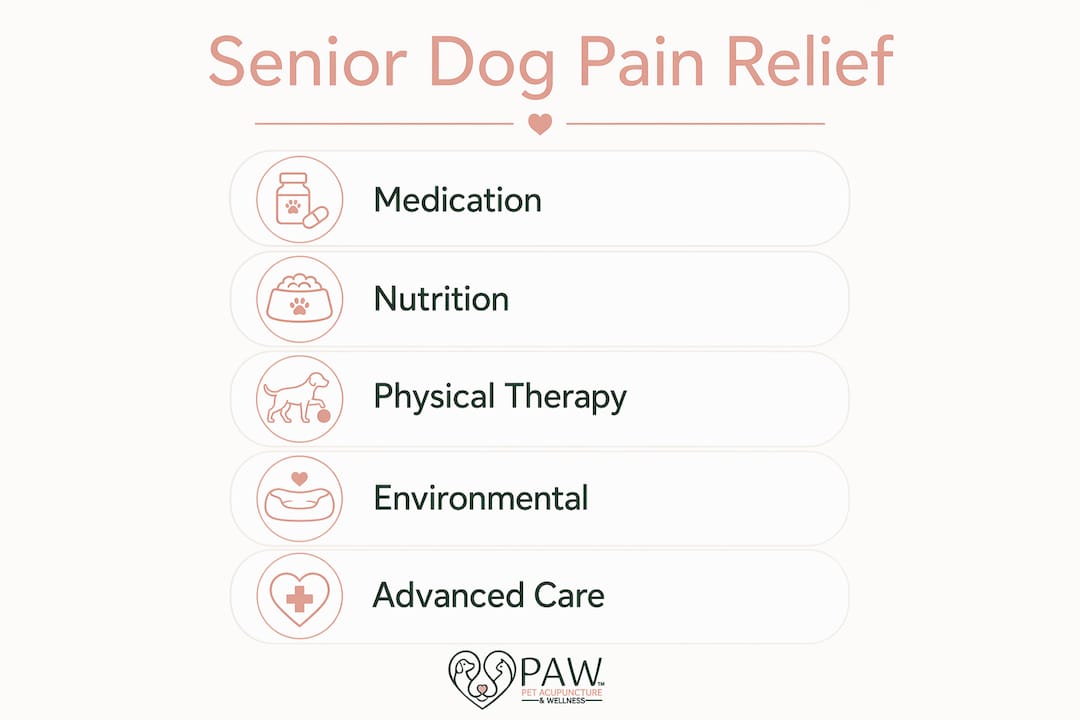
- Effective pain relief in senior dogs uses a multimodal approach combining medications, nutrition, physical therapy, and environmental modifications. Early recognition of subtle signs and consistent treatment improve mobility and quality of life over time. Home adjustments and regular vet assessments support ongoing pain management strategies.
Effective pain relief for senior dogs is defined by veterinary experts as a multimodal strategy combining medications, nutrition, physical therapy, and environmental changes. A dog enters its senior years during the last 25% of its lifespan, which means a Labrador Retriever becomes a senior around age 8, while a Chihuahua may not reach that threshold until 11 or 12. Chronic pain, most often from osteoarthritis, rarely announces itself loudly. Your dog may simply seem slower, stiffer in the mornings, or less excited about walks. Catching and treating that pain early makes a measurable difference in how well your dog moves and feels for years to come.
What are the most effective pharmaceutical options for pain relief in senior dogs?
Prescription medications form the foundation of pain management for senior dogs, but no single drug does the whole job. Veterinary pain specialists recommend combining drug classes to target different pain pathways, which reduces the dose needed from each medication and lowers the risk of side effects.
Non-steroidal anti-inflammatory drugs (NSAIDs) are the most commonly prescribed first-line treatment. NSAIDs like carprofen, meloxicam, and grapiprant reduce joint inflammation directly. Because long-term NSAID use can stress the liver and kidneys, your vet will schedule periodic bloodwork to catch any changes early.
For dogs whose pain has a nerve component, gabapentinoids like gabapentin address neuropathic pain as adjunct therapy. This class of medication works on pain signals in the nervous system rather than at the joint itself. Adding gabapentin to an NSAID protocol often produces better comfort than either drug alone.
Newer options include anti-NGF monoclonal antibody therapies, which block a specific protein that amplifies pain signals in arthritic joints. These are administered by injection on a monthly schedule and are particularly useful for dogs that cannot tolerate NSAIDs due to kidney or liver concerns.
Key points to discuss with your veterinarian before starting any pain meds for senior dogs:
- Baseline bloodwork before starting NSAIDs and every 6 months during treatment
- Reassessment every 4–12 weeks to evaluate whether the current protocol is working
- Drug interactions if your dog already takes supplements or other medications
- Dose adjustments as your dog’s weight, activity level, or disease stage changes
Pro Tip: Never give your dog over-the-counter human pain relievers like ibuprofen or acetaminophen. Both are toxic to dogs and can cause fatal organ damage, even in small doses.
How do nutrition, supplements, and weight management support pain relief?
Weight is one of the most powerful levers you control at home. A 6% reduction in body weight significantly decreases lameness severity and reduces mechanical stress on arthritic joints. For a 50-pound dog, that is just 3 pounds. That small change can produce a noticeable improvement in how freely your dog moves.
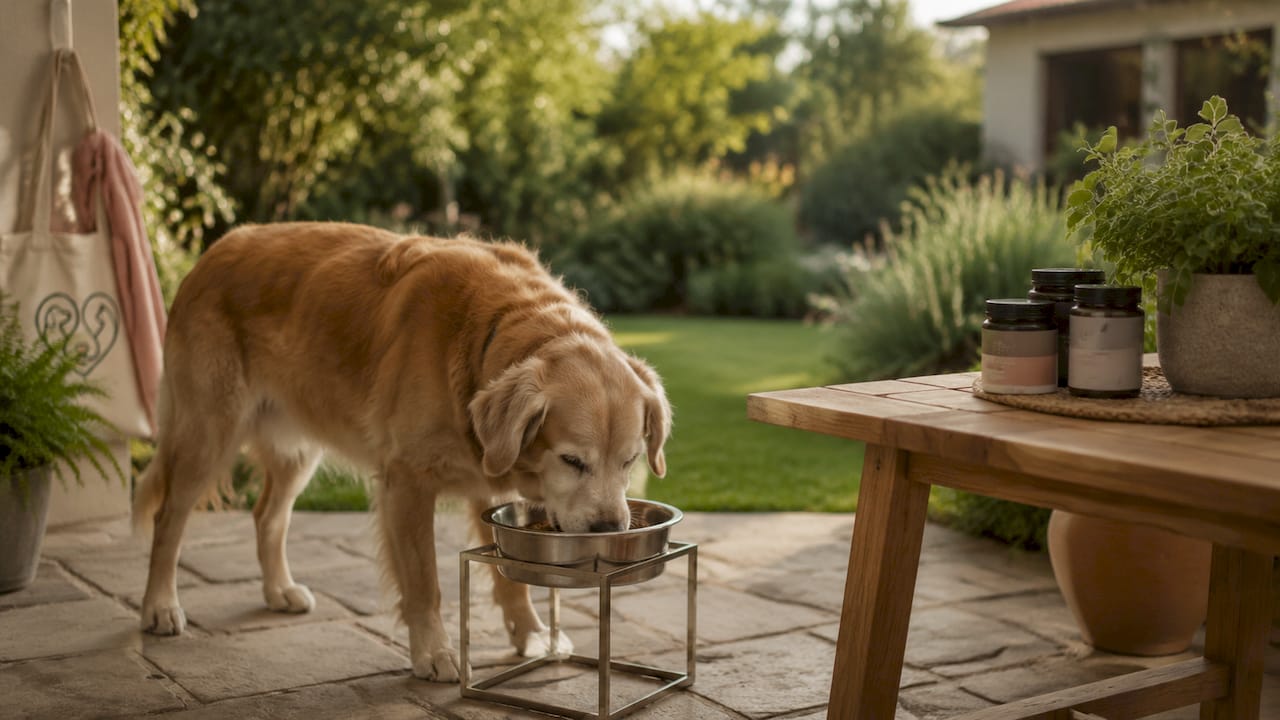
Omega-3 fatty acids from marine sources are the most evidence-backed supplement for joint inflammation. EPA and DHA at approximately 100 mg/kg combined daily reduces inflammatory mediators in joint tissue. Flaxseed oil is not a reliable substitute because dogs convert plant-based omega-3s very inefficiently. Stick with fish oil or other marine-sourced products.
Other supplements commonly used for joint pain relief in senior dogs include:
- Glucosamine and chondroitin: Support cartilage structure; evidence is mixed but side effects are minimal
- Collagen peptides: Emerging research suggests benefits for cartilage repair and joint lubrication
- Turmeric/curcumin: Natural anti-inflammatory properties; bioavailability varies by formulation
- Green-lipped mussel: Contains a unique combination of omega-3s and glycosaminoglycans
A balanced, age-appropriate diet also matters beyond supplements. Senior-specific commercial diets are formulated with adjusted protein levels, antioxidants, and sometimes added joint nutrients. Feeding measured portions rather than free-feeding is the single most practical step you can take to prevent weight creep in an older, less active dog.
What physical therapies and home care practices reduce pain and improve mobility?
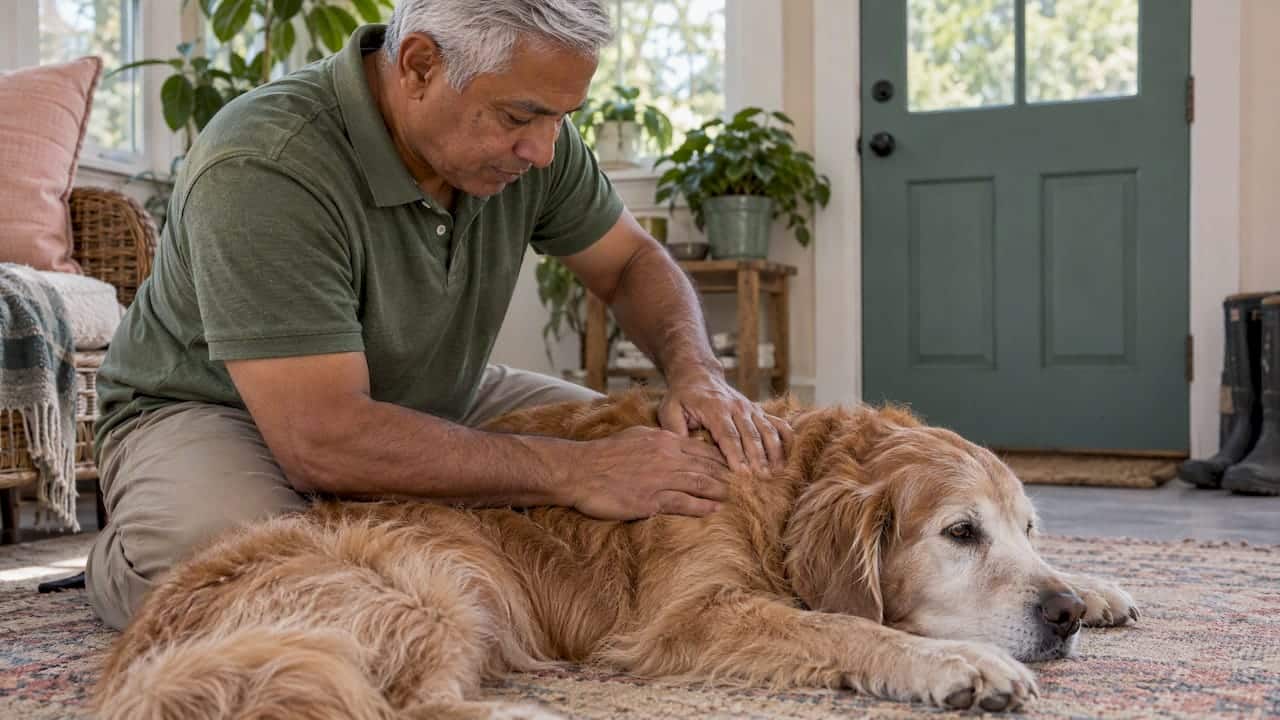
Physical rehabilitation is the most underused tool in pain management for old dogs. Targeted therapeutic exercises prevent muscle atrophy and improve joint stability, which directly reduces the load on arthritic cartilage. Muscle loss and joint pain feed each other in a cycle. Breaking that cycle requires consistent movement, not rest.
A practical exercise framework
- Start with 5–10 minute sessions, 1–2 times daily. Short, frequent movement is better than one long walk that leaves your dog sore the next day.
- Use low-impact surfaces. Grass, carpet, or a yoga mat protects joints better than concrete or tile.
- Introduce controlled leash walks before any off-leash activity. You control the pace and distance.
- Add gentle range-of-motion exercises. Slow, guided flexion and extension of the hip and knee joints keep connective tissue supple.
- Progress gradually over 8–12 weeks. Physical rehabilitation improves mobility with cumulative effects, not overnight results.
Cold and heat therapy at home
Cold therapy reduces acute inflammation and numbing pain after activity. Heat therapy relaxes muscles and improves circulation before exercise. Apply cold or heat for 10–30 minutes per session, multiple times daily, and always wait at least as long as the session lasted before reapplying to avoid tissue injury.
Advanced therapies worth asking about
| Therapy | Primary benefit | Typical frequency |
|---|---|---|
| Laser therapy | Reduces inflammation, promotes tissue healing | 2–3 times per week initially |
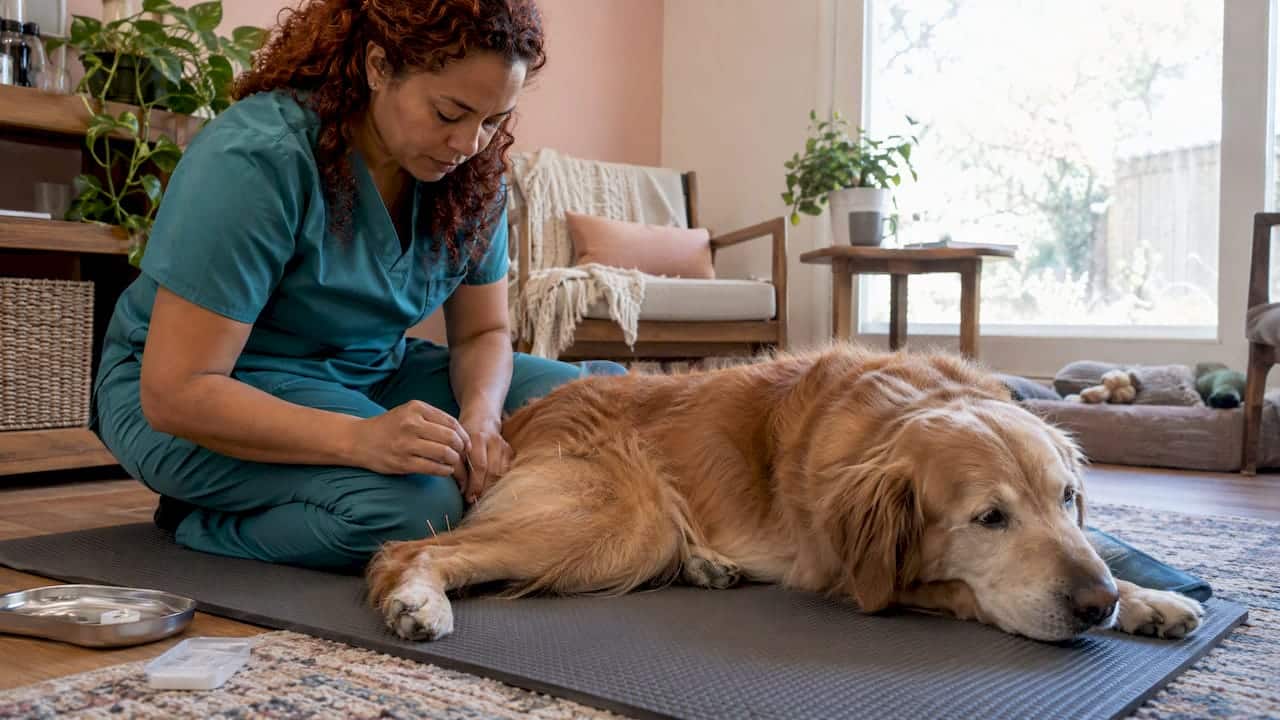
| Acupuncture | Modulates pain signals, improves Qi flow | Weekly to monthly |
| Hydrotherapy | Builds muscle with minimal joint load | 1–2 times per week |
You can read more about laser therapy for dogs as a standalone option for chronic pain management.
Environmental modifications that work immediately
Ramps, yoga mats on slippery floors, harnesses instead of collars, and elevated feeding stations often provide faster quality-of-life improvements than medication adjustments alone. These changes cost very little and take effect the same day you make them. Explore dog rehabilitation equipment options that support mobility at home between therapy sessions.
Pro Tip: Place yoga mats or rubber-backed rugs at every transition point in your home where your dog tends to slip: the base of stairs, near food and water bowls, and beside their sleeping area.
How can you recognize early signs of pain in your senior dog?
Most owners miss the earliest signs of chronic pain because dogs instinctively hide discomfort. Dogs mask pain as a survival instinct, a behavior rooted in their evolutionary history as prey animals. By the time a dog is visibly limping, the underlying arthritis is often already at a moderate to advanced stage.
Watch for these subtle behavioral changes first:
- Hesitation before jumping onto furniture or into the car
- Licking or chewing at specific joints, particularly the hips, elbows, or wrists
- Sleeping more or choosing harder surfaces to lie on, which can signal joint sensitivity
- Irritability or withdrawal when touched in certain areas
- Slower to rise after rest, especially in the morning
- Loss of interest in play or shorter self-selected walks
Early intervention at Stage 2 pain, when clinical signs are mild, produces vastly better outcomes than treating advanced pain. That is the single strongest argument for twice-yearly wellness exams in dogs over age 7.
“Behavioral changes like reluctance to climb stairs or a preference for hard sleeping surfaces are key early indicators of chronic pain in senior dogs. Waiting for obvious lameness before seeking care means the window for the most effective intervention has already narrowed.”
Senior wellness exams include structured pain assessments every 4–12 weeks, bloodwork, and range-of-motion evaluations. These exams typically last 30–45 minutes and rely heavily on your observations at home. Keeping a simple weekly log of your dog’s activity level, sleep patterns, and appetite gives your vet the clearest picture of how pain is affecting daily life. You can also learn to spot the signs of pain before they become obvious.
Key Takeaways
Effective pain management for senior dogs requires a consistent, multimodal approach combining medications, nutrition, physical therapy, and home environment changes to maintain mobility and quality of life.
| Point | Details |
|---|---|
| Multimodal care is the standard | Combining medications, nutrition, rehab, and environment changes produces better outcomes than any single approach. |
| Weight loss delivers fast results | A 6% reduction in body weight measurably decreases lameness and joint stress in arthritic dogs. |
| Subtle signs come first | Hesitation, joint licking, and morning stiffness appear long before visible limping. Act on them early. |
| Environmental changes work immediately | Ramps, non-slip mats, and elevated bowls often improve daily function faster than medication adjustments. |
| Rehab takes 8–12 weeks | Physical rehabilitation builds muscle and joint stability gradually. Consistency over weeks, not days, drives results. |
What I’ve learned about managing chronic pain in senior dogs
Osteoarthritis is not curable. That is the honest starting point every owner deserves to hear. The goal is managing a chronic condition, not reversing it, and success looks like incremental improvements in mobility over months, not a dramatic recovery in days.
The owners who see the best results are the ones who commit to the full picture: the medication schedule, the measured meals, the daily short walks, and the home modifications. The ones who struggle are usually waiting for one treatment to fix everything. That is not how chronic pain works in dogs or in people.
One pattern I see repeatedly is owners stopping physical rehabilitation too soon. Rehab requires consistent commitment over 8–12 weeks or longer to build the muscle support that protects arthritic joints. When owners quit at week three because they “don’t see a difference yet,” they are stopping right before the cumulative effects begin to show. Gradual improvement is still improvement.
The other thing worth saying plainly: your observations matter as much as any diagnostic tool. You see your dog every day. A structured weekly log of activity, sleep, appetite, and mood gives your veterinary team data that no exam can replicate. Bring that log to every appointment. It changes the quality of the conversation and the precision of the treatment plan.
— PAW Vet Practice
Senior dog pain care at PAW Vet Practice
PAW Vet Practice brings integrative veterinary care directly to your home in South Tampa, which means your senior dog receives treatment in the environment where they are most relaxed. For dogs already dealing with joint pain, eliminating the stress of car travel and a clinic waiting room is not a small thing. It is part of the treatment.
The practice offers integrative veterinary care that combines acupuncture, physical rehabilitation, and herbal therapies alongside conventional medicine. Acupuncture addresses pain through the body’s meridian system, improving Qi flow and reducing inflammation at a neurological level. Pet rehabilitation therapy is tailored to each dog’s current mobility level and progresses at a pace that builds real results. If you want a care plan that treats the whole dog, not just the diagnosis, contact PAW Vet Practice to schedule a consultation.
FAQ
What is the best pain relief for senior dogs with arthritis?
The best approach combines an NSAID prescribed by your vet, marine-based omega-3 fatty acid supplementation, targeted low-impact exercise, and home environmental modifications like ramps and non-slip surfaces. No single treatment works as well as all four together.
Are there safe over-the-counter pain relief options for senior dogs?
No human OTC pain relievers are safe for dogs. Veterinary-approved options like fish oil supplements and certain joint support chews are available without a prescription, but prescription NSAIDs and other pain meds for senior dogs require veterinary oversight and monitoring.
How often should a senior dog see the vet for pain management?
Senior dogs benefit from twice-yearly wellness exams at minimum, with structured pain assessments every 4–12 weeks if they are on an active treatment protocol.
Can natural pain relief options replace medication for senior dogs?
Natural approaches like acupuncture, omega-3 supplementation, and physical rehabilitation are powerful complements to medication but rarely replace prescription treatment in dogs with moderate to severe arthritis. They work best as part of a full multimodal plan.
How do I know if my senior dog’s pain management plan is working?
Look for gradual improvements over 8–12 weeks: easier rising from rest, more willingness to walk, less joint licking, and improved mood. Track these changes weekly and share them with your vet to guide at-home pain relief adjustments.