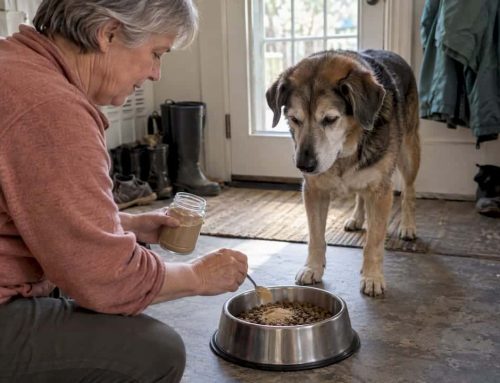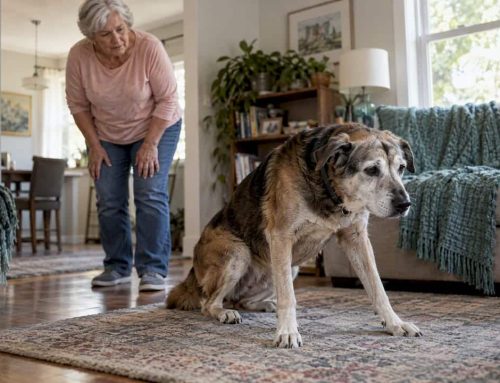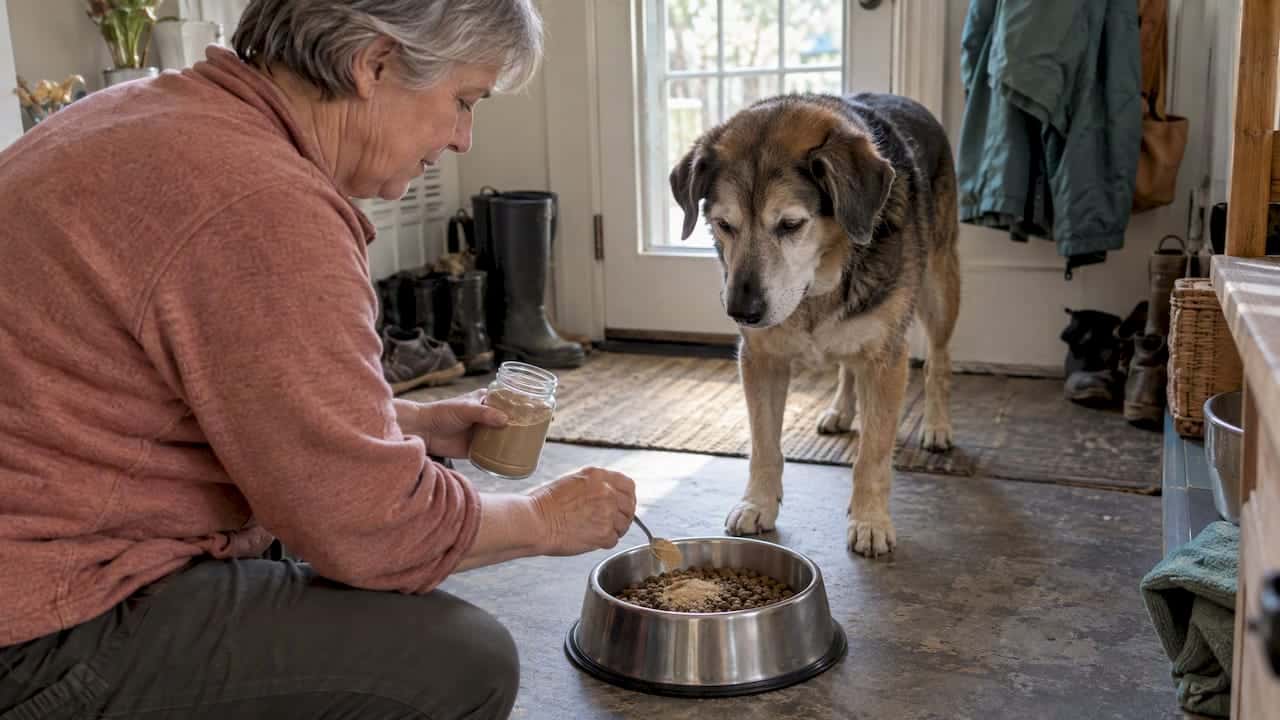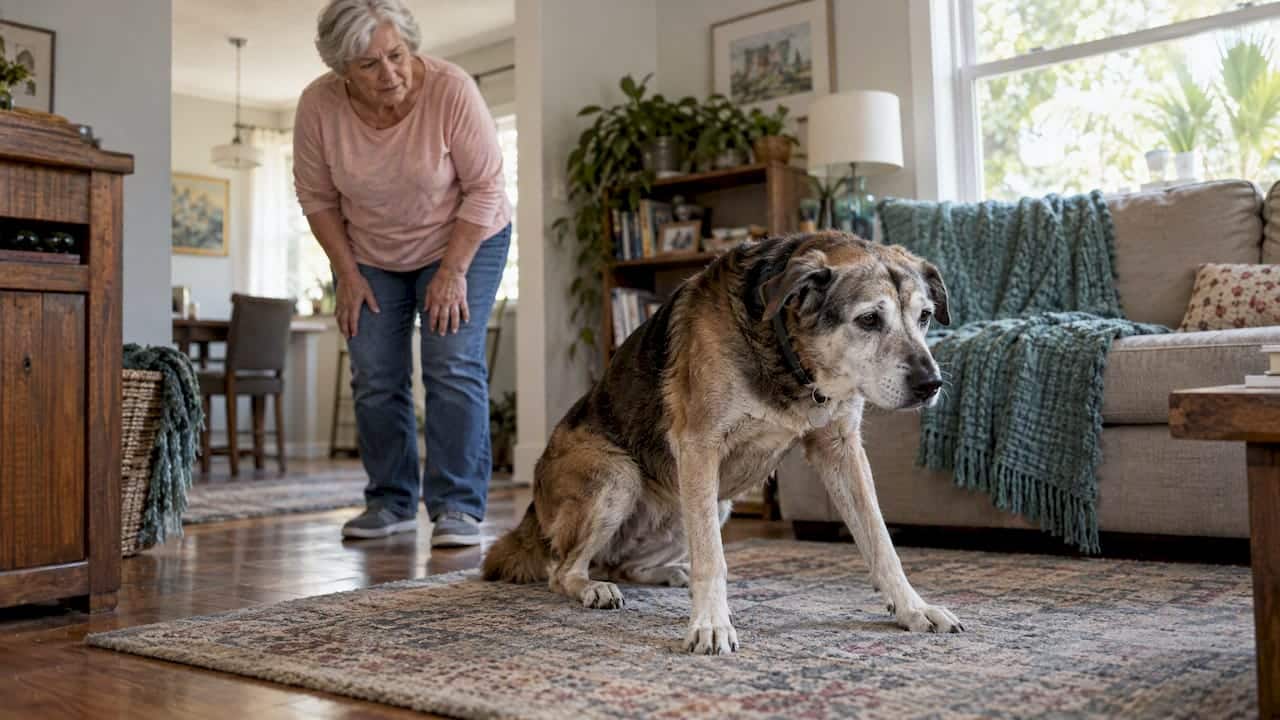
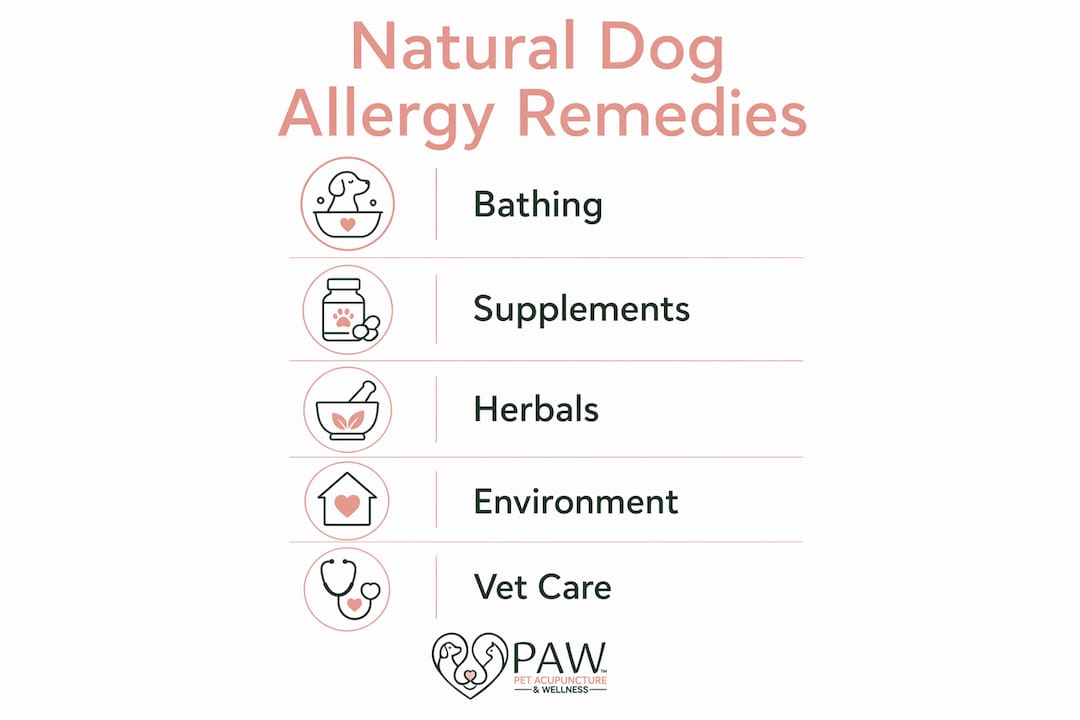
The most reliable natural remedies for dog allergies are colloidal oatmeal baths, omega-3 fatty acid supplements, targeted probiotics, and consistent allergen-avoidance measures like paw rinses and HEPA air filtration. These approaches, supported by AAHA 2023 guidelines and the integrative care philosophy at Pet Acupuncture & Wellness, can meaningfully reduce your dog’s discomfort while you work toward a proper diagnosis.
Start here — your immediate at-home checklist:
- Give a cool colloidal oatmeal bath (10–15 minutes, lukewarm water, rinse thoroughly, dry completely)
- Wipe paws and belly with a damp cloth after every outdoor walk
- Start a veterinarian-recommended omega-3 supplement (fish oil is the most common form)
- Wash your dog’s bedding in hot water at least once a week
- Confirm your dog is on year-round flea prevention
- Run a HEPA air filter in the rooms where your dog sleeps
One rule to keep in mind: stop home remedies and call your veterinarian if you see broken skin, sores, a bad smell, or if symptoms haven’t improved after two weeks. Home care is for comfort; it is not a substitute for accurate diagnosis.
Table of Contents
- 1. Topical and bathing remedies that actually soothe itchy skin
- 2. Omega-3s, probiotics, and diet — the supplements that support skin from the inside
- 3. Herbal and botanical options — what helps, what’s risky, and what to skip
- 4. Environmental controls that cut allergen exposure fast
- 5. When home remedies aren’t enough — red flags and what to expect from a vet visit
- 6. How an integrative approach combines home care and veterinary expertise
- Key Takeaways
- A clinician’s perspective on balancing natural care and veterinary oversight
- Pet Acupuncture & Wellness brings integrative allergy care to your door
- Authoritative sources and further reading
- FAQ
1. Topical and bathing remedies that actually soothe itchy skin
Topical bathing and rinses can provide real short-term relief, but they don’t treat the underlying cause of your dog’s allergies. Think of them as turning down the volume on discomfort while you work toward a longer-term plan.
Colloidal oatmeal bath — step by step:
- Fill the tub with cool-to-lukewarm water (never hot, which worsens inflammation)
- Dissolve plain colloidal oatmeal powder into the water
- Let your dog soak for 10–15 minutes, gently massaging the solution into the coat
- Rinse thoroughly — residue can irritate
- Towel-dry completely, paying attention to skin folds and paw pads
Colloidal oatmeal is one of the few home measures with genuine evidence behind it for intact, itchy skin. For a dog with mild seasonal flares, several baths per week during peak pollen season is a reasonable starting frequency.
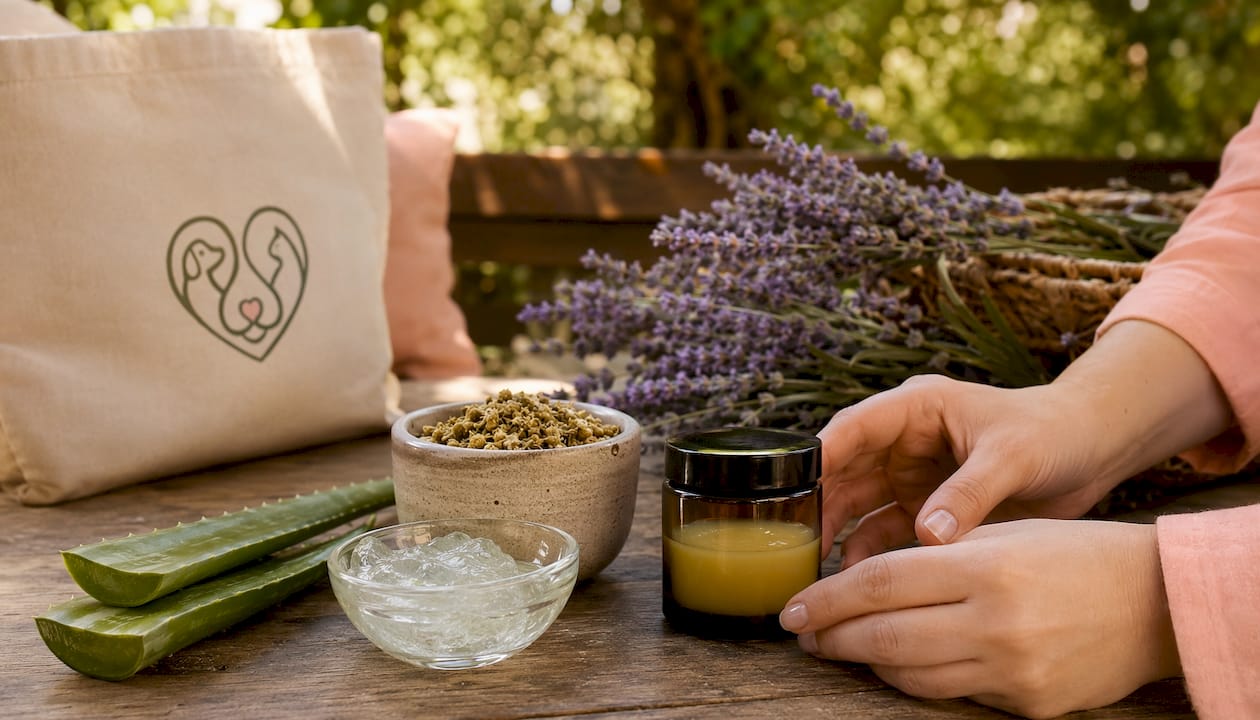
Aloe vera can be applied topically to calm minor redness, but only use a veterinary-formulated product and never apply it to broken or oozing skin. The aloe you keep on your kitchen counter for sunburns often contains additives that aren’t safe for dogs.
Apple cider vinegar is popular in online forums, but the acidity can sting inflamed or broken skin and slow healing. If you choose to use a diluted rinse (no more than a diluted ratio with water), apply it only to intact, unbroken areas and rinse it off. Skip it entirely if there are any raw patches.
Pro Tip: Choose a dog-formulated hypoallergenic shampoo with a pH-balanced formula (dogs have a skin pH of roughly 6.2–7.4, compared to human skin at 4.5–5.5). Human shampoos disrupt your dog’s skin barrier and can make itching worse, not better.
What to avoid entirely:
- Tea tree oil and other concentrated essential oils: a poison-control review documented numerous toxicity cases linked to pure tea tree oil in pets, sometimes from very small amounts
- DIY plant poultices applied directly to skin
- Any undiluted essential oil, regardless of what a wellness blog says
- Human topical medications (hydrocortisone creams, antifungal creams) without veterinary approval
2. Omega-3s, probiotics, and diet — the supplements that support skin from the inside
Omega-3 fatty acids and veterinary-guided probiotics can support your dog’s skin barrier function and reduce systemic inflammation over weeks to months. They work best as part of a broader plan, not as standalone fixes.
| Intervention | Typical time to effect | What to monitor | Rough cost |
|---|---|---|---|
| Omega-3 fatty acids (fish oil) | weeks for early changes; full benefit may take longer | Coat quality, scratch frequency, stool consistency | Low–medium |
| Probiotics (veterinary-formulated) | several weeks | Stool quality, skin flare frequency | Low–medium |
| Elimination diet (novel or hydrolyzed protein) | several weeks minimum | Itch level, GI signs, coat condition | Medium–high |
The AAHA 2023 guidelines recommend considering essential fatty acids and probiotics as adjunctive therapies alongside bathing and other management strategies. A common starting point for fish oil is roughly 20 mg of EPA per pound of body weight daily, but confirm the exact dose with your veterinarian before starting, since the right amount depends on your dog’s weight, health status, and any other medications.
Pro Tip: Roughly 70% of the immune system is located in the gut, which is why integrative practitioners prioritize gut support as a core part of long-term allergy management, not just a nice add-on.
Key points on elimination diets:
- A proper food trial uses a prescription novel-protein or hydrolyzed-protein diet, not a store-bought “grain-free” food
- The trial must run for a full 8–12 weeks with zero other protein sources, including treats and flavored chews
- Switching to an unverified “natural” diet without veterinary guidance can introduce new allergens and muddy the results
- If your dog improves during the trial, a deliberate rechallenge with the original food confirms the diagnosis
3. Herbal and botanical options — what helps, what’s risky, and what to skip
Some botanicals show promising anti-inflammatory signals, but the evidence in dogs is limited and the quality of over-the-counter supplements varies widely. That gap between “sounds natural” and “proven safe and effective” is worth taking seriously.
Commonly discussed herbs and their evidence status:
- Stinging nettle: Used in some integrative protocols for its antihistamine-like properties; evidence in dogs is anecdotal. Generally considered low-risk at appropriate doses but confirm with your veterinarian before use.
- Chamomile: Mild anti-inflammatory properties; sometimes used as a diluted topical rinse for minor skin irritation. Avoid on broken skin. Oral use in dogs has limited veterinary evidence.
- Turmeric/curcumin: Has anti-inflammatory mechanisms in laboratory studies; bioavailability in dogs is low without a formulated product. Some veterinary nutraceuticals include it. Drug interactions are possible, particularly with blood thinners.
- Licorice root: Contains glycyrrhizin, which has corticosteroid-like effects. Can be useful in small amounts under veterinary supervision but carries risks with prolonged use, including fluid retention and hormonal effects.
Botanicals and essential oils to avoid:
- Tea tree oil (see the toxicity data above)
- Eucalyptus oil
- Garlic (toxic to dogs even in small amounts)
- Pennyroyal and other concentrated plant extracts
Herbal supplements can interfere with prescription medications, and concentrations vary dramatically across products. Before adding any botanical to your dog’s routine, have a veterinarian review the full supplement list. The risk isn’t just toxicity; some herbs can mask signs of infection and delay the diagnosis your dog actually needs. Reviewing herbal interactions with medications before starting anything new is a smart first step.
4. Environmental controls that cut allergen exposure fast
Allergen avoidance often produces the largest, fastest practical benefit of any home-based strategy. You can start today, it costs very little, and the results are often visible within days.
Daily and weekly action checklist:
- Wipe paws, belly, and legs with a damp cloth or pet-safe wipe after every outdoor walk, especially during Florida’s spring and fall pollen peaks
- Wash your dog’s bedding in hot water (at least 130°F) once a week
- Vacuum carpets and upholstered furniture two to three times per week using a vacuum with a HEPA filter
- Run a HEPA air purifier in the rooms where your dog spends the most time, particularly during high-pollen days
- Keep your dog on year-round flea prevention — in Florida’s warm climate, fleas are active every month, and flea allergy dermatitis is one of the most common triggers
- Change HVAC filters regularly and consider keeping windows closed on high-pollen days
Rinsing pollen off paws and belly, washing bedding, and maintaining consistent flea control are among the most effective practical measures available to dog owners. A simple symptom diary, noting itch level, weather, and any new exposures each day, can help you and your veterinarian identify patterns and pinpoint triggers faster.
Cost priority order: flea prevention first (non-negotiable), then bedding hygiene (nearly free), then paw rinses (free), then a HEPA air purifier (one-time purchase with ongoing filter costs).
5. When home remedies aren’t enough — red flags and what to expect from a vet visit
Seek veterinary care when you see broken skin, persistent itching beyond two weeks, a bad smell, a greasy or flaky coat, hair loss, or worsening lesions. These signs point to secondary infection or a more complex condition that home care cannot address.
Red flags that mean call your vet now:
- Open sores, scabs, or raw patches
- Skin that smells yeasty or foul
- Swelling, redness, or discharge from ears
- Hair loss in patches
- Scratching so intense your dog can’t sleep or eat normally
- No improvement after two weeks of consistent home care
Common diagnostics your veterinarian may recommend:
- Skin cytology: Quick, inexpensive, identifies bacterial or yeast infections on the surface
- Skin scrape: Rules out mites (mange)
- Serum allergy testing: Identifies environmental allergens to guide immunotherapy; most useful when allergen-specific immunotherapy is planned
- Intradermal testing: Gold standard for identifying environmental allergens; typically performed by a veterinary dermatologist
- Elimination diet trial: 8–12 weeks, as described above, to confirm or rule out food allergy
Typical veterinary treatment options and timelines:
- Oclacitinib (Apoquel): Fast-acting antipruritic; many dogs see relief within 24 hours
- Short-course glucocorticoids: Rapid itch control for acute flares; not for long-term use
- Topical medicated shampoos: Prescribed for secondary infections; used alongside systemic treatment
- Allergen-specific immunotherapy (ASIT): The only treatment that addresses the underlying cause; ICADA guidelines note it can be effective but may require months to years for full benefit
Home remedies offer supportive comfort; accurate diagnosis is what produces lasting control. Delaying that step while trying more home treatments can allow secondary infections to take hold and make the underlying condition harder to manage.
6. How an integrative approach combines home care and veterinary expertise
Integrative care blends safe at-home measures with diagnostics and targeted therapies when needed, so your dog gets comfort now and a real path to lasting improvement.
At Pet Acupuncture & Wellness, the starting point is always a thorough history: when did the itching start, is it seasonal, what has been tried, and what does the skin actually look like? That context shapes everything that follows. Serum testing can identify specific allergens and inform a personalized plan that may include acupuncture, herbal protocols, and targeted nutrition, all under veterinary supervision rather than guesswork.
A typical stepwise integrative plan might look like this:
- Week 1–2: Start allergen-avoidance measures (paw rinses, bedding hygiene, flea prevention), introduce colloidal oatmeal baths, begin omega-3 supplementation with veterinary guidance
- Week 2–4: If no improvement or signs of infection, pursue skin cytology and a full dermatologic exam
- Week 4–8: Add veterinary-formulated probiotics, review diet, consider elimination trial if food allergy is suspected
- Week 8+: If environmental allergens are confirmed, discuss allergen-specific immunotherapy; consider acupuncture for comfort support and to support Qi flow and reduce systemic inflammation
The 70% gut-immune connection is why gut support sits at the center of this kind of plan. Treating only the skin surface is like turning off a smoke alarm without looking for the fire.
Pro Tip: For dogs who become anxious or reactive at traditional clinics, an in-home integrative visit removes that stress entirely. A calmer dog gives a more accurate picture of baseline itch level and skin condition, which leads to better clinical decisions. Learn more about acupuncture for allergic dogs and what an in-home session involves.
If you’re currently using herbal supplements or planning to start, bring the full list to your veterinarian. Some herbs interact with prescription antipruritic medications, and a quick review can prevent complications.
Key Takeaways
The safest, most effective approach to natural allergy relief for dogs combines colloidal oatmeal baths, omega-3 supplementation, allergen-avoidance measures, and veterinary-guided probiotics, with a clear rule to escalate to professional care if symptoms persist beyond two weeks or broken skin appears.
| Point | Details |
|---|---|
| Start with allergen avoidance | Paw rinses, hot-water bedding washes, HEPA filtration, and flea prevention often give the fastest visible improvement. |
| Colloidal oatmeal baths are evidence-backed | Use cool-to-lukewarm water, soak several minutes, rinse thoroughly, and dry completely for intact itchy skin. |
| Omega-3s and probiotics take time | Expect 6–8 weeks for early EFA changes and several weeks for a full elimination diet trial to yield clear results. |
| Avoid essential oils and vinegar on broken skin | Tea tree oil has been linked to numerous toxicity cases in pets; acidic rinses sting raw lesions and slow healing. |
| Pet Acupuncture & Wellness offers in-home integrative care | Personalized plans combining diagnostics, acupuncture, herbal guidance, and nutrition support are available for allergic dogs in South Tampa. |
A clinician’s perspective on balancing natural care and veterinary oversight
Natural home care and professional veterinary medicine aren’t opposites. They work best when they’re layered thoughtfully, with each step informed by what the dog’s skin and history are actually telling you. What concerns me most, as a practitioner, is when owners spend months cycling through home remedies while a secondary yeast or bacterial infection quietly worsens underneath. The skin is a window into systemic health, and persistent itching is rarely just a surface problem.
The home measures in this article are genuinely useful. Oatmeal baths, omega-3s, allergen avoidance, and gut support all have a place in a well-designed plan. But they work best when a veterinarian has confirmed there’s no active infection, identified the likely trigger type, and helped you set realistic expectations for timeline. At Pet Acupuncture & Wellness, we bring that assessment directly to your home, which means your dog stays calm, you get a thorough evaluation in a familiar environment, and the plan we build together is grounded in what we actually observe, not a rushed clinic visit. If you’re unsure whether your current supplement or herbal routine is safe, that’s exactly the kind of conversation our integrative veterinary care approach is designed for.
Pet Acupuncture & Wellness brings integrative allergy care to your door
For dogs with allergies, the stress of a traditional clinic visit can make symptoms worse and make it harder to get an accurate read on their baseline comfort. Pet Acupuncture & Wellness offers in-home integrative veterinary care in South Tampa, bringing the full diagnostic and therapeutic picture to your dog’s own space.

Services relevant to allergic dogs include in-home acupuncture for allergy-related discomfort, veterinary-supervised herbal and nutraceutical guidance, integrative diagnostic coordination, food therapy, and telemedicine follow-up so you’re never left waiting between appointments. For senior dogs, anxious dogs, or pets who simply do better at home, this model removes a significant barrier to getting the care they need. The goal is a personalized plan that combines the best of safe home measures with targeted veterinary therapies, built around your dog’s specific triggers, history, and comfort level. To get started, visit Pet Acupuncture & Wellness and book an in-home consultation.
Authoritative sources and further reading
The following sources informed the recommendations in this article. Each is linked for readers who want to explore the evidence further.
| Source | What it supports |
|---|---|
| 2023 AAHA Allergic Skin Disease Guidelines | Bathing frequency, EFA/probiotic adjuncts, multimodal management |
| ICADA Canine Atopic Dermatitis Guidelines | Flare-factor identification, ASIT timelines |
| Vetster — Home remedies for dog allergies | Allergen-avoidance tactics, two-week escalation rule |
| DrFossums — Home remedies for itchy skin | Colloidal oatmeal evidence, tea tree oil toxicity data, escalation rule |
| IVC Journal — Whole-body allergy support | Gut-immune connection, integrative whole-body approach |
| Zoetis Pets — Home remedy pitfalls | Vinegar, coconut oil, and essential oil cautions |
| White Oak Vet — TCVM allergy testing | Serum testing and personalized integrative plans |
Clinic resources from Pet Acupuncture & Wellness:
- Acupuncture for dogs with allergies — what to expect from in-home sessions
- Herbal therapy for pets in South Tampa — supervised herbal protocols
- Herbal supplements for dogs — selection guidance and safety considerations
FAQ
What can I give my dog naturally to help with allergies?
The most reliably helpful natural options are colloidal oatmeal baths for topical relief, omega-3 fatty acid supplements to support the skin barrier, veterinary-formulated probiotics for gut and immune support, and consistent allergen-avoidance measures like paw rinses and HEPA filtration. Always confirm supplement doses with your veterinarian before starting.
What is the best home remedy for dog skin allergies?
Colloidal oatmeal baths are the most evidence-backed home remedy for itchy, intact skin. Use cool-to-lukewarm water, let your dog soak for 10–15 minutes, rinse thoroughly, and dry completely.
How do I make my dog’s allergies go away?
Allergies in dogs are managed, not cured, through a combination of identifying and avoiding triggers, supporting skin and immune health with supplements, and pursuing veterinary diagnostics to confirm the allergen type. Allergen-specific immunotherapy, guided by ICADA guidelines, is the only treatment that addresses the underlying cause, though it can take months to show full benefit.
What is the most powerful natural antihistamine for dogs?
No single natural substance reliably matches the antipruritic effect of veterinary medications in dogs. Omega-3 fatty acids have the strongest evidence for reducing inflammatory itch over time, while stinging nettle is sometimes used in integrative protocols for its mild antihistamine-like properties, though evidence in dogs remains limited. For significant itch, veterinary-prescribed options like oclacitinib work far faster and more predictably.