If you're reading this while looking at a pet carrier, a leash, or a nervous dog pacing the hallway, you're not alone. Many South Tampa pet owners call when they already know the hardest part of the appointment isn't the vaccine itself. It's getting their pet into the car, through the waiting room, and onto an exam table without turning the whole day into a battle.
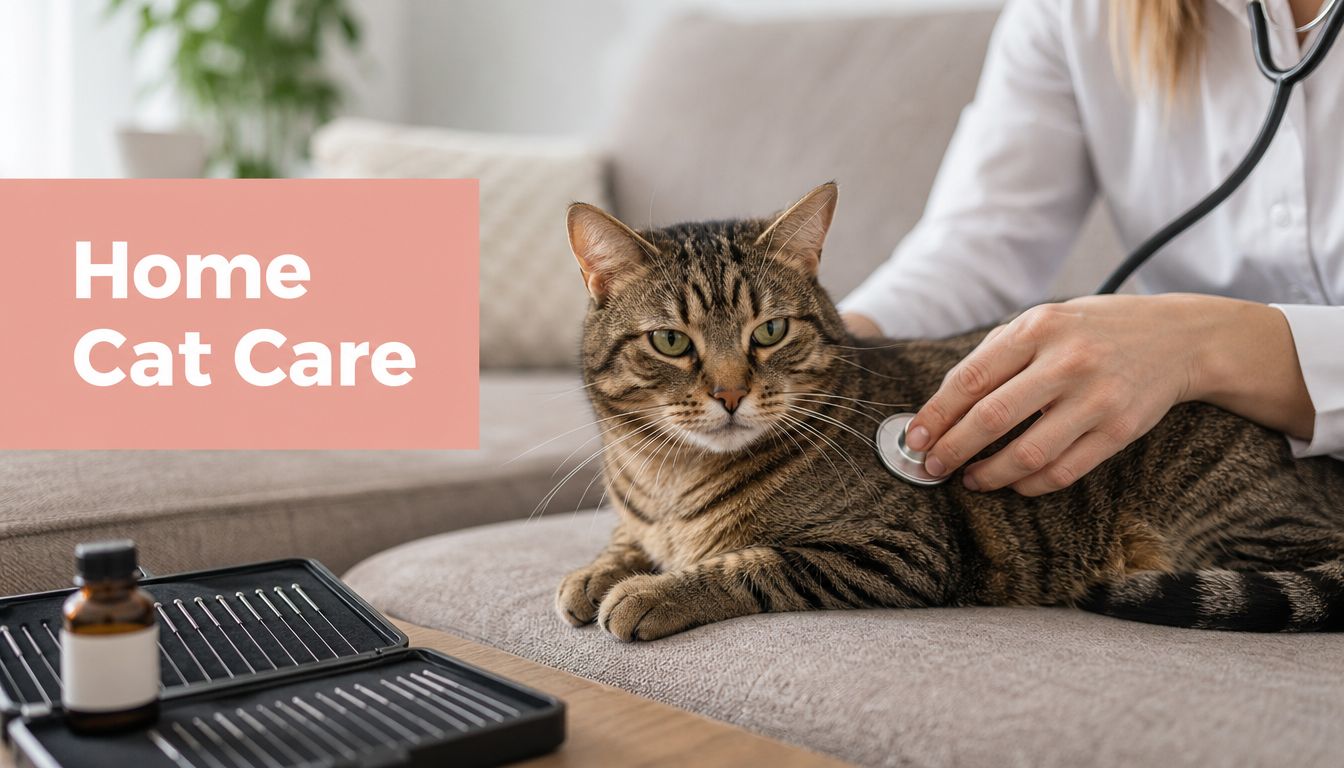
That's where the benefits of at home vet care become very real. A house-call vaccination visit can be calmer, more practical, and, for many pets, more clinically useful than people expect. For anxious cats, senior dogs, and pets with pain or mobility trouble, home isn't just easier. It often lets the veterinarian see what your pet is like when they aren't bracing against travel stress.
As Dr. Monica, I approach at-home visits with that goal in mind. Vaccinations matter, but so does the setting in which we give them. A smooth visit starts with good planning, clear communication, and realistic expectations about what home care does very well and when a clinic or hospital is still the safer choice.
Why A Calm Home Is Better Than A Hectic Clinic
A typical clinic visit can start going wrong before you even leave the driveway. Cats sense the carrier coming out and disappear under the bed. Dogs who are gentle at home start panting, whining, or pulling as soon as the car door closes. By the time you arrive, your pet may already be too stressed to show their normal movement, appetite, behavior, or tolerance for handling.
That matters more than many owners realize. A frightened pet doesn't just look uncomfortable. Stress can change how they move, how fast they breathe, how willing they are to be touched, and how they respond during an exam. In a home visit, I can often see a truer picture of the patient because the pet is standing, walking, resting, and interacting in familiar surroundings.

Home Observation Changes What We Learn
For pets with arthritis, neurologic disease, or chronic pain, the home setting can be especially valuable. One in-home care source notes that home care can improve clinical observation and adherence because the veterinarian can assess stairs, flooring, jumping points, and recovery barriers in real-world conditions, uncovering subtle cues that may not appear in a clinic exam room, as described in this discussion of in-home veterinary care for aging pets.
At home, I may notice that a dog slips when turning on tile, hesitates before using stairs, or avoids a favorite couch because jumping has become painful. A cat may show me more by how they get into a litterbox than by anything they do on an exam table. Those details shape recommendations in a way that a rushed clinic snapshot often can't.
Practical rule: If your pet's biggest problems involve pain, mobility, fear, or daily function, the home environment often gives the most useful exam clues.
Calm Helps With Follow Through
A calmer visit often helps owners, too. When your pet isn't escalating in a waiting room, you can focus on questions, instructions, and the plan after the appointment. That's one reason house calls pair well with conversations about comfort, mobility support, and pet quality of life.
Home care isn't automatically better for every problem. If a pet needs advanced imaging, oxygen support, or urgent hospital resources, home is not the right setting. But for wellness care, vaccine visits, follow-ups, and many senior-pet assessments, a calm home can produce a more accurate and useful encounter.
Understanding At Home Pet Vaccinations
At-home vaccination is straightforward. A licensed veterinarian comes to your home, reviews your pet's health history, performs an exam appropriate to the visit, confirms which vaccines are due, and administers them using standard veterinary protocols. The setting changes. The medical standards don't.
That model fits a real shift in how families use veterinary care. In the United States, total veterinary visits increased from 193.0 million in 2006 to 202.4 million in 2011, according to AVMA vital statistics. As veterinary use has grown, it's not surprising that many owners now want care that reduces travel and stress without skipping preventive medicine.

What Happens During The Visit
Most vaccine appointments at home follow a simple sequence:
- History review. We go over prior vaccine records, current medications, lifestyle, and any recent symptoms.
- Physical assessment. I make sure your pet appears well enough for vaccination and check for issues that might change timing or vaccine selection.
- Vaccine plan. We confirm what's due, what's optional, and what doesn't fit your pet's real exposure risks.
- Administration and monitoring. Vaccines are given, and you receive instructions on what to watch for afterward.
Some owners worry that a home visit is somehow less complete. It isn't. The key difference is that your pet is often more cooperative and easier to assess because they aren't already overwhelmed.
Core And Lifestyle Vaccines
The easiest way to think about vaccines is to divide them into two groups.
- Core vaccines protect against diseases that are broadly important for most pets. For dogs, that often includes rabies and combination vaccines commonly discussed as distemper and parvo protection. For cats, core recommendations often include rabies and FVRCP.
- Lifestyle vaccines depend on how your pet lives. A dog who boards, goes to daycare, visits dog parks, or travels may need a different discussion than a dog with a quiet, home-based routine. Cats with outdoor exposure or household contact patterns may also need a more individualized plan.
A good vaccine visit isn't about giving every available injection. It's about matching protection to the pet in front of us.
For South Tampa families who want a clear picture of visit structure and fees before booking, it helps to review a practice's cost of services and ask exactly what is included in the house call.
How To Choose The Right Mobile Vet
Not every mobile veterinarian practices the same way. Some focus on basic wellness care. Others work heavily with senior pets, chronic pain, end-of-life support, or rehabilitation. The right fit depends on your pet's temperament, medical history, and what you need the visit to accomplish.
A useful test is to ask whether the veterinarian treats the appointment as a simple transaction or as part of a broader care plan. A dog with vaccine needs and mild arthritis may need more than a quick injection. A fearful cat may need a slower handling approach, a quiet room strategy, and coordination with prior records.
Questions That Reveal A Good Fit
Ask direct questions during the first phone call. The answers usually tell you a lot.
- How do you handle fearful pets? Listen for a calm, specific answer. A good mobile vet should be able to explain pacing, low-stress handling, and when to stop pushing.
- What do you need from me before the visit? Strong providers usually want records, medication lists, and a short history in advance.
- Do you coordinate with my regular veterinarian? Continuity matters, especially for pets with chronic conditions.
- What happens if my pet needs something beyond a house call? You want a clear answer about referral, emergency limits, and follow-up.
- How do you monitor after vaccination? Good aftercare instructions should be routine, not improvised.
For pets with arthritis or neurologic disease, this vetting matters even more. One mobile-vet source explains that at-home care is especially valuable because it reduces stress-related masking and allows more accurate observation of gait, posture, and environmental barriers, making the assessment more representative of daily function, as noted in this overview of mobile veterinary care benefits.
Look For Clinical Limits And Collaboration
A trustworthy mobile vet should be comfortable saying what home care doesn't do well. That's a sign of judgment, not a weakness. If a provider acts as if every problem can be handled in a living room, that's a red flag.
You also want collaboration. Mobile care works best when records move cleanly between doctors and everyone understands the plan. In South Tampa, owners comparing house-call options can review services such as a mobile vet clinic in Tampa and ask how that practice handles communication with primary veterinarians.
The best mobile vet for your pet isn't the one who promises everything. It's the one who knows what can be done well at home and what should be referred.
Preparing Your Pet And Home For The Visit
The smoothest at-home appointments start before I ring the doorbell. Preparation changes the quality of the visit. It helps me work efficiently, and it gives your pet the best chance of staying settled enough for a useful exam and comfortable vaccination experience.
A well-prepared home visit doesn't need to feel formal. It just needs to be intentional. A quiet room, a clear history, and a realistic plan for handling make a big difference.
What To Do Before The Appointment
An evidence-informed mobile-care workflow starts with owner preparation. A practical guide to mobile wellness visits recommends collecting a structured history with medications, diet, and behavior, plus preparing a quiet exam area with good lighting, as outlined in this overview of how mobile vets support wellness at home.
Use this simple checklist a day or two before the visit:
- Gather records: Put together prior vaccine documents, recent lab work, and the name of your primary veterinarian.
- List current medications and supplements: Include dose, timing, and any recent changes.
- Write down behavior changes: Appetite shifts, coughing, itching, limping, hiding, pacing, accidents in the house, or sleep changes are all worth noting.
- Mention handling concerns early: If your pet guards a paw, panics with nail trims, or hates strangers leaning over them, tell us before arrival.
- Ask about pre-visit medication if needed: Some pets do better when we plan for anxiety in advance.

How To Set Up The Space
Choose one area of the home where your pet can be seen without extra commotion. Good options are often a living room corner, bedroom, or kitchen area with enough floor space and light.
A strong setup usually includes:
- One calm room: Turn off loud TVs, pause deliveries if possible, and limit foot traffic.
- Secure access: Dogs should be leashed or behind a closed door before the vet enters. Cats should be in the chosen room before the appointment starts.
- Comfort items nearby: Favorite treats, a bed, a non-slip rug, and familiar toys can help.
- Safe footing: Slippery floors can make a pet look weaker or more painful than they really are.
This short video can help you think through the feel of a calm home visit:
What Helps During The Visit
Owners often ask what they should do once I arrive. The answer is simple. Stay present, stay calm, and let your pet take information in at their own pace.
Some pets accept handling fastest when their owner sits quietly nearby and lets me approach in stages.
For pets already managing pain or stiffness, setup also affects treatment options beyond vaccines. If you're considering in-home support for comfort and recovery, services such as laser therapy for dogs may also benefit from the same kind of quiet, organized environment.
Costs Insurance And Post Vaccination Care
Most mobile veterinary visits include two parts in the price structure. There is usually a house-call fee for travel and appointment time, and then there are fees for the services provided, such as the exam, vaccines, or other treatments. That doesn't automatically make home care the right choice for every family, but it does reflect the time, travel, and one-on-one attention involved.
Many owners weigh that against the hidden cost of a clinic trip. Time off work, traffic, wrestling a cat into a carrier, or managing a painful senior dog in and out of a car all count for something. A long-term consumer analysis found that U.S. household veterinary service expenditures increased by 188.4% between 1980 and 2018, reflecting a broader willingness to invest in pet wellness, according to this 2024 analysis of veterinary spending patterns.

What To Ask About Insurance
Pet insurance coverage varies by company and policy. Some plans may reimburse for eligible veterinary services performed at home, while others may treat the house-call component differently. The only reliable answer is to check your own policy language and ask the insurer how they handle mobile visits, exams, vaccines, and follow-up care.
Bring your invoice and medical notes into that conversation. Clear documentation makes reimbursement questions easier.
What To Watch For After Vaccines
Most pets do well after vaccination. Mild tiredness, temporary soreness at the injection site, or being a little less playful later that day can happen. Those reactions are usually short-lived.
Call your veterinarian promptly if you see signs that seem more serious, such as facial swelling, repeated vomiting, collapse, trouble breathing, or a reaction that appears to be worsening rather than improving. Home visits are calm, but aftercare still depends on close observation.
A good rule is simple:
- Mild and brief: Monitor at home and follow the instructions you were given.
- Concerning or progressing: Contact the veterinarian right away.
- Emergency signs: Seek urgent care immediately if your pet appears unstable.
Your Questions About In Home Vaccinations Answered
Owners usually ask the most important questions near the end of the conversation. That's normal. Vaccine decisions feel bigger when your pet is anxious, older, or medically complicated.
What If My Pet Has A Severe Allergic Reaction At Home
Severe vaccine reactions are uncommon, but every veterinarian should have a plan for them. Ask this question before you book. You want to know what medications the doctor carries, how they stabilize a patient on site, and when they direct immediate transfer to an emergency hospital.
A good mobile vet doesn't dismiss this concern. They explain the protocol calmly and clearly, including what signs would trigger urgent action.
Can Multiple Pets Be Vaccinated In One Visit
Yes, in many households that works very well. Multi-pet visits can reduce disruption, especially when all pets need wellness care around the same time. The practical key is organization. Have each pet's records ready, know who is due for what, and plan where each animal will wait so the home doesn't become chaotic.
For some families, follow-up support after the visit is just as helpful as the appointment itself. When questions come up later, options like pet telemedicine and tele-advice in Tampa can help owners decide whether a reaction sounds routine, whether a recheck is needed, or whether a problem belongs in urgent care.
My Pet Hates Strangers. Will An At Home Visit Still Work
Often, yes. Home doesn't magically erase fear, but it removes several triggers at once. There is no car ride, no lobby, no barking dog in the next room, and no unfamiliar exam table from the start. That gives fearful pets a better chance to process the interaction gradually.
Success depends on honesty and pacing. Tell the veterinarian exactly what your pet does when scared. Hiding, growling, freezing, lunging, urinating, or refusing food all matter. In some cases, we proceed slowly with treats and distance. In others, we plan pre-visit medication or decide that a different setting is safer.
Fearful pets do best when everyone agrees that getting the vaccine matters, but forcing the interaction at any cost does not.
If you're in South Tampa and want a calm, practical plan for at-home vaccinations or integrative support for an anxious, aging, or mobility-limited pet, Pet Acupuncture & Wellness (PAW Vet Practice) offers mobile veterinary care designed to complement your primary veterinarian and fit your pet's real daily environment.