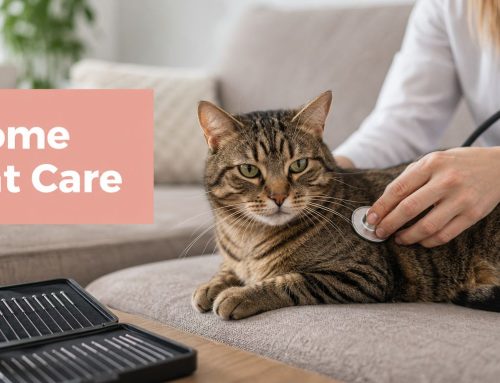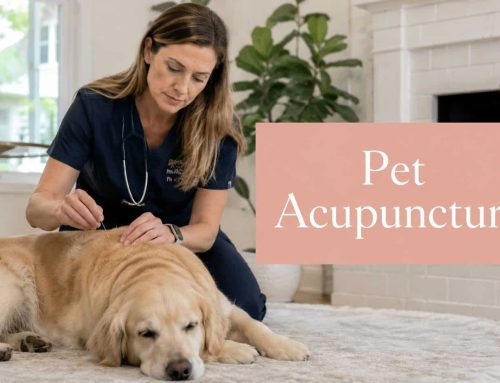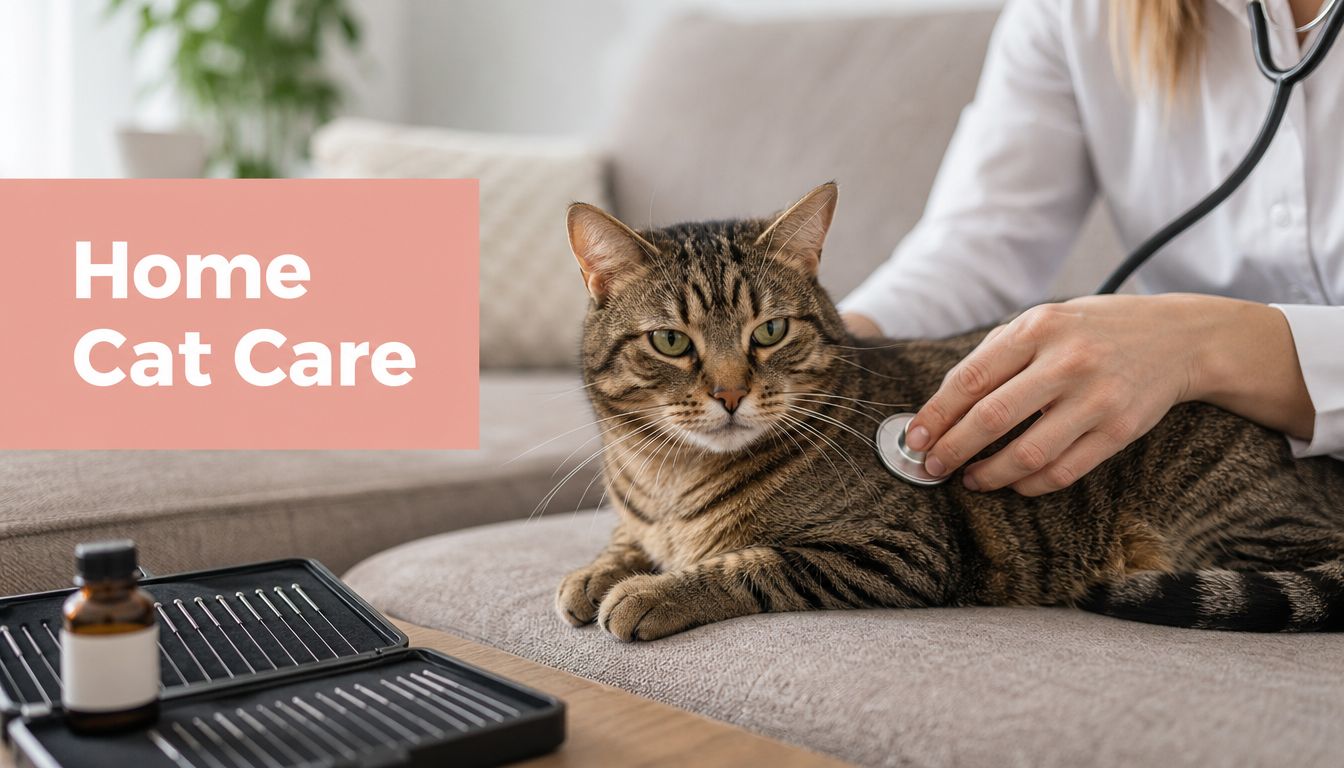
You notice it in pieces. Your dog pauses before getting up from the rug. Your cat still comes to sit near you, but she doesn't jump onto the couch like she used to. Meals take longer. Walks get shorter. The changes are subtle enough that it's hard to tell whether you're seeing normal aging, pain, anxiety, or the start of a bigger decline.
That's where pet quality of life becomes useful. It gives worried observations a structure. Instead of asking one impossible question, “Is it time?”, you start asking smaller, answerable ones. Is my pet comfortable? Are they eating with interest? Can they move without struggle? Are they still enjoying their day?
For many families in South Tampa, those answers are easier to gather at home, where a pet behaves naturally and stress is lower than it is in a clinic. Quality-of-life tracking isn't only for end-of-life care. It's also one of the most practical ways to catch problems earlier, adjust support, and protect comfort before a pet reaches a crisis.
What Is A Good Life For Your Pet
A good life looks different for every dog and cat, but the basics are consistent. A pet with good quality of life is able to rest comfortably, eat and drink with reasonable ease, stay clean, move enough to meet daily needs, and still take pleasure in familiar routines. That pleasure might be a slow sniff on a short walk, greeting you at the door, grooming after a nap, or asking for dinner right on schedule.

In practice, the question isn't whether your pet is aging. It's whether aging is taking away comfort and joy faster than you can restore them. Some pets have chronic arthritis and still enjoy their family, meals, and gentle activity. Others look medically stable on paper but spend most of the day withdrawn, restless, or struggling through basic tasks.
What Owners Usually Notice First
Pet owners often don't start with a score sheet. They start with a feeling that something is off.
- Movement changes often show up first. Your dog slips on tile, hesitates at stairs, or stops midway through a walk.
- Routine changes follow. Your cat stops using favorite perches. Your dog doesn't settle well overnight.
- Personality changes can be the most telling. A social pet becomes distant, or an independent pet suddenly becomes clingy.
These signs matter because quality of life is about lived experience, not just diagnosis. A pet can have a manageable condition and still need better daily support.
A useful question is not “How sick is my pet?” but “How is my pet living today?”
Families who use an in-home mobile veterinary visit in South Tampa often tell me the same thing. Once they start looking at comfort, function, and enjoyment separately, decisions become clearer. The goal isn't perfection. The goal is a life your pet can still participate in.
How To Measure Your Pet's Quality Of Life
The most practical tool for home use is the HHHHHMM Quality of Life Scale, developed by veterinary oncologist Dr. Alice Villalobos. It scores seven domains on a 0 to 10 scale: Hurt, Hunger, Hydration, Hygiene, Happiness, Mobility, and More good days than bad. A total score over 35 indicates acceptable quality of life, which can support continuing comfort-focused care and therapies, according to the HHHHHMM framework described in this review.

You don't need to turn your home into a hospital chart. You do need consistency. Pick the same time each day or every few days, score each category accurately, and write one or two notes. Patterns matter more than any single rough day.
The Seven Areas To Watch
-
Hurt
Start with comfort. Is your pet's pain controlled enough that they can rest, change position, and be touched without obvious distress? Pain isn't always dramatic. It can look like panting, stiffness, irritability, hiding, or reluctance to rise. -
Hunger
Appetite tells you a lot. Is your pet eating enough on their own, and are they still interested in food? A pet who only eats after coaxing, changes position repeatedly at the bowl, or walks away after a few bites is telling you something important. -
Hydration
Watch water intake, gum moisture, and general energy. A pet can seem “fine” while slowly becoming less hydrated, especially if nausea, dental pain, weakness, or another chronic condition is interfering with normal drinking. -
Hygiene
Can your pet stay reasonably clean? This includes coat condition, grooming, urine or stool accidents, and whether they can move away from soiled bedding. Hygiene problems often signal pain, weakness, cognitive change, or mobility loss.
The Categories Owners Often Underestimate
-
Happiness
This isn't about constant excitement. It's about engagement. Does your pet still seek affection, respond to your voice, enjoy being near the family, or show interest in favorite routines? -
Mobility
Focus on function, not athleticism. Can they get up, walk to food and water, use the litter box or go outside, and change positions without repeated struggle? A pet doesn't need to run to have a good day, but they do need enough movement to live with dignity. -
More good days than bad
This category often brings the whole picture into focus. Keep a simple calendar and mark each day. If you're arguing with yourself over every square, that usually means it's time for a deeper conversation.
How To Make The Scale Useful At Home
Use short notes beside the score. “Needed help standing after nap.” “Ate breakfast eagerly but skipped dinner.” “Wanted to sit outside.” These details help separate a temporary dip from a meaningful decline.
Practical rule: Score trends are more useful than memory. Most owners remember the worst moments and the sweetest moments, but not the average day in between.
A quality-of-life tool doesn't replace a veterinary exam. It gives that exam better information. It also helps you see whether a home adjustment, medication change, or integrative therapy is helping.
Recognizing The Signs Your Pet Needs Help
Once you start tracking quality of life, the next step is learning which changes deserve quick attention. A broad review of companion animal quality-of-life tools found that activity level, desire to interact, and appetite are critical parameters for both dogs and cats, and owner surveys in that research showed 81% of pet parents want quality-of-life assessments during clinic visits to support proactive care, as summarized in the Lap of Love quality-of-life reference.
Those three markers are useful because they often change before families see an obvious emergency.
Physical Signs
Look for changes that affect comfort and body function day to day.
- Stiffness after rest that improves only slightly, or not at all
- Trouble with stairs, jumping, or getting into the litter box
- Changes in grooming or coat condition, especially in cats who stop grooming hard-to-reach areas
- House soiling or accidents in a previously reliable pet
- Restlessness at night or inability to settle into a comfortable sleeping position
- Panting, trembling, or guarding part of the body when touched
A pet doesn't need to cry out to be in pain. Many dogs and cats become quiet, careful, and slower instead.
Behavioral Signs
Behavior often reveals suffering earlier than owners expect.
- Withdrawal from family routines
- Less interest in play, walks, or food rituals
- Clinginess, irritability, or sudden avoidance of touch
- Confusion, such as staring, pacing, or seeming lost in familiar spaces
- Increased vocalizing, especially at night or during movement
These changes don't automatically mean the end of life is near. They do mean your pet needs help understanding, treating, or adapting to what's changed.
When a pet stops doing the small things that used to define their normal day, quality of life is already shifting.
Habit Changes That Deserve A Closer Look
Daily habits tell you whether a problem is occasional or becoming part of your pet's routine.
A dog who hesitates once before going outside may just be tired. A dog who hesitates every morning, slips on the same floor, and needs encouragement to finish a short walk has a pattern. A cat who misses one grooming session may be having an off day. A cat whose coat becomes dull, whose litter box use changes, and who no longer seeks high resting spots may be coping with discomfort every day.
If you're seeing those patterns, don't wait for obvious distress. Gathering clear observations and discussing them with a veterinarian who manages mobility, pain, and chronic conditions is often the fastest way to protect function. If you want to compare what you're seeing with common mobility, pain, and neurologic concerns, the list of pet conditions we treat in South Tampa house-call care can help you organize your notes before an appointment.
Simple Changes To Improve Your Pet's Daily Life
The fastest way to improve pet quality of life is often environmental. Before adding anything complicated, make your home easier to move through, easier to rest in, and easier to get around without fear of slipping or straining.

Make The Home Easier On The Body
Start with traction. Hardwood, tile, and slick laminate are exhausting for painful pets because every step requires bracing. Rugs, yoga mats, runners, and non-slip paths between sleeping areas, food, and the door can change how confidently a dog moves through the day.
Then fix the pressure points.
- Bedding support helps pets who struggle to lie down or rise. Place thick bedding where your pet already chooses to rest, not where you wish they'd rest.
- Stairs and ramps reduce repeated jumping onto beds, sofas, and porches.
- Litter box access matters for cats with arthritis. Lower sides or a nearby second box can reduce accidents.
- Raised bowls may help some pets who strain through neck, shoulder, or front limb discomfort.
A good home setup doesn't cure disease, but it often reduces strain enough that a pet uses less energy just getting through the day.
Build Comfort Into The Routine
Comfort works better when it's predictable. Senior pets usually do best with a steady rhythm for meals, bathroom breaks, medication, sleep, and gentle activity.
Try these adjustments:
- Shorter activity sessions instead of one long outing
- Warm resting spaces away from drafts and household traffic
- Easy access to essentials so water, food, and bedding are all on the same floor if possible
- Gentle enrichment such as food puzzles, sniffing games, or short training sessions adapted to mobility
If you're choosing home aids, mobility supports, bedding, or feeding tools, a curated list of recommended pet support products can save time and help you match the tool to the problem.
Here's a helpful visual overview of home support ideas for aging and mobility-limited pets.
What Usually Does Not Work Well
Owners often try to solve a comfort problem by encouraging a pet to “push through.” That rarely helps. Pets with pain don't build confidence by slipping more often, climbing more stairs, or taking longer walks than they can handle.
What works better is controlled effort. Help them succeed at small tasks repeatedly. That might mean a shorter leash walk on grass, a step stool beside the couch, or a harness for balance support on bad days. When the environment fits the body, pets tend to look calmer, cleaner, and more engaged.
Using Integrative Care To Manage Pain And Mobility
Quality-of-life scales are helpful, but many of them focus on what is wrong without fully addressing all the ways we can help. One gap in standard assessment is that these tools rarely incorporate Traditional Chinese Veterinary Medicine diagnostics, even though evidence-based integrative therapies such as acupuncture and laser therapy, especially through mobile care that reduces travel stress, can improve quality of life by addressing chronic pain and mobility problems, as discussed in this overview of measuring pet quality of life and integrative care gaps.
That gap matters because pain and mobility are often the categories that start the downward spiral. A pet hurts, so they move less. Because they move less, they get weaker. Then they struggle to stay clean, lose confidence, sleep poorly, and stop engaging the way they used to.

How Acupuncture Helps
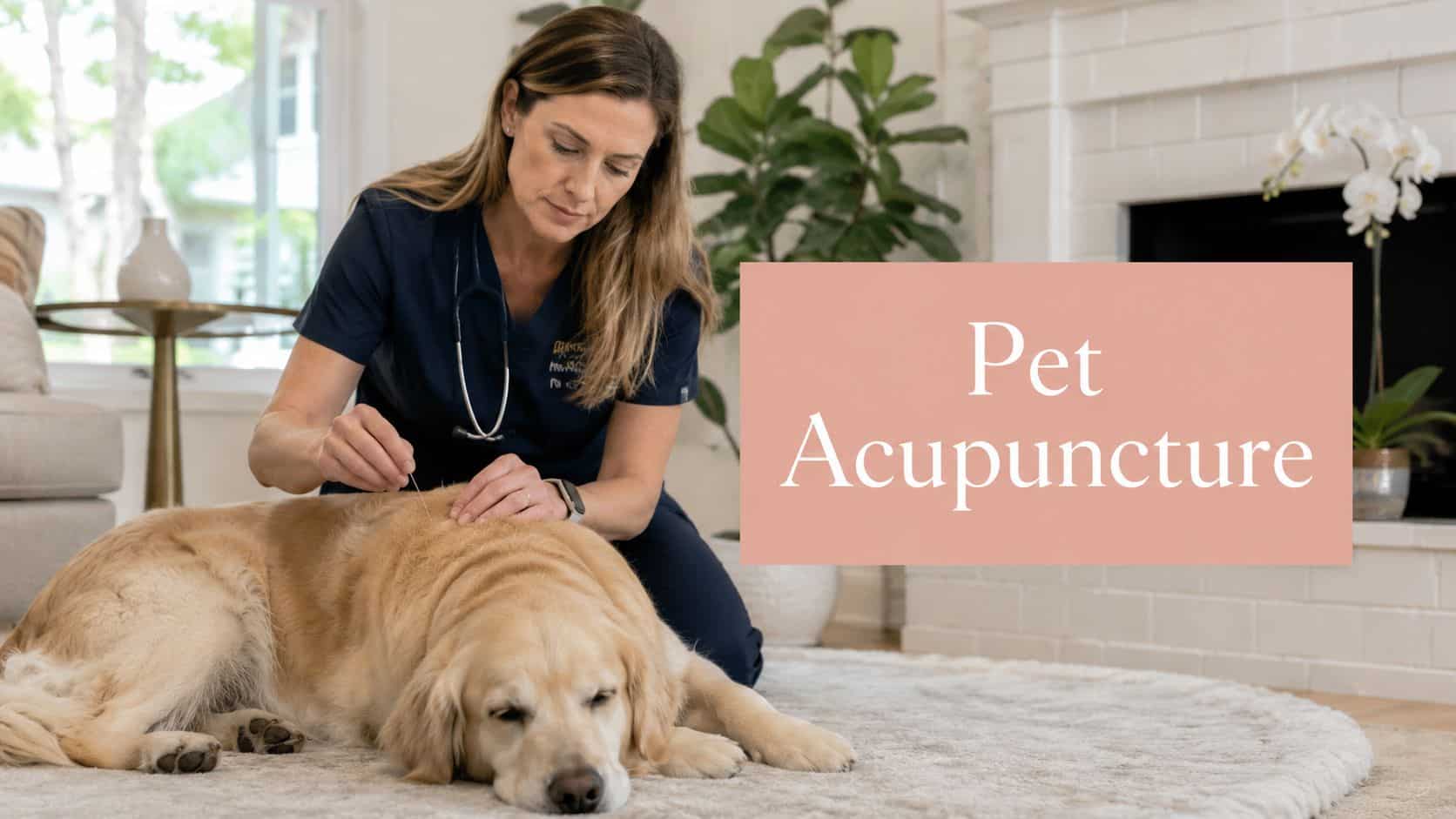
Acupuncture is one of the most useful options for pets who have arthritis, neurologic weakness, chronic back pain, or age-related stiffness. In simple terms, it helps the body regulate pain and restore better function. Some pets become looser in movement. Others show the benefit as better sleep, improved willingness to walk, or less tension when rising.
At home, acupuncture often works especially well for pets who dislike car rides or arrive at clinics already stressed and braced. A relaxed dog on their own bed gives you a much truer picture of comfort than a dog trying to cope in a lobby.
Where Laser Therapy Fits
Laser therapy is non-invasive and commonly used to support pain control and inflammation management. It's a practical choice for sore joints, muscle tension, and soft tissue discomfort, especially when a pet needs treatment that is gentle and quick. For some patients, laser therapy is the easiest first step because it doesn't require active participation from the pet.
Rehabilitation And Home Exercise
Rehabilitation matters because pain relief alone isn't enough. Once comfort improves, the body still needs help rebuilding safe movement patterns, strength, and confidence. Home exercise plans work best when they're simple and repeatable.
Examples include:
- Sit-to-stand work for hind-end strength in dogs who can perform it safely
- Assisted weight shifts to improve balance awareness
- Controlled leash walking on stable footing
- Targeted household changes that reinforce safer movement all day
Relief is important, but function is what keeps a pet independent.
For South Tampa families who want these services delivered at home, Pet Acupuncture & Wellness rehabilitation guidance outlines how rehab, acupuncture, and related support can be combined into a practical home plan. The in-home setting matters. You can see the actual floors your pet walks on, the bed they struggle to reach, and the corner where they hesitate. That makes treatment more specific and more useful.
Knowing When To Talk To Your Veterinarian
One of the hardest parts of pet quality of life is recognizing when supportive care needs to become a deeper conversation. Better wellness care and closer monitoring have helped pets live longer. In the United States, the average lifespan for dogs increased by 11.4% from 10.5 to 11.8 years between 2002 and 2016, and shelter euthanasia rates dropped from 13% in 2019 to 8% in 2024, according to the ASPCA shelter statistics and related lifespan summary. That's encouraging. It also means more families spend more time navigating chronic decline, not just sudden illness.
The difficult question is not whether you love your pet enough. It's whether your current plan is still protecting comfort.
Signs The Conversation Should Happen Soon
Call your veterinarian when any of these become persistent:
- Bad days are starting to outnumber good ones
- Pain control no longer seems reliable
- Eating, drinking, or toileting require frequent assistance
- Your pet no longer enjoys the people, routines, or activities that used to matter most
- You are losing confidence that your pet is comfortable, even with treatment
This conversation isn't a commitment to euthanasia. It's a clinical and compassionate review of what's happening now, what can still improve, and what would count as unacceptable suffering for your pet.
Questions Worth Asking
Bring your quality-of-life notes and ask direct questions.
- Is this decline likely reversible, manageable, or progressive
- What signs would tell us the current plan is no longer enough
- Are we treating discomfort effectively, or only reacting to crises
- What support can happen at home to reduce stress on my pet and my family
Choosing comfort is not giving up. It is staying focused on what your pet actually experiences each day.
If travel is hard for your pet or you need guidance before deciding on an in-person visit, a South Tampa telemedicine and tele-advice appointment can help you review symptoms, your quality-of-life notes, and the next best step. Sometimes the right answer is adjusting care. Sometimes it is hospice support. Sometimes it is preparing for a peaceful goodbye before a pet reaches a crisis.
Your Partner In Your Pet's Wellness Journey
You don't need to guess your way through this. If you're paying close attention to appetite, mobility, hygiene, comfort, and engagement, you're already doing one of the most important jobs in your pet's care. Quality-of-life tracking turns love into useful information, and useful information leads to better decisions.
For many dogs and cats, the best next step is not dramatic. It's a safer floor, a better bed, a more realistic exercise plan, or pain support that fits life at home. For others, it's time for a serious conversation about comfort, dignity, and what your pet can still enjoy.
If you live in South Tampa and you're worried that your dog or cat is slowing down, struggling, or having more hard days, it helps to talk it through with a veterinarian who can assess your pet where they live.
If you're concerned about your companion's comfort, mobility, or overall pet quality of life, Pet Acupuncture & Wellness (PAW Vet Practice) offers in-home integrative veterinary care for dogs and cats in South Tampa. A calm home visit can help clarify what your pet is experiencing and what practical options may help next.