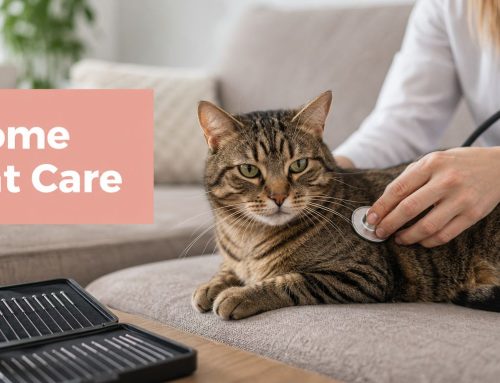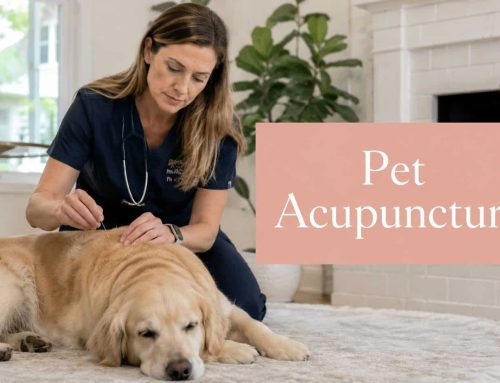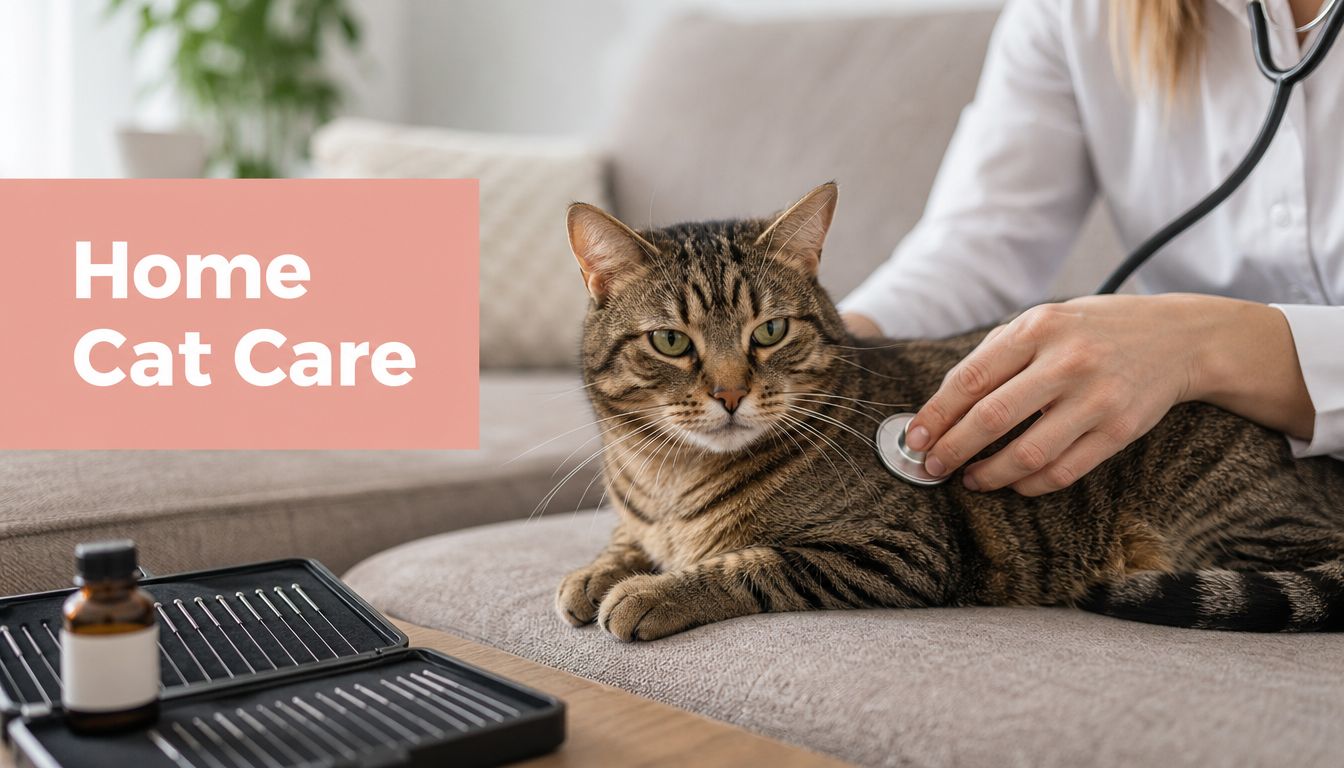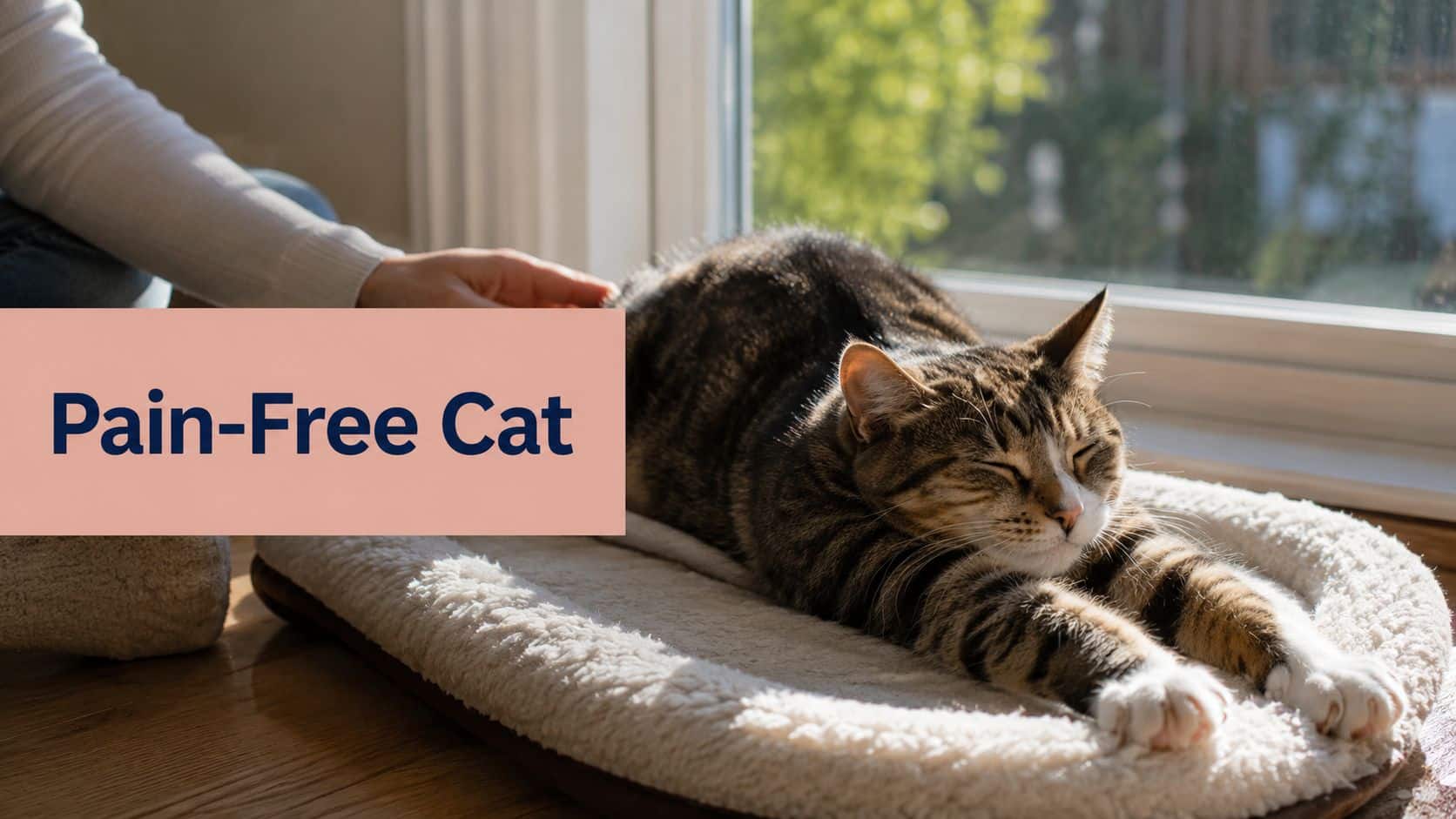
Your search for an integrative vet near me usually starts at a stressful moment. Your dog may still want to go out in South Tampa, but the walk is shorter now and the steps are slower. Your cat may hesitate before jumping onto the bed, or hide after every car ride to the clinic. When that happens, most pet owners aren't looking for a trend. They're looking for relief, answers, and a plan that feels doable.
Well-rounded and integrative veterinary care can help, especially when comfort, mobility, recovery, and quality of life are key priorities. For many South Tampa families, the practical question isn't whether these services exist. It's how to find the right veterinarian, how to tell thoughtful care apart from marketing, and whether at-home treatment will make life easier for both pet and owner.
Understanding Holistic and Integrative Veterinary Care
A South Tampa dog with arthritis may walk better after pain medication, but still struggle with slick floors, weak rear legs, and tension during the car ride to the clinic. A cat recovering from an injury may need imaging and prescriptions from a primary veterinarian, while also benefiting from acupuncture, laser therapy, and a calmer exam at home. That is the practical role of integrative veterinary care. It looks at the medical diagnosis and the daily obstacles that affect comfort, function, and recovery.
Whole-patient care means the veterinarian evaluates more than the problem listed on the chart. Pain, mobility, appetite, sleep, stress, behavior, home setup, and routine all matter because they influence how a pet feels between appointments. Integrative care adds selected supportive therapies to standard medical treatment when those therapies fit the case and have a clear goal.
In practice, that usually means using conventional medicine and supportive treatment together.
A dog with chronic joint pain may still need diagnostics, prescription medication, and regular follow-up with the primary vet. The integrative side of the plan may include acupuncture, laser therapy, rehabilitation exercises, food changes, or herbal support. For pets who become anxious in the car or shut down in a clinic, in-home visits can also produce a more accurate exam because the animal is observed where it lives and moves.
What These Services Often Include
South Tampa pet owners searching for this kind of care are often trying to solve a specific day-to-day problem. Common services include:
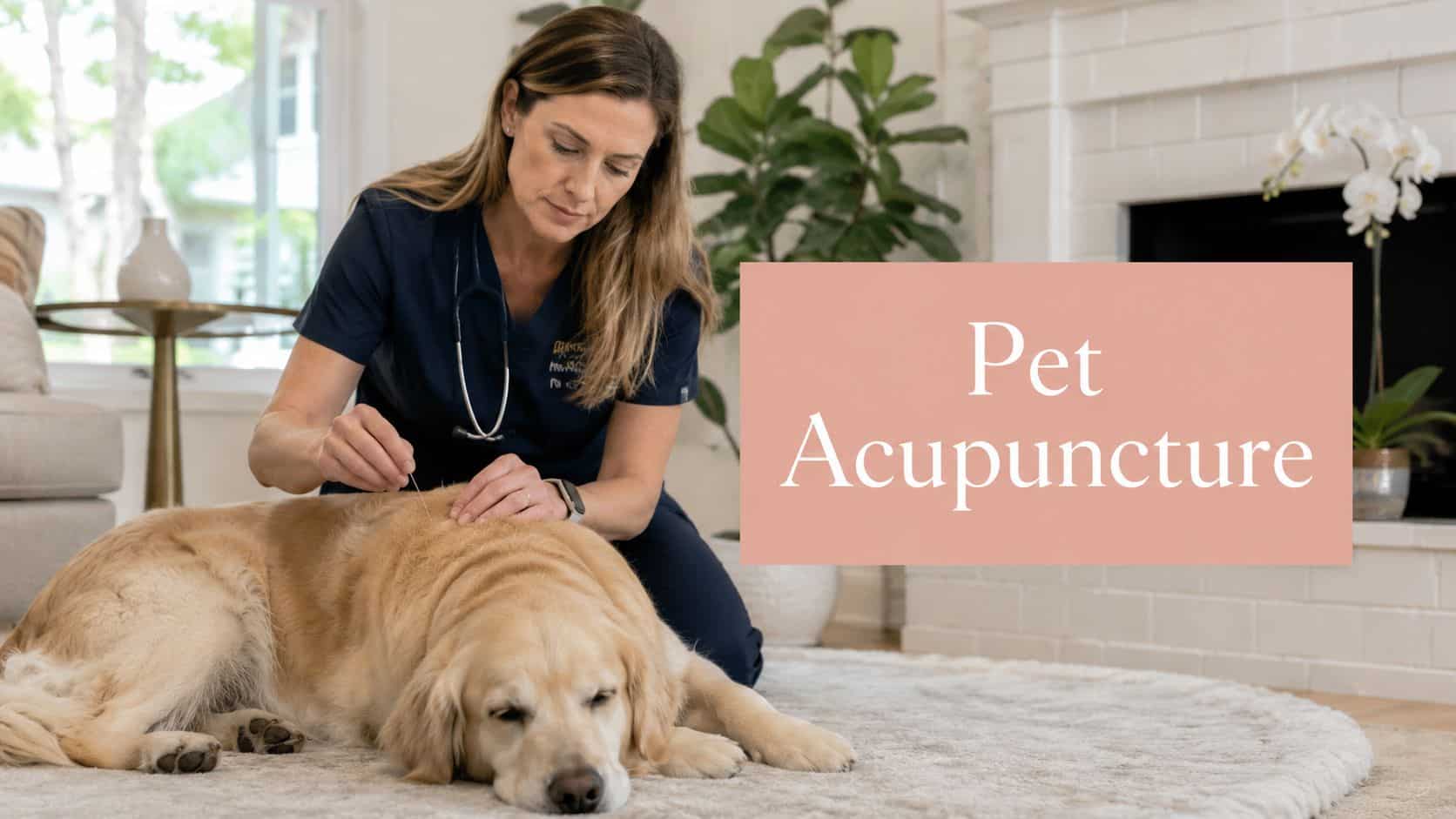
- Acupuncture: Often used for pain control, mobility problems, neurologic support, and recovery.
- Laser therapy: Commonly used to support comfort and tissue healing.
- Herbal medicine: Chosen for the individual patient, with attention to diagnosis, medications, and safety.
- Rehabilitation support: Home exercise plans, mobility guidance, and functional assessment.
- Food therapy: Diet recommendations based on the pet's condition, age, digestion, and tolerance.
Professional standards matter here. The field includes veterinarians with additional training, and the AHVMA VetFinder resource is one place owners can confirm that this type of care is part of an established veterinary category.
One practical sign of good judgment is how the veterinarian describes the role of these therapies. The stronger approach is to use them as part of a larger medical plan, especially for chronic pain, arthritis, mobility decline, recovery after injury, and quality-of-life support.
For South Tampa families considering house-call care, that matters even more. At-home integrative visits can reduce travel stress, help the veterinarian assess stairs, flooring, resting spots, and daily movement, and make treatment easier to continue consistently. A clear example of that model appears in integrative veterinary care for dogs and cats.
What This Approach Does Well
Integrative care is often most useful when the core question is functional, not just diagnostic:
- Why is this pet uncomfortable at home?
- What makes movement harder during normal routines?
- Which triggers cause stress, flare-ups, or setbacks?
- Which therapies are realistic for this pet and this household?
- How can the plan support progress without adding more strain to the pet?
That focus is why many owners find this style of care reassuring. The goal is not only to name the condition. The goal is to help the pet feel and function better in daily life, while keeping the primary veterinarian involved.
How to Start Your Search for a Vet in South Tampa
If you live in South Tampa, convenience matters more than people admit. A clinic may look excellent online, but if getting there means traffic, a long car ride, or a stressed-out pet before the appointment even begins, that affects the experience and sometimes the exam itself.
Start broad, then narrow quickly.

Build A Shortlist That Fits South Tampa Life
Use a national directory first, then switch to local search terms that reflect the service you require. “Integrative vet near me” is a starting point, but more specific searches are usually better.
Try searches such as:
- Pet acupuncture South Tampa
- Mobile integrative vet South Tampa
- In-home laser therapy for dogs South Tampa
- Senior dog acupuncture Hyde Park
- House-call cat vet Palma Ceia
- Integrative vet Davis Islands
Then check whether the clinic clearly states its service area. That's especially important for mobile care. Some Tampa practices cover a broad region. Others are much more focused. If you want care delivered at home, confirm that the veterinarian serves South Tampa, not just the wider city in theory.
Look For What The Website Doesn't Hide
A solid local practice usually makes these details easy to find:
- Service model: In-home, clinic-based, or hybrid
- Species treated: Dogs, cats, or both
- Core services: Acupuncture, laser, rehab, herbal care, telehealth, technician visits
- Geographic coverage: Whether they serve your neighborhood
- Care philosophy: Whether they coordinate with your regular veterinarian
If a practice offers mobile integrative care, the logistics should be clear. You shouldn't have to guess whether they travel to your area, what types of cases they see, or how a first visit works.
South Tampa pet owners often aren't just searching for a treatment. They're searching for a calmer visit model that doesn't turn the appointment into the hardest part of the day.
Community feedback helps too. Neighborhood groups, local pet parent forums, and recommendations from groomers, trainers, and rehabilitation facilities can all point you toward veterinarians people personally use nearby. Then you can compare those names against what the practice website says.
One local example is PAW Vet Practice's in-home veterinary services in South Tampa, which outlines a mobile care model for dogs and cats who may do better at home than in a waiting room.
Make The First Call Count
Once you have a shortlist, call or message each practice with a few direct questions:
- Are you accepting new patients in South Tampa?
- Do you provide care in the home or only in a clinic setting?
- Which integrative services do you offer most often for pain or mobility cases?
- Do you work with a pet's primary veterinarian?
- What does the initial visit include?
That first conversation tells you a lot. Clear answers usually reflect a clear process.
Vetting Credentials and Asking the Right Questions
A polished website doesn't tell you whether the veterinarian is the right fit for your pet. Credentials, training, and communication do.
Start with the basics. You want a licensed DVM, then any additional training that matches the therapies being offered. If the practice provides acupuncture, ask who performed that training and what certification the veterinarian holds. If rehab is part of the plan, ask about rehabilitation credentials and hands-on experience with mobility cases.

Credentials Matter Because Claims Are Easy
The strongest independent veterinary sources emphasize individualized multimodal plans for chronic conditions because outcomes depend on matching the therapy to the patient. Those same sources also note that reliable, independently verifiable success-rate statistics are rare, so claims that a therapy “far surpasses traditional methods” should be treated as marketing rather than evidence. That guidance is discussed in this independent overview of individualized multimodal care and outcome claims.
That means you should be cautious when a provider promises sweeping results without explaining their decision-making.
A better sign is a veterinarian who says something like: we need to examine your pet, review records, identify goals, and decide which combination of therapies makes sense.
Questions Worth Asking Before You Book
Use the phone consultation or intake process to ask questions that reveal how the veterinarian thinks.
-
What kinds of cases do you see most often?
This helps you learn whether they regularly work with arthritis, post-injury recovery, neurologic issues, anxiety, or senior pets. -
How do you decide which therapies to combine?
You're listening for an individualized process, not a canned package. -
How do you evaluate progress at follow-up visits?
Good answers may include mobility, comfort, daily activity, posture, gait, range of motion, recovery goals, or owner observations from home. -
Will you communicate with my primary veterinarian?
This is one of the strongest signs of an integrative mindset. -
Are there cases where acupuncture, laser, rehab, or herbs are not appropriate?
A thoughtful veterinarian will tell you the limits, not just the benefits. -
What should I expect after the first visit?
You want to hear about a plan, not pressure.
If every pet seems to receive the same recommendation after a very brief conversation, that's a warning sign.
A useful example of specialized training is veterinary acupuncture certification and what it means in practice. Even if you don't choose that provider, it shows the kind of qualification details a practice should be willing to explain.
Green Signals During The Conversation
Listen for plain language. The veterinarian should be able to explain why a therapy fits your pet, what they hope it will help, what it won't do, and how they'll adjust if the response isn't what they expected.
That practical honesty is often more valuable than an impressive sales pitch.
Preparing for Your At-Home Holistic Vet Visit
For many pets, the biggest benefit of a house call starts before any treatment begins. There's no carrier battle, no car ride, no parking lot, and no waiting room full of unfamiliar sounds and smells. The pet stays on familiar ground, and that often changes the entire tone of the visit.
Independent and clinic-neutral sources show that mobile veterinary services for integrative care are a growing model, especially for pets that experience stress in clinics. Practices offering house-call acupuncture and herbal therapy often emphasize in-home treatment to minimize stress, which has become central for owners of senior or anxious pets. That shift is reflected in mobile holistic veterinary care models that focus on in-home treatment.

What The Visit Usually Feels Like
A senior dog with stiff hips often walks differently at home than in a clinic. A nervous cat may show more normal posture, breathing, and behavior when not pushed through a lobby and onto a slick exam table. Those details matter because integrative care depends on the whole picture, not just a snapshot taken under stress.
At-home visits are especially useful for:
- Senior pets who struggle with stairs, car entry, or long transitions
- Anxious dogs that escalate before they ever reach the exam room
- Cats that shut down or panic during transport
- Mobility-limited pets recovering from injury or managing chronic pain
A calm home environment also gives the veterinarian information a clinic can't. Flooring, stairs, resting spots, food setup, and movement patterns all shape the treatment plan.
How To Get Your Home Ready
You don't need to prepare your house like a medical suite. A few simple steps make the visit smoother.
- Choose a quiet area: A room with decent light and enough floor space is usually enough.
- Have records available: Bring out recent lab work, imaging reports, medication lists, and notes from your primary veterinarian if you have them.
- Keep favorite treats nearby: If your pet can have them, treats can help create a positive association.
- Avoid overhandling before arrival: Let your pet settle. Don't spend an hour trying to “get them ready.”
- Make the floor safe: Rugs or traction mats help pets who slip on tile or hardwood.
Home visits work best when the pet can behave as normally as possible. Calm beats perfectly staged.
If the veterinarian uses a traditional Chinese medicine lens as part of integrative assessment, the first visit may include observation of tongue and pulse, along with gait, posture, muscle use, pain response, history, and daily routine. That's one reason owners often appreciate the pace of mobile care. The veterinarian can watch the pet in context instead of rushing through a stressed exam.
For pet owners considering this model, the benefits of at-home vet care give a practical sense of how house calls differ from standard clinic visits.
Coordinating Care and Understanding Costs
One of the biggest misconceptions about integrative care is that you have to choose between your regular veterinarian and an integrative one. In practice, the strongest setup is usually collaborative. Your primary veterinarian handles core wellness care, diagnostics, prescriptions, and urgent medical issues. An integrative veterinarian may focus on pain management, mobility, rehabilitation support, acupuncture, laser therapy, herbal recommendations, and home-based quality-of-life planning.
That partnership works best when records move both ways. If your pet has blood work, imaging, surgical history, or a medication change, the integrative veterinarian should want to review it. If the integrative plan changes, your regular veterinarian should know.

What Good Collaboration Looks Like
A practical care team usually includes clear roles:
- Your primary veterinarian manages foundational medical care and diagnostics.
- Your integrative veterinarian adds therapies that support comfort, function, and recovery.
- You track changes at home, including appetite, sleep, mobility, stiffness, and behavior.
That structure is reassuring because it removes the false choice. You don't need to “switch philosophies.” You need a team.
Another issue many owners overlook is access and logistics. House calls, telehealth, and flexible scheduling are not consistent across integrative providers, and that matters for pets who don't travel well. Independent guidance on this point highlights that a mobile model can fill an important gap for senior pets, mobility-limited pets, and anxious cats and dogs, as described in this overview of access and logistics in integrative veterinary care.
How To Think About Costs Without Guessing
Cost discussions should be direct. Ask about the structure, not just the starting fee.
Here are the questions that matter most:
- Is the first visit priced differently from follow-up care?
- Are treatment plans recommended one visit at a time or in a series?
- What services are included in the visit itself?
- Are herbs, laser therapy, rehab plans, or tele-advice billed separately?
- Do you provide written treatment recommendations after the appointment?
Avoid practices that stay vague until the appointment is already underway. Clear pricing doesn't mean cheap or expensive. It means understandable.
Insurance is worth checking too. Some pet owners assume integrative services won't be considered at all, while others assume everything will be reimbursed. Neither assumption is reliable. The practical move is to ask your insurer what your specific plan may consider for services such as acupuncture, laser therapy, rehabilitation, or prescribed supplements, and whether records or invoices need specific wording.
Making Your Final Choice with Confidence
By the time you've narrowed your list, the right decision usually feels less mysterious. You're not looking for the flashiest website or the broadest promises. You're looking for a veterinarian who can treat your pet thoughtfully, communicate clearly, and make care easier to follow at home.
Green Flags To Look For
- They coordinate with your primary vet: This shows maturity and good judgment.
- They explain why a therapy fits your pet: Not every dog or cat needs the same plan.
- They're comfortable discussing limits: Honest medicine includes what may not help.
- They understand home function: Walking, stairs, slipping, sleep, appetite, and daily comfort all matter.
- They serve your actual area: If you're in South Tampa, local availability isn't a small detail. It's part of whether the care is sustainable.
Red Flags To Avoid
- They discourage conventional veterinary medicine altogether
- They promise a cure before examining your pet
- They use broad claims but avoid specific questions
- They can't explain credentials or training
- They don't discuss follow-up, communication, or record sharing
One local option for owners who want a mobile model is a South Tampa mobile vet clinic focused on in-home care. The key is whether the practice fits your pet's needs, your location, and your day-to-day reality.
If your pet is aging, painful, anxious, or not doing well with clinic visits, a search for an integrative veterinarian near you can lead to a very practical answer. The best choice is usually the one that lowers stress, supports function, and gives you a realistic plan you can carry out at home.
If your dog or cat in South Tampa needs calm, in-home support for pain, mobility, recovery, or senior wellness, Pet Acupuncture & Wellness (PAW Vet Practice) offers mobile integrative veterinary care designed to work alongside your primary veterinarian.