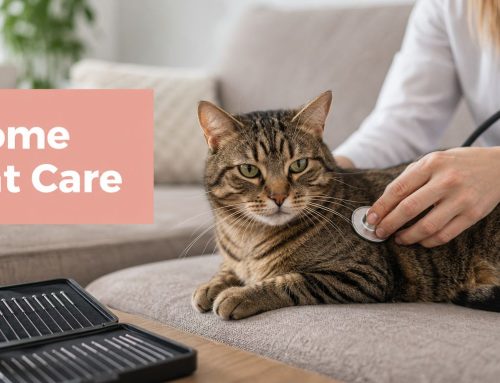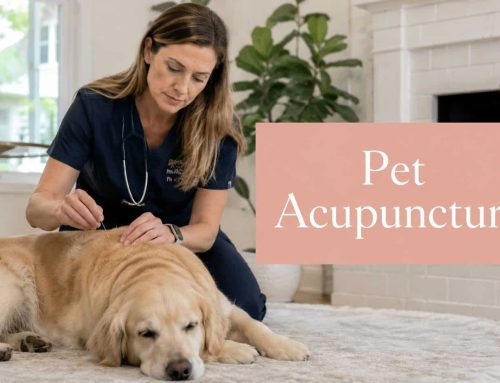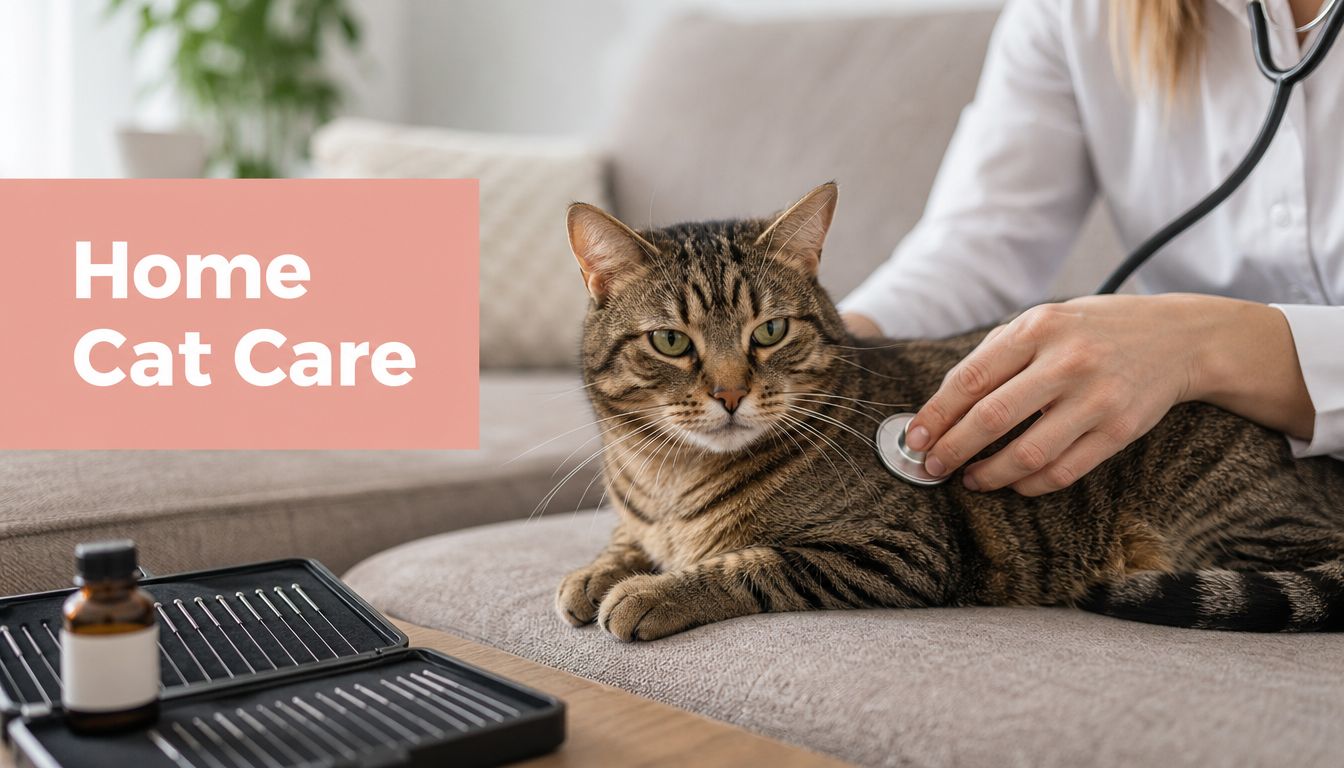
Getting a dog with sore hips into the car can turn a simple appointment into a painful morning. With cats, it often starts earlier. You pull out the carrier, they disappear under the bed, and everyone ends up stressed before the exam even begins. For many South Tampa families, the hardest part of veterinary care isn't the medicine. It's the trip.
That's why in home vet services matter. They bring care to the place where many pets are calmest, most natural, and easiest to assess accurately. For older pets, anxious pets, and pets dealing with pain or mobility loss, that change in setting can make the whole visit more humane.
Accessible care has become more important over time. AVMA data showed total U.S. veterinary visits rose from 193.0 million in 2006 to 202.4 million in 2011, while average spending per pet also increased, a useful benchmark for understanding why more flexible care models continue to matter for families who need easier access to treatment (AVMA veterinary visit data).
Your Guide To At Home Veterinary Care In South Tampa
A common South Tampa scenario looks like this. A senior dog is due for a recheck, but standing up is already hard. Or a cat who seems fine at home becomes frozen, defensive, or impossible to examine once the carrier appears. Owners often tell me they've spent more energy preparing for the trip than thinking about the medical questions they wanted answered.

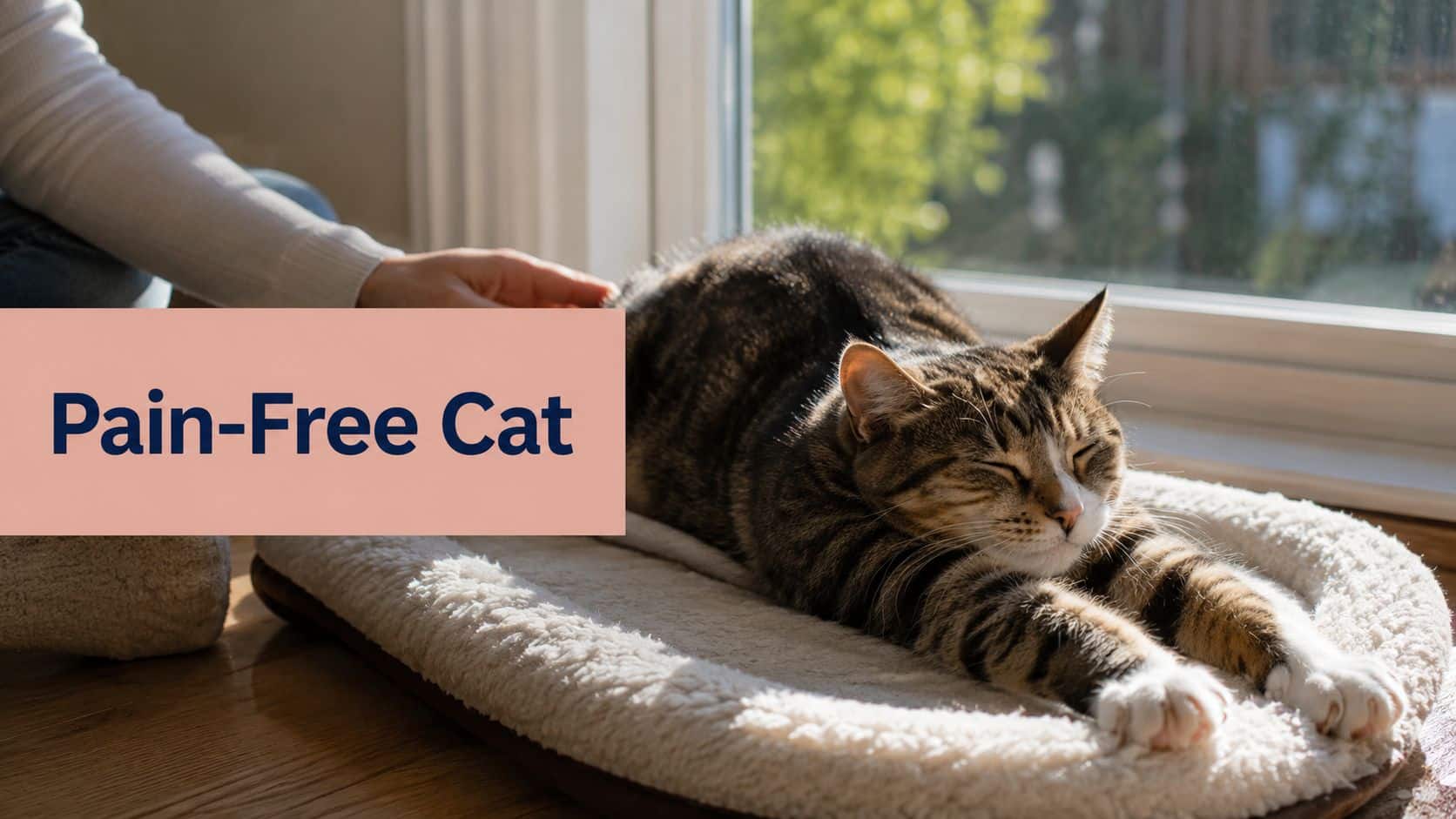
In home care changes that rhythm. The veterinarian comes to you, the pet stays on familiar flooring and furniture, and the visit starts with observation instead of restraint. That often means less struggling, less fear, and a clearer picture of how your pet is doing day to day.
Why Home Visits Feel Different
A house call isn't only about convenience. It's often the better setting for pets with arthritis, neurologic disease, chronic pain, clinic anxiety, or end-of-life needs. Routine concerns such as wellness checks, mobility evaluations, chronic disease follow-up, and integrative therapies can fit very naturally into the home environment.
For pet owners who want a fuller picture of the day-to-day advantages, this overview of the benefits of at home vet care is a helpful starting point.
Home visits work best when the goal is calm, careful assessment and practical treatment in the environment your pet already knows.
What South Tampa Pet Owners Usually Want To Know
The inquiry isn't whether house calls sound nice. It focuses on more practical questions.
- Is my pet a good candidate: Some are ideal for home care, while others need clinic equipment or emergency stabilization.
- What can be done at home: Many services fit well in a home setting, but some procedures are not suitable.
- How do I know if it's safe: The right answer depends on your pet's symptoms, comfort, and urgency.
That decision guide is where many service pages fall short. Owners deserve more than a booking form. They need a clear way to tell when a home visit is the right choice, and when it isn't.
What Exactly Are In Home Vet Services
In home vet services usually fall into two models. The first is the classic house call, where a veterinarian arrives with the tools needed for examination, sample collection, medications, and selected treatments. The second is a mobile veterinary unit, which may carry more equipment and handle a broader menu of services depending on how it's built.

For most South Tampa pet owners, the practical difference is simple. A house-call practice is ideal for exams, follow-up care, pain management, behavior-aware visits, and many integrative services. A larger mobile unit may add some capabilities, but it still won't replace a full hospital for every problem.
What A Home Visit Can Include
Depending on the practice, in-home care may include:
- Wellness exams and preventive care: Physical examinations, vaccines, and routine health discussions.
- Diagnostics done outside the clinic: Blood work, selected testing, and some forms of imaging in certain mobile models.
- Chronic condition management: Arthritis, mobility decline, neurologic changes, skin issues, and quality-of-life monitoring.
- Behavior-sensitive visits: Evaluating a fearful pet in a lower-stress setting.
- Integrative therapies: Acupuncture, laser therapy, rehab guidance, and nutrition support.
A useful overview from PetMD notes that mobile-vet models are often used for wellness exams, blood work, x-rays, vaccination, behavior counseling, and ongoing chronic disease management, while pets needing anesthesia-heavy procedures are often referred elsewhere. That same discussion also highlights the diagnostic advantage of seeing a pet's real movement and home function in context (PetMD on mobile vet clinics).
After the basics, it helps to see how the model works in practice.
Why The Setting Matters Medically
A fearful pet in a clinic may pant, tremble, crouch, freeze, or lash out. That can mask lameness, alter posture, and make a pain exam harder to interpret. At home, many pets move more normally and interact more naturally with the people and spaces that shape their daily life.
That's one reason house-call care isn't just a convenience service. In the right cases, it gives better clinical information.
Which Pets Benefit Most From House Calls
Some pets tolerate clinic visits well. Others don't. The pets who benefit most from house calls usually have one thing in common. The trip itself gets in the way of good care.
A U.S. survey found that 6% of dog owners and 5% of cat owners used ambulatory veterinary services, which shows this isn't a fringe idea. Pet owners already use lower-stress, more convenient care models when those options fit their needs (survey of dog and cat owner veterinary use).
Senior Pets With Pain Or Mobility Loss
Older dogs and cats are often the clearest candidates. A car ride, slick clinic floor, or long walk from parking lot to exam room can worsen discomfort before the visit even starts. If a pet has arthritis, weakness, spinal pain, or trouble rising, home care avoids adding strain just to get evaluated.
These visits also let the veterinarian see what daily function looks like.
- Can your dog rise from their usual bed without help
- Does your cat hesitate before jumping to a favorite spot
- Are stairs manageable, or are they becoming a barrier
- Does your pet slip on tile but move better on rugs
Those details shape treatment far more than a brief walk across an unfamiliar exam room.
Anxious Cats And Fearful Dogs
For many cats, carrier stress starts long before the appointment. For some dogs, the entire clinic sequence is difficult. Car ride, parking lot, lobby sounds, unfamiliar smells, then restraint. If your pet becomes shut down or reactive in that chain of events, a home visit can make the exam more realistic and safer.
A pet who looks “fine” or “impossible” in the clinic may look very different in their own living room.
That matters for pain cases, behavior cases, and pets whose symptoms seem to disappear under stress.
Pets Who Need Ongoing Support
House calls also fit pets with chronic issues that need regular reassessment rather than one dramatic procedure. Examples include:
- Arthritis management: Tracking comfort, activity, and response to therapy over time.
- Neurologic or rehab follow-up: Monitoring gait, balance, paw placement, and home function.
- Quality-of-life care: Adjusting comfort plans for pets with advanced age or serious illness.
- Multi-pet households: Reducing the chaos of multiple carriers, multiple car trips, or staggered appointments.
For families thinking about comfort and daily function, this guide to pet quality of life can help frame what to watch for between visits.
Specialized Integrative Services Available At Home
Home visits are especially well suited to integrative veterinary care because many of these treatments rely on calm observation, gentle handling, and practical changes to the pet's daily routine. The home setting makes all three easier.

Therapies That Fit The Home Environment Well
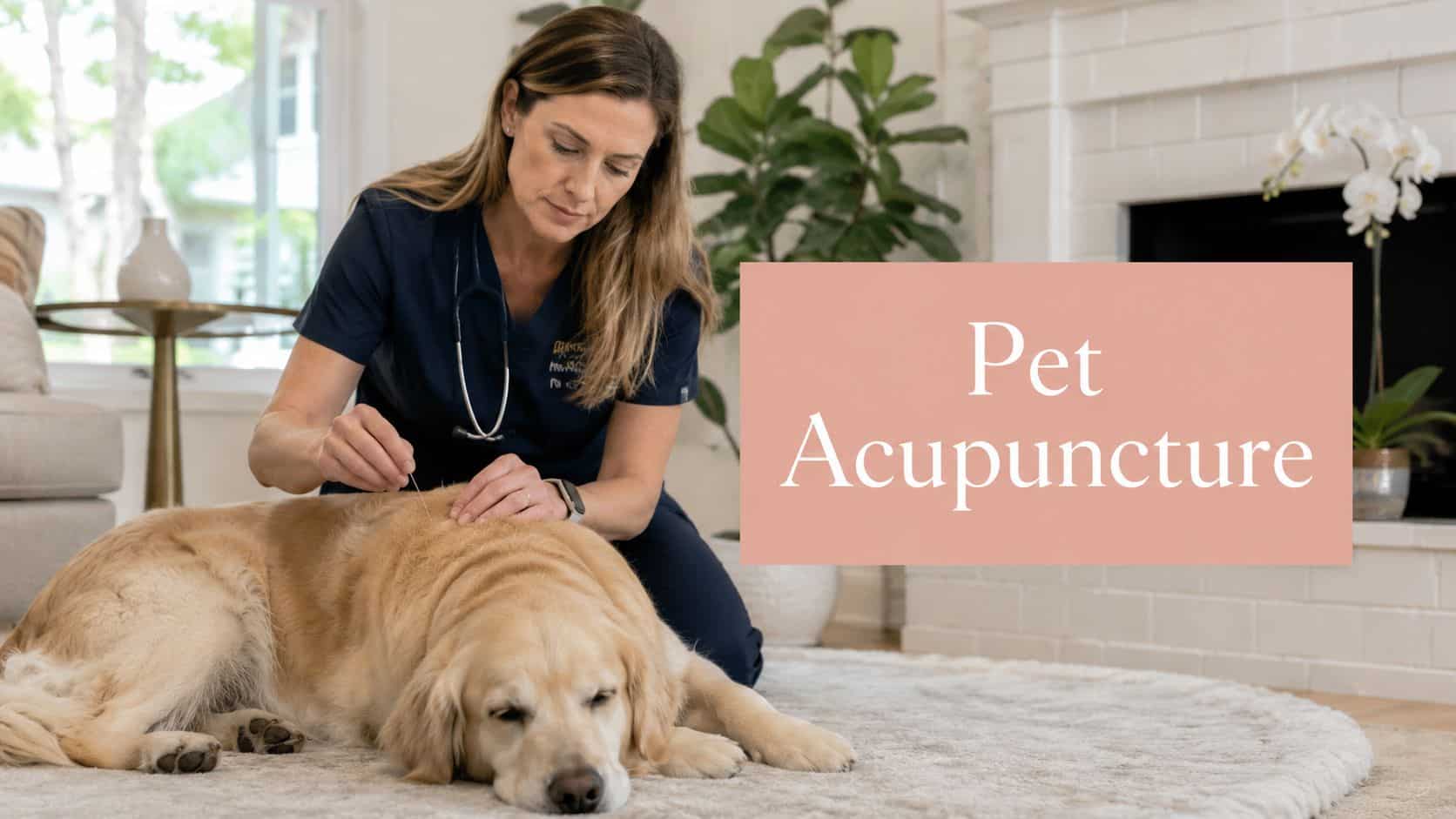
Veterinary acupuncture often works best when a pet is settled and not already agitated by travel. Some patients rest through treatment far more comfortably at home than they ever would in a clinic.
Electroacupuncture and aquapuncture can be useful when a veterinarian is targeting pain control, neurologic support, or stronger stimulation at selected points. These treatments still depend on patient comfort and careful case selection, which is easier when the pet starts the appointment relaxed.
Therapeutic laser therapy fits house calls very naturally. It's quiet, noninvasive, and commonly used as part of pain and inflammation management plans.
Rehabilitation guidance and home exercise plans may be the most practical service of all in a home setting. A veterinarian can build recommendations around your real environment, not an imaginary one. That means your dog's actual steps, your cat's actual favorite resting spots, your slippery hallway, your rugs, your furniture heights.
Chinese herbal and food therapy can also be integrated into a larger comfort plan when the clinician is able to review the pet's health history, medications, appetite, stools, sleep, and daily rhythm in context.
One example in South Tampa is integrative veterinary care through Pet Acupuncture & Wellness, which focuses on in-home support for pain relief, mobility, and wellness while coordinating with a pet's regular veterinarian.
What Usually Does Not Belong In A House Call
There's an important boundary here. The main dividing line for in-home care is typically anesthesia. House calls do very well with exams, diagnostics, chronic disease management, and therapies like acupuncture. Procedures such as dental cleanings, extractions, mass removals, spay and neuter surgery, and care for critically ill patients usually require hospital-level support or a specially equipped mobile unit (Zoetis overview of mobile veterinary clinic limits).
Practical rule: If a procedure needs general anesthesia, strict sterility, or close recovery monitoring, it usually belongs in a hospital setting.
The Most Effective Model Is Often Hybrid Care
For many pets, the right answer is not home care instead of clinic care. It's home care plus clinic care, with each setting used for what it does best.
A good hybrid plan might look like this:
- At home: Pain exams, acupuncture, laser therapy, rehab rechecks, medication review, home exercise coaching.
- At the primary clinic or hospital: Advanced imaging, anesthesia procedures, surgery, emergency care, intensive monitoring.
That arrangement is often what works best in real life. It keeps the pet comfortable where possible and uses hospital resources where necessary.
How An In Home Veterinary Visit Works
Most house calls start before the appointment day. The veterinarian or team gathers history, asks what you're seeing at home, reviews records if available, and decides whether your pet's problem is appropriate for a scheduled visit. That triage step matters because the safest appointment is the one booked in the right setting.
On the day of the visit, there's usually no rushing from parking lot to lobby. The pet remains in familiar surroundings, and the exam begins with observation. Before anyone places hands on the patient, the veterinarian may watch how your dog gets up from the floor, how your cat moves off the couch, how your pet turns, sits, crosses thresholds, or seeks out a preferred resting spot.
What The Appointment Often Looks Like
A typical in-home visit may include:
-
History and symptom review
You describe changes in appetite, energy, sleep, mobility, behavior, bathroom habits, or pain signs. -
Environmental observation
The veterinarian notes flooring, stairs, bedding, feeding setup, and other factors that may affect comfort or recovery. -
Hands-on examination
This can include orthopedic, neurologic, pain, and general physical assessment depending on the reason for the visit. -
Treatment during the visit
That may involve acupuncture, laser therapy, sample collection, medication review, or a rehab plan. -
Home-based recommendations
Adjustments often include traction help, exercise changes, harness advice, rest plans, or simple setup changes.
Why The Home Exam Can Be More Accurate
A clinic can distort what you're trying to assess in a mobility case. Stress changes how pets stand, walk, and bear weight. A home visit lets the veterinarian see the pet's baseline movement in the place where symptoms happen.
PetMD specifically notes that observing a pet at home can provide superior information about gait and environmental function, which is especially useful for osteoarthritis and rehabilitation tracking. Seeing stairs, posture, turning, and willingness to move in context can change the treatment plan in meaningful ways (home observation for mobility assessment).
If your pet's main problem is movement, the place where they move every day is often the best place to evaluate them.
How Costs Usually Work
Most in-home services are priced as a house call fee plus the medical services performed. The exact structure varies by provider and by what your pet needs. It's reasonable to ask upfront what the visit fee covers, whether treatments are billed separately, and what happens if the pet needs referral to a clinic after the exam.
Clear answers are a good sign. So is a provider who tells you when your pet shouldn't be seen at home.
Choosing The Right South Tampa Provider
A lot of mobile service pages tell you where they travel and how to book. Far fewer tell you something more important. When should you not book a house call? That missing guidance matters because convenience should never come before safety.
A useful observation from a review of online in-home vet information is that many sites focus on logistics, while owners still need help deciding whether symptoms such as vomiting, lethargy, breathing trouble, or collapse belong in a home visit or an emergency hospital. Clear triage guidance is one of the strongest trust signals a provider can offer (guidance gap in at-home vet information).
Cases That Often Fit In Home Care
In-home veterinary care is usually a strong fit when the pet is stable and the goal is thoughtful assessment, symptom support, or ongoing management.
- Wellness and preventive care: Especially for pets who struggle with transport.
- Arthritis and mobility decline: When movement itself is part of the problem.
- Chronic pain management: Including integrative follow-up and comfort planning.
- Behavior-sensitive visits: Cats and dogs who shut down or escalate in clinics.
- Hospice and quality-of-life support: When comfort, environment, and family coaching matter most.
Cases That Usually Need A Clinic Or Emergency Hospital
A home visit is usually the wrong first stop when the pet may need immediate stabilization, oxygen support, urgent imaging, surgery, or continuous monitoring.
Seek urgent in-clinic or emergency care if your pet has signs such as:
- Breathing distress: Labored breathing, open-mouth breathing in a cat, or obvious respiratory struggle
- Collapse or inability to rise suddenly
- Severe trauma or uncontrolled bleeding
- Repeated vomiting with weakness or abdominal distress
- Suspected bloat, seizure emergency, or rapidly worsening condition
If you're unsure, call and ask directly whether your pet is stable enough for a house call. A careful provider won't guess.
Questions Worth Asking Before You Book
Not all providers work the same way. Ask specific questions.
- What kinds of cases do you most commonly see at home
- What treatments can you perform during the visit
- What symptoms would make you redirect me to a clinic or ER
- How do you coordinate with my regular veterinarian
- Do you focus on routine care, urgent care, integrative care, or a combination
For South Tampa pet owners comparing options, this page on mobile vet clinic services in Tampa shows the type of information a provider should make easy to understand.
Preparing Your Home For A Vet Visit
A good house call feels calm because a little planning happens first. You don't need a perfect home. You need an accessible pet, a workable exam space, and the details your veterinarian will rely on.

A Simple Pre Visit Checklist
- Choose a quiet area: Good lighting helps, and less foot traffic usually means a calmer pet.
- Keep your pet easy to reach: Don't wait until arrival to discover your cat is inside a box spring or your dog is loose in the yard.
- Gather records and medications: Have pill bottles, supplements, and recent veterinary notes together if possible.
- Write down your observations: Appetite changes, stiffness timing, coughing, licking, pacing, accidents, and sleep changes are easy to forget in the moment.
- Secure other pets: Even friendly housemates can make the exam harder.
- Set out treats or favorite rewards: Positive reinforcement can help many dogs and some cats settle into handling.
Small Details That Help A Lot
If your pet's issue involves mobility, don't clean up the environment so much that the underlying problem disappears. The worn spot by the stairs, the slippery hallway, the dog bed that's become hard to exit, those details can be clinically useful.
If your pet is anxious, keep the household quiet for a bit before the visit. Fewer visitors, less commotion, and no last-minute chase around the house make a real difference.
Frequently Asked Questions About Mobile Vet Care
Will This Replace My Regular Veterinarian
Usually, no. In-home care often works best alongside your primary veterinarian. A house-call provider may handle pain support, mobility care, integrative therapy, follow-up observation, or comfort-focused visits, while your regular clinic manages procedures, imaging, and hospital-based needs.
What Happens If My Pet Needs Emergency Care
Mobile care is generally for scheduled, noncritical problems unless a provider specifically offers urgent services. If your pet develops severe breathing trouble, collapse, major bleeding, or another rapidly worsening emergency, go directly to an emergency hospital or follow the provider's referral instructions.
Can A Mobile Vet Still Help If My Pet Hates Being Touched
Often, yes, but it depends on why the pet resists handling. Some pets are dramatically easier to examine at home because they're less scared. Others still need a modified plan, slower handling, or referral if the exam can't be done safely.
Is Pet Insurance Likely To Cover It
Coverage depends on your policy, diagnosis, and billing rules. Many owners submit invoices afterward rather than expecting direct payment at the visit. It's smart to ask your insurer what kinds of house-call or integrative services are eligible under your plan.
Do You Only Serve South Tampa
For this practice, yes. Service area matters with mobile care, so always confirm that your address is within the provider's travel range before booking.
If your dog or cat would be safer, calmer, or easier to assess at home, Pet Acupuncture & Wellness (PAW Vet Practice) offers mobile integrative veterinary care for South Tampa pets, with a focus on pain relief, mobility support, and practical home-based treatment plans that complement your regular veterinarian.