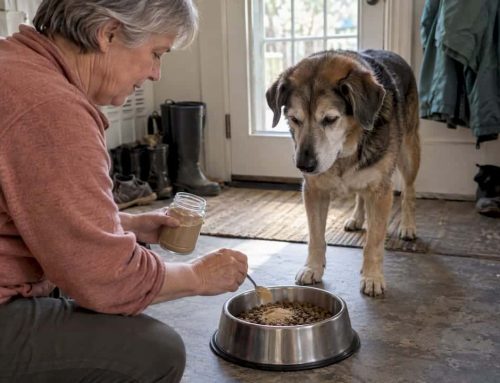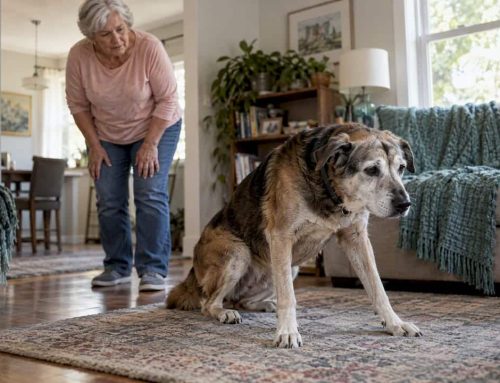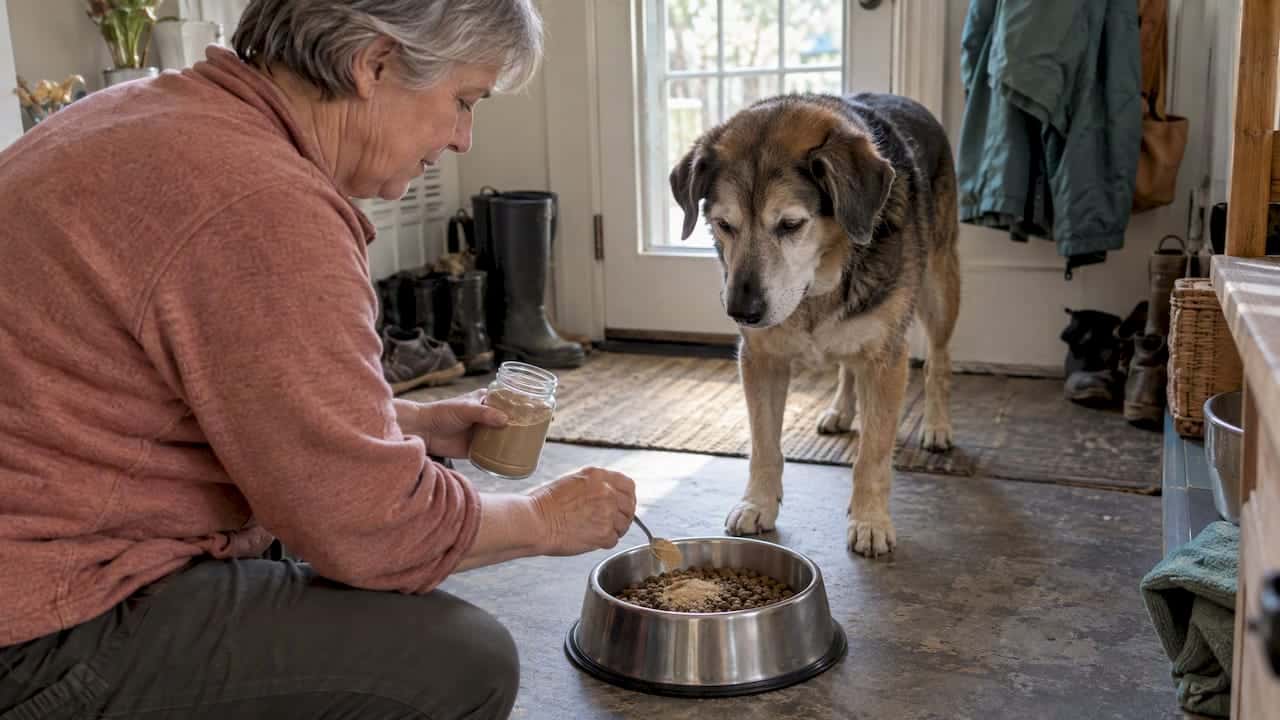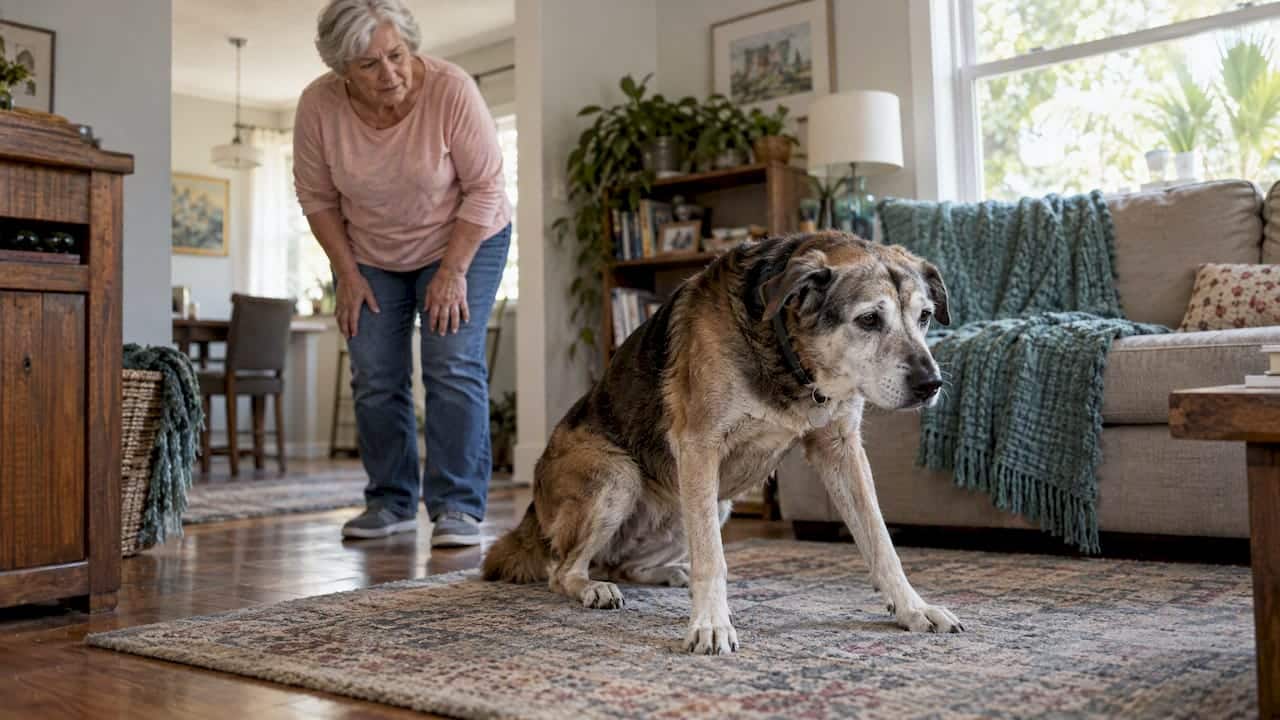
If your dog trembles during thunderstorms, paces before you leave, or shuts down at the vet, you’ve probably wondered whether nature has something gentler to offer. The herbs most commonly considered for canine anxiety are chamomile, lavender, lemon balm (Melissa officinalis), valerian, passionflower, and ashwagandha. Each has a different evidence base, a different safety profile, and a different ideal form. The single most important rule before you try any of them: dietary supplements are not FDA-approved to treat or prevent disease and do not go through the same premarket safety testing as pharmaceutical drugs. That means veterinary guidance isn’t optional — it’s the starting point.
A few safety points to keep in mind before you read further:
- Dosing is weight-dependent. A dose appropriate for a 60-pound Labrador can sedate or harm a 10-pound Chihuahua.
- Essential oils are not the same as herbal extracts. Concentrated essential oils applied to skin or ingested can be toxic to dogs, even in small amounts.
- Drug interactions are real. Herbal sedatives can amplify the effects of prescription anxiolytics, SSRIs, gabapentin, and benzodiazepines in unpredictable ways.
- Certain conditions raise the risk. Dogs with epilepsy, pregnancy, liver disease, or complex medication regimens need extra caution before any herbal supplement is added.
Key Takeaways
The most effective approach to herbal anxiety relief in dogs combines one well-chosen, vet-approved herb with consistent behavioral modification and professional oversight — not multiple products layered without guidance.
| Point | Details |
|---|---|
| Top herbs to ask about | Chamomile, lemon balm, valerian, passionflower, ashwagandha, and lavender are the most commonly considered options. |
| Strongest clinical evidence | A 24-dog RCT found 15 mg/kg ashwagandha daily produced significant cortisol and anxiety score reductions over four weeks. |
| Start one herb at a time | Layering multiple calming products makes it impossible to identify what’s helping or causing side effects. |
| Supplements are not FDA-approved | No herbal product is approved to treat canine anxiety; veterinary oversight is required for safe, weight-based dosing. |
| Pet Acupuncture & Wellness | In-home integrative consults in South Tampa combine herbal therapy, acupuncture, and a tailored behavioral plan in your dog’s own environment. |
Table of Contents
- Which herbs may help dogs with anxiety?
- What forms of herbal products are safest for dogs?
- Safety, interactions, and red flags you need to know
- How to trial an herbal calming product safely
- When does your dog need professional integrative care?
- What do clinical studies actually show about herbal anxiety relief?
- A perspective from mobile integrative veterinary practice
- In-home integrative consultations for anxious dogs in South Tampa
- Sources
- FAQ
Which herbs may help dogs with anxiety?
The herbs below are the ones you’ll encounter most often in veterinary integrative practice and in the research literature. For each one, here’s what the evidence actually shows, what side effects to watch for, and what dosing guidance exists.
Chamomile
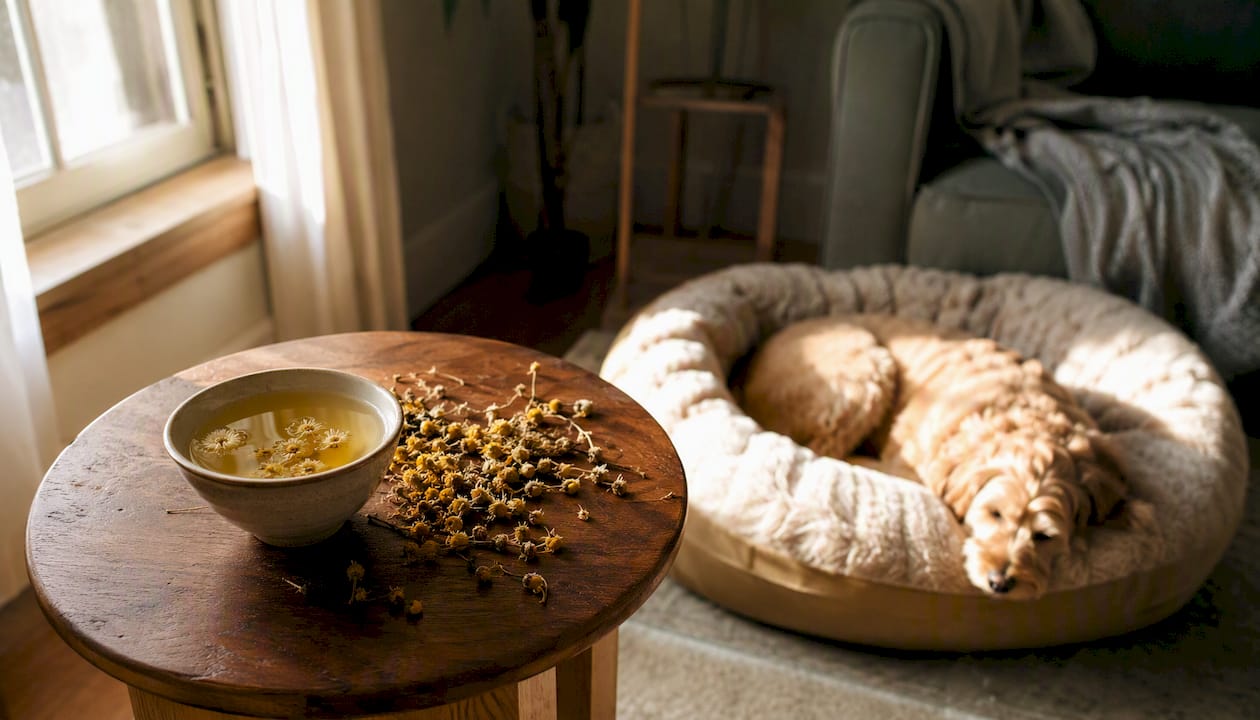
Chamomile is one of the gentlest options and is often the first herb recommended for mild situational anxiety. Its active compounds, including apigenin, are thought to bind GABA receptors in a way that promotes calm without heavy sedation. In dogs, chamomile is most commonly used for mild nervousness, digestive upset linked to stress, and sleep disruption. Side effects are generally mild — loose stools or mild vomiting at higher amounts — but chamomile belongs to the Asteraceae family, so dogs with known ragweed or daisy allergies may react. No standard veterinary dose has been established; your vet will guide you based on your dog’s weight and health status.
Lavender
Lavender’s calming reputation comes largely from aromatherapy research, where inhalation of linalool has been associated with reduced cortisol and lower heart rate in both humans and some animal models. In dogs, a small study found that lavender-scented travel blankets reduced travel-related stress behaviors. The key distinction is delivery: diffused lavender in a well-ventilated room is very different from applying lavender essential oil directly to your dog’s coat or skin. Topical application of concentrated oil can cause skin irritation and, if licked, gastrointestinal distress. No standard oral dose exists for dogs.
Lemon balm (Melissa officinalis)
Lemon balm is emerging as one of the more scientifically interesting herbs for canine stress. A small randomized beagle study found that Melissa officinalis leaf extract produced measurable behavioral improvements after four weeks compared with placebo, with metabolomic changes consistent with effects on GABA-related pathways. The trial involved 20 beagles across four groups, so the findings are encouraging but require larger studies before strong conclusions can be drawn. Lemon balm is generally well tolerated; sedation at high doses is the main concern. No standard canine dose has been established.
Valerian (Valeriana officinalis)
Valerian is probably the most studied herbal sedative in dogs, though the results are more nuanced than its reputation suggests. An owner-reported trial using a valerian-based diffuser found that many owners reported behavioral improvement after 30 days, yet no statistically significant change appeared in measured anxiety behaviors. That gap between owner perception and objective measurement is worth noting. Delivery route matters here: inhalation via diffuser and oral ingestion may have meaningfully different effects and safety profiles. Valerian can cause paradoxical excitability in some dogs. Use with caution alongside prescription sedatives, and avoid in pregnant dogs.
Pro Tip: When considering skullcap and valerian for dogs together, be aware that combining two sedative herbs multiplies the risk of excessive sedation. Always introduce one herb at a time and discuss combinations with your vet before proceeding.
Passionflower (Passiflora)
Passionflower is used in human herbalism as a mild anxiolytic and sleep aid, with some evidence pointing to flavonoid interactions with GABA receptors. In dogs, clinical trial data is essentially absent; most use is extrapolated from human and rodent studies. It’s considered relatively low-risk at moderate doses, but it can potentiate the sedative effects of other herbs or medications. Dogs with liver conditions should avoid it. No established canine dose exists — this is firmly a “consult your vet first” herb.
Ashwagandha (Withania somnifera)
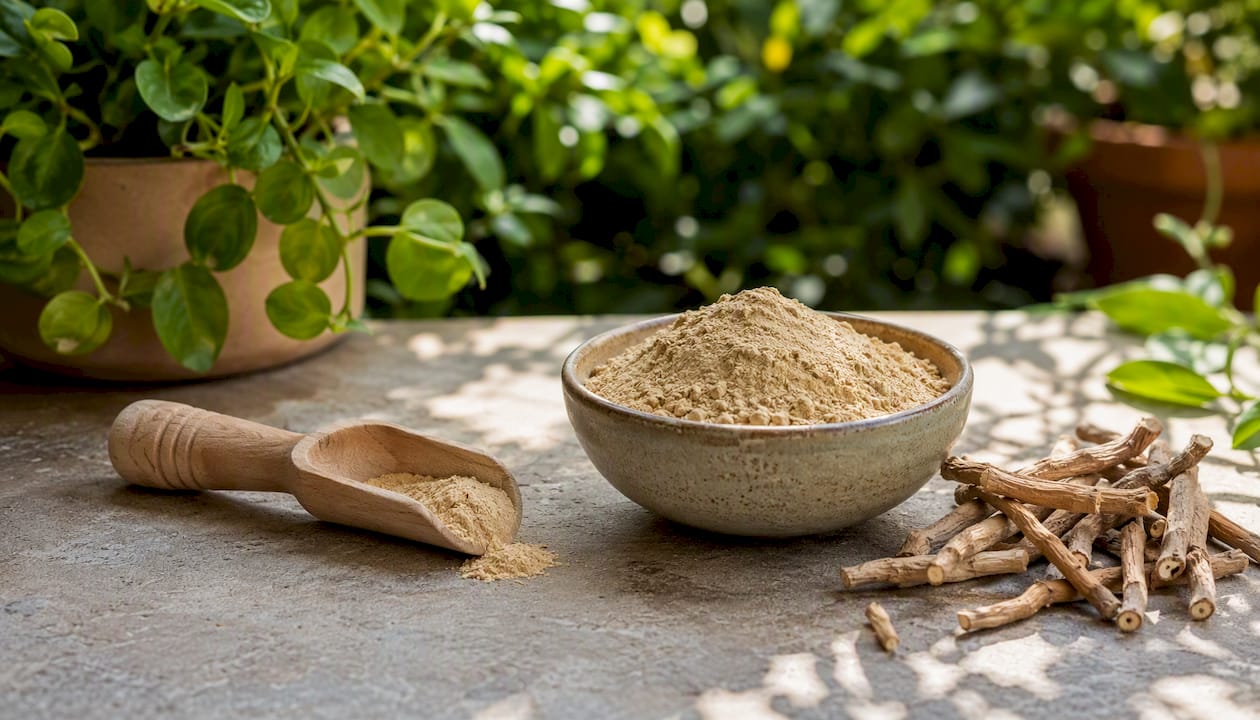
Ashwagandha has the strongest clinical evidence of any herb on this list, at least in dogs. A four-week randomized, double-blind, placebo-controlled study in 24 dogs found that 15 mg/kg of standardized ashwagandha root extract daily was associated with significant reductions in urine cortisol:creatinine ratio (P=0.0005) and improvements in fear and anxiety scores on the CBARQ scale (P=0.03). Those are meaningful signals. The study was small and ran only four weeks, so it’s promising but preliminary. Ashwagandha belongs to the nightshade family, and dogs with thyroid conditions or those on immunosuppressants should use it only under close veterinary supervision.
What forms of herbal products are safest for dogs?
Herbal products for dogs come in several formats, and the form you choose affects both how much your dog absorbs and how safely you can control the dose.
- Standardized tablets and chews: The most reliable option for consistent dosing. Look for products that state the exact milligrams of active extract per tablet. These are the easiest to titrate by weight.
- Glycerin-based tinctures: A reasonable alternative to alcohol-based tinctures. Faster onset than tablets in some cases, but concentration varies widely between brands. Alcohol-based tinctures are not recommended for dogs; the alcohol content itself can be harmful.
- Capsules: Convenient and often easy to hide in food. Check whether the capsule contains a standardized extract or a raw dried herb, since potency differs significantly.
- Dried herb teas: Variable potency and difficult to dose accurately. Chamomile tea is commonly used as a mild, low-risk option, but it’s hard to know exactly how much active compound your dog is getting.
- Diffusers and room sprays: Useful for lavender and valerian aromatherapy. Keep the room ventilated and give your dog the option to leave the space. Never diffuse essential oils in a small, enclosed room with your dog.
- Concentrated essential oils: Not appropriate for direct skin application or ingestion in dogs. Even oils considered safe for humans can cause liver toxicity, skin burns, or neurological symptoms in dogs.
Pro Tip: When selecting any herbal product for your dog, look for the National Animal Supplement Council (NASC) quality seal. NASC members participate in adverse event reporting and quality auditing systems, which gives you a baseline of product transparency that unverified brands don’t offer.
Safety, interactions, and red flags you need to know
Supplements are not FDA-approved to treat anxiety, and they don’t go through premarket efficacy or safety review the way prescription medications do. That regulatory gap means the burden of safety falls on you and your veterinarian.
The most common interaction risk involves combining herbal sedatives with prescription psychotropic medications. According to MSD Veterinary Manual, veterinarians commonly prescribe SSRIs, tricyclic antidepressants, trazodone, gabapentin, and benzodiazepines for canine anxiety. Adding valerian, passionflower, or ashwagandha on top of these without veterinary review can produce additive sedation or, in some cases, paradoxical agitation.
Here’s a checklist to bring to your vet before starting any herbal supplement:
- Complete medication list — every prescription drug, flea/tick preventive, and supplement your dog currently takes.
- Your dog’s exact weight — dosing is weight-based, and even a few pounds can shift the safe range.
- Health history highlights — seizure history, liver disease, pregnancy or intact female status, cardiac conditions.
- Observed anxiety symptoms — when they occur, how long they last, and what triggers them.
- Any prior adverse reactions — to medications, supplements, or specific foods.
- Video of the behavior — a 60-second clip on your phone is often more informative than a verbal description.
Dogs with a seizure history deserve special mention. Some herbs, including certain formulations of skullcap, may lower the seizure threshold or interact with anticonvulsant medications. Pregnant dogs should avoid valerian and passionflower entirely. Senior dogs on multiple medications need a full herb-drug interaction review before anything is added — herbal interactions with medications can be subtle and cumulative.
How to trial an herbal calming product safely
A structured trial protects your dog and gives you real information about whether a herb is helping. Rushing the process or layering multiple products at once makes it impossible to know what’s working.
- Start with a veterinary check. Confirm there are no contraindications, get a weight-based dose recommendation, and review your dog’s current medications for interactions.
- Record a behavioral baseline. For 3–7 days before starting the herb, note the frequency, duration, and intensity of anxiety behaviors. A simple daily log works well.
- Choose one herb and one product form. Don’t combine chamomile with valerian or add a calming chew on top of a tincture. One variable at a time.
- Start at a low dose. Begin at the lower end of the weight-appropriate range your vet recommends. Many oral herbal extracts take 2–4 weeks to show a consistent effect, so patience matters here.
- Reassess at 7–14 days. Compare your log to the baseline. If there’s no change and no side effects, discuss a modest dose increase with your vet before adjusting on your own.
- Define your stop criteria before you start. Stop immediately and contact your vet if you observe: increased agitation or restlessness, sedation beyond what’s expected, vomiting or diarrhea lasting more than 24 hours, any new neurological signs (stumbling, tremors, disorientation), or worsening anxiety.
- Pair the herb with behavior work. Behavioral modification and veterinary assessment are the foundations of treating canine anxiety; herbs work best as adjuncts to a structured behavioral program, not as replacements for it. Cornell University’s Riney Canine Health Center similarly emphasizes that consistency and routine are primary tools for anxious dogs.
When does your dog need professional integrative care?
Some dogs respond well to a single herb and a consistent routine. Others need more. If your dog has anxiety triggered by multiple situations, hasn’t responded to one or two herbal trials, or has a medical condition that complicates supplement use, an integrative veterinary consult is the logical next step.
An integrative consult typically bundles several services that work better together than any one alone:
- A full medical exam to rule out pain, thyroid dysfunction, or other physical causes of anxiety-like behavior.
- A medication and supplement review to identify interactions and gaps.
- A tailored herbal protocol based on your dog’s weight, health history, and specific anxiety triggers.
- Acupuncture, which complements herbal therapy by supporting the nervous system through a different mechanism and can be especially effective for dogs whose anxiety has a physical pain component.
- A home-based behavior modification plan your whole household can follow consistently.
Integrative care is particularly worth considering when your dog has multi-trigger anxiety (separation, noise, strangers, travel), when a single intervention hasn’t moved the needle after a full trial, or when your dog is a senior with a complex medication regimen. Senior dogs often have reduced liver and kidney function that changes how herbs are metabolized, making professional oversight especially important.
Pro Tip: Mobile integrative visits offer something a clinic appointment can’t: the clinician sees your dog in its actual environment. Triggers that never appear in a vet’s office, like a specific door, a neighbor’s dog, or a particular room, become visible during an in-home visit, often changing the entire treatment approach.
What do clinical studies actually show about herbal anxiety relief?
Honest answer: the evidence base for herbs for canine anxiety is promising in places and thin in others. Here’s where things stand.
The strongest signal comes from the ashwagandha RCT described earlier: 24 dogs, four weeks, statistically significant reductions in cortisol markers and anxiety scores. It’s a randomized, double-blind, placebo-controlled design, which is the gold standard. The sample size limits how far you can generalize, but the methodology is sound.
Lemon balm’s beagle study is also encouraging. Twenty dogs across four groups showed behavioral improvements and metabolomic shifts consistent with GABA pathway activity after four weeks. Again, small sample, but a mechanistic signal worth watching.
Valerian’s picture is more complicated. The diffuser trial showed a gap between owner-reported improvement (43%) and objective behavioral measurement (no statistically significant change). That’s a useful reminder that owner perception and measurable outcomes don’t always align, and that delivery route matters.
As VCA Animal Hospitals notes, few supplements have been subjected to rigorous clinical trials in animals, and veterinarians remain the best resource for species-appropriate safety and dosing guidance. When evaluating any product claim, look for:
- Peer-reviewed studies conducted in dogs (not just humans or rodents)
- Transparent dosing information tied to body weight
- NASC quality seal on the label
- No language promising a “cure” — that crosses into unapproved drug claim territory under the Federal Food, Drug, and Cosmetic Act
A perspective from mobile integrative veterinary practice
The most common mistake owners make isn’t choosing the wrong herb. It’s layering three or four calming products at once because each one seemed reasonable on its own. A chamomile chew, a lavender diffuser, a valerian tincture, and a CBD supplement might all be individually low-risk, but together they create a combination nobody has studied and your vet can’t easily evaluate. When something goes wrong, or when nothing seems to be working, there’s no way to know which product is responsible.
What tends to work most reliably is simpler: one well-chosen herb, at a weight-appropriate dose, layered onto a consistent behavioral routine, with a vet who knows your dog’s full health picture. Acupuncture often complements this approach well, particularly for dogs whose anxiety has a physical component like chronic pain or post-surgical stress. The herbs and the needles work through different pathways, and that complementarity is genuinely useful.
At Pet Acupuncture & Wellness, in-home consults are designed around exactly this kind of integrated thinking. Seeing your dog in its own space changes what we notice and what we recommend. A dog that appears calm in a clinic can be visibly reactive at home, and that information shapes the entire herbal and behavioral plan.
In-home integrative consultations for anxious dogs in South Tampa
For dogs in South Tampa whose anxiety hasn’t responded to a single supplement or whose health history makes self-guided herbal trials feel risky, Pet Acupuncture & Wellness offers in-home integrative consultations that bring the full picture together.
A typical consult includes a complete medical and behavioral review, a weight-based herbal therapy plan tailored to your dog’s specific triggers, and acupuncture when appropriate. Everything happens in your home, where your dog is most comfortable and where the real triggers are visible.
Benefits of booking an in-home integrative consult:
- Full medication and supplement safety review before anything is added or changed
- Weight-based dosing guidance from a veterinarian, not a product label
- Direct observation of anxiety triggers in your dog’s actual environment
- Acupuncture and integrative veterinary care options that complement herbal support
- A written plan your household can follow consistently
To schedule a consult or ask whether your dog is a good candidate, visit Pet Acupuncture & Wellness and book directly online.
Sources
- 10 Facts about What FDA Does and Does Not Approve | FDA
- Dog Anxiety: Signs, Causes, and Treatment | PetMD
- Efficacy and safety of standardized Ashwagandha (Withania somnifera) root extract on reducing stress and anxiety in domestic dogs: A randomized controlled trial
- The anxiolytic effects of Valerian (Valeriana officinalis) on the domestic dog
- Effect of Melissa officinalis leaf extract on behavior and metabolome in dogs exposed to mild stress
This article is general information, not a substitute for advice from a qualified doctor. Consult a qualified healthcare professional about your own circumstances before acting on anything here.
FAQ
What is the best herbal anxiety relief for dogs?
No single herb is universally best, but ashwagandha has the strongest clinical evidence in dogs, with a small RCT showing significant reductions in cortisol and anxiety scores at 15 mg/kg daily. Chamomile and lemon balm are gentler starting points for mild situational anxiety.
How do you fix dog anxiety naturally?
Herbal supplements like chamomile, lemon balm, or ashwagandha can support that foundation, but they work best alongside a structured behavioral plan, not instead of one.
What causes dog anxiety?
Canine anxiety typically stems from separation, noise phobias, unfamiliar environments, past trauma, or underlying medical conditions like pain or thyroid dysfunction. A veterinary exam is the right first step to rule out physical causes before starting any herbal or behavioral treatment.
What is the 3-3-3 rule for dogs with anxiety?
The 3-3-3 rule is a general guideline for newly adopted dogs: three days to decompress, three weeks to learn the household routine, and three months to feel truly settled. It’s a reminder that anxiety in new dogs often reflects adjustment, not a permanent condition, and that patience and consistency matter more than supplements in the early weeks.
Are herbal supplements for dogs FDA-approved?
No. Herbal supplements are not FDA-approved to treat or prevent anxiety or any other condition in dogs. They do not undergo the same premarket safety and efficacy review as pharmaceutical drugs, which is why veterinary guidance before use is essential.