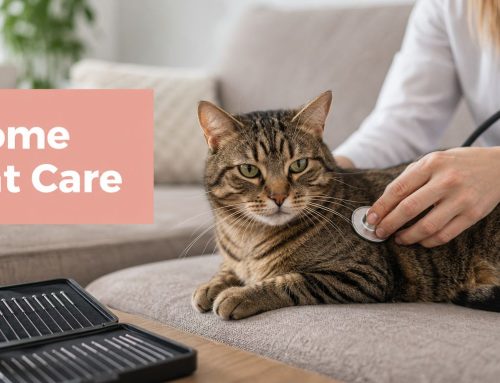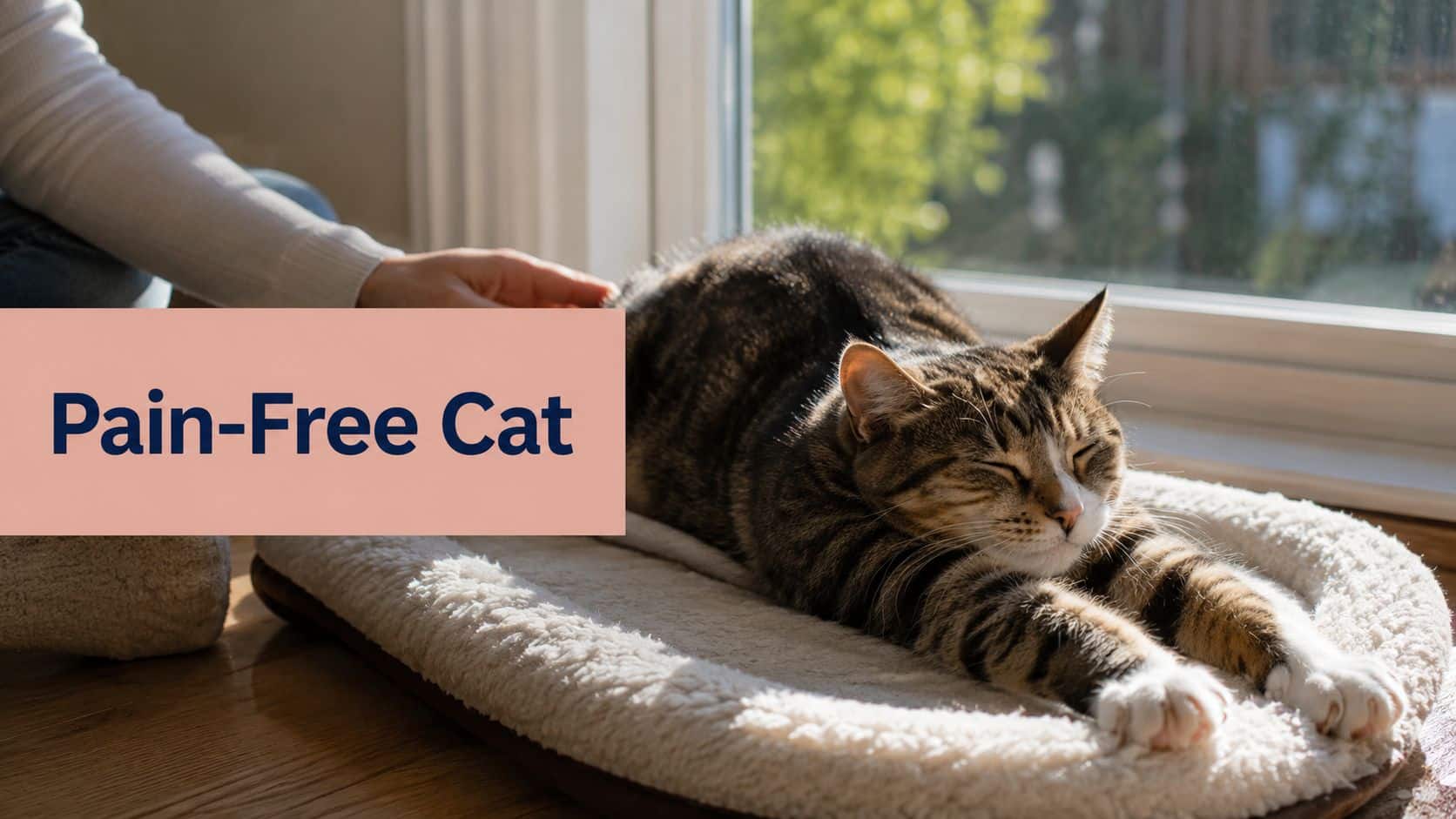
When your dog hesitates before stepping off the couch, or your cat starts choosing the same low, easy spot instead of climbing to a favorite window, you notice. Most pet owners in South Tampa see these changes long before anyone else does. It may look subtle at first. A slower rise after a nap. A shorter walk. A small flinch when you touch the hips or back.
That's usually when the questions start. Is this normal aging, or is my pet hurting? Do we really need to load them into the car, get them into a waiting room, and ask them to perform in a place they already dislike?
For many dogs and cats, rehab at home healthcare services make that process gentler and more useful. Instead of asking an uncomfortable pet to cope with the stress of travel and a new environment, we bring treatment into the living room, the hallway, the rug they already trust, and the home layout they move through every day. That matters more than people expect.
A pet recovering from surgery, managing arthritis, regaining strength after injury, or dealing with neurologic weakness often shows us more at home than in a clinic. I can see where they slip, where they avoid turning, which threshold they hesitate at, and how they use their body when they're relaxed. That gives a much clearer starting point for a plan that fits real life in South Tampa, not an idealized version of movement in an exam room.
The Comfort Of Healing An Introduction To At-Home Pet Rehab
A common story goes like this. A senior Labrador who used to greet the family at the door now waits a few extra seconds before standing. A cat who once jumped onto the bed in one smooth motion now makes it halfway, stops, and tries again. Nothing dramatic happened. There wasn't a clear injury. But something has changed, and you can feel it.
For many families, the hardest part isn't deciding whether their pet needs help. It's knowing how to get that help without making things worse. Car rides can be painful. Slippery parking lots can be risky. Nervous pets often tighten their muscles, resist handling, or shut down completely once they leave the house.
That's why at-home rehab can be such a relief. The pet stays where they feel safest. The owner gets to watch what's happening. The treatment plan begins in the exact place where the problems show up.
Many pets don't need more pressure. They need a calmer setting, slower handling, and a plan built around how they actually live.
Home-based rehabilitation for pets focuses on comfort, movement, pain relief, and practical function. In plain terms, it helps a dog walk more steadily on your floors, helps a cat get to the litter box with less struggle, and helps a recovering pet rebuild strength without forcing them through an overwhelming clinic experience.
That comfort isn't just sentimental. In human care, the effect of healing in a familiar environment is meaningful. Studies on patients receiving home health care, including rehabilitative therapies, reported an 80.2% improvement in activities of daily living according to home healthcare statistics summarized by Market.us. We don't directly copy human medicine onto pets, but the central idea carries over well. Familiar surroundings often support calmer participation, better observation, and more realistic day-to-day progress.
In South Tampa homes, where routines matter and pets are woven into family life, that approach often makes rehab feel less like a medical event and more like a steady return to comfort.
What Exactly Are Pet Rehab At Home Healthcare Services
Pet rehab at home is rehabilitation care delivered in the place where your dog or cat has to function every day. It focuses on comfort, pain control, strength, balance, and safer movement in your own living room, hallway, bedroom, or yard. For many South Tampa pet owners, the question is not whether rehab helps. It is how the visit works when the patient is on your rug, your tile floor, and your normal routine.

What Happens During At-Home Rehab
A good home rehab visit starts with observation. I want to see how your pet rises from rest, how they shift weight, whether they hesitate near slick flooring, and what happens when they turn in a tight space or approach a step. Those details often tell me more than a brief exam room walk.
Treatment is then built around what your pet can handle comfortably that day and what you can continue safely between visits. Depending on the case, the visit may include:
- Mobility assessment to identify weakness, stiffness, balance problems, pain responses, or compensation patterns
- Targeted therapeutic exercises matched to your pet's diagnosis, temperament, and home setup
- Pain-relief care such as manual therapy, assisted stretching, or other low-stress, non-invasive treatments
- Owner coaching so you know how to help without overdoing it
- Home setup changes such as traction ideas, safer walking routes, and better ways to assist with standing, turning, or getting to food and litter areas
For a broader look at conditions, goals, and treatment options, this guide to rehabilitation therapy for pets gives helpful background.
How It Differs From A Clinic Visit
Home rehab answers a practical question. How does your pet move and cope in the environment that matters most to them?
That changes the plan. In a clinic, some pets walk farther because adrenaline carries them. Others freeze, resist handling, or move in ways their owners never see at home. In the house, the weak turn near the sofa, the struggle on hardwood, the awkward path to the water bowl, and the hesitation at the back step are all visible. Those are the problems we need to solve.
There are trade-offs. A clinic can offer equipment, extra staff, and faster access to diagnostics or procedures when a case is more medically complex. Home care offers better context, less stress for many pets, and clearer coaching for the family. Neither setting is automatically better. The right choice depends on the pet's condition, personality, safety needs, and what the household can realistically carry out.
Practical rule: A rehab plan only works if your pet tolerates it and your family can repeat it safely.
That is why owner instruction is part of the treatment itself. If your dog will only do two calm repetitions before tiring, that matters. If your cat accepts handling on the bed but not on the floor, that matters too. Good in-home rehab is specific, realistic, and adjusted to how your pet lives.
A Look Inside Our Mobile Treatment Toolkit
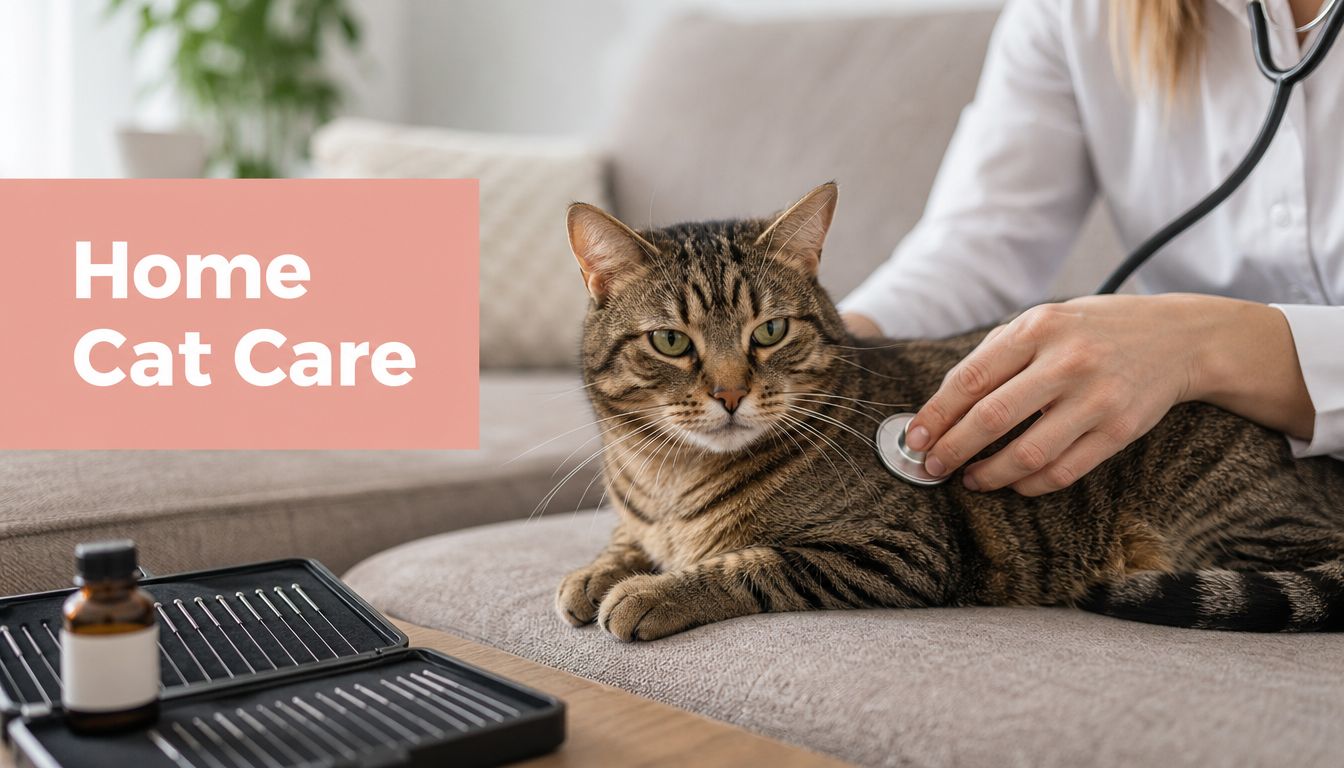
Owners often expect in-home rehab to involve a cart full of intimidating equipment. What usually surprises them is how quiet and ordinary it looks in the house. The toolkit is a mix of portable treatment tools, careful observation, and a plan shaped around how your pet feels on that specific day in your living room.
Some visits stay very gentle. A sore senior dog may need positioning, a short hands-on treatment, and one simple exercise. A younger dog after surgery may tolerate more active work. The pace changes with pain, fatigue, confidence, diagnosis, and how well your pet handles touch and movement at home.
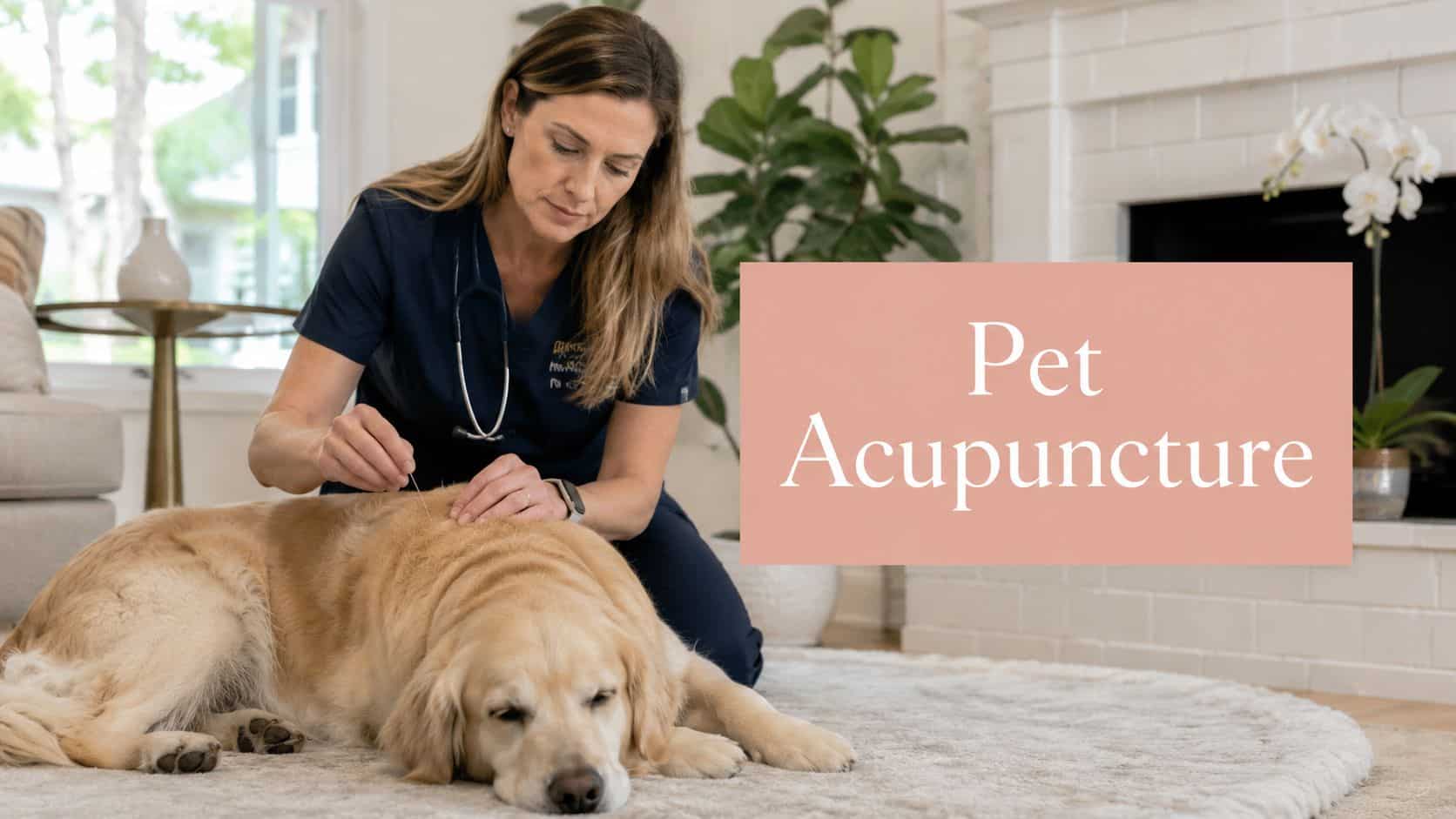
Acupuncture In The Living Room
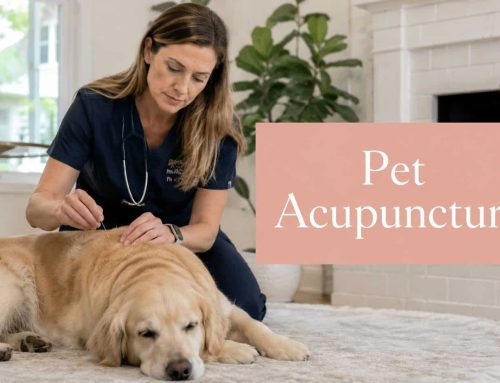
Acupuncture is one of the treatments owners ask about most, usually with some understandable worry. In practice, pets often accept it better than their families expect because the needles are extremely fine and the setting is familiar.
I often see the difference within a few minutes. A dog settles on their own bed instead of bracing on a clinic floor. A cat stays tucked into a favorite spot instead of scanning the room for an exit. That matters because a relaxed pet gives me a much better chance to treat without force, rushing, or overhandling.
Acupuncture may be part of a plan for arthritis pain, muscle tension, chronic stiffness, neurologic problems, or recovery after injury. The goal is comfort and easier movement, not putting your pet through one more stressful procedure.
Laser Therapy Without Extra Fuss
Laser therapy is also portable and usually straightforward in the home. For many pets, it feels like a brief session with minimal restraint, which is useful for animals that tense up quickly or tire easily.
Owners should still expect a clear explanation. A good rehab visit includes why a modality is being used, what your pet is likely to feel, what improvement we are watching for, and when it makes sense to stop if it is not helping enough.
A good provider should explain:
- Why this treatment fits your pet's diagnosis and current stage of recovery
- What your pet will experience during the session
- How response will be judged between visits
- What changes the plan if progress is slow, inconsistent, or absent
Physical Rehabilitation Exercises That Fit Real Homes
The most useful exercise plan is the one your pet can do safely on your actual floor, with your actual routine. That may mean sit-to-stand work by the couch, controlled leash walking in a hallway, assisted weight shifting on a rug, range-of-motion work during quiet time, or stepping practice using stable items already in the house.
Cats need an even lighter touch. A small change in how they step onto a low surface, turn, or shift weight can tell us more than a long exercise session ever would.
Sometimes the best adjustment is environmental, not therapeutic.
A slippery hallway, poor footing near the food bowl, or a harness that pinches under the front legs can set a pet back fast. Fixing those details often improves comfort sooner than adding another exercise. For families comparing house-call options, our guide to a mobile veterinary clinic near you explains how rehab fits into broader in-home veterinary support.
Home Exercise Plans That Owners Can Actually Use
I keep home programs short on purpose. If a plan is too complicated, pets resist it and owners stop using it. That is not a failure of effort. It usually means the plan asked too much of a sore animal and a busy household.
A practical program usually includes:
- One main exercise for strength, balance, or coordination
- One comfort task such as assisted positioning or gentle supported movement
- One home adjustment that makes everyday movement easier and safer
That structure works well because it gives the pet a fair chance to succeed. We can always add more later if they are comfortable, recovering well, and tolerating the routine.
The Powerful Benefits Of Choosing In-Home Care
In-home rehab changes more than location. It changes how the pet experiences care and how the family participates in recovery.

For many South Tampa pets, the first and most obvious benefit is reduced stress. There's no struggle to get into a carrier, no painful jump into the car, and no waiting room full of unfamiliar sounds and smells. A calmer pet usually gives a more honest picture of pain, balance, and movement.
Owners benefit just as much, though in different ways. You see the treatment in real time. You learn how to support your pet between visits. You don't have to remember everything from a rushed discharge conversation while also driving home with a sore or sedated animal.
A closer look at the home-care experience can help you decide whether this model fits your household. This article on the benefits of at-home vet care expands on why many families choose house-call medicine for ongoing support.
A short visual overview may help if you're weighing day-to-day convenience against clinic-based care.
Why Pets Often Do Better At Home
A pet in its own space tends to show natural movement patterns. That means we can work on the actual challenge, not just the symptom. If your dog slips at the kitchen turn, that matters. If your cat refuses the litter box because the entry is too high when joints are stiff, that matters too.
Home care also allows one-on-one attention without the interruptions common in a busier setting. The pet isn't splitting attention between strangers, noises, and new smells. That often improves cooperation, especially in anxious patients and older pets who fatigue quickly.
Why Owners Make Faster Practical Decisions
Owners usually leave a home visit with clearer answers to everyday questions:
- Where should my pet rest? Which surface helps and which one makes rising harder.
- What should I stop doing? Sometimes stairs, rough play, or a poorly fitted sling are making things worse.
- How much exercise is enough? More movement isn't always better. The right amount matters.
- What can the family do today? Simple, repeatable steps work better than ambitious plans.
One other lesson from human home care applies strongly here. High-performing home programs depend on coordination, communication, and timely response, not just the visit itself. PwC describes this in human care as a move toward digitally coordinated, signal-driven intervention supported by centralized monitoring and integrated data systems in its analysis of care-at-home strategy. In pet rehab, the principle is similar. Progress depends on what happens between sessions, how well the family notices changes, and how quickly the plan adjusts when the pet's function changes.
Is At-Home Rehab The Right Choice For Your Pet
Not every pet is a home-rehab candidate, and that's an important part of this conversation. Some patients need hospital-level care, advanced diagnostics, or a more intensive facility-based setting. The useful question isn't whether home care sounds nicer. It's whether home care fits the pet's current medical and safety needs.
A recurring problem in home-based care is that families often don't get clear guidance on who it's for and when it's appropriate. Public-facing explanations are often broad, but they rarely help people judge fit, risk, and when to escalate care, as discussed in Nursa's overview of rehab at home healthcare services. That gap shows up in veterinary medicine too.
Pets Who Often Benefit Most
At-home rehab is often a strong fit for pets in these situations:
- Senior dogs with arthritis who stiffen after rest, struggle on slippery floors, or can't tolerate repeated car trips
- Post-operative orthopedic patients such as dogs recovering from knee or hip procedures who need controlled, progressive activity
- Cats with mobility decline who have muscle loss, reduced jumping ability, or discomfort navigating litter boxes and furniture
- Anxious pets that resist handling outside the home and show much more natural behavior indoors
- Neurologic patients who need careful observation of gait, paw placement, turning, and home safety hazards
If your pet falls into one of those groups, these rehabilitation exercises for cats and dogs can give you a sense of what supportive home work may involve.
When Home Rehab May Not Be Enough
Home rehab may not be the right first step if your pet has uncontrolled pain, rapid decline, breathing trouble, collapse episodes, a suspected emergency, or medical instability that needs immediate in-clinic workup. It may also be limited if the home environment is unsafe and can't be modified enough for treatment to happen consistently.
A few practical questions help clarify fit:
- Can my pet be handled safely at home? Fear, pain, and reactivity all matter.
- Can we create a stable treatment area? Space, flooring, and family routine affect success.
- Will someone be able to follow through? Even a strong plan fails if nobody can carry it out.
- Are we trying to restore function, manage comfort, or both? The goal shapes the plan.
Home rehab is often ideal for pets recovering from surgery or managing chronic pain, especially when clinic visits create stress. It still has to match the pet's medical needs and the safety of the home setting.
That's the heart of the decision. A pet doesn't need to be perfect for home care. The plan just needs to be realistic, safe, and suited to the problem you're trying to solve.
How To Prepare For Your First In-Home Rehab Visit
Your dog hears the doorbell, looks at you, and stays on their own bed instead of bracing for a car ride, a waiting room, and slick clinic floors. That difference matters. The first in-home rehab visit works best when your pet can stay in a familiar part of the house and show us how they move, rest, and settle in daily life.

Before The Doorbell Rings
Choose the space your pet already prefers. For many dogs, that is the living room, a short hallway, or a covered patio with steady footing. For cats, it is often a quiet bedroom or tucked-away den where they feel secure.
The goal is simple. Give your pet one calm area where they can be observed without extra stress or distractions.
A little preparation helps the visit stay focused on treatment instead of setup:
- Clear a short walking path so your pet can move naturally without stepping around laundry baskets, cords, or chairs
- Pull together medical records from your regular veterinarian, including diagnosis, imaging, surgery notes, and current medications
- Keep a few favorite treats nearby if food helps your pet relax and participate
- Lower household activity by turning down the TV and limiting people moving through the room
- Write down your questions so we can address them while we are watching your pet in real time
Owners sometimes worry they need to buy equipment before the first appointment. You do not. A stable rug, your pet's usual mat, and enough open floor space are often more useful than new gear your pet has never seen before.
What The Visit Usually Feels Like
The first session is usually quieter and slower than people expect. I often start by letting the pet sniff, settle, and choose where they want to stand or lie down. From there, we watch movement, check comfort, and try a few gentle exercises that fit the pet in front of us, not a generic plan.
That matters in a living room.
A nervous dog may do better starting beside your sofa than in the middle of an open floor. A cat with arthritis may tolerate brief hands-on work on a favorite blanket but resist if moved to an unfamiliar surface. Those details shape the visit. They also help us decide what you can realistically continue between sessions.
If you want a practical preview, this guide to dog physical therapy at home shows the kind of simple, controlled work that may be introduced.
A few choices make the first appointment easier for your pet and for you:
- Use a familiar bed or mat instead of setting out something new
- Avoid tiring activity right beforehand if your pet gets sore or fatigued easily
- Separate other pets if needed so the patient can stay relaxed and focused
- Stay close and keep your body language calm because pets read that quickly
The best first visit usually happens in an ordinary room, with ordinary routines, and a pet who feels safe enough to show us what hurts, what is stiff, and what they can still do well.
That is the standard to aim for. Calm, practical, and comfortable from the start.
Finding Your Qualified Rehab Expert In South Tampa
A good in-home rehab visit should feel organized, calm, and appropriate for the pet in front of you. If a dog is anxious with strangers, the provider should know how to slow the pace. If a cat stiffens when handled, the plan should adjust quickly instead of forcing a full session. Credentials matter, but bedside judgment inside a real home matters just as much.
That is what owners should screen for.
What To Ask Before You Book
Ask how the provider evaluates comfort, function, and tolerance during a home visit. The answers should be specific. You should hear how they modify exercises on slippery floors, what they do if a pet becomes painful or fearful, and how they decide whether home rehab is still appropriate or whether a clinic visit, imaging, or a recheck with your regular veterinarian makes more sense.
Useful questions include:
- What training do you have in rehabilitation, acupuncture, laser therapy, or integrative pain management?
- How do you decide which treatment fits a specific diagnosis and this pet's temperament?
- How will progress be measured at home?
- What does a typical treatment course look like for my pet's condition?
- How do you coordinate with my regular veterinarian?
- What signs during a session tell you to stop, modify, or postpone treatment?
The best providers can explain their reasoning in plain language. They should be able to tell you what they expect to improve, what may improve more slowly, and where the limits of home care are. That kind of honesty protects pets from being pushed too hard and helps owners know what they are committing to.
What Local Fit Looks Like
South Tampa homes vary quite a bit. Some pets live in condos with elevators and tight hallways. Others deal with outdoor stairs, slick tile, or active households with children and other pets nearby. Those details are not minor. They affect gait, confidence, fatigue, and the kind of home program that is realistic.

One local option is Pet Acupuncture & Wellness (PAW Vet Practice), a South Tampa mobile veterinary service that provides in-home integrative support for dogs and cats, including acupuncture, laser therapy, rehabilitation, home exercise plans, and coordination with the primary veterinarian.
Cost should be discussed clearly too. Ask what is included in the visit, whether follow-up support is part of the fee, what equipment or supplies may help, and how often the plan is reassessed. Good rehab care is individualized, but the process should still be easy to understand, especially when your pet is already uncomfortable and you are trying to make the right decision quickly.
Frequently Asked Questions About In-Home Pet Rehab
How Can I Tell If My Pet Is In Pain If They Hide It So Well
Dogs and cats often hide pain by changing behavior instead of crying or limping dramatically. The signs are usually quieter. Your pet may hesitate before jumping, lag behind on walks, avoid stairs, struggle to rise, stop playing sooner, or seem more withdrawn.
Cats are especially subtle. You may notice less grooming, less climbing, more time spent in one location, or litter box changes because entering the box has become uncomfortable. If you're seeing those patterns, they're worth taking seriously even if your pet still has a good appetite and bright attitude.
Will My Regular Veterinarian Still Be Involved
Yes, that should be the norm. In-home rehab works best as part of a larger care team, not as a replacement for your regular veterinarian. Your primary vet remains essential for diagnosis, ongoing medical oversight, prescriptions, lab work, and imaging when needed.
The rehab side focuses on function, comfort, and daily-life movement. When communication is good, the plan is much stronger because everyone is working from the same diagnosis and goals.
How Many Sessions Will My Pet Need
That depends on the diagnosis, the severity of the problem, how long it has been going on, and how consistently the plan can be followed at home. A post-surgical dog, a pet with chronic arthritis, and a cat with long-term weakness won't all need the same schedule.
What matters more than a fixed number is whether the provider can explain:
- What the initial goals are
- How progress will be measured
- When the plan will be adjusted
- What home work is expected between visits
If someone promises a simple one-size-fits-all answer, be cautious. Good rehab is individualized.
What If My Pet Is Very Anxious Or Fearful Of New People
That's one of the strongest reasons to consider home care. A fearful pet often handles treatment better at home because the stress of transport and the clinic environment are removed. We can also pace the first session differently, use quieter handling, and focus on trust before asking for much participation.
Sometimes the first visit is deliberately modest. That's not wasted time. It builds the conditions that make later treatment possible.
A successful session doesn't always mean doing more. Sometimes it means ending with a pet who feels safe enough to participate next time.
What Should I Do Between Visits
Follow the plan exactly as prescribed, especially at the start. Owners often want to help by doing extra exercises or increasing walks too quickly. That can backfire. Recovery usually improves with steady, repeatable work, not bursts of enthusiasm.
Keep notes on what you observe. I tell owners to watch for easier rising, smoother turns, better willingness to walk, improved posture, or less hesitation at familiar obstacles. Those home observations are often the best guide to whether the plan is working.
If your dog or cat in South Tampa is slowing down, recovering from injury, or struggling with pain and mobility, Pet Acupuncture & Wellness (PAW Vet Practice) offers calm, in-home integrative care designed around your pet's comfort, your home setup, and coordination with your regular veterinarian.