Your dog sniffs breakfast, walks away, then asks to go outside again an hour later. Your cat starts hiding under the bed and seems less interested in dinner, even though nothing obvious has changed. You may also notice louder stomach noises, a little more grass eating, or stool that looks different from last week.
Those small shifts matter. In practice, digestive trouble often starts subtly. A pet doesn't need dramatic vomiting or severe diarrhea for the gut to be struggling. Appetite changes, stool changes, extra licking at the belly, and mood changes can all be early clues that something in the digestive system is off.
A healthy gut does far more than move food along. Up to 80% of a pet's immune system is located directly within the gut, which is why the gastrointestinal tract plays such a large role in resilience and overall wellness, as explained by VCA Hospitals' overview of pet gut health. When the gut is irritated, many owners notice changes that seem unrelated at first, including lower energy, more reactivity, poor appetite, and a general sense that their pet just isn't quite themselves.
For South Tampa pet owners, calm, close observation is helpful. You don't need to panic. You do need to pay attention.
The Gut Feeling Something Is Off
It usually starts with doubt. Maybe your dog is suddenly picky. Maybe your cat wants food, approaches the bowl, then backs off. Some pets become clingier. Others withdraw. When owners tell me, “She's acting off, but I can't explain it,” I take that seriously because digestive imbalance often shows up that way first.

Why The Gut Affects More Than Digestion
The gut is often called the body's “second brain” because it's in constant communication with the nervous system. When the intestinal tract is inflamed, irritated, or moving too fast or too slowly, pets may show emotional and behavioral changes along with digestive ones. That's why a pet with a gut problem may also seem anxious, restless, tired, or less social.
A lot of owners assume digestive issues are only about food intolerance. Sometimes that's true. But pet digestive health also connects to immunity, comfort, and day to day behavior.
A pet who seems mildly “off” may be giving you the first useful clue long before lab work or imaging ever enters the picture.
What To Watch First At Home
Start with simple observations for a day or two, unless your pet seems acutely ill.
- Appetite pattern: Is your pet interested in food, then hesitant once it's served?
- Stool quality: Is it softer, drier, smaller, more frequent, or harder to pass than usual?
- Energy and posture: Is your pet stretching more, hunching, pacing, or resting differently?
- Belly comfort: Do you hear gurgling, notice lip licking, or see repeated swallowing?
- Behavior around stress: Did symptoms begin after travel, guests, boarding, thunderstorms, or routine disruption?
If you're not sure whether what you're seeing is enough to justify guidance, a virtual vet visit guide for pet owners can help you organize symptoms and decide what needs prompt attention.
For most families, the right first move isn't guessing supplements. It's building a clear picture of what changed, when it changed, and whether the pattern points to food, stress, infection, inflammation, or something more structural.
Recognizing The Signs Of Digestive Distress
Digestive upset doesn't look the same in every pet. Some dogs are obvious. They vomit, eat grass, and ask to go out repeatedly. Cats can be harder to read. They may hide, eat less, or groom their belly more. In clinical settings, digestive problems are the most prevalent health issue among dogs, accounting for 56.5% of all diseased dogs, with diarrhea at 19.1% and vomiting at 13.6%, according to this canine clinical prevalence study.
This checklist is a good place to begin.

Common Symptoms Owners Notice
- Vomiting: Food, foam, bile, or repeated retching.
- Diarrhea: Loose, watery, urgent, or unusually frequent stool.
- Constipation: Straining, dry stool, or repeated unsuccessful attempts to defecate.
- Reduced appetite: Eating less, refusing meals, or seeming interested but unable to continue.
- Lethargy: Less interest in walks, play, climbing, or normal routines.
- Abdominal bloating: A distended or tense belly, especially if your pet seems uncomfortable.
- Gas: Frequent flatulence or a strong change in stool odor.
- Weight loss: Gradual slimming despite no intentional diet change.
- Excessive licking or grooming: Repeated paw licking, belly licking, or discomfort-related grooming.
Some owners learn best by seeing examples. This short video gives a useful visual overview of signs to notice and discuss with your veterinarian.
Subtle Clues That Often Get Missed
Not every digestive case includes dramatic stool changes. I'm often more interested in the pattern around the symptoms.
- Morning nausea signs: Lip smacking, gulping, grass eating, or bile vomiting before breakfast
- Noisy digestion: Gurgling after meals or overnight
- Meal hesitation: Walking up to food, sniffing, then stepping away
- Household pattern shifts: Accidents in a previously reliable pet
- Behavior change: Irritability, clinginess, or hiding that tracks with appetite or stool changes
When To Worry: If your pet has repeated vomiting, repeated diarrhea, obvious belly pain, a swollen abdomen, marked weakness, or won't keep water down, don't wait it out at home.
A single mild episode may pass. A pattern deserves attention, especially when symptoms keep circling back.
Common Causes Of Pet Digestive Upset
Digestive upset isn't one disease. It's a symptom pattern with several possible roots. Owners often focus on the food bowl, but that's only one piece of the picture. The gut responds to what a pet eats, what a pet experiences, and what the body is dealing with internally.
Diet Problems Are Common, But Not The Whole Story
Sometimes the cause is straightforward. Pets raid the trash, steal table food, switch diets too quickly, or react poorly to a treat that seemed harmless. Other times the issue is less dramatic, such as a food sensitivity, poor tolerance for rich foods, or a formula that doesn't digest well for that individual animal.
A useful rule is to think in patterns. A sudden problem after dietary indiscretion feels different from a recurring issue that flares every few weeks. The second pattern usually deserves a broader look.
Stress Can Disrupt The Gut Brain Axis
Stress is one of the most underestimated drivers of chronic digestive trouble. The gut and nervous system communicate constantly, so anxious pets often show GI symptoms first. Data shows that 30-40% of chronic canine diarrhea cases are linked to behavioral stress, including anxiety around vet visits, isolation, or environmental changes, as discussed in this article on helping clients understand canine digestive health.
That matters in real homes. A move, a new baby, visitors, fireworks, boarding, changes in work schedules, or conflict with another pet can all affect stool quality and appetite.
If your pet's symptoms worsen after routine disruption, don't assume the problem is “just behavioral.” Stress can be the trigger that unsettles the digestive tract.
Medical Causes Need A Wider Lens
Some pets have a more complex issue underneath the surface. These cases may involve parasites, infection, inflammatory bowel disease, pancreatitis, organ dysfunction, or a foreign body. In cats, hair ingestion can complicate the picture. In dogs, scavenging and sudden access to rich food are common contributors.
For owners who use herbs or supplements, medication interactions also matter. A gentle remedy isn't automatically a harmless one, especially when a pet is already taking prescriptions or has liver, kidney, or GI disease. This guide to herbal interactions with medications in pets is worth reviewing before adding products on your own.
Three questions often help narrow the field:
- Did it start suddenly? Sudden onset raises concern for diet change, trash ingestion, toxins, parasites, or foreign material.
- Has it been recurring? Recurring issues suggest food sensitivity, stress, chronic inflammation, or deeper disease.
- Is your pet normal between episodes? If not, the problem may be broader than the intestines alone.
The biggest mistake I see is treating every upset stomach as if it has the same cause. It doesn't. The right treatment depends on why the gut is struggling in the first place.
When To Seek Veterinary Care In South Tampa
Many digestive issues start in a gray zone. Your pet isn't collapsing, but things aren't normal either. That's where owners get stuck. They don't want to overreact, but they also don't want to miss something serious.
The best decision tool is to judge both intensity and pattern. A mild one time soft stool in an otherwise bright pet may be monitored briefly. Repeated symptoms, worsening symptoms, or any sign of pain should move the situation into veterinary territory.
Call Sooner Rather Than Later If You See These Patterns
- Symptoms that keep repeating: Vomiting that returns, diarrhea that continues, or appetite that doesn't rebound
- Signs of pain: Hunched posture, trembling, reluctance to be touched, restlessness, or a tense belly
- Hydration concerns: Refusing water, vomiting after drinking, or looking weak and dry
- Big behavior changes: Hiding, listlessness, unusual agitation, or sudden withdrawal
- Stool or vomit that concerns you: Blood, black stool, foreign material, or anything your pet shouldn't have eaten
Why Home Based Care Can Help GI Patients
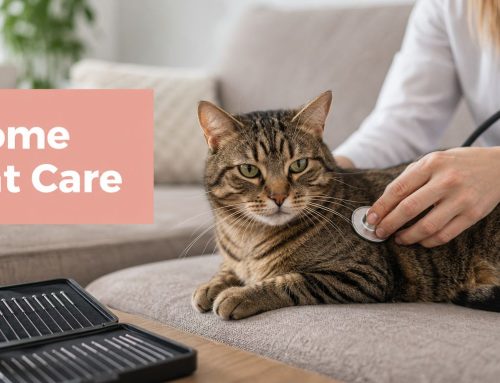
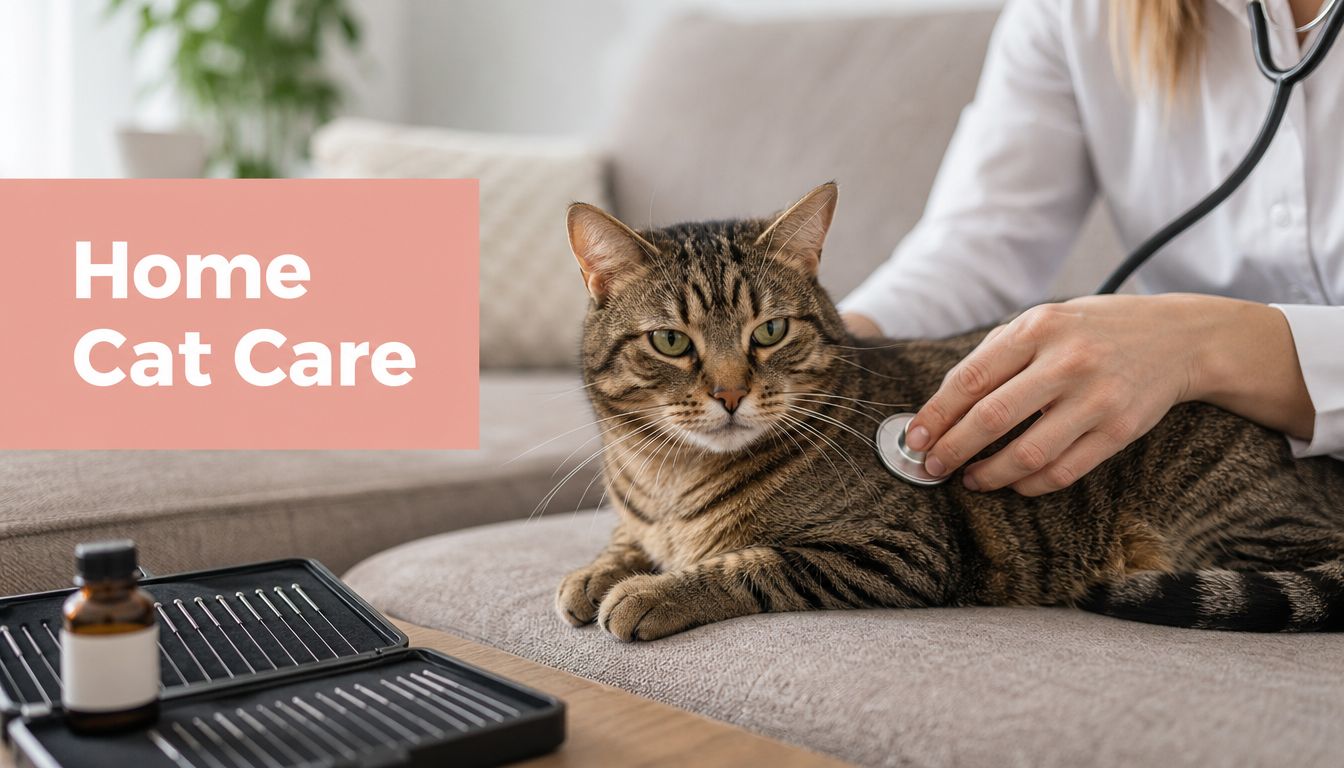
For many pets, the trip to a clinic adds another layer of distress to an already irritated system. Dogs with stress sensitive colons and cats who shut down in carriers often do better when a veterinarian can assess them in their normal environment. You also get more accurate information when the pet's typical posture, movement, eating area, and household stressors are visible.
That's especially relevant for local families looking for South Tampa veterinary hospital support and guidance while deciding what type of visit makes the most sense. If you live in South Tampa, low stress care at home can be a practical option for digestive cases that need professional evaluation without adding unnecessary strain.
A pet with digestive distress doesn't just need treatment. They need an exam setting that doesn't make the symptoms harder to interpret.
What Should Never Be A Wait And See Situation
A bloated painful abdomen, persistent unproductive retching, repeated vomiting with weakness, inability to keep water down, or signs of collapse should be treated as urgent. The same goes for suspected toxin exposure or possible foreign body ingestion.
Owners know their pets well. If your instinct says this is more than a minor stomach upset, listen to that instinct and act on it.
The Diagnostic Journey What To Expect
Once you schedule care, most owners feel better when they know what the process will look like. A good digestive workup isn't random. It starts by narrowing the problem through history, exam findings, and a few targeted questions.

The History Matters More Than Most Owners Realize
The timeline tells us a lot. I want to know when symptoms began, whether they're constant or episodic, what your pet ate, what changed in the home, what medications or supplements are being used, and whether stool quality changes with stress, treats, or specific foods.
Bring details if you can:
- Food list: Main diet, toppers, treats, chews, supplements
- Stool description: Soft, watery, mucousy, dry, small, urgent, or straining
- Vomiting pattern: Food, bile, foam, hair, frequency, timing relative to meals
- Environment changes: Travel, guests, construction, schedule changes, conflict with another pet
What The Exam And Testing May Include
A careful physical exam checks hydration, abdominal tension, gut sounds, body condition, oral health, temperature, and signs of pain. Depending on the case, your veterinarian may recommend fecal testing, blood work, urinalysis, radiographs, ultrasound, or other diagnostics to separate simple GI upset from a larger medical issue.
This is also where “just give another probiotic” can fall short. Emerging data suggests that 25-30% of pets with recurrent gastrointestinal symptoms have gut microbiome resistance to standard probiotics, which is why some cases need integrative diagnostics like tongue and pulse assessment or advanced imaging rather than another round of guesswork, as described in this discussion of stubborn pet gut health cases.
Clinical insight: Recurrent symptoms deserve a diagnosis, not a rotating stack of new treats, supplements, and internet advice.
Where Integrative Assessment Adds Value
Conventional testing is important, but it doesn't always capture the full pattern. Integrative veterinarians may also assess tongue color and coating, pulse quality, temperature preference, sleep habits, reactivity, and how symptoms change with stress or weather. Those details can help shape choices around food therapy, herbs, acupuncture points, and pacing of treatment.
That doesn't replace standard medicine. It adds another layer of pattern recognition. For many chronic digestive patients, that broader view is what finally makes the treatment plan feel specific instead of generic.
An Integrative Approach To Treatment And Healing
The best digestive treatment plans are rarely all conventional or all non-conventional. They work because the tools match the problem. A pet with a foreign body needs urgent conventional care. A pet with chronic loose stool tied to stress may need diet adjustment, nervous system support, and a calmer treatment setting. A pet with inflammatory digestive disease may need several layers of support at once.

Where Conventional Care Helps Most
Conventional medicine is strong when the priority is stabilizing a pet, controlling severe symptoms, or addressing a clear medical cause.
A veterinarian may use:
- Prescription medications: For nausea, inflammation, acid irritation, parasites, or infection when indicated
- Therapeutic diets: Useful when fat restriction, hydrolyzed protein, or GI specific nutrition is needed
- Imaging or procedures: Important when obstruction, pancreatitis, or structural disease is a concern
These approaches matter. They save time, reduce suffering, and can prevent complications. But they don't always address the full pattern behind chronic digestive flare ups.
Where Integrative Therapies Add Something Different
Integrative care becomes especially useful when symptoms recur, stress is clearly involved, or the pet needs support that extends beyond a pill.
Acupuncture And Laser Therapy
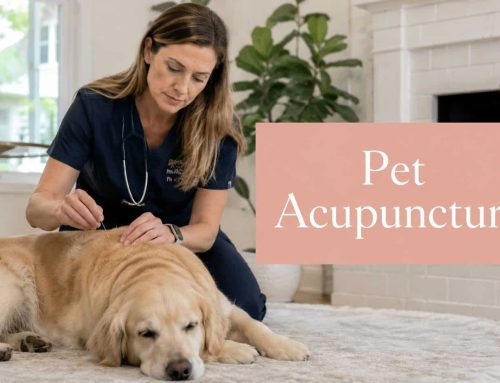
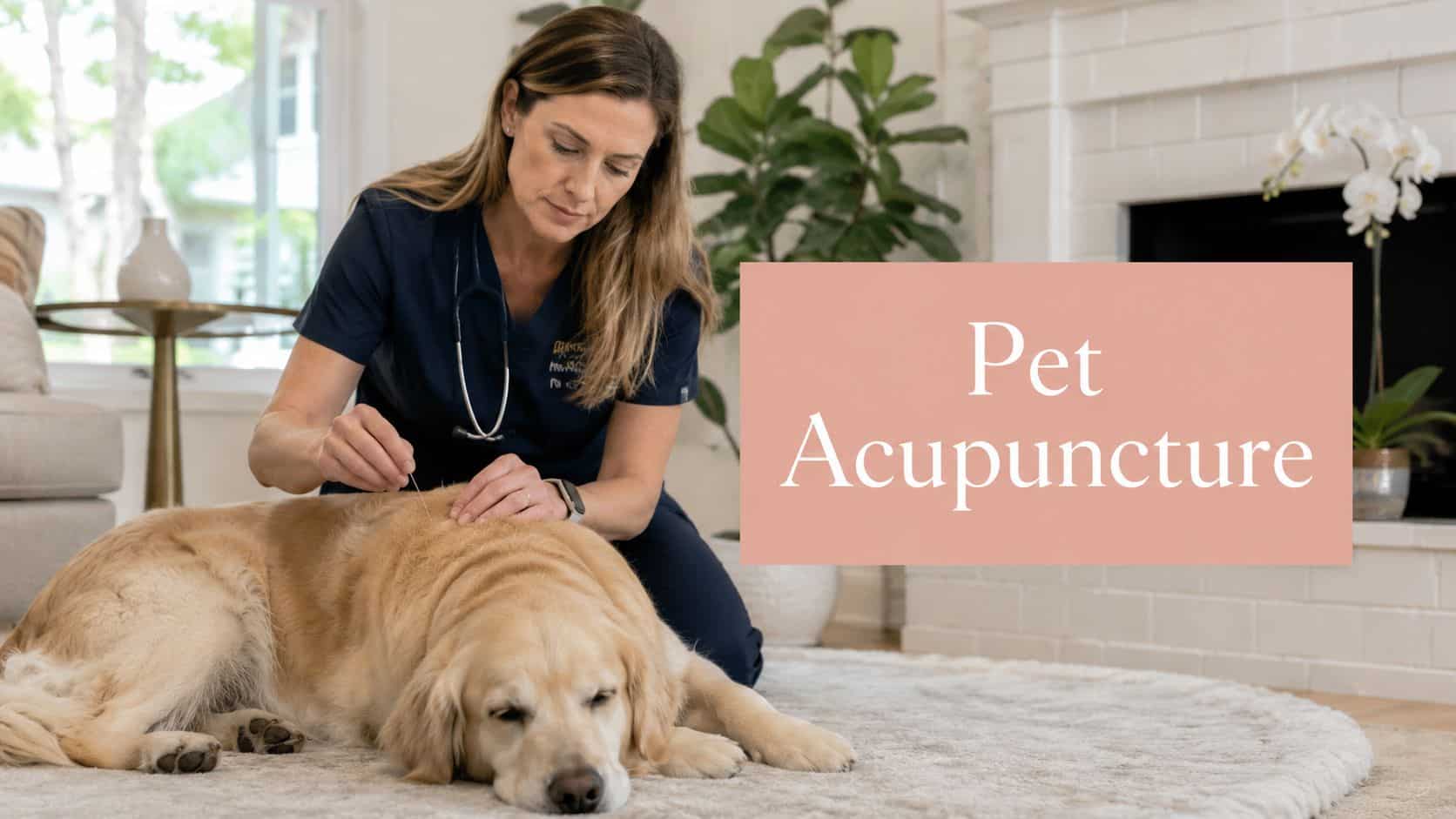
Acupuncture can be helpful for nausea, motility imbalance, pain, and stress related digestive patterns. In many pets, it supports regulation rather than suppression. Low level laser therapy may also be used as part of a broader plan when inflammation and tissue comfort are concerns.
For owners interested in this route, acupuncture for digestive issues in pets offers a useful overview of how these treatments are commonly applied.
Chinese Herbal Medicine And Food Therapy
Herbal formulas aren't one size fits all. They should be selected based on the pet's individual pattern, including stool type, appetite, thirst, energy, temperature preference, and tongue or pulse findings. The goal isn't to “detox” the gut. It's to restore a more stable digestive rhythm.
Food therapy works similarly. Some pets do better with simpler, more gently prepared meals during recovery. Others need a carefully chosen commercial diet with fewer variables. The right answer depends on the patient, not on trends.
Some pets need bland and soothing. Others need more moisture, more fiber, less richness, or a slower feeding routine. “Healthy food” only helps if it's the right food for that pet.
Probiotics, Prebiotics, And Targeted Supplements
Supplements can be useful, but they're often overgeneralized. Probiotic supplementation, particularly Lactobacillus species, consistently modulates gut microbiota composition, enhances fecal parameters, and strengthens mucosal immunity in dogs and cats, according to this review on probiotics in canine and feline models.
That doesn't mean every probiotic is appropriate for every case. Strain choice, timing, product quality, and the pet's underlying condition all matter. In my view, supplements work best when they support a diagnosis driven plan rather than replace one.
What Usually Doesn't Work Well
Owners are often relieved to hear this part.
A few common missteps can keep a digestive problem going:
- Changing foods too fast: Too many rapid changes create more noise and make reactions harder to interpret
- Adding several supplements at once: If the pet improves or worsens, you won't know why
- Treating every flare the same way: Stress diarrhea, food intolerance, and inflammatory disease don't respond to the same plan
- Using internet remedies without context: Even gentle sounding herbs or powders can complicate a case
A thoughtful plan is usually simpler than people expect. It's specific, layered, and adjusted according to how the pet responds over time.
Prevention And At Home Management For Lifelong Wellness
Long term digestive stability comes from routine, observation, and small daily choices. Most pets don't need a complicated wellness plan. They need consistency and a household setup that supports a calm nervous system and a predictable digestive rhythm.
A Practical Home Checklist
- Feed consistently: Keep meal times, portions, and primary diet steady unless your veterinarian recommends change
- Transition slowly: When food must change, do it gradually so the gut has time to adapt
- Watch the extras: Treats, chews, table food, and flavored medications often explain more GI trouble than the main diet
- Encourage hydration: Fresh water, moisture appropriate diets, and attention to drinking habits all matter
- Use movement well: Regular walks and play help motility, stress control, and body condition
- Protect rest: Pets with poor sleep or constant household stimulation often have a harder time regulating digestion
Stress Management Is Preventive Medicine
Digestive wellness isn't only about ingredients. It's also about environment. Predictable routines, safe hiding areas for cats, puzzle feeding, gentle exercise, and quiet recovery space can make a visible difference in stool quality and appetite for sensitive pets.
This is especially true in homes where symptoms spike after visitors, travel, storms, or schedule changes. A calmer household often produces a calmer gut.
Keep Weight In The Conversation
Body condition affects movement, inflammation, and digestion. Pets who carry excess weight may have a harder time with activity, comfort, and overall resilience. If you want a practical place to start, this guide on the benefits of a healthy weight for cats and dogs connects weight management to broader wellness in a realistic way.
Healthy digestion is easier to maintain when meals, movement, stress, and weight are all working in the same direction.
Think Partnership, Not Perfection
You won't prevent every stomach upset. Pets get into things. Stressful weeks happen. Bodies change with age. The goal isn't perfection. It's catching patterns early, responding thoughtfully, and getting help before a mild issue becomes a chronic one.
For families in South Tampa, that often means building a plan that fits real life at home. The strongest results usually come from a combination of good observation, appropriate diagnostics, and treatment that respects both the digestive tract and the nervous system that influences it.
If your dog or cat is dealing with recurring digestive upset, appetite changes, stress related GI flare ups, or a recovery plan that needs a more personalized touch, Pet Acupuncture & Wellness (PAW Vet Practice) offers compassionate mobile integrative veterinary care exclusively in South Tampa. Their in home approach combines acupuncture, laser therapy, Chinese herbal and food therapy, rehabilitation guidance, and practical wellness support so your pet can be evaluated where they feel safest.