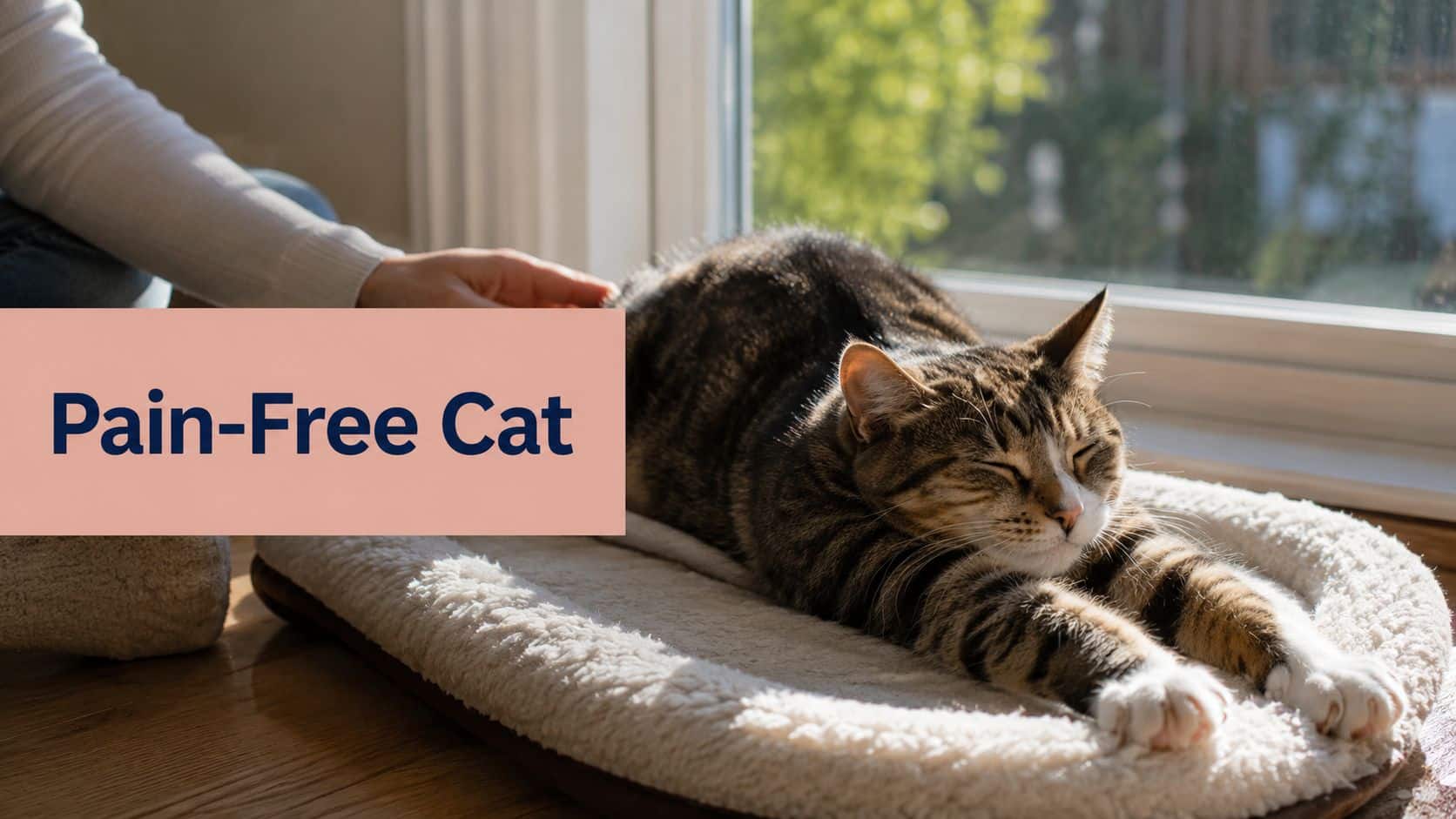
The second puddle of vomit on the kitchen floor always feels worse than the first. By then, most pet owners have already changed food, tried bland meals, cleaned up diarrhea in the yard or litter box, and started worrying every time their dog refuses breakfast or their cat walks away from dinner. If this has been going on for weeks, it's exhausting. It's also hard not to feel helpless.
I see that worry often in pet owners whose animals have chronic stomach trouble. Sometimes the diagnosis is clear, such as inflammatory bowel disease, chronic pancreatitis, reflux, constipation, or stress-sensitive diarrhea. Sometimes the signs are less tidy. A pet seems “off,” gurgly, nauseated, reluctant to eat, or unable to produce a normal stool for days at a time.
That's where acupuncture can become a very useful part of an integrative plan. It isn't meant to replace your pet's primary veterinarian, lab work, imaging, prescription diet, or medication when those are needed. It can, however, support comfort, appetite, gut movement, and regulation in a gentle way that many pets tolerate very well. If you'd like a broader look at whole-pet support, holistic pet wellness care can help frame how acupuncture fits into the bigger picture.
Soothing Tummies A Gentle Approach To Pet Digestive Health
A dog with chronic loose stool doesn't just have a bowel problem. The whole household feels it. Walks get cut short. Car rides become stressful. Guests come over and someone says, “He seems skinny.” A cat with repeated vomiting changes the rhythm of the home too. You start watching every meal, every trip to the litter box, every quiet corner where she might be hiding nausea.
Acupuncture often enters the conversation after a pet owner has already done a lot. They've seen their regular veterinarian. They've ruled out the emergencies. They're following a plan. But their pet still isn't comfortable, or the symptoms keep returning. In those cases, a gentle therapy that works alongside standard medical care can make a real difference.
Why Owners Often Feel Unsure At First
Many people hear the word acupuncture and immediately think it sounds unfamiliar, delicate, or too alternative for a serious digestive problem. That hesitation makes sense. You want something grounded in real physiology, not wishful thinking.
The reassuring part is that veterinary acupuncture doesn't ask you to choose between old wisdom and modern medicine. It sits between them. The traditional framework helps guide point selection and pattern recognition. Modern research helps explain why needle stimulation can affect nerves, pain signaling, inflammation, and motility.
A pet doesn't need to “believe in” acupuncture for it to work. The body responds to stimulation whether the patient is a Labrador, a Siamese, or a person.
What This Can Look Like In Real Life
For one pet, the goal may be fewer vomiting episodes and better appetite. For another, it may be more regular stools and less straining. For a nervous dog, digestive flares may improve when the nervous system settles down. For a senior cat with chronic constipation, treatment may focus on bowel movement, hydration support, and comfort.
When I talk with worried owners, I often remind them that digestive disease rarely has just one layer. There's the gut lining itself, but there's also pain, nausea, stress, hydration, inflammation, and the pet's willingness to eat. Acupuncture for digestive issues can support several of those pieces at once, which is one reason it fits so well into integrative care.
How Acupuncture Calms The Digestive System
Acupuncture makes more sense when you understand it from two angles. One comes from Traditional Chinese Veterinary Medicine. The other comes from modern physiology. You don't have to choose one over the other to see the value.
The Traditional View In Plain Language
In Traditional Chinese Veterinary Medicine, the body is understood as a network of relationships rather than a list of isolated organs. The digestive system doesn't work alone. Appetite, stool quality, energy, stress, sleep, and pain all influence one another. The term Qi is often used to describe the body's functional energy or movement.
If Qi is flowing smoothly, the system stays regulated. If it becomes weak, stagnant, or unbalanced, you may see vomiting, bloating, poor appetite, loose stool, constipation, or discomfort. Meridians are the channels used to map those patterns and guide treatment.
A simple analogy helps. Think of the body like a neighborhood with traffic lights, side streets, and delivery routes. When the timing is right, everything moves. When traffic jams build or signals misfire, the whole area slows down. Acupuncture aims to restore better coordination.
The Modern Scientific View
From a Western perspective, the tiny needles stimulate sensory nerves and local tissues. That input can affect the spinal cord, brain, autonomic nervous system, circulation, and chemical signaling. In practical terms, that means acupuncture may help the gut become less irritated, less painful, and more coordinated.
One reason this matters for digestive disease is motility. Some pets move food too quickly through the gut. Others move it too slowly. Some alternate between both. Research has shown that acupuncture can affect these digestive functions through measurable pathways. A review in Frontiers in Medicine reported that acupuncture has been scientifically demonstrated to inhibit gastric acid secretion and control gastrointestinal motility through distinct molecular pathways, specifically by increasing c-Fos expression in the nuclei of the solitary tract and enhancing the gastric slow wave frequency. You can read that discussion in this Frontiers review on acupuncture and gastrointestinal function.

For pet owners, that scientific language translates into a simpler idea. Needle stimulation can help regulate how the stomach and intestines behave. It can also support comfort and reduce the stress response that often worsens digestive upset. If you're curious how this approach is used more broadly in dogs, the benefits of acupuncture for dogs in South Tampa, Florida offers a useful companion read.
Why This Matters For Daily Symptoms
Digestive disease isn't just about what happens after eating. It's about the whole cycle.
- Appetite: A pet that feels nauseated may avoid food even when hungry.
- Motility: The stomach and intestines need the right rhythm, not just more activity.
- Inflammation: An irritated gut lining can trigger pain, urgency, and poor absorption.
- Nervous system tone: Stress can tighten the whole system and worsen signs.
Practical rule: The goal of acupuncture isn't to force the body. It's to nudge regulation back in the right direction.
That's why many pets look relaxed during treatment. We're not only addressing the stomach or colon. We're also influencing the regulatory systems wrapped around them.
Common Digestive Conditions Managed With Acupuncture
Acupuncture is not a generic “feel better” treatment. In practice, it's used with a specific goal in mind based on the pet's diagnosis, symptom pattern, constitution, and triggers.

Inflammatory Bowel Disease And Chronic Enteropathy
For pets with inflammatory bowel disease or chronic enteropathy, the treatment goal is often to calm irritation, reduce flare intensity, support appetite, and help normalize stool. These cases usually need a layered plan that may include diet trials, medications, supplements, and monitoring through the primary veterinarian.
Human data can't be copied directly to pets, but it can still be informative when the disease processes overlap. In a 48-week clinical trial on Crohn's disease, a human inflammatory bowel condition with parallels to pet IBD, the clinical remission rate was 42.4% higher in the acupuncture group compared to a sham group, as described in this summary of the Crohn's disease acupuncture trial. That doesn't mean every pet with IBD will respond the same way. It does show why acupuncture is taken seriously as a complementary option for inflammatory digestive disease.
Constipation And Slow Gut Movement
Constipation isn't always just a dry stool problem. In many pets, especially older cats, there's also discomfort, pelvic tension, dehydration, weak abdominal effort, poor colon movement, or fear of the litter box because prior bowel movements hurt.
In these cases, acupuncture may be used to support motility and reduce strain-related discomfort. It works best when paired with practical measures such as hydration support, dietary management, regular reassessment, and medication when indicated.
A pet owner may notice small but meaningful signs first. The cat goes to the box with less urgency. The stool passes with less crying or repeated posturing. The abdomen feels softer. Those details matter.
Nausea Vomiting And Reflux-Type Symptoms
Some pets don't have dramatic diarrhea or constipation. Instead, they lip-smack, swallow repeatedly, eat grass, ask for food and then refuse it, or vomit clear fluid early in the morning. Those signs can reflect nausea, acid irritation, delayed stomach emptying, or a combination of problems.
Acupuncture can be useful here because it aims at regulation, not just suppression. That matters for pets whose symptoms recur despite intermittent short-term relief. A dog with chronic queasiness may start approaching meals more willingly. A cat that vomits bile may become more comfortable through the day.
Here's a short visual explanation of how acupuncture is often used in veterinary care:
Pancreatitis Recovery And Abdominal Discomfort
Pets recovering from pancreatitis often need careful conventional management first. Once they're stable, acupuncture may help support comfort, appetite, and the overall recovery process. The same is true for pets with chronic abdominal tension that makes eating and resting harder.
Some of the best responses aren't dramatic. A pet sleeps more comfortably, asks to eat, and stops pacing after meals. Those are real improvements.
What ties all these conditions together is that acupuncture for digestive issues is matched to the problem in front of us. The point selection for a constipated senior cat isn't the same as for a vomiting puppy or a dog with long-standing inflammatory bowel signs.
An Integrative Toolkit Beyond The Needles
Needles are only one part of a thoughtful treatment plan. Some pets respond beautifully to standard acupuncture alone. Others do better when we add another modality that extends the effect or targets a different layer of the problem.
Electroacupuncture For Stronger Stimulation
Electroacupuncture uses a gentle electrical current between selected needles. It doesn't feel like a household shock. The stimulation is controlled and adjusted to the patient. This approach is often considered when a pet has stubborn pain, significant nerve involvement, or symptoms that haven't shifted enough with dry needle treatment alone.
For digestive patients, electroacupuncture can be useful when the goal is stronger neuromodulation. That may matter in pets whose gut function seems tightly linked to stress, chronic tension, or long-standing discomfort.
Aquapuncture And Pharmacopuncture
Aquapuncture involves injecting a small amount of sterile liquid into an acupuncture point for longer-lasting stimulation. Depending on the case, a veterinarian may use substances such as vitamin B12 or other appropriate injectables. This can be helpful when a pet won't tolerate many needles or when we want an effect that persists after the visit ends.
Related veterinary research on pharmacopuncture is especially interesting. In veterinary studies, acupuncture combined with pharmacopuncture using just one-tenth the standard drug dose achieved analgesic efficacy equivalent to standard doses of parenteral morphine or carprofen, according to this review of integrative acupuncture approaches in veterinary medicine. That finding comes from pain research rather than digestive disease specifically, but it highlights an important principle. Pairing acupuncture with a targeted adjunct can create a meaningful synergistic effect.
Food Therapy And Herbal Support
Digestive health is lived out every day in the bowl. That's why food therapy matters so much. The exact diet choice depends on the pet, but the reasoning is always practical. What inflames one gut may soothe another. A pet with loose stool and poor appetite may need a different nutritional strategy than a pet with reflux, constipation, or suspected food sensitivity.
Chinese herbal therapy can also be part of the picture when chosen carefully and coordinated with the pet's full medical history. Herbs aren't random supplements. In an integrative setting, they're selected based on pattern, constitution, current medications, and the primary veterinarian's findings.
A good plan often includes some mix of the following:
- Acupuncture: To regulate motility, calm nausea, and support comfort.
- Food therapy: To reduce dietary aggravation and support normal digestion.
- Herbal formulas: To address the pattern behind recurring signs.
- Home care changes: Meal timing, treat review, hydration strategies, and stress reduction.
That kind of layered plan is usually more effective than relying on a single therapy in isolation.
Your Pet's In-Home Session In South Tampa
For many pets, the hardest part of care isn't the treatment. It's getting to the clinic, sitting in the car, smelling unfamiliar animals, and trying to relax in a noisy room. Digestive patients often do worse under that kind of stress. An in-home visit changes the experience from the moment the appointment begins.

What The Visit Usually Feels Like
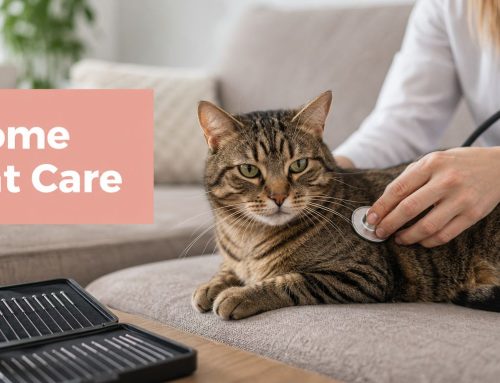
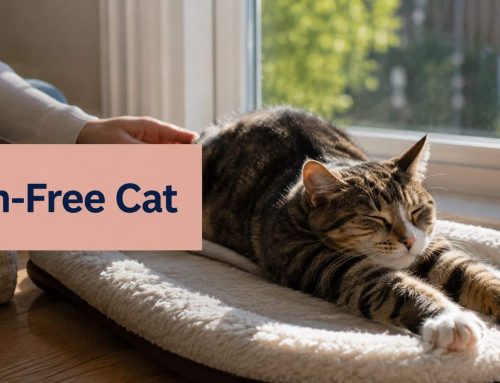
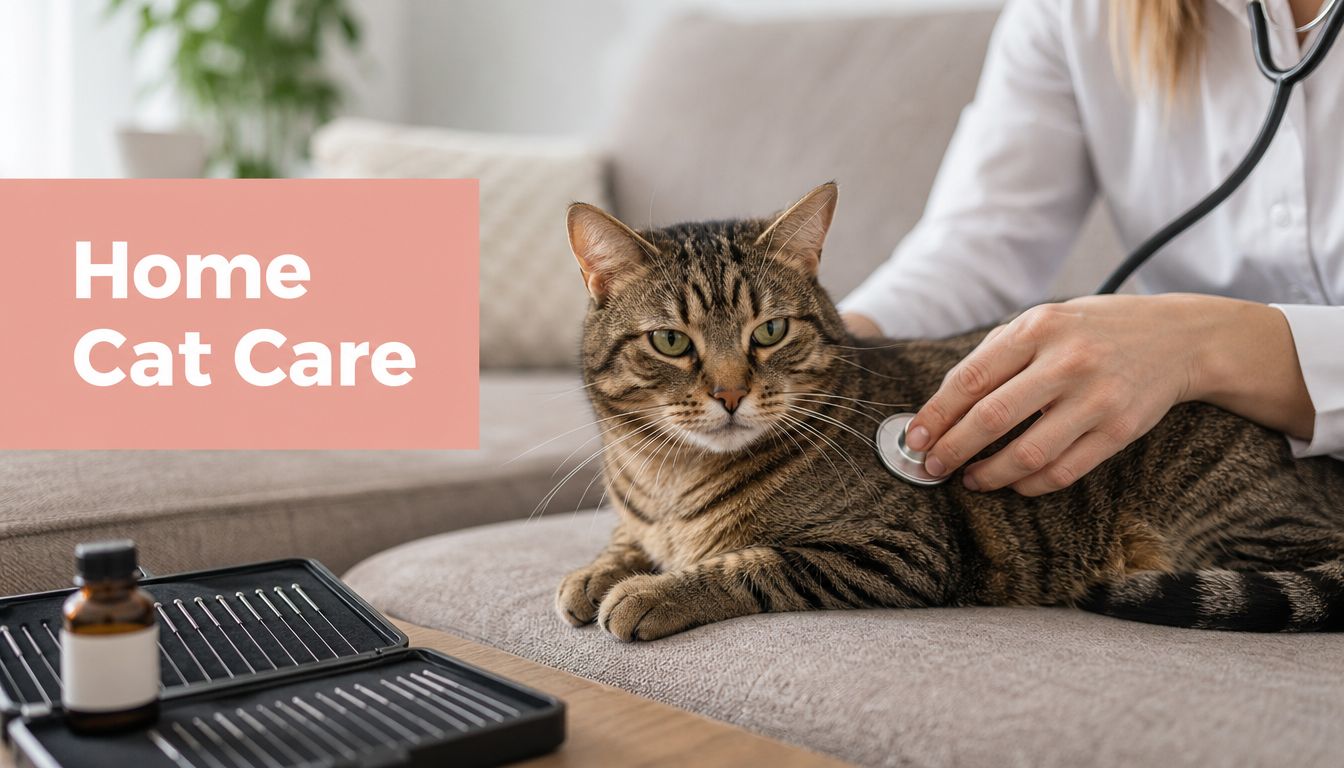
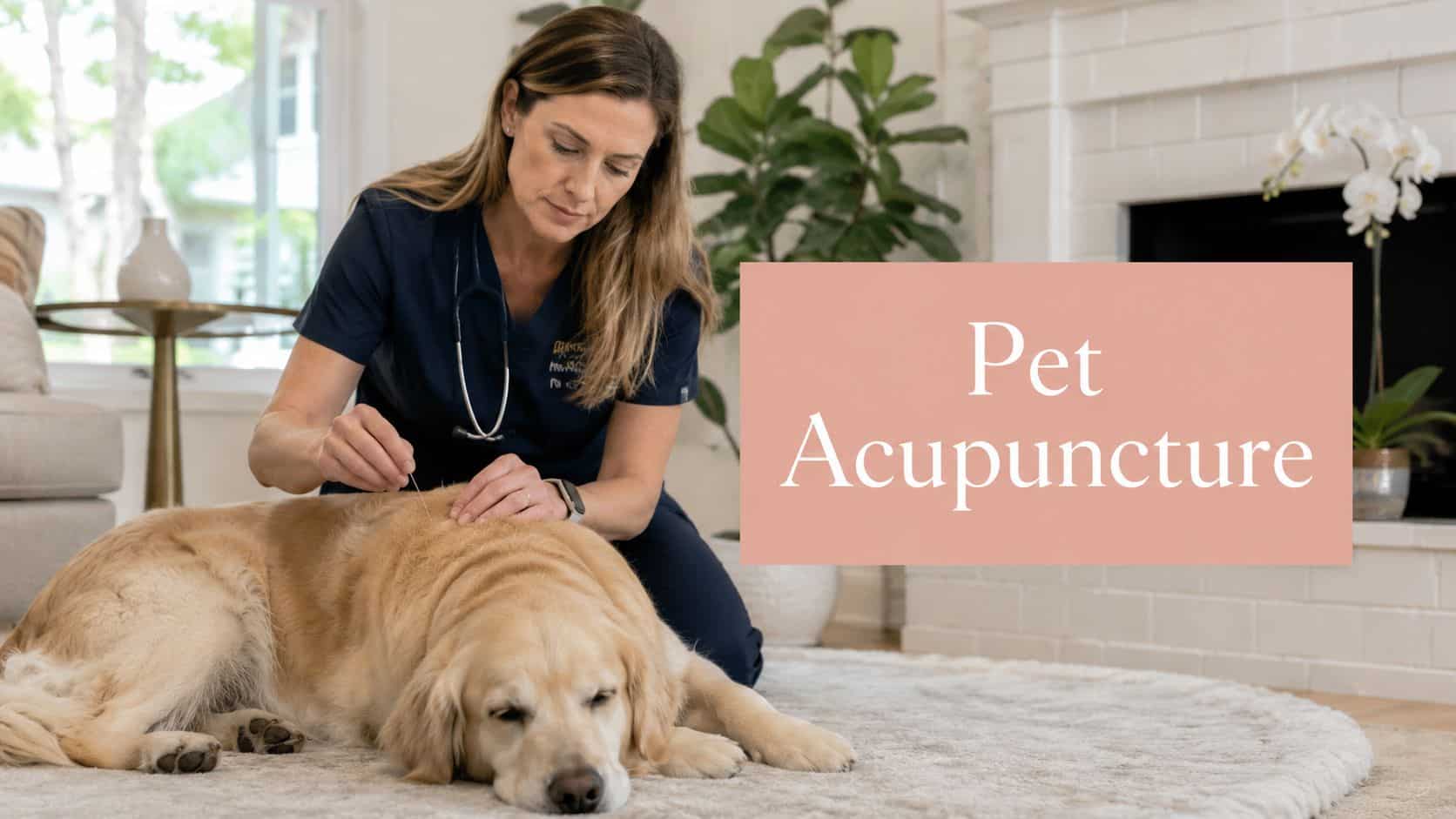
The visit starts calmly. Your pet stays in the space they know, whether that's a sunny rug, a favorite dog bed, or the corner of the couch where your cat usually settles. That familiarity matters. It lets me observe normal behavior rather than stress behavior.
The initial assessment includes the medical story you've already been living with. When did the vomiting start? Is the stool loose every day or only after certain foods? Is your pet asking for food but then turning away? I also watch movement, posture, breathing, abdominal guarding, and overall energy.
A Traditional Chinese Veterinary Medicine exam may include looking at the tongue and feeling pulses, along with palpation of sensitive areas and discussion of sleep, appetite, thirst, and stool pattern. If you're searching for pet acupuncture near you in South Tampa, this in-home style of care is designed specifically to keep things calm and workable for local families.
During The Treatment
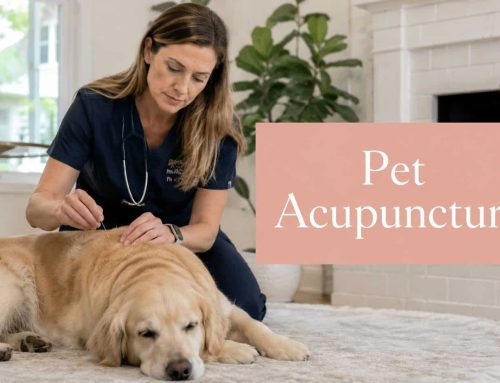
Most owners are surprised by how uneventful the actual acupuncture session looks. The needles are very fine. Many pets barely react to placement, especially once they realize nothing upsetting is happening. Some lie down almost immediately. Some cats begin grooming or kneading. Many dogs get heavy-eyed and sleepy.
I adjust the session to the pet in front of me. A bouncy young dog may do better with a shorter first treatment. A senior cat may prefer a few well-chosen points and a warm blanket. The setting isn't rushed, and that tends to improve everyone's experience.
Home treatment removes a lot of what pets dislike about medical visits. No car ride. No waiting room. No slippery exam table.
After The Needles Come Out
At the end, we talk through what to watch for over the next day or two. Some pets seem brighter or hungrier the same day. Others nap soundly and wake up more comfortable. Sometimes the first sign is subtle, such as less gulping, a softer abdomen, or an easier bowel movement.
The pace of response depends on the condition, how long it's been present, and what else is contributing. Chronic cases usually need a series of treatments and regular reassessment. Acute issues may shift more quickly, but they still need context and follow-up.
Preparation Aftercare And Integrating With Your Vet
A smooth visit starts before the first needle is placed. You don't need to do much, but a few simple steps help your pet stay comfortable and make the session more productive.
Before The Appointment
- Keep meals light: Don't feed a large meal right before the visit, especially if your pet gets carsick, bloated, or nauseated easily.
- Give a potty break: Let your dog out to urinate and defecate beforehand, or make sure your cat has access to a clean litter box.
- Choose a quiet space: A familiar room with minimal noise helps anxious pets settle faster.
- Gather records: Recent lab work, imaging results, medication lists, and diet notes are useful.

After The Appointment
The most helpful aftercare is often simple. Let your pet rest. Offer water. Keep the day low-key if possible. Then pay attention to the small changes that are easy to miss if you're only looking for a dramatic result.
Here are the things I most want owners to observe:
- Appetite changes: Is your pet approaching food more willingly?
- Stool quality: Is there less urgency, straining, or mess?
- Comfort after meals: Less pacing, licking, gulping, or restlessness?
- Energy and mood: More settled, more social, or sleeping more comfortably?
Working Alongside Your Primary Veterinarian
Integrative medicine works best when everyone is on the same team. Acupuncture is not a substitute for diagnostics when a pet has weight loss, blood in the stool, repeated vomiting, dehydration, fever, or severe abdominal pain. It's a complement to the work your regular veterinarian is already doing.
That collaboration matters most in chronic digestive cases, where diet trials, parasite testing, blood work, ultrasound, endoscopy, prescription medications, and rechecks may all play a role. A certified veterinary acupuncturist should be willing to work within that larger medical picture, not outside of it.
Bring updates from both sides of care. The best integrative plans come from shared information, not separate guesses.
Frequently Asked Questions About Pet Acupuncture
Does Acupuncture Hurt My Pet
Usually, pets tolerate it very well. The needles are much finer than injection needles. Some pets notice placement for a moment, then relax. Others barely acknowledge it. In practice, the bigger challenge is helping a wiggly or worried pet feel safe enough to settle, which is one reason home visits can help so much.
How Many Sessions Will Be Needed For Digestive Issues
That depends on the diagnosis, the severity, and how long the problem has been going on. A recent flare may respond differently than a pet with months of vomiting or constipation. Digestive cases often need a short series at first, followed by reassessment. If you want a sense of how treatment plans are typically structured, how many acupuncture sessions pets may need is a helpful overview.
Are There Side Effects Or Risks
Acupuncture is generally low risk when performed by a trained veterinarian who knows the patient's medical history. Some pets are sleepy afterward. A few may be briefly sore or tired. If a pet is very fragile, severely dehydrated, or in acute distress, the bigger question isn't whether acupuncture is safe. It's whether the pet needs immediate conventional care first.
How Do I Know If My Pet Is A Good Candidate
Good candidates include dogs and cats with chronic digestive upset, nausea, poor appetite, stress-linked flare-ups, constipation, or inflammatory bowel patterns that need added support. Pets who get anxious at clinics often do especially well with home-based care.
Will It Replace Medication Or Prescription Diets
Usually not, at least not right away. The best mindset is partnership. Acupuncture for digestive issues can support the larger plan and, in some cases, help reduce the burden of symptoms enough to make the rest of treatment work better.
If your dog or cat in South Tampa is struggling with vomiting, diarrhea, constipation, nausea, or chronic digestive discomfort, Pet Acupuncture & Wellness (PAW Vet Practice) offers compassionate, in-home integrative care designed to complement your regular veterinarian's treatment plan. Dr. Monica brings experienced, gentle support directly to your home so your pet can be evaluated and treated where they feel safest.