You may be noticing small changes that are hard to describe but impossible to ignore. Your dog pauses at the stairs instead of bounding up. Your cat hesitates before jumping to a favorite windowsill. Maybe your pet still has bright eyes and a happy appetite, yet moving through the house suddenly looks slower, stiffer, or more careful than it used to.
For many South Tampa families, this is the point where worry sets in. You want to help, but you also want to be thoughtful. You don't want to chase vague promises. You want something gentle, medically informed, and focused on comfort.
A Gentle Path to Your Pet's Comfort
A common story goes like this. A senior dog who still loves family time starts taking the stairs one step at a time. He still wags for dinner, still follows you into the kitchen, still wants to be nearby. But he no longer hops into position with the same ease, and by evening he seems sore.

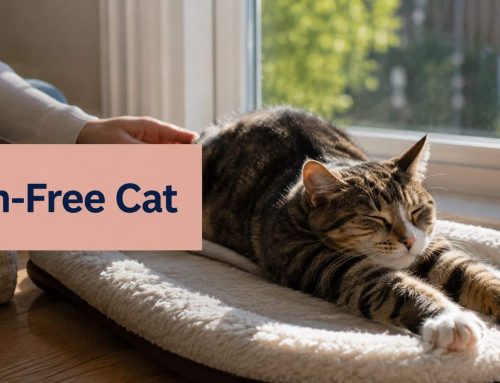
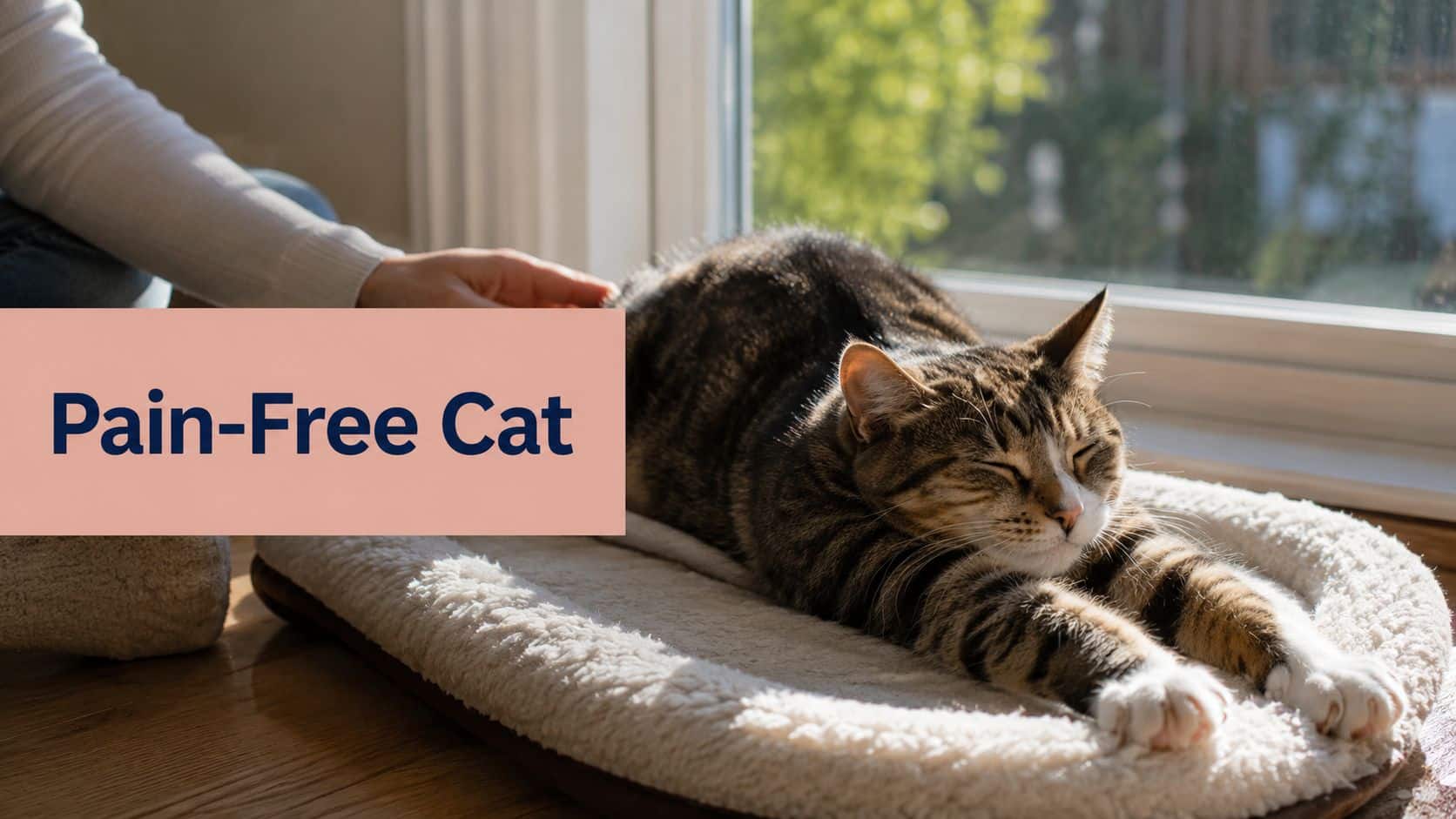
Cats often tell the same story subtly. Instead of crying out, they change habits. They sleep downstairs rather than climbing to a favorite perch. They stop stretching across the couch arm. They spend more time resting and less time exploring.
When Slowing Down Is Not Just Aging
Pet owners often ask, “Is this just old age?” Sometimes age is part of the picture, but age itself isn't a diagnosis. What you're seeing may be pain, stiffness, inflammation, weakness, or a mix of those issues.
That's where veterinary acupuncture can help. In the right hands, it isn't a trendy add-on. It's a medical tool used alongside your pet's regular veterinary care to support comfort, mobility, and day-to-day quality of life.
Many pets don't need a dramatic rescue. They need steady relief that helps them move, rest, and enjoy normal routines again.
For families who prefer calmer care, house-call support can make a real difference. A pet who trembles in the car or shuts down in a waiting room may relax much more easily in familiar surroundings. That matters because stress can change how a pet moves, how tense the muscles feel, and how willing the patient is to be examined.
If you're looking for compassionate in-home pet care in South Tampa, the goal isn't just convenience. The goal is a lower-stress experience that lets your veterinarian see your pet as they really are at home.
Why The Word Certified Matters
Many owners get understandably confused. They hear “acupuncture” and picture tiny needles, but they may not realize the training behind safe veterinary acupuncture can vary widely.
A Certified Veterinary Acupuncturist is more than someone who offers needling. The credential signals deeper veterinary training, clinical judgment, and a structured understanding of how to apply these techniques to real medical problems. That difference matters when your pet is older, has arthritis, is recovering from injury, or is taking other medications.
What Certified Veterinary Acupuncturist Really Means
The title Certified Veterinary Acupuncturist means the practitioner is first a veterinarian, then has gone on to complete additional acupuncture training. That order matters. Your pet is being treated by someone who understands diagnosis, anatomy, pain, medications, and the medical context around the case.
That's very different from informal needling or a brief exposure course. Acupuncture points aren't random spots on the body, and treatment isn't just placing needles where a pet seems sore. A veterinarian needs to know what condition they're treating, what else might mimic that condition, and when acupuncture should support, not replace, standard care.
Certification Is Structured Medical Education
One concrete example comes from the UC Davis Small Animal Certified Veterinary Acupuncturist course. That program includes five online modules totaling 94 hours of lectures and case-based learning, followed by an on-site component. It also trains veterinarians in more than basic dry needling, including electro-acupuncture, aqua-acupuncture, and moxibustion.
Those details are worth pausing on. This isn't casual training. It reflects a serious curriculum that combines theory, technique, case evaluation, and supervised application.
If you want to better understand what formal veterinary acupuncture certification involves, look for that same pattern. Licensed veterinarian first, then structured post-graduate education in acupuncture techniques and case management.
Why This Protects Your Pet
A certified veterinary acupuncturist does more than place needles. They evaluate the whole patient.
That means questions like these are part of the medical thinking:
- What is the actual diagnosis? A limp could reflect arthritis, neurologic disease, soft tissue injury, paw pain, or more than one issue at once.
- What else is the pet dealing with? Kidney disease, heart disease, or medication sensitivity may influence the treatment plan.
- Which technique fits this patient? Some pets do best with dry needles. Others may tolerate laser acupuncture or aquapuncture more comfortably.
- How should acupuncture fit with current care? A good plan works with your primary veterinarian's recommendations, not against them.
Practical rule: If someone offers acupuncture for pets, ask whether they are a licensed veterinarian with formal acupuncture certification.
Certification Also Reflects A Mature Field
Veterinary acupuncture hasn't remained on the fringe. In a 2013 notice, the American Veterinary Medical Association reported that the American Board of Veterinary Acupuncture estimated 4,000 to 5,000 U.S. veterinarians had already completed acupuncture certification through recognized pathways.
That figure matters because it shows the field had already developed a substantial certified clinician base in the United States. It also shows acupuncture had advanced far enough to be considered for formal specialty recognition under AVMA processes. For pet owners, the takeaway is simple. Certification represents a real professional standard, not a vague wellness label.
The Acupuncturist's Toolkit of Therapies
A lot of people hear “acupuncture” and think only of tiny needles. In practice, a certified veterinary acupuncturist may use several related therapies, choosing the one that best matches the pet, the condition, and the pet's tolerance.
That flexibility is one reason this approach can be so useful for older dogs and cats. A nervous cat, a stoic Labrador with arthritis, and a dachshund with back pain may all need different delivery methods, even when the goal is similar.

Traditional Needling And What It Does
Traditional acupuncture uses very fine needles placed at specific points. For many pets, the sensation is mild. Some barely react at all. Others notice the first needle, then settle quickly.
A simple way to think about it is this. The needle acts like a very precise signal. Instead of numbing the whole body, it gives the nervous system targeted input. That can help reduce guarding, ease muscle tension, and support a more comfortable pattern of movement.
Electroacupuncture And Aquapuncture
Electroacupuncture adds a gentle electrical current between selected needles. If standard acupuncture is like turning on a light, electroacupuncture can be like turning up the brightness in a controlled way. It's often discussed for pain and neurologic cases because it provides a stronger, sustained stimulus.
Aquapuncture places a small amount of fluid into an acupuncture point. This can create longer stimulation at that site without relying only on a needle staying in place. Some pets tolerate it very well, especially when a practitioner wants a lasting local effect.
These methods aren't exotic extras. They're part of the broader skill set taught in serious training programs, as noted earlier in the UC Davis example.
Laser, Moxibustion, And Other Supportive Options
Some certified veterinary acupuncturists also use laser acupuncture, which applies light to acupuncture points without inserting needles. That can be a helpful option for pets who are very tiny, highly sensitive, or needle-averse.
Moxibustion uses warmth at selected points. In the right patient, warmth can be useful when stiffness and cold sensitivity seem to be part of the picture.
You may also hear about Chinese herbal medicine, food therapy, rehabilitation exercises, or manual therapies being paired with acupuncture. Those tools are often chosen to support the same larger goal: helping the pet move more freely and recover function in a practical, sustainable way.
For owners interested in a broader model of integrative veterinary care, that combination can make sense when one therapy alone doesn't address the whole problem.
Why This Matters For Arthritis And Mobility Problems
The most important question isn't whether a tool sounds interesting. It's whether it helps pets with real day-to-day problems.
A public overview from CuraCore on veterinary acupuncture highlights a meaningful gap in many discussions. Owners usually want practical guidance about chronic mobility conditions such as osteoarthritis, including how acupuncture fits with pain medicine, exercise therapy, weight management, and other treatments. The same overview notes that the evidence base shows acupuncture can be a powerful tool for reducing pain and inflammation in these conditions, with a path toward improving mobility and reducing reliance on medication.
That's the right way to think about it. Not as a magic replacement for everything else, but as one part of a thoughtful plan.
A pet with arthritis usually does best with layers of support. Better pain control, a home exercise plan, traction on slippery floors, weight management, and acupuncture often make more sense together than separately.
An In-Home Acupuncture Visit in South Tampa
Most pets behave differently at home than they do in a clinic. That's not a small detail. It can shape the entire visit.
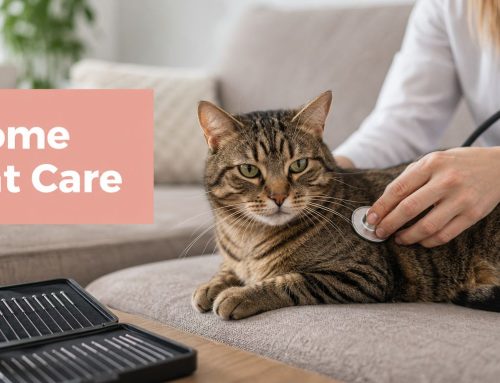
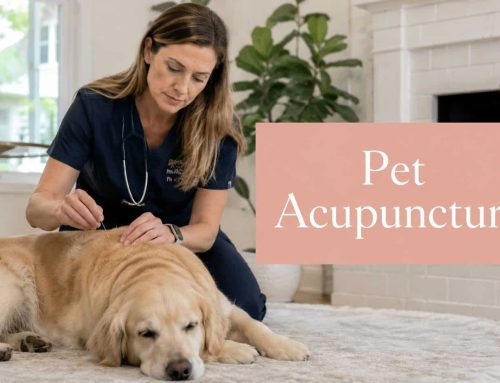
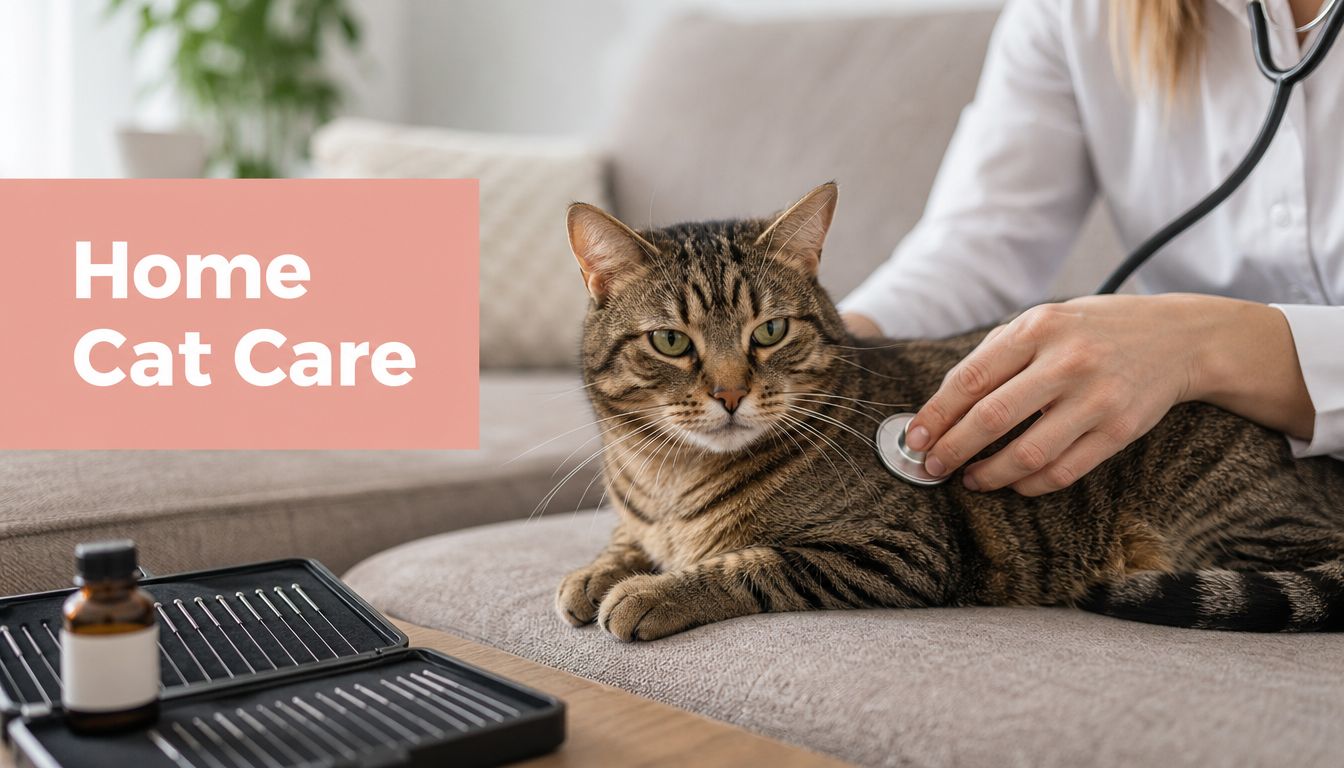
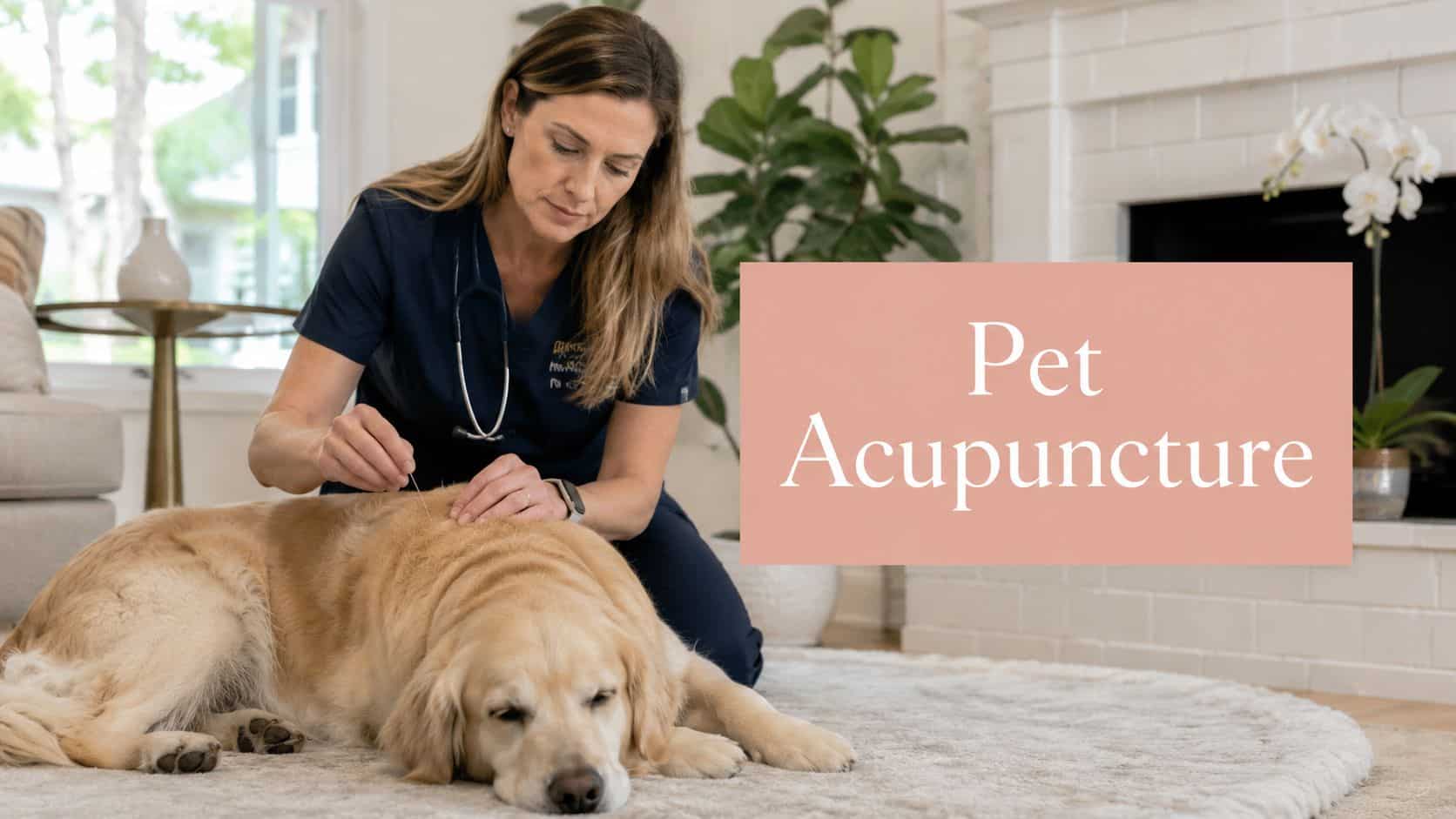
A typical house-call acupuncture appointment often starts gently. The veterinarian comes in, greets your pet at their pace, and lets them stay in the spot where they already feel safe. For a dog, that may be the living room rug. For a cat, it may be the back of the couch, the bed, or even a favorite carrier left open.

What The Veterinarian Looks For
The first part of the visit is observation. Your veterinarian may watch your pet stand, turn, sit, lie down, and walk through the house. You might be asked when the stiffness is worst, whether stairs have become difficult, and how your pet handles getting up after resting.
In an integrative setting, the exam may also include tongue and pulse assessment, muscle tension, coat quality, posture, comfort with touch, and behavior cues. Owners sometimes find this surprisingly detailed. That's a good sign. The aim is to understand not only the diagnosis, but how that diagnosis is showing up in your pet's daily life.
What Needle Placement Usually Feels Like
Once the treatment plan is set, the veterinarian places needles gently and selectively. Pets don't usually need to be restrained the way owners fear. Many lie down. Some sit in a lap. Some accept a few needles, then relax enough to accept more.
A pet may blink, yawn, lick, stretch, or drift into a sleepy state during treatment. Those responses often reassure owners, because they can see their companion isn't in distress. If a pet doesn't want a certain technique, the veterinarian can adapt.
Home treatment works best when the pet has choices. A calm practitioner adjusts to the patient instead of forcing the patient to fit the procedure.
For South Tampa families searching for pet acupuncture near me, this in-home setting is often the deciding factor. It removes the car ride, the lobby, the noise, and the compressed feeling many anxious pets associate with clinic visits.
After The Visit
Some pets seem looser the same day. Others show subtle changes first. They may rise more smoothly, settle more comfortably, or seem more willing to take a walk. Owners sometimes notice the biggest difference not in speed, but in ease. The pet looks less guarded.
The plan may include repeat sessions, home adjustments like rugs or ramps, and coordination with the primary care veterinarian. That teamwork is important because lasting comfort usually comes from consistent management, not a single isolated treatment.
How to Choose the Right Practitioner for Your Pet
When your pet is hurting, it's easy to feel pressure to decide quickly. Slow down enough to ask good questions. The right practitioner won't be annoyed by that. They'll welcome it.
A certified veterinary acupuncturist should be able to explain training, approach, and treatment goals in plain language. If the answers feel vague, overly mystical, or disconnected from your pet's actual diagnosis, keep looking.

Questions Worth Asking Before You Book
Use this checklist as a starting point.
- Ask about credentials. Is the practitioner a veterinarian, and have they completed formal acupuncture certification?
- Ask how they approach your pet's specific problem. Arthritis, neurologic weakness, post-injury pain, and anxiety around movement each call for different thinking.
- Ask how they work with your regular vet. Good integrative care should complement your primary veterinarian's plan.
- Ask what therapies they provide. Some offer only basic needling. Others may also provide electroacupuncture, laser therapy, rehabilitation guidance, or herbal support.
- Ask what a first visit includes. You want to know whether there is a full medical review, mobility assessment, and a plan for follow-up.
- Ask about service area. Since this article is for local readers, make sure they serve South Tampa specifically.
- Ask how they handle pets who are nervous or touch-sensitive. Technique matters, but patience matters just as much.
Green Flags And Red Flags
A good practitioner gives balanced answers. They don't promise miracles. They explain what acupuncture may help, where its limits are, and how they measure progress in everyday terms such as rising, walking, jumping, resting, and comfort.
Red flags often sound different. The provider may dismiss standard medicine, avoid discussing diagnosis, or suggest acupuncture as a stand-alone cure for everything. That's not how careful veterinary medicine works.
The best integrative veterinarians are both open-minded and medically grounded. They use acupuncture to expand treatment options, not to ignore the basics.
Local Fit Matters In South Tampa
Choosing the right practitioner isn't just about skill. It's also about practical fit. If your dog struggles with travel or your cat hides for hours after leaving the house, in-home care may make the treatment itself more successful.
You should also ask about scheduling, travel expectations, communication after the visit, and whether the practitioner understands the pace and logistics of neighborhoods in this part of Tampa. If you're comparing local options, a South Tampa veterinary hospital resource can help you think about how mobile and clinic-based care may complement one another.
The Best Choice Feels Clear, Not Pressured
You're looking for competence, calm communication, and a plan that makes sense for your pet's life. That might mean a hands-on acupuncture series for a senior dog with arthritis. It might mean laser-focused support for a cat who won't tolerate needles. It might mean combining acupuncture with mobility exercises and environmental changes at home.
The right practitioner makes the path feel understandable. You should come away knowing what they think is happening, why they recommend their approach, and how you'll know whether it's helping.
A Future of Comfort and Mobility for Your Pet
A certified veterinary acupuncturist offers more than a gentle procedure. They bring veterinary judgment, advanced training, and a wider set of treatment options to pets who need relief without more stress.
For South Tampa pet owners, the in-home setting adds something just as important. It lets care happen where your dog or cat already feels safe. That can turn a tense medical appointment into a quiet, workable experience, especially for seniors, anxious pets, and animals with mobility trouble.
Small Changes Can Restore Daily Joy
Relief doesn't always look dramatic. Sometimes it means your dog gets up without that long pause. Sometimes it means your cat returns to a sunny chair. Sometimes it means better rest at night, easier walks, or less resistance when touched over a sore area.
Those changes matter because they shape your pet's whole day. Comfort affects movement, mood, sleep, appetite, and connection with the family.
Don't Wait For Severe Decline
Many owners wait until the problem feels undeniable. That's understandable, but earlier support is often easier on the pet and the household. If your companion is slowing down, avoiding stairs, struggling to jump, or showing signs of stiffness, it's reasonable to ask whether acupuncture could be part of a broader plan.
The best use of acupuncture is thoughtful and proactive. It supports quality of life, works alongside regular veterinary care, and helps many pets stay engaged in the routines they love for as long as possible.
If your dog or cat in South Tampa needs gentle, in-home support for pain, stiffness, mobility changes, or senior wellness, Pet Acupuncture & Wellness (PAW Vet Practice) offers mobile integrative veterinary care designed to complement your primary veterinarian. Their house-call approach focuses on keeping pets comfortable where they feel safest, with practical treatment plans designed for daily life at home.