Your dog seems a little off. Maybe the appetite is lower than usual, the stool looks different, the coat has lost some shine, or your cat is hiding more and grooming less. Many pet owners in that moment search for how to detox at home, hoping for a simple reset.
For pets, that phrase needs a careful translation. Safe home detox support isn't about teas, powders, cleanse kits, or forcing the body to “flush.” It's about helping the liver, kidneys, gut, skin, and lymphatic system do the work they're already designed to do, while avoiding anything that adds stress or risk.
What Home Detox Really Means for Pets
The phrase how to detox at home often brings to mind human wellness trends. That's where trouble starts with dogs and cats. Human detox products, herbal blends, essential oils, laxatives, and supplements can be dangerous for animals, even when the label looks “natural.”

A verified veterinary consumer safety finding shows that 60% of pet owners are unaware that human “detox” products can be toxic to pets, 15% of emergency veterinary visits involve accidental ingestion of human detox supplements, and acute liver failure occurs in 30% of these misapplication cases. That's the key reason I tell families never to transfer human detox advice directly to an animal.
Detox Is Organ Support, Not A Flush
A healthy pet is already detoxing all day. The liver processes waste and medications. The kidneys filter blood and balance fluids. The gut packages waste for elimination. The skin and respiratory tract also play supporting roles. If you want to help that system at home, the right mindset is support, not purge.
That usually means focusing on basics such as:
- Fresh water access: Hydration supports kidney function and normal circulation.
- Simple food: Easy-to-digest meals can reduce digestive strain.
- Rest and reduced stress: A calm environment helps recovery.
- Veterinary guidance: If a pet has underlying disease, “supportive care” has to be individualized.
Gentle support works better than aggressive cleansing. In pets, the body needs stability more than stimulation.
What Actually Helps At Home
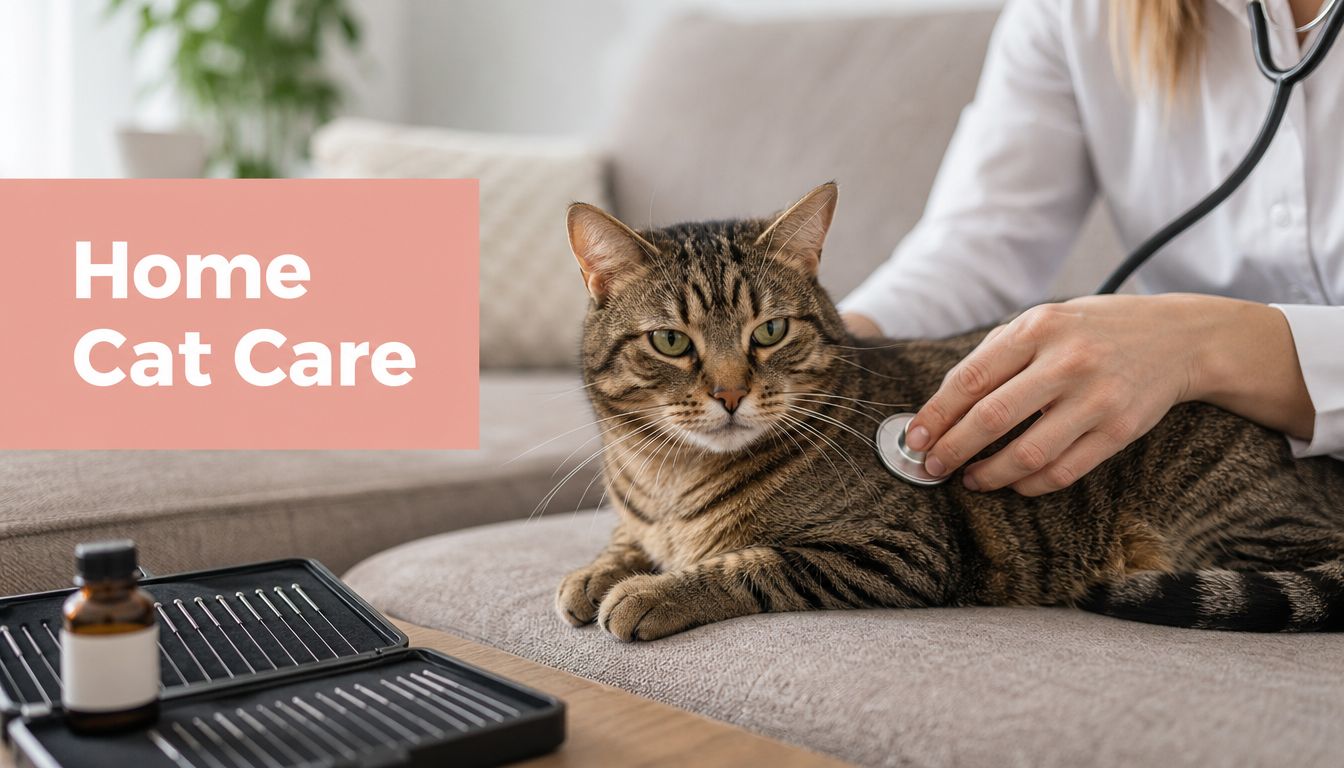
In practice, helpful home detox support is boring in the best way. It looks like clean water bowls, removing dietary excess, avoiding unnecessary supplements, feeding appropriate whole foods, and watching closely for changes. For some pets, integrative tools like food therapy, herbal support, acupuncture, or laser therapy can be part of that plan when a veterinarian has examined the patient.
Owners who want a broader wellness approach often benefit from learning what holistic pet wellness care includes, especially when a pet is aging, recovering, or carrying chronic inflammatory burden.
What Doesn't Help
The wrong approach usually falls into one of these categories:
- Human detox products: Gummies, capsules, powders, teas, tinctures, and “liver cleanses.”
- Internet DIY fixes: Activated charcoal without instruction, induced vomiting at home, or fasting without a medical reason.
- Overcorrection: Too many supplements at once, sudden diet changes, or restrictive feeding.
- Treating symptoms as toxins: Sometimes a pet doesn't need “detox.” They need a diagnosis.
That distinction matters. A pet with chronic metabolic stress may need nutritional support. A pet with toxin exposure needs urgent medical direction. Those are not the same situation.
First Signs Your Pet Needs Detox Support
Some pets show quiet signs that their system is under strain. Others show emergency symptoms that need immediate care. Knowing the difference helps you respond appropriately instead of reacting to every change with a cleanse mentality.

Subtle Signs Of Metabolic Stress
These signs don't automatically mean “toxins,” but they can suggest a pet needs gentler nutrition, better recovery support, or a veterinary review of organ function, medications, and lifestyle.
- Dull coat or dry skin: A healthy coat often reflects digestion, hydration, and internal balance.
- Intermittent digestive upset: Mild nausea, variable stool quality, occasional gas, or reduced interest in food can all point to strain.
- Lower stamina: A pet that tires sooner on normal walks may be asking for a closer look.
- Mild behavior shifts: Irritability, clinginess, restlessness, or unusual withdrawal can be early clues.
- Body odor or bad breath changes: Not every odor issue is dental. Some warrant a fuller medical workup.
These signs are worth tracking rather than guessing at. I like owners to notice patterns. Did it begin after a medication? A diet change? Yard treatment? Table scraps? Increased treats?
Healthy Baseline Versus Concerning Change
One of the most useful habits is comparing today's behavior with your pet's normal baseline, not with another dog or cat. A naturally quiet senior cat differs from a young active retriever. The better question is whether your own pet has changed.
You can use the same observational habits described in this guide to dog energy levels when deciding whether lower energy is mild, progressive, or urgent.
If a sign is mild but persistent, document it. Write down appetite, thirst, stool quality, sleep, activity, and any new exposures.
Red Flags That Need Immediate Veterinary Attention
Some symptoms should never be managed as a home detox project. They may indicate poisoning, serious illness, or organ distress.
- Repeated vomiting or severe diarrhea
- Tremors or seizures
- Pale gums or collapse
- Labored breathing
- Marked weakness or inability to stand
- Sudden disorientation
- Known ingestion of medication, supplements, chemicals, xylitol, or toxic plants
If you see those signs, skip the wellness advice and contact a veterinarian immediately.
A pet who's actively declining doesn't need a cleanse. They need triage.
Your First Response to Potential Toxicity
When toxicity is possible, the most important home action is not treatment. It's fast, accurate communication with a veterinary professional. Owners lose valuable time when they search for antidotes online, try to make the pet vomit, or give household remedies that complicate care.
Early action gives your veterinarian better information and more options.

What To Do Right Away
- Secure your pet. Move them away from the suspected substance and into a quiet, safe area.
- Remove access to the source. Pick up the chewed bottle, spill container, plant, edible, or supplement package.
- Call your veterinarian immediately. If your regular clinic is closed, call an emergency veterinary hospital or a pet poison helpline.
- Gather the facts. Be ready to report what was involved, when exposure may have happened, how much is missing, and what signs you're seeing.
- Follow instructions exactly. Your next step depends on the substance, species, size, medical history, and symptoms.
For remote guidance when you need help deciding the safest next move, a virtual vet visit can be useful, but it should never delay emergency transport when a clinic has advised you to come in.
A quick visual reminder can help in the moment.
Information To Have In Front Of You
The most helpful owners in a toxicity call aren't the ones who know the answer. They're the ones who can describe the situation clearly.
Have these details ready:
- Product name or ingredient list: Bring the bottle, package, or photo.
- Estimated timing: Even a rough window helps.
- Your pet's species and size: Dog and cat toxicities differ.
- Current symptoms: Vomiting, wobbliness, drooling, tremors, lethargy, agitation, or normal behavior so far.
- Relevant medical history: Existing liver disease, kidney disease, seizure history, or current medications.
What Never To Do Without Instructions
Do not induce vomiting unless a veterinary professional specifically tells you to.
Do not give human medications, milk, oil, charcoal, herbs, or detox products on your own.
Do not wait for symptoms if you know an exposure happened. Some toxins cause injury before obvious signs appear.
The logic is simple. Different toxins require different responses. What helps in one case can worsen another. A caustic substance, sharp material, sedative, or petroleum-based product can become more dangerous if it comes back up. Even “natural” home remedies can interfere with treatment.
The safest owner response is calm, quick, and boring. Remove the hazard, make the call, gather information, and follow directions.
Nourishing Your Pet Through Recovery
Once a veterinarian has ruled out an emergency, nutrition becomes one of the most useful ways to support recovery at home. Many owners often overcomplicate this process. A recovering digestive system usually does better with simplicity than with a long list of supplements.
Start With Hydration And Digestive Rest
Fresh water should be available at all times unless your veterinarian has given different instructions. Some pets drink better from a clean ceramic bowl, a pet fountain, or from multiple water stations around the house. Cats often do better when water is placed away from food.
You can also ask your veterinarian whether a small amount of plain, pet-safe bone broth fits your pet's case. It can encourage intake in pets that are reluctant to drink, but it shouldn't replace water or become a salty flavoring habit.
A simple recovery rhythm helps:
- Offer small portions: Large meals can trigger nausea in a sensitive stomach.
- Feed on schedule: Predictable mealtimes reduce digestive stress.
- Avoid rich treats: Fatty scraps and chews can set recovery back.
- Pause new supplements: Recovery is not the time to experiment.
A Bland Diet That's Often Gentle
For many dogs, and in some cases cats when approved by their veterinarian, a bland meal can be useful for short-term digestive support. Think plainly cooked protein and a soothing fiber source.
A practical example is:
- Boiled plain chicken
- Plain pumpkin
Serve small amounts. Watch stool quality, interest in food, and comfort after eating. If a pet refuses food, vomits after eating, or seems more uncomfortable, stop and call your veterinarian.
Recovery meals should reduce workload on the gut. They shouldn't become a long-term unbalanced diet.
Food Therapy Changes The Conversation
Integrative veterinary care often uses food differently than conventional “bland diet and wait” instructions. Chinese food therapy looks at the pet's constitution, symptoms, temperature tendencies, digestion, energy, and current illness pattern. That means two pets with loose stool may need different foods.
In practice, food therapy can help support:
- Liver function with carefully selected whole foods
- Kidney support through moisture, digestibility, and individualized planning
- Digestive repair by choosing foods that are less irritating and easier to process
- Inflammatory balance through consistent, appropriate feeding
Owners interested in plant-based and traditional options should understand that therapeutic herbs for pets aren't interchangeable with human products. Proper use requires species-specific judgment. This overview of dog herbal remedies is a good starting point for understanding that difference.
What Works Better Than Fads
The pets that recover smoothly usually have a plan that stays grounded:
- Consistency over intensity
- Whole foods over trendy powders
- Veterinary review over internet guesswork
- Observation over assumptions
If you're trying to figure out how to detox at home for a pet, this is often the answer. Feed plain foods. Hydrate well. Reduce stress. Recheck if signs persist. Don't chase dramatic cleansing effects.
Advanced Support With Integrative Veterinary Care
Some pets need more than rest, water, and a bland diet. That's especially true for older animals, pets with chronic inflammation, dogs and cats recovering after a toxic insult, or patients whose liver and kidney systems are already working harder because of age or disease. In those cases, integrative care can add targeted support without turning recovery into a harsh intervention.

How Acupuncture Supports Recovery
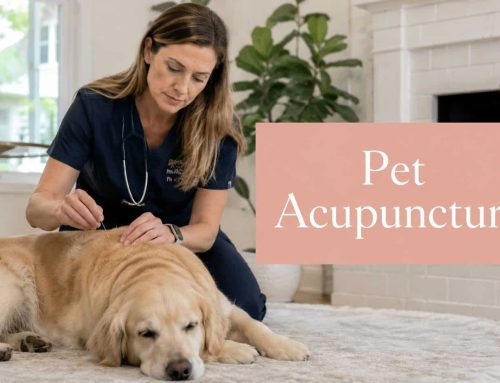
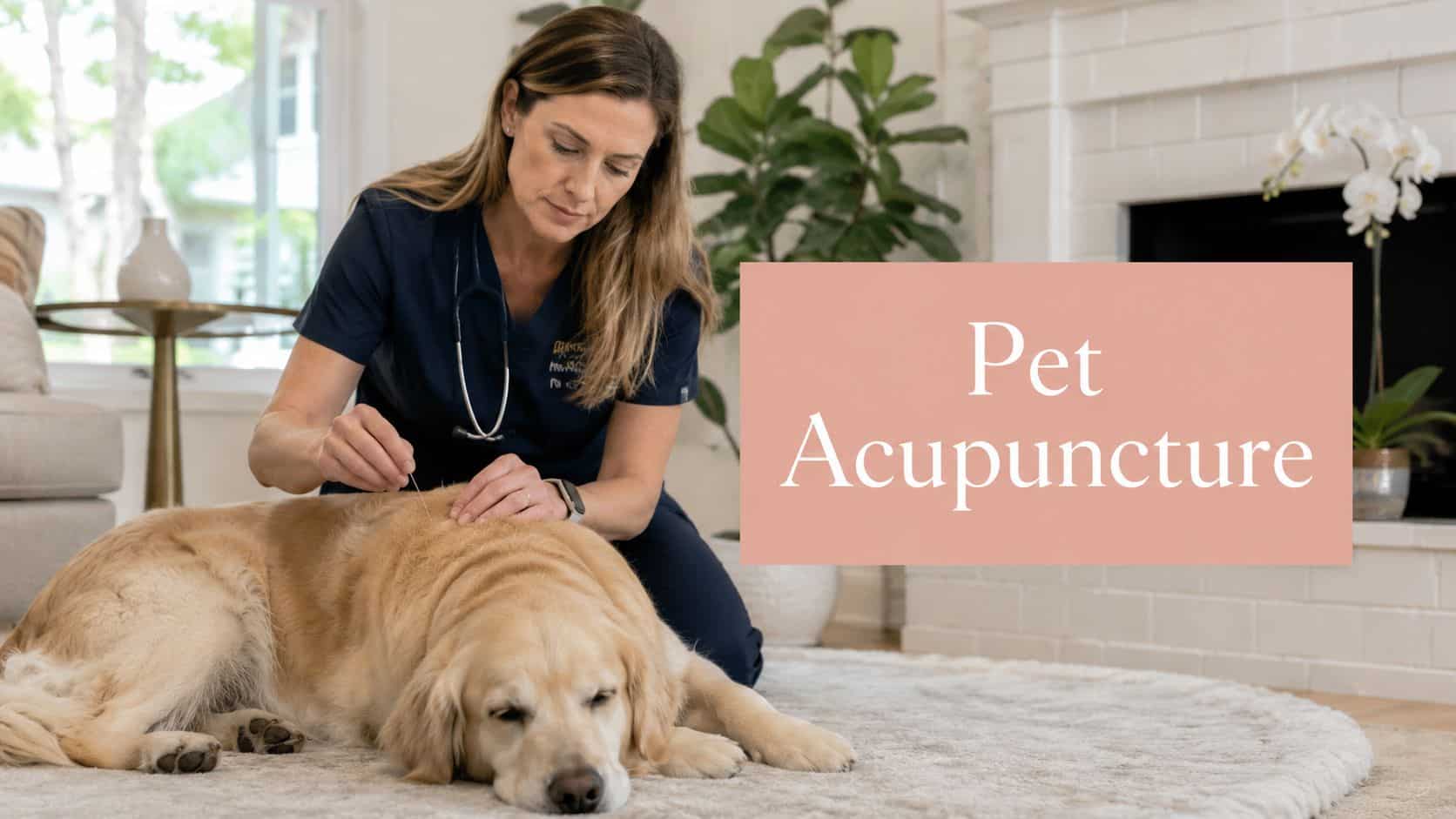
Acupuncture isn't a detox flush. It's a regulatory therapy. In a recovering pet, the goal is usually to support circulation, comfort, autonomic balance, digestion, and organ function while reducing physiologic stress.
Clinical data in pet recovery settings indicates that aquapuncture and electroacupuncture can enhance renal and hepatic function in detoxifying pets by 25% compared to standard care alone. That finding supports the value of vet-designed, non-drug recovery plans that use these tools thoughtfully.
For the right patient, acupuncture can be useful when a pet is:
- Nauseated or inappetent
- Tense, painful, or inflamed
- Recovering slowly after systemic stress
- Managing concurrent chronic disease
Where Laser And Herbs Fit
Laser therapy can be helpful when inflammation and tissue stress are part of the picture. It isn't “detox” in the trendy sense. It's a way to support healing, comfort, and local circulation in selected cases. I think of it as a recovery tool, not a cleanse tool.
Chinese herbal medicine belongs in the same category. A professionally prescribed herbal formula can support a specific pattern, but only after the pet's history, medications, constitution, and current condition have been reviewed. Random liver herbs bought online can create exactly the kind of burden owners were trying to avoid.
The more medically complex the pet, the less appropriate generic detox advice becomes.
Why Home-Based Integrative Care Helps Some Pets
Home care has practical advantages. The pet stays in a familiar space. Stress is lower. Mobility-limited dogs don't have to struggle through car rides and slippery clinic floors. Cats often show their real behavior more clearly at home than in a hospital setting.
That matters because recovery support works best when it's individualized. A veterinarian can look at appetite, hydration habits, sleep, movement, stool, household stressors, medication timing, and feeding setup in the actual environment where the pet lives.
Useful integrative support may include:
- Acupuncture or aquapuncture for regulatory support
- Electroacupuncture in selected cases needing stronger stimulation
- Laser therapy for inflammation and healing support
- Food therapy specific to the patient's pattern
- Condition-specific herbal plans prescribed by a veterinarian
The important trade-off is this. Integrative care can be powerful, but it works best as a complement to primary veterinary diagnosis, lab work, and conventional treatment when needed. It should widen your options, not replace critical medicine.
Creating A Safe And Healthy Home Environment
The best home detox plan is the one you don't need because the environment is safer in the first place. Long-term support always beats repeated rescue. For dogs and cats, health protection comes less from cleansing and more from reducing the total burden on the body over time.
Pet-Proof The Home With A Real Checklist
Walk through your home room by room and look at it from nose level, paw level, and counter-surfing level.
- Store medications securely: Keep human prescriptions, vitamins, gummies, and supplements behind closed doors.
- Lock up cleaners and chemicals: Floor products, laundry pods, solvents, and pest control items shouldn't be accessible.
- Review plants: Remove or relocate plants that are toxic to pets.
- Control food hazards: Grapes, raisins, onions, xylitol-containing products, alcohol, and fatty leftovers should never be casually available.
- Watch diffusers and essential oils: “Natural” doesn't mean safe for cats or dogs.
- Use bins with lids: Trash exposure causes more trouble than many owners expect.
Support Daily Function Instead Of Chasing Cleanses
A pet's detox systems work best when daily life supports them. That means regular hydration, species-appropriate food, movement that matches the pet's condition, sleep, and follow-up for chronic issues. If your dog is arthritic, your cat is overweight, or your senior pet is slowing down, those aren't side topics. They affect how well the whole body functions.
For many families, the benefits of at-home vet care include better observation, lower stress, and plans that fit the pet's real routine.
The Takeaway Most Owners Need
If you've been searching for how to detox at home for your dog or cat, keep the definition simple. Safe detox support means helping the body do its job. It doesn't mean forcing elimination, copying human trends, or reaching for the most dramatic product online.
Watch for subtle changes. Treat emergencies like emergencies. Feed plainly during recovery. Use integrative therapies when they're chosen for the patient in front of you, not because a trend promised a reset. That's the approach that protects pets.
If you live in South Tampa and want calm, in-home guidance for your dog or cat, Pet Acupuncture & Wellness (PAW Vet Practice) offers integrative veterinary care that works alongside your primary veterinarian. Dr. Monica provides thoughtful support for recovery, mobility, pain relief, and whole-pet wellness, right where your companion feels most comfortable.