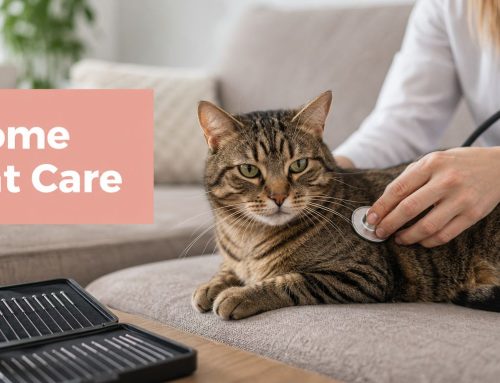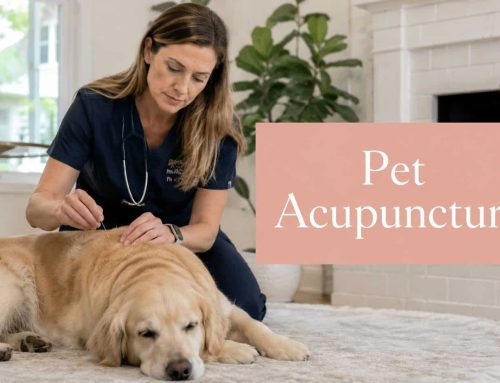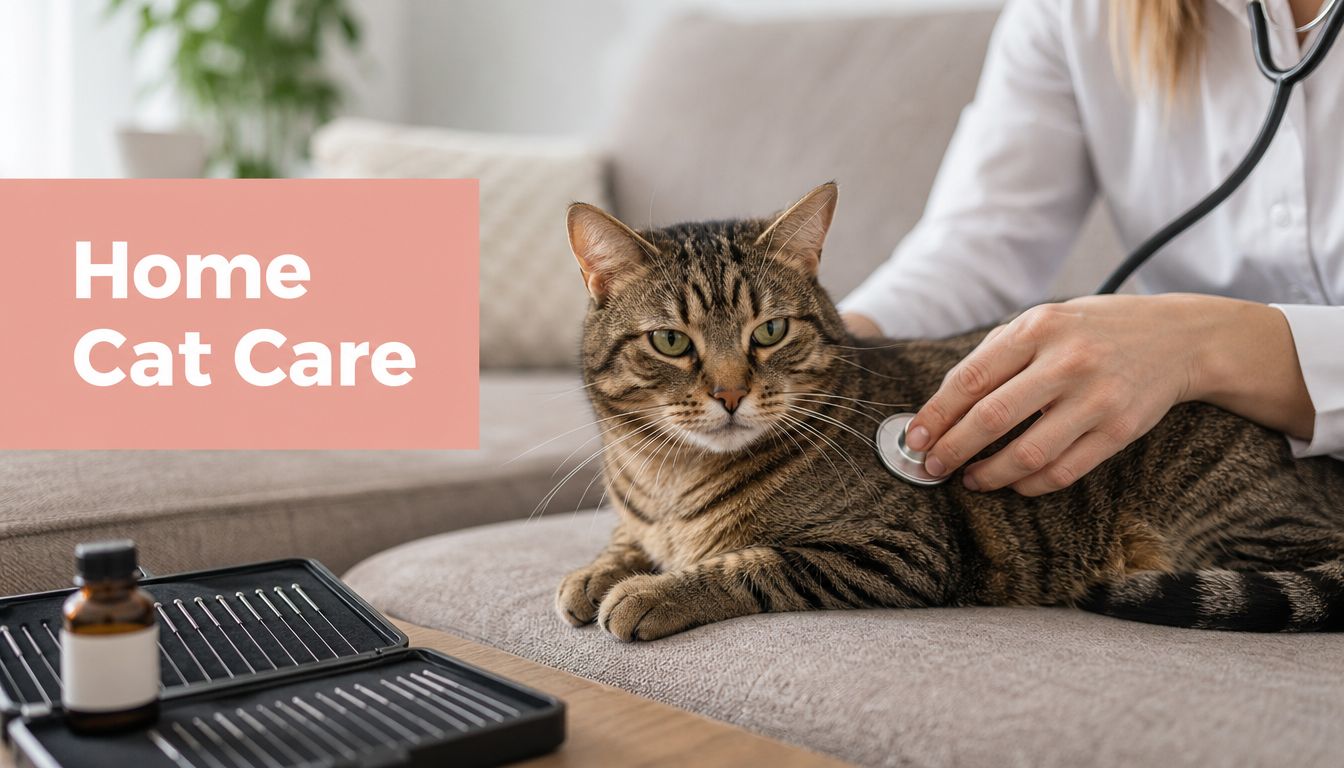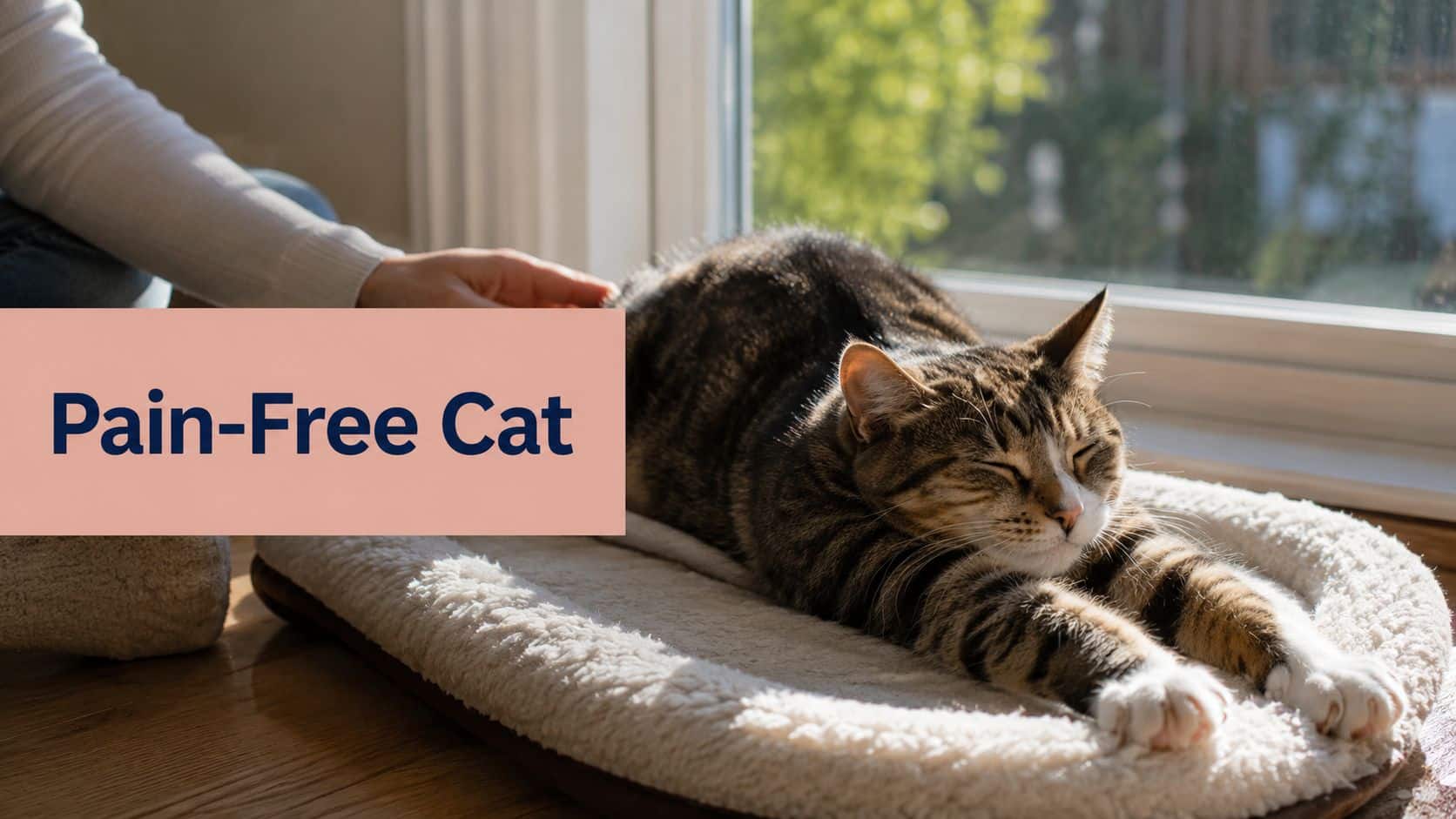
A lot of South Tampa pet owners reach out at the same moment. Their dog is still eager to go out, but the walk slows down halfway down the block. Their cat still wants the sunny windowsill, but there's a pause before the jump. You notice the hesitation, the stiffness, the careful turning, and you start wondering whether this is “just aging” or something you should address now.
That worry is real. So is the frustration of trying to help a pet who doesn't understand why their body suddenly feels different.
The good news is that comfort and mobility often improve when we stop relying on rest alone and start using a thoughtful home plan. For many dogs and cats, rehabilitation is less dramatic than people expect. It's often a series of small, repeatable movements done in a familiar room, on a rug, beside a couch, with a calm person guiding them.
For South Tampa families, that home setting matters. Pets who dislike car rides, clinic floors, strange smells, or waiting rooms usually do better when care comes to them. If you're already asking whether your pet's stiffness, weakness, or slowing down is affecting day-to-day happiness, it helps to start with quality of life support for pets at home and work backward from what your pet can still enjoy.
Your Pet's Comfort Is Our Priority
On Bayshore, I often hear versions of the same story. A senior dog still wags for the leash, but getting up from the floor takes longer. A cat who used to spring onto the bed now chooses the lower chair instead. Owners notice these changes long before anyone else does, and they usually feel two things at once. Relief that their pet is still with them, and guilt that they may have missed the signs earlier.
That's why in-home rehabilitation matters so much. We're not dragging a sore pet into a stressful environment and asking them to perform. We're observing how they move where they live. We see the slick hallway, the favorite nap spot, the step up to the patio, the distance to the water bowl, and the routes they use every day.
A pet doesn't need an intense workout to benefit from rehab. They need the right movement, at the right time, in the right amount.
For worried owners, that shift is often a relief. Rehab at home doesn't look like forcing a painful limb or pushing a pet until they're exhausted. It looks like helping them stand more evenly, walk more deliberately, and use their body with less strain.
Why Home Feels Safer For Many Pets
A calm home visit changes the tone of care.
- Less stress: Cats and anxious dogs usually move more naturally at home than they do in an exam room.
- More useful observations: It's easier to spot real-life mobility problems when the pet shows how they move around their environment.
- Better follow-through: Owners are more likely to continue a plan when they've seen it demonstrated in their living room with their own pet.
That's especially important for older pets, post-surgical patients, and animals with arthritis or neurologic issues. If your pet is sore, unstable, or easily overwhelmed, comfort isn't a luxury. It's part of the treatment.
What Is At-Home Pet Rehabilitation
At-home pet rehabilitation is structured medical recovery work done in your pet's normal environment. It isn't “wait and see,” and it isn't a generic handout that says to take shorter walks. It's a plan built around your pet's diagnosis, pain level, movement limits, temperament, and home setup.

More Than Rest
Rest has a role, especially early on. But rest by itself often leads to stiffness, muscle loss, and awkward compensation patterns. A pet may protect one leg, overload another, shorten their stride, or stop using joints through a healthy range.
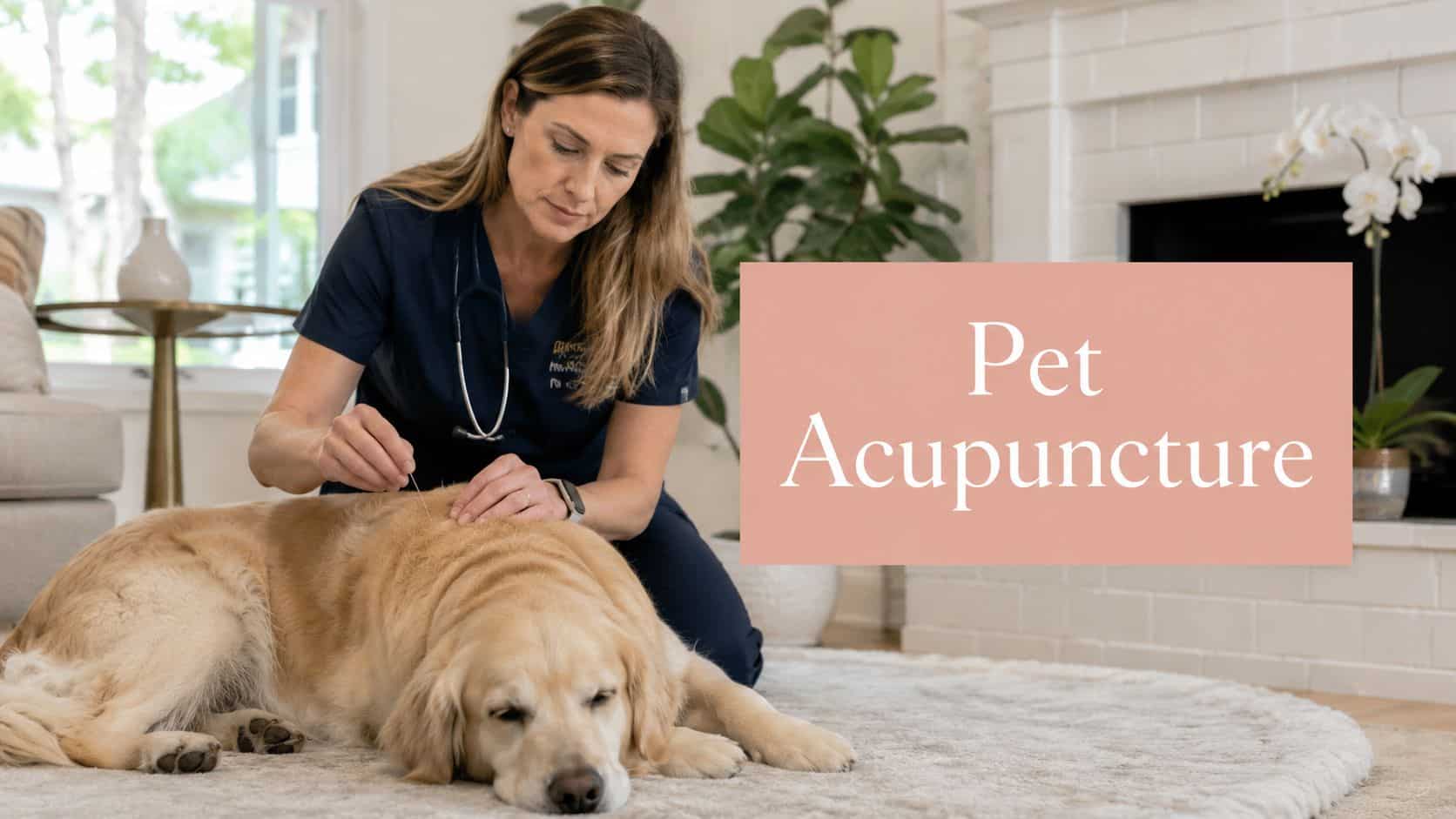
Rehabilitation addresses those patterns with deliberate tasks. That may include passive range of motion, assisted standing, guided walking, balance work, and selected strengthening exercises. In an integrative setting, the plan may also include acupuncture, laser therapy, and supportive nutrition strategies, depending on what the patient needs and tolerates.
A good home plan is active, but it isn't aggressive. The exercises should be clear enough for an owner to repeat safely and specific enough to change how the pet moves.
A Real Medical Field With Real Protocols
Veterinary rehabilitation became a structured field for dogs and cats by the 2010s, with published protocols instead of vague exercise advice. In canine guidance, range-of-motion work may be prescribed for 15 to 20 repetitions, 2 to 4 times per day, with some programs progressing activity by 15% to 25% per week as recovery allows, according to published veterinary rehabilitation guidance. In cats, postoperative plans often begin with PROM exercises and walking, then advance to more active work within 2 to 3 weeks depending on the patient, as noted in that same review.
That matters because it tells owners something important. Rehab isn't guesswork.
Clinical reality: The right plan has dose, frequency, and progression. “Let's just keep her quiet” is rarely enough for a pet that's lost strength or normal movement.
If you're looking at options for integrative veterinary care in South Tampa, rehabilitation should be viewed as one part of a larger mobility strategy, not a separate add-on. The best results usually come when pain relief and movement training support each other.
Key Rehabilitation Exercises Explained
A good rehab exercise is the one your pet will tolerate, perform correctly, and recover from well in your actual home. That matters in South Tampa, where slick tile floors, tight living spaces, elevators, and summer heat all change what is practical. In-home rehabilitation is not about creating a mini gym in your house. It is about using a few targeted movements that improve comfort and function without adding stress to your pet or your schedule.

Passive Movement And Early Mobility
Passive range of motion, or PROM, is often one of the first exercises I teach. It means gently moving a joint through a comfortable arc while your pet stays relaxed. The goal is to limit stiffness, maintain joint motion, and keep the limb from being ignored during recovery.
For many pets, early work at home stays simple on purpose. Short sessions are easier to repeat, easier to fit into a workday, and less likely to irritate a sore joint or incision. I would rather see a dog or cat complete a calm, accurate session than struggle through a longer one that leaves them tense.
Common starting exercises include:
- Gentle PROM: Careful movement of the shoulder, elbow, hip, or knee within a comfortable range.
- Assisted standing: Supporting a weak pet in a square stance so they begin loading each limb more evenly.
- Weight shifting: Using light, controlled body shifts to encourage balance and limb use.
These are the exercises owners sometimes dismiss as too basic. They are often the ones that set up everything else.
Controlled Walking And Strength Building
Walking is one of the most useful rehab tools because it is familiar, measurable, and easy to adjust in a home setting. A short hallway walk, a careful leash pass on level ground, or a brief incline can tell me far more than random activity in the backyard. Form matters more than distance.
A home program might include:
- Straight-line leash walks: Often safer and more productive than free roaming for recovering dogs.
- Short incline work: Helpful for hind limb strength when balance and pain control allow it.
- Cavaletti-style stepping: Small obstacles that improve limb placement and body awareness.
The trade-off is straightforward. More exercise is not always better. A pet who starts toe-dragging, bunny hopping, sitting down mid-walk, or refusing the next session has usually done too much.
Body weight also affects how well these exercises work. Extra pounds increase joint load and tire pets faster, so rehab often goes better when the exercise plan is paired with healthy weight support for cats and dogs.
Here's a visual example of the calm, hands-on approach many owners expect once they see it in action:
Balance And Species-Specific Work
Balance and proprioception exercises help pets place their feet accurately and trust the limb again after injury, surgery, or neurologic disease. In practice, that may mean controlled surface changes, slow stair work, or carefully selected balance equipment. In a home visit, I choose exercises based on the flooring, the pet's temperament, and what the owner can safely repeat without buying a lot of equipment.
Cats need an even quieter approach. Short sessions, low-stress handling, and smart setup usually work better than pushing for repetitions. Published feline rehabilitation protocols describe tools such as underwater treadmill work, cavaletti rails, rocker boards, stair climbing, and walking through different surfaces, as noted in a review of feline rehabilitation protocols. Most cat owners in South Tampa are not setting up water therapy at home, and that is fine. The useful takeaway is simpler. Cats respond best to low-drama exercise, careful pacing, and stopping before they resist.
That is how home rehab becomes realistic. It fits the pet, the home, and the owner's day, which is what keeps the plan affordable and consistent enough to help.
Designing A Custom Rehab Plan For Your Pet
A pet owner can absolutely help with rehabilitation. A pet owner shouldn't have to invent the plan.
The problem with DIY rehab isn't motivation. It's decision-making. Most owners can perform an exercise once it's shown clearly. What they can't be expected to know on their own is which exercise fits the diagnosis, when to increase difficulty, when to stop, and which “helpful” activities may set recovery back.

What A Personalized Assessment Looks Like
A useful rehab plan starts with observation before prescription. I want to know how your pet rises, turns, sits, shifts weight, and handles transitions. I also look at pain response, muscle use, joint comfort, posture, and how your pet manages the actual surfaces and spaces in your home.
In an integrative house-call setting, the assessment can also include tongue and pulse findings, behavior cues, prior medical history, medications, and how your pet has responded to previous treatments. That broader picture matters because a stiff dog with arthritis, an anxious post-op cat, and a senior dog with neurologic weakness may all need very different versions of “exercise.”
Safety Depends On More Than The Exercise Name
Owners often ask what helps mobility. The better question is what's safe for this pet.
According to guidance on at-home exercises for injured dogs and cats, exercise choice, sequence, and progression are critical in early recovery, and advanced options such as hills or wheelbarrowing require professional judgment to decide whether they're appropriate or risky for a specific patient. That's why two pets with the same surgery on paper may leave with different home instructions.
Don't judge an exercise by how gentle it looks. A small movement can be too much if the tissue is inflamed, the footing is poor, or the pet is compensating badly.
A personalized plan may include rest periods, pain-relief therapies, walking rules, and strict stop points. For dogs with degenerative mobility issues, support for degenerative joint disease in dogs often overlaps with rehabilitation, but the pacing still has to match the individual patient.
What Usually Doesn't Work
Certain patterns show up again and again when pets stall:
- Too much too soon: Owners see one good day and double the activity.
- Inconsistent practice: Exercises get skipped for days, then packed into one long session.
- Wrong surface: Tile floors and unstable footing can undo the value of otherwise good exercises.
- Pain ignored as “stubbornness”: If a pet resists, there's often a reason.
Rehab works best when the plan is boring enough to repeat and specific enough to be measurable.
Understanding The Cost Of Mobile Vet Services
A common South Tampa question sounds like this: “Will home rehab cost more, and is it worth it?” That is the right question to ask. The important comparison is not just house-call fee versus clinic fee. It is whether the visit gives you a plan you can carry out safely in your home, with your schedule, on your floors, and with a pet who may already be stressed.

What You're Paying For In A Home Rehab Visit
A mobile rehab appointment usually includes evaluation, treatment, and coaching in one visit. Travel time is part of the fee, but so is the benefit of seeing the pet in the place where the problem occurs. I can watch how a dog rises from its own bed, how a cat moves across the living room, whether the hallway is too slick, and whether the back steps are helping or setting the pet back.
The visit often covers:
- House-call logistics: travel, scheduling, setup, and bringing the right equipment into the home
- Medical assessment: review of history, surgery or injury status, gait, pain response, strength, balance, and daily function
- Hands-on care: exercise instruction and, in some cases, supportive treatments such as laser therapy or acupuncture
- Home-plan training: clear directions for the owner, including frequency, stop points, and how to adjust if the pet has a bad day
That owner training matters. A good visit should leave you with fewer guesses.
Why One Case Costs More Than Another
Pricing changes with the amount of clinical work involved. A short recheck for a dog with stable arthritis is different from a first visit for a pet after surgery, especially if the family needs lifting instruction, floor-traction advice, exercise demonstrations, and a written plan that several people can follow.
The number of therapies used can change the fee. So can the time needed to handle a fearful cat, a large dog that needs support to stand, or a pet whose pain level makes frequent reassessment necessary during the visit.
Some pets also need supplies at home. That may include a harness, non-slip runners, supportive bedding, or simple exercise tools. Those items add cost, but they can also prevent setbacks and make the plan realistic for daily use.
How To Judge Whether Mobile Rehab Is Worth The Cost
In-home care is often worth more for pets who do poorly in the car, shut down in the clinic, or move very differently at home than they do on an exam-room floor. In those cases, a lower-priced clinic visit may give you less useful information.
There are practical savings, too. Families may avoid taking extra time off work, arranging help to transport a large pet, or paying for repeated visits that have to be shortened because the pet is too anxious to participate. For many South Tampa households, consistency is what makes rehab work, and convenience has real medical value when it helps the plan get done.
If you are comparing options, review mobile in-home veterinary services in South Tampa and ask specific questions. What is included in the first visit? How long are follow-ups? Will you get written exercises? Which parts of the plan are done by the veterinarian, and which parts become your home routine?
Pet Acupuncture & Wellness (PAW Vet Practice) provides mobile integrative veterinary care in South Tampa, including rehabilitation planning, acupuncture, laser therapy, and home exercise instruction.
In-Home Care In South Tampa Your Local Advantage
A South Tampa pet recovering from surgery does not heal in a vacuum. Recovery happens on slick tile floors, in condos with elevators, in bungalows with front steps, and in households where owners are fitting care around work, school pickup, and afternoon storms. Home rehab works well here because the plan can match the pet's real environment instead of an exam room.
That changes the quality of the exercises. I can see where a dog hesitates at a doorway, where a cat slips during a jump down from the couch, or where a narrow hallway gives us the safest place to practice controlled walking. Those details matter. They help shape a plan that owners can carry out without turning the whole day upside down.
Why The Home Setting Helps In South Tampa
The best home exercises are usually simple, repeatable, and easy to fit into normal routines. As noted earlier, common starting exercises include range of motion work, assisted standing, balance shifts, and short controlled walks. Sessions are often brief at first so the pet finishes successfully instead of flaring up later.
In South Tampa homes, ordinary spaces often work well for rehab:
- A hallway can guide straight-line walking: That makes gait practice easier and limits the zigzagging that throws some pets off balance.
- A rug or runner can improve footing: Better traction often reduces fear and helps a weak pet use the limb more normally.
- One low step can be useful: Only for the right patient, at the right stage, and only after the movement has been demonstrated correctly.
Cats often benefit the most from staying home. Many will not show normal movement after a car ride or time in a waiting room. In the house, they reveal what owners are worried about, such as difficulty getting into the litter box, trouble with furniture access, or stiffness after resting.
Dogs bring a different practical advantage. Owners can work the exercises into daily life, after breakfast, before the evening walk, or during a short leash break in the yard. That usually improves follow-through, and follow-through is what makes a rehab plan useful.
There are trade-offs. Some homes have limited space, too many distractions, or flooring that makes certain drills unsafe. South Tampa heat and humidity can also shorten outdoor work, especially for older dogs, flat-faced breeds, and pets with heart or respiratory disease. A good in-home plan accounts for those limits instead of pretending every exercise fits every household.
Frequently Asked Questions About Pet Rehab
How Do I Know My Pet Might Need Rehabilitation
Watch for hesitation, not just limping. Pets often show need by moving differently before they show obvious pain. A slower rise from bed, difficulty on stairs, toe dragging, reluctance to jump, shortened walks, slipping on floors, or avoiding normal play are all worth discussing.
Will This Replace My Primary Veterinarian
No. Rehabilitation works best as part of coordinated care. Your primary veterinarian remains central for diagnosis, imaging, surgery, medication management, and broader medical oversight. Rehab adds movement-based support and practical home guidance.
Is Pet Rehab Covered By Insurance
Coverage depends on your policy. Some plans may help with rehabilitation-related services, while others won't. Owners should contact their insurer directly and ask about house calls, acupuncture, laser therapy, and rehabilitation exercises specifically so there's no confusion.
How Often Will My Pet Need To Do Exercises
That depends on the diagnosis, the stage of recovery, and how your pet tolerates movement. Some pets need very brief daily work. Others benefit from a more spaced-out schedule. What matters most is doing the right amount consistently rather than doing too much on good days.
What Should Make Me Stop An Exercise
Stop if your pet shows increased pain, growing resistance, worsening limp, distress, collapse, or clear fatigue. If an exercise causes the pet to move worse afterward, the plan needs adjustment.
Home rehab should make life feel more manageable, not more chaotic. If the routine is hard to carry out, the answer is usually to simplify it, not to quit.
Can Cats Really Do Rehabilitation
Yes, but they usually need shorter, more individualized sessions than dogs. Cats often do best with calm handling, low repetition, careful pacing, and exercises that fit naturally into their environment and behavior.
If your dog or cat in South Tampa is slowing down, recovering from surgery, or struggling with comfort at home, Pet Acupuncture & Wellness (PAW Vet Practice) offers mobile, integrative care focused on pain relief, mobility, and realistic home exercise plans. A calm house-call evaluation can help you understand what's safe, what's useful, and how to support your pet without guesswork.