TL;DR:
- Acupuncture provides pain relief and improves mobility in dogs with hip dysplasia through natural healing responses. It is most effective when combined with medications, physical therapy, and proper home care in a comprehensive treatment plan. Regular tracking and consistent sessions enhance outcomes, but it does not reverse joint damage or replace surgical options.
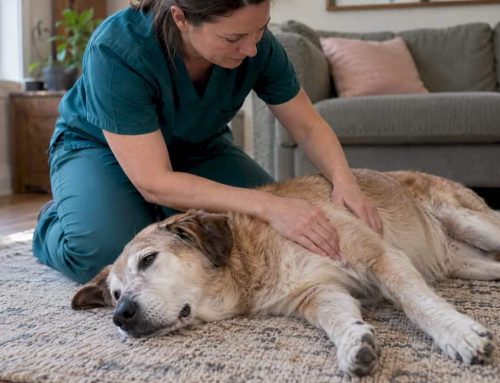
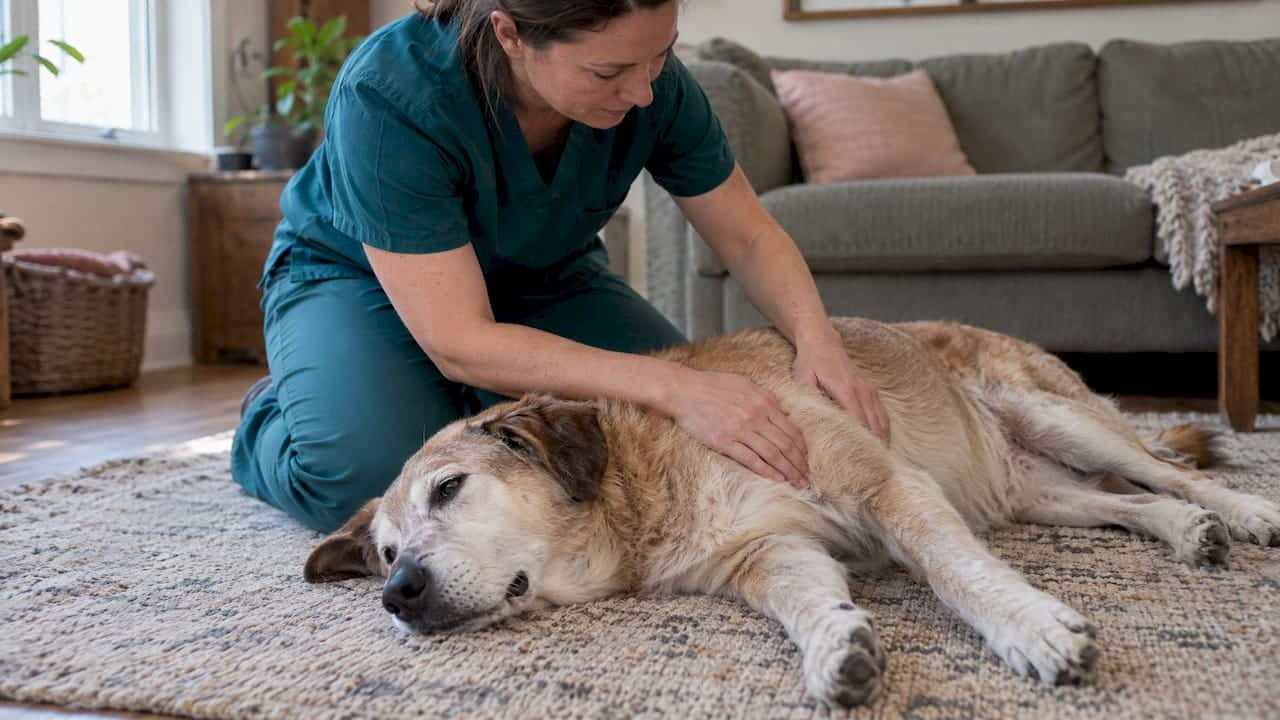
Acupuncture for hip dysplasia in dogs is a veterinary treatment that reduces pain and improves mobility by stimulating specific points on the body to trigger natural healing responses. Rooted in Traditional Chinese Veterinary Medicine (TCVM), it works by influencing the flow of Qi, the body’s vital energy, through pathways called Meridians. Think of those Meridians like a highway system running through your dog’s body. When traffic jams form, pain and stiffness follow. Acupuncture clears those blockages. It does not reverse joint damage, but it gives many dogs measurable relief, and for Florida pet owners managing a senior dog’s daily comfort, that difference is real.
What benefits does acupuncture offer dogs with hip dysplasia?
Acupuncture stimulates the release of endorphins, the body’s natural pain-blocking chemicals, and improves blood circulation to damaged joint tissue. Both effects matter for a dog with hip dysplasia, where chronic inflammation and reduced blood flow worsen pain over time. The result is not a cure. It is a meaningful reduction in discomfort that lets your dog move more freely.
The most studied form of this therapy is electroacupuncture, which adds a mild electrical current between needles to amplify the effect. Electroacupuncture produces up to 65% reduction in pain scores and improves mobility in approximately 83% of dogs with chronic orthopedic issues like hip dysplasia. That is a clinically significant outcome, not a marginal one. For a dog struggling to rise from a nap or climb the back steps, an 83% mobility improvement rate changes daily life. You can read more about how these two approaches compare in this electroacupuncture vs acupuncture guide from PAW Vet Practice.
Key benefits dog owners report after a full treatment course include:
- Reduced stiffness after rest, especially in the morning
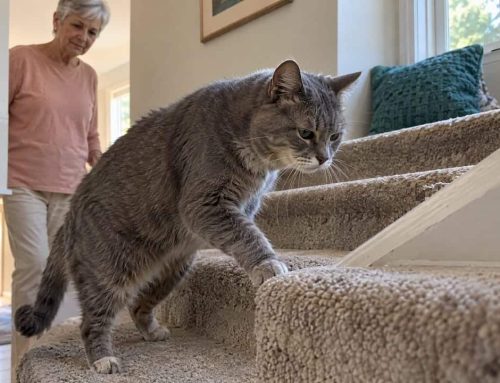
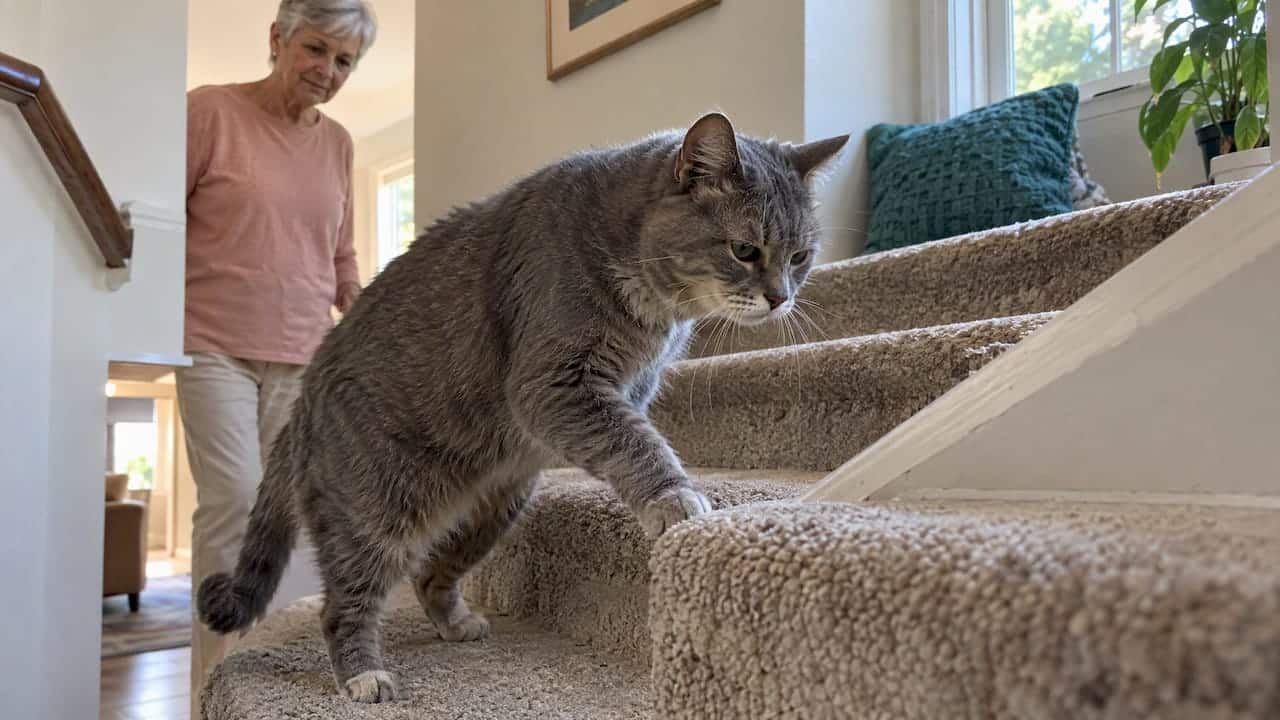
- Improved ability to climb stairs or jump into the car
- Decreased reliance on anti-inflammatory medications
- Calmer, more settled behavior linked to lower pain levels
- Better sleep quality and overall activity levels
The safety profile of veterinary acupuncture is strong. Serious adverse events are rare when a certified practitioner performs the treatment. Temporary soreness or lethargy after initial sessions is common and not a warning sign. It often precedes longer-term improvement, much like muscle soreness after physical therapy.
Pro Tip: Film your dog walking before the first session. A short video of their gait gives the veterinarian a baseline to measure real progress against, and it helps you see changes you might otherwise miss week to week.
What does a typical acupuncture session look like for hip dysplasia?
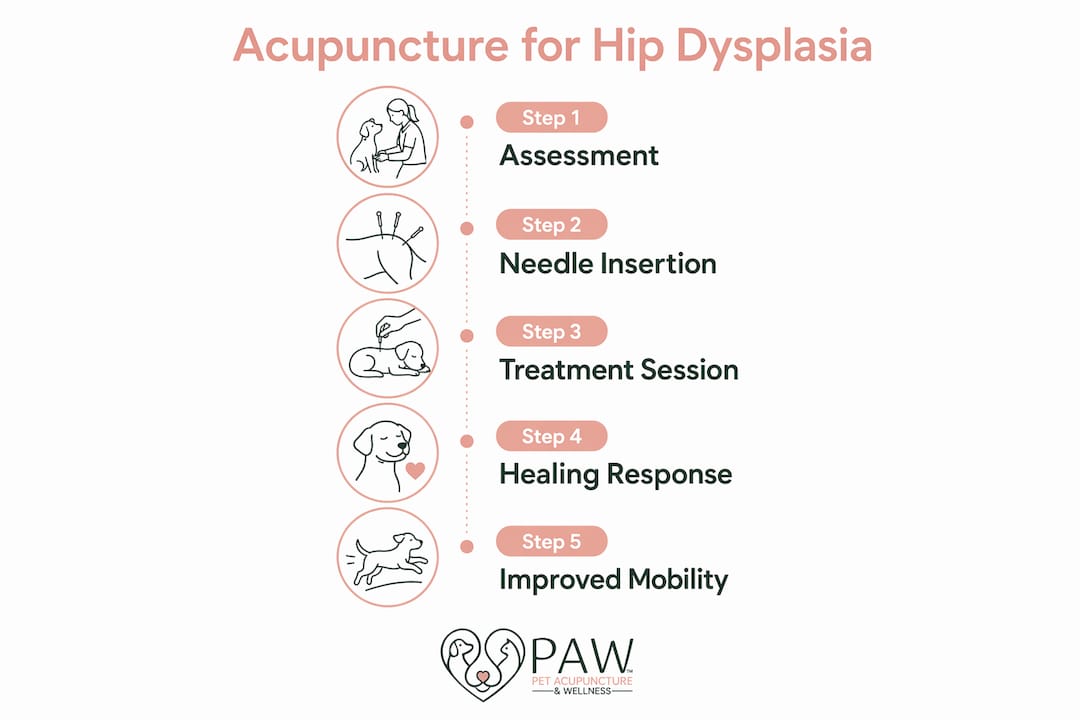
A first acupuncture visit is more thorough than most dog owners expect. The veterinarian does not simply insert needles. Gait and posture assessment during the first visit is critical to tailor treatment effectively. The practitioner watches how your dog stands, walks, and shifts weight, looking for compensatory patterns that reveal where pain originates. Bringing a short video of your dog moving at home adds detail that a clinic floor cannot always capture.
A standard session follows this sequence:
- Health history review covering current medications, diet, and activity level
- Gait and posture evaluation to identify affected muscle groups and movement restrictions
- Acupuncture point selection based on the dog’s specific pain pattern and TCVM diagnosis
- Needle placement at targeted points, typically held for 15–30 minutes
- Post-session observation to monitor the dog’s immediate response before discharge
Sessions last 20–45 minutes, and most dogs relax deeply during treatment. Many fall asleep on the table. The standard protocol begins with a trial of 4–8 weekly sessions, followed by personalized monthly maintenance once improvement stabilizes. Chronic pain improvement is typically noticeable after the first 4–8 sessions, which is why committing to the full initial trial matters before judging results.
Costs vary by location and practitioner. Initial sessions typically cost between $70 and $200, with follow-up visits ranging from $50 to $150. Some clinics offer package discounts of 10–15% for multiple sessions booked together. For a full breakdown of what to expect in South Tampa, the dog acupuncture cost guide from PAW Vet Practice covers local pricing in detail. For guidance on how many sessions your dog may need, this session frequency resource is a practical starting point.
How does acupuncture fit into a multimodal plan for canine hip dysplasia?
Acupuncture works best as part of a broader plan, not as a standalone fix. Acupuncture rarely replaces medications or rehabilitation entirely. Integrated plans deliver the best outcomes, especially in chronic hip dysplasia management. The goal is to combine therapies so each one reinforces the others.
A well-designed multimodal plan for a dog with hip dysplasia typically includes:
- Acupuncture or electroacupuncture for pain modulation and circulation support
- Non-steroidal anti-inflammatory drugs (NSAIDs) or joint supplements like omega-3 fatty acids and glucosamine
- Physical rehabilitation including hydrotherapy, therapeutic exercises, and massage
- Weight management to reduce mechanical load on the hip joints
- Herbal therapies such as Boswellia or other TCVM formulas to support joint health naturally
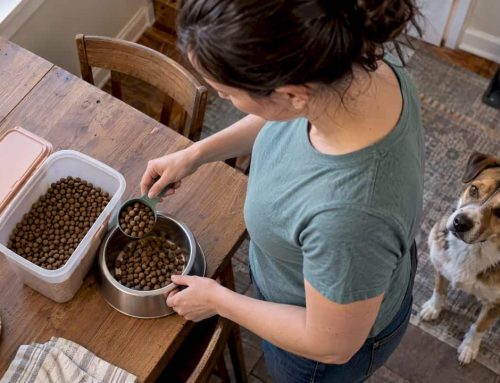
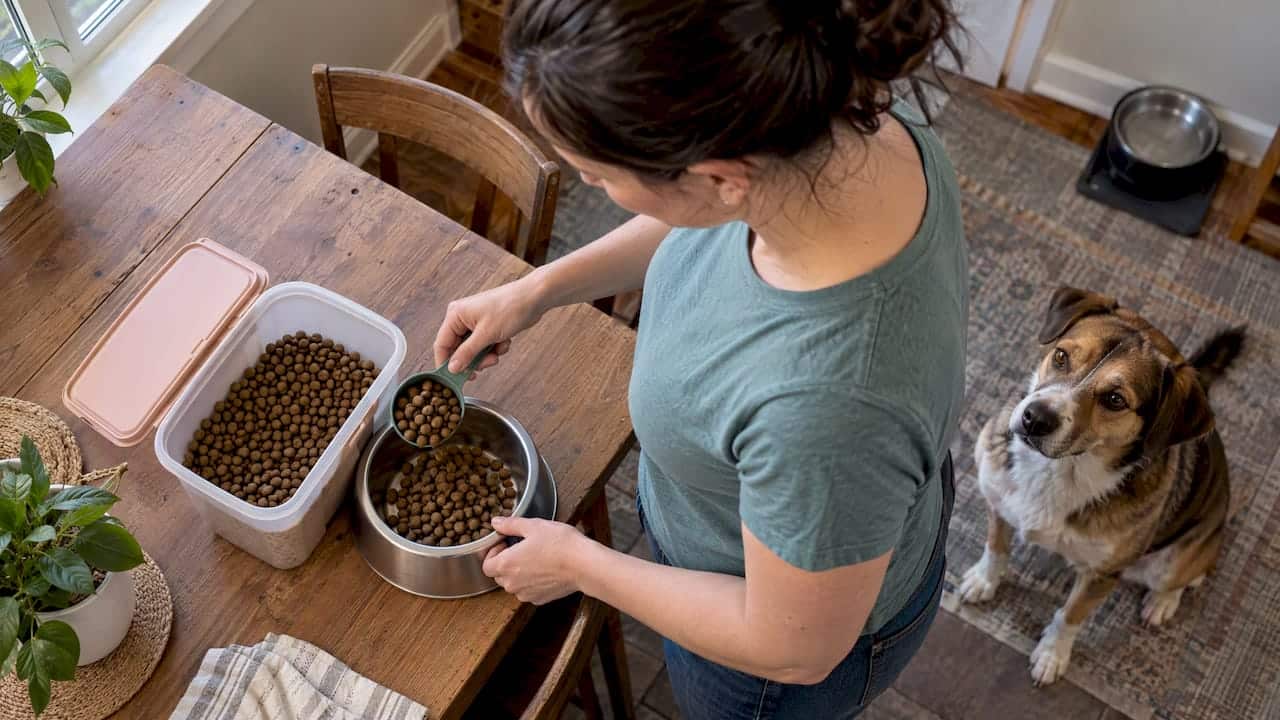
Home care plays a larger role than many owners realize. Owner adherence to in-home activity modification and weight management directly affects treatment outcomes. Strict leash walks, supportive orthopedic bedding, and controlled exercise are not optional extras. They are part of the treatment. A dog that sleeps on a hard tile floor and runs freely off-leash between sessions will not respond as well as one whose home environment supports recovery.
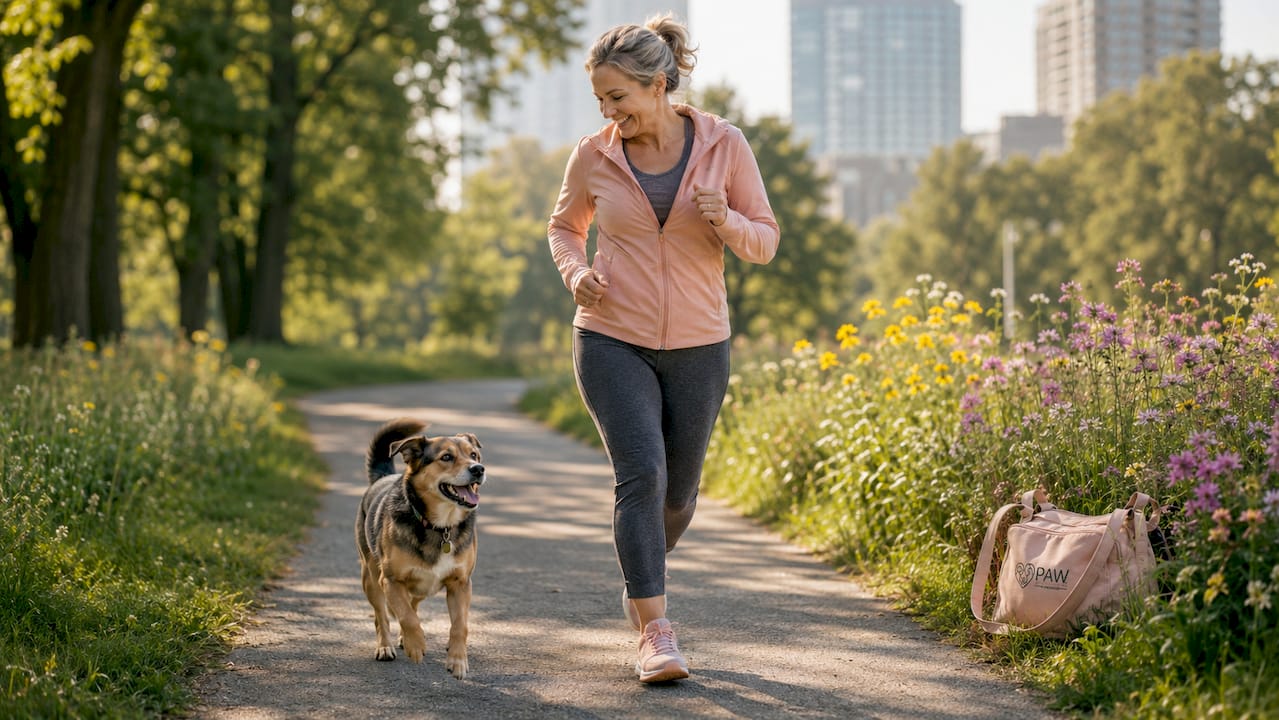
For Florida dog owners, the warm climate is actually an advantage. Gentle morning walks before the heat builds, swimming in a pool or calm water, and avoiding long midday activity all fit naturally into a South Tampa lifestyle and align with what veterinarians recommend for hip dysplasia management. PAW Vet Practice’s guide to hip pain relief at home covers practical steps you can take between sessions.
Pro Tip: Ask your veterinarian about TCVM herbal formulas alongside acupuncture. Herbs like Du Huo Ji Sheng Wan are traditionally used for Bi syndrome, the TCVM equivalent of painful joint obstruction, and may complement needle therapy in dogs with cold, damp climates or seasonal flare-ups.
Are there risks or limitations dog owners should know about?
Acupuncture is safe, but it is not without limits. Setting accurate expectations protects you from disappointment and keeps your dog on a productive care path.
Common and normal reactions after a session include:
- Mild soreness at needle sites, lasting 24–48 hours
- Temporary lethargy or increased sleep the day after treatment
- Occasional brief behavioral changes as the nervous system recalibrates
These reactions are part of the healing response, not signs of harm. They tend to diminish after the first two or three sessions as the body adapts.
The real limitations are structural. Acupuncture does not regenerate cartilage or correct joint malformation. Owners should expect gradual cumulative improvement over several weeks, measured by functional gains like improved ability to climb stairs or stand, not by joint cure. A dog that cannot walk without pain may become a dog that walks comfortably. The underlying dysplasia remains on imaging.
Contraindications exist and matter. Dogs with active bleeding disorders, open skin infections over treatment sites, or certain cancers require veterinary clearance before acupuncture begins. Only a certified veterinary acupuncturist, credentialed through organizations like the Chi Institute or the International Veterinary Acupuncture Society (IVAS), should perform these treatments.
Tracking progress objectively is one of the most overlooked parts of acupuncture care. Dogs often mask pain, which means owners frequently over- or under-estimate how much their dog has improved. Validated pain scales, activity logs, and short weekly videos give your veterinarian the data needed to adjust the plan accurately.
Key Takeaways
Acupuncture is a clinically supported, low-risk complement to conventional canine hip dysplasia treatment that delivers measurable pain relief and mobility gains when integrated into a multimodal care plan.
| Point | Details |
|---|---|
| Acupuncture reduces pain, not joint damage | It stimulates endorphin release and circulation but does not reverse hip dysplasia structurally. |
| Electroacupuncture outperforms standard needling | It produces up to 65% pain score reduction and improves mobility in approximately 83% of affected dogs. |
| Commit to the full initial trial | A 4–8 week weekly course is needed before results can be fairly assessed. |
| Home care determines outcomes | Leash walks, orthopedic bedding, and weight control directly affect how well acupuncture works. |
| Track progress with video and logs | Dogs mask pain, so objective tools give your vet accurate data to refine the treatment plan. |
What PAW Vet Practice has learned about acupuncture and hip dysplasia
The dogs that respond best to acupuncture are rarely the ones whose owners expected a quick fix. The ones we see make the most progress are the dogs whose owners commit to the full picture: the weekly sessions, the weight check-ins, the leash discipline on hot Florida afternoons. Acupuncture opens a window of reduced pain. What happens inside that window depends on everything else.
One thing I have observed consistently: owners who track their dog’s movement with short phone videos see the progress that daily familiarity hides. A dog you watch every day looks the same to you. A video from week one compared to week six tells a different story. That gap between perception and reality is where a lot of owners give up too early.
The TCVM framework adds something Western medicine alone does not always offer: a way to understand why a dog with the same diagnosis as another dog responds differently. Yin and Yang imbalances, think of them as the shade and sunlight of your dog’s internal environment, shift with age, season, and stress. Adjusting the treatment to those shifts is what separates a good acupuncture plan from a generic one. Set realistic expectations, use objective tracking, and give the plan time. That combination works.
— PAW Vet Practice
PAW Vet Practice brings integrative care to your dog at home
If your dog struggles with hip pain and the idea of a stressful clinic visit makes things worse, PAW Vet Practice offers a different approach. As a mobile veterinary practice serving South Tampa, PAW Vet Practice brings certified acupuncture, rehabilitation therapy, and herbal treatments directly to your home, where your dog is calm and comfortable.
Every treatment plan starts with a thorough assessment, including gait analysis and a full health review, so care is tailored to your dog’s specific needs. For dog owners ready to explore what integrative veterinary care can do for a dog with hip dysplasia, PAW Vet Practice is accepting new patients in the South Tampa area. Reach out to schedule a consultation and take the first step toward better days for your dog.
FAQ
Does acupuncture actually work for hip dysplasia in dogs?
Yes. Clinical evidence shows electroacupuncture reduces pain scores by up to 65% and improves mobility in approximately 83% of dogs with chronic orthopedic conditions like hip dysplasia. Results build gradually over a 4–8 week initial treatment course.
How many acupuncture sessions does a dog with hip dysplasia need?
Most dogs begin with 4–8 weekly sessions as an initial trial, then transition to monthly maintenance once improvement stabilizes. Chronic cases may require ongoing sessions to sustain pain relief.
Is acupuncture safe for senior dogs with hip dysplasia?
Acupuncture is considered low-risk for senior dogs when performed by a certified veterinary acupuncturist. Mild temporary soreness or lethargy after early sessions is normal and typically resolves within 48 hours.
Can acupuncture replace surgery or medication for hip dysplasia?
Acupuncture is a complementary therapy, not a replacement for surgery or medication. It works best alongside NSAIDs, weight management, and physical rehabilitation as part of a multimodal care plan.
How do I know if acupuncture is helping my dog?
Track functional improvements like the ability to climb stairs, rise from rest, or walk longer distances. Using short weekly videos and an activity log gives your veterinarian objective data to assess progress accurately, since dogs often mask pain from their owners.