TL;DR:
- Acupuncture for dogs reduces anxiety by stimulating nerve points that release calming chemicals and regulate the nervous system. It involves multiple sessions, tailored to the dog’s anxiety type, often showing quick results with relaxation observed during treatment. Qualified veterinarians with specialized training should perform acupuncture as part of a comprehensive, multimodal anxiety management plan.
Acupuncture for dogs with anxiety is a veterinary therapy that stimulates specific nerve points to calm the nervous system and reduce stress responses. Purdue University’s Small Animal Hospital recognizes it as a legitimate integrative approach to anxiety and stress management in pets. The therapy works by triggering the release of endorphins and other calming neurotransmitters, producing a measurable relaxation effect. For Florida dog owners tired of watching their pets pace, pant, or tremble through thunderstorms and separation events, this is a natural, non-pharmaceutical option with a strong safety record and growing veterinary support.
How does acupuncture physiologically reduce anxiety in dogs?
Acupuncture reduces anxiety by stimulating nerve endings at precise body points, which signals the brain to release calming chemicals. The result is a shift in the nervous system from a high-alert state to a relaxed one. This is the same basic mechanism observed in human acupuncture research, and veterinary studies confirm the same pathways activate in dogs.
The key physiological effects include:
- Endorphin release: Needle stimulation triggers the body’s natural painkillers, which also produce calm and reduce fearfulness.
- Serotonin and dopamine activation: These neurotransmitters regulate mood and lower reactive behavior in anxious dogs.
- Autonomic nervous system regulation: Acupuncture shifts the body from sympathetic (fight-or-flight) to parasympathetic (rest-and-digest) dominance.
- Reduced cortisol levels: Lower stress hormone levels mean your dog recovers faster from anxiety triggers.
In Traditional Chinese Veterinary Medicine (TCVM), this process is described as restoring the flow of Qi (vital energy) through Meridians, the body’s internal “highway system” connecting organs and tissues. When Qi flows freely, Yin and Yang stay balanced, like shade and sunlight in proper proportion. Western veterinary science frames the same outcome in neurochemical terms, but both frameworks point to the same result: a calmer, more settled dog.
Acupuncture carries minimal side effects and can be safely combined with most medications, with the notable exception of blood thinners. Careful monitoring during each session ensures your dog stays comfortable throughout. Washington State University’s Veterinary Teaching Hospital confirms that attentive practitioners watch for signs of discomfort and adjust needle placement in real time.
Pro Tip: Ask your veterinary acupuncturist to explain which specific points they are targeting for anxiety. Understanding the “why” behind each needle placement helps you track your dog’s progress and builds your confidence in the treatment.
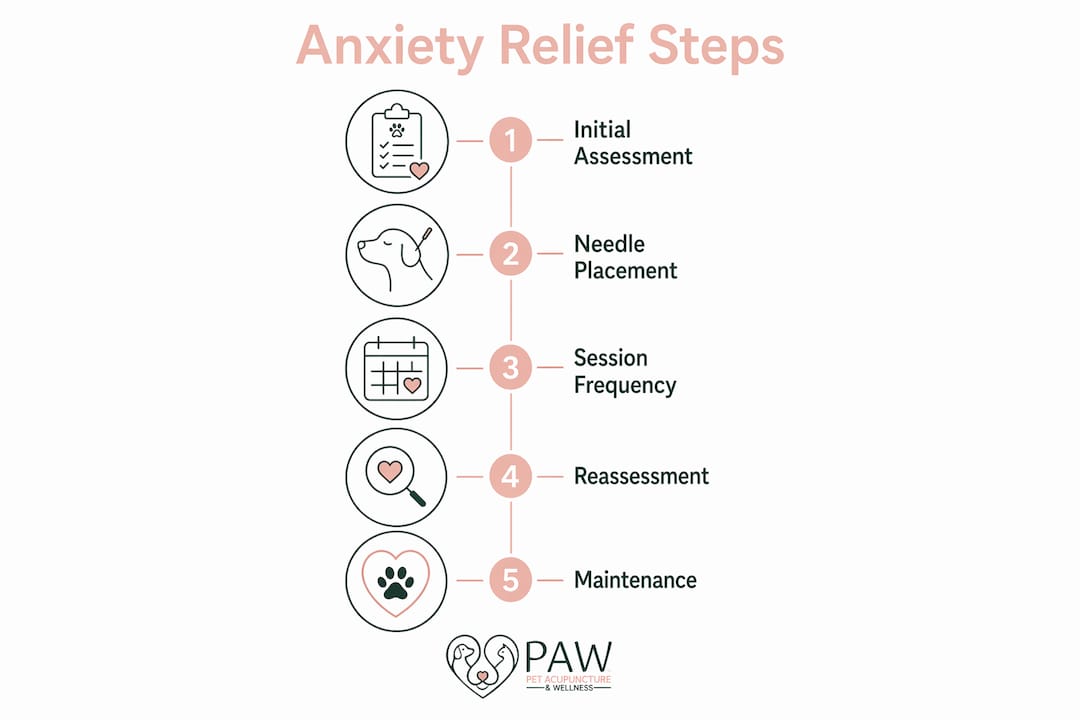
What to expect during an acupuncture session for your dog
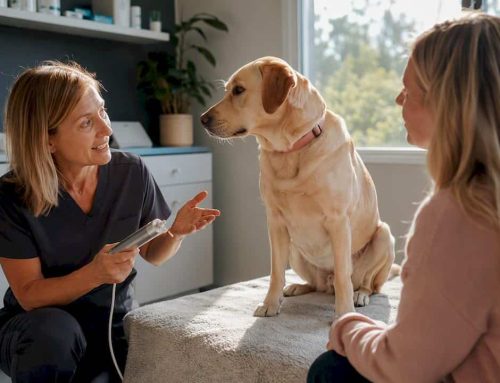
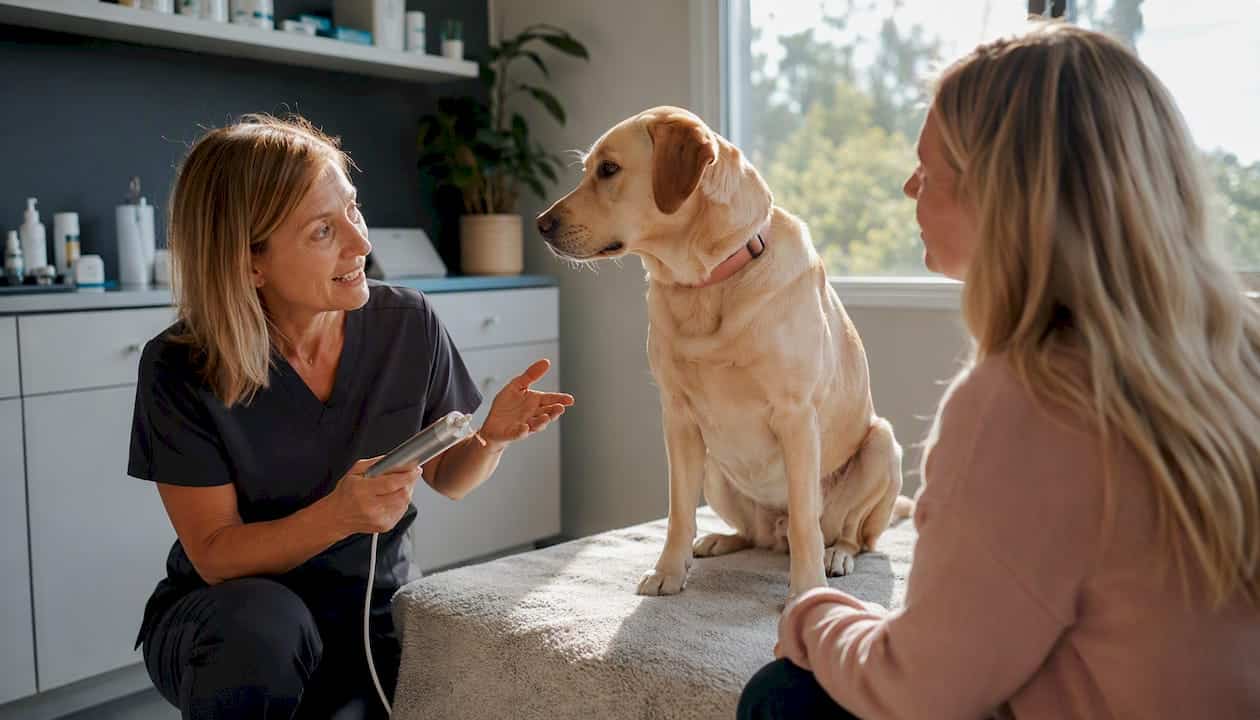
Knowing what happens in the room makes the experience far less stressful for both you and your dog. Here is a clear picture of a typical session from start to finish.
- Initial consultation (60 minutes): The veterinarian takes a full health history, performs a physical exam, and assesses your dog’s temperament and anxiety triggers. This visit typically costs between $150 and $300 depending on location and complexity.
- Needle placement: Very thin, sterile needles are inserted at specific acupuncture points. Most dogs show little to no reaction. Practitioners may use electroacupuncture (mild electrical stimulation through the needles) or aquapuncture (injection of a small amount of fluid, often vitamin B12, at acupuncture points) for enhanced effect.
- The session itself: Needles typically remain in place for 15–30 minutes. Most dogs relax or fall asleep during treatment, which is a direct sign the nervous system is shifting into a calmer state.
- Follow-up sessions (15–45 minutes): These are shorter and less costly, typically $60–$120. The veterinarian reassesses your dog’s response and adjusts point selection as needed.
- Post-session care: Lethargy or increased sleepiness for up to 24 hours is a normal physiological response. Restrict vigorous exercise after sessions to allow the body to integrate the treatment.
The environment matters as much as the technique. A quiet room, a familiar blanket, and a calm owner all help your dog associate the session with safety. Veterinary acupuncturists who specialize in anxious dogs know how to read body language and pause or reposition when needed.
How many sessions does a dog need for anxiety relief?
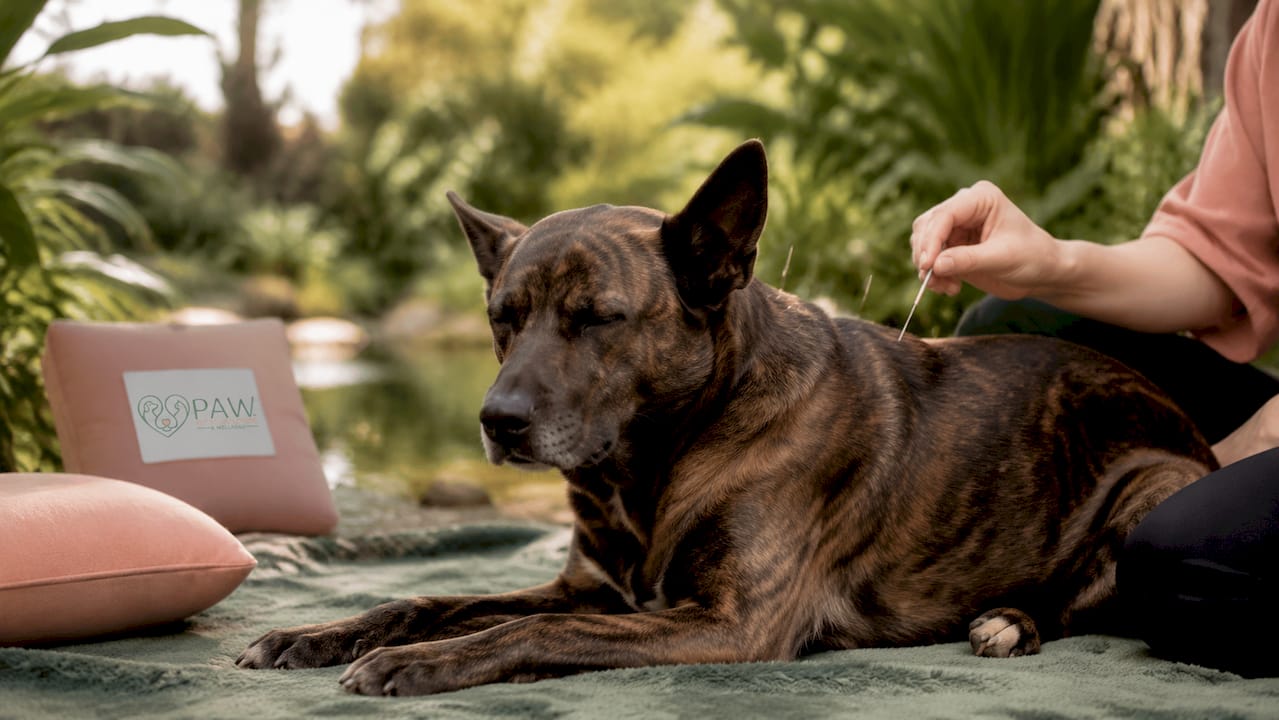
Treatment frequency depends on whether your dog’s anxiety is acute or chronic. A single frightening event may resolve in far fewer sessions than a lifelong pattern of generalized anxiety.
A standard initial course involves 6–12 weekly sessions, typically spread over 4–6 weeks, followed by a formal reassessment. Some dogs with acute anxiety show meaningful improvement after just 1–3 visits. Dogs with chronic, deeply ingrained anxiety patterns need the full course before conclusions can be drawn.
| Anxiety type | Typical session range | Reassessment point |
|---|---|---|
| Acute (single trigger) | 1–3 sessions | After 3rd session |
| Moderate (situational) | 4–6 sessions | After 4th session |
| Chronic (generalized) | 6–12 sessions | After 6th session |
| Maintenance phase | Monthly or bi-monthly | Every 3–6 months |
Maintenance sessions taper from weekly to monthly as symptoms improve, with scheduling adjusted to each dog’s individual response. The goal is the lowest effective frequency that keeps anxiety under control.
If no improvement appears after 4–6 sessions, that signals a need to adjust the protocol or add complementary therapies. It does not mean acupuncture has failed. It means the treatment plan needs refinement. You can learn more about realistic timelines through Pet Acupuncture & Wellness’s guide on session frequency planning.
Pro Tip: Keep a simple daily log of your dog’s anxiety behaviors between sessions. Note triggers, duration, and intensity on a 1–10 scale. This data gives your veterinarian concrete feedback to refine the treatment plan far faster than memory alone.
How to choose a qualified veterinary acupuncturist
Not every acupuncturist is qualified to treat your dog. This is one area where credentials genuinely protect your pet.
Key qualifications to look for:
- Veterinary degree: The practitioner must be a licensed veterinarian first. Human acupuncturists lack the legal authorization to treat animals in most states, including Florida, and they lack the anatomical training specific to dogs.
- Specialized certification: Look for credentials from recognized programs such as the Chi Institute of Traditional Chinese Veterinary Medicine or the International Veterinary Acupuncture Society (IVAS). These programs require hundreds of hours of training beyond veterinary school.
- Animal-specific experience: A certified veterinary acupuncturist understands how to adapt acupuncture point selection to a dog’s size, temperament, and specific anxiety profile.
- Comfort with anxious patients: Ask directly how the practitioner handles dogs that resist needles. Experienced practitioners use distal points or alternative trigger points for sensitive dogs, maintaining both safety and effectiveness.
- Transparent communication: A qualified practitioner explains the treatment rationale, sets realistic expectations, and welcomes your questions.
The American Kennel Club notes that veterinary acupuncture research continues to evolve, which makes choosing a practitioner who stays current with the literature especially valuable. Pet Acupuncture & Wellness maintains a detailed guide to veterinary acupuncture certification for Florida pet owners who want to verify credentials before booking.
Integrating acupuncture with other anxiety management strategies
Acupuncture works best as part of a broader plan, not as a standalone fix. Integrative approaches combining acupuncture with exercise, diet, and supplements consistently produce better outcomes than any single therapy alone.
Practical strategies to combine with acupuncture sessions:
- Behavioral modification: Counter-conditioning and desensitization exercises between sessions reinforce the calm state acupuncture creates. Work with a certified applied animal behaviorist for structured protocols.
- Environmental management: Reduce known triggers where possible. In Florida, that often means preparing a quiet, interior room during hurricane season and afternoon thunderstorms, both of which are reliable anxiety triggers for many dogs.
- Herbal therapies and supplements: Under veterinary guidance, herbs like valerian root or supplements like L-theanine can extend the calming effect between sessions. Always confirm compatibility with your dog’s current medications.
- Routine and predictability: Anxious dogs thrive on consistent schedules. Regular feeding times, exercise windows, and sleep routines reduce baseline stress levels and make acupuncture more effective.
- Documentation: Track behavioral changes in a written log. Share this with your veterinarian at each visit so the treatment plan stays responsive to your dog’s actual progress.
The goal of integration is not to pile on treatments. It is to create a consistent environment where your dog’s nervous system has every reason to stay calm.
Key Takeaways
Acupuncture for dogs with anxiety is most effective when delivered by a certified veterinary acupuncturist as part of a structured, multimodal care plan tailored to your dog’s specific anxiety profile.
| Point | Details |
|---|---|
| Physiological mechanism | Acupuncture releases endorphins and regulates the nervous system to reduce stress responses in dogs. |
| Session expectations | Most dogs relax or sleep during treatment; mild lethargy for 24 hours afterward is normal and expected. |
| Treatment timeline | Chronic anxiety typically requires 6–12 weekly sessions before meaningful improvement can be assessed. |
| Practitioner credentials | Only licensed veterinarians with specialized certification are legally and medically qualified to perform acupuncture on dogs. |
| Multimodal approach | Combining acupuncture with behavioral modification, environmental management, and supplements produces the best outcomes. |
What I’ve learned treating anxious dogs with acupuncture
The most common misconception I encounter is that acupuncture is a last resort, something owners try after everything else has failed. That framing sets the therapy up to disappoint. Acupuncture works best when it is introduced early, before anxiety becomes a deeply wired pattern that takes months to unwind.
What surprises owners most is how quickly their dog’s body responds. A dog that arrived trembling and wide-eyed is often drowsy and loose-muscled within 20 minutes of needle placement. That visible shift is not a trick. It is the nervous system doing exactly what it is designed to do when given the right input.
I also want to be direct about limitations. Acupuncture is not a cure for severe separation anxiety or trauma-based fear disorders on its own. Those cases need behavioral intervention, sometimes medication, and consistent owner commitment. What acupuncture does is lower the baseline. It gives behavioral work a calmer foundation to build on, and it reduces the dose of medication some dogs need to function comfortably.
The research is still catching up to what practitioners observe in the clinic every day. That gap does not make the therapy less real. It makes thorough documentation and honest communication between owner and veterinarian more important than ever.
— Pet Acupuncture & Wellness
Acupuncture for anxious dogs at Pet Acupuncture & Wellness
Pet Acupuncture & Wellness brings certified veterinary acupuncture directly to your home in South Tampa, which removes the car ride and waiting room that often spike a dog’s anxiety before treatment even begins. Every care plan is built around your dog’s specific triggers, temperament, and health history.
Whether your dog struggles with thunderstorm phobia, separation distress, or generalized nervousness, Pet Acupuncture & Wellness offers dog acupuncture in South Tampa as part of a fully integrative approach that may also include herbal therapy options to extend the calming effect between sessions. Contact Pet Acupuncture & Wellness to schedule a consultation and get a treatment plan built specifically for your dog.
FAQ
Is acupuncture safe for dogs with anxiety?
Acupuncture is minimally invasive and carries rare, mild side effects, making it a safe adjunct therapy for anxious dogs. It can be combined with most medications, with the exception of blood thinners.
How quickly will my dog show improvement?
Dogs with acute anxiety may improve after 1–3 sessions, while chronic cases typically require 6–12 weekly sessions before a full assessment can be made.
Can any acupuncturist treat my dog?
No. In Florida and most states, only licensed veterinarians with specialized acupuncture certification are legally authorized to perform acupuncture on animals. Human acupuncturists do not have the required training or legal standing.
What does my dog feel during acupuncture?
Most dogs feel little to no discomfort during needle placement and frequently relax or fall asleep during the session, which reflects the therapy’s calming effect on the nervous system.
Does acupuncture replace medication for dog anxiety?
Acupuncture is a complementary therapy, not a replacement for conventional treatment. It aims to reduce reliance on pharmaceuticals over time by working alongside behavioral and medical care as part of a complete plan.