You may have noticed it in a quiet moment. Your dog pauses before jumping into the car. He takes an extra second to stand after a nap. She still wants to go on the walk, but the enthusiasm fades halfway down the block.
That change worries people because it feels gradual and hard to name. Many owners wonder if their dog is just aging, being lazy, or recovering from a minor strain. Often, though, those small shifts are the first signs of a chronic joint problem that deserves attention.
A Guide For When Your Best Friend Starts To Slow Down
A lot of families first notice joint trouble in ordinary routines. A dog that used to race to the door now hangs back. A favorite staircase becomes a negotiation. After play, there's stiffness that wasn't there before.
If that sounds familiar, you're not overreacting. Degenerative joint disease, also called osteoarthritis, is common in dogs and often starts showing up long before people expect it. In the United States, about 14 million adult dogs are affected, and one veterinary review reports a prevalence of 20% in dogs over 1 year of age in North America, according to this veterinary review on canine osteoarthritis prevalence.
What matters most is this. A slower dog isn't necessarily a dog who has to suffer without relief. Joint disease is chronic, but it is manageable. The right plan can reduce pain, protect mobility, and help your dog enjoy daily life again.
For many owners, the first goal is simple. They want their dog to get comfortable enough to move without dread. They want easier mornings, steadier walks, and better rest. That focus on comfort and function is exactly the right place to start.
Practical rule: If your dog's behavior has changed around stairs, jumping, rising, walks, or play, treat it as medical information, not just aging.
Quality of life often shifts before dramatic limping appears. That's why I encourage owners to pay attention to subtle changes in routine, mood, and movement, and to use tools like this pet quality of life guide to organize what they're seeing at home.
What Is Degenerative Joint Disease In Dogs
Degenerative joint disease in dogs is a problem of joint wear, inflammation, and pain. The short version is that the smooth cartilage inside a joint starts to fail. Once that protective surface breaks down, movement becomes less smooth and more irritating to the structures underneath.
A useful way to think about cartilage is the tread on a tire. When the tread is healthy, the ride is smoother and the surface is protected. As the tread wears down, the system can still function, but it does so with more friction, less shock absorption, and more damage over time.
What's Happening Inside The Joint
Veterinary guidance describes DJD as a disease of articular cartilage failure. The core problem is the gradual, irreversible deterioration of cartilage, which normally acts as the joint's shock absorber. As that protection fades, the joint experiences abnormal stress and inflammation. That's why treatment is usually palliative rather than curative, as explained in this clinical overview of degenerative joint disease in dogs.

That explanation helps make sense of the signs owners see at home. Dogs don't just “get stiff.” They move differently because the joint itself has become less stable, less cushioned, and more inflamed.
Why It Gets Worse Without Support
This isn't a one-day injury that heals with rest alone. DJD tends to progress. Some days are better than others, but the overall pattern is usually gradual decline unless the dog gets active management.
A few things follow from that reality:
- Pain changes movement: Dogs unload sore joints, shorten stride, or avoid certain activities.
- Reduced movement weakens muscles: Less muscle support means less joint stability.
- Poor joint mechanics feed more irritation: The body starts compensating, which can stress other areas.
When owners tell me, “He's fine once he gets going,” I take that seriously. Warm-up stiffness is often one of the clearest early clues that a joint is hurting.
Why Single Fixes Usually Fall Short
Because the problem involves mechanics and inflammation, one treatment rarely solves everything. Pain control matters, but it doesn't replace muscle support. Exercise matters, but the wrong exercise can flare pain. Rest helps, but too much rest leads to deconditioning.
That's why dogs do best when the plan addresses the whole picture. The joint, the dog's weight, daily activity, the home setup, and pain control all have to work together.
Recognizing The Signs Of Canine Joint Disease
Owners usually notice patterns before they notice a diagnosis. The challenge is that early joint disease doesn't always look dramatic. It often looks like hesitation, a shorter walk, or a dog who seems less enthusiastic about things he used to enjoy.
Before the signs become obvious, there are usually risk clues in the background. A dog may have a history of injury, surgery, excess weight, or an orthopedic problem earlier in life. Age matters too, but I don't like when people reduce joint pain to “just getting old,” because pain is still pain and it still deserves treatment.

Early And Subtle Signs
These are the signs that are easiest to dismiss:
- Hesitation before movement: Your dog pauses before stairs, furniture, or getting into the car.
- Stiff starts: Mornings are slower, or your dog looks awkward after lying down.
- Shorter walks by choice: He still wants to go, but he turns back sooner or lags behind.
- Changes in posture: She shifts weight, sits crookedly, or stands with an unusual stance.
- Reduced play tolerance: Fetch or roughhousing ends sooner than it used to.
- Behavior shifts: Some dogs become clingier. Others get irritable when touched near a sore area.
Sometimes owners also notice frequent licking over a joint, difficulty settling, or more slipping on smooth floors.
A helpful comparison is whether your dog recovers normally after activity. A healthy, conditioned dog may get tired. A painful dog often gets stiff.
For a closer look at subtle pain behaviors many families miss, this guide to signs of pain in a senior dog or cat is worth reviewing.
Advanced And More Obvious Signs
Later on, the pattern becomes harder to ignore. You may see:
- Limping that repeats: Especially after rest or after a longer walk.
- Trouble rising or lying down: The movement looks effortful instead of smooth.
- Muscle loss: One limb may look thinner because the dog avoids using it fully.
- Difficulty with normal household movement: Stairs, hard floors, or getting outside become major events.
- Noticeable reluctance: Dogs may refuse activities they once loved.
This short video can help owners connect those signs to joint pain in real life.
The Pattern Matters More Than One Bad Day
A single stiff morning doesn't confirm arthritis. A repeated pattern does. What I tell owners to watch is frequency, triggers, and recovery.
Keep a simple note on your phone. Write down when your dog struggles, what happened before it, and how long recovery took. That timeline helps your veterinarian far more than a vague memory of “he's been slowing down.”
How Your Veterinarian Will Diagnose DJD
A diagnosis of DJD shouldn't be a guess based on age. Dogs can limp, stiffen, or slow down for many reasons, and some of those causes need very different treatment.
The veterinary workup starts with history. When did the change begin. Is the problem worse after rest, after exercise, or all the time. Has there been a prior injury. Has your dog become reluctant on stairs, slippery floors, or car entry. Those details help narrow the list before a hand ever touches the patient.
What The Exam Actually Looks For
During the physical exam, your veterinarian is assessing more than soreness. We're looking at gait, posture, muscle symmetry, range of motion, joint thickening, instability, and where pain appears during handling.
A careful orthopedic exam can reveal patterns that owners can't easily detect at home, such as reduced extension in one joint, compensation in another limb, or discomfort in the lower back that changes how the dog walks.
Why Imaging Matters
An important part of diagnosis is ruling out other problems that can mimic arthritis. Neurologic disease and joint infections are among the conditions that can look similar from the owner's perspective. A veterinarian uses physical examination and imaging to confirm degenerative changes and make sure the treatment plan matches the underlying cause, as explained in this overview of osteoarthritis diagnosis and look-alike conditions.
That distinction matters because a dog can have more than one mobility problem at once. An older dog may have arthritic hips and also have spinal disease. A dog with a painful knee may also have instability in that same joint. If you treat only the symptom you notice first, you may miss the underlying cause of pain.
Questions Owners Should Ask
A productive appointment often includes questions like these:
- Which joints seem affected
- Does the exam suggest instability, nerve involvement, or another source of pain
- Would X-rays help confirm changes or rule out something more urgent
- What activities should change right now
- What signs would mean the diagnosis needs to be revisited
If your dog's signs change suddenly, or if weakness, dragging, severe swelling, or marked asymmetry appears, don't assume it's “just arthritis.”
Conventional Medical Treatments For Dog Arthritis
The goals of treatment are straightforward. Reduce pain. Improve movement. Slow the cycle of disuse and decline. Most dogs need more than one tool, and the plan usually changes over time as the disease changes.
Weight Control Comes First
Current surgical and veterinary guidance emphasizes weight control as the single most important part of DJD management, according to this American College of Veterinary Surgeons overview of osteoarthritis in dogs. That isn't glamorous advice, but it's the foundation.
Extra body weight increases load on painful joints. It also works against every other part of treatment. A medication may help, but if the dog is still carrying more weight than the joints can handle comfortably, progress is limited.

Medications And Advanced Options
Conventional care often includes anti-inflammatory medication and other pain-control strategies selected by your primary veterinarian. The exact choice depends on your dog's age, other medical problems, and how severe the pain is.
The same ACVS guidance notes that treatment has progressed from basic pain control to include monthly monoclonal antibody injections with bedinvetmab (Librela), which target nerve growth factor for pain relief. That's a meaningful option for some dogs, especially when traditional pain control needs another layer.
There are also disease-modifying agents and, in selected cases, surgery. Severe disease tied to joint instability or major structural damage may require procedures ranging from stabilization to total joint replacement.
What Works Well And What Usually Doesn't
In practice, some patterns are very predictable.
-
What tends to work
- Consistent medication monitoring: Dogs do better when pain control is adjusted based on response, not left unchanged for months.
- Weight reduction plus movement support: This combination often improves function more than medication alone.
- Early intervention: It's easier to maintain mobility than to rebuild it after prolonged decline.
-
What tends to disappoint
- Weekend-only treatment: A sore dog doesn't benefit much from help that's applied inconsistently.
- Extended crate rest for chronic arthritis: Rest can calm a flare, but too much inactivity usually worsens weakness and stiffness.
- High-impact “exercise therapy”: Repeated ball chasing, abrupt turns, and jumping often aggravate painful joints.
Owners who want to understand medication options used in home care plans can review this South Tampa resource on traditional pet medications.
Integrative Care And At Home Support For Your Dog
Your dog gets up after a nap, takes a few careful steps across the kitchen, then pauses at the back door because the threshold is harder than it used to be. That moment is where home support matters. Dogs with DJD live with their pain in the house, not in the exam room, so some of the most useful changes happen right where they eat, rest, turn corners, and try to follow you from room to room.
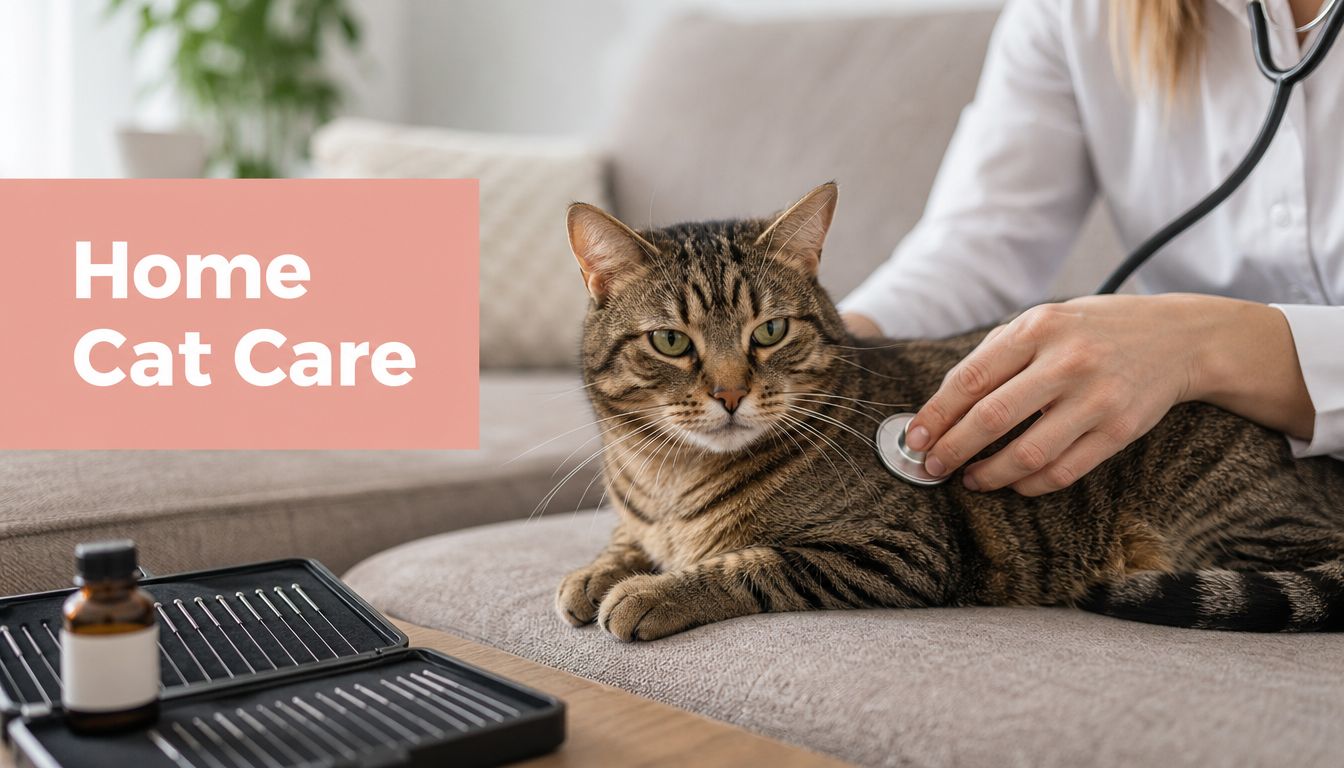
Traditional treatment still does the heavy lifting for many dogs. Integrative care adds another layer by addressing stiffness, muscle tension, mobility habits, and stress in the environment where those problems manifest. In South Tampa, that home setting can be especially helpful for dogs who struggle with car rides, hot weather, slick floors, or anxiety during clinic visits.

Why In Home Care Changes The Experience
A hospital exam tells me a lot. A home visit often tells me what the dog has to manage every day.
At home, it is easier to spot the actual triggers for pain and hesitation. A dog may look fairly steady on a clinic floor, then slip every time he turns by the sofa, brace before stepping onto the patio, or avoid a favorite bed because getting into it hurts. Those details shape better recommendations.
That is one reason integrative veterinary care can complement the primary veterinarian's treatment plan so well. It allows care to be adjusted around the dog's actual routine, stress level, and physical limits rather than a short snapshot in a new environment.
Modalities That Commonly Help
The goal is not to pile on treatments. The goal is to choose a few that fit the dog in front of you.
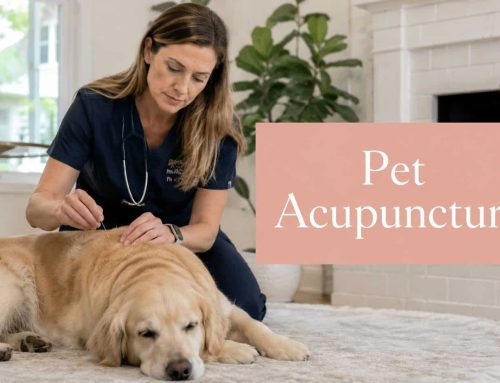
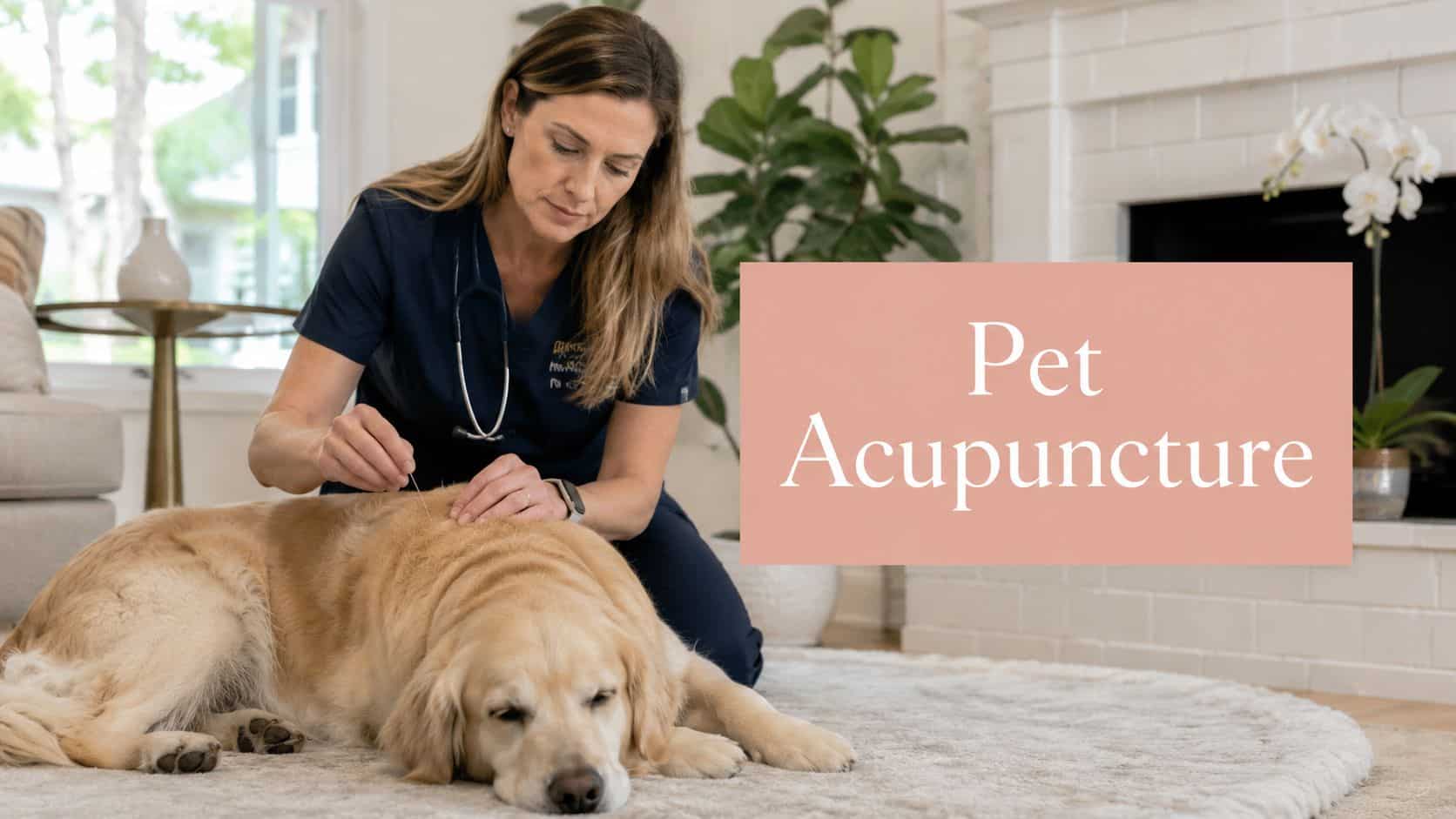
- Acupuncture and electroacupuncture: Often used to reduce pain, ease muscle guarding, and improve comfort in dogs with chronic stiffness.
- Laser therapy: May help with painful soft tissues around arthritic joints and can be useful for dogs who tolerate gentle, low-stress handling.
- Rehabilitation and home exercises: Help maintain strength, balance, and joint support when the plan is realistic and done consistently.
- Chinese herbal and food therapy: Sometimes added for selected patients, especially when the dog has a broader pattern of chronic inflammation, digestive sensitivity, or age-related decline.
In South Tampa, Pet Acupuncture & Wellness (PAW Vet Practice) provides mobile, in-home integrative services designed to work alongside your regular veterinarian, not replace that relationship.
What Owners Can Do Every Day
Daily support usually matters more than occasional big efforts. Small changes, repeated consistently, tend to help the most.
- Improve traction: Place runners or rugs where your dog gets up, turns tightly, or approaches doors.
- Reduce jumping and awkward climbing: Use ramps, steps, or a new routine for getting in and out of cars or onto furniture.
- Keep exercise controlled: Short, predictable walks are usually safer than long weekend outings or repeated ball chasing.
- Set up better rest areas: Choose a supportive bed in a spot that is easy to reach and away from slippery approaches.
- Bring necessities closer: Move food, water, and favorite resting areas so the dog does not have to work through pain just to get comfortable.
The best exercise plan is one your dog can repeat the next day without a flare.
Trade Offs To Keep In Mind
Integrative care works best when expectations stay realistic. Some dogs relax and move better after acupuncture or laser therapy. Others need medication adjustment, weight management, or a simpler home routine before those therapies make much difference.
There are practical trade-offs in every arthritis plan.
- Pain relief helps, but weak muscles still limit mobility
- More exercise is not always better if the joint is flaring
- Herbal or supplement plans should support, not replace, a medical diagnosis
- A home program only helps if the family can keep up with it
The strongest plan is the one that reduces pain, protects function, and fits ordinary life in your home.
A Partnership For Your Dog's Comfort In South Tampa
Managing DJD works best when nobody is trying to do everything alone. Your family veterinarian handles diagnosis, medical oversight, and the broader health picture. An in-home integrative veterinarian can help with comfort care, mobility support, rehab guidance, and practical adjustments that make daily life easier.
That partnership is especially useful for dogs who are stressed by clinic visits or whose mobility is hard to evaluate outside the home. In-house observations are helpful, but home observations can reveal problems that don't show up on an exam room floor. You get a more complete picture when both settings inform the plan.
For local families, there's an important geographic detail. We only service the South Tampa area. That focus allows care to stay local, practical, and tied to the day-to-day realities of homes and routines in this community.
If your dog is slowing down, don't wait for the problem to become dramatic before asking for help. Stiffness, hesitation, and changed behavior are enough reason to start the conversation. If you'd like to learn more about mobile support, these in-home vet services in South Tampa show how house-call care can fit into a broader arthritis plan.
If your dog is dealing with stiffness, mobility loss, or chronic joint pain, Pet Acupuncture & Wellness (PAW Vet Practice) offers in-home integrative veterinary care in South Tampa that can work alongside your primary veterinarian's treatment plan.