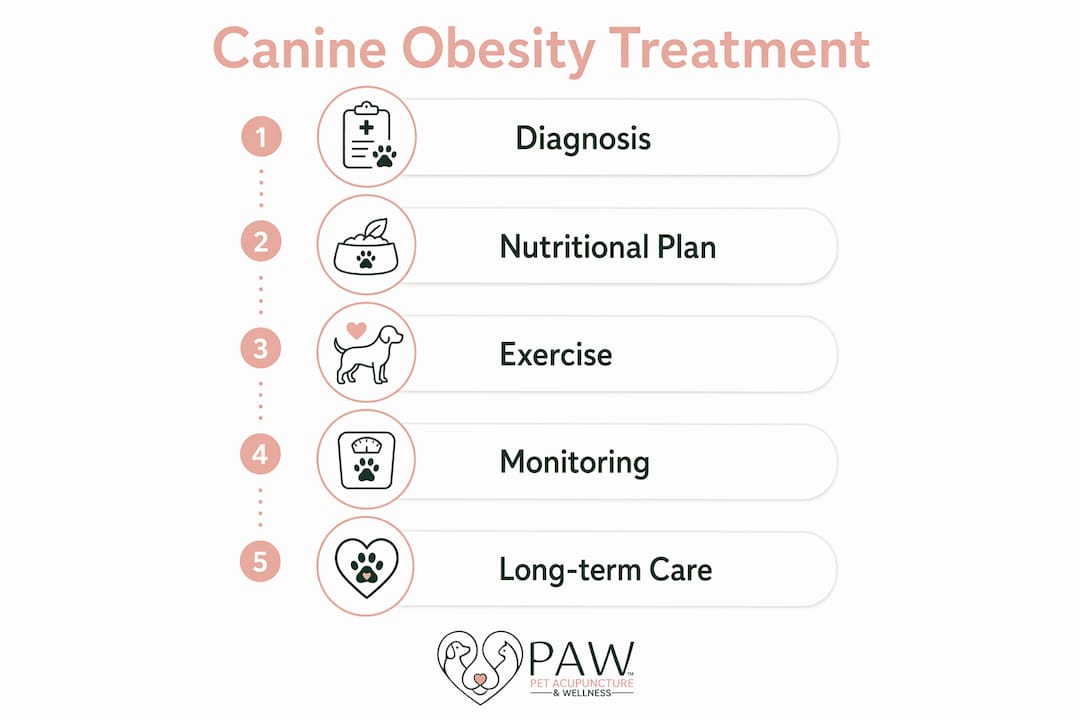
Effective treatment for obesity in dogs requires a veterinary-supervised plan built on three pillars: tailored nutrition, structured exercise, and consistent monitoring. Safe weight loss runs at 1–2% of body weight per week, with weigh-ins every 2–4 weeks to keep the plan on track. Medical conditions like hypothyroidism or Cushing’s disease must be ruled out first, because no diet will work against an unmanaged endocrine disorder. Integrative therapies, including acupuncture and dietary products, can support mobility and comfort alongside conventional care. Owner education and behavior change are just as critical as the food bowl.
Core treatment elements:
- Veterinary diagnosis and baseline bloodwork
- Individualized caloric plan based on target weight
- Therapeutic, high-protein, high-fiber diet
- Gradual, low-impact exercise progression
- Weigh-ins every 2–4 weeks with plan adjustments
- Behavior modification to reduce treat overfeeding
- Integrative therapies for pain and mobility support
What obesity in dogs actually means for their health
Obesity in dogs is defined as excess body fat that measurably impairs health, not just a dog that looks a little round. Adipose tissue functions as an active endocrine organ, releasing hormones and inflammatory signals that disrupt metabolism, complicate weight loss, and worsen existing conditions. The American Animal Hospital Association (AAHA) and the British Small Animal Veterinary Association (BSAVA) both classify obesity as a multisystem medical disorder, not a lifestyle inconvenience.
Common causes:
- Caloric excess from overfeeding, table scraps, or high-calorie treats
- Sedentary lifestyle with insufficient daily activity
- Spaying or neutering, which reduces energy requirements
- Breed predispositions (Labrador Retrievers, Beagles, Cocker Spaniels, Dachshunds)
- Endocrine conditions: hypothyroidism, hyperadrenocorticism (Cushing’s disease)
- Certain medications that increase appetite or reduce metabolism
Health consequences include:
- Osteoarthritis and reduced joint mobility
- Diabetes mellitus
- Respiratory compromise
- Increased anesthetic risk
- Shortened lifespan
The benefits of a healthy weight go well beyond appearance. Dogs carrying excess body fat experience chronic low-grade inflammation even before clinical signs appear, making early intervention far more effective than waiting until your dog is visibly struggling.
How nutrition drives canine weight loss
Diet is the single most powerful lever in any dog weight loss solution, and generic calorie cutting rarely works as well as owners hope. The Resting Energy Requirement must be calculated using your dog’s target weight, not their current weight, to avoid overfeeding while still meeting nutritional needs.
Therapeutic diets high in protein and fiber produce faster, more consistent weight loss than simply feeding less of a standard maintenance food. High protein spares lean muscle mass during caloric restriction. Added fiber reduces caloric density and keeps your dog feeling full. A weight-loss formulated food typically contains around 300 calories per cup, compared to many maintenance foods that run considerably higher.
Nutritional guidelines your vet will likely follow:
- Calculate daily calories from target body weight, not current weight
- Choose a therapeutic weight-loss diet over a restricted maintenance diet
- Limit treats to no more than 10% of daily caloric intake
- Use vegetables like peas or small portions of wet food as low-calorie treat alternatives
- Measure every meal precisely, since heaping portions silently add calories
- Feed two or more smaller meals daily rather than one large meal
No FDA-approved diet pill exists for canine obesity. Weight loss depends entirely on diet, exercise, and veterinary oversight.
Exercise plans that actually work for overweight dogs
Physical activity supports weight loss and preserves muscle, but it cannot outpace a poor diet on its own. The key is starting slow and building gradually, because an obese dog’s joints and cardiovascular system need time to adapt.
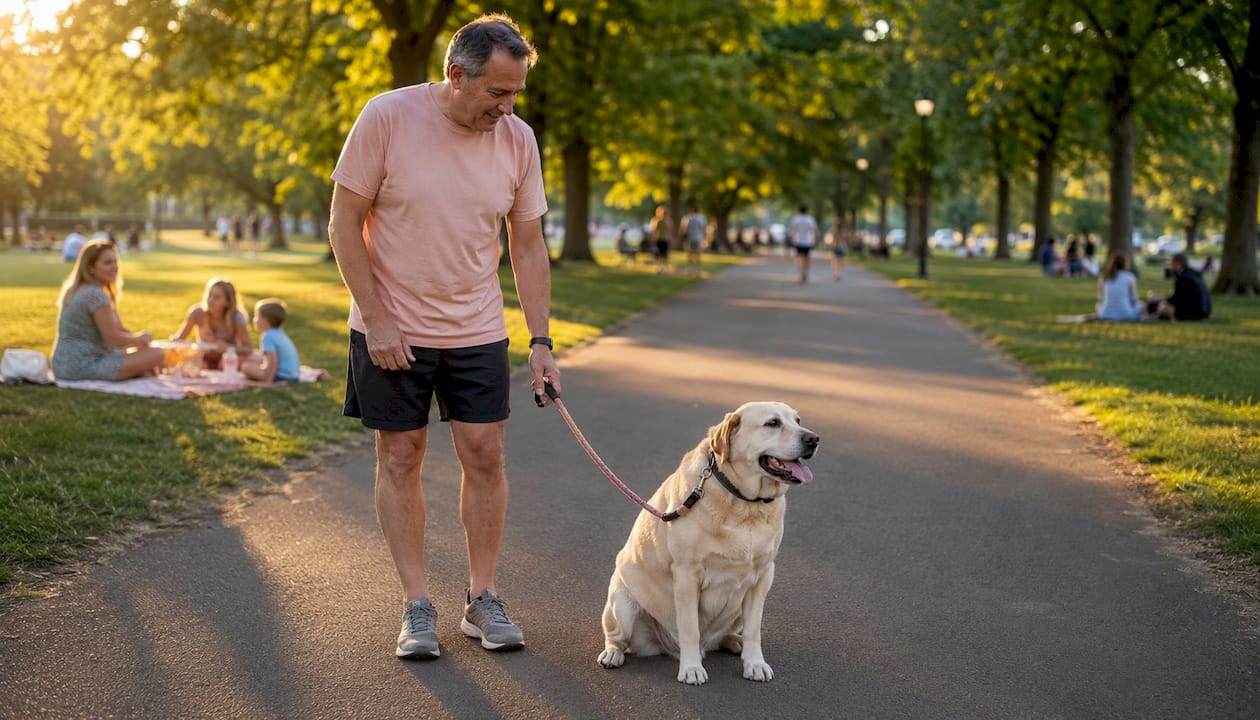
For a dog with no orthopedic restrictions, the 2014 AAHA Weight Management Guidelines suggest beginning with 5-minute walks three times daily, then increasing gradually toward 30–45 minutes of walking per day. Swimming and underwater treadmill therapy are excellent for dogs with arthritis or joint pain, since water reduces impact while still building strength and burning calories.
Exercise recommendations by situation:
- Healthy obese dogs: leash walking, building to 30–45 minutes daily
- Dogs with joint pain: swimming or underwater treadmill therapy
- Dogs with severe mobility issues: consult a veterinary rehabilitation specialist
- All dogs: avoid high-impact activities like jumping until a healthy weight is reached
- Track activity alongside weight changes to adjust the plan as needed
Pro Tip: A fitness tracker designed for dogs can help you and your vet see actual daily activity levels, which often reveals that a dog is far less active than their owner estimates.
For hands-on guidance, a home physical therapy plan tailored to your dog’s current fitness level can make the early weeks much safer and more effective.
Why veterinary monitoring is non-negotiable
Obesity management for dogs is not a set-it-and-forget-it process. Regular weigh-ins every 2–4 weeks allow your vet to adjust caloric intake based on actual results, catching problems before they derail progress. If your dog is losing weight faster than 1–2% per week, calories may be restricted too severely. Slower loss signals the plan needs tightening.
Proper diagnosis of underlying conditions like hypothyroidism or Cushing’s disease is critical before starting any weight loss program. Obesity-triggered endocrine disruptions can mimic hypothyroidism on bloodwork, so specific testing is needed to avoid misdiagnosis. The AAHA Nutrition and Weight Management Guidelines recommend body condition scoring and muscle condition scoring at every exam.
Veterinary care best practices:
- Baseline bloodwork to rule out endocrine disorders
- Body condition score and muscle condition score at every visit
- Weigh-ins every 2–4 weeks with documented plan adjustments
- Non-judgmental communication focused on your dog’s comfort and mobility
- Follow-up contact within the first few days of starting a new plan
The World Pet Obesity Federation’s communication guidelines emphasize that vets who frame weight loss around quality of life and mobility, rather than numbers on a scale, see significantly better owner compliance and long-term success.
Integrative therapies that support weight management in Florida
Canine obesity treatment works best when conventional care and integrative therapies work together. In South Tampa and across Florida, several practices offer modalities that reduce pain, improve mobility, and support the metabolic changes needed for weight loss.
Integrative therapies available locally include:
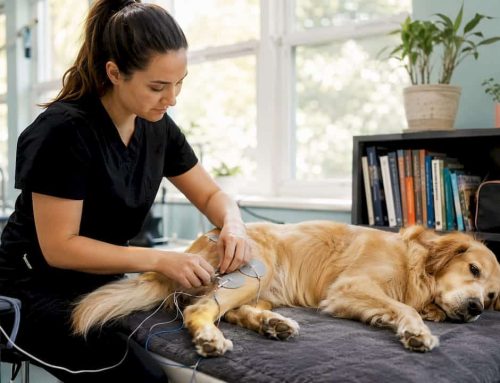
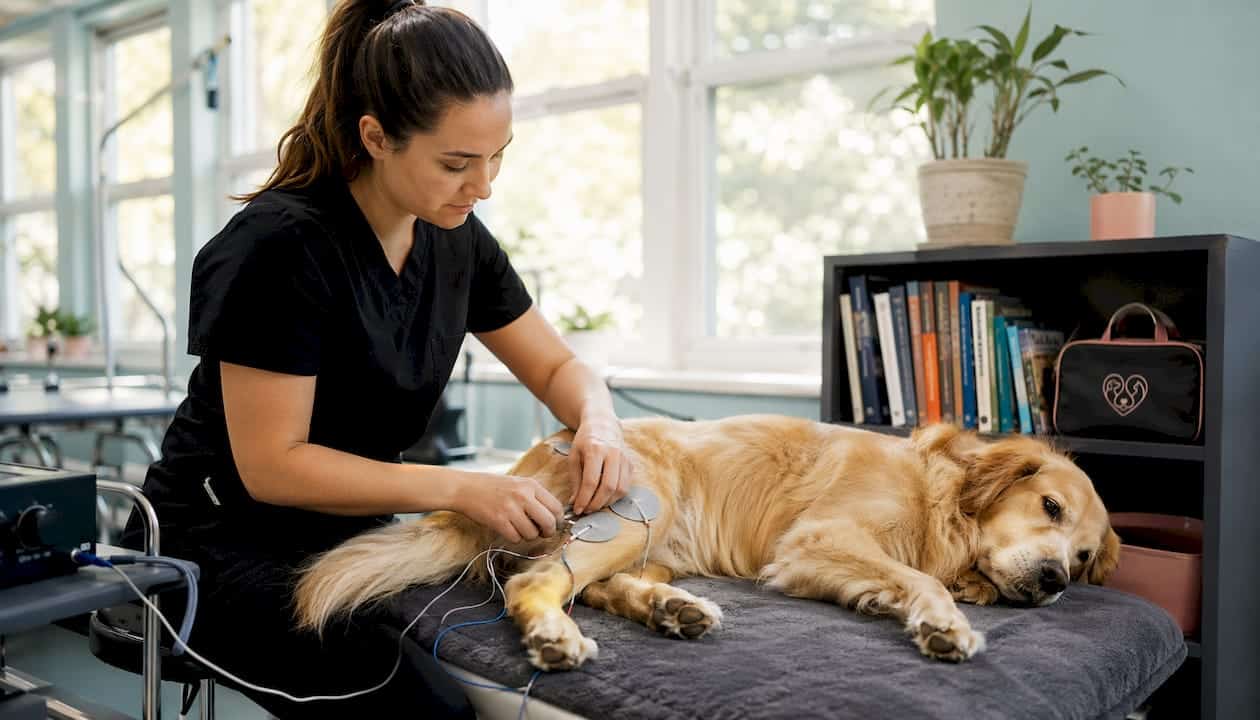
- Acupuncture: Stimulates Qi flow along Meridians to reduce inflammation and pain, making movement more comfortable for arthritic dogs
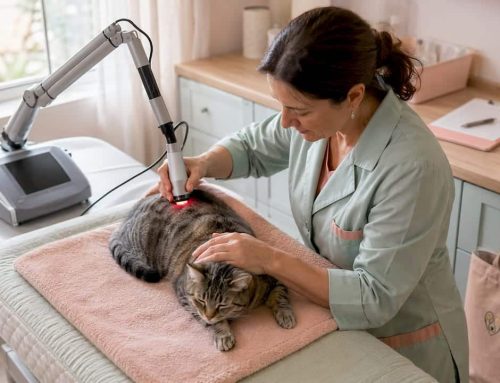
- Laser therapy: Class III and IV laser treatments reduce joint inflammation and support tissue healing
- Underwater treadmill therapy: Builds muscle and burns calories with minimal joint stress
- Herbal medicine: Traditional Chinese Veterinary Medicine (TCVM) formulas can support metabolic function and Yin-Yang balance
- Rehabilitation and therapeutic exercise: Structured programs designed by veterinary rehabilitation specialists
- Food therapy: TCVM-guided dietary recommendations that complement Western nutritional plans
Florida-based integrative practices, including Healing Paws Center and AcuVetDoc, offer many of these modalities. Pet Acupuncture & Wellness brings these therapies directly to your home in South Tampa, removing the stress of travel for dogs who find clinic visits difficult.
Keeping the weight off long-term
Relapse after weight loss is common without sustained behavior change. Once your dog reaches their target weight, the plan shifts to maintenance, which means adjusted caloric intake, continued activity, and ongoing monitoring rather than a return to old habits.
Owner education on feeding habits and activity is the strongest predictor of long-term success. Emotional feeding, where owners offer food as affection, is one of the most common reasons dogs regain weight. Replacing food rewards with walks, play sessions, or grooming keeps the bond strong without the calories.
Practical tips for long-term maintenance:
- Transition to a maintenance-calorie diet gradually after reaching target weight
- Continue monthly or bimonthly weigh-ins even after the goal is met
- Keep treats at or below 10% of daily calories permanently
- Use puzzle feeders or automated feeders to slow eating and add mental stimulation
- Address begging with non-food interactions rather than giving in
How vets identify and diagnose obesity in dogs
Diagnosis relies on two primary tools: body condition scoring (BCS) and muscle condition scoring (MCS). The BCS scale, typically rated 1–9, places ideal dogs at 4–5. A score of 6–7 indicates overweight, and 8–9 indicates obesity. Your vet assesses rib palpability, waist definition, and abdominal tuck to assign the score.
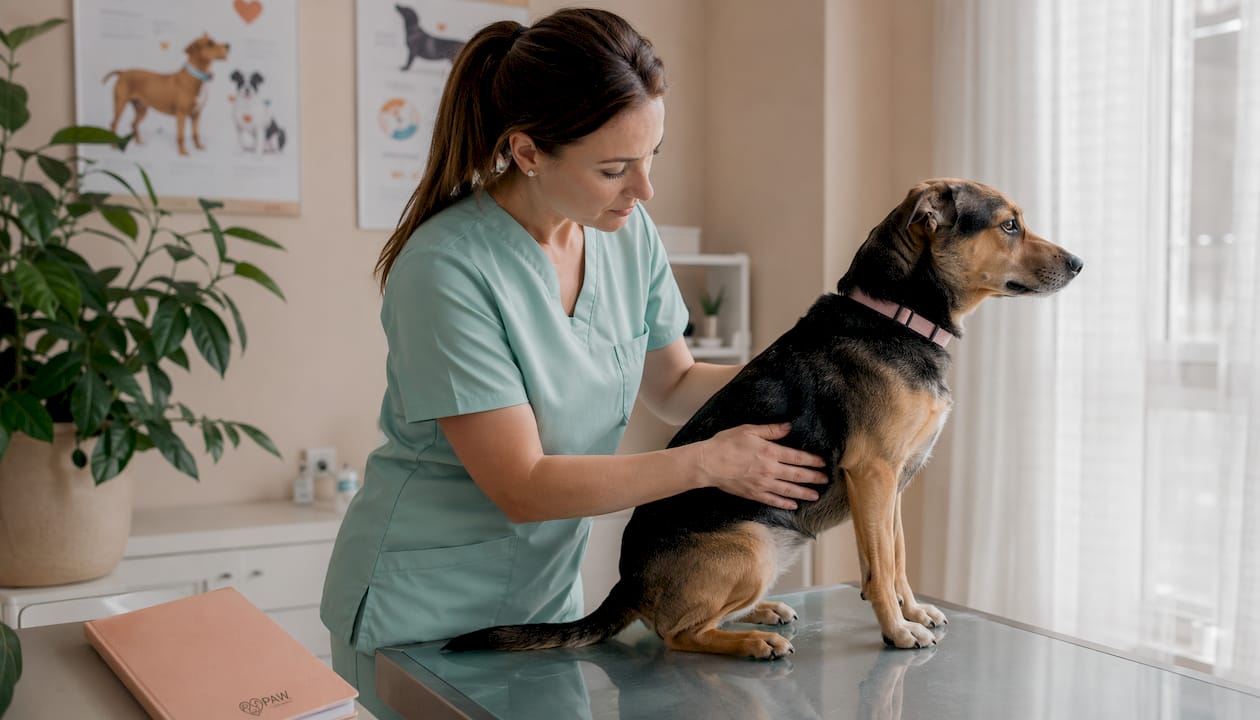
Bloodwork rules out conditions like hypothyroidism and hyperadrenocorticism that can cause or worsen weight gain. Once medical causes are addressed or excluded, your vet calculates a realistic target weight and builds the plan from there.
Medications and surgical options for canine obesity
No FDA-approved weight loss medication currently exists for dogs. Treatment depends on diet and exercise under veterinary supervision, with no pharmaceutical shortcut available. Some vets may address underlying hormonal conditions with medication, such as thyroid supplementation for hypothyroid dogs, which then allows weight loss to proceed normally.
Bariatric surgery, widely used in human medicine, is not a standard or commonly available option in veterinary practice. The focus remains on behavioral and nutritional intervention, supported by integrative therapies where appropriate.
Tailoring treatment by breed, age, and health status
A Labrador Retriever’s weight loss plan looks very different from a Dachshund’s. Labradors carry a genetic mutation affecting appetite regulation, making strict portion control and measured feeding critical. Dachshunds need low-impact exercise to protect their spines. Brachycephalic breeds like Bulldogs require careful monitoring during any exercise due to respiratory limitations.
Age matters too. Dogs between 5 and 12 years old have the highest obesity prevalence, and their metabolic rates and joint health vary widely. Senior dogs often need gentler exercise, more frequent vet check-ins, and diets that account for reduced digestibility. Puppies should never be placed on calorie-restricted diets before skeletal maturity is complete, as this risks nutritional deficiencies during growth.
Pet Acupuncture & Wellness: integrative care at your door
If your dog is struggling with weight and the stress of clinic visits makes the process harder, Pet Acupuncture & Wellness brings expert integrative care directly to your home in South Tampa. From acupuncture for pain relief to herbal therapy and food therapy grounded in TCVM principles, every treatment is tailored to your dog’s individual needs. Explore integrative veterinary care that works alongside your primary vet’s plan to support real, lasting results.
Key Takeaways
Effective canine obesity treatment combines veterinary-supervised nutrition, structured exercise, and consistent monitoring, with integrative therapies providing meaningful support for mobility and long-term success.
| Point | Details |
|---|---|
| Safe weight loss rate | Safe weight loss is 1–2% of body weight per week, with weigh-ins every 2–4 weeks. |
| Diet is the primary driver | Therapeutic high-protein, high-fiber diets outperform simple calorie restriction. |
| Treats must stay limited | Treats should compose no more than 10% of daily caloric intake. |
| Rule out medical causes | Hypothyroidism and Cushing’s disease must be diagnosed and treated before weight loss can succeed. |
| Integrative therapies help | Acupuncture, laser therapy, and rehabilitation improve mobility and support the weight loss process. |
FAQ
How do I help my obese dog lose weight fast?
Work with your vet to calculate calories based on your dog’s target weight, switch to a therapeutic high-protein, high-fiber diet, and add daily low-impact exercise like leash walking or swimming. Safe weight loss is 1–2% of body weight per week; faster loss risks nutritional deficiency.
How many years does obesity take off a dog’s life?
Obesity is associated with a shortened lifespan in dogs, along with increased risk of diabetes, osteoarthritis, and respiratory disease. The AAHA notes that prevention and early treatment significantly improve both longevity and quality of life.
What dog breed is most prone to obesity?
Labrador Retrievers carry a genetic mutation that impairs appetite regulation, making them among the most obesity-prone breeds. Beagles, Cocker Spaniels, Dachshunds, and Newfoundlands also face elevated risk and benefit from proactive weight monitoring.
Is there a diet pill for dogs that are obese?
No FDA-approved weight loss pill exists for dogs. Effective obesity management for dogs relies on a veterinary-supervised combination of therapeutic diet, structured exercise, and regular monitoring.