TL;DR:
- Veterinary rehabilitation uses physical therapies to improve mobility, reduce pain, and enhance quality of life in pets. It involves modalities like hydrotherapy, laser, acupuncture, and exercises, tailored to treat conditions such as arthritis and neurologic disorders. Mobile services provide comfortable, home-based care especially beneficial for senior or anxious animals.
What is veterinary rehabilitation, and how does it help your pet?
Veterinary rehabilitation is a multimodal approach to treating neurologic and musculoskeletal conditions in dogs and cats, using physical therapies to restore mobility, reduce pain, and improve quality of life. Think of it as physical therapy for your pet, guided by a rehab-certified veterinarian who builds a treatment plan around your animal’s specific condition and goals.
Core therapies include:
- Hydrotherapy (underwater treadmill or pool): water buoyancy reduces joint stress while building muscle
- Laser therapy: focused light energy reduces inflammation and accelerates tissue healing
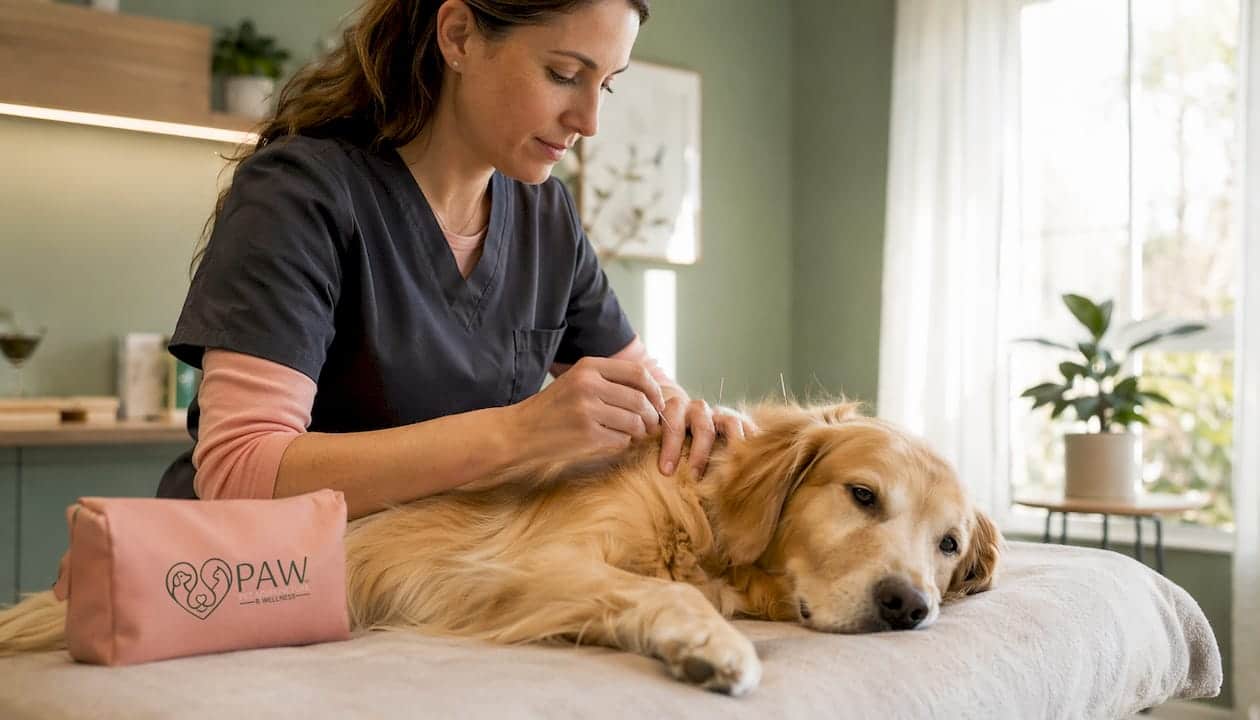
- Acupuncture: stimulates the body’s natural pain-relief response and supports healing
- Therapeutic exercises: targeted movements that rebuild strength, balance, and coordination
- TENS/NMES: electrical stimulation to maintain muscle mass and manage pain
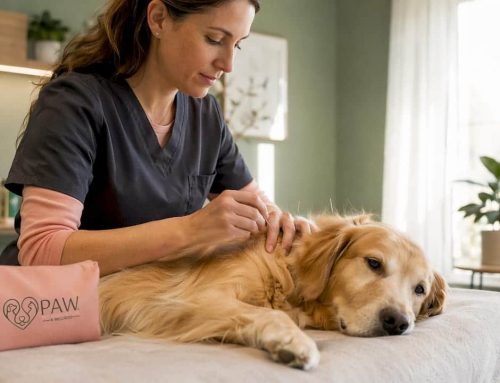
- Massage and myofascial release: relieves muscle tension and improves circulation
Conditions commonly treated include arthritis, intervertebral disc disease (IVDD), CCL and ligament tears, hip dysplasia, post-surgical recovery, and neurologic disorders. For senior pets especially, the benefits are meaningful. Research shows that extensive physical therapy lengthens survival times in geriatric dogs compared to moderate or absent therapy. Sessions typically run once or twice weekly, with reassessment every 4–6 weeks to adjust goals as your pet progresses.
How do Florida’s top veterinary rehab providers compare?
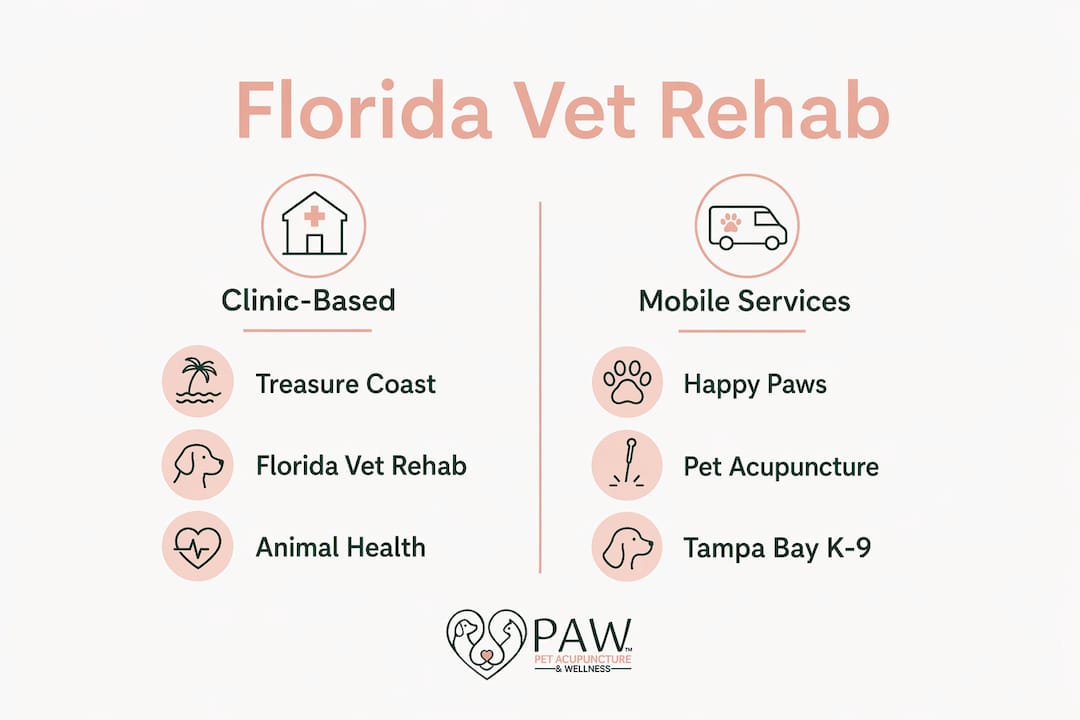
Florida has a strong network of specialized rehab clinics and mobile services. The eight providers below represent the most established options across the state.
| Provider | Services Offered | Specializations | Location / Type | Rating |
|---|---|---|---|---|
| Treasure Coast Animal Rehabilitation & Fitness | Rehabilitation, senior/geriatric care, massage, myofascial therapy | Senior pets, strength restoration, pain relief | Treasure Coast, FL / Facility | 5★ (301 reviews) |
| Animal Recreation & Rehabilitation Center | General veterinary rehabilitation | General rehab services | South Florida / Facility | 4.4★ (140 reviews) |
| Florida Veterinary Rehabilitation | Physical rehab, pain management, chiropractic, acupuncture, sports medicine | Advanced rehab, pain management, sports medicine | Florida / Facility | 5★ (122 reviews) |
| Animal Health & Rehab Center | Rehab for arthritis, post-surgical, trauma, neurologic; routine and surgical care | Orthopedic and neurological conditions | South Florida / Facility | 4.9★ (97 reviews) |
| Florida Veterinary Rehabilitation and Sports Medicine | Underwater treadmill, laser, shockwave, orthotics, acupuncture, chiropractic | Canine orthopedic/neurologic rehab, sports medicine, senior care | Florida / Facility | 4.8★ (89 reviews) |
| Hancock Animal Hospital & Rehabilitation Center | Acupuncture, laser therapy, rehab, hospice, veterinary medical manipulation | Integrative and holistic therapies | Florida / Facility | 5★ (85 reviews) |
| Tampa Bay K-9 Rehab Center | Individualized rehab plans, post-surgical care, arthritis management | Canine post-surgical and arthritis rehab | Central Florida / Facility | 5★ (20 reviews) |
| Happy Paws Rehabilitation and Wellness | Mobile rehab, IVDD, CCL tears, arthritis, post-op care | Canine orthopedic conditions, mobile delivery | Orlando, FL / Mobile | 5★ (15 reviews) |
Treasure Coast Animal Rehabilitation & Fitness stands out for senior and geriatric pet care. Their dedicated fitness center focuses on rebuilding strength and relieving pain through rehabilitation and myofascial therapy, making them a natural fit for aging dogs who need more than basic pain management.
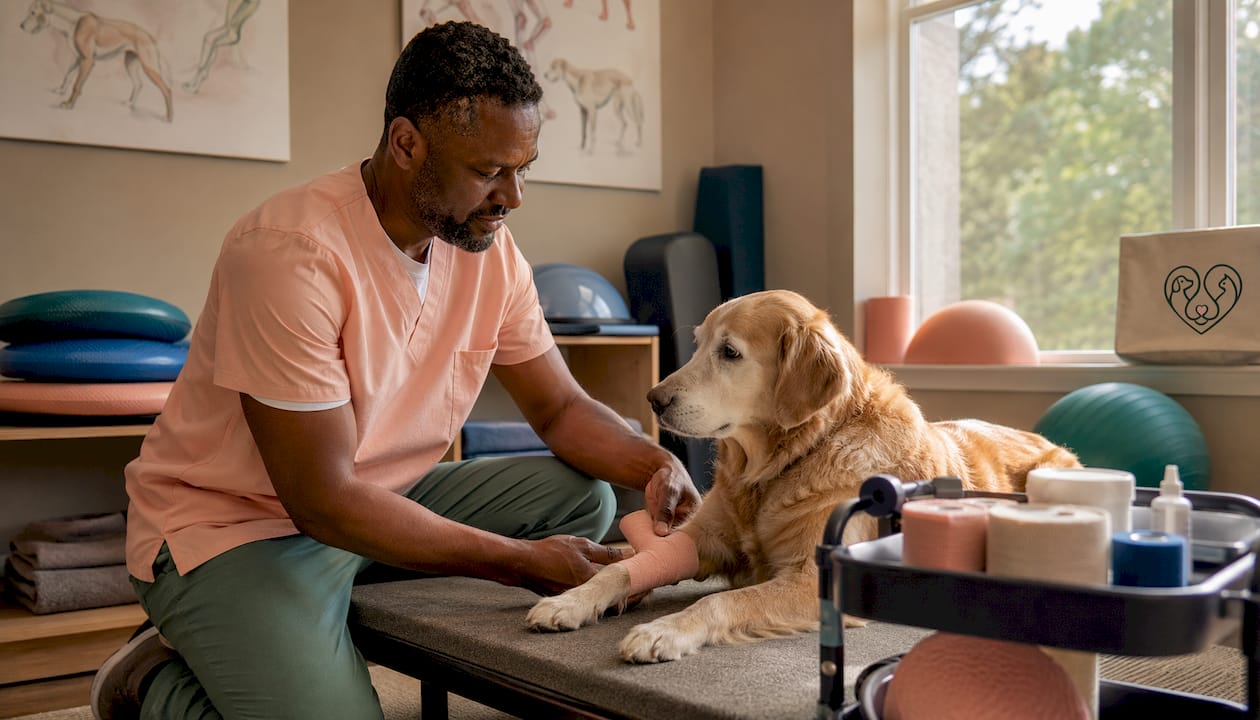
Florida Veterinary Rehabilitation offers one of the broadest therapy menus in the state, combining physical rehabilitation with chiropractic care, acupuncture, and sports medicine conditioning. Pets with complex or overlapping conditions benefit from that kind of integrated approach.
Animal Health & Rehab Center describes itself as South Florida’s original animal hospital dedicated to rehab, covering arthritic, post-surgical, trauma, and neurological disorders alongside routine medical and surgical care. That combination means your pet’s rehab and primary care can happen under one roof.
Florida Veterinary Rehabilitation and Sports Medicine is the go-to for working, competition, and companion dogs needing advanced therapies. Their underwater treadmill, shockwave treatment, and assistive device fitting (orthotics and prosthetics) set them apart, and package discounts make frequent visits more manageable.
Hancock Animal Hospital & Rehabilitation Center takes a spa-like, integrative approach, blending acupuncture, laser therapy, and veterinary medical manipulation with hospice care for end-of-life comfort. It suits pets whose owners want a gentler, whole-body experience.
Tampa Bay K-9 Rehab Center is a small, focused facility in Central Florida offering individualized plans for dogs recovering from surgery or managing arthritis. The smaller setting often means more one-on-one attention per session.
Happy Paws Rehabilitation and Wellness delivers mobile canine rehab in the Orlando area, treating IVDD, CCL tears, arthritis, and post-op cases at the pet’s home. For dogs who find car rides or clinic environments stressful, that convenience is genuinely therapeutic.
Animal Recreation & Rehabilitation Center serves the South Florida area with general rehabilitation services and suits pets needing foundational rehab care.
How do you choose the right rehab veterinarian for your pet?
The quality of your pet’s recovery depends heavily on who designs and oversees the treatment plan. A rehab-certified veterinarian should lead that plan, supported by physical therapists and trained technicians. Credentials to look for include CCRP (Certified Canine Rehabilitation Practitioner), CCRT (Certified Canine Rehabilitation Therapist), and DACVSMR (Diplomate of the American College of Veterinary Sports Medicine and Rehabilitation).
Beyond credentials, consider these factors:
- Range of therapies: a clinic offering only one or two modalities may not address your pet’s full picture
- Experience with your pet’s condition: ask specifically whether they treat IVDD, post-TPLO recovery, or neurologic cases regularly
- Location and access: weekly sessions require a realistic commute, or a mobile provider who comes to you
- Home care support: the best programs send you home with clear instructions, because owner adherence to home exercises and environmental modifications is one of the biggest factors in whether rehab actually works
Questions worth asking during your first consultation:
- How often will my pet need sessions, and for how long?
- Who specifically will be working with my pet each visit?
- What does a typical session look like for my pet’s condition?
- What can I do at home between appointments?
- How will progress be measured and when will the plan be adjusted?
Pro Tip: Ask whether the clinic uses objective measures like goniometry (joint angle measurement) or muscle girth tracking to monitor progress. Clinics that track these numbers can show you concrete improvement over time, rather than relying on subjective impressions.
Why mobile integrative rehab works well for pets in South Tampa
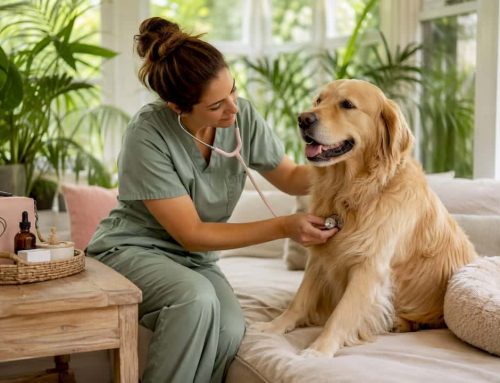
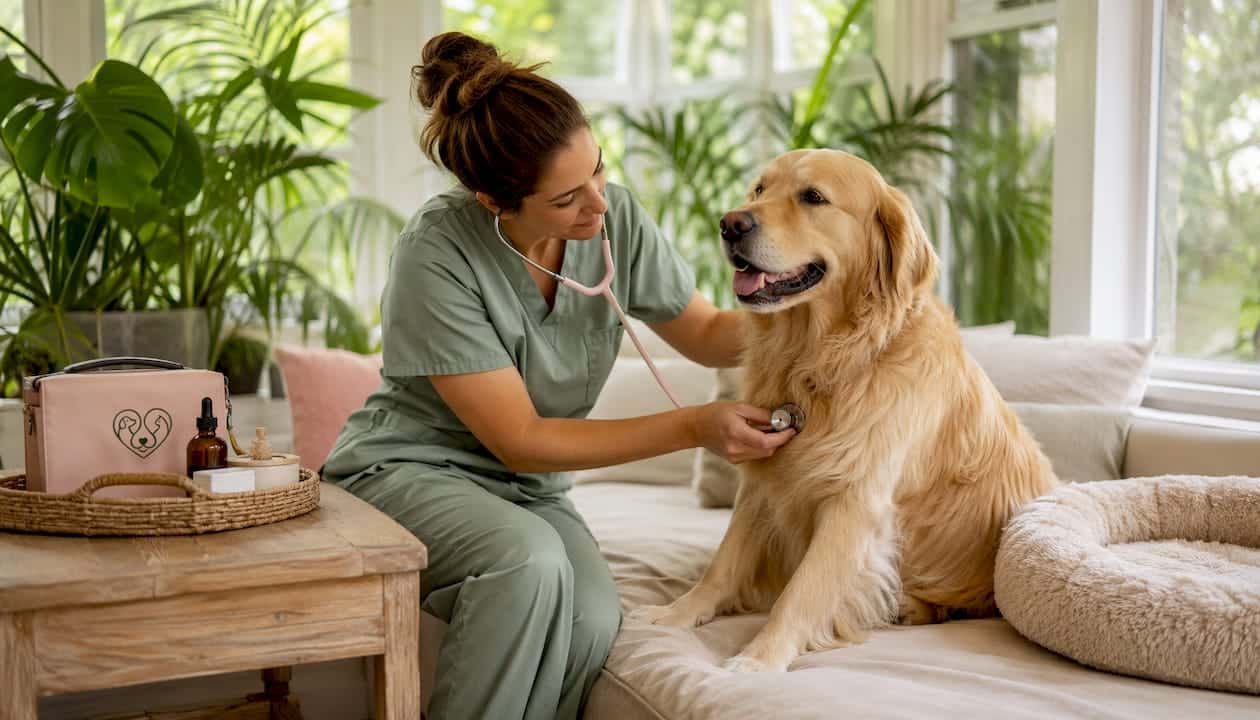
For senior dogs, cats with mobility issues, or any pet who finds the car ride alone exhausting, mobile veterinary care removes a real barrier to consistent treatment. When therapy happens at home, your pet is already calm, already in their familiar space, and far less likely to arrive at a session tense and guarded.
Pet Acupuncture & Wellness offers exactly this kind of care in South Tampa, combining rehabilitation with acupuncture, laser therapy, and herbal treatments during in-home visits. That integration matters because pain management and physical therapy work better together. Acupuncture, for example, supports the body’s natural pain-relief response while rehabilitation exercises rebuild the strength and coordination your pet needs to move comfortably.
Senior and disabled pets benefit most from this model. Geriatric animals require specially tailored approaches that balance pain management with enough activity to prevent further decline, and doing that work in a low-stress home environment supports both goals at once.
How to prepare your pet for rehabilitation and what to expect
Before the first session, your rehab veterinarian will typically conduct a full physical assessment, reviewing your pet’s medical history, current medications, and movement limitations. Tools like goniometers measure joint range of motion, and muscle girth measurements establish a baseline so progress can be tracked objectively over time.
Prepare your pet by:
- Gathering all prior imaging, surgical notes, and medication records
- Noting specific behaviors at home: does your dog hesitate on stairs, slip on tile, or struggle to rise?
- Keeping your pet calm and lightly exercised before appointments, not overtired
During early sessions, expect a gentle pace. Therapists introduce modalities gradually, watching how your pet responds before adding intensity. Some pets take a session or two to relax into the process, especially cats, whose temperament plays a real role in how quickly they engage with therapy.
At home between visits, you will likely receive a home exercise program with specific movements, activity restrictions, and environmental tips like adding rugs over slippery floors or using a ramp instead of stairs. Sticking to those instructions consistently is what separates pets who plateau from pets who keep improving.
Key Takeaways
Florida’s top veterinary rehab providers offer specialized therapies that can meaningfully improve your pet’s mobility, pain levels, and quality of life when matched to the right condition and delivered by a credentialed team.
| Point | Details |
|---|---|
| Multimodal therapy works best | Combining hydrotherapy, laser, acupuncture, and exercise addresses pain and mobility together. |
| Credentials matter | Look for CCRP, CCRT, or DACVSMR designations when choosing a rehab veterinarian. |
| Senior pets need tailored plans | Research confirms extensive physical therapy extends survival and quality of life in geriatric dogs. |
| Owner adherence drives outcomes | Home exercises, environmental changes, and activity restrictions are as important as clinic sessions. |
| Pet Acupuncture & Wellness | Offers mobile integrative rehab in South Tampa, combining acupuncture, laser, and rehabilitation at home. |
Why personalized rehab matters more than any single therapy
The most common mistake pet owners make is treating veterinary rehabilitation as a single treatment rather than an ongoing, adaptive process. A laser session here and a swim there will not move the needle for a dog with degenerative myelopathy or a cat recovering from spinal surgery. What actually works is a plan that evolves, one where the therapist reassesses every few weeks, adjusts the exercises, and communicates clearly with your primary care vet.
Integrative therapies are not a soft alternative to conventional medicine. They are a complement to it, and the evidence increasingly supports that combination. The pets who recover best are the ones whose owners stay engaged, ask questions, and follow through at home. That relationship between owner, pet, and provider is the real treatment.
Pet Acupuncture & Wellness brings rehab to your pet’s home
If your pet struggles with clinic visits or you want integrative care woven into every session, Pet Acupuncture & Wellness offers a different path. Rather than adding another stressful car ride to your senior dog’s week, their mobile service brings acupuncture and pain relief directly to your home in South Tampa, paired with rehabilitation and laser therapy in the same visit.
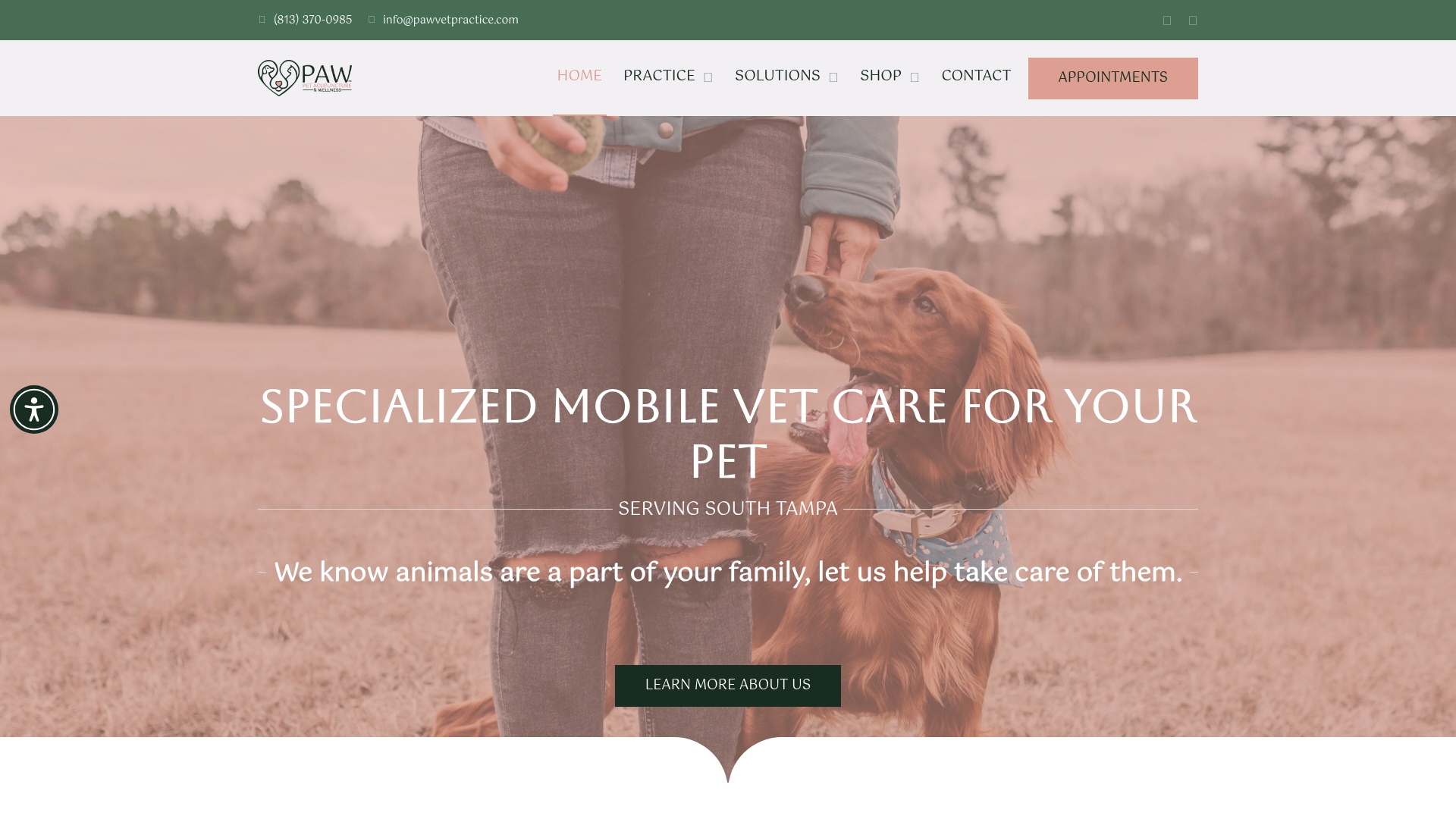
This approach suits pets who are anxious, mobility-limited, or simply too exhausted by travel to benefit fully from clinic-based care. It also suits owners who want one provider coordinating acupuncture, herbal support, and physical rehabilitation together rather than managing multiple appointments across different practices. Contact Pet Acupuncture & Wellness to discuss whether mobile integrative rehab is the right fit for your pet.
FAQ
What conditions does veterinary rehab treat?
Veterinary rehab treats arthritis, IVDD, CCL tears, hip dysplasia, post-surgical recovery, fractures, and neurologic disorders. It addresses both musculoskeletal and neurologic conditions using a combination of physical therapies.
How often does my pet need rehab sessions?
Most pets benefit from one to two sessions per week, with professional reassessment every 4–6 weeks to adjust the treatment plan as they progress.
What credentials should a rehab veterinarian have?
Look for CCRP, CCRT, or DACVSMR designations, which indicate specialized training in veterinary rehabilitation from accredited programs.
Is mobile veterinary rehab as effective as clinic-based care?
Mobile integrative care offers a less stressful environment that can improve adherence and outcomes, particularly for senior and disabled pets who find travel difficult.
Can cats benefit from veterinary rehabilitation?
Yes. Cats respond well to rehabilitation when sessions are adapted to their temperament, using environmental cues and gentle pacing to keep them comfortable and engaged.