TL;DR:
- Natural therapies like acupuncture, herbal formulas, and environmental changes support pain relief in dogs with cancer. These approaches complement conventional treatments, aiming to improve quality of life through safety, coordination, and monitoring.
Natural pain relief for dogs with cancer is defined as the use of integrative therapies, including herbal supplements, acupuncture, massage, and environmental modifications, to reduce discomfort and improve quality of life alongside conventional veterinary treatment. These approaches do not replace chemotherapy, surgery, or radiation. They work alongside standard care to address inflammation, pain signaling, nausea, and emotional stress. Integrative oncology treats natural therapies as supportive tools, not standalone cures. Pet Acupuncture & Wellness brings this approach directly to your home in South Tampa, making expert integrative care accessible without the stress of a clinic visit.
What natural therapies are effective for cancer pain in dogs?
Several natural therapies show real promise for canine cancer pain relief, and the evidence base is growing. The most studied options include hemp-derived CBD and CBDA, veterinary acupuncture, massage therapy, and herbal formulas rooted in Traditional Chinese Veterinary Medicine (TCVM). Each works through a different mechanism, so combining them often produces better results than any single approach.

Hemp oil and CBD
CBD and CBDA-rich hemp oil is one of the most researched natural supplements for cancer dogs right now. A clinical study found that short-term oral CBD/CBDA hemp oil is safe and well-tolerated in dogs with lymphoma undergoing CHOP chemotherapy, with no significant adverse events reported. That finding matters because it confirms safety during active cancer treatment, not just in healthy dogs. Separately, CBD at sub-cytotoxic concentrations has been shown to reduce inflammatory genes COX-2, IL-6, and TNF-α in canine mammary carcinoma cells. Lowering those markers directly reduces the inflammatory signaling that drives cancer-related pain.
Herbal formulas and TCVM
TCVM-based herbal formulas offer another layer of support. The Baituxiao formula, for example, includes botanicals like Angelica sinensis, Paris polyphylla, and Curcuma phaeocaulis, all with documented analgesic and anti-inflammatory properties. Think of these herbs as working along your dog’s Meridians, the body’s energy pathways, to restore balance and reduce pain signals. Always consult a veterinary herbalist before starting any formula, since ingredient interactions with cancer medications are real.
Acupuncture and massage
Acupuncture improves pain signaling, blood flow, and neuromodulation. It also relieves chemotherapy side effects like nausea and peripheral neuropathy, making it one of the most versatile tools in integrative veterinary oncology. Massage therapy adds comfort and reduces anxiety, but technique matters. Use flat fingers, slow circles, and light pressure. Avoid tumor sites entirely.
Here is a quick summary of the main natural therapy categories:
- CBD/CBDA hemp oil: Anti-inflammatory, well-tolerated during chemotherapy, supports appetite
- TCVM herbal formulas: Target pain and inflammation through botanical compounds
- Acupuncture: Modulates pain signals, reduces nausea, calms anxiety
- Massage therapy: Improves circulation and comfort when applied with gentle technique
- Rehabilitation exercises: Maintain muscle mass and mobility for dogs with bone or joint involvement
Pro Tip: Ask your veterinary oncologist to review any supplement before you start. Even natural products can interact with chemotherapy drugs, and a quick review protects your dog.
How to safely use herbal and nutritional supplements for dogs with cancer pain
Herbal remedies for dogs carry real benefits, but they also carry real risks when used without guidance. The biggest mistake owners make is treating “natural” as automatically safe. Herb-drug interactions exist, product quality varies widely, and dosing for a 10-pound dog differs dramatically from dosing for a 70-pound dog.
The most useful supplements for pain management in cancer dogs fall into a few categories:
- Turmeric (curcumin): Anti-inflammatory, often paired with black pepper extract to improve absorption
- Boswellia: Reduces joint and soft tissue inflammation, commonly used for bone cancer pain
- Hemp-derived CBD oil: Addresses both pain and anxiety; choose products with a certificate of analysis
- Omega-3 fatty acids (fish oil): Reduce systemic inflammation and support appetite
- Mushroom extracts (Reishi, Turkey Tail): Support immune function and general wellbeing
Product quality is the single biggest variable. Choose supplements manufactured under veterinary-grade quality controls, and verify that the label matches the certificate of analysis. A veterinary nutritionist can also help you address muscle wasting and appetite loss, which are common in cancer dogs and directly affect how much pain your dog can tolerate.
Tracking matters as much as choosing the right supplement. A detailed symptom diary recording appetite, energy, pain signs, and sleep quality gives your veterinary team the data they need to adjust the plan. Vague reports like “he seems worse” are far less useful than a written log showing three days of reduced appetite after starting a new supplement.
Pro Tip: Before every veterinary appointment, bring a written list of every supplement, dose, and frequency your dog receives. Include the brand name and the certificate of analysis if you have it. This single habit prevents dangerous interactions and saves time.
You can find a practical overview of safe herbal supplement use for dogs in South Tampa, including guidance on dosing and product selection.
What at-home adjustments help manage pain naturally for dogs with cancer?
At-home environmental changes often produce faster, more noticeable pain relief than supplements alone. Your dog lives in your home 24 hours a day, so the physical environment shapes how much pain they experience with every movement. These adjustments cost little and take effect immediately.
-
Add non-slip rugs or yoga mats to hard floors. Slipping on tile or hardwood forces dogs to tense muscles and brace joints, which amplifies pain. Florida homes with tile floors are especially important to address. Cover high-traffic paths from the bed to the water bowl and from the water bowl to the door.
-
Install ramps or low steps near furniture and vehicles. Jumping down from a couch or into an SUV puts enormous force on joints and bones. A ramp removes that impact entirely. Dogs with bone tumors or spinal involvement benefit the most, but any cancer dog with reduced mobility will move more freely with ramp access.
-
Raise food and water bowls to elbow height. Bending down to floor-level bowls strains the neck and spine. Raised bowls reduce that strain and can also improve swallowing for dogs with throat or chest tumors.
-
Use an orthopedic or memory foam bed. Pressure sores and joint pain worsen on thin or flat surfaces. A thick, supportive bed reduces pressure points and helps your dog rest more deeply. Rest is when healing happens.
-
Apply gentle massage before and after short walks. Light pressure with flat fingers in slow circles along the back and shoulders warms muscles and increases circulation. Massage for dogs with cancer should always avoid tumor sites and stop the moment your dog shows any sign of discomfort, such as flinching, turning to look at you, or tensing the body.
-
Keep a daily symptom log. Note appetite, water intake, sleep quality, mobility, and any vocalizations. Owner observations are more informative than vague reports, and a written log helps your veterinary team make faster, better decisions.
These changes work because they reduce the physical triggers that turn manageable discomfort into acute pain. They also give you something concrete to do every day, which matters for your own wellbeing as a caregiver.
What role does acupuncture play in canine cancer pain relief?
Acupuncture does not treat cancer directly. What it does is manage the pain, nausea, and anxiety that cancer and its treatment create, and it does this reliably and safely. In TCVM terms, acupuncture restores the flow of Qi along Meridians, the body’s internal highway system for energy and communication. In Western terms, it stimulates specific nerve points to modulate pain signals, reduce inflammation, and trigger the release of natural pain-relieving compounds like endorphins and serotonin.
The clinical applications for cancer dogs are specific and well-supported:
- Chemotherapy-induced nausea: Acupuncture at specific points reduces nausea and vomiting, making it easier for dogs to maintain appetite during treatment
- Peripheral neuropathy: Dogs undergoing certain chemotherapy protocols develop nerve pain in the limbs; acupuncture for pain signaling directly addresses this
- Anxiety and restlessness: Needle placement at calming points reduces cortisol and helps dogs sleep more deeply
- Post-surgical recovery: Acupuncture speeds tissue healing and reduces the need for high-dose pain medications after tumor removal
A published case study documented significant clinical improvement in a dog with an inoperable vertebral tumor over six months using an integrative protocol that combined prednisolone, injectable Viscum album, phytocannabinoids, and acupuncture. Improved mobility and appetite were both observed. That result reflects what integrative care teams see regularly: no single therapy does everything, but the combination shifts quality of life meaningfully.
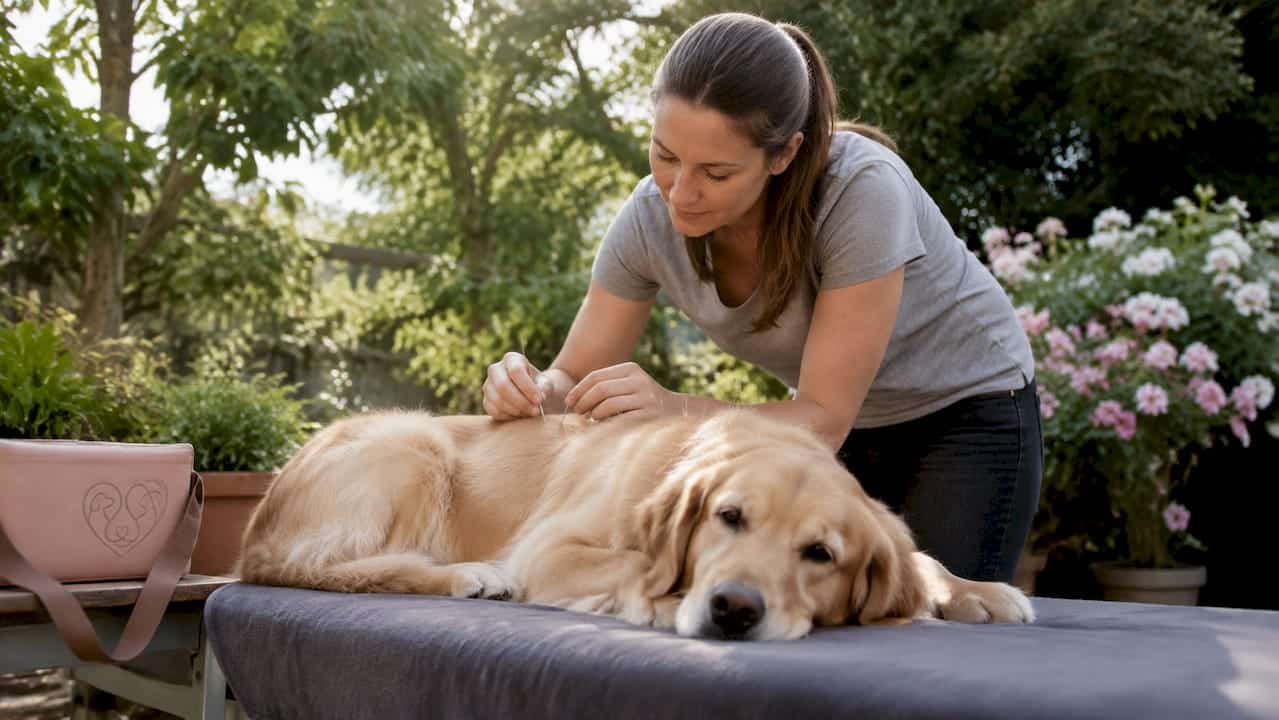
Seek a veterinarian certified in veterinary acupuncture, ideally one with oncology experience. Expect an initial session to last 30–45 minutes, with follow-up sessions every 1–4 weeks depending on your dog’s response. Most dogs relax visibly during treatment, and many fall asleep on the table.
Pro Tip: If your dog is anxious about new environments, ask about mobile veterinary acupuncture. Receiving treatment at home removes the stress of travel and clinic smells, which can spike cortisol and reduce the therapy’s calming effect.
For dogs with neurological involvement, the principles behind acupuncture for nerve conditions apply directly to cancer-related neuropathy as well.
Key takeaways
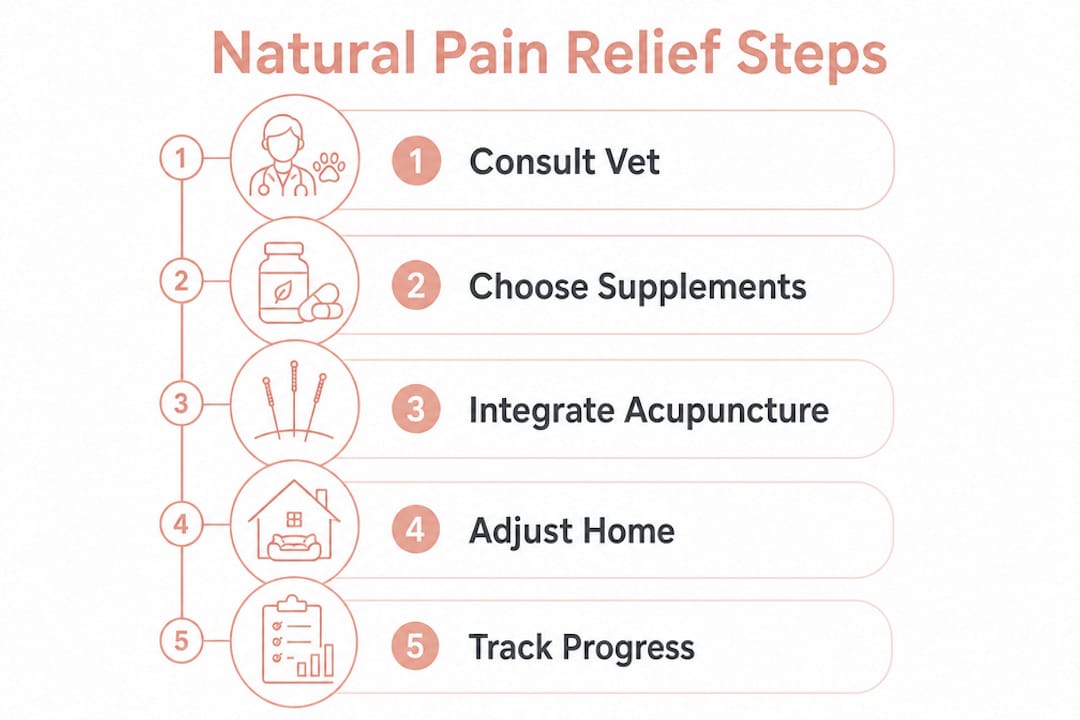
Natural pain relief for dogs with cancer works best as a coordinated integrative plan combining acupuncture, herbal supplements, environmental modifications, and close veterinary supervision.
| Point | Details |
|---|---|
| Integrative care is the standard | Natural therapies work best alongside conventional treatment, not as replacements. |
| CBD/CBDA hemp oil is clinically supported | Studies confirm safety during chemotherapy; always verify product quality with a certificate of analysis. |
| At-home changes deliver fast relief | Non-slip surfaces, ramps, and raised bowls reduce pain triggers immediately and cost very little. |
| Acupuncture targets multiple symptoms | It addresses pain, nausea, anxiety, and neuropathy without interfering with cancer medications. |
| Symptom tracking drives better outcomes | A daily log of appetite, mobility, and pain signs helps your veterinary team adjust the plan faster. |
What I’ve learned about natural pain relief in canine cancer care
After working with cancer dogs and their owners in South Tampa, one pattern stands out clearly. The owners who get the best outcomes are not the ones who find the most supplements. They are the ones who build a coordinated plan and stick to it.
The most common mistake I see is unmonitored supplementation. An owner reads about turmeric, adds it. They read about CBD, add that too. Then fish oil, then a mushroom extract, all without telling the oncologist. Within weeks, the dog is on six products with unknown interactions, and nobody can tell what is helping or hurting. Natural does not mean harmless, and more is rarely better.
The second mistake is skipping the environmental basics in favor of supplements. A $200 bottle of herbal extract will not undo the pain your dog feels every time they slip on your tile floor or jump off the couch. Fix the floor first. Add the ramp. Get the orthopedic bed. Those changes cost less and work faster than most supplements.
What actually works is the combination: a clean, safe home environment, one or two well-chosen supplements reviewed by your vet, regular acupuncture sessions, and a symptom diary you bring to every appointment. That combination protects your dog’s good days and gives you a clear picture of what is working. Quality of life is the goal, and it is measurable when you track it.
— Pet Acupuncture & Wellness
Natural integrative care for your dog in South Tampa
Pet Acupuncture & Wellness offers mobile integrative veterinary care across South Tampa, bringing acupuncture, herbal therapy, and rehabilitation directly to your home. Your dog receives treatment in a familiar, calm environment, which makes every session more effective and less stressful for both of you.
If your dog has been diagnosed with cancer and you want to add natural pain relief to their care plan, Pet Acupuncture & Wellness can help you build one that is safe, coordinated, and tailored to your dog’s specific needs. Services include dog acupuncture in South Tampa for pain and nausea management, pet herbal therapy with veterinary-supervised supplement selection, and full integrative veterinary care plans that complement your oncologist’s treatment. Contact Pet Acupuncture & Wellness to schedule a consultation and give your dog more comfortable days.
FAQ
What is the safest natural supplement for dogs with cancer pain?
CBD and CBDA-rich hemp oil has the strongest current safety evidence, confirmed in dogs undergoing active chemotherapy with no significant adverse events reported. Always choose a product with a verified certificate of analysis and consult your veterinarian before starting.
Can acupuncture help a dog with cancer?
Acupuncture does not treat cancer directly but effectively manages pain, nausea, and anxiety caused by cancer and its treatment. Most dogs tolerate it well and show visible relaxation during sessions.
What at-home changes reduce pain for dogs with cancer?
Non-slip rugs, ramps, raised food and water bowls, and orthopedic beds are the most impactful at-home adjustments. These changes reduce physical pain triggers immediately and require no veterinary prescription.
Are herbal remedies for dogs with cancer safe to use with chemotherapy?
Some herbal remedies are safe alongside chemotherapy, but herb-drug interactions are real and require veterinary review before use. Always share a complete supplement list with your oncologist before adding anything new.
How often should a dog with cancer receive acupuncture?
Most cancer dogs benefit from acupuncture every 1–4 weeks, depending on their symptoms and response to treatment. A certified veterinary acupuncturist will recommend a schedule based on your dog’s specific condition and pain level.