TL;DR:
- Veterinary acupuncture provides 50–70% symptomatic relief for allergic dogs by reducing inflammation, histamine, and nervous system overactivity. It involves targeted needle stimulation at specific points to regulate immune responses and alleviate itching and skin issues. Typically, treatment starts with weekly sessions for several weeks, then transitions to maintenance based on the dog’s response.
Acupuncture for dogs allergies is a veterinary treatment that uses targeted needle stimulation to reduce itching, inflammation, and immune overreaction in allergic dogs. Veterinary studies show 50–70% symptomatic relief in canine allergic dermatitis cases when acupuncture is combined with conventional therapies. The formal term for this practice is veterinary acupuncture, and it draws from Traditional Chinese Veterinary Medicine (TCVM) while aligning with modern immunology. If your dog is scratching constantly, losing fur, or rubbing their face on every surface in your Florida home, this guide explains exactly how veterinary acupuncture works, what to expect, and how it fits into a complete allergy plan.
How does acupuncture biologically help dogs with allergies?
Veterinary acupuncture works by stimulating specific points on your dog’s body to trigger measurable changes in the immune system. Neuroimmune pathways activated by needle insertion reduce pro-inflammatory cytokines and histamine, two of the main drivers of allergic reactions. Less histamine means less itching. Fewer inflammatory cytokines means less redness, swelling, and skin damage.
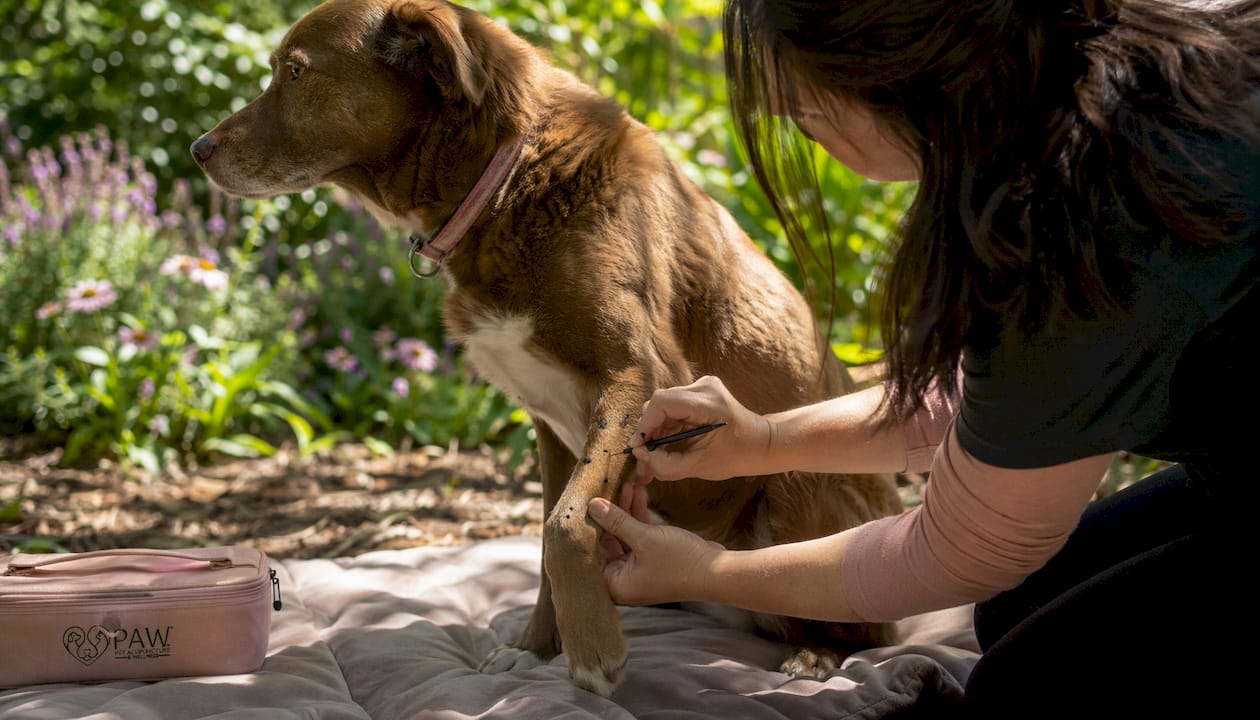
Acupuncture also interacts with the nervous system to interrupt itch signaling. The needles prompt the release of natural analgesics, including endorphins and serotonin, which calm the nervous system’s overactive response to allergens. This is why dogs often stop scratching even before their skin visibly clears up.
From a TCVM perspective, allergies represent a disruption in the flow of Qi (pronounced “chee”), the body’s vital energy, through channels called Meridians. Think of Meridians as a highway system running through your dog’s body. When traffic jams form, symptoms like itching and inflammation appear. Acupuncture clears those blockages and restores balance between Yin and Yang, the opposing forces of shade and sunlight that govern health.
Critically, acupuncture restores immune balance by influencing mast cell activation rather than suppressing the immune system outright. That distinction matters. Immunosuppressant drugs shut the immune system down broadly. Acupuncture teaches it to respond more appropriately.
Key biological effects of veterinary acupuncture on allergic dogs:
- Reduces histamine release from mast cells
- Lowers pro-inflammatory cytokine levels in affected tissue
- Activates natural pain and itch relief through endorphin release
- Modulates the nervous system’s response to allergen exposure
- Supports skin barrier repair by improving local circulation
Pro Tip: Ask your veterinary acupuncturist to explain which specific mechanisms they are targeting for your dog’s allergy type. Environmental allergies, food sensitivities, and flea allergy dermatitis each respond to slightly different point combinations.
What does a typical acupuncture treatment schedule look like?
A standard clinical protocol for managing canine allergies with acupuncture begins with 1–2 sessions per week for 3–6 weeks. This initial phase builds the treatment’s effect in the body. Think of it like physical therapy: one session helps, but consistent sessions produce lasting change.
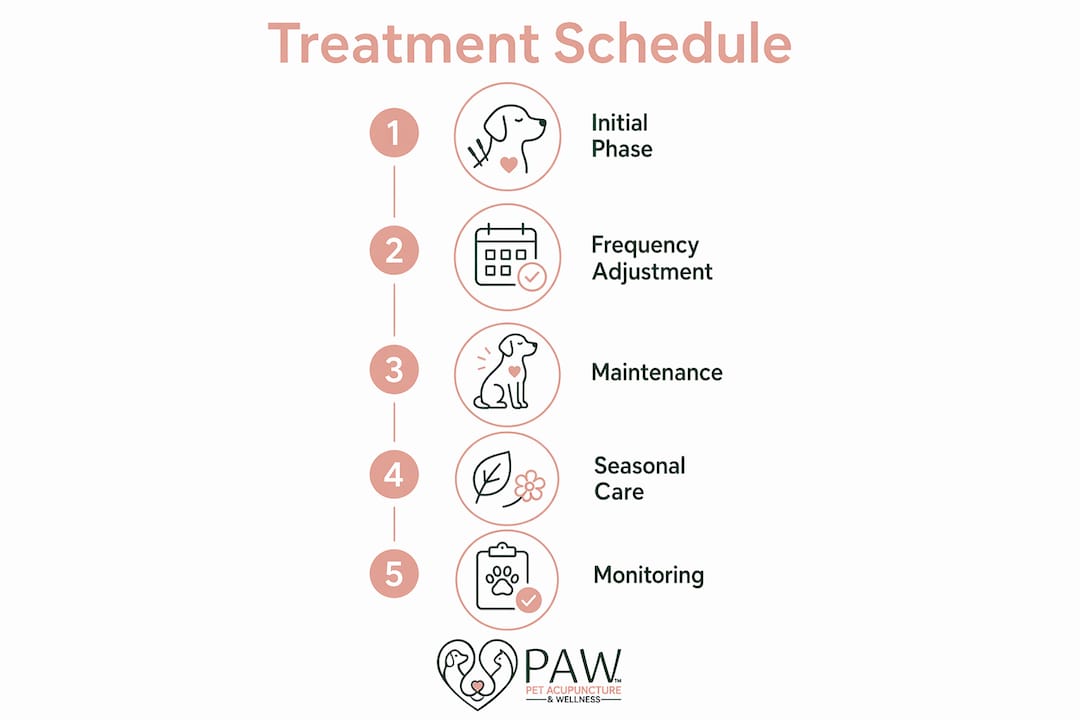
After the initial phase, your veterinarian adjusts the frequency based on how your dog responds. Some dogs move to monthly maintenance sessions. Others with more severe or seasonal allergies may need sessions every 2–3 weeks during peak flare periods. The goal is always to use the minimum effective frequency.
Here is what to expect across a typical treatment course:
- First visit: Your veterinarian conducts a full physical exam and reviews your dog’s health history. This maps out which acupoints to target and rules out conditions that require urgent conventional care.
- Sessions 1–3: Your dog may seem a little unsure at first. Most dogs settle quickly once the needles are placed. Many become deeply relaxed and some actually fall asleep during treatment.
- Sessions 4–8: Owners typically notice reduced scratching and improved sleep in their dogs. Skin changes take longer to appear than behavioral changes.
- Maintenance phase: Sessions taper to monthly or seasonal visits. Your veterinarian monitors progress and adjusts the plan as needed.
Each session lasts 20–45 minutes, depending on your dog’s tolerance and the complexity of their condition. For Florida dog owners, scheduling sessions before spring and fall pollen peaks gives the immune system time to prepare.
Pro Tip: Keep a simple log of your dog’s scratching frequency, sleep quality, and skin condition between sessions. This gives your veterinarian concrete data to refine the treatment plan faster.
You can learn more about structuring appointments at PAW Vet Practice’s session guide.
What acupuncture points are used for dog allergies?
Custom acupuncture plans target specific points based on each dog’s allergy presentation. A dog with facial itching gets a different point combination than one with chronic paw licking. That said, several points appear consistently in allergy treatment protocols because of their direct effects on inflammation and immune regulation.
| Acupuncture Point | Location | Primary Function |
|---|---|---|
| LI-11 (Quchi) | Elbow crease | Clears heat, reduces skin inflammation and itching |
| LI-4 (Hegu) | Between first and second metacarpal bones | Relieves pain, reduces facial and nasal allergy symptoms |
| SP-10 (Xue Hai) | Inner thigh above the knee | Cools blood, addresses skin rashes and hives |
| ST-36 (Zusanli) | Below the knee on the outer leg | Strengthens immune function, improves gut health |
| GV-14 (Dazhui) | Base of the neck | Regulates immune response, reduces systemic inflammation |
| GB-20 (Fengchi) | Base of the skull | Relieves nasal congestion and head-related allergy symptoms |
ST-36 deserves special attention. This point strengthens the digestive system, which TCVM considers the root of immune health. Dogs with food-related allergies often respond particularly well when ST-36 is included. GV-14 sits at the junction of several major Meridians and acts as a master regulator for the immune system’s overall tone.
Your veterinarian selects and combines these points based on your dog’s specific symptoms, constitution, and the season. For more detail on how veterinary acupuncturists make those decisions, the acupuncture point selection guide at PAW Vet Practice walks through the clinical reasoning clearly.
How can acupuncture fit into a full allergy treatment plan?
Acupuncture works best as part of a broader plan, not as a standalone fix. Acupuncture complements but does not replace allergy medication initially. Over time, as the immune system stabilizes, many dogs can reduce their reliance on steroids or cyclosporine. That reduction matters because long-term steroid use carries real risks, including liver damage, weight gain, and increased infection susceptibility.
Pairing acupuncture with the right nutritional support amplifies results. Omega-3 fatty acids from fish oil reduce systemic inflammation at the cellular level. Probiotics support gut microbiome diversity, which directly influences immune tolerance. Herbal therapies rooted in TCVM, such as formulas containing astragalus or rehmannia, address the same Qi imbalances that acupuncture targets, reinforcing the treatment between sessions.
Practical ways to build a complete allergy management plan:
- Add omega-3 fatty acids to your dog’s daily diet to reduce baseline inflammation
- Discuss TCVM herbal formulas with your veterinarian as a complement to needle therapy
- Schedule sessions proactively before known allergy seasons rather than waiting for flare-ups
- Reduce environmental allergen exposure by wiping paws after outdoor walks
- Work with your veterinarian to track medication dosages and adjust them as acupuncture takes effect
Pro Tip: In Florida, grass pollen peaks in spring and mold spores spike after summer rains. Starting acupuncture sessions 3–4 weeks before these windows gives your dog’s immune system a head start.
Acupuncture also pairs naturally with integrative veterinary care approaches that combine rehabilitation, nutrition, and herbal medicine into one coordinated plan. The goal is always fewer symptoms, less medication, and a better quality of life for your dog.
Key Takeaways
Veterinary acupuncture relieves dog allergy symptoms by modulating immune pathways, reducing histamine and inflammation, and restoring balance through targeted needle stimulation at specific acupoints.
| Point | Details |
|---|---|
| Proven efficacy rate | Acupuncture combined with conventional care achieves symptomatic relief in 50–70% of canine allergic dermatitis cases. |
| Standard treatment schedule | Begin with 1–2 sessions per week for 3–6 weeks, then adjust to maintenance frequency based on response. |
| Key acupuncture points | Points like LI-11, SP-10, ST-36, and GV-14 target inflammation, itching, and immune regulation directly. |
| Integrative approach | Pair acupuncture with omega-3s, probiotics, and herbal therapy for stronger, longer-lasting allergy relief. |
| Seasonal timing matters | Starting sessions before Florida’s spring pollen or summer mold peaks produces better outcomes than reactive treatment. |
What I’ve learned treating allergic dogs with acupuncture
The most common misconception I encounter is that acupuncture is a last resort, something owners try after everything else has failed. In my experience at Pet Acupuncture & Wellness, the dogs who respond best are the ones whose owners brought them in early, before years of steroid cycles had already stressed their systems.
Owners are often surprised by how quickly their dogs accept treatment. Dogs frequently become relaxed during sessions, and many owners report noticing calmer behavior and less scratching within the first week, before the skin even starts to clear. That behavioral shift is real and meaningful. It tells us the nervous system is already responding.
One thing I want every dog owner to understand: acupuncture must be performed by a trained veterinarian. Correct point location requires anatomical knowledge and clinical judgment. A misplaced needle does not just miss the target. It can cause discomfort or injury. Certification through organizations like the Chi Institute or the International Veterinary Acupuncture Society (IVAS) signals that your practitioner has met a rigorous standard.
The other thing I tell owners honestly is that post-session fatigue is normal. Your dog may sleep more than usual for 24 hours after a session. That is the body processing the treatment. It is a good sign, not a reason to worry.
— Pet Acupuncture & Wellness
Natural allergy relief for your dog in South Tampa
Pet Acupuncture & Wellness brings veterinary acupuncture directly to your home in South Tampa, so your dog gets treatment in the environment where they feel safest.
For dogs dealing with chronic itching, skin flare-ups, or seasonal allergies, a personalized acupuncture plan can reduce symptoms and lower dependence on medications over time. Every treatment plan at Pet Acupuncture & Wellness is built around your dog’s specific allergy triggers, constitution, and health history. No two dogs receive the same protocol. If you are ready to explore a natural path to relief, book a consultation with Pet Acupuncture & Wellness and find out whether veterinary acupuncture is the right fit for your dog.
FAQ
Can acupuncture really help my dog’s allergies?
Yes. Acupuncture achieves symptomatic relief in 50–70% of canine allergic dermatitis cases when combined with conventional care. It works by reducing histamine, calming immune overreaction, and interrupting itch signaling through the nervous system.
How many acupuncture sessions does a dog with allergies need?
Most dogs start with 1–2 sessions per week for 3–6 weeks, then transition to monthly or seasonal maintenance visits. The exact number depends on your dog’s response and the severity of their allergies.
Is veterinary acupuncture safe for dogs?
Acupuncture is safe when performed by a trained veterinary acupuncturist. Correct needle placement requires clinical skill, so always verify your practitioner holds certification from a recognized body such as IVAS or the Chi Institute.
Will my dog be uncomfortable during treatment?
Most dogs tolerate acupuncture well and many become deeply relaxed or fall asleep during sessions. Mild fatigue within 24 hours after treatment is common and signals the body is responding positively.
Can acupuncture replace my dog’s allergy medication?
Acupuncture does not replace medication immediately. Over time, as immune function stabilizes, many dogs gradually reduce their need for steroids or immunosuppressants under veterinary supervision.