Pacing in an older dog usually points to pain, canine cognitive dysfunction, anxiety, or a need to relieve themselves, and it deserves a veterinary evaluation rather than a shrug. Start by recording an episode on your phone and calling your veterinarian this week, sooner if you notice breathing trouble or collapse. A proper diagnosis almost always requires an exam and some lab work, so resist the urge to label it “just old age.”
TL;DR:
- Pacing in senior dogs often indicates pain, cognitive decline, anxiety, or urgency, and requires veterinary diagnosis with lab work and examinations.
- Common causes include arthritis, canine cognitive dysfunction syndrome, anxiety triggers, and urinary or bowel urgency, each with specific behavioral clues.
- Owners should record pacing episodes, note triggers, and perform simple home checks like range-of-motion tests to help vets identify the cause.
- Immediate comfort strategies include night lighting, calm routines, and pre-bed potty breaks, but only use medications approved by a veterinarian.
- Long-term management involves multimodal treatments such as pain relief, diet, environmental modifications, and possibly integrative therapies like acupuncture, with patience for results over weeks.
Table of Contents
- Common causes of pacing in senior dogs
- How veterinarians diagnose and rule out medical causes
- Telling pain, cognition, anxiety, and urgency apart at home
- What to do tonight for immediate comfort and safety
- Long-term management that actually reduces pacing
- When to call the vet tonight or head to an emergency clinic
- At-home integrative care as part of a treatment plan
- A clinician’s view on caregiver burden and early action
- How we can help with a house-call visit
- FAQ
- Sources
Common causes of pacing in senior dogs
Pacing is rarely one simple thing. It is usually your dog’s way of telling you something hurts, feels confusing, or feels urgent, and the pattern of the pacing often hints at which one.
Arthritis and other musculoskeletal pain are among the most frequent drivers. Watch for stiffness after rest, reluctance to jump onto furniture, a subtle limp, or panting that seems to accompany the restlessness rather than heat or exercise.
Canine cognitive dysfunction syndrome, sometimes described as sundowning, brings a cluster of changes that veterinary researchers group under the acronym DISHAA: disorientation, altered interactions, sleep-wake changes, house soiling, and changed activity levels. Pacing tends to worsen in the evening and overnight as the cluster progresses.
Anxiety-driven pacing often has a trigger you can name: a thunderstorm, a houseguest, separation from you, or even a new piece of furniture. Dogs with anxiety frequently shadow their owners more closely than before.
Urinary or bowel urgency shows up as pacing toward doors, whining at exits, or new accidents in the house, sometimes alongside increased thirst.
- Pain: stiffness, limping, reluctance to jump, labored movement after rest
- Cognitive decline: disorientation, nighttime wandering, altered social behavior, house soiling
- Anxiety: clinginess, situational triggers, pacing tied to specific sounds or absences
- Urgency: pacing near doors, whining, new indoor accidents
Less common but important causes include heart disease, respiratory distress, metabolic conditions like Cushing’s disease or diabetes, vision or hearing loss that disorients a dog at night, and side effects from medications such as steroids.
How veterinarians diagnose and rule out medical causes
Cognitive dysfunction is what clinicians call a diagnosis of exclusion: it is confirmed only after pain, metabolic disease, infection, and sensory loss have been ruled out, according to a review of diagnostic criteria for cognitive decline. That means a visit for pacing typically follows a predictable path rather than jumping straight to a cognitive label.
- A full physical exam, including an orthopedic check for joint pain and a basic neurologic screen.
- Baseline bloodwork, usually a complete blood count, a chemistry panel, a urinalysis, and a blood pressure check.
- Imaging or a referral to a specialist when the exam or labs point to something more specific, such as a spinal issue or an organ problem.
- A review of validated questionnaires, including the Canine Brief Pain Inventory, the Liverpool Osteoarthritis in Dogs scale, and the Sleep and Nighttime Restlessness Evaluation, which help standardize what owners are noticing at home, as outlined in the AAHA Senior Care Guidelines.
Bring a short video if you can. A clinic visit captures only minutes of your dog’s day, and footage of an actual pacing episode often tells a veterinarian more than a verbal description ever could. Because pain is common and easy to miss in stoic older dogs, most veterinarians treat it first and watch for improvement before considering a cognitive diagnosis, a sequence supported by the same diagnosis-of-exclusion research. For more on spotting pain early, our guide to subtle pain signs in senior pets walks through what owners commonly overlook.
Pro Tip: Time-stamp your video with the date and a one-line note about what happened right before the pacing started; patterns often matter as much as the behavior itself.
Telling pain, cognition, anxiety, and urgency apart at home
You don’t need a veterinary degree to narrow down what’s going on, just a little careful watching over a day or two.
- Pain clues: stiffness after lying down, a limp that worsens with activity, reluctance to climb stairs, panting unrelated to heat
- Cognitive clues: blank staring at walls or corners, getting “stuck” behind furniture, pacing that intensifies after dark, forgetting familiar routines
- Anxiety clues: pacing that starts right after a specific sound or event, increased clinginess, trembling, drooling
- Urgency clues: beelining for the door, circling near an exit, whining at the threshold, accidents that are new for this dog
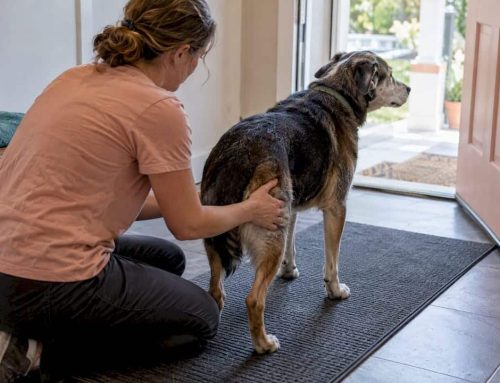
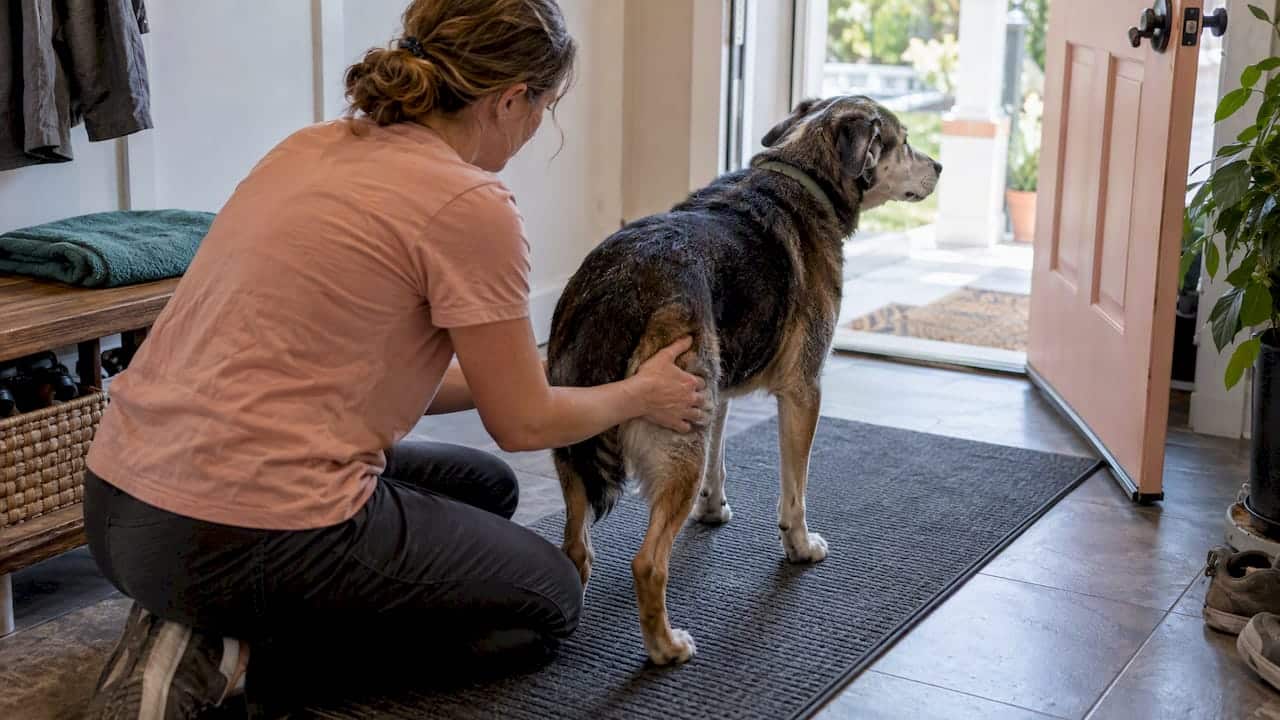
A gentle, passive range-of-motion check can help too: with your dog relaxed, slowly flex and extend a hip or elbow and watch for a wince, a pulled-away leg, or a yelp. Stop if your dog seems uncomfortable, and don’t push past resistance. Our early arthritis checklist covers this kind of at-home screening in more detail.
The most useful thing you can do before an appointment is time the episodes: how long they last, what time of night they start, and whether anything (a sound, a light, a bathroom break) interrupts them. That record, paired with a short video, gives your veterinarian far more to work with than a one-line description of “restlessness.”
What to do tonight for immediate comfort and safety
While you wait for your appointment, a few small changes can make the night easier for both of you.
- Add a night light or two along your dog’s usual path, and clear away rugs or clutter that could cause a slip.
- Set up a padded resting area away from drafts, with low sides your dog can see over.
- Offer a short, gentle walk before bedtime to help settle restless energy, followed by a calm, quiet wind-down.
- Try a warm compress on visibly stiff joints, a pheromone diffuser, or low white noise to mask startling sounds.
- Add an extra potty break right before lights-out, and keep the evening routine as consistent as possible.
Avoid giving any over-the-counter medication or supplement without your veterinarian’s go-ahead. Even common human pain relievers can be dangerous for dogs. For broader home setup ideas, our senior dog home safety guide covers ramps, traction, and lighting changes in more depth.
Pro Tip: Keep your phone charged on the nightstand so you can capture even a 15-second clip the moment pacing starts; a real episode is worth more than any description.

Long-term management that actually reduces pacing
Most lasting improvement comes from combining several approaches rather than relying on one fix, and patience matters: dietary and environmental changes often take six to twelve weeks to show measurable change, according to Cornell’s guidance on senior dog cognitive decline.
Pain management typically starts with an NSAID or another vet-prescribed analgesic, sometimes paired with gabapentin, alongside weight management and appropriate low-impact exercise to keep joints moving without added strain. Our pain relief guide for senior dogs breaks down these options in more detail.
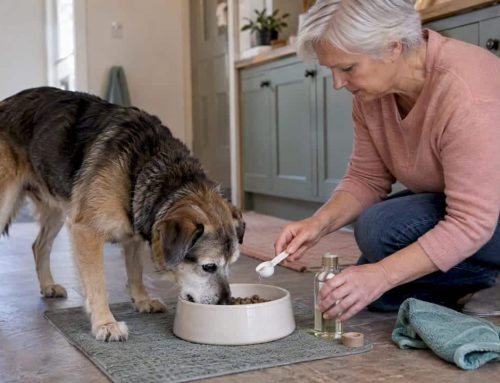
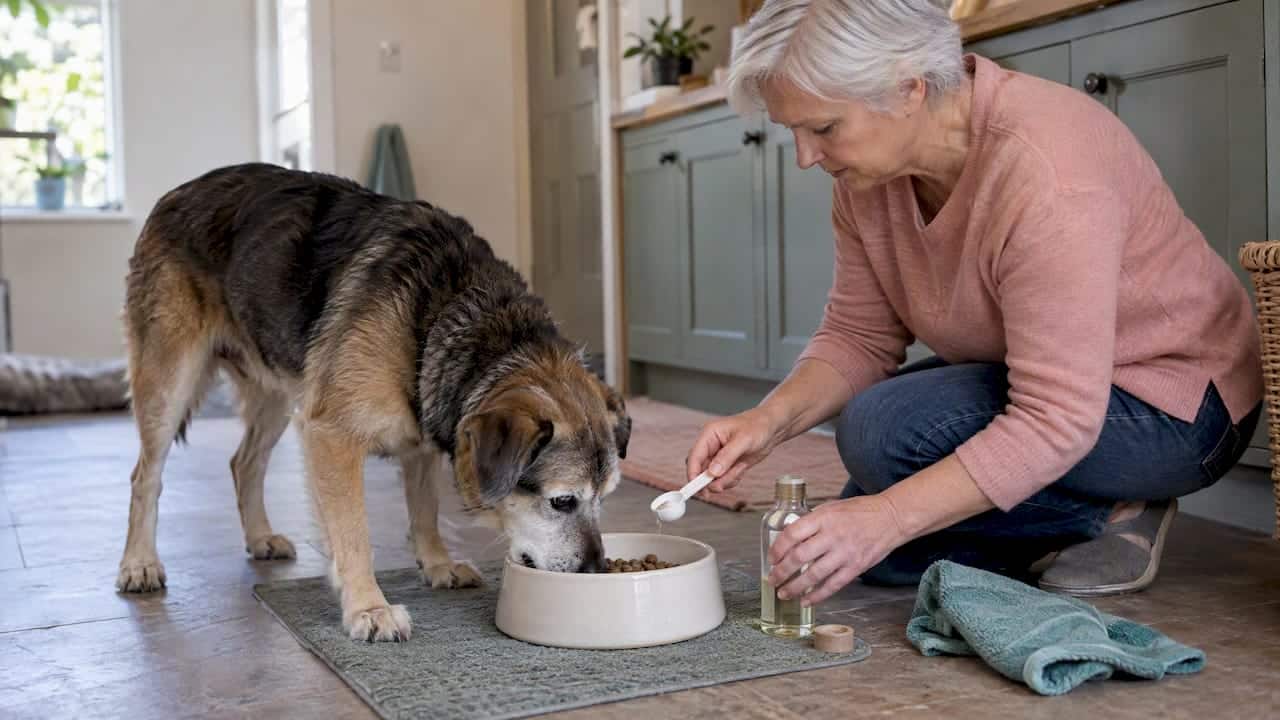
Cognitive support often includes a prescription diet formulated with antioxidants and fatty acids, environmental enrichment like puzzle feeders and short training sessions, and in many cases selegiline, marketed as Anipryl, a medication used specifically for canine cognitive dysfunction that can take several weeks to show behavioral benefit according to Cornell’s cognitive dysfunction resource. Any supplement should be run past your veterinarian first, since interactions with other medications are possible.
- Environmental tweaks: consistent night lighting, ramps instead of stairs, non-slip rugs on hardwood, scheduled outings
- Rehabilitation and integrative options: therapeutic exercise, hydrotherapy, acupuncture, and laser therapy, which veterinary pain guidelines list as reasonable additions to a multimodal plan despite limited controlled trials, per UC Davis’s review of pain management guidelines
- Ongoing monitoring: repeating CBPI, LOAD, or SNoRE questionnaires at follow-up visits to track whether treatment is working
For readers curious about diet’s role in healthy aging, this overview of senior dog nutrition and enrichment from a Norwegian pet nutrition resource offers additional detail worth discussing with your veterinarian.
When to call the vet tonight or head to an emergency clinic
Some signs mean pacing has crossed into urgent territory, and waiting for a regular appointment isn’t the right call.
- Difficulty breathing, collapse, or sustained, severe panting unrelated to heat or exercise
- Continuous crying or vocalizing that doesn’t settle
- Inability to rise, a seizure, or uncontrolled bleeding
- Sudden inability to walk normally, severe incontinence paired with obvious distress, a high fever, or extreme lethargy
If you’re heading to triage, bring your video clip, a list of current medications, any recent changes in routine or diet, and a short timeline of what you’ve noticed. That handful of details can speed up the visit considerably.
At-home integrative care as part of a treatment plan
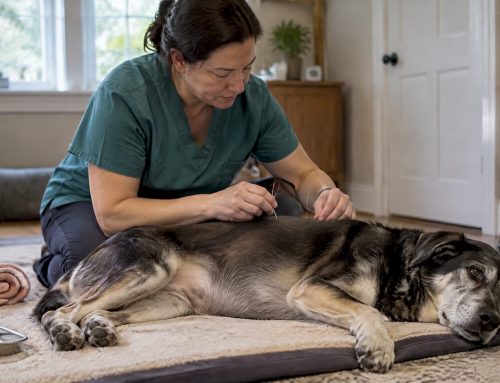
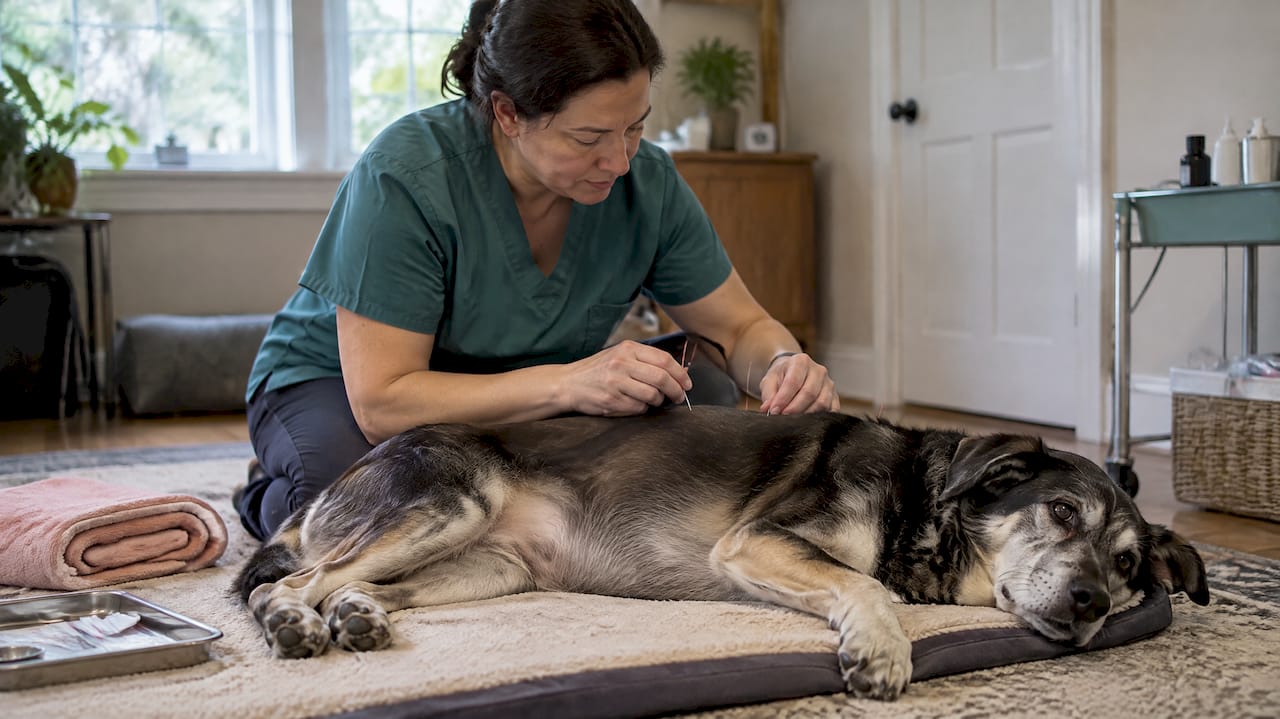
Once your veterinarian has ruled out urgent medical causes and set a treatment direction, integrative therapies can round out the plan, especially for dogs who find clinic visits stressful. At-home services like acupuncture, laser therapy, rehabilitation exercises, and telemedicine check-ins address pain and mobility in a familiar, low-anxiety setting rather than a waiting room.
- An initial in-home assessment establishes a baseline and identifies which therapies fit your dog’s needs
- Acupuncture and laser therapy are often used to support pain relief and mobility alongside standard veterinary care
- Rehabilitation sessions can help maintain muscle strength and joint range of motion between vet visits
- Telemedicine check-ins offer a quick way to flag changes without a car ride
Integrative care works best alongside, not instead of, a medical diagnosis. Sharing test results and treatment notes with any integrative provider keeps everyone working from the same picture, and your regular veterinarian stays the one steering overall care.
A clinician’s view on caregiver burden and early action
Pacing is a legitimate reason to pick up the phone, not a sign you’re overreacting. We know caregiving for an aging dog is exhausting in ways that sneak up on you: disrupted sleep, worry, and the quiet grief of watching a companion slow down. Building a realistic plan, one that leans on your primary veterinarian and any integrative providers working alongside them, tends to serve both of you better than trying to manage everything alone.
— Pet Acupuncture & Wellness
How we can help with a house-call visit
We bring pain management and comfort care directly into your home, which spares an anxious or arthritic senior the stress of a car ride and a waiting room.

Our relevant services include an initial at-home assessment with acupuncture, laser therapy, at-home rehabilitation packages, and telemedicine follow-ups for quick check-ins between visits. To prepare for a visit, have any video of pacing episodes ready, write down current medications, and set aside a quiet, well-lit area where our technician can work comfortably with your dog. Our preparation guide for low-stress mobile vet visits walks through what else helps a visit go smoothly.
- For current pricing on initial assessment, acupuncture, and technician mobile fees, please visit our cost of services page
- For current pricing on laser treatments, please visit our cost of services page
- For current pricing and options for at-home rehabilitation packages, please see our rehabilitation therapy page
We always coordinate with your primary veterinarian and welcome any test results or notes you can share, so your dog gets one consistent plan rather than two separate ones.
This article is general information, not a substitute for advice from a qualified doctor. Consult a qualified healthcare professional about your own circumstances before acting on anything here.
FAQ
What are end-of-life symptoms in elderly dogs?
Common end-of-life signs include a marked drop in appetite and energy, difficulty standing or walking, labored breathing, and withdrawal from family interaction. Any combination of these, especially appearing together or worsening quickly, warrants an immediate veterinary conversation about comfort and next steps.
What are the three stages of dog dementia?
Veterinary sources generally describe cognitive decline as progressing from mild, intermittent signs, to moderate changes where disorientation and sleep disruption become more frequent, to severe decline marked by significant disorientation and loss of normal routines. The exact staging terminology varies between sources, so your veterinarian’s assessment of your dog’s specific pattern matters more than the label.
What does it mean when an old dog walks around aimlessly?
Aimless wandering in an older dog often points to canine cognitive dysfunction, though pain, anxiety, or a need to relieve themselves can look similar from a distance. A veterinary exam, often paired with a video you’ve recorded, helps pin down which one is driving the behavior.
What are the signs that a dog is aging?
Typical signs include graying fur around the muzzle, slower movement and stiffness after rest, reduced hearing or vision, and changes in sleep patterns. Cognitive dysfunction affects an estimated 14% to 22.5% of dogs over age 8, according to a review of cognitive decline prevalence, making behavioral change one of the more common aging signs worth tracking.
Sources
- 2023 AAHA Senior Care Guidelines for Dogs and Cats
- PMCID article on diagnosis-of-exclusion and cognitive dysfunction