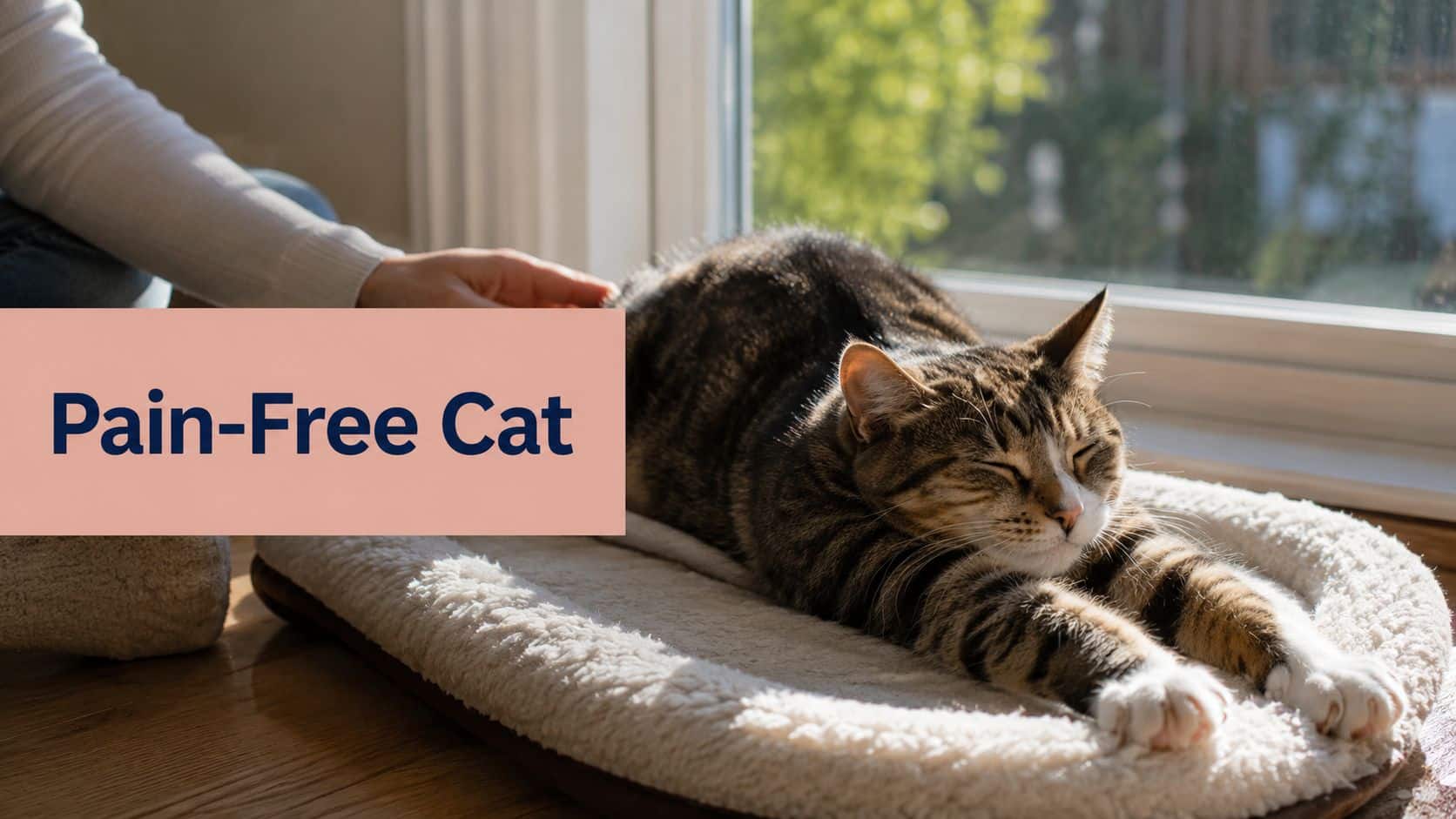
You may be noticing small changes that are hard to explain to anyone else. Your dog still greets you at the door, but takes longer to stand up. Your cat still wants to be near you, but no longer jumps to her favorite windowsill. Maybe car rides to the clinic have become stressful, or your pet seems worn out for the rest of the day after an appointment.
For many families in South Tampa, this is the point where questions start. Is this normal aging. Is it pain. Is it anxiety. Is there anything you can do besides “watch and wait” or add another medication.
There often is. Comprehensive pet wellness is not about replacing good medicine with wishful thinking. It's about widening the lens so we can support comfort, mobility, nutrition, stress, and day-to-day function in a way that fits the individual pet in front of us. If your goal is more good days, steadier movement, and calmer care, that's a very reasonable place to begin.
A New Chapter in Your Pet's Health Journey
A lot of loving owners describe the same moment. Their senior dog hesitates before the first step down from the porch. Their cat pauses at the edge of the bed as if calculating the jump. Nothing dramatic has happened, but something has changed.
That change doesn't always mean decline. Often, it means your pet needs a different kind of support than they did a few years ago. A wellness plan for a young, healthy pet is mostly preventive. A wellness plan for an older dog or cat becomes more layered. We start paying closer attention to comfort, movement, sleep, appetite, confidence, and the routines that make home life easier.
In practice, this chapter often begins with subtle signs:
- Slower transitions: getting up, lying down, or turning around takes more effort.
- Avoidance behaviors: stairs, slick floors, car rides, and jumping start to look harder.
- A quieter personality: some pets don't cry or limp. They do less.
- Stress around care: anxious pets may resist handling long before they show obvious pain.
For many owners, the relief comes when they realize they don't have to choose between conventional care and a more whole-pet approach. You can still use diagnostics, medications, and your regular veterinarian. You can also add therapies that support function and quality of life in a thoughtful way.
Sometimes the first sign of discomfort isn't limping. It's a pet who starts editing their life to avoid what hurts.
If you're thinking more proactively about comfort and quality of life, pet longevity support is often the right frame. The goal isn't solely to add time. It's to protect the quality of that time.
What Holistic Pet Wellness Really Means
Whole-animal wellness starts with a simple question: what is affecting your pet's comfort, function, and behavior at home, not just what appears on an exam table? That means looking at pain, mobility, diet, sleep, stress, daily routines, and the medical history that shaped the current problem.
In veterinary practice, I usually use the word integrative because it is more precise. Integrative care works alongside conventional medicine. It adds useful options without asking you to give up diagnostics, prescription treatment, or your relationship with your primary veterinarian.

How Integrative Care Fits Into Real Veterinary Medicine
Your primary veterinarian remains the doctor managing disease, medications, lab work, imaging, and urgent concerns. Integrative care adds support around comfort, movement, recovery, and day-to-day quality of life.
For a senior dog with arthritis, that may mean keeping pain medication in place while adding acupuncture, laser therapy, traction support in the home, and specific exercise adjustments. For an anxious cat, it may mean reducing handling stress, improving appetite and sleep, and choosing treatments that can be done gently in familiar surroundings.
That distinction matters. Good care should be coordinated, measurable, and easy to explain. If a plan discourages needed testing or promises too much without defining the goal, I would treat that as a warning sign.
A closer look at integrative veterinary care can help you see how these tools are used in day-to-day practice.
Here's a short overview for visual learners.
What It Includes In Real Life
A whole-animal plan often includes several small decisions that work together. Food may need to change because extra weight is making joint pain worse. A pet with inflamed tissues may benefit from laser therapy. Acupuncture may help reduce pain signals and muscle tension. The home setup may need better footing, fewer jumps, or a safer path to food, water, and litter box access.
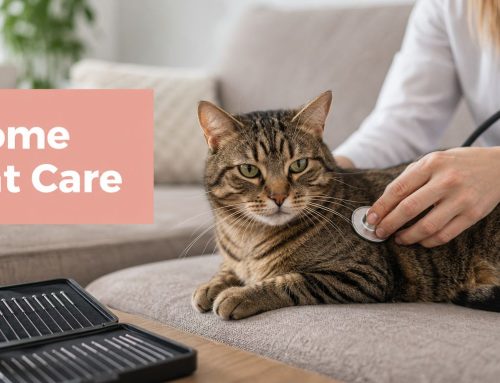
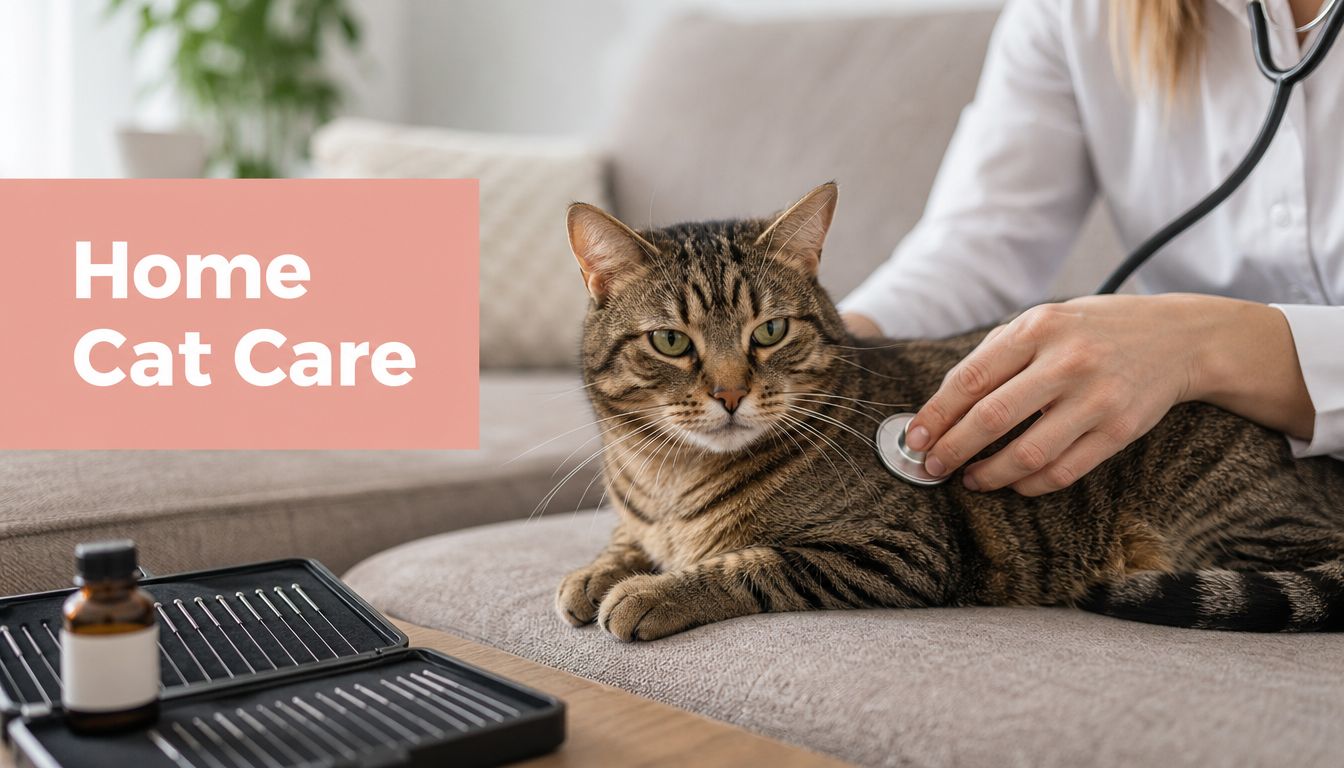
In South Tampa, the in-home setting changes how well this care can be delivered for certain pets. Senior dogs do not need to struggle into the car for every visit. Nervous cats are often easier to assess when they are on their own couch instead of hiding in a carrier. Mobility-impaired pets can be watched where their problems happen, on tile floors, near stairs, or during transitions in and out of bed.
It also means choosing treatments carefully. Some supplements help. Some add cost without much benefit. Some herbs are inappropriate for pets already taking medications. The right plan is specific to the patient, the diagnosis, and what you can realistically carry out at home.
Practical rule: Good integrative wellness should feel more precise, not more vague.
For many owners, that clarity is the relief. You are not chasing trends. You are building a structured plan that supports how your pet feels and functions in everyday life.
Exploring Key Integrative Therapies for Your Pet
A common South Tampa scenario is a senior dog who stiffens at the sight of the car, or an anxious cat who is impossible to assess once the carrier opens at the clinic. In those cases, integrative care is often more useful at home, where I can watch how a pet stands on the kitchen floor, turns near a doorway, settles on the couch, or reacts to touch without the added stress of travel.
Many owners first hear about acupuncture or laser therapy from a friend and wonder whether these are fringe options or standard veterinary tools. According to Future Market Insights' pet wellness services market projection, the global pet wellness services market is projected to grow from USD 53,786.1 million in 2025 to USD 98,528.9 million by 2035. Growth in the market does not prove that every therapy is right for every pet, but it does reflect strong owner interest in longer-term support for comfort, mobility, and recovery.
The better question is simpler. What problem are we treating, what result is realistic, and will this plan work in your pet's actual daily life?

Pain And Mobility Support
Pain control and better movement are often the first goals, especially for older pets, pets recovering from injury, or pets whose fear makes frequent clinic visits hard to sustain.
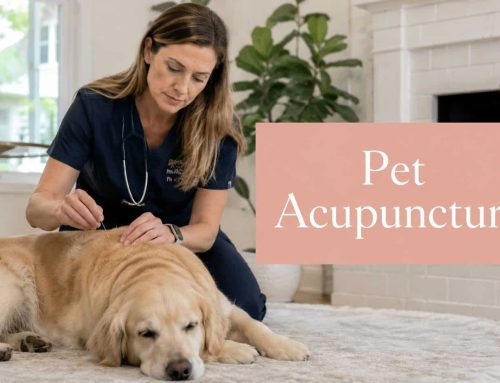
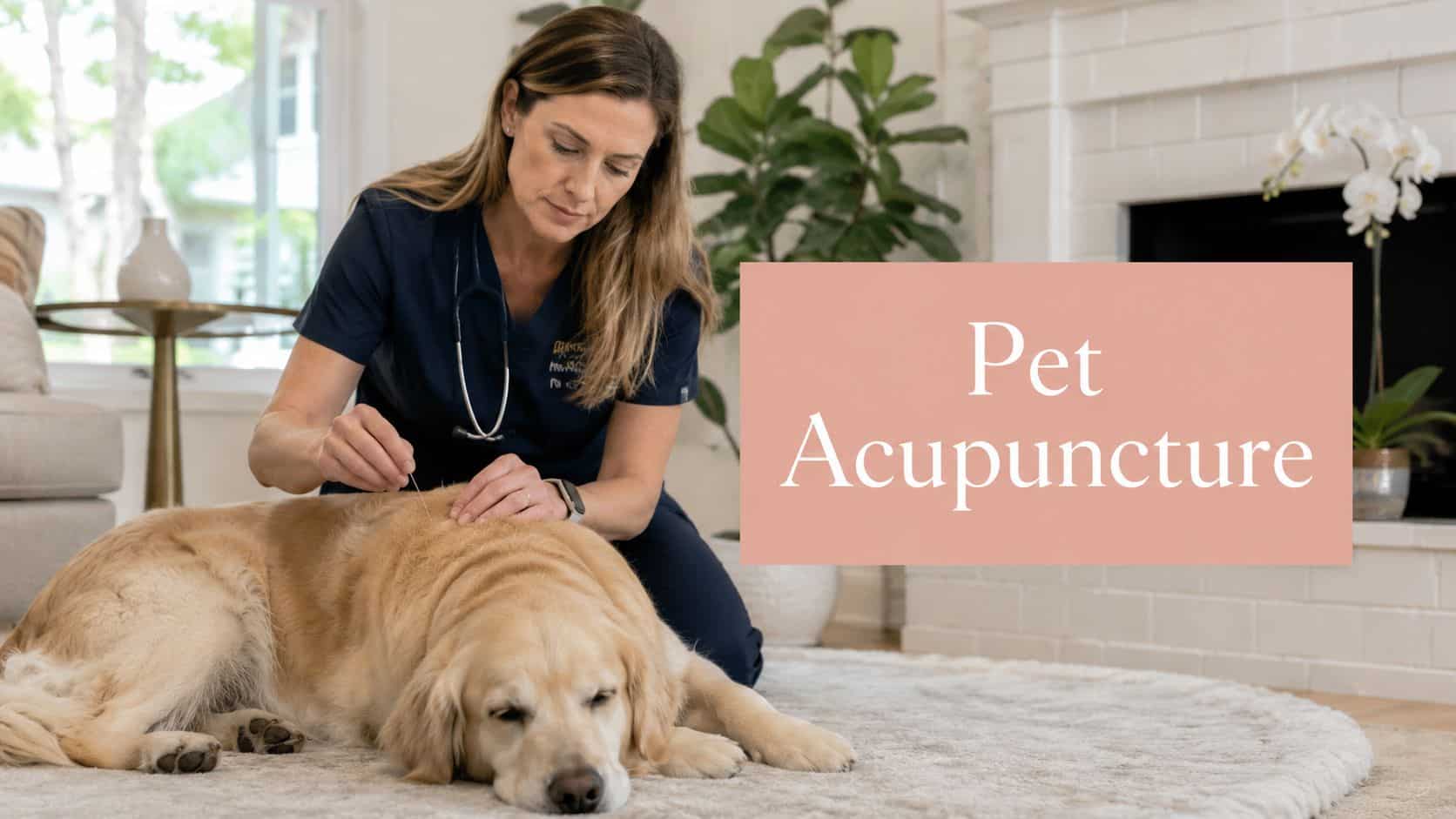
- Acupuncture: Fine needles are placed at specific points to influence pain signaling, muscle tension, and nerve function. Some pets relax during treatment. Others show the benefit later, with easier walking, smoother transitions up and down, or less resistance to normal handling.
- Electroacupuncture: A mild electrical current passes between selected needles. I use this when a pet needs a stronger stimulus, particularly for neurologic or musculoskeletal cases.
- Aquapuncture: A small amount of injectable solution is placed at an acupuncture point. This can help when a pet tolerates only a short session.
- Laser therapy: Light energy is used to support tissue repair and reduce inflammation. It is commonly included for arthritis, muscle soreness, soft tissue strain, and post-injury care. A more detailed explanation of laser therapy for dogs shows how this tool is used in practice.
- Rehabilitation and home exercise: Strength, balance, and coordination usually improve through repeated work at home, not from one treatment alone. Short, specific exercises are more realistic for most families than an ambitious plan that falls apart after a week.
The trade-off is time and consistency. A pet with chronic arthritis may respond well to acupuncture and rehab, but the plan still has to be practical for the owner and tolerable for the pet.
Internal Balance And Recovery Support
Some pets need more than joint support. Skin disease, digestive upset, poor muscle condition, and slow recovery after illness can all call for nutrition review, food therapy, or carefully selected herbal support.
According to this peer-reviewed review of vitamin A in companion animals, vitamin A is indispensable for epithelial integrity, immune function, and vision, and deficiency can contribute to barrier dysfunction and systemic illness in dogs and cats. The practical takeaway is straightforward. A diet that sounds natural or boutique still has to meet species needs, life stage needs, and any medical restrictions already in play.
Herbal medicine can be useful, but it is not automatically gentle or risk-free. Some herbs interact with prescription drugs. Some are poorly chosen for pets with liver disease, kidney disease, or complex chronic conditions. Good prescribing starts with diagnosis and medication review, not with guesswork.
What Each Tool Can And Can't Do
These therapies work best when they are chosen with a clear purpose.
- Acupuncture does not replace surgery for a problem that clearly needs surgery.
- Laser therapy does not explain the cause of a limp if the underlying issue is a fracture, ligament tear, or cancer.
- Herbal therapy is not automatically safer because it comes from plants.
- Rehab exercises fail quickly when they are too painful, too complicated, or too hard to maintain at home.
One mobile option in South Tampa is Pet Acupuncture & Wellness (PAW Vet Practice), which offers acupuncture, electroacupuncture, aquapuncture, laser therapy, rehabilitation, and Chinese herbal and food therapy as part of in-home integrative care. What matters most is a plan that matches the diagnosis, the pet's temperament, and what you can realistically carry out between visits.
Signs Your Pet May Benefit From A Holistic Approach
On Tuesday, your senior dog still wants to greet you at the door. By Friday, he pauses before the stairs, hesitates on the tile, and seems less interested in his evening walk. Many pets who benefit from an integrative approach do not look obviously sick at first. They look a little slower, a little stiffer, or a little more stressed by things they used to handle well.
That early change matters. In practice, I often see pets whose diagnosis is already known, such as arthritis, back pain, or chronic digestive disease. I also see pets whose main problem is declining day-to-day function. They are not themselves, and the pattern is becoming hard to ignore.
The pets who tend to gain the most from this type of care usually have trouble with comfort, mobility, stress tolerance, or recovery between good and bad days.

Clues Worth Paying Attention To
Watch for patterns like these:
- Mobility changes: reluctance with stairs, furniture, slick floors, or getting into the car
- Diagnosed orthopedic or neurologic issues: arthritis, back pain, weakness, or a history of disc problems
- Fear around appointments: trembling, panting, hiding, growling, or shutting down before a visit even starts
- Slow recovery: after surgery, injury, or flare-ups of chronic pain
- Chronic skin or digestive trouble: especially when symptoms keep cycling despite basic changes
- Age-related decline: reduced stamina, stiffness after rest, or less engagement with normal activities
Subtle signs count too. A cat that stops jumping to a favorite perch may be painful. A dog that used to turn easily in the hallway but now swings wide or slips may be compensating for weakness, soreness, or poor balance. These changes are easy to dismiss when appetite is still good and your pet still has bright moments.
That is why I tell owners to trust the pattern, not a single good day. If you are unsure what discomfort can look like in an older pet, this guide to signs of pain in a senior dog or cat can help you spot changes earlier.
How To Tell Real Care From Marketing
Owners in South Tampa ask a fair question. How do you know whether an integrative plan is medically grounded or just packaged to sound natural?
Start with specificity. Good care begins with a diagnosis when possible, a review of current medications, and a clear goal. It should also fit the pet in front of you. A nervous terrier, a frail senior cat, and a large dog recovering from surgery do not need the same plan or the same schedule.
Use these questions as a filter:
- How do you decide whether my pet is a good candidate for this therapy?
- What diagnostics should my regular veterinarian rule out first?
- What specific outcome are we tracking. Pain, gait, strength, appetite, stress tolerance?
- What would tell us this treatment is not helping?
- How will you coordinate with my primary vet?
If every pet gets the same supplement, the same herb, or the same package of visits, that is not individualized care.
Realistic Expectations Matter
The best plans improve things you can observe at home. Your dog may rise more easily, tolerate a short walk better, or settle more comfortably at night. Your cat may groom again, jump with less hesitation, or accept handling without tensing up.
Results are often gradual. That is especially true for senior pets, anxious pets, and pets who struggle in clinic settings and do better once care is delivered in their home environment. For those patients, progress is often measured in function and comfort, not dramatic overnight change.
That is the right standard. A sound plan is specific, practical, and willing to adjust as your pet responds.
The South Tampa In-Home Advantage with PAW Vet Practice
A fearful cat rarely gives you useful information in a waiting room. An arthritic dog who slipped getting out of the car may already be guarding his gait before the exam even starts. Home visits change that.
In South Tampa, in-home care often makes the biggest difference for pets who are senior, anxious, or physically limited. The setting is familiar. The floor, furniture, lighting, and routine are the pet's own. That lets us assess what daily life looks like.

Why Home Changes The Visit
The logistics of in-home care are more than convenience. For senior, anxious, or mobility-limited pets, mobile visits can improve tolerance for therapies such as acupuncture and support better follow-through with rehabilitation, as explained in this discussion of in-home holistic care logistics for senior and fearful pets.
That shows up in practical ways:
- Less pre-visit stress: no carrier battle, no car ride, no unfamiliar lobby
- More accurate movement assessment: I can watch how a pet rises from their own bed or moves through their own hallway
- Better owner training: home exercises make more sense when taught in the room where you'll do them
- Easier handling for fragile pets: senior animals often conserve energy better when they don't have to travel
What This Looks Like In Real Life
A nervous cat who would never settle in a clinic may stay under the dining table at first, then slowly come out once the home remains quiet and predictable. A stiff dog may show me exactly where he slips near the kitchen and how he positions himself before lying down. Those details matter. They influence the treatment plan.
For South Tampa families looking for in-home veterinary services, the value is often this simple. The pet can be seen where they are most honest.
Home visits are especially useful when the environment is part of the medical story.
That might mean adjusting rug placement, changing feeding setup, modifying exercise surfaces, or teaching a gentler way to help a pet transition from rest to movement. Those are small shifts, but they often shape the outcome as much as the treatment itself.
Your Role in Your Pet's At-Home Wellness Plan
The visit is important. What happens between visits matters just as much.
Most pets improve because the full plan works together. Treatment helps. Then the home setup, food management, exercise routine, and observation habits keep the gains from slipping away.
Make The Home Easier On The Body
If your pet is stiff, weak, or unsteady, start by reducing avoidable strain.
- Add traction: rugs or runners help pets who slide on tile or wood floors.
- Shorten risky jumps: use low steps, ramps, or floor-level resting areas.
- Support access: raise food and water bowls if posture is difficult for your dog, or create easier vertical options for your cat.
- Protect rest: choose a bed that is supportive and easy to enter and exit.
These changes seem simple because they are. They also work because they remove repeated stress from everyday movement.
Use Weight And Nutrition As Treatment Tools
For arthritic or senior pets, a plan that combines body-condition scoring, measured food intake, and low-impact exercise directly affects pain. Reducing excess body mass lowers joint loading and inflammatory load, which can lead to meaningful gains in comfort and mobility, as explained in this discussion of holistic wellness exams and weight management for pets.
That means “he loves to eat” isn't enough information. The better questions are:
- Is the current amount of food appropriate for this pet's body condition?
- Is the diet complete and suitable for species and life stage?
- Are we feeding for convenience, or for the condition we're trying to manage?
Small changes done consistently tend to outperform dramatic changes that don't last.
Keep Exercise Gentle And Specific
A useful home exercise plan should feel doable. If it's too hard to remember, too physically demanding, or obviously painful for your pet, it won't stick.
Try to think in short, repeatable sessions:
- Controlled leash walks on flat ground for dogs who do better with steady movement.
- Sit-to-stand repetitions only if your dog can do them without strain.
- Food luring for turning and reaching to encourage flexibility and body awareness.
- Easy play-based movement for cats, using short sessions rather than one long burst.
Watch how your pet does later that day and the next morning. Delayed soreness matters. If your pet is wiped out afterward, the exercise dose was probably too high.
The best home plan is the one your pet can recover from well and you can repeat consistently.
Observe The Right Things
Owners often monitor appetite because it's easy to see. For wellness planning, I care just as much about function.
Notice these patterns:
- How long it takes to rise after rest
- Whether your pet hesitates before certain movements
- Changes in willingness to be touched, groomed, or picked up
- Whether good days are becoming more common or less common
That kind of observation gives us something practical to build on.
Frequently Asked Questions About Integrative Care
How Do You Work With My Regular Veterinarian
Integrative care should be collaborative. Your regular veterinarian remains the main doctor for diagnostics, prescriptions, routine preventive medicine, and conditions that need clinic-based workups or emergency care.
My role as an integrative house-call veterinarian is to complement that care. If a pet needs imaging, bloodwork, surgery, hospitalization, or urgent intervention, that needs to happen through the appropriate clinic or hospital. The strongest outcomes usually come from shared information, not competing opinions.
What Happens During The First In-Home Visit
The first visit is usually more detailed than owners expect. I want to know not just the diagnosis, but the daily pattern. When does your pet seem stiff. What surfaces are hard. How do they sleep. What has changed in appetite, stamina, grooming, or behavior.
The exam may include gait and posture observation, palpation of painful or tight areas, review of current medications and supplements, and, when relevant to the integrative plan, tongue and pulse assessment. From there, I build a practical plan that may include one or more therapies plus specific home recommendations.
Is This Type Of Care Safe For My Pet
It can be very safe when it is performed by a veterinarian trained in the therapies being used and when the plan is matched to the patient. Safety starts with good case selection.
That means recognizing when a pet is a poor candidate for a certain therapy, when additional diagnostics are needed first, and when the right answer is referral rather than treatment in the home. Integrative care is not a substitute for emergency medicine, fracture care, advanced imaging, or surgery when those are indicated.
How Soon Will I Know If It's Helping
That depends on the problem we're treating. Some pets look more comfortable quickly after a session. Others improve gradually as inflammation, muscle guarding, weakness, or stress patterns begin to change.
What matters most is that we define what improvement means before we start. That may be easier rising, better stair tolerance, calmer handling, longer walks, improved posture, or more willingness to engage at home. If we aren't seeing movement in the right direction, the plan should be adjusted.
Is In-Home Care Available Throughout Tampa
No. This service is focused on South Tampa. That local focus helps keep visits practical, timely, and centered on families within the area we actively serve.
If your dog or cat is slowing down, struggling with mobility, or dreading clinic visits, Pet Acupuncture & Wellness (PAW Vet Practice) offers in-home integrative veterinary care for South Tampa families who want a calmer, more practical path forward. Dr. Monica works alongside your primary veterinarian to create individualized plans centered on comfort, function, and quality of life at home.