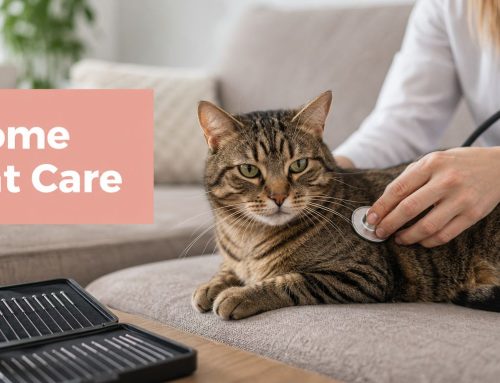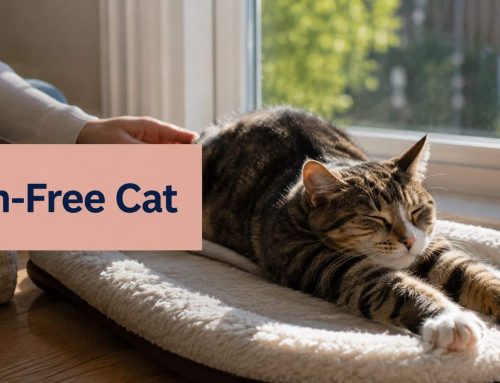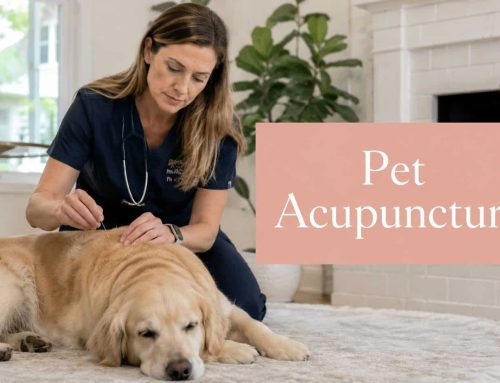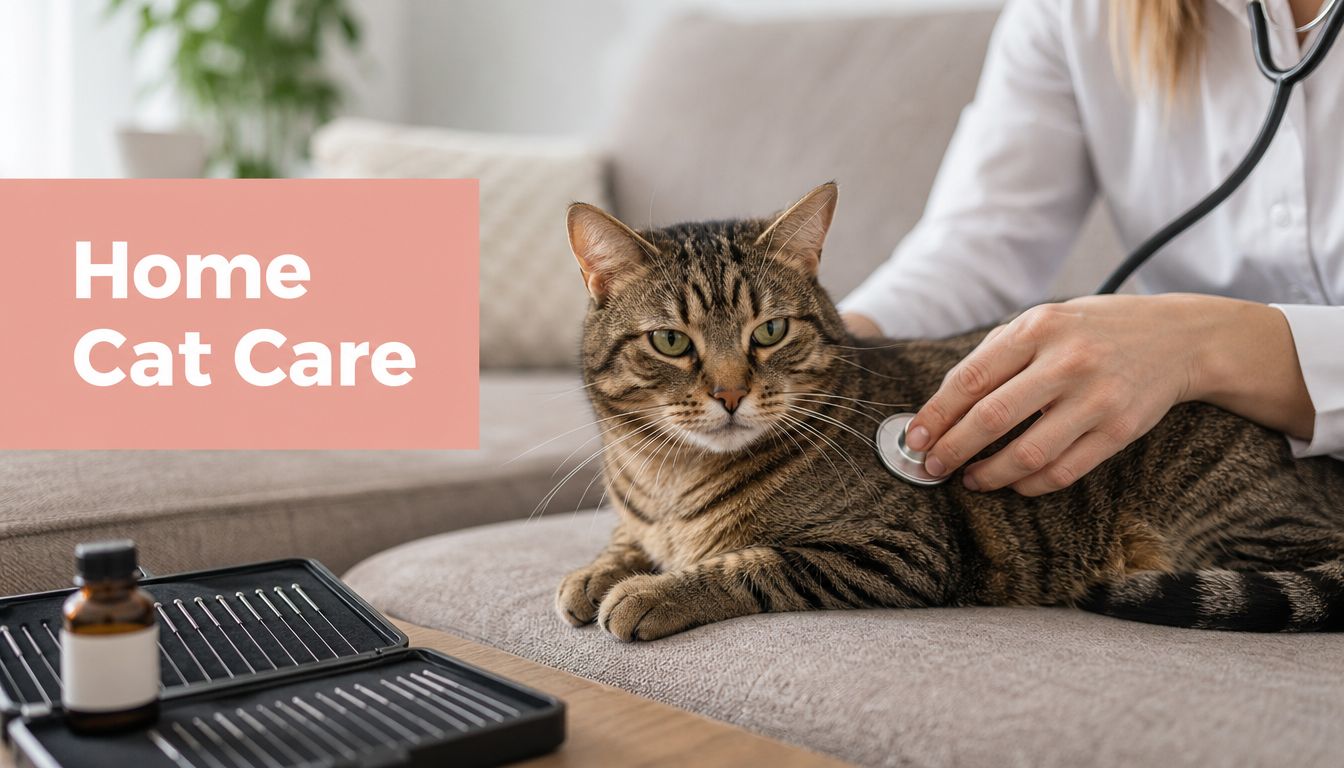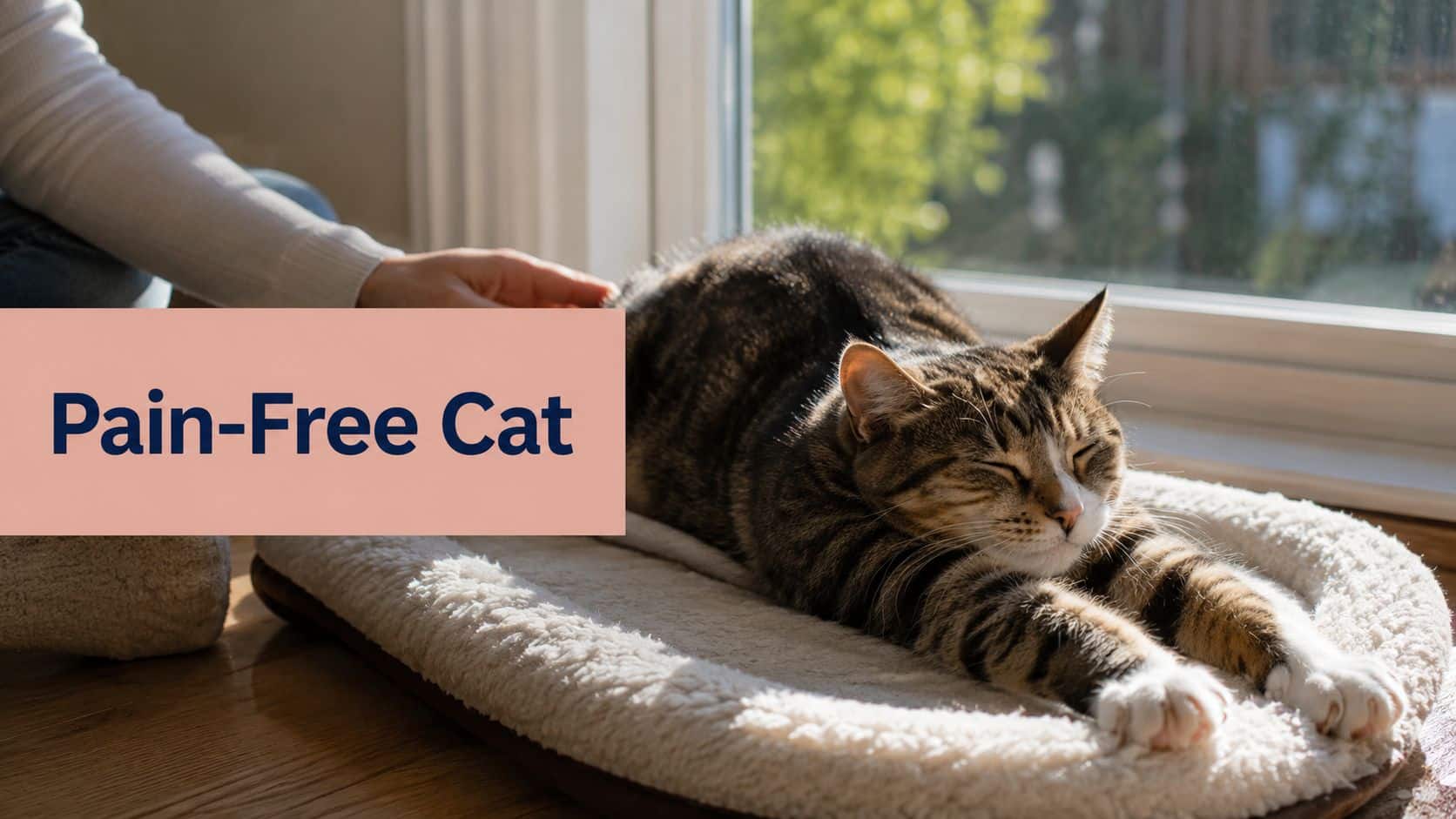
You may be noticing small changes that are hard to ignore. Your dog still wants to join the walk, but lags halfway through. Your cat still jumps onto the couch, but takes a moment first, as if planning the landing. You want more time, of course. This is a nearly universal desire. But what pet owners usually mean is something more specific. They want more good time.
That's the essential conversation around pet longevity. Not only how long a dog or cat lives, but how long they stay comfortable, curious, mobile, and engaged with the people they love. For families in South Tampa, that often means looking beyond generic advice and building a plan that fits the pet in front of you, the home they live in, and the changes that come with age.
More Than Just Time The Goal of a Longer Healthspan
Aging rarely arrives all at once. It shows up in smaller moments. A dog who used to leap into the car now hesitates. A cat who always greeted you at the door starts spending more time resting in one room. Owners often sense that something is changing before lab work or imaging gives the full picture.
That instinct matters. A lot of age-related decline is gradual, and gradual problems are easy to normalize. People tell themselves their pet is “just getting older,” when the more useful question is whether that pet is still living well.
Why Healthspan Matters More Than Raw Lifespan
Healthspan is the stretch of life spent in good function and relative comfort. That includes mobility, appetite, sleep quality, social interest, grooming, confidence, and the ability to do normal daily behaviors without strain. A longer life isn't the full win if those extra months or years are dominated by pain, confusion, or inactivity.
Recent veterinary reviews emphasize that aging in companion animals is shaped by interacting genetic, environmental, and nutritional factors, and that age-related decline should be approached with integrated, individualized prevention, not one-size-fits-all claims, as summarized in this review of companion-animal aging and prevention.
Good longevity care asks a practical question: what helps this specific pet stay functional and comfortable for longer?
That's why broad promises about “anti-aging” products can miss the mark. Some ideas sound longevity-related but have weak practical value. Others, like body condition, mobility support, pain control, and home-environment changes, often matter much more in daily life.
What Owners Can Watch For At Home
Owners are in the best position to notice the first signs of shrinking healthspan:
- Movement changes that look like stiffness, slower rising, shorter strides, or reluctance on stairs
- Behavior shifts such as less play, more irritability, more clinginess, or more withdrawal
- Routine disruptions including changed sleep patterns, accidents in the house, or reduced interest in food
- Subtle coping behaviors like avoiding slippery floors or choosing lower resting spots
Those observations are also central to evaluating a pet's quality of life at home, especially when changes are small but persistent.
The encouraging part is that many of these issues are manageable. Aging isn't fully under our control, but comfort, strength, nutrition, stress, and daily function are often more modifiable than people think.
The Four Pillars of Proactive Pet Longevity
Pet longevity works best when you stop chasing single “miracle” fixes and start thinking in systems. Most healthy aging plans come back to four connected pillars. If one is weak, the others have to work harder.

Foundational Preventive Care
Preventive care means more than vaccines and annual reminders. It means catching small changes before they become limiting problems. That includes pain assessment, weight trends, dental status, skin and coat changes, movement quality, and age-related shifts in appetite or behavior.
A pet can look “fine” while compensating in ways that hide discomfort. Early intervention usually preserves function better than waiting for obvious decline.
Species-Appropriate Nutrition
Food is daily medicine in the most literal sense. Nutrition supports muscle maintenance, body condition, digestion, immune resilience, and energy level. The right plan isn't always the fanciest food or the trendiest ingredient list. It's the diet that matches the pet's species, medical needs, body condition, and stage of life.
For some pets, the key issue is excess calories. For others, it's poor muscle maintenance, treat overload, inconsistent feeding, or a homemade diet that isn't balanced.
Consistent Physical And Mental Engagement
Aging pets need movement, but they need the right movement. Too little activity leads to deconditioning. Too much, or the wrong type, can flare pain and make recovery slower. Mental engagement matters too. A pet who stops exploring, sniffing, problem-solving, or interacting can decline faster than one whose brain stays busy.
Practical rule: The best exercise plan is the one your pet can repeat comfortably and consistently.
A Supportive Home Environment
This is the pillar people underestimate. Floor surfaces, routine, stress level, household noise, access to favorite resting areas, and social interaction all influence how a pet feels and functions. A thoughtful home setup can reduce strain every single day.
The four pillars are easiest to remember this way:
- Prevent problems early: Don't wait for severe decline to start care.
- Feed for function: Choose nutrition that supports lean mass and appropriate weight.
- Protect mobility: Keep joints, muscles, and the nervous system actively engaged.
- Reduce daily friction: Make the home easier, calmer, and safer to move through.
When owners combine those pillars, longevity stops being a vague wish and becomes a practical care framework.
The Power of the Food Bowl Nutrition and Weight
If I had to name one issue that gets minimized too often in aging pets, it would be excess weight. People usually see it as a cosmetic concern. In practice, it affects joints, stamina, heat tolerance, metabolic stress, grooming, and the effort required to do ordinary things.
In dogs, the survival impact is not theoretical. A large study found that dogs at an ideal body condition lived 1.4 years longer on average than obese dogs, making lean body condition a measurable survival factor and a core disease-prevention target, according to this clinical-data study on body condition score and lifespan.
Why Weight Changes Everything
A pet doesn't have to look dramatically overweight to experience the effects. Even modest excess weight can increase strain on painful joints, reduce willingness to move, and create a cycle where inactivity leads to further weight gain. That cycle is especially hard on senior dogs and cats because they also tend to lose muscle as they age.
For longevity, the goal isn't “thin.” The goal is lean and well-muscled.
How To Judge Body Condition At Home
Owners often rely on the scale alone, but body condition is more useful than weight by itself. Two pets can weigh the same and have very different health risks based on fat distribution and muscle mass.
Use these quick checks:
- Ribs should be easy to feel: You shouldn't have to press hard through a thick layer of fat.
- There should be a visible waist from above: The body shouldn't look uniformly oval.
- The abdomen should tuck up from the side: A flat or sagging underline often suggests excess body fat.
- Muscle matters too: Prominent spine or hip bones in an older pet can mean muscle loss, even if body fat is still present.
When a pet needs nutritional support for aging, chronic disease, or body condition management, food therapy guidance for dogs and cats can help owners translate general nutrition advice into a daily plan.
What Helps And What Usually Doesn't
Weight management succeeds with boring consistency, not dramatic resets.
What tends to help:
- Measured meals: Eyeballing portions often leads to overfeeding.
- Treat accounting: Treats count. So do table scraps, chews, and “just a little” extras.
- Food puzzles and slower feeding: These add enrichment and can reduce rapid eating.
- Regular rechecks: Small adjustments work better than waiting for major gain.
What usually doesn't help:
- Frequent food switching without a medical reason
- Adding multiple supplements at once before fixing calorie intake
- Compensating with weekend exercise after a sedentary week
- Assuming senior pets should naturally get heavier
A pet who maintains a healthy body condition usually moves better, recovers better, and has more reserve when illness does happen.
Motion is Lotion Keeping Your Pet Mobile and Active
Mobility is one of the clearest markers of healthspan. A pet that can rise easily, turn comfortably, walk with confidence, and recover well after activity is usually functioning better overall than one who spends most of the day avoiding effort.

The mistake many owners make is assuming exercise has to look athletic to matter. It doesn't. For older pets, the goal is steady use of the body. That means preserving joint range, muscle tone, balance, coordination, and confidence.
Match Activity To The Pet In Front Of You
A young, healthy dog may do well with longer walks, fetch, or structured play. A senior dog with arthritis may need shorter walks done more consistently, with warm-up time and recovery afterward. Cats need movement too, but often in brief bursts that feel voluntary and safe.
Useful options include:
- Short leash walks: Better than occasional long outings for many older dogs
- Controlled hill work: Helpful for some pets when introduced carefully
- Sit-to-stand repetitions: A simple strength exercise when done correctly
- Cavaletti-style stepping over low obstacles: Encourages coordination and joint flexion
- Toy-based play for cats: Wand toys, food hunts, and low climbing challenges
Home Rehabilitation Makes Aging More Manageable
Rehabilitation doesn't only belong after surgery or injury. At home, it can be a practical way to slow decline. The most effective programs are simple enough that owners can repeat them consistently and specific enough to target the pet's actual weak points.
That might mean helping a dog build rear-limb strength, teaching safer transfers on slippery floors, or preserving shoulder and hip flexibility in a pet that has started shortening stride. Owners who want a structured plan can learn more about rehabilitation therapy for pets and home exercise support.
A quick visual overview can help owners see what purposeful movement looks like in daily life:
The Right Amount Is The Amount They Recover From
Many well-meaning routines go wrong in this regard. A pet may look happy during activity and still pay for it later. If your dog is much stiffer that night or the next morning, the dose was probably too high. If your cat disappears to sleep for the rest of the day after a short play session, the pacing may need work.
Watch for these signals:
- Good dose: comfortable movement later, normal appetite, normal willingness the next day
- Too much: limping, slower rising, heavy panting beyond expected exertion, reluctance to repeat activity
- Too little: steady loss of muscle, lower endurance, increasing dependence on assistance
The best mobility plan doesn't try to prove anything. It keeps the pet participating in life.
Unlocking The Body's Healing with Integrative Therapies
Some aging changes need more than food and walks. A pet may still be painful, stiff, weak, or neurologically off even with a solid home routine. That's where integrative care becomes useful. Not as a replacement for conventional medicine, but as another set of tools for function, comfort, and resilience.

What These Therapies Actually Do
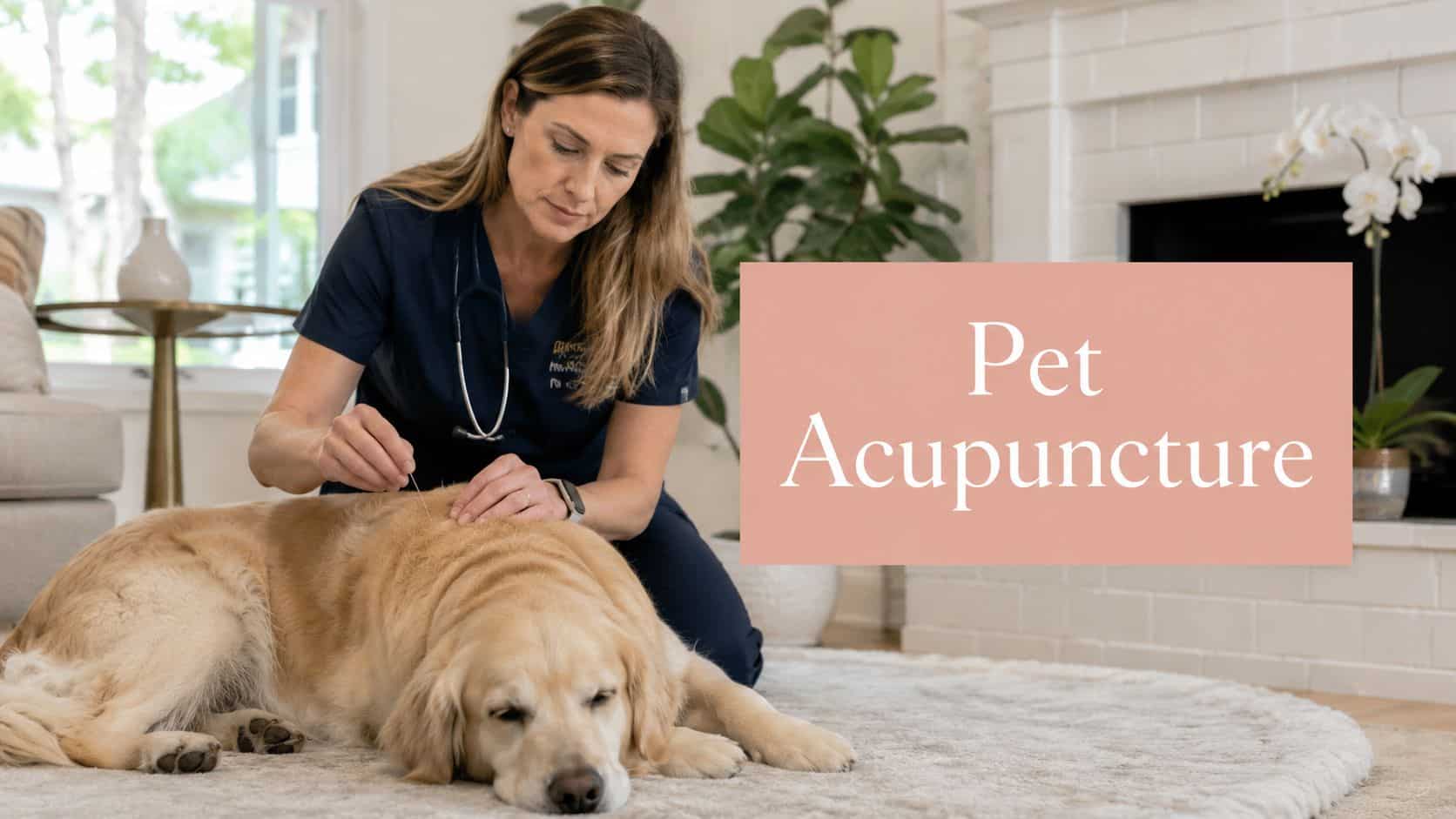
Acupuncture is often used to support pain control, mobility, and nervous system regulation. In practical terms, it can help pets who are tight, sore, recovering unevenly, or showing age-related movement changes that make daily life harder.
Laser therapy is commonly used to support tissue comfort and healing. It's often part of a broader plan for musculoskeletal soreness, soft tissue strain, or chronic inflammatory conditions.
Herbal and food-based support may be added when a veterinarian is trying to address the whole picture, including digestion, energy, sleep quality, stress response, and chronic discomfort patterns.
Where Integrative Care Fits In Longevity Medicine
Integrative therapies aren't magic, and they don't erase severe disease. Their value is often cumulative. If a pet hurts less, that pet usually moves more. If a pet moves more, they often maintain muscle better. If muscle and mobility hold up better, everyday life stays easier.
That's why these approaches can matter for pet longevity even when they don't sound “anti-aging” on the surface. They support the systems that keep a pet active and engaged.
Relief that improves daily function is longevity care, even when the first visible win is simply a more comfortable walk to the water bowl.
Choosing Them Wisely
These therapies work best when they are tied to a clear problem and measurable goals. Good goals are concrete. Rising more easily. Turning without yelping. Walking farther without fatigue. Jumping onto a favorite spot with less hesitation. Sleeping through the night instead of pacing.
For South Tampa pet owners interested in this approach, integrative veterinary care for dogs and cats may include acupuncture, laser therapy, rehabilitation planning, and supportive nutrition strategies. Pet Acupuncture & Wellness (PAW Vet Practice) offers those services through mobile visits, which can be especially helpful for pets that are stressed by travel or whose movement is easiest to evaluate at home.
What doesn't work well is stacking therapies without a plan. If you can't say what problem you're targeting, how you'll assess response, and what success would look like, the treatment plan needs refinement.
Your Home as a Sanctuary The Role of Environment
A pet's home life affects health more than many owners realize. Stress isn't only emotional. It changes behavior, sleep, movement, appetite, and willingness to engage. Over time, a chaotic or physically difficult home can wear down an older pet that's already working harder to stay comfortable.
A study of over 25,000 dogs from the Dog Aging Project found that positive social interactions and stable household conditions were associated with better canine health, while financial and household adversity were linked to poorer health and lower mobility, as described in this University of Washington summary of the Dog Aging Project findings.
Stability Is A Health Tool
That doesn't mean every home must be quiet or perfect. It means pets tend to do better when their world is predictable enough to feel safe. Regular mealtimes, consistent sleep areas, manageable noise, and dependable social contact reduce friction in everyday life.
Senior pets and anxious pets are especially sensitive to disruption. They often cope by withdrawing, pacing, vocalizing, hiding, or becoming clingier.
Small Home Changes Can Reduce Daily Strain
You don't need a major renovation to make the home more longevity-friendly. Start with the places your pet uses most.
- Improve traction: Rugs, runners, and non-slip surfaces can make rising and turning easier.
- Reduce climbing demand: Use ramps, steps, or lower resting spots for pets that hesitate to jump.
- Support rest: Give them warm, well-padded, easy-access resting areas in rooms where the family spends time.
- Protect routine: Keep feeding, walks, medication, and bedtime patterns as predictable as possible.
- Add safe enrichment: Food puzzles, sniffing games, low-stress play, and supervised social time keep the brain active.
Social Life Counts Too
Some pets thrive with more interaction. Others need gentler social rhythms. The point is not constant stimulation. It's meaningful contact without overload. Dogs may benefit from calm companionship, shared routines, and positive time with familiar people or dogs. Cats often show their best selves when they can choose interaction instead of having it imposed.
A home that lowers stress and supports movement gives medical care a better chance to work.
For many pets, the environment is the difference between merely existing and truly thriving.
Your Partner in Healthy Aging At-Home Vet Care in South Tampa
Healthy aging is rarely built from one big decision. It comes from a series of practical choices made early and adjusted over time. Keep body condition lean. Protect mobility. Treat pain before it reshapes behavior. Make the home easier to get around in. Use integrative tools when they support function, not just when they sound appealing.
For South Tampa families, at-home veterinary care makes those choices easier to carry out. Pets often show their real movement, stress level, habits, and comfort needs more clearly at home than they do in a clinic. That matters when you're trying to judge stairs, flooring, sleeping areas, jumping behavior, food setup, or household stressors.
A mobile visit also lets the veterinarian build a plan around daily life instead of handing over abstract advice. That may include a home rehab routine, acupuncture for comfort and mobility, diet guidance, environmental adjustments, or a more realistic pacing plan for exercise. If you're looking for that kind of support locally, mobile veterinary care in South Tampa can make healthy aging more practical for both pets and their people.
Pet longevity isn't about promising that every pet will reach an extraordinary age. It's about protecting the years they do have. When a dog can still enjoy the walk, when a cat can still reach a sunny resting spot, when daily life stays familiar and comfortable, that's meaningful longevity care.
If you want help building a realistic longevity plan for your dog or cat at home, Pet Acupuncture & Wellness (PAW Vet Practice) provides mobile integrative care in South Tampa focused on comfort, mobility, rehabilitation, and wellness support for aging pets.