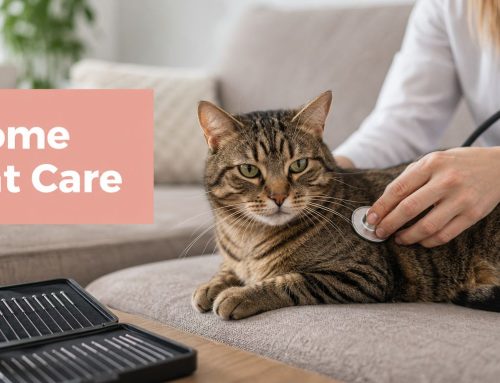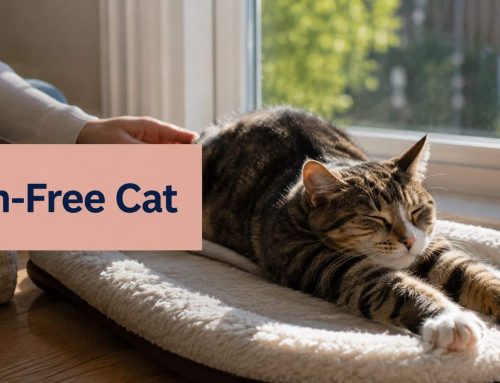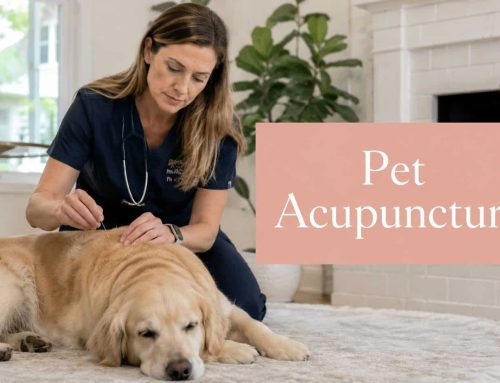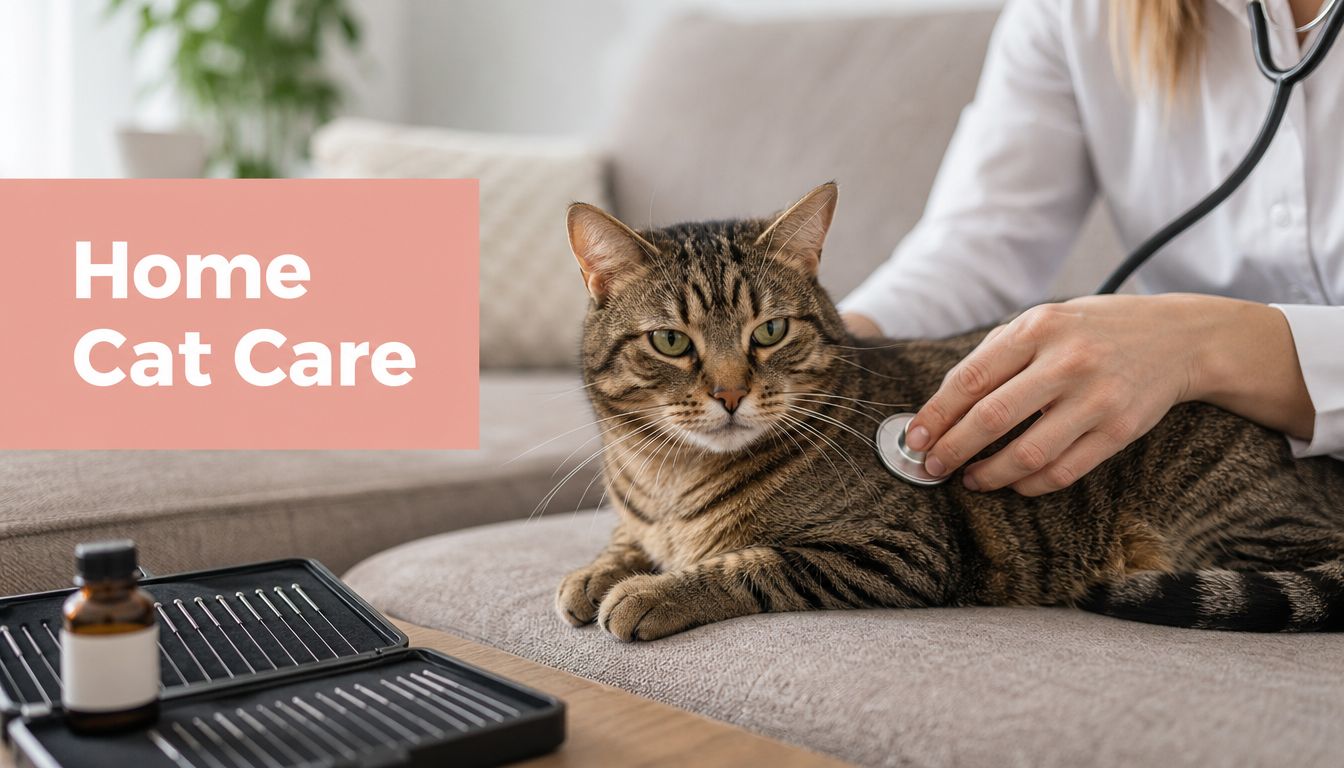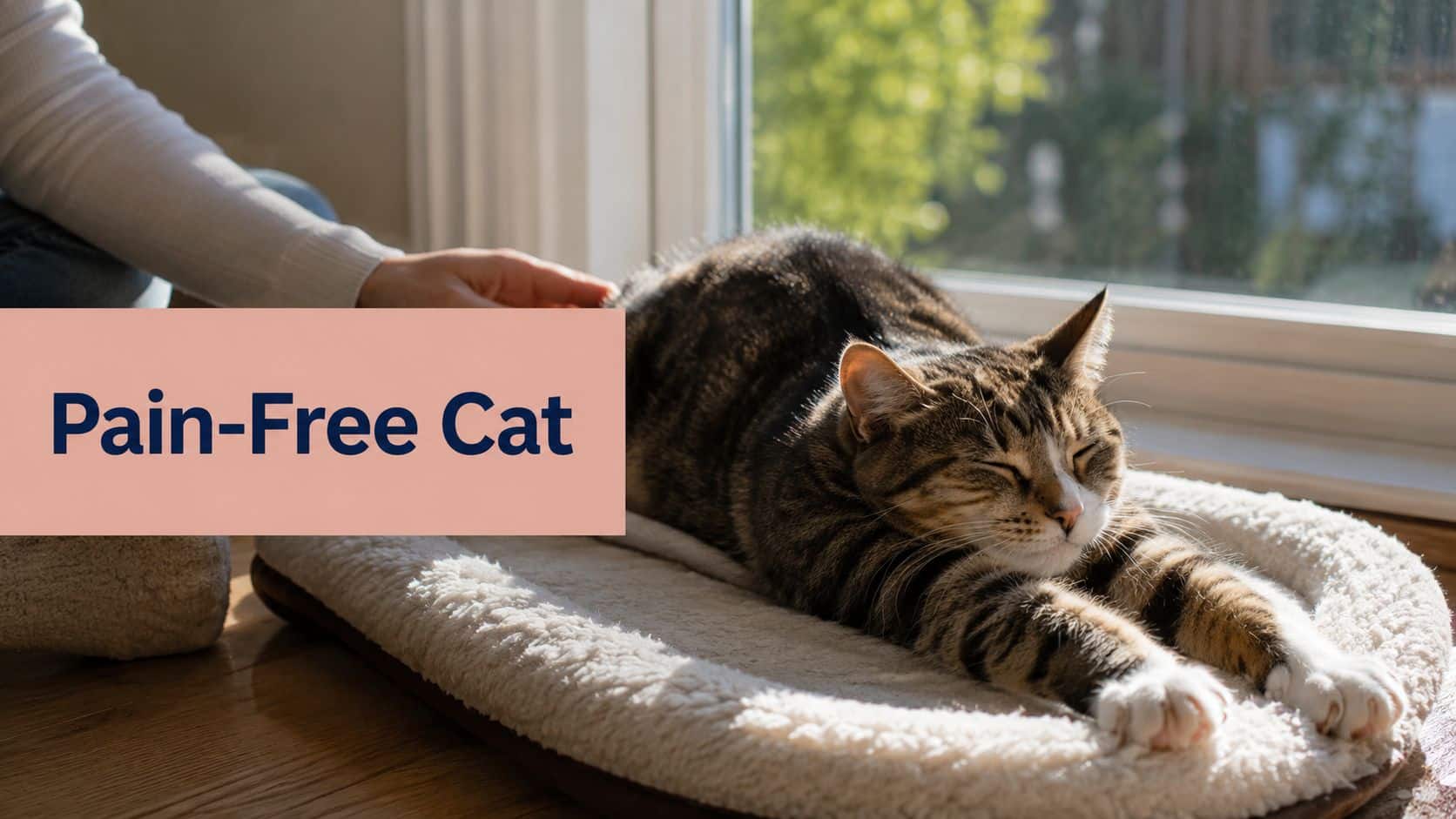
You're likely already noticing the signs. Your dog pauses before climbing the stairs. Your cat no longer jumps to the windowsill. A pet who used to greet you at the door now takes longer to stand, shifts weight awkwardly, or seems uncomfortable.
Those changes can be subtle at first. Many families in South Tampa tell me they aren't sure whether they're seeing normal aging, soreness after activity, or a problem that deserves treatment. In practice, those questions matter less than one simple goal. Your pet should be comfortable moving through daily life.
For many dogs and cats, acupuncture becomes part of that comfort plan. In-home care adds another layer of relief because the pet stays where they feel safest, without the stress of a car ride, a waiting room, or slippery clinic floors.
A Gentle Solution for Your Aging or Aching Pet
A common story starts with a senior dog who still wants to join the family but can't do it the same way. He rises slowly in the morning, hesitates at the back step, and seems stiff after resting. Or it's an older cat who has become quieter, avoids jumping, and spends more time tucked away. Owners often worry that this is "old age" and that not much can be done.
Often, quite a bit can be done.
Acupuncture is an ancient Chinese form of medicine that has been used for centuries to address a wide range of ailments. In modern pet care, that tradition has been adapted into a structured service for common conditions like arthritis and chronic pain, as described by Holistic Veterinary Healing's overview of pet acupuncture.
What matters to pet owners isn't the age of the technique. It's whether their dog or cat feels better. In the right patient, acupuncture can help ease discomfort, support movement, and improve day-to-day quality of life without asking a sore, anxious pet to power through a stressful clinic visit.
Some pets don't need more forceful treatment. They need a calmer setting, gentler handling, and a plan that respects how pain changes their behavior.
At home, I can watch how a pet gets up from their own bed, turns on their own flooring, and settles in their favorite resting spot. That context helps shape treatment. It also helps owners feel less rushed, which matters when you're trying to make thoughtful decisions for a pet you love.
Understanding Pet Acupuncture and Related Therapies
Acupuncture sounds mysterious until you see it done. Then it usually looks simple, quiet, and far less dramatic than people expected.
The easiest way to think about it is this. Acupuncture points act like small switches. When a veterinarian stimulates selected points, the body responds. In patients with pain or reduced mobility, the goal is to encourage the body's own pain-modulating and healing responses, not to replace every other form of care.
What The Treatment Feels Like
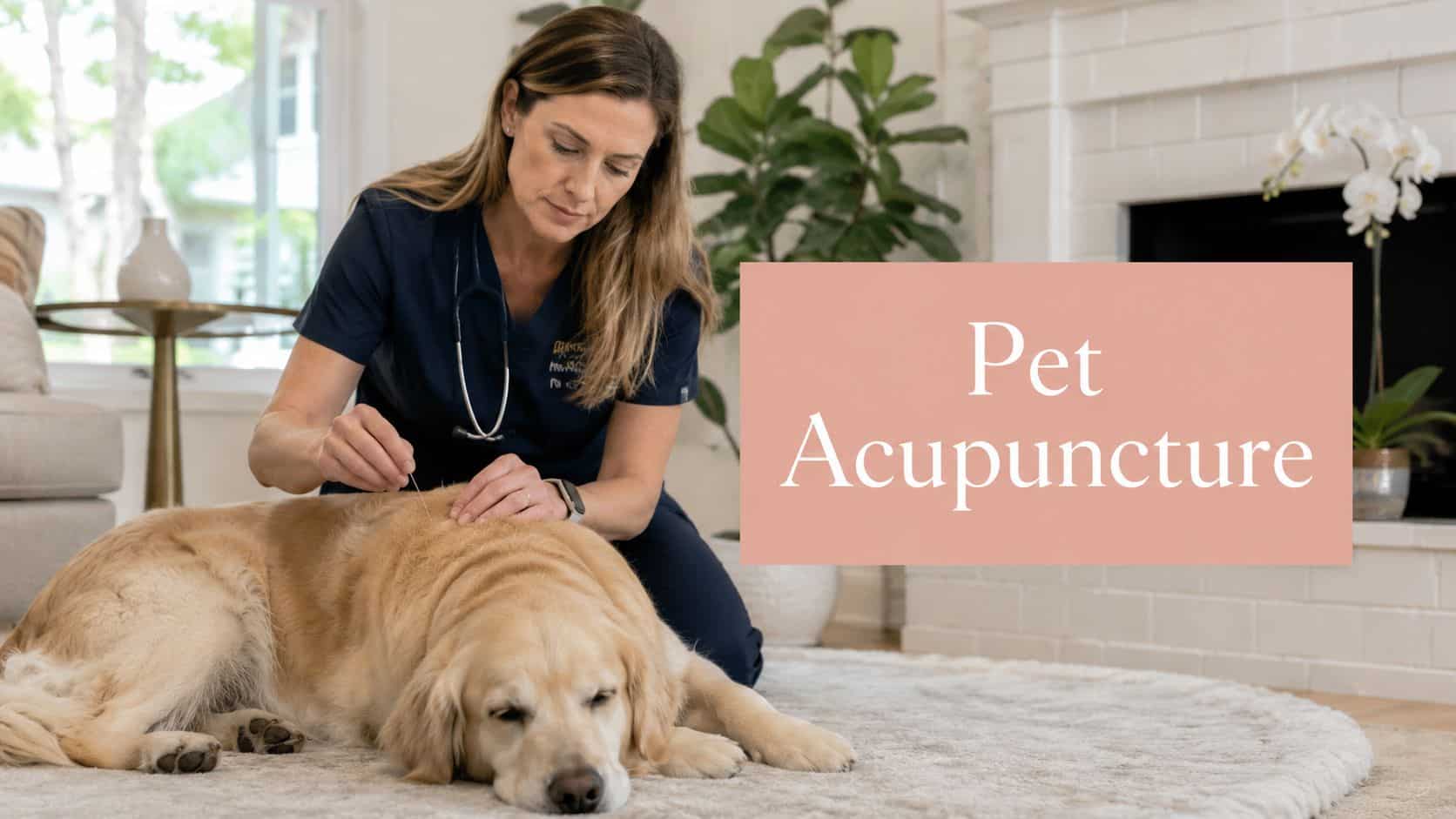
The needles used in veterinary acupuncture are very fine. Most pets tolerate placement well, especially when they're resting on a familiar bed, rug, or blanket at home. Some notice the first needle. Many barely react. Quite a few relax so immensely that the session becomes the quietest part of their day.
That calm matters. When a pet is braced, fearful, or tense, it's harder to tell what discomfort belongs to the medical problem and what discomfort comes from stress.

If you'd like a broader view of how acupuncture fits with laser therapy, rehabilitation, and Chinese medicine, PAW Vet's page on integrative veterinary care gives a helpful overview.
Related Tools A Veterinarian May Use
Acupuncture is often part of a larger toolkit. Depending on the pet, a veterinarian may recommend:
- Electroacupuncture for cases where gentle electrical stimulation between needles may help support a stronger treatment effect in selected pain or neurologic patients.
- Aquapuncture when a small amount of sterile fluid is placed at an acupuncture point instead of leaving a dry needle alone.
- Laser therapy as a needle-free option to complement pain relief and tissue support.
- Acupressure for pets that need an even softer approach or for owners who want simple techniques to continue between visits.
Practical rule: The best plan isn't the one with the most modalities. It's the one your pet can tolerate comfortably and repeat consistently.
What doesn't work well is treating acupuncture like a magic shortcut. It does best when the diagnosis is clear, the goals are realistic, and the treatment plan matches the pet in front of you.
Common Conditions Pet Acupuncture Can Help
A common call goes like this. An older dog still wants to greet the family, follow everyone into the kitchen, and join short walks, but getting up from the floor has become slow and uncomfortable. A cat who used to jump onto the bed now pauses, circles, and stays on the rug instead. Those are the cases where acupuncture often has real value.
The clearest day-to-day use for veterinary acupuncture is chronic pain management, especially pain tied to arthritis, spinal disease, and compensation patterns that build over time. The goal is not to chase a dramatic overnight change. The goal is steadier comfort, easier movement, and better function in ordinary routines at home.
Owners usually notice the difference in small, meaningful ways. Their pet rests more comfortably, hesitates less before standing, or returns to a favorite spot in the house.

Arthritis And Joint Pain
Arthritis is the condition I discuss most often with families searching for pet acupuncture near me. Many of these pets are still engaged and happy. Their world has just gotten smaller because movement costs more than it used to.
You may see slower rises, reluctance on stairs, trouble getting into the car, slipping on slick floors, or shorter walks followed by a long recovery nap. Acupuncture can help reduce pain and muscle guarding, which may let the pet move more normally. It works best as part of a broader mobility plan that can also include medication, weight management, home traction, and simple strengthening work. If your dog has age-related stiffness, PAW Vet's guide to degenerative joint disease in dogs explains the condition in more detail.
Back Pain And Neurologic Problems
Back pain is another frequent reason families ask about acupuncture. Dogs with intervertebral disc disease, lumbosacral pain, weakness, or an abnormal gait may benefit, particularly when the treatment plan is built around a clear diagnosis and regular reassessment.
Results vary. Some pets become more comfortable quickly and start walking with better confidence. Others improve slowly and need repeated treatments, rehab exercises, strict activity control, or medication support at the same time. That trade-off matters. Acupuncture can be very helpful, but it does not replace imaging, surgery when surgery is indicated, or careful neurologic monitoring.
Recovery And Supportive Care
Acupuncture also has a place in recovery after surgery or injury. In the right patient, it can improve comfort enough that rehab exercises become easier to do well, which is often more important than the treatment itself.
I also use it selectively in supportive care for pets dealing with nausea, cancer-related discomfort, or chronic disease. The decision depends on the diagnosis, the stage of illness, current medications, and how much handling the pet can tolerate that day.
A gentle treatment still requires good medical judgment, especially in pets with multiple conditions or several medications on board.
Stress-Sensitive Pets
Some pets do not need acupuncture for fear itself. They need a treatment setting that does not amplify their pain.
That distinction matters. A sore dog may brace through an entire hospital visit and look stiffer than he does at home. A painful cat may hide so effectively in clinic that the exam tells only part of the story. In-home care often gives a more accurate picture of baseline comfort, and that can make the treatment plan more precise as well as easier on the pet.
What to Expect During an In-Home Acupuncture Visit
Most owners worry about two things before the first visit. Will my pet tolerate the needles, and will this be stressful? In a home setting, the answer to the second question is often far better than people expect.

The First Visit Feels More Like A Consultation Than A Procedure
For mobile pet acupuncture, a first session is typically 60–90 minutes, and follow-up visits are often 30–60 minutes, according to DJVS Texas's description of mobile acupuncture appointments. That longer first visit is important because it allows time for history, observation, physical and neurologic assessment, and treatment planning in a calm environment.
In practical terms, I want to know what your pet was like before the problem started, what has changed, what treatments have already helped, and what daily activities now seem difficult. I also want to see your pet moving in the home where those problems happen.
A house-call model changes the tone of the appointment. PAW Vet's page on the benefits of at-home vet care explains why many pets are easier to assess when they aren't bracing against an unfamiliar clinic setting.
During The Needle Session
After the exam, treatment points are selected based on the diagnosis, current symptoms, mobility findings, and the pet's tolerance. Some pets are treated while lying down. Others prefer standing at first. Cats often choose a favorite cushion or a lap-side position nearby.
Once the needles are placed, most of the visit becomes quiet observation. I watch breathing, posture, facial tension, and muscle softening. Owners often notice that their pet looks sleepy, looser, or more settled than expected.
Here's a short look at the treatment environment many owners find reassuring:
Before I Leave
The end of the appointment matters as much as the needle time. This is when we decide what you should watch for over the next few days. I usually want owners to notice practical signs such as ease of rising, comfort on walks, stair use, posture during rest, and overall willingness to engage.
A home plan may include:
- Flooring adjustments so sore or weak pets don't keep slipping where they already struggle.
- Simple rehab exercises matched to the pet's strength and confidence.
- Activity guidance so owners know what movement helps and what movement sets the pet back.
- Comfort tracking using everyday behaviors rather than guesswork.
What doesn't help is assuming every pet should follow the same schedule or the same exercise plan. The right next step depends on response, diagnosis, and how much change we can realistically support at home.
Safety, Cost, and Other Practical Considerations
Safety questions usually come up before cost, and that is the right order.
Pet acupuncture has a strong safety profile in trained veterinary hands, but I never treat it as a casual add-on. The veterinarian still needs to review the diagnosis, current medications, mobility changes, and the pet's overall stability before deciding whether acupuncture is a good fit. A sore senior dog with arthritis is very different from a pet with sudden weakness, uncontrolled heart disease, or pain that has not been fully worked up.
The home setting helps with safety in a practical way. Pets show their normal gait, resting posture, and stress level more clearly at home than they often do in a clinic. That makes it easier to adjust the plan to the animal in front of you. It also reduces one common problem with treatment decisions. A frightened pet can look stiffer, more reactive, or more painful than they really are.
Some pets need extra caution. That includes animals with bleeding concerns, severe debilitation, unstable neurologic signs, or conditions where hands-on treatment should wait until more diagnostics are done. In those cases, the right next step may be imaging, lab work, medication changes, or referral first.
What Owners Should Budget For
Cost varies by region, visit length, and whether the appointment includes a full medical exam, travel time, laser therapy, rehab guidance, or follow-up planning. The Animal Medical Center of Chicago's acupuncture page notes that fees differ by hospital and treatment plan, which is a better way to think about pricing than chasing a single flat number.
For mobile care, ask what is included before you compare rates. A lower fee may cover only needle placement. A higher fee may include the exam, treatment, response tracking, and a realistic home plan that fits your flooring, stairs, yard access, and your pet's daily routine. Families looking at in-home veterinary services for pain management and mobility support should compare the whole visit, not just the line item.
That difference matters.
A nervous dog who braces through a clinic visit, slips on polished floors in the lobby, and refuses to settle on the treatment mat may get less from a cheaper appointment than from a calm session at home. For many older pets, comfort and tolerance affect value as much as price does.
What Works Better Than Price Shopping Alone
Ask direct questions. Will the veterinarian examine your pet first? How many visits are usually needed before response is reassessed? What changes should you watch for at home? What would make the doctor stop, modify, or postpone treatment?
Good planning is specific. Owners should leave with clear goals such as easier rising, less panting after activity, steadier walking, better stair use, or more relaxed rest. They should also know the trade-offs. Some pets improve quickly, while others need a short series of visits before the pattern is clear. Some benefit most from acupuncture combined with medication, weight management, or rehab exercises.
The best plan is the one your pet can tolerate and your household can follow consistently.
How to Find a Qualified Practitioner Near You
Searching pet acupuncture near me can pull up a long list of clinics, mobile services, and wellness pages. The hard part isn't finding someone who offers acupuncture. It's figuring out who is practicing it with the right medical framework.
Veterinary sources point to an information gap here. Pet owners are often shown booking options and general benefits, but not enough guidance on how to compare providers. A key differentiator is provider qualification. Owners should ask whether the clinician has formal veterinary acupuncture training and whether a full veterinary exam is part of the service, as noted by North Star Animal Hospital's discussion of pet acupuncture searches.

Questions Worth Asking Before You Book
Use this short checklist when you contact a provider:
- Are you a licensed veterinarian: Acupuncture for pets should sit inside medical decision-making, not outside it.
- What formal training do you have in veterinary acupuncture: Don't be shy about asking for specifics.
- Will you perform a full exam before treatment: This is essential when pain, weakness, or mobility changes could have several causes.
- How do you decide follow-up frequency: You want a plan based on response, not a one-size-fits-all package.
- Do you work with my primary veterinarian when needed: That matters for pets with chronic disease or ongoing prescriptions.
If you'd like to understand the credentialing side better, PAW Vet has a clear page on veterinary acupuncture certification.
Good Answers Tend To Sound Specific
Be cautious if the answers are vague, overly sales-focused, or dismissive of standard diagnostics. A qualified practitioner should be comfortable discussing limits, trade-offs, and when acupuncture is only one piece of the plan.
Help Your Pet Feel Better at Home in South Tampa
The right acupuncture visit shouldn't feel like one more ordeal for an already uncomfortable pet. It should feel calm, deliberate, and useful. For dogs and cats dealing with stiffness, chronic pain, mobility loss, or recovery challenges, in-home treatment often gives the veterinarian a better picture and gives the pet a far easier experience.
That matters in South Tampa, where many families want thoughtful care without the stress of transporting a painful senior dog or a clinic-averse cat. Acupuncture isn't a cure-all, and it shouldn't be presented that way. What it can do, when used well, is help many pets move more comfortably, rest more easily, and stay engaged in daily life.
For local owners who want in-home integrative care, Pet Acupuncture & Wellness (PAW Vet Practice) provides mobile veterinary services for dogs and cats in South Tampa only, including acupuncture, related integrative therapies, and practical home-based support.
If your pet is slowing down, reluctant to move, or showing signs of discomfort, it's worth having that evaluated sooner rather than later. Early support is often easier on the pet and more manageable for the family.
If you're in South Tampa and want a calm, home-based plan for pain relief, mobility support, or acupuncture care for your dog or cat, contact Pet Acupuncture & Wellness (PAW Vet Practice). You can learn more about services, request a consultation, and see whether an in-home visit is the right next step for your pet.