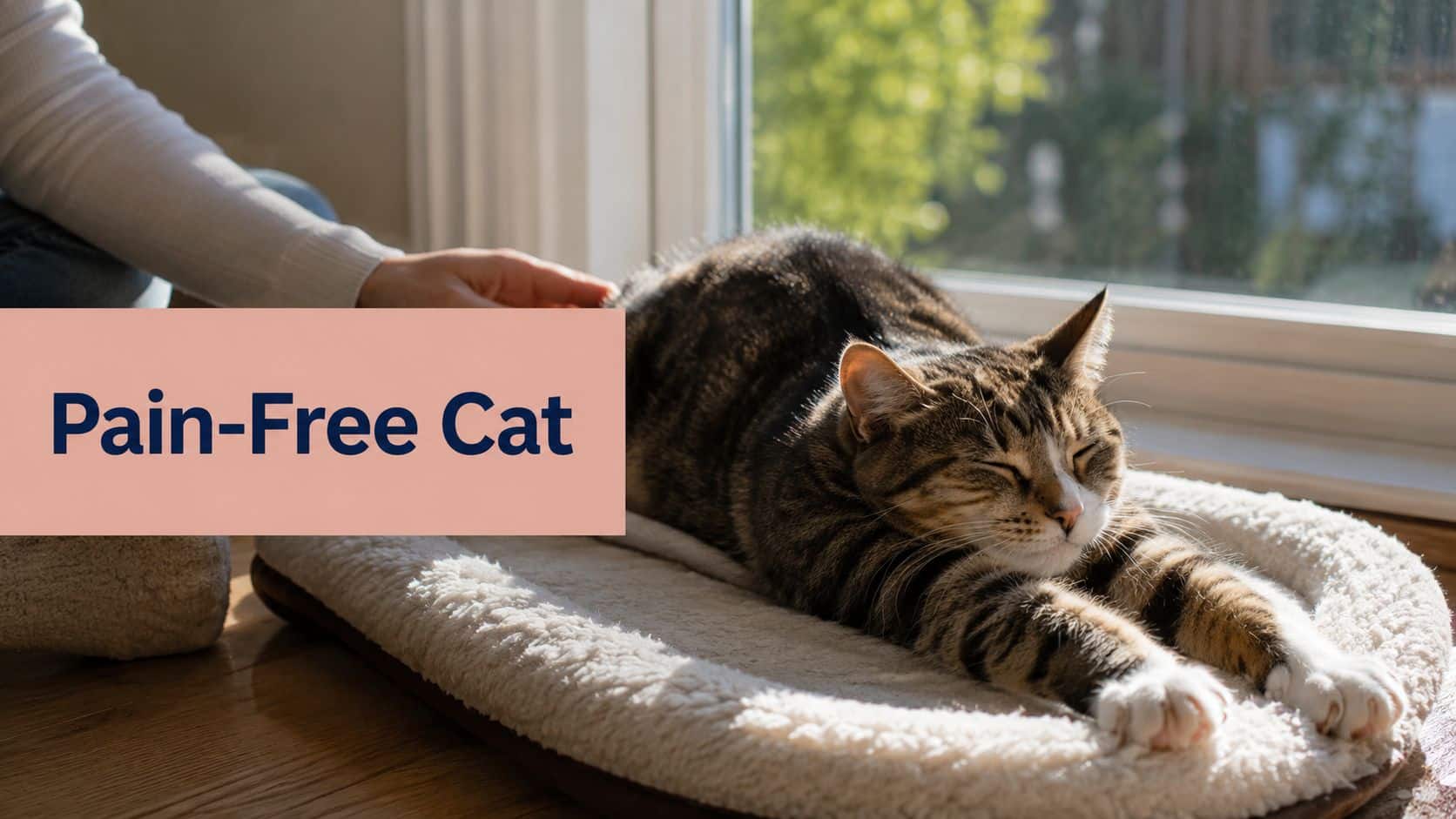
Your dog still wants to greet you at the door, but getting up takes longer now. Your cat still enjoys the sunny spot by the window, but she hesitates before jumping onto the couch. Many pet owners notice these small changes before anything shows up on a lab report or X-ray. What they're really seeing is a shift in comfort, energy, and confidence at home.
That's where Traditional Chinese Veterinary Medicine, often called TCVM, can feel like a relief instead of another source of stress. It offers a gentle, whole-patient approach that looks at how your pet is moving, resting, eating, reacting, and feeling day to day. In a mobile, in-home setting in South Tampa, that matters even more, because pets often show us their true selves when they're relaxed in familiar surroundings.
A Gentle Path to Wellness for Your Aging Pet
Molly is the kind of older dog many families know well. She still wags for dinner, still follows her person from room to room, and still wants to be near the people she loves. But lately she's been slower on tile floors, stiff after naps, and less interested in long walks. Her family doesn't want her pushed through a stressful clinic visit if there's a calmer way to help.
That's often the moment when people first hear about Traditional Chinese Veterinary Medicine. It isn't about replacing everything you already know. It's about adding another lens, one that asks why your pet is less comfortable and what might help them feel more at ease in everyday life.

Traditional Chinese Veterinary Medicine has been practiced in China to treat animals for over 2,000 years, representing an adaptation and extension of Traditional Chinese Medicine originally developed for human patients, as described by Chi University's overview of TCVM. That long history doesn't mean it's old-fashioned in a negative way. It means generations of veterinarians have used it to observe patterns in animals and support comfort, movement, and resilience.
Why Pet Owners Often Feel Drawn To It
For many families, the appeal is simple.
- It looks at the whole pet: Not just the sore hip, the itchy skin, or the upset stomach, but the full picture.
- It can be gentle: Many TCVM tools are low-stress and well suited to pets who dislike car rides or waiting rooms.
- It fits quality of life goals: Owners often want their pet to sleep better, move with less hesitation, and enjoy home life again.
Sometimes the first sign of pain isn't crying or limping. It's withdrawal, stiffness, restlessness, or a pet choosing easier routes through the house.
If you've noticed those quieter signs, this guide on how not to miss the signs of pain in a senior dog or cat can help you put words to what you're seeing.
Why Home Matters So Much
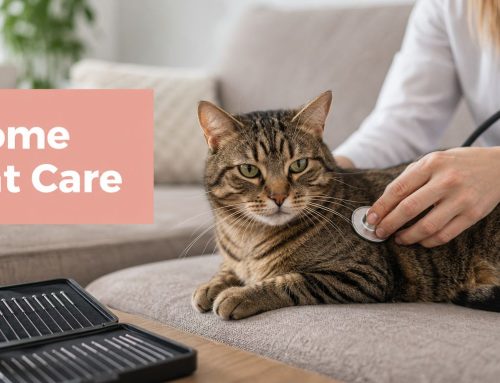
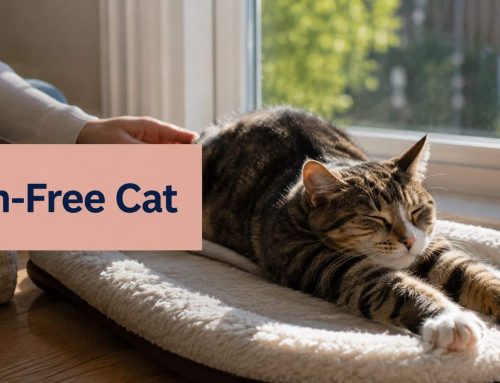
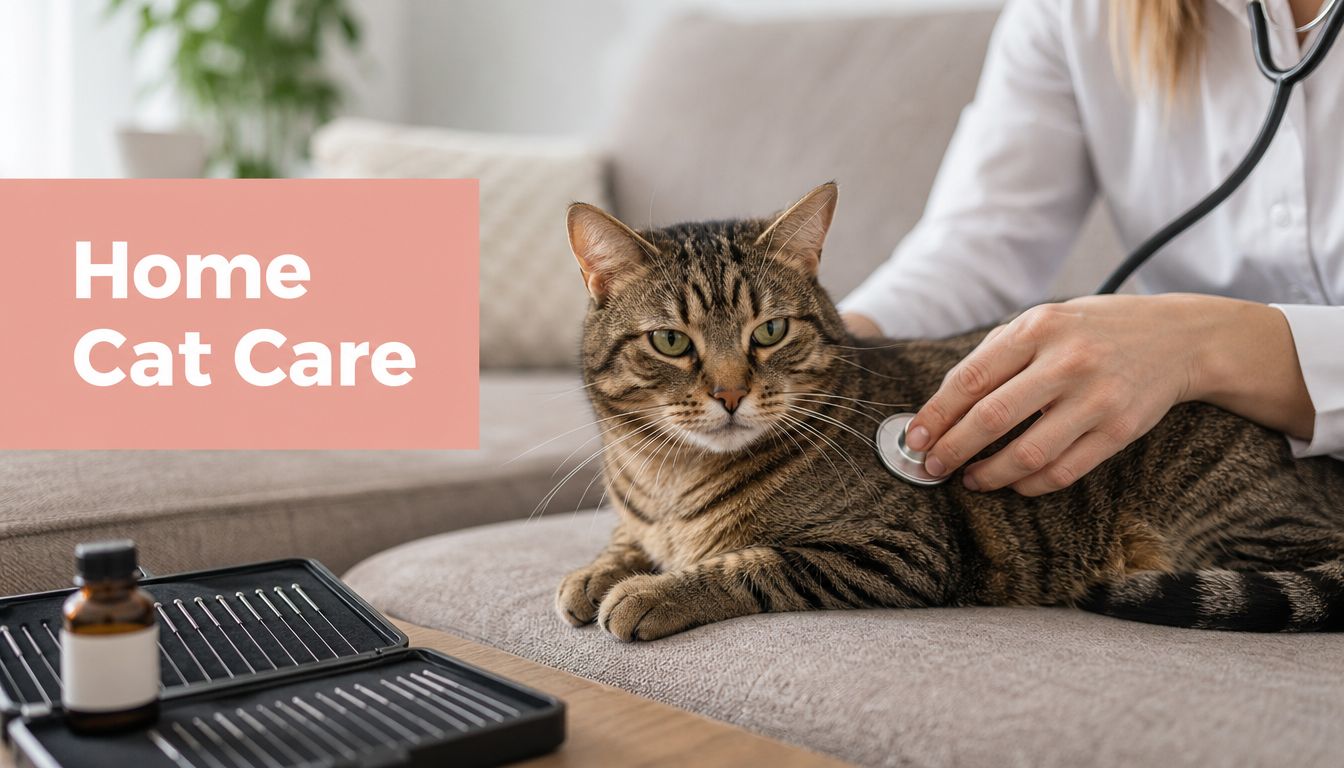
In-home care changes the experience. A senior dog can be examined on her favorite blanket. A cautious cat can stay near the bedroom doorway instead of being carried through a loud lobby. That lower-stress setting often makes it easier to assess posture, gait, sleep habits, favorite resting spots, and other small but meaningful clues.
For aging pets, comfort isn't an abstract goal. It's whether they can settle at night, rise without struggle, and stay engaged with the people and routines they love.
Understanding The Core Principles of TCVM
Some pet owners hear TCVM terms and worry it will feel vague or hard to understand. It doesn't have to. The easiest way to think about it is this. TCVM uses a different language to describe balance in the body.

Yin And Yang
Yin and Yang describe paired forces that need each other. A simple analogy is shade and sunlight. Neither is bad. Health depends on having the right balance for the moment.
In pets, you can think of Yin as cooling, nourishing, moistening, and restful qualities. Yang relates more to warmth, activity, drive, and movement. A pet that seems overheated, restless, and irritable may show a different pattern than one who seems cold, tired, weak, and slow to recover.
Owners often understand this quickly when they think about habits at home:
- A heat-seeking pet: Wants blankets, sun patches, and warm laps.
- A cool-seeking pet: Sprawls on tile, avoids heavy bedding, and pants easily.
- A balanced pet: Adjusts comfortably without seeming driven to one extreme.
Qi And Meridians
Qi is often translated as life energy, but many owners find it easier to picture as the body's functional momentum. It's what allows movement, digestion, circulation, recovery, and overall vitality to happen smoothly.
Meridians are the pathways through which Qi moves. A useful analogy is a highway system. When traffic flows well, supplies arrive where they're needed. When there's a blockage or slowdown, you may see pain, stiffness, weakness, or poor function in another area.
A TCVM exam doesn't treat a symptom as an isolated event. It asks what pattern in the body allowed that symptom to appear.
Five Elements And Functional Organs
The Five Elements are Wood, Fire, Earth, Metal, and Water. They help practitioners understand relationships between body systems rather than viewing each organ as a separate part with no connection to the rest. This can sound abstract at first, but the practical point is straightforward. TCVM looks for patterns.
The Zang-Fu organ systems also work as functional ideas, not just anatomy. That means a TCVM veterinarian may talk about a pattern involving digestion, fluid balance, emotion, sleep, or mobility in an integrated way.
TCVM's Daoist worldview posits the body as a microcosm of the universe, where cosmic laws and forces dictate health, forming the basis for diagnostic frameworks that enable veterinarians to design home-friendly wellness plans, as explained by Cole Park Veterinary Hospital's TCVM page.
For owners who want a broader view of how these ideas fit with conventional care, integrative veterinary care is often the most useful frame. It doesn't ask you to choose one world or the other. It asks how both can help your pet live more comfortably.
A Different Kind of Veterinary Check-Up
A TCVM appointment often feels more observant than dramatic. The veterinarian is still asking medical questions, but the details are wider and more personal. Instead of focusing only on the main complaint, they're also noticing how your pet carries weight, where tension sits in the body, how the coat feels, whether the eyes look bright or dull, and what your pet chooses in the room.
What The Veterinarian Is Looking For
The exam usually begins with the story you tell. That includes appetite, thirst, sleep, bathroom habits, mobility, anxiety, reactions to weather, and favorite places to rest. Those details aren't small talk. They help form a pattern.
Then come physical clues that are central to TCVM:
- Tongue observations: Color, moisture, and coating can offer clues about internal patterns.
- Pulse assessment: A TCVM-trained veterinarian may feel pulse quality in a very specific way to gather information beyond rate alone.
- Body mapping: Sensitivity, muscle tightness, temperature differences, and posture can point to areas of imbalance.
Why Home Behavior Matters
At home, pets reveal preferences they often hide in a clinic. A dog may repeatedly circle before lying down because stiffness makes settling hard. A cat may stop using a favorite perch because jumping hurts. Some pets stretch constantly. Others guard one side of the body or avoid slick flooring.
Those patterns can guide a TCVM diagnosis. If a pet seeks warmth, that may matter. If a pet always chooses cool surfaces, that matters too. If symptoms worsen at night, after rest, in damp weather, or during excitement, that becomes part of the picture.
Your observations are part of the diagnostic process. You live with your pet's routines in a way no test can fully replace.
How This Differs From A Conventional Visit
A conventional exam often aims to identify disease categories, structural injury, infection, organ dysfunction, or urgent instability. A TCVM exam asks a different question alongside that one. What pattern of disharmony is this pet expressing?
Both views can be useful at the same time. A dog with arthritis may also show a TCVM pattern linked to cold, stagnation, weakness, or depletion. A cat with chronic vomiting may also show a pattern involving heat, deficiency, or digestive imbalance. That pattern helps shape treatment choices in a more individualized way.
The Four Branches of TCVM Treatment
Once a veterinarian identifies the pattern, treatment usually draws from four main branches. That structure keeps TCVM organized and practical for owners.

Traditional Chinese Veterinary Medicine is anchored by four central pillars: acupuncture, herbal medicine, Tui-na, and food therapy, which collectively target root causes of disease rather than just symptoms, according to RehabVet's discussion of TCVM and Western medicine.
Acupuncture
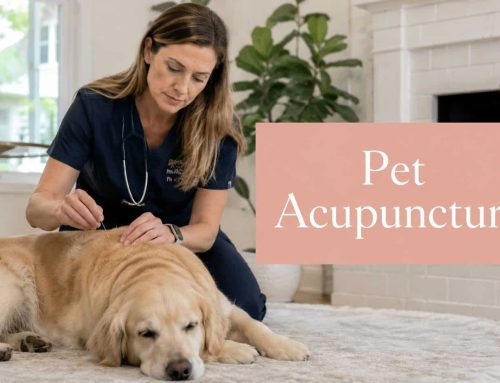
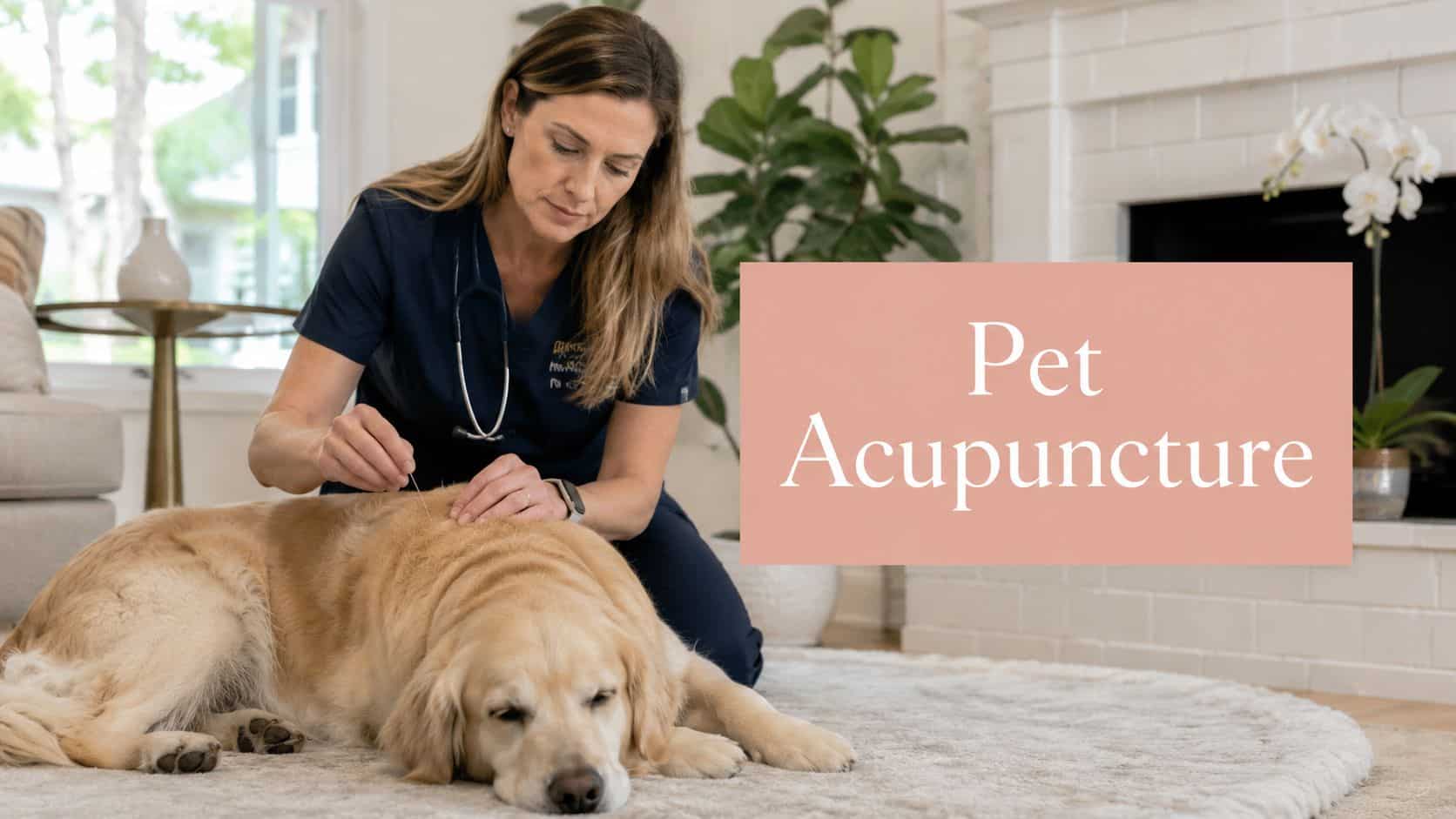
Acupuncture is the branch most owners recognize first. Fine needles are placed at selected points to influence pain pathways, circulation, muscle tension, and overall regulation in the body. Some pets become so relaxed during treatment that they nap.
Modern practice may also include related techniques such as electroacupuncture or aquapuncture when appropriate. In an integrative setting, some veterinarians also pair acupuncture with laser therapy or rehabilitation exercises to support comfort and mobility.
A key point from the verified data is that acupuncture points have been identified as electrically conductive areas with specific anatomical characteristics, and research suggests stimulation can influence pain perception and the release of endogenous opioids, as described by Fifth Avenue Veterinary Clinic's overview of Chinese medicine.
Herbal Medicine
Chinese herbal medicine uses formulas rather than random single herbs chosen off the internet. The formula is matched to the individual pet's pattern, not just the diagnosis on paper. Two dogs with itchy skin may need very different herbal support.
The World Association of Traditional Chinese Veterinary Medicine provides access to 184 specific herbal formulas with dosage information for veterinary use, as listed by WATCVM. That doesn't mean every formula suits every pet. It means trained veterinarians have a structured body of options to draw from.
If you're curious about how herbs fit into a broader care plan, this guide to dog herbal remedies gives helpful context.
Food Therapy
Food therapy sounds simple, but it goes beyond choosing a high-quality diet. In TCVM, foods are considered by their energetic effects as well as their ingredients.
A pet who runs hot may benefit from different food choices than one who tends toward coldness and weakness. The approach draws on Food Energetics and the Five Elements framework, where foods may be described as hot, warm, neutral, cool, or cold in their thermal effects, as outlined in this TCVM food therapy primer on dvm360.
Tui-na
Tui-na is Chinese medical massage. It can help loosen tension, support circulation, and improve comfort in a hands-on, low-stress way. For some pets, especially those who are needle-sensitive, it can be a gentle entry point into TCVM care.
Owners often appreciate that Tui-na techniques can sometimes be adapted into simple home routines. That matters because the best plan is one the family can carry out in the living room, on the bed, or beside the food station.
Common Conditions That Benefit From TCVM
Most pet owners don't come looking for TCVM because they want a philosophy lesson. They come because their dog is limping, their cat keeps vomiting, the skin flares keep returning, or recovery feels slower than expected.
TCVM is clinically effective for treating veterinary patients with musculoskeletal disorders, skin and ear conditions, vomiting, and a wide range of other systemic health issues commonly affecting dogs and cats, according to dvm360's review of TCVM in practice.
Mobility And Pain Problems
Arthritis is one of the most common reasons owners explore this approach. A pet may not cry out, but you might notice slower rising, reluctance on stairs, trouble jumping, or less interest in walks. Acupuncture can be used to support pain control and muscle relaxation, while massage, rehab exercises, and home setup changes can help the pet move more confidently.
This matters most at home. Better comfort often shows up as ordinary things returning. A dog lies down without circling as much. A cat reaches the litter box without hesitating. A pet sleeps more soundly and wakes less stiff.
Skin, Ears, And Digestive Upset
Recurring skin and ear problems often frustrate owners because they tend to cycle. A TCVM practitioner may look at itch, redness, odor, moisture, heat, restlessness, stool quality, and food response together rather than treating every flare as a separate event.
Vomiting and digestive discomfort can also benefit from this broader lens. Instead of asking only what upset the stomach today, TCVM asks whether the digestive system seems weak, irritated, overheated, stagnant, or poorly regulated. That can shape choices in acupuncture, food therapy, and carefully selected herbal support.
Some of the best TCVM outcomes are quiet ones. A pet eats more calmly, scratches less, settles sooner, and seems more like themselves again.
Recovery, Neurologic Support, And Emotional Well-Being
TCVM can also be useful during recovery from injury or surgery, especially when the goal is to regain function without adding unnecessary stress. In some pets, treatment supports better comfort during the healing period and helps them tolerate rehabilitation more easily.
Owners also ask about anxious pets, pets with weakness in the rear limbs, and pets who seem “old before their time.” In those cases, the value of TCVM is often its individualized approach. The plan isn't built only around the disease label. It's built around the pet standing in front of you, and what daily life looks like in that home.
Your Pet's In-Home TCVM Visit in South Tampa
A mobile TCVM visit feels very different from loading a stiff dog into the car or coaxing a fearful cat into a carrier. In South Tampa, the biggest benefit of in-home care is often the simplest one. Your pet stays where they feel safest.

The visit might begin in the living room, on a rug with good traction, or near your pet's favorite resting place. The veterinarian watches how your dog stands up from a bed, how your cat moves down the hallway, and where your pet chooses to settle once the excitement of someone arriving has passed. Those details are often more revealing than what happens in a clinic exam room.
What Usually Happens During The Visit
The conversation is detailed but practical. You'll talk about changes in movement, sleep, appetite, behavior, bathroom habits, sensitivity to heat or cold, and what a typical day looks like. Then the exam follows the pet's comfort level.
A calm in-home plan often includes:
- Observation first: Gait, posture, transitions, and resting preferences.
- Hands-on assessment: Areas of tension, soreness, pulse quality, and other TCVM findings.
- Treatment where the pet relaxes best: On a dog bed, sofa cushion, or sunny patch of floor.
- Home-friendly recommendations: Exercises, traction ideas, feeding adjustments, or massage techniques that fit your routine.
If you're exploring options for pet acupuncture near you in South Tampa, it helps to know that a house-call setting isn't just about convenience. For many pets, it improves the quality of the exam and the treatment experience.
Here's a closer look at the home-visit approach in motion:
Why The Home Setting Changes So Much
A nervous pet often braces in a clinic. At home, they may soften. That makes it easier to evaluate comfort accurately and design a plan the family can keep using after the visit ends.
Because this service area is limited, it's important to be clear that care is focused on South Tampa. That local focus makes the home-visit model more personal and more workable for ongoing support.
How to Choose a Qualified TCVM Practitioner
The safest way to pursue Traditional Chinese Veterinary Medicine is to work with a licensed veterinarian who has formal training in veterinary acupuncture and related TCVM methods. Your pet deserves someone who understands both conventional medicine and when complementary care makes sense.
What To Ask Before You Book
Start with a few direct questions.
- Veterinary license: Is the practitioner a veterinarian, not only a wellness provider or lay healer?
- Formal training: Have they completed recognized education in acupuncture, herbs, or integrative care?
- Collaborative approach: Will they work alongside your primary veterinarian instead of asking you to replace standard care?
- Clear prescribing habits: Do they prescribe herbal formulas based on your individual pet, rather than selling a one-size-fits-all product?
A helpful place to begin is learning what credentials matter in a certified veterinary acupuncturist.
Be Especially Careful With Herbal Products
Owners need to be cautious. A frequently asked but poorly answered question is how to verify the safety and efficacy of specific Chinese herbal formulas for individual pets without standardized regulation, as current content generally lists benefits but lacks data on toxicity risks or the absence of universal quality control standards, as noted in this PubMed-listed discussion of the concern.
That means herbal medicine should never be casual. Don't choose formulas based on social media, general supplement websites, or advice meant for humans. Herbs can interact with medications, be inappropriate for a specific diagnosis, or vary in quality.
Safety rule: Use Chinese herbal medicine for pets only under veterinary guidance, with a formula chosen for that specific animal's condition, history, and current medications.
Traditional Chinese veterinary medicine can be a thoughtful, compassionate part of care. It works best when it's practiced with medical judgment, good communication, and respect for what your pet's body is telling us.
If your dog or cat in South Tampa could benefit from calmer, in-home support for pain relief, mobility, or overall wellness, Pet Acupuncture & Wellness (PAW Vet Practice) offers integrative veterinary care designed around comfort at home.