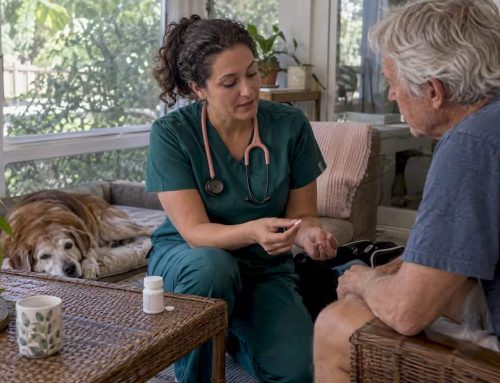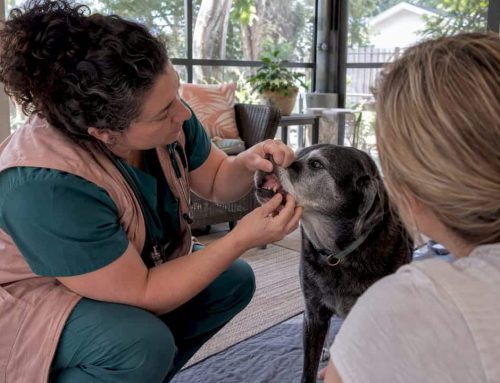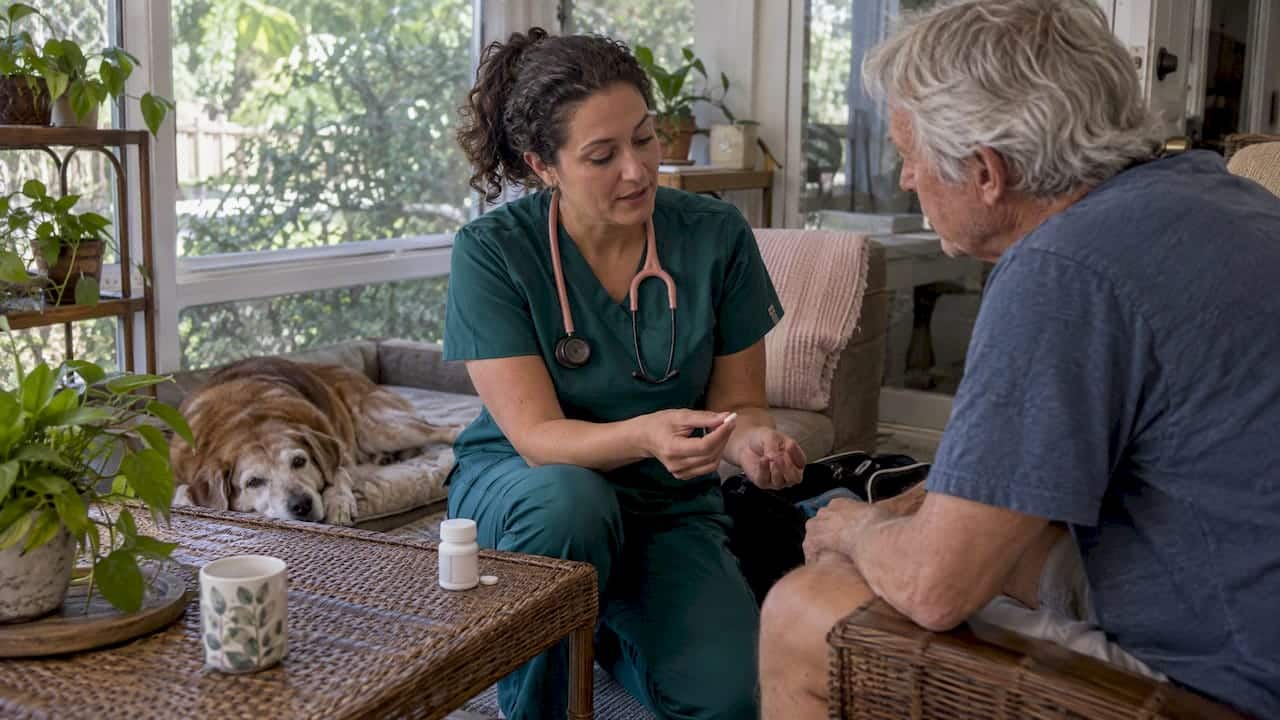
Most dogs given vet-prescribed gabapentin experience mild, short-lived sedation or wobbliness that fades within hours. Serious reactions like allergic responses or withdrawal seizures are uncommon but need to prompt veterinary attention. If your dog shows severe incoordination, collapse, or breathing trouble after a dose, call your veterinarian or a pet poison helpline right away.
TL;DR:
- Give a single dose about 90 minutes before a stressful event; chronic treatment often requires consistent dosing two to three times daily as prescribed.
- Kidney or liver disease can prolong sedation, while opioids, some anxiety medicines, and antihistamines can add drowsiness; disclose all medicines and supplements before treatment.
- Sleepiness and wobbliness usually appear within two hours and fade as the dose wears off; observe early doses at home and call if symptoms worsen.
- Check liquid gabapentin labels for xylitol before dosing, because the sweetener is toxic to dogs; ask your veterinarian or pharmacist to confirm ingredients.
- Never stop long term or high dose treatment abruptly, because withdrawal seizures can occur; ask your veterinarian to taper the dose gradually.
Table of Contents
- Why Veterinarians Prescribe Gabapentin for Dogs
- How Gabapentin Works and Why Timing Matters
- Common Side Effects You’re Likely to See
- Less Common but Serious Reactions
- Onset, Duration, and Getting the Dose Right
- Risk Factors, Interactions, and Formulation Warnings
- Signs of Overdose and What to Do in an Emergency
- How to Give Gabapentin Safely at Home
- Alternatives and Complementary Options Worth Discussing
- How At-Home Integrative Care Supports Safer Gabapentin Use
- Do Side Effects Differ by Breed or Size?
- Balancing Medication and Integrative Care for Comfort
- Supporting Your Dog’s Comfort Alongside Gabapentin
- FAQ
- Sources
Why Veterinarians Prescribe Gabapentin for Dogs
Gabapentin has become a familiar name in veterinary medicine because it helps with several overlapping problems: chronic nerve pain, anxiety around vet visits, and seizure control when used alongside other anticonvulsants. We see it most often in senior dogs with arthritis-related nerve pain, dogs recovering from surgery, and pets who shake or hide at the mere sight of a carrier.
Veterinarians often choose gabapentin because it pairs well with other medications rather than replacing them outright. For chronic pain, it’s frequently combined with an NSAID for a more complete effect. For anxiety, it may be given as a single dose before a stressful event rather than on a daily schedule.
- Chronic or neuropathic pain: Used for arthritis, disc disease, or nerve-related discomfort that doesn’t respond fully to standard pain relievers.
- Pre-visit anxiety: A single dose given before a vet appointment or grooming session to take the edge off fear and stress.
- Perioperative pain control: Added to a surgical pain plan to reduce the amount of opioid medication needed.
- Seizure management: Used as an add-on anticonvulsant when a dog’s primary seizure medication isn’t fully controlling episodes.
Understanding which category your dog falls into helps explain the dosing pattern your veterinarian recommends, since a single pre-event dose looks very different from a twice-daily chronic regimen.
How Gabapentin Works and Why Timing Matters
Gabapentin works by binding to a specific calcium channel subunit on nerve cells, which calms overactive nerve signaling involved in both pain and seizure activity. Despite the name, it isn’t chemically related to the neurotransmitter GABA, but it produces a similar quieting effect on the nervous system.
In healthy dogs, gabapentin reaches peak blood levels within about 45 minutes to 2 to 3 hours after an oral dose, which is why many vets recommend giving it roughly 90 minutes before a stressful event. The drug clears from the body with an elimination half-life of around 3 to 4 hours, largely through the kidneys.

That renal dependence matters a great deal for dogs with kidney or liver disease. When clearance slows, gabapentin and its sedating effects can linger far longer than expected, sometimes turning a normal dose into one that causes prolonged grogginess. This is one reason your veterinarian will ask about your dog’s kidney values before settling on a dose, especially for older dogs who may have reduced kidney function even without an official diagnosis.
Common Side Effects You’re Likely to See
Sedation is, by far, the most frequently reported effect of gabapentin in dogs. A retrospective evaluation of dogs treated for behavioral disorders found sedation to be the most commonly reported side effect, with owner-reported reactions typically resolving within hours rather than persisting for days.
Sedation and ataxia show up first, usually within an hour or two of dosing. Your dog might seem sleepy, a little clumsy on the stairs, or slower to respond to their name. This typically peaks around the same window as the drug’s peak blood level and eases as the dose wears off.
Gastrointestinal upset is the next most common category. Vomiting, soft stool, or a temporary dip in appetite can appear, particularly at higher doses or when gabapentin is started without food.
Mild behavioral shifts round out the common list: a dog who’s normally food-motivated might seem less interested in treats, or a typically social dog might want to nap through a visit from the grandkids.
- Sedation: Appears within 1 to 2 hours, usually mild, and resolves as the dose metabolizes.
- Incoordination: Wobbly gait or hesitancy on stairs, more noticeable in smaller or older dogs.
- Digestive changes: Vomiting, loose stool, or reduced appetite, often tied to dose size or an empty stomach.
The reassuring data point here: owner-reported side effects in gabapentin studies most commonly describe sedation that resolves within hours, not days, which lines up with what most veterinary practices see in daily use.
If these effects are mild and your dog bounces back to normal within the expected window, there’s usually no need to panic. Worsening sedation, repeated vomiting, or a wobble that doesn’t improve by the next dose is worth a call to your veterinarian.
Less Common but Serious Reactions
Serious reactions to gabapentin in dogs are uncommon, but owners should know what they look like because early recognition changes the outcome. The Merck Veterinary Manual lists sedation and ataxia as the most common adverse effects, with gastrointestinal signs like decreased appetite, vomiting, and diarrhea appearing more often at higher doses.
True allergic reactions to gabapentin are rare, but they do happen. Facial swelling, hives, sudden difficulty breathing, or collapse shortly after a dose are signs of a possible anaphylactic reaction and count as a genuine emergency.
Prolonged, heavy sedation that doesn’t lift within the expected window can signal either an accidental overdose or reduced drug clearance from kidney or liver disease. A dog who seems nearly unarousable, rather than just sleepy, needs veterinary evaluation.
Perhaps the most important serious risk to understand is withdrawal seizures. Stopping a long-term or high-dose gabapentin regimen abruptly, rather than tapering, can trigger seizures even in dogs who were never seizure-prone before starting the medication. This is why we never recommend stopping a chronic dose cold turkey, no matter how well your dog seems to be doing.
- Allergic reaction: Facial swelling, hives, or breathing difficulty shortly after a dose; treat as an emergency.
- Prolonged sedation: Grogginess that extends well past the expected window, often linked to overdose or slowed clearance.
- Withdrawal seizures: Can occur after abrupt discontinuation of long-term or high-dose therapy, making gradual tapering essential.
Onset, Duration, and Getting the Dose Right
Timing your dog’s dose correctly makes a real difference in how well gabapentin works and how mild the side effects stay. For single, pre-event doses, such as before a nail trim or thunderstorm, giving gabapentin around 90 minutes before the stressful event lines up with when blood levels peak, which gives the calming effect time to take hold.
For chronic pain or seizure management, dogs are typically started on a lower dose given two to three times daily, then adjusted based on response. Exact milligram-per-kilogram amounts vary by condition, body weight, and what other medications a dog is taking, so dosing should always come from your veterinarian rather than a generic chart.
- Start at the lower end of the recommended range so your veterinarian can gauge how your individual dog responds before increasing.
- Give the first few doses when you can observe your dog for several hours afterward, rather than right before you leave for work.
- Increase gradually, under veterinary guidance, rather than jumping to a higher dose because the first one “didn’t seem to do much.”
- Keep dosing times consistent for chronic regimens, since uneven spacing can lead to either breakthrough pain or stacked sedation.
The Merck Veterinary Manual recommends a start-low-and-titrate approach specifically because it minimizes heavy sedation while still finding the lowest dose that controls pain or anxiety. Dogs vary enough in their response that what works for your neighbor’s Labrador may be too much, or too little, for yours.
Risk Factors, Interactions, and Formulation Warnings
Some dogs carry a higher baseline risk for side effects, and knowing where your dog falls on that spectrum helps you and your veterinarian plan more carefully. Dogs with existing kidney or liver disease clear gabapentin more slowly, which means the same dose that’s barely noticeable in a healthy dog can cause extended sedation in one with reduced organ function.
Combining gabapentin with other sedating medications, including opioids, certain anti-anxiety drugs, or even over-the-counter antihistamines, can produce additive drowsiness. Always share a complete list of everything your dog takes, supplements included, before starting gabapentin.
One formulation-specific hazard deserves its own mention: some compounded liquid gabapentin products are sweetened with xylitol, an artificial sweetener that is toxic to dogs even in small amounts. The human oral solution is one example where xylitol commonly appears, so liquid formulations always need a label check before they go anywhere near a dog’s bowl.
- Organ disease: Tell your veterinarian about any known kidney or liver condition before starting gabapentin.
- Other sedatives: Disclose every medication and supplement your dog takes to avoid stacked drowsiness.
- Liquid formulations: Confirm with your pharmacist or veterinarian that any liquid gabapentin is xylitol-free before giving it to your dog.
Pro Tip: Ask your veterinarian or pharmacist to confirm in writing that a compounded liquid gabapentin is xylitol-free, since ingredient lists aren’t always printed clearly on the bottle.
Signs of Overdose and What to Do in an Emergency
Gabapentin overdose in dogs tends to look like an exaggerated version of its normal side effects rather than something entirely different. Severe ataxia to the point of stumbling or falling, outright collapse, extreme lethargy that doesn’t lift, and repeated vomiting are the signs to watch for.
If you suspect your dog has gotten into more gabapentin than intended, whether from a dropped pill or a miscounted dose, call your veterinarian or a pet poison helpline immediately rather than waiting to see how things progress. A dog who collapses, struggles to breathe, or can’t be roused needs an emergency vet visit without delay.
On the treatment side, there’s no specific antidote for gabapentin overdose. Veterinary teams rely on supportive care: intravenous fluids to help flush the drug and support blood pressure, anti-nausea medication, and close monitoring of breathing and heart rate. If the ingestion was very recent, inducing vomiting or giving activated charcoal may help limit further absorption.
- Severe ataxia or collapse: A sign of significant overdose that warrants immediate veterinary care.
- Repeated vomiting: Especially when paired with lethargy, suggests more than a typical mild dose reaction.
- No specific antidote exists: Treatment is supportive, so early veterinary contact matters more than any at-home remedy.
How to Give Gabapentin Safely at Home
A few simple habits go a long way toward keeping your dog comfortable on gabapentin and catching problems early. Following your veterinarian’s specific instructions always comes first, but these general practices support that plan.
- Observe the first dose at home during a period when you can watch your dog for two to three hours afterward, rather than dosing right before you leave the house.
- Give gabapentin with a small amount of food if your dog’s stomach seems sensitive, since this can reduce nausea without significantly delaying absorption.
- Store tablets and liquid formulations away from pets and children, in a cool, dry place, and double-check liquid labels for xylitol each time you refill a prescription.
- Report any side effect that worsens or doesn’t resolve within the expected window, rather than waiting for the next scheduled appointment.
- Never stop a long-term or high-dose regimen abruptly. Work with your veterinarian to taper the dose gradually, often over several weeks, to avoid triggering withdrawal seizures.
Pro Tip: Keep a simple log of dose times and any side effects you notice. It makes tapering conversations with your veterinarian much more precise than relying on memory.
Tapering matters most for dogs who’ve been on gabapentin for weeks or months, or at higher doses for seizure control. The same mechanism that makes gabapentin effective, calming overactive nerve signaling, means the nervous system can react strongly when the drug is removed too quickly.
Alternatives and Complementary Options Worth Discussing
Gabapentin isn’t the only tool available for pain, anxiety, or seizure management, and it’s rarely meant to work alone. Other anticonvulsants, different classes of pain relievers, and dedicated anti-anxiety medications are all options your veterinarian might consider, either instead of gabapentin or alongside it at a lower dose.
Integrative approaches can also play a meaningful role, particularly for chronic conditions where medication alone isn’t fully solving the problem. Acupuncture has shown promise for easing anxiety in dogs, while rehabilitation therapy and laser treatments can address the underlying pain or mobility issues that gabapentin is only masking. For dogs with seizure disorders, some owners explore acupuncture as an adjunct alongside their prescribed anticonvulsant plan.
Herbal supports exist too, but they come with real interaction risks that deserve careful vetting before adding anything to a dog already on prescription medication.
- Other anticonvulsants or analgesics: May replace or reduce reliance on gabapentin depending on the condition being treated.
- Acupuncture and rehabilitation: Can address underlying pain or anxiety, sometimes allowing for a lower effective medication dose.
- Herbal supports: Possible but require veterinary guidance to avoid interactions with prescription drugs.
Multimodal plans tend to help the most in chronic pain cases, senior dogs managing multiple issues at once, and anxious dogs who need more than a single pill can offer.
How At-Home Integrative Care Supports Safer Gabapentin Use
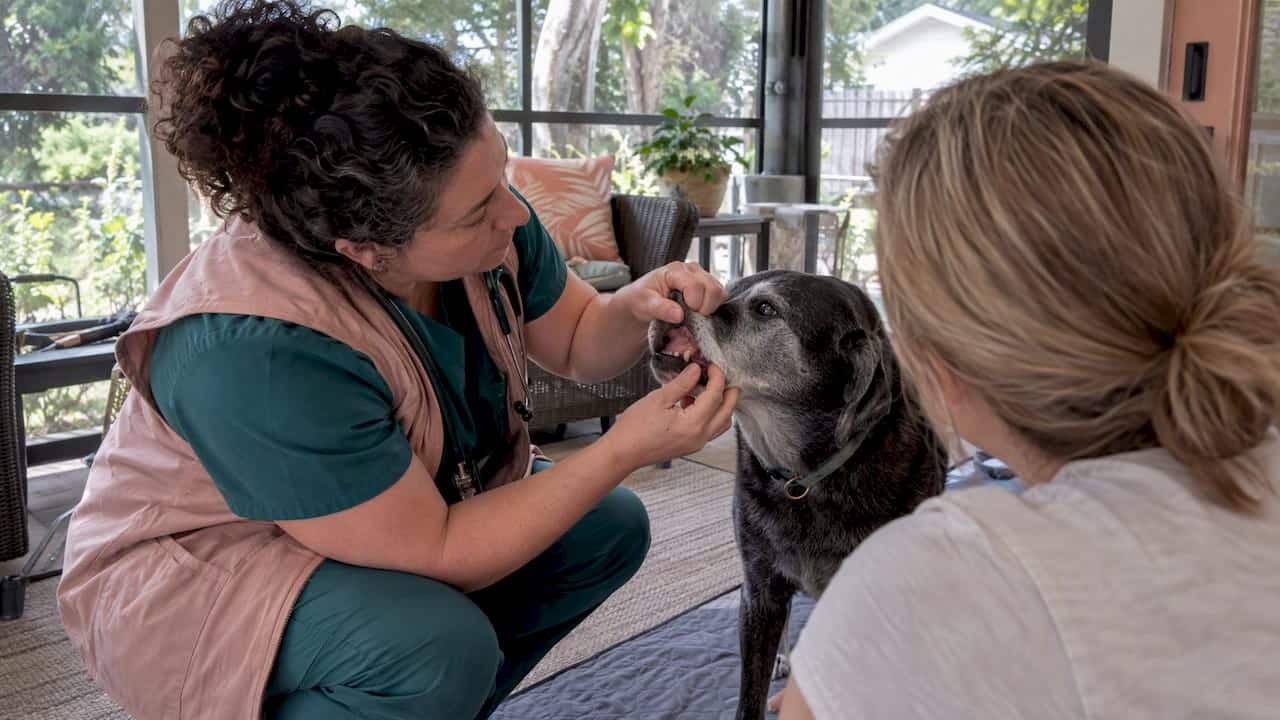
Watching a dog in their own home, rather than in a clinic waiting room, often reveals things a quick office visit misses. We see this regularly with senior and anxious dogs: a subtle gait change, a longer-than-usual nap, or a shift in appetite shows up clearly in a familiar environment where the dog isn’t already stressed by the car ride and exam table.
Acupuncture and rehabilitation sessions delivered at home can ease pain and anxiety directly, which sometimes allows a prescribing veterinarian to consider a lower gabapentin dose over time. Telemedicine check-ins add another layer of monitoring between in-person visits, useful for catching side effects early in dogs who struggle with frequent clinic trips.
These integrative services are meant to complement a prescribed anticonvulsant or pain regimen, never to replace it unless your primary veterinarian directs a change.
Do Side Effects Differ by Breed or Size?
Gabapentin doses are calculated by body weight, which means size plays a more direct role in side effects than breed does on its own. A small dog given a dose scaled for a larger breed, even by a small miscalculation, is more likely to show heavier sedation simply because the relative amount per pound is higher.
Toy and small breeds often show sedation and wobbliness more noticeably, partly because smaller shifts in blood concentration have a bigger relative effect on their nervous system. Giant breeds, meanwhile, sometimes need closer attention to make sure the dose is scaled appropriately rather than rounded down out of caution, since underdosing can mean inadequate pain or seizure control.
Senior dogs of any breed deserve particular attention regardless of size, since age-related declines in kidney function can slow gabapentin clearance even without a formal diagnosis of kidney disease. This is less about breed and more about individual organ health, but it’s worth remembering that an eight-year-old Chihuahua and an eight-year-old Great Dane can both be quietly dealing with reduced renal reserve.
If you notice your dog’s reaction to gabapentin seems unusually strong or mild compared to what you’d expect for their size, that’s useful information to bring to your veterinarian rather than something to adjust on your own.
Balancing Medication and Integrative Care for Comfort
We’ve watched enough dogs go through gabapentin regimens in their own living rooms to believe firmly in individualized care. No two dogs respond the same way, and a dose that works beautifully for one anxious patient can leave another too groggy to enjoy their evening walk.
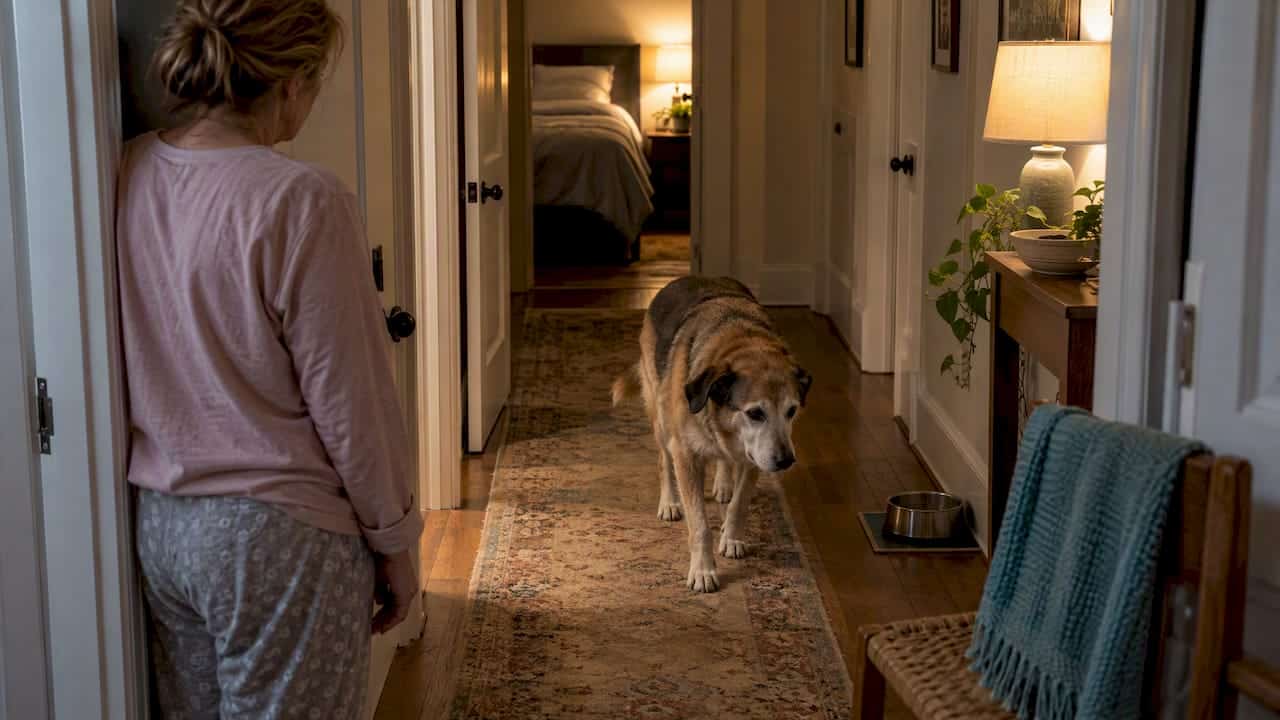
Home-based monitoring catches things a once-a-month vet visit can miss. A gradual increase in stumbling, a nap that stretches an hour longer than usual, these are the kinds of subtle shifts that stand out when you know your dog’s normal rhythm in their own space.
Our stance is simple: medication decisions always stay with your prescribing veterinarian, and our role is to support that plan, not second-guess it. The dogs who do best are usually the ones whose owners stay closely observant and keep an open line of communication with the whole care team.
— Pet Acupuncture & Wellness
Supporting Your Dog’s Comfort Alongside Gabapentin
If your dog is managing chronic pain or anxiety on gabapentin, in-home integrative care can work alongside your veterinarian’s prescribed plan rather than in place of it. Visits taking place in a dog’s own space tend to lower the stress that clinic trips can add for senior, disabled, or anxious pets.

Services can include an initial assessment and acupuncture session with a technician, laser therapy for pain and mobility, at-home rehabilitation packages, and telemedicine check-ins between visits. For a dog already on gabapentin, these sessions can help address the underlying pain or anxiety driving the prescription in the first place, sometimes giving your veterinarian room to reconsider dosing over time.
- Initial assessment and acupuncture: A starting point for understanding your dog’s pain or anxiety triggers.
- Laser therapy and rehabilitation: Address mobility and pain at the source rather than just masking symptoms.
- Telemedicine check-ins: Offer a way to flag side effects or changes between scheduled visits.
If this sounds like the kind of support your dog could use, the full range of in-home services and costs can be reviewed to find a starting point that fits.
This article is general information, not a substitute for advice from a qualified doctor. Consult a qualified healthcare professional about your own circumstances before acting on anything here.
FAQ
When should you not give gabapentin to a dog?
Avoid giving gabapentin without veterinary guidance if your dog has known kidney or liver disease, since reduced clearance can prolong sedation significantly. Also hold off if your dog is already on other sedating medications without first checking with your veterinarian, and always confirm liquid formulations are free of xylitol before dosing.
Why is my dog acting strange on gabapentin?
Unusual behavior on gabapentin, such as wobbliness, excessive sleepiness, or mild confusion, is typically the drug’s expected sedative effect rather than a sign of serious harm. These effects usually resolve within hours as the dose wears off, but contact your veterinarian if the behavior seems extreme or doesn’t improve.
What is the best time to give my dog gabapentin?
For a single dose before a stressful event like a vet visit, giving gabapentin about 90 minutes beforehand allows blood levels to peak around the time of the event. For chronic, scheduled dosing, your veterinarian will recommend consistent timing, often two to three times daily, to maintain steady pain or seizure control.
What are the most serious side effects of gabapentin in dogs?
The most serious reactions include allergic responses with facial swelling or breathing difficulty, prolonged heavy sedation linked to overdose or impaired drug clearance, and withdrawal seizures following abrupt discontinuation of long-term therapy. All three require prompt veterinary attention rather than at-home management.