TL;DR:
- Acupuncture supports dogs with seizures by modulating the nervous system and restoring energy flow. It is best used alongside medication and other therapies to reduce seizure frequency and medication doses. Proper evaluation and a certified practitioner ensure safe, effective, and individualized treatment planning.
Acupuncture for dogs with seizures is a veterinary practice that involves inserting fine needles into specific body points to reduce seizure activity and support neurological health. Rooted in Traditional Chinese Veterinary Medicine (TCVM), this approach works alongside conventional anticonvulsant medications rather than replacing them. The American College of Veterinary Internal Medicine (ACVIM) recognizes acupuncture as a supportive integrative therapy, and clinical studies show it can meaningfully change seizure patterns in affected dogs. For pet owners in Florida managing a dog with epilepsy, understanding how this therapy works, what to expect, and how to integrate it safely can make a real difference in your dog’s quality of life.
How does acupuncture work to reduce seizures in dogs?
Veterinary acupuncture reduces seizure activity by modulating the nervous system and improving blood flow to the brain. When fine needles are placed at specific acupuncture points, the body releases endorphins and anti-inflammatory compounds. These natural agents calm overactive neural pathways, which is exactly what matters in epileptic dogs.

In TCVM terms, seizures often reflect a disruption of Qi (pronounced “chee”), the body’s vital energy, flowing through Meridians. Think of Meridians as a highway system running through your dog’s body. When traffic jams form, energy stalls and neurological symptoms appear. Acupuncture clears those blockages and restores balance between Yin and Yang, the opposing forces of shade and sunlight that govern every biological function.
From a Western veterinary perspective, acupuncture stimulates specific brain regions involved in seizure regulation. Research supports this: in a study of 5 dogs with seizures, all showed changed seizure patterns after acupuncture treatment. That result is significant because it demonstrates a measurable neurological response, not just a placebo effect.
Two main techniques exist for canine seizure acupuncture:
- Traditional needle acupuncture: Fine, flexible, hair-thin needles are placed at targeted points during each session. This method allows the practitioner to adjust point selection as the dog’s condition evolves.
- Gold bead implants: Tiny gold beads are surgically placed at acupuncture points for permanent stimulation. However, traditional needles provide more sustainable seizure control than gold implants, which can cause scar tissue over time and reduce long-term effectiveness.
Pro Tip: Ask your veterinary acupuncturist specifically about traditional needle acupuncture for seizure management. The ability to adjust point selection each session gives your dog’s treatment plan far more flexibility than a permanent implant.
What to expect during a veterinary acupuncture treatment for seizures
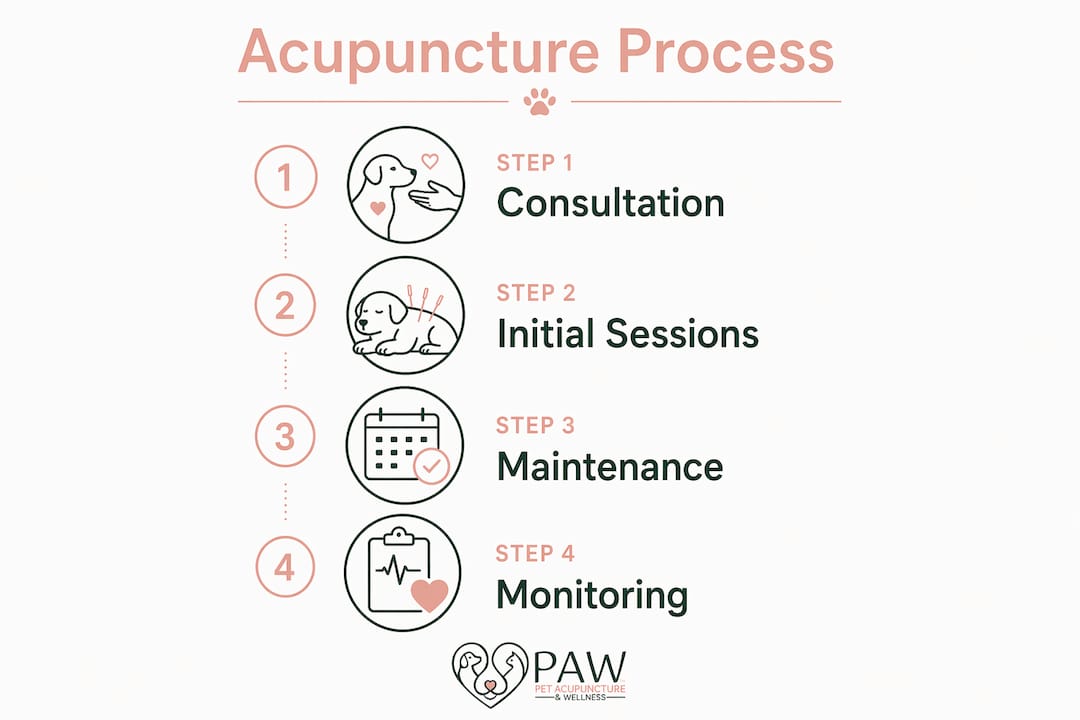
The treatment process follows a clear, structured path. Knowing what each step involves helps you prepare your dog and yourself.
-
Initial consultation (45–60 minutes). The first session focuses on fact-finding, covering your dog’s full health history, current medications, seizure frequency, and neurological status. Your veterinary acupuncturist will review records transferred from your primary vet, including test results and any imaging. This comprehensive assessment determines which acupuncture points to target.
-
Neurological and physical assessment. The practitioner evaluates your dog’s gait, muscle tone, reflexes, and overall energy. This step differentiates professional veterinary acupuncture from generic wellness treatments. A holistic patient evaluation including neurological status is what makes treatment planning both safe and specific.
-
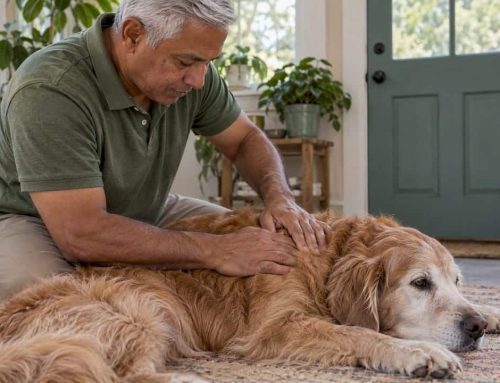
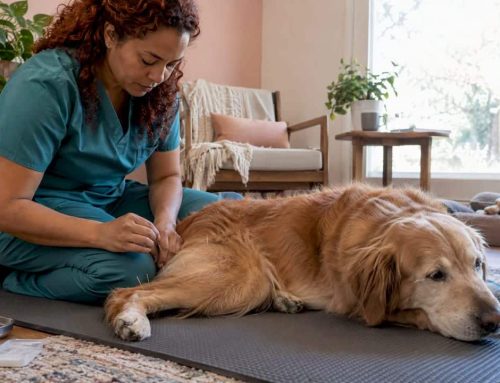
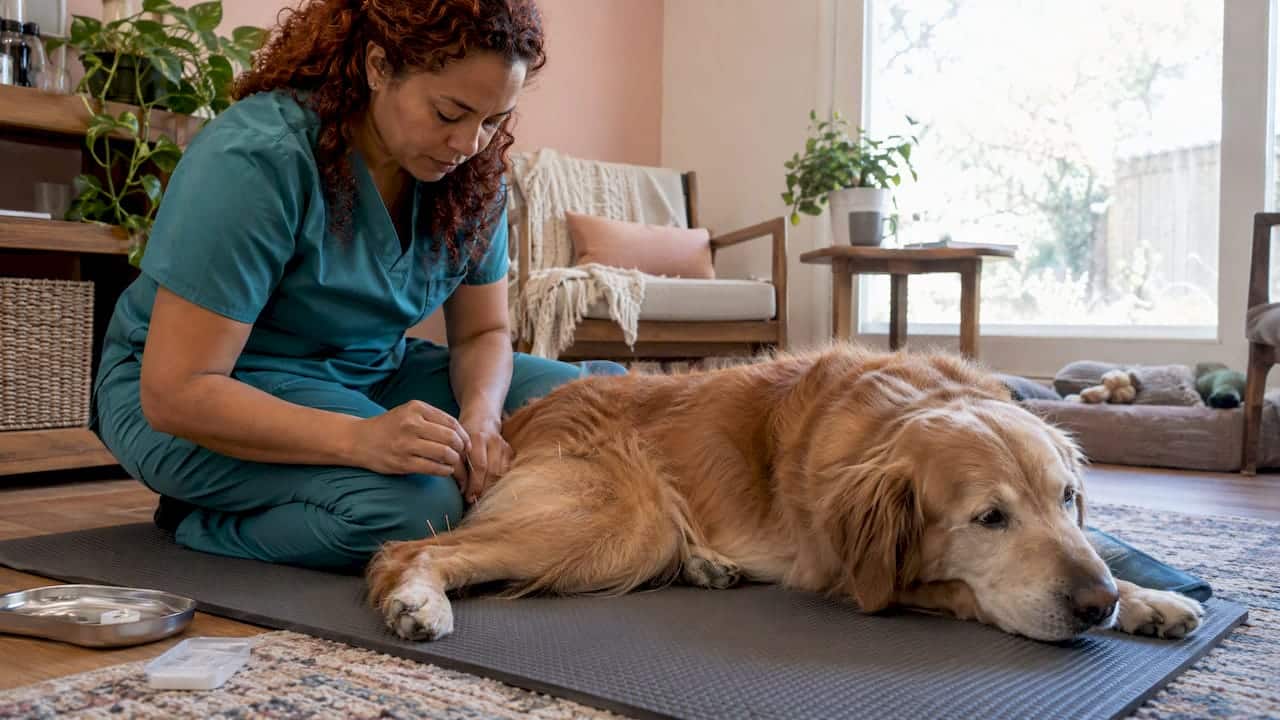
Needle placement and session. The practitioner places hair-thin, flexible needles at selected points. Most dogs tolerate this well. Needles cause minimal discomfort, and many dogs relax or even fall asleep during treatment. Sessions typically run 20–45 minutes for follow-up visits.
-
Your role during the session. Your calm presence matters more than you might expect. Petting and soothing your dog during treatment significantly contributes to relaxation and overall therapy success. Bring a favorite blanket or toy to help your dog settle.
-
Post-session observation. Your dog may seem drowsy or unusually calm after treatment. Post-session lethargy often indicates positive therapeutic relaxation, not a problem. Plan a quiet afternoon at home after each appointment.
For a detailed breakdown of how many sessions your dog may need, the acupuncture session guide from PAW Vet Practice walks through typical treatment timelines for neurological conditions.
Is acupuncture safe for dogs with seizures?
Veterinary acupuncture is safe when performed by a trained, certified practitioner. The risk profile is low, and serious adverse events are rare. That said, every dog is different, and a few specific situations require extra caution.
Dogs who are not good candidates for acupuncture include:
- Dogs with active bleeding disorders, since needle insertion carries a small bleeding risk
- Dogs with certain cancers near acupuncture sites, where needle stimulation could theoretically affect tumor behavior
- Dogs in an active seizure episode at the time of treatment
Temporary side effects are generally mild. Mild soreness at needle sites, brief fatigue, or a temporary increase in symptoms can occur in the first session or two. These responses typically resolve within 24 hours and often signal that the body is responding to treatment.
Acupuncture does not replace anticonvulsant medications. The ACVIM Consensus Statement classifies acupuncture as a supportive integrative therapy, not a substitute for drugs like phenobarbital. Never adjust your dog’s medication without direct guidance from your veterinarian.
Pro Tip: Before your dog’s first acupuncture appointment, transfer complete medical records from your primary vet to the acupuncturist. This includes bloodwork, seizure logs, and any MRI or CT results. Complete records prevent dangerous gaps in care.
One common myth is that acupuncture is painful for dogs. The needles used are far thinner than standard hypodermic needles, and most dogs show no distress during placement. Many owners are surprised to see their dog relax within minutes of the first needle going in.
How to integrate acupuncture into a seizure management plan
Acupuncture works best as one part of a broader treatment plan, not as a standalone fix. The goal is to build a plan where each element supports the others.
| Treatment component | Role in seizure management |
|---|---|
| Anticonvulsant medication | Primary seizure control; phenobarbital success rates often exceed 90% |
| Veterinary acupuncture | Supports nervous system regulation; may reduce medication needs over time |
| Herbal medicine | Complements acupuncture by addressing underlying Qi imbalances |
| Dietary adjustments | Reduces inflammatory load; supports brain health |
| Seizure activity tracking | Guides treatment adjustments and measures progress |
The most promising outcome from combining acupuncture with medication is the potential to reduce drug dosages. In the study of 5 dogs mentioned earlier, 3 dogs reduced their medication dosages after acupuncture treatment. Lower doses mean fewer side effects, which matters enormously for dogs on long-term anticonvulsants.
Herbal medicine pairs naturally with acupuncture in a TCVM framework. Formulas targeting Liver Wind, the TCVM pattern most associated with seizures, can extend the benefits of each acupuncture session. PAW Vet Practice offers herbal therapy for dogs in South Tampa as part of its integrative care programs.
Tracking seizure frequency, duration, and post-ictal behavior in a written log gives your veterinary team the data needed to adjust treatment. Apps like SeizureTracker or a simple notebook both work. What matters is consistency. Bring your log to every appointment.
Acupuncture as part of alternative pain relief and neurological support is well-documented in veterinary literature. For dogs with epilepsy who also experience pain or mobility issues, an integrative plan addresses multiple problems at once. Consult a veterinary neurologist if your dog’s seizures are frequent, severe, or poorly controlled on current medications before adding any new therapy.
What we’ve learned treating dogs with seizures at PAW Vet Practice
The most common mistake I see pet owners make is waiting too long to consider acupuncture. They come to us after years of medication adjustments, frustrated that their dog is still seizing and now dealing with drug side effects. Acupuncture is not a last resort. It works best when introduced early, while the nervous system still has good plasticity.
Every dog I treat gets an individualized plan. There is no standard seizure protocol that fits all patients. A young Labrador with idiopathic epilepsy needs a completely different point selection than a senior Dachshund with intervertebral disc disease triggering secondary neurological symptoms. The initial consultation is where we do the real work, mapping the dog’s unique pattern of imbalance before a single needle goes in.
I also want to address the fear that acupuncture will stress an already anxious dog. In practice, the opposite happens. Dogs that arrive tense and reactive often leave drowsy and calm. The certified veterinary acupuncturist credential exists precisely to ensure practitioners have the training to read animal behavior and adjust technique accordingly.
My honest advice: bring your seizure log, bring your dog’s full medical history, and come with an open mind. The owners who see the best outcomes are the ones who commit to a consistent treatment schedule and communicate openly with their entire veterinary team.
— PAW Vet Practice
PAW Vet Practice: integrative seizure care in South Tampa
PAW Vet Practice brings certified veterinary acupuncture directly to your home in South Tampa, which means your dog receives treatment in the environment where they feel safest. For dogs with seizures, that reduction in stress is not a small detail. It is part of the therapy.

Our team builds individualized treatment plans that combine acupuncture, herbal medicine, and rehabilitation to address seizure management from multiple angles. We coordinate directly with your primary veterinarian and neurologist to keep every element of your dog’s care aligned. Learn more about our integrative veterinary care services or explore our dedicated dog acupuncture in Tampa page to schedule a consultation.
FAQ
Can acupuncture help dogs with epilepsy?
Acupuncture can help dogs with epilepsy by supporting nervous system regulation and potentially reducing seizure frequency. Clinical evidence shows all dogs in one study experienced changed seizure patterns after treatment.
How many acupuncture sessions does a dog with seizures need?
Most dogs require an initial series of weekly sessions before moving to monthly maintenance visits. The exact number depends on seizure severity, the dog’s overall health, and how well they respond to early treatments.
Is veterinary acupuncture safe alongside seizure medications?
Veterinary acupuncture is safe alongside anticonvulsant medications when overseen by a certified practitioner. The ACVIM classifies it as a supportive therapy, and medication changes should only happen under direct veterinary supervision.
What does a dog feel during an acupuncture session?
Dogs typically feel minimal discomfort during acupuncture because the needles are hair-thin and flexible. Most dogs relax within minutes of needle placement, and many become drowsy before the session ends.
How do I find a qualified veterinary acupuncturist in Florida?
Look for a practitioner certified through the Chi Institute or the International Veterinary Acupuncture Society (IVAS), both of which set rigorous training standards. PAW Vet Practice serves South Tampa with certified veterinary acupuncturists who specialize in neurological conditions.
Key takeaways
Acupuncture for dogs with seizures works best as part of a coordinated plan that includes anticonvulsant medication, herbal support, and consistent veterinary oversight.
| Point | Details |
|---|---|
| Acupuncture changes seizure patterns | Clinical evidence shows all dogs in one study experienced measurable changes after treatment. |
| Traditional needles outperform implants | Standard needle acupuncture allows flexible point selection and avoids scar tissue from gold bead implants. |
| ACVIM supports integrative use | The ACVIM classifies acupuncture as supportive therapy, not a replacement for anticonvulsants. |
| Medication reduction is possible | Three of five dogs in one study reduced their anticonvulsant dosages after acupuncture. |
| Certified practitioners are non-negotiable | Complete medical record transfer and neurological assessment before treatment protect your dog’s safety. |