The most effective arthritis home care for dogs combines four things happening at once: a safer living environment, controlled low-impact movement, steady weight management, and pain relief that your veterinarian signs off on. The AAHA 2022 pain management guidelines call this a multimodal approach, and validated tools like the Canine Brief Pain Inventory help you track whether it’s actually working. Start the home pieces today, but loop in your vet before adding any new medication or supplement.
TL;DR:
- Regular movement should consist of short, controlled walks multiple times daily to avoid joint flare-ups and build strength gradually.
- Home modifications like adding traction, orthopedic beds, and raised bowls can significantly reduce joint strain and improve mobility.
- Weight management is crucial, with modest weight loss leading to decreased pain and slower arthritis progression, ideally assessed through a Body Condition Score.
- Omega-3 supplements have the strongest evidence for reducing inflammation, whereas glucosamine and chondroitin are less supported but may serve as additional options.
- Consistent monitoring through videos, questionnaires, and symptom logs helps identify when professional intervention is necessary to adjust treatment plans.
Table of Contents
- What Are the Early Signs of Arthritis Home Care Dogs Need?
- How Do You Modify Your Home to Reduce Joint Pain?
- What Exercises Are Safe for Dogs With Arthritis?
- Why Does Weight Management Matter for Canine Arthritis?
- What Pain Relief Can You Safely Try at Home?
- Do Joint Supplements and Alternative Therapies Actually Help?
- How Should You Track Progress and Know When to Call the Vet?
- How Does In-Home Care Fit Alongside Your Daily Routine?
- A Practitioner’s Note on Realistic Expectations
- Ready for Hands-On Help? Book an In-Home Rehab Visit
- Sources
- FAQ
What Are the Early Signs of Arthritis Home Care Dogs Need?
Dogs mask pain well, so the first clues are usually behavioral rather than dramatic. You’ll notice them before a limp ever shows up.
- Hesitating or refusing to jump onto the couch or into the car
- Stiffness in the morning that loosens up after a few minutes of walking
- Shorter walks by choice, or lagging behind on routes your dog used to love
- A subtle limp or uneven gait, especially after rest
- Restlessness at night or trouble settling into a comfortable position
Two owner-completed tools help turn these impressions into something trackable: the Canine Brief Pain Inventory (CBPI) and the Liverpool Osteoarthritis in Dogs (LOAD) scale. Both ask short, specific questions about mobility and pain, and both are used clinically to gauge whether treatment is helping. Record a short video of your dog rising from a lying position or walking across the kitchen once a week. That footage often reveals stiffness your eye misses in real time, and it gives your vet something concrete to compare visit to visit.
How Do You Modify Your Home to Reduce Joint Pain?
Small changes to flooring, bedding, and bowl height do more for comfort than most owners expect, and they cost far less than most treatments.
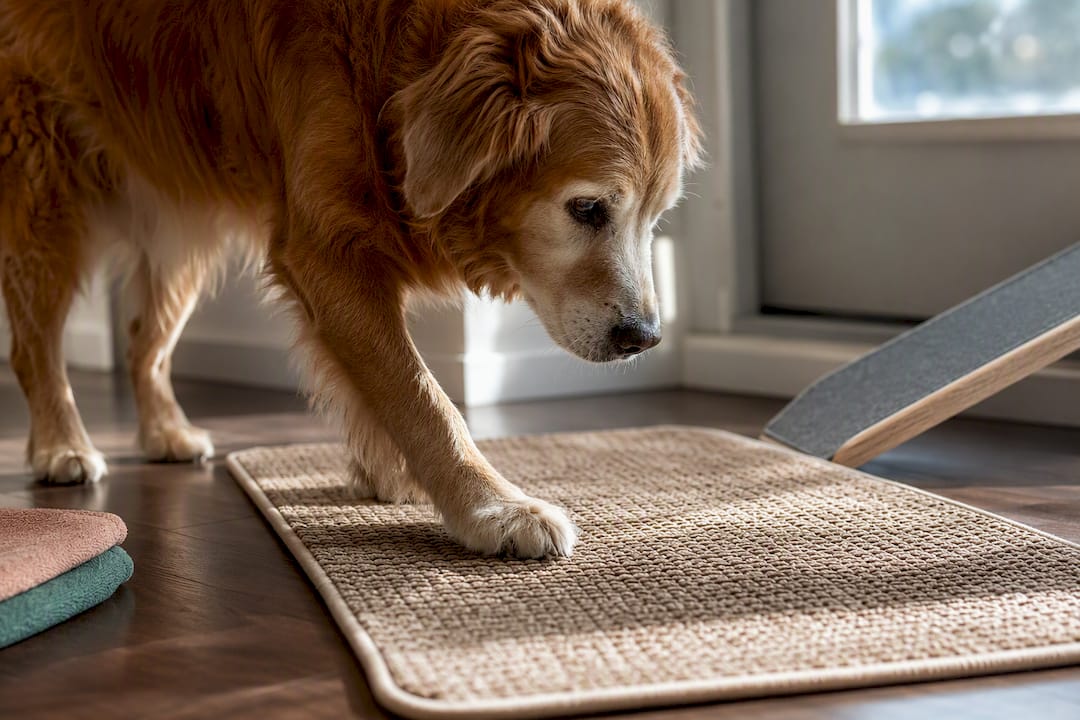
- Add traction where your dog walks most. Rubber-backed runners or interlocking foam tiles on hardwood and tile stop the slipping that makes arthritic joints brace and strain.
- Replace stairs with a ramp where possible. A gentle incline puts less shear force on hips and knees than climbing steps; if stairs are unavoidable, add a textured stair tread and a night-light.
- Choose supportive, orthopedic bedding. Memory foam beds distribute weight more evenly than standard stuffing, and placing one on each level of the house cuts down on unnecessary climbing.
- Raise food and water bowls to chest height. This keeps your dog from hunching or shifting weight awkwardly onto sore front limbs while eating.
These changes reduce painful strain in the moment, but they also help your dog relearn how to move confidently, which supports proprioception, the body’s sense of where its limbs are in space.
Pro Tip: Test any new ramp or rug on a Saturday morning, not a Monday before work. Some dogs need several short, supervised practice runs before they trust a new surface enough to use it on their own.
What Exercises Are Safe for Dogs With Arthritis?
Movement is medicine here, but only when it’s short, frequent, and controlled. Skip the weekend-warrior approach of one long hike followed by three days of rest; that pattern flares joints instead of strengthening them.
- Three to four short leash walks a day instead of one long one
- Sit-to-stand repeats, five to eight reps, to build hip and thigh strength
- Passive range-of-motion stretches on lying-down limbs, done gently and slowly
- Assisted standing exercises using a harness with a handle for support
- Slow incline walking on a gentle ramp or yard slope
- Simple balance work, like standing on a folded towel or cushion
- Swimming or underwater treadmill sessions if your dog tolerates water well
Warm up with a few minutes of slow walking before anything more active, and cool down the same way. If your dog stops mid-exercise, yelps, or seems more stiff the next morning than usual, that’s your cue to scale back and mention it at the next checkup.
Pro Tip: Veterinary rehabilitation specialists note that home-based exercise programs designed with a rehab professional can produce real functional gains without any expensive equipment. A single planning session is often enough to give you a safe routine.
Why Does Weight Management Matter for Canine Arthritis?
Extra weight is one of the most controllable factors in how fast arthritis progresses, and it’s often the most overlooked one. Clinical guidance links excess body weight directly to faster cartilage breakdown and greater pain, meaning every joint carries more load with every step. A lean dog simply hurts less.
Start with a Body Condition Score assessment. You should be able to feel your dog’s ribs easily under a thin layer of fat, and see a visible waist from above. If you can’t, it’s time to adjust portions.
- Measure meals with a kitchen scale or measuring cup instead of eyeballing it
- Cut treats to no more than 10% of daily calories, and use low-calorie options like green beans
- Ask about a prescription weight-loss diet if your dog is more than 10–15% over ideal weight
- Consider an omega-3 supplement, which has the strongest evidence among joint nutraceuticals for reducing inflammation
Even modest weight loss has been shown to ease pain scores in arthritic dogs, which is a realistic, achievable target for most households within a few months.
What Pain Relief Can You Safely Try at Home?
Nonmedicinal comfort measures work well between vet visits, but they’re a complement to professional care, not a substitute for it.
- Apply a cold pack wrapped in a towel for 10-15 minutes after an active day or a flare
- Use gentle heat before exercise to loosen stiff muscles, never on acutely inflamed joints
- Try slow, circular massage along the back and hips, watching your dog’s reaction for comfort
- Keep a consistent daily routine, since unpredictable activity spikes tend to trigger flares
Prescription medication is where your veterinarian’s involvement becomes essential. NSAIDs are typically the first-line pharmacologic option for canine osteoarthritis, but they require baseline bloodwork and periodic monitoring for kidney and liver function. Adjunct drugs like gabapentin or amantadine sometimes get added for dogs with more complex pain, always under veterinary direction. The AAHA guidelines recommend rechecks roughly every three to six months once a dog is on long-term medication, so bloodwork and pain reassessment stay on schedule.
Do Joint Supplements and Alternative Therapies Actually Help?
Not every product on the shelf earns its price tag. Omega-3 fatty acids have consistently shown the best evidence of any nutraceutical for canine osteoarthritis, while glucosamine and chondroitin combinations have weaker, more mixed support in the veterinary literature.
- Omega-3s: solid evidence, worth prioritizing as part of a broader plan
- Glucosamine/chondroitin: low-to-mixed evidence, reasonable as an adjunct but not a primary strategy
- Laser therapy and massage: helpful for comfort with minimal risk when done correctly
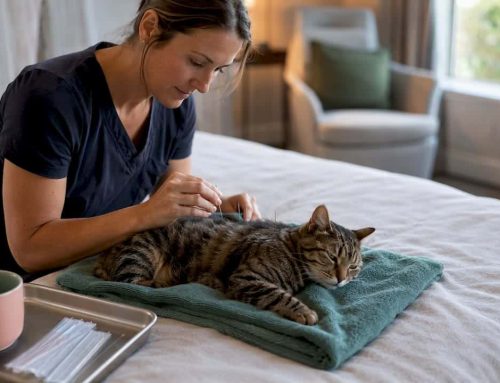
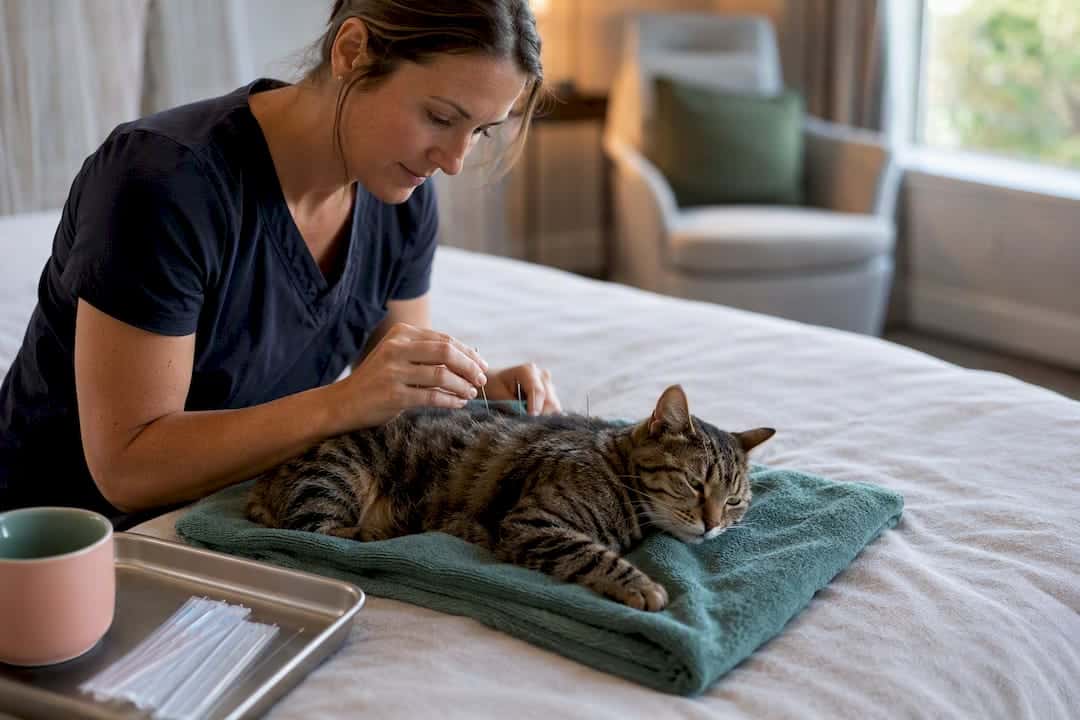
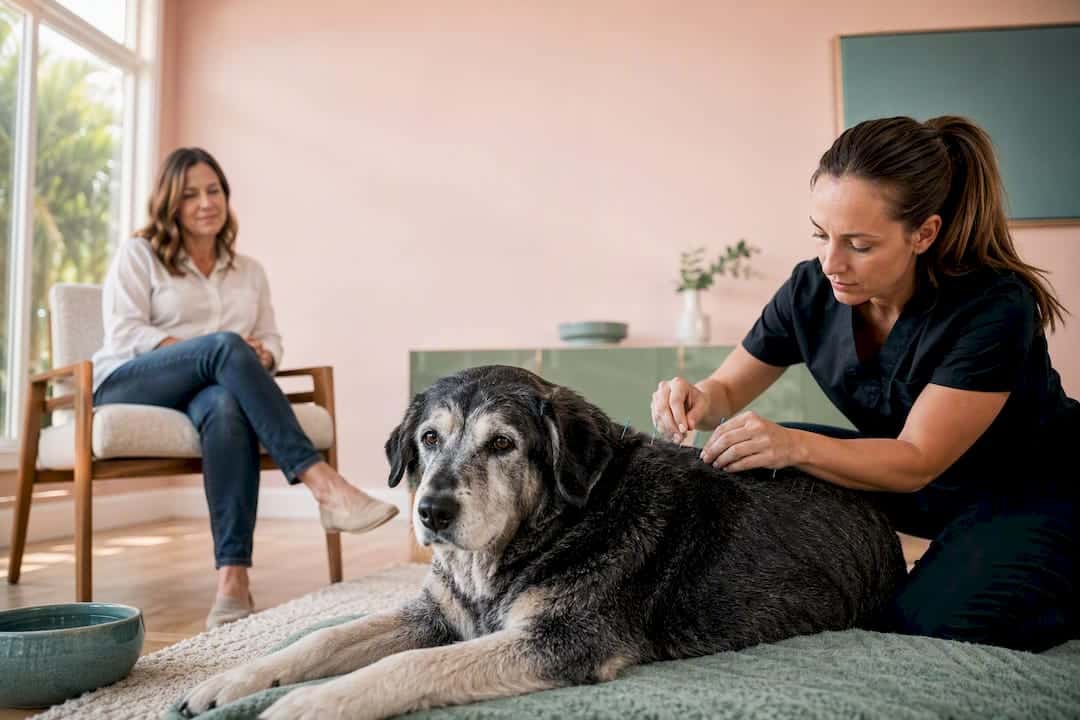
- Acupuncture: guidelines note limited standalone evidence for arthritis pain, but it can work well as one piece of a larger plan
Supplements aren’t FDA-regulated the way drugs are, so quality varies between brands. Always mention new supplements to your vet, especially if your dog is already on an NSAID, since some combinations increase bleeding or GI risk.
How Should You Track Progress and Know When to Call the Vet?
A weekly rhythm of simple checks tells you far more than waiting for a bad day to notice something’s wrong.
- Keep a short log of activity level, appetite, and mobility, rating each day on a simple 1 to 5 scale
- Repeat a CBPI or LOAD questionnaire monthly, and compare scores over time rather than day to day
- Record a brief video every one to two weeks. Owner-submitted video often catches intermittent stiffness that never shows up during a clinic exam
- Expect exercise and weight changes to show benefit over four to eight weeks, while medication response is usually visible within one to two weeks
Certain signs mean don’t wait for the next scheduled recheck. Sudden non-weight-bearing lameness, new and severe pain, vomiting or dark stools after starting an NSAID, or a sudden personality change all warrant a same-day call to your veterinarian.
How Does In-Home Care Fit Alongside Your Daily Routine?
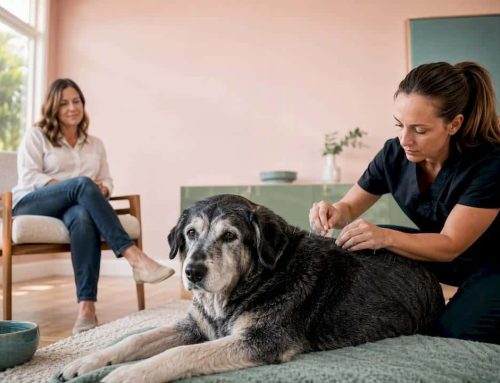
A mobile visit typically layers on top of what you’re already doing at home. A hands-on assessment, guided practice of the exercises you’ve started, therapeutic massage or laser work, and direct caregiver coaching on technique all happen in your own living room. For senior or anxious dogs, skipping the car ride and waiting room often means less stress and, in turn, a more accurate picture of how they actually move day to day.
A Practitioner’s Note on Realistic Expectations
Owners often expect arthritis to have a single fix. It doesn’t, and that’s not a failure of the plan, it’s the nature of the disease. Real progress looks like a dog who jumps into the car three days a week instead of zero, or sleeps through the night without pacing. Start with the ramp, the rug, and a short walk today. Open a simple log tonight. Before adding anything new to the medicine cabinet, call your vet first.
— Pet Acupuncture & Wellness
Ready for Hands-On Help? Book an In-Home Rehab Visit
You’ve got the home pieces in place: the ramp, the tracking log, the shorter walks. What most owners can’t easily do alone is the hands-on part, guided range-of-motion work, therapeutic massage, laser therapy, or acupuncture, delivered by someone trained to read your dog’s specific joints and adjust in real time.
Pet Acupuncture & Wellness brings that care directly to your South Tampa home, so your senior or anxious dog never has to endure a stressful car ride or waiting room just to get relief. A first visit typically includes a full mobility assessment, a hands-on treatment session, and caregiver coaching so you can keep the home exercises going correctly between visits. Telemedicine follow-ups keep your vet team looped in without requiring another trip. If your dog’s arthritis has reached the point where home modifications and daily walks aren’t quite enough, schedule an in-home rehabilitation and acupuncture visit and get a plan built around your dog’s actual movement, not a generic checklist.
Sources
- AAHA trends magazine — 2022 pain management guidelines summary
- Veterinary rehabilitation literature on home exercise programs (PMC9863568)
FAQ
What can I do for my dog’s arthritis pain at home right now?
Start with traction on slippery floors, a supportive orthopedic bed, shorter and more frequent walks, and a weight check using a Body Condition Score. Loop in your vet before starting any new medication or supplement.
What home remedies actually help manage canine arthritis?
Cold packs after activity, gentle massage, consistent daily routines, and omega-3 supplementation have the most support behind them. Glucosamine and chondroitin have weaker evidence, and acupuncture works best as an add-on rather than a stand-alone fix.
How long can a dog live with arthritis?
Arthritis itself is a chronic, manageable condition rather than a terminal one, and many dogs live comfortably for years with consistent multimodal care. Life expectancy depends more on overall health and how early the arthritis is caught than on the arthritis alone.
What is the best way to relieve pain in dogs with arthritis?
The strongest approach combines environmental changes, controlled low-impact exercise, weight management, and vet-guided medication when needed, following the multimodal framework the AAHA guidelines recommend. In-home services like massage, laser, and acupuncture from Pet Acupuncture & Wellness can support that plan for dogs who need hands-on help.