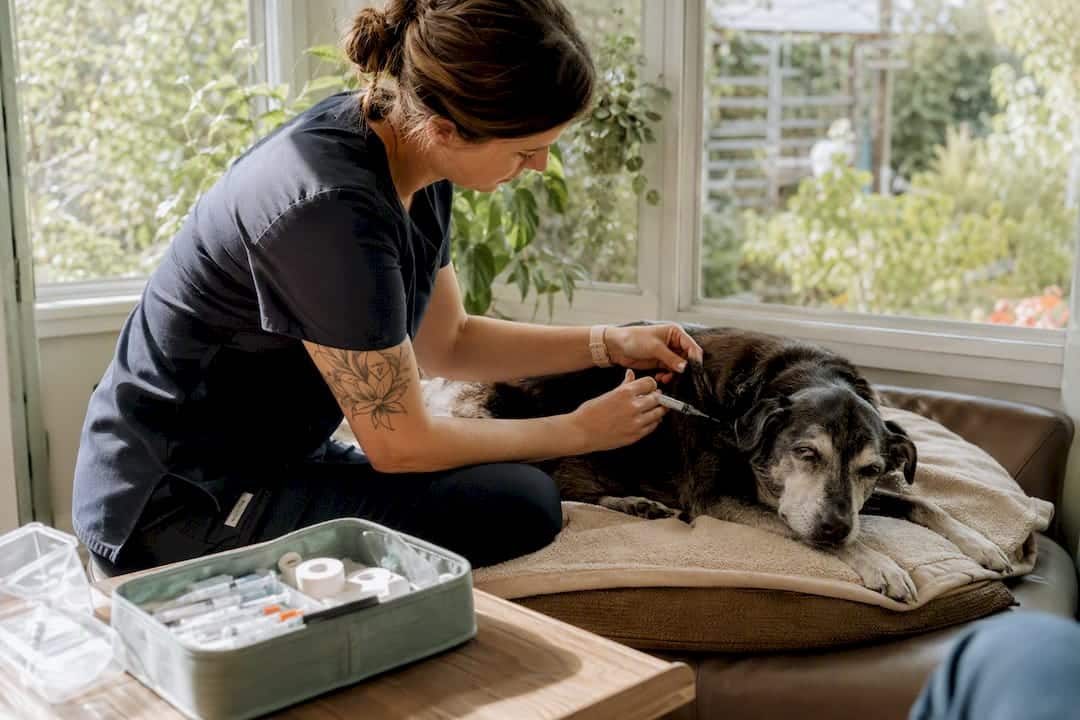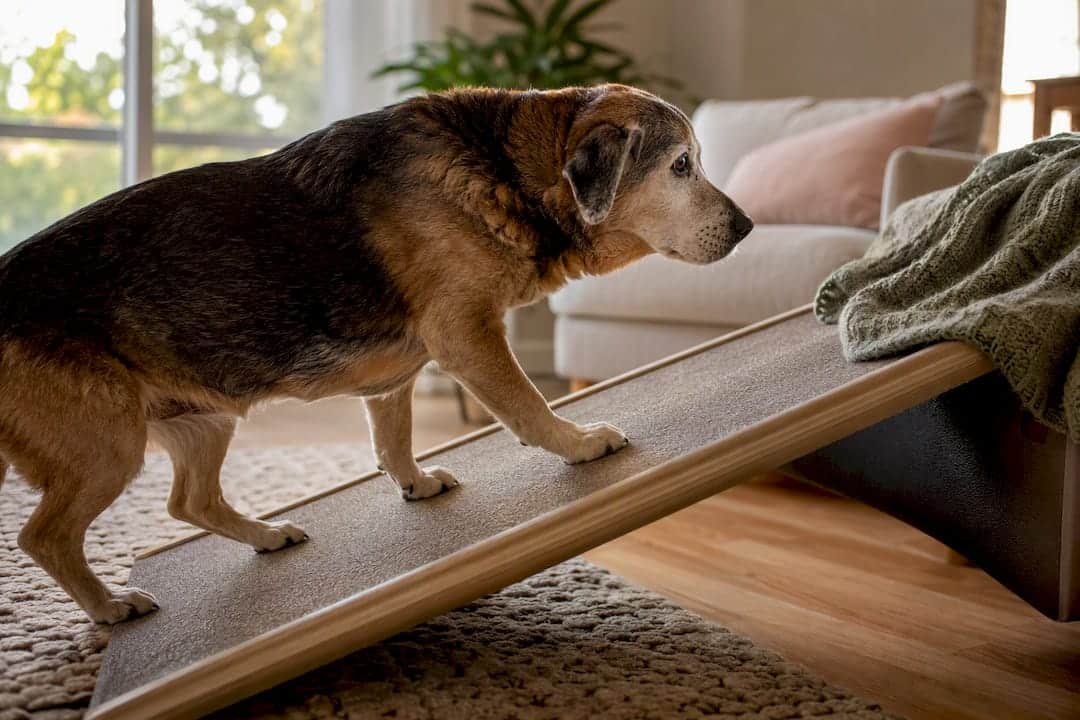
Yes, acupuncture can genuinely help cats living with asthma, but it works alongside standard care, never instead of it. Used as a complementary therapy, acupuncture may reduce how often attacks happen and sometimes allows a lower dose of steroid medication under your veterinarian’s supervision. It is not a rescue treatment. If your cat is struggling to breathe, that calls for emergency bronchodilators or injectable therapy first. Most owners who try acupuncture notice a shift in their cat’s breathing pattern or coughing frequency after several sessions.
TL;DR:
- Acupuncture for feline asthma is most effective when used as a complement to steroids and bronchodilators, not as a replacement during respiratory emergencies.
- Most cats show noticeable breathing improvements after two to three sessions, but full stabilization often takes several weeks of regular treatment.
- Success can depend on the practitioner’s experience with cats and the specific TCVM pattern diagnosis, which guides targeted acupoint selection.
- Cost varies widely based on location, practitioner credentials, and session bundle options, with mobile visits often reducing stress for anxious cats.
- Acupuncture carries minimal risks when performed by certified professionals, but emergency veterinary care should always be sought if breathing worsens or the cat is highly agitated.
Table of Contents
- How Acupuncture for Feline Asthma Is Thought to Work
- What the Evidence Actually Shows
- What to Expect: Sessions, Timeline, and Cost
- Safety, Risks, and When to Skip It
- Choosing a Qualified Veterinary Acupuncturist
- Getting Your Cat Ready for a Session
- Possible Side Effects Specific to Cats
- Building a Full Holistic Management Plan
- Pet Acupuncture & Wellness: Our Approach to Feline Asthma
- Book a Mobile Acupuncture Visit in South Tampa
- Sources
- FAQ
How Acupuncture for Feline Asthma Is Thought to Work
Acupuncture does not act like a bronchodilator. It will not open a constricted airway in the middle of a coughing fit. What it does, according to veterinary integrative specialists, is calm the nervous system response that drives airway hypersensitivity, easing the muscular tension around the airways rather than directly relaxing them the way medication does. Needling specific points stimulates local nerve fibers, increases circulation to surrounding tissue, and triggers the release of endorphins, which is part of why cats often relax visibly during a session instead of fighting it.
Traditional Chinese Veterinary Medicine (TCVM) adds another layer to this picture. Rather than treating “asthma” as one uniform condition, TCVM practitioners diagnose your cat according to an underlying pattern. Think of Yin and Yang like shade and sunlight: when they fall out of balance, symptoms show up differently from cat to cat.
- Wind-Cold pattern: often presents with sudden coughing and a chilled, contracted feel to the body.
- Lung Heat pattern: tends to show more inflammation and a hotter, more agitated presentation.
- Lung Qi or Yin deficiency: usually appears in cats with chronic, lingering respiratory weakness.
Each pattern points to a different acupoint prescription. Ding-chuan (CV-22) is a common anchor point for respiratory signs, often paired with BL-13 and LU-7 for lung support. Feline sessions use finer, shorter needles than you’d see in canine work, and a skilled practitioner selects points carefully to avoid startling a cat who is already anxious about her breathing.
What the Evidence Actually Shows
The honest answer is that evidence for acupuncture in feline asthma is encouraging but not airtight. Case reports and practitioner series describe reduced episode frequency and medication tapering in treated cats, but the field lacks large, controlled trials with the kind of statistical weight you’d find behind a new asthma drug. That gap matters, and any credible source will tell you the same thing.
What veterinary sources agree on: acupuncture is a safe complementary therapy that can reduce attack frequency, with many owners seeing initial improvement after 2 to 3 sessions — but it is not a substitute for the core treatments that manage airway inflammation.
Owner-reported improvement, like fewer coughing spells or calmer breathing at rest, is the most common outcome measure in these case series. Researchers caution that what an owner observes at home does not always match what airway inflammation testing would show under a microscope. A cat can look and act better while still carrying some underlying inflammation.
Here’s who’s actually weighing in on this, so you know it’s not just marketing copy:
- The MSD Veterinary Manual lists acupuncture among accepted integrative therapies when performed by trained practitioners.
- Today’s Veterinary Practice frames acupuncture strictly as a complement to glucocorticoids and bronchodilators, not a replacement.
- Peer-reviewed respiratory research in the Journal of Feline Medicine and Surgery reinforces that rescue bronchodilators and long-term steroid control remain the backbone of treatment.
What to Expect: Sessions, Timeline, and Cost
A typical session runs somewhere between 10 and 60 minutes, depending on your cat’s tolerance and the practitioner’s protocol. Most integrative vets start with one to two sessions per week for the first few weeks, then space them out as your cat responds.
Many owners notice a change, calmer breathing, fewer coughing episodes, within two to three sessions. A full stabilization plan, though, often runs several weeks to a few months, since chronic airway inflammation doesn’t resolve overnight. You can find more detail on how session frequency typically unfolds as treatment progresses.
Cost varies more than most owners expect, and a few factors drive that range:
- Whether you’re visiting a clinic or booking a mobile, at-home appointment.
- The practitioner’s credentials and years of TCVM experience.
- Whether the visit is bundled into a broader integrative plan (herbal therapy, laser therapy, rehab).
- Whether adjuncts like electroacupuncture or aquapuncture are added to the base protocol.
Safety, Risks, and When to Skip It
Acupuncture is low risk when a certified veterinary acupuncturist performs it, but “low risk” is not “zero risk.” Rare complications include pneumothorax from an improperly placed needle near the chest wall, or a broken needle tip left under the skin. These are uncommon with a trained hand, but they’re real enough that credentials matter.
A cat who cannot settle, who is panting from stress rather than airway obstruction, or who fights restraint gets less benefit and faces more risk from the needles themselves. That’s one reason mobile, in-home visits tend to work better for anxious cats than a clinic waiting room full of barking dogs.
- Never delay emergency care for a cat in active respiratory distress. Acupuncture is not a substitute for rescue bronchodilators or injectable therapy.
- Skip a session if your cat is extremely agitated. A tense cat gets less physiological benefit and a higher injury risk.
- Confirm your practitioner has feline-specific handling experience before the first visit.
Pro Tip: If your cat tenses up the moment a carrier appears, ask about a home visit instead. Skipping the car ride and the clinic smells alone can be the difference between a cat who tolerates needling and one who fights it the entire time.
Choosing a Qualified Veterinary Acupuncturist
Not every practitioner offering acupuncture has the training to treat a respiratory condition safely. Here’s what actually separates a qualified provider from someone who took a weekend course:
- Confirm the base credential. Your practitioner should be a licensed DVM with additional certification through a recognized body such as IVAS, formal TCVM training, or ACVAA continuing education.
- Ask about feline-specific experience. Treating cats is not the same as treating dogs. Ask directly how many asthmatic cats they’ve worked with.
- Get specifics on the care plan. A good practitioner explains expected session frequency, how they’ll monitor progress, and how they coordinate with your primary veterinarian on medication decisions.
- Ask about needle size and handling approach. Feline work should use finer needles and calm, patient restraint, never force.
- Watch for red flags. Walk away from anyone who promises a cure, suggests stopping prescribed steroids without your primary vet’s involvement, or uses aggressive restraint to get a fidgety cat to hold still.
Point selection itself is worth understanding too. If you want the deeper mechanics of how vets choose specific acupoints for a given condition, it’s a useful read before your first appointment.
Getting Your Cat Ready for a Session
Preparation matters more with cats than with almost any other patient acupuncturists treat, mostly because cats hate change. Feed your cat a light meal a couple of hours before the appointment, not immediately beforehand, since a full stomach combined with handling stress can trigger nausea.
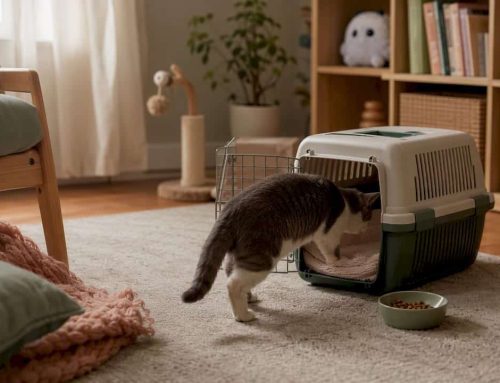
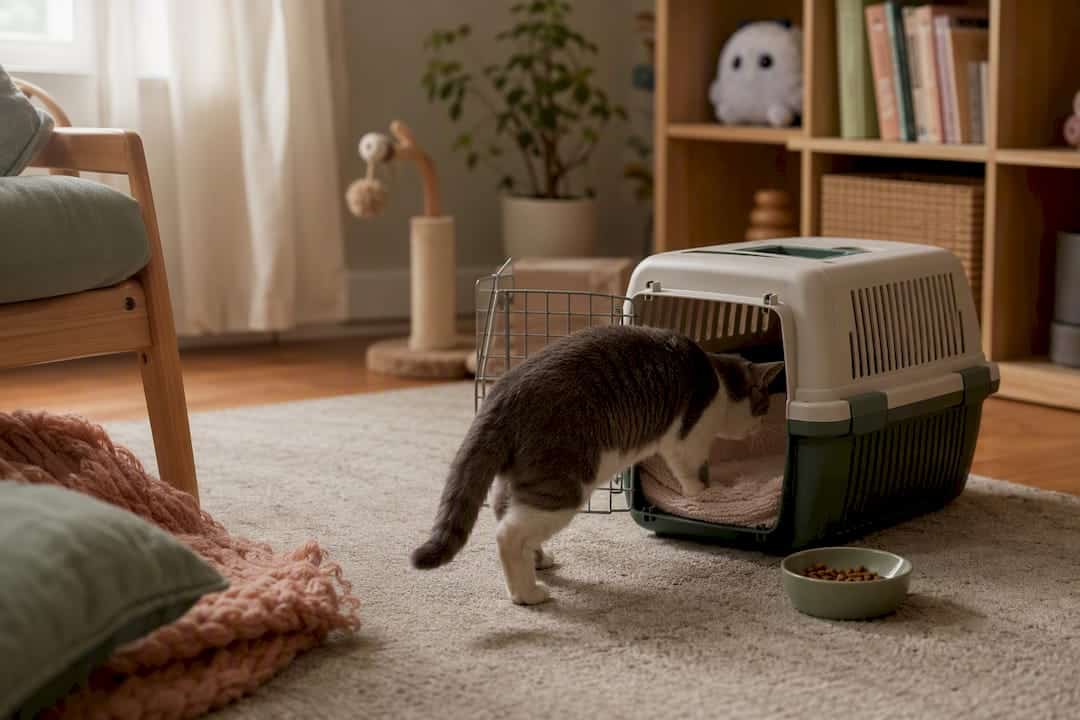
Keep the carrier out and accessible for a day or two before the visit instead of pulling it from the closet five minutes before you leave. Cats read that surprise appearance as a threat, and the resulting stress response works against everything acupuncture is trying to accomplish.
If you’re working with a mobile practitioner, most of this friction disappears. There’s no carrier ride, no unfamiliar smells from other animals, no waiting room. Your cat stays in the room she already considers safe, which tends to shorten the time it takes her to relax into the session. A quiet room with dim lighting, away from other pets or household noise, sets the right tone whether the appointment happens at home or in a clinic.
Bring a written log of recent symptoms, coughing frequency, activity changes, appetite shifts, so the practitioner has concrete data rather than a general impression. That log also helps track whether the sessions are actually moving the needle, so to speak, over time.
Possible Side Effects Specific to Cats
Most cats tolerate acupuncture well, but a few reactions show up often enough to mention. Mild drowsiness or a temporary “spacey” look immediately after a session is common and typically resolves within a few hours, a byproduct of the endorphin release the treatment triggers.
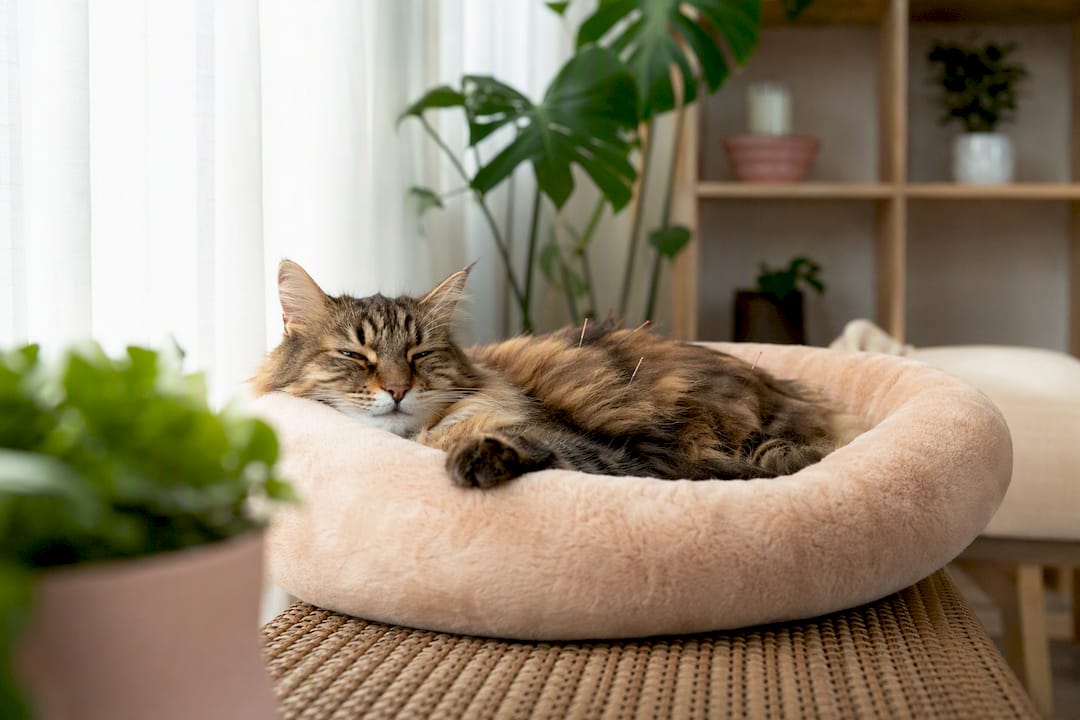
Some cats show a brief increase in symptoms before improvement, sometimes called a healing crisis in TCVM circles, though not every practitioner uses that framing. A small bruise or a drop of bleeding at the needle site can happen, especially in cats with thinner skin or those on long-term steroid therapy that affects skin integrity.
Watch for genuine warning signs rather than normal grogginess: labored breathing that worsens after treatment, excessive vocalizing, or a cat who won’t settle for hours afterward. Those warrant a call to your primary veterinarian, not a wait-and-see approach. Because cats mask discomfort well, a subtle personality shift, more hiding, less interest in food, is sometimes the clearest signal something isn’t sitting right.
Building a Full Holistic Management Plan
Acupuncture works best as one piece of a bigger picture, not a standalone fix. Environmental control still does the heaviest lifting for most asthmatic cats: reducing dust, switching to low-dust litter, running air purifiers, and cutting down on aerosol sprays or scented candles near your cat’s living space.
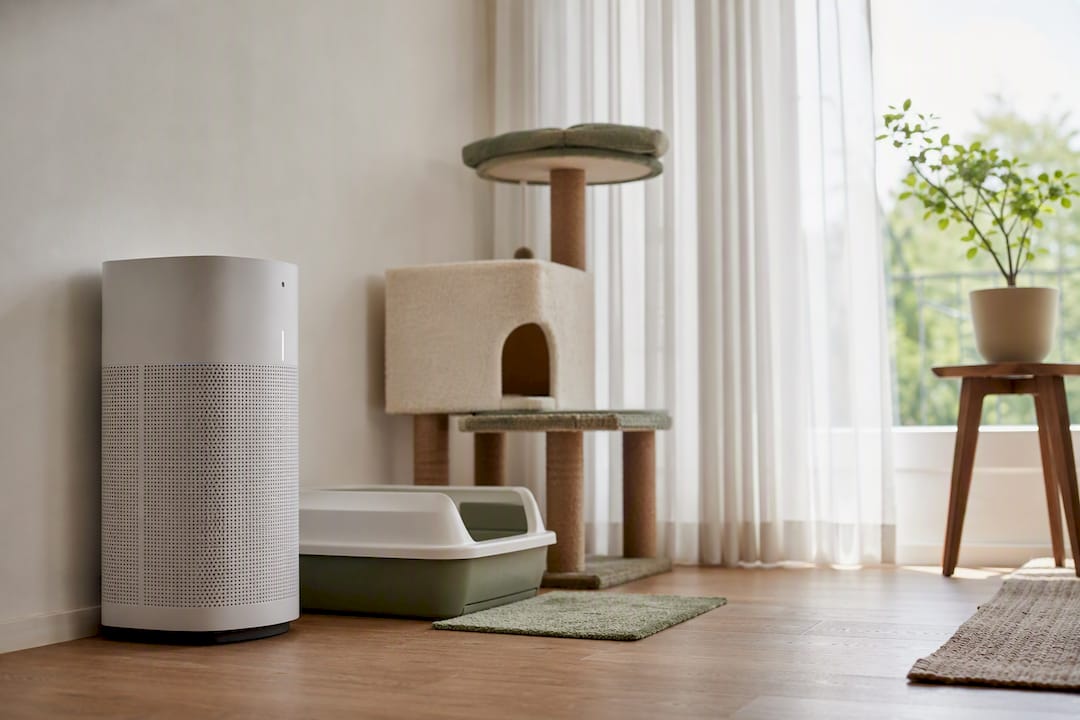
Food therapy and herbal support sometimes enter the picture too, depending on the TCVM pattern your practitioner identifies. Some integrative plans also fold in nutritional adjuncts, like antioxidant or immune-supportive supplements, though these should always be run past your primary veterinarian first, especially if your cat is on steroids.
None of this replaces the medication your veterinarian has already prescribed. The goal of an integrated plan is to work in the same direction as steroids and bronchodilators, not around them. If your cat also deals with joint discomfort or mobility issues alongside asthma, and many senior cats do, it’s worth reading about broader pain recognition and care strategies so nothing gets missed while you’re focused on breathing symptoms.
Pet Acupuncture & Wellness: Our Approach to Feline Asthma
We treat asthmatic cats where they’re most comfortable: at home, without the stress of a car ride or a waiting room full of unfamiliar animals. Our mobile visits let us observe your cat in her actual environment, which often produces a more honest picture of her breathing than a rushed clinic exam.
Every plan is individualized around TCVM pattern diagnosis, and we coordinate directly with your primary veterinarian on any medication tapering, since steroid dosing changes should always happen under medical supervision, never on our recommendation alone.
— Pet Acupuncture & Wellness
Book a Mobile Acupuncture Visit in South Tampa
Pet Acupuncture & Wellness brings acupuncture straight to your cat’s living room instead of asking her to tolerate a car ride and a clinic full of strangers, which for a stressed asthmatic cat can mean the difference between a session that helps and one that backfires.

A first mobile visit in South Tampa typically starts with a conversation about your cat’s history, current medications, and recent symptoms, followed by a gentle physical exam and an initial round of low-stress needling once she’s settled. We’ll walk you through a realistic timeline for follow-up sessions and stay in contact with your primary veterinarian, especially if steroid tapering ever becomes part of the conversation. If your cat also has mobility or comfort concerns, our pet rehabilitation therapy services can run alongside her respiratory care.
Ready to see if mobile acupuncture fits your cat’s needs? Reach out to schedule a first at-home visit, and bring your questions. We’ll build the plan around what your cat’s breathing actually tells us, not a one-size-fits-all protocol.
Sources
- Acupuncture for Asthma in Cats: Pros, Cons & Effectiveness (Vet Answer) – Catster
- Breathe easy: inhalational therapy for feline inflammatory airway disease – Journal of Feline Medicine and Surgery (2023)
- Feline Acupuncture – VIN (WSAVA resources)
FAQ
How do you naturally treat feline asthma?
Environmental control (reducing dust and aerosols), acupuncture, and food or herbal therapy under TCVM guidance can support a cat’s respiratory health, but none of these replace prescribed steroids or bronchodilators for controlling inflammation.
How much does feline acupuncture cost?
Cost varies based on whether you choose a clinic or mobile visit, the practitioner’s credentials, and whether the session is bundled with herbal or laser therapy adjuncts; ask for a specific quote based on your cat’s plan.
What is the most effective treatment for asthma in cats?
Glucocorticoids and bronchodilators remain the primary standard of care for controlling airway inflammation, with acupuncture serving as a complementary option that some owners use to reduce attack frequency alongside that care.
Does coconut oil help with feline asthma?
No. There is no scientific evidence that coconut oil treats feline asthma, and relying on it instead of prescribed medication can delay effective care.
How many acupuncture sessions does a cat with asthma need?
Many owners notice improvement after two to three sessions, though a full stabilization plan, often starting at one to two sessions weekly, can run several weeks to a few months depending on the cat’s response.