Finding a wet bed or a puddle by the door is upsetting, and it often feels like a sign that your dog is slipping away. It usually isn’t. Incontinence in dogs has a cause, and many causes can be treated or managed. The best plan combines a veterinary diagnosis, a few smart changes at home, and steady care for your dog’s skin and comfort. This guide walks through all three, for both urine and stool.
TL;DR
- Leaking is not a normal part of aging. Have your vet look for the cause first, because infections, hormone-related sphincter weakness, spinal disease and obstructions are all treated differently.
- Straining with little or no urine, severe pain, vomiting or sudden weakness is an emergency. Go to an emergency clinic right away.
- At home, waterproof bedding, regular potty breaks and gentle daily cleaning protect your dog better than constant diaper use, which can trap moisture against the skin.
- Fecal incontinence is managed by treating the underlying bowel or nerve problem, adjusting diet and building a predictable bathroom routine.
- Integrative care such as acupuncture and rehabilitation can sit alongside your regular vet’s plan, and we can bring it to your living room in South Tampa.
Table of Contents
- What incontinence actually looks like
- Common causes in senior dogs
- When to call the vet, and when it is an emergency
- How vets find the cause
- Treatment for urinary incontinence
- Treatment and management of fecal incontinence
- Managing an incontinent dog at home
- Our perspective
- Where acupuncture and rehabilitation can fit
- Care in your South Tampa living room
- Quality of life: when to step back and look at the whole dog
- FAQ
- Sources
What incontinence actually looks like
Urinary incontinence means urine passes without your dog knowing or choosing it. The Merck Veterinary Manual describes it as unconscious passage or dribbling of urine, and lists difficulty urinating and an abnormal stream as other urinary signs worth noticing.
The pattern often starts quietly. Oklahoma State University notes that the most common cause in spayed females, urethral sphincter mechanism incompetence (USMI), typically first shows up as small leaks during sleep. You find a damp patch on the bedding in the morning. Over time, some dogs begin leaking while awake.
Fecal incontinence looks different. PetMD lists stool passing without awareness, straining, blood in the stool, small or frequent bowel movements, foul-smelling feces, licking at the rear end and scooting. In some neurologic cases a dog may defecate at random or while resting, without seeming to notice.

Is it really incontinence?
Some things look like it but aren’t. Inadequate house training, submissive urination, pain that makes it hard to get into a squat, and drinking and urinating far more than usual because of a medical condition can all leave a puddle. That last one matters most in seniors. If your dog’s bladder is simply overloaded, the fix is treating the disease behind the thirst, not managing the leaks.
Common causes in senior dogs
Veterinary geriatric-care guidance, published by Wiley, points to three frequent acquired causes in older dogs: USMI, urinary tract infection, and conditions that increase urination and thirst until the bladder cannot keep up.
The 2024 ACVIM consensus statement gives the wider map. Urinary incontinence can come from:
- Storage disorders, where the bladder or sphincter cannot hold urine normally.
- Functional voiding disorders, where the bladder does not empty properly.
- Mechanical obstruction, where something blocks the outflow and urine overflows around it.
The third group is the one that can become dangerous quickly, which is why we come back to it below.
Causes of fecal incontinence
PetMD groups the causes into two families. The first involves the colon, rectum or anus: perianal surgery, anal-sac cancer, perianal fistulas, perineal hernias, inflammatory or infectious bowel disease and severe diarrhea. The second is neurologic: lumbosacral stenosis, spinal tumors, intervertebral disc disease, spinal trauma, fibrocartilaginous embolism, congenital spinal abnormalities and dysautonomia.
If your dog has trouble with both urine and stool, that combination points toward the nervous system, and a spinal evaluation becomes a priority. If your dog is also dragging or scuffing a paw, read our guide to senior dog knuckling, since sudden paw dragging needs veterinary triage.
When to call the vet, and when it is an emergency
Call your vet as soon as you see leaking. Incontinence is not something to wait out, and the Oklahoma State team warns that constant urine contact irritates skin and raises the chance of urinary tract infection.
Go to an emergency clinic the same day if your dog:
- Tries to urinate and produces little or nothing, or strains repeatedly.
- Seems to be in severe pain.
- Is vomiting, markedly lethargic or weak.
- Shows sudden neurologic changes, such as wobbling, collapse or loss of rear-leg control.
The ACVIM statement says a mechanical urinary obstruction should be treated as an emergency. If prolonged, it can cause kidney-related blood changes, a dangerous rise in potassium, acidosis, damage to the bladder and urinary tract, and potentially permanent injury to the bladder muscle. A dog who is “dribbling” may actually be unable to empty, which is easy to mistake for ordinary leaking.
How vets find the cause
Expect your vet to start with the story: when the leaking happens, how much, whether your dog notices, and how much water she drinks. Video of your dog can help, because the behavior often does not happen in the exam room. A full physical exam follows, including bladder palpation and a rectal exam, along with routine blood and urine testing. That workup is the baseline Oklahoma State recommends.
From there, the tests depend on what turns up: imaging, urine culture, neurologic exam, and for stubborn cases specialized testing. UC Davis explains that urethral pressure profilometry is the diagnostic gold standard for USMI and cystometrography for an overactive bladder muscle, and that both may be considered when treatment has failed, when ectopic ureters are suspected or when the voiding pattern is abnormal.
Treatment for urinary incontinence
Treatment follows the cause. According to the ACVIM consensus statement:
- A urinary tract infection is treated with antibiotics.
- Ectopic ureters, a congenital problem, are corrected with surgery.
- USMI is typically treated long-term with alpha-agonist medication such as phenylpropanolamine, or with estrogen compounds.
Infection is the happy surprise. Veterinary Partner from VIN notes that urinary incontinence is often manageable and should not be written off as senility. Prompt veterinary consultation can prevent decisions made out of despair that did not need to be made.
Medication choices, doses and side effects belong to your veterinarian, especially in a senior dog with heart, kidney or blood pressure concerns. Bring a complete list of everything your dog takes, including herbs and supplements.
Treatment and management of fecal incontinence
There is no drug that fixes bowel incontinence itself. As PetMD and veterinary geriatric guidance describe it, care goes after the underlying disease: treating colitis or diarrhea, addressing anal disease, and sometimes surgery for anal or certain neurologic lesions. Medication and routine changes may both help.
When nerve damage is permanent, management is about predictability. Research in Frontiers in Veterinary Science describes low-residue diets to reduce stool volume, consistent bathroom routines, and in some dogs light stimulation around the anus to trigger defecation. It also notes that diet changes, higher or lower fiber depending on the dog, can make stool consistency and volume easier to handle. Ask your vet which direction suits your dog before changing anything.
Two practical steps:
- Offer a bathroom trip at the same times each day, especially after meals and first thing in the morning.
- Keep a simple log of stool quality and accidents for a week. It helps your vet more than any description from memory.
A steady daily check-in also helps you catch changes early. A daily and weekly wellness routine gives you a rhythm for looking at appetite, stool, coat and mobility before problems grow. For digestion more broadly, see our pet digestive health guide and our page on acupuncture for dog GI problems.
Managing an incontinent dog at home
While you work on the cause, the goal is a dog who stays clean, dry and comfortable, and a home you can live in. The 2023 AAHA Senior Care Guidelines are a good backbone: consistent toileting, waterproof bedding, and keeping your dog clean.
Bedding and floors
Use washable waterproof covers with fleece or mesh on top, which is what AAHA recommends. Fleece wicks moisture away from the skin so she is not lying in a damp spot. Layer two covers so you can strip one in the middle of the night. Frontiers adds that plastic-backed absorbent underpads are an option that limits contamination of the environment and are easier to handle than full-body garments. Rugs with non-slip backing and a washable runner on slick floors help a stiff senior as well.
Potty schedule
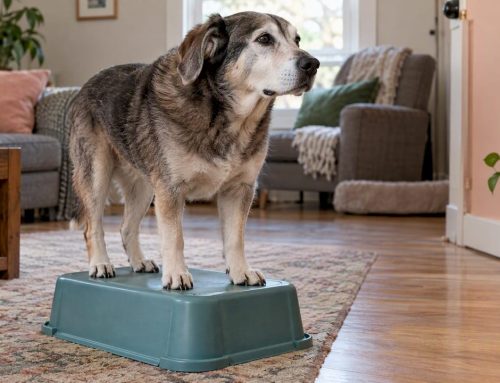
More frequent trips out help. Take her out first thing, after meals, after naps and right before bed, and add a late-evening trip if she leaks overnight. If mobility is the reason she cannot make it outside in time, a sling or harness support can turn a rushed shuffle into a calm walk. Note that many dogs with weak hindquarters are managing more than incontinence, so ask about joint and spine comfort too.
Skin care
Skin is where incontinence does its quiet damage. AAHA recommends regular grooming, baby or medicated wipes to keep the area clean and dry, trimming fur around the back legs, tail and anus, and a daily look for redness or rashes. Make it part of a gentle evening ritual: a warm wipe, a pat dry, a few minutes of calm touch. Dogs with mobility limits also need turning or frequent walking to prevent pressure sores.
What about diapers for senior dogs?
Diapers are one of the most searched topics here, and they have a real place, with limits. AAHA advises minimizing diaper use to avoid secondary infections, and recommends keeping pets clean and dry instead. Frontiers describes absorbent products as not a first-line solution, but usable overnight to contain mess, provided you monitor skin health and avoid prolonged moisture.
If you use them:
- Change them as soon as they are wet or soiled, not on a schedule.
- Clean and dry the skin at every change.
- Check for redness, sores or a sour smell each time.
- Give her diaper-free time on a waterproof bed when you can supervise.
- Stop and call your vet if the skin looks irritated.
A diaper that is helping at night but causing a rash in the morning is telling you something.
Our perspective
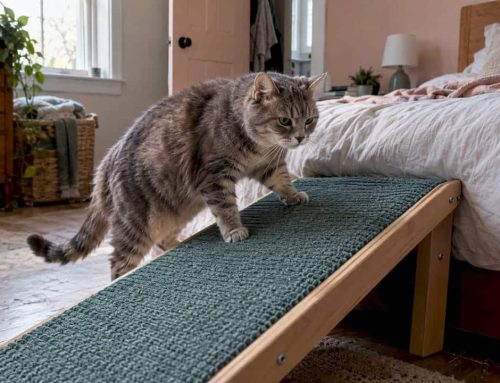
We see incontinence mostly in homes where a dog is already slowing down: a retriever with stiff hips, a small dog with a bad back, a cat who can no longer step over the litter box edge. In many of these houses, the stress of getting to a clinic has become its own problem, and owners put off the visit that would explain the leaking.
Our view is that incontinence deserves two kinds of attention at once. First, a real diagnosis, because the cause decides the treatment. Second, comfort, because a dog who is clean, warm and moving a little more easily is a dog whose family can breathe. We work with your regular veterinarian rather than around them, and we plan around what we see in your home: the slippery hallway, the bed in the wrong spot, the stairs to the yard.
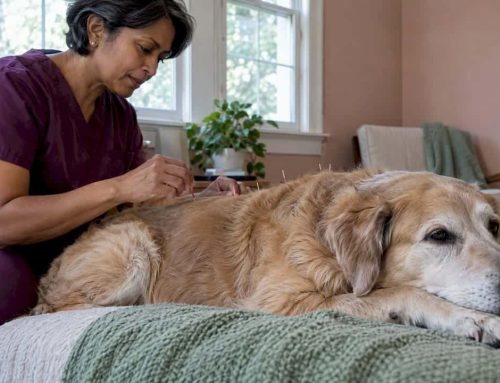
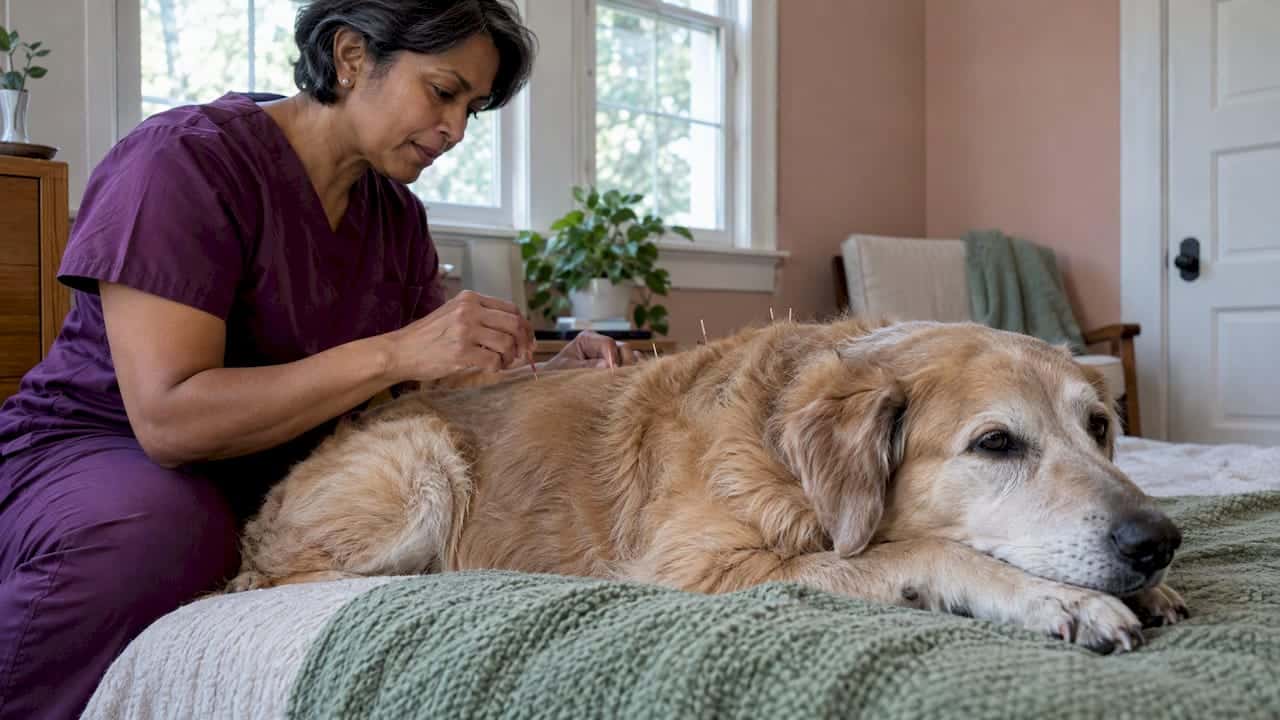
In Traditional Chinese Veterinary Medicine we think of Qi traveling along meridians like a highway system, and when traffic slows, function suffers. Acupuncture, acupressure and herbal therapy aim to support that flow alongside conventional care, never to replace the diagnostics your dog needs. We are always honest about that line.
— Pet Acupuncture & Wellness
Where acupuncture and rehabilitation can fit
When incontinence is tied to nerve or muscle weakness, supportive therapies are worth discussing with your vet. We have written about a study of 39 dogs on acupuncture for dog incontinence and what it might mean for your pet. If a spinal condition is part of the picture, our guides to acupuncture for dogs with IVDD and acupuncture for hip dysplasia cover the mobility side.
Other tools we offer include rehabilitation therapy to rebuild strength and balance, food therapy for digestion and stool quality, and herbal therapy tailored to the individual. Weight matters too: extra pounds add pressure on the bladder and make it harder to get up and go, so see our obesity treatment guide. If your dog has kidney disease, which can drive thirst and urination, our kidney nutrition guide is a place to start.
Care in your South Tampa living room
If loading a leaking, stiff or anxious dog into the car is the reason you have been putting off an appointment, we come to you. Our in-home visits cover acupuncture, laser therapy, rehabilitation, herbal and food therapy, and we work alongside your regular veterinarian.
Our published pricing, read from our cost of services page, includes an initial assessment and acupuncture with a technician from $430, a $60 technician mobile fee, electroacupuncture at $30 and laser treatments at $45 to $120 per treatment. At-home rehabilitation packages range from $85 to $918. Not sure whether your dog needs a visit yet? A telemedicine consult can help you decide, and our guide to telemedicine for senior pets explains how those short video visits work.
To talk through your dog’s situation, start at pawvetpractice.com.
Quality of life: when to step back and look at the whole dog
How long can a dog live with incontinence? Incontinence alone does not tell you. Many dogs with urinary leaking have a problem that can be solved or managed, as VIN notes, and both the ACVIM statement and Oklahoma State emphasize finding the cause first.
Quality of life becomes the central question when leaking brings persistent skin injury, repeated infection, distress, an inability to stay clean or comfortable, or when it arrives with worsening appetite, pain, mobility and interest in family life.
A structured tool can help you see clearly. The APLB dog quality-of-life checklist scores negative points: up to 8 warrant discussion, 9 to 18 indicate concern, 19 to 26 a deteriorating quality of life, 27 to 36 poor, and over 36 extremely poor. Treat the score as a conversation starter with your veterinarian, not a prediction of how long your dog has.

When you complete it, do it on a few different days and ask someone else in the family to score it too. Good days and bad days both count.
FAQ
What is the best treatment for incontinence in dogs?
It depends on the cause. Infections get antibiotics, ectopic ureters need surgery, and USMI is usually managed long-term with medications such as phenylpropanolamine or estrogen compounds, according to the ACVIM consensus statement. Your vet needs to find the cause before choosing.
Should I put my senior dog down for incontinence?
Incontinence by itself is rarely the deciding factor, since many causes are treatable or manageable. Ask your vet for a full workup first, then weigh your dog’s comfort, skin health, appetite, pain and engagement with a tool like the APLB checklist. If you are struggling with the decision, a quality-of-life conversation with your vet is the right next step.
Are diapers safe for incontinent senior dogs?
They can be used with care, most often overnight. AAHA advises minimizing them because moisture against the skin raises the risk of secondary infection, so change them promptly, clean and dry the skin every time and check daily for redness.
How do you manage fecal incontinence in dogs?
Veterinarians treat the underlying bowel, anal or nerve disease, since no drug targets the incontinence itself. At home, consistent bathroom times, diet adjustments chosen with your vet and good skin care make daily life easier.
Sources
- ACVIM consensus statement on diagnosis and management of urinary incontinence in dogs
- Treating Canine Urinary Incontinence, Oklahoma State University
- Disorders of Micturition in Dogs and Cats, Merck Veterinary Manual
- Bowel Incontinence in Dogs, PetMD
- Urinary and Fecal Incontinence, Treatment and Care of the Geriatric Veterinary Patient
- Urinary Incontinence in Dogs, UC Davis Animal Health Topics
- Urinary Incontinence in Dogs and Cats, Veterinary Partner (VIN)
- Bladder and Bowel Management in Dogs, Frontiers in Veterinary Science
- 2023 AAHA Senior Care Guidelines for Dogs and Cats
- Dog Life Quality Assessment, APLB
- Dog wellness routine