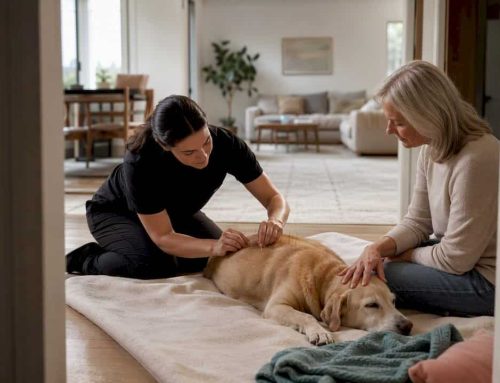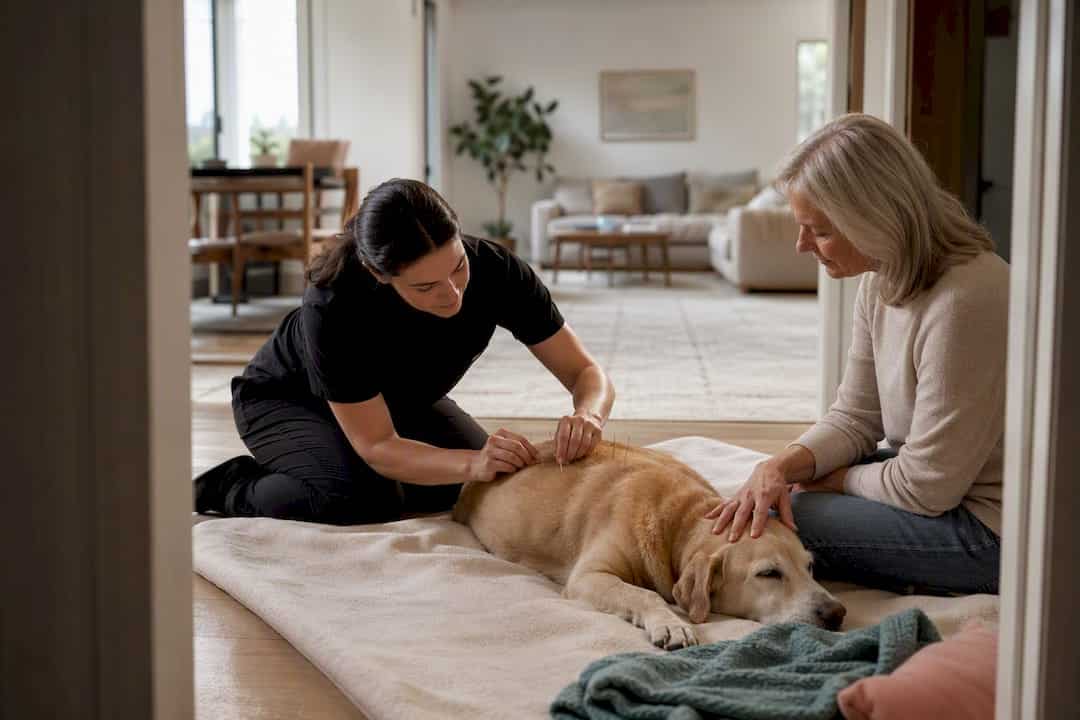
Yes, certain herbal and integrative supports can help some dogs with Cushing’s disease, but they need to start and continue under a veterinarian’s care. Melatonin, lignans, milk thistle, omega-3s, and acupuncture or Chinese herbal medicine show the most promise, especially for atypical cases. None of them replace baseline testing or ongoing monitoring, and none of them work the same way in every dog.
TL;DR:
- Melatonin and lignans are most supported by evidence for atypical Cushing’s, but they require careful hormonal monitoring for effectiveness and safety.
- Short-term safety data suggest licorice root may be used cautiously, but long-term effects and electrolyte risks need ongoing vet supervision.
- Conventional medication remains essential for severe or progressive cases, with herbal supports acting only as complementary therapies.
- Baseline testing before starting any herbal protocol is critical, including ACTH stimulation, chemistry panels, and hormone profiles, with rechecks every few months.
- Diet modifications, such as low-fat and omega-3 rich foods, can enhance herbal treatment outcomes, especially in managing hyperlipidemia common with the disease.
Table of Contents
- Herbal Support for Cushing’s Dogs: The Options Owners Ask About Most
- Which Dogs Actually Benefit From Herbal Support
- Safety Checklist: Testing, Monitoring, and Red Flags
- Diet and Lifestyle Changes That Support Herbal Treatment
- What the Research Actually Shows
- How a Mobile Integrative Vet Builds a Safe Herbal Plan
- Ready to Explore Herbal Support With Veterinary Oversight
- Sources
- FAQ
Herbal Support for Cushing’s Dogs: The Options Owners Ask About Most
Every dog owner researching Cushing’s disease eventually lands on the same short list of supplements. Here’s what each one actually does, and where the evidence stands.
Melatonin gets mentioned first because it’s the most studied option in this space. It works on adrenal steroid pathways and circadian regulation, and it’s often the first conservative step vets try for atypical hyperadrenocorticism. Retrospective diagnostic-lab data found that 34% of dogs on melatonin showed clinical improvement, though steroid responses varied widely. That inconsistency is exactly why bloodwork matters more than a calendar count of “days on melatonin.”
Lignans, usually given as HMR lignan (a flaxseed-derived compound), act as phytoestrogens. Combined with melatonin, lignans reduced cortisol, androstenedione, and estradiol in adrenal carcinoma cell studies, which is where the “melatonin plus lignan” protocol many integrative vets use actually comes from. The same research noted an increase in progesterone in cell cultures, a detail that matters when your vet interprets a follow-up steroid panel and sees a number go up instead of down.
Milk thistle shows up constantly in Cushing’s discussions, and for good reason. Its active compound, silymarin, supports liver function, which takes on extra strain in dogs whose livers are already working overtime under chronic cortisol excess. Vets frequently pair it with other adrenal support herbs rather than using it alone.
Phosphatidylserine has a smaller but interesting track record. Clinical anecdotes and herbal veterinary references point to its use for cortisol-related symptoms and cognitive changes, particularly in senior dogs juggling Cushing’s alongside age-related decline. The evidence here is limited and largely observational, so treat it as a supporting player rather than a centerpiece.
Turmeric (curcumin) and omega-3 fatty acids round out the most common additions. Turmeric’s anti-inflammatory properties can help with skin issues that often accompany Cushing’s, like thinning coat or slow wound healing. Omega-3s, particularly fish or krill oil, support skin health and help manage the elevated triglycerides that show up in many Cushing’s bloodwork panels.
Not every herb belongs in this conversation. A few deserve real caution:
- Licorice root (glycyrrhizin) mimics aldosterone activity in some species, which raises legitimate concern for a disease already marked by hormone imbalance. A 28 day canine study found no significant blood pressure or electrolyte changes at doses up to 0.6 mg/kg body weight per day, but the study’s own authors urged caution about extending that reassurance to long-term use.
- Pregnenolone and progesterone-influencing herbs can interfere with the same steroid pathways Cushing’s already disrupts, and should only be used with active lab monitoring.
- Unregulated “adrenal support” blends sold without dosing transparency are a gamble. If you can’t identify the active compounds and their concentrations, your vet can’t help you interpret what’s happening in your dog’s bloodwork.
Which Dogs Actually Benefit From Herbal Support
Cushing’s disease splits into two categories, and the split matters more than most owners realize when they’re shopping for supplements. Typical hyperadrenocorticism involves cortisol overproduction, usually from a pituitary or adrenal tumor. Atypical hyperadrenocorticism involves elevated intermediate adrenal hormones, like progesterone or 17-hydroxyprogesterone, with cortisol levels that look deceptively normal on standard testing.
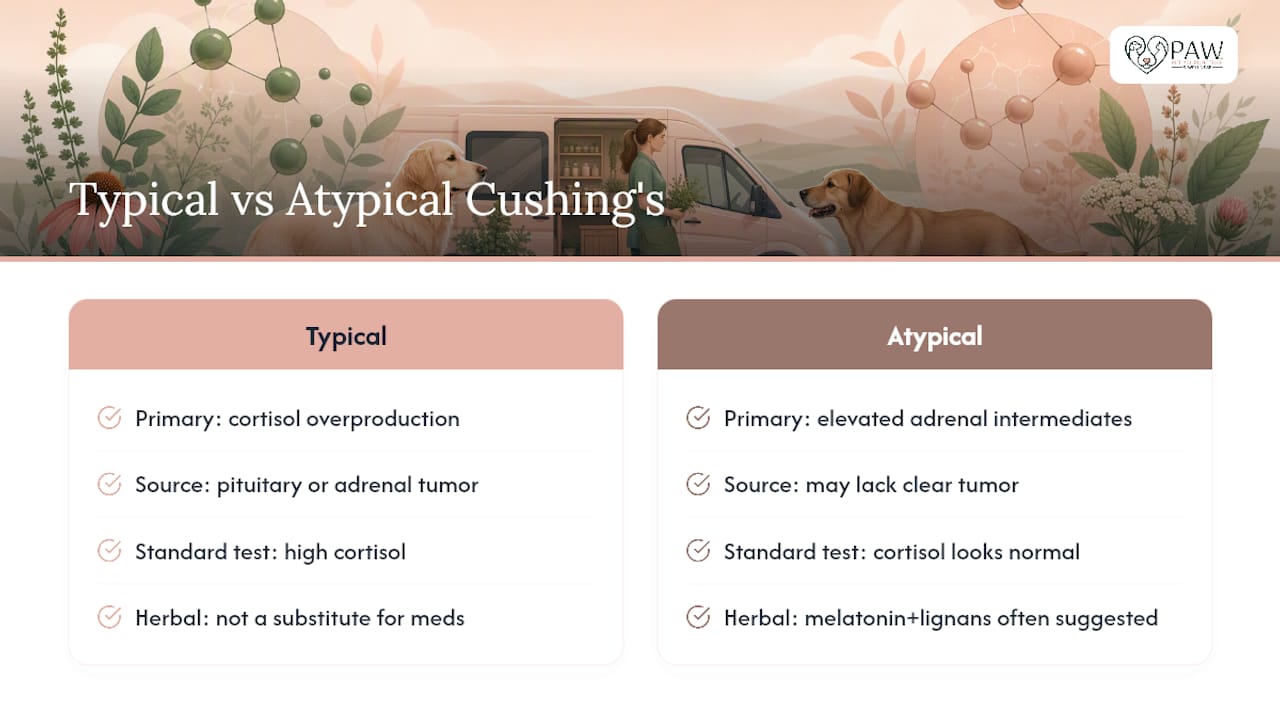
That distinction is exactly why melatonin and lignan combinations get suggested more often for atypical cases. The mechanism, altering the balance of adrenal steroid outputs, lines up better with a condition defined by hormone precursor imbalance rather than straightforward cortisol excess. The AKC Canine Health Foundation’s research on atypical hyperadrenocorticism describes exactly this rationale: some dogs on melatonin showed clinical improvement, though not universally, and not without careful hormone-panel tracking.
The limitation here is real. Lignan and melatonin combinations can raise progesterone even as they lower other steroids, which means a dog’s panel might look “better” on cortisol and “worse” on a different marker. That’s not a failure of the supplement. It’s a reminder that adrenal hormone systems are interconnected, and nudging one pathway often shifts another.
Typical Cushing’s, especially with a confirmed adrenal or pituitary tumor and worsening clinical signs, still calls for conventional medication in most cases. Herbal support can run alongside drugs like trilostane, but it doesn’t substitute for them when the disease is progressing or when lab values show significant deterioration. If your dog’s polyuria, appetite changes, or muscle wasting are advancing quickly, that’s a signal to lean on conventional treatment first and treat herbal options as a complement, not the plan itself.
Safety Checklist: Testing, Monitoring, and Red Flags
Starting any herbal protocol without baseline data is a bit like adjusting a thermostat you’ve never checked. You need to know where things stand before you can measure whether they’re moving in the right direction.
- Get baseline testing first. This typically includes an ACTH stimulation test, urine cortisol:creatinine ratio (UCCR), full chemistry panel, electrolytes, and an adrenal steroid panel when your vet has access to one.
- Recheck on a set schedule. A common cadence looks like baseline, then 4 to 8 weeks, then 3 months, then 6 months, adjusted based on how your dog responds and what the labs show.
- Watch for herb-drug interactions. Milk thistle and other liver-support herbs can shift how the body processes certain medications, so any dog on trilostane or other prescriptions needs that combination reviewed by a vet, not decided at home.
- Track licorice and glycyrrhizin exposure specifically. Even with reassuring short-term data, chronic use in a dog with existing electrolyte or cardiovascular vulnerability deserves extra caution and closer monitoring.
- Know the red flags. Worsening polyuria, sudden weakness, collapse, or any sign of electrolyte imbalance means an immediate call to your vet, not a “wait and see” approach.
Pro Tip: Keep a simple log of water intake, appetite, and energy level from day one. Vets rely on trends, not single data points, and a two-week log often tells them more than a single office visit ever could.
Herb and medication combinations aren’t automatically risky, but they aren’t automatically safe either. Reviewing herbal interactions with medications before adding anything new gives you a clearer picture of what to flag for your vet.
Diet and Lifestyle Changes That Support Herbal Treatment
Herbs work better when the rest of your dog’s routine is pulling in the same direction. A few adjustments make a measurable difference alongside any herbal protocol:
- Low-fat diets help dogs with the hyperlipidemia that often accompanies Cushing’s, since elevated triglycerides and cholesterol are common findings on routine bloodwork.
- Calorie control matters because Cushing’s dogs frequently gain weight despite muscle loss, and extra pounds add strain to joints already affected by muscle wasting.
- Omega-3 supplementation (fish or krill oil) supports both skin health and triglyceride management, making it one of the few additions that pulls double duty.
- Potassium support, when your vet’s bloodwork indicates it, helps offset electrolyte shifts tied to adrenal dysfunction.
- Consistent exercise and reduced environmental stress support hormonal balance in ways that are easy to underestimate. Cortisol responds to stress hormonally, not just behaviorally.
Prescription therapeutic diets make sense when hyperlipidemia or kidney values are significantly abnormal. For milder cases, a well-formulated over-the-counter low-fat diet, chosen with your vet’s input, is often enough.
What the Research Actually Shows
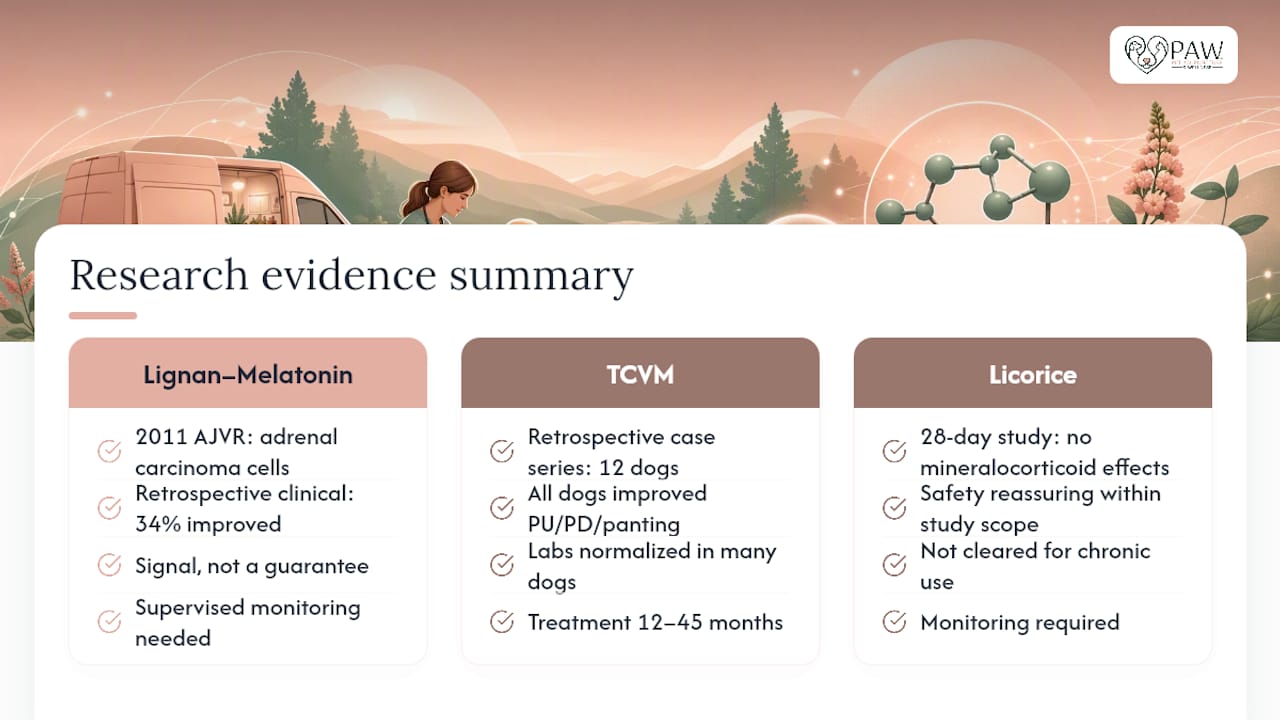
The evidence base here is real but limited, and it’s worth being honest about both sides of that. The lignan-melatonin research traces back to a 2011 AJVR study showing hormone reductions in adrenal carcinoma cell cultures, later supported by retrospective clinical data showing 34% clinical improvement in treated dogs. That’s a meaningful signal, not a guarantee.
On the TCVM side, a retrospective case series of 12 dogs treated with acupuncture and Chinese herbal medicine reported improved polyuria, polydipsia, and panting in every dog. Many showed normalized ACTH stimulation and UCCR values after treatment durations ranging from roughly 12 to 45 months. That’s a long commitment, and a small sample, but it’s a genuine clinical signal worth taking seriously.
The licorice safety data is reassuring within its scope: no detectable hypermineralocorticoid effects over 28 days at tested doses, but the study itself stops short of clearing chronic use. The takeaway across all three bodies of research is consistent: supervised trials are evidence-informed, responses vary dog to dog, and monitoring isn’t optional.
How a Mobile Integrative Vet Builds a Safe Herbal Plan
Building an herbal support plan starts with a full history, relevant diagnostics, and TCVM pattern assessment, looking at your dog’s tongue, pulse, and overall constitution to individualize the formula rather than reaching for a generic blend. From there, a typical plan combines targeted herbs with a monitoring schedule, adjusting doses based on follow-up labs rather than guesswork.
For senior or disabled dogs, doing this work at home changes the entire experience. A stressed, anxious dog in a clinic waiting room gives you a less accurate baseline than the same dog resting on their own couch. Telemedicine follow-ups let us track subtle changes, appetite shifts, energy dips, water intake, between in-person visits, which keeps herbal trials safer without requiring another car ride your dog dreads.
— Pet Acupuncture & Wellness
Ready to Explore Herbal Support With Veterinary Oversight
Trying to sort through melatonin dosing, lignan sourcing, and licorice caution on your own is a lot to manage without a professional checking your dog’s bloodwork along the way. This veterinary practice brings that oversight directly to your home, so your dog never has to face a stressful car ride or waiting room just to start a supervised herbal trial.
A first visit typically includes a full history review, relevant baseline testing, and a conversation about which herbal or acupuncture combination fits your dog’s specific case, whether that’s typical or atypical Cushing’s. From there, dosing gets adjusted based on follow-up labs, not guesswork, with telemedicine check-ins available between visits. If your dog is a senior, recovering from another condition, or simply anxious about clinic visits, mobile acupuncture and integrative care delivers that same clinical rigor without the added stress. Browse the holistic pet wellness page to see the full range of services, then reach out to schedule a consultation and get your dog’s herbal support plan started the right way.
This article is general information, not a substitute for advice from a qualified doctor. Consult a qualified healthcare professional about your own circumstances before acting on anything here.
Sources
- Melatonin response data — PMC
- The therapeutic effect of acupuncture and Chinese herbal medicine in 12 dogs with hyperadrenocorticism — AJTCVM
- Glycyrrhizin intake higher than current international guidelines has no detectable hypermineralocorticoid-like effect in dogs — Journal of Animal Physiology and Animal Nutrition (2024)
FAQ
What is the best natural supplement for dogs with Cushing’s disease?
There’s no single “best” option, but melatonin combined with lignans has the most clinical data behind it, particularly for atypical hyperadrenocorticism, and should still be started under veterinary supervision.
How can I reduce my dog’s cortisol naturally?
Melatonin and lignan combinations have shown cortisol reductions in research settings, and stress reduction plus consistent routines support hormonal balance, but “natural” reduction still requires lab monitoring to confirm it’s actually happening.
What not to feed dogs with Cushing’s?
Avoid high-fat foods and treats, since Cushing’s dogs commonly develop hyperlipidemia, and steer clear of unregulated herbal blends containing licorice or progesterone-influencing compounds without veterinary guidance.
Can you reverse Cushing’s disease in dogs?
Cushing’s is typically a manageable, chronic condition rather than a reversible one, though some dogs, especially atypical cases treated long-term with acupuncture and Chinese herbal medicine, have shown normalized adrenal testing after many months of consistent treatment.
Is acupuncture effective for Cushing’s disease in dogs?
A retrospective series of 12 dogs treated with acupuncture and Chinese herbal medicine showed improvement in clinical signs and adrenal testing, though treatment often required 12 months or longer and results varied by individual dog.