Pet anxiety is a fear-based behavioral disorder affecting dogs and cats across the country, and in Florida’s storm-heavy climate, it’s something many South Tampa pet owners know all too well. Effective pet anxiety treatment today draws on three pillars working together: veterinary-approved medications, structured behavior modification, and integrative therapies like acupuncture and herbal medicine. In May 2026, the FDA approved tasipimidine (Tessie) as the first oral drug to treat both noise aversion and separation anxiety in dogs, a meaningful step forward for situational care. The American College of Veterinary Behaviorists (ACVB) endorses a multidisciplinary approach that combines safe, evidence-based modalities while firmly opposing aversive training methods.
Key elements of a well-rounded treatment plan include:
- Identifying specific anxiety triggers (storms, departures, loud noises)
- Choosing between situational and long-term medications
- Pairing medication with behavioral modification and desensitization
- Adding integrative therapies to support the whole pet
- Modifying the home environment to reduce trigger exposure
Table of Contents
- How do you know if your pet has anxiety?
- Veterinary-approved treatments for pet anxiety
- How integrative therapies support conventional anxiety care
- Practical ways to help your pet stay calm at home
- Pet Acupuncture & Wellness brings integrative anxiety care to your home
- Key Takeaways
- FAQ
How do you know if your pet has anxiety?
Recognizing anxiety early gives you a real head start. The signs vary by pet, trigger, and severity, so knowing what to look for helps you bring the right information to your vet.
Common anxiety symptoms include:
- Vocalization: Barking, whining, or howling, especially when left alone
- Destructive behavior: Chewing furniture, scratching doors, or digging
- Trembling or panting during storms or car rides
- Inappropriate elimination in house-trained pets
- Pacing, restlessness, or inability to settle
- Avoidance or hiding, particularly in cats
Separation anxiety tends to peak right at departure, with dogs following owners to the door, scratching exits, or vocalizing immediately after being left. Storm anxiety, by contrast, often builds before the storm arrives, as pets respond to barometric pressure changes and static electricity. Cats and senior pets may show subtler signs, such as reduced grooming, appetite changes, or increased clinginess, that are easy to attribute to aging rather than anxiety.
A veterinary evaluation is the right first step because several medical conditions, including thyroid disorders, pain, and cognitive dysfunction, can mimic anxiety. Getting a proper diagnosis protects your pet from unnecessary medication and points you toward the most effective path forward.
Veterinary-approved treatments for pet anxiety
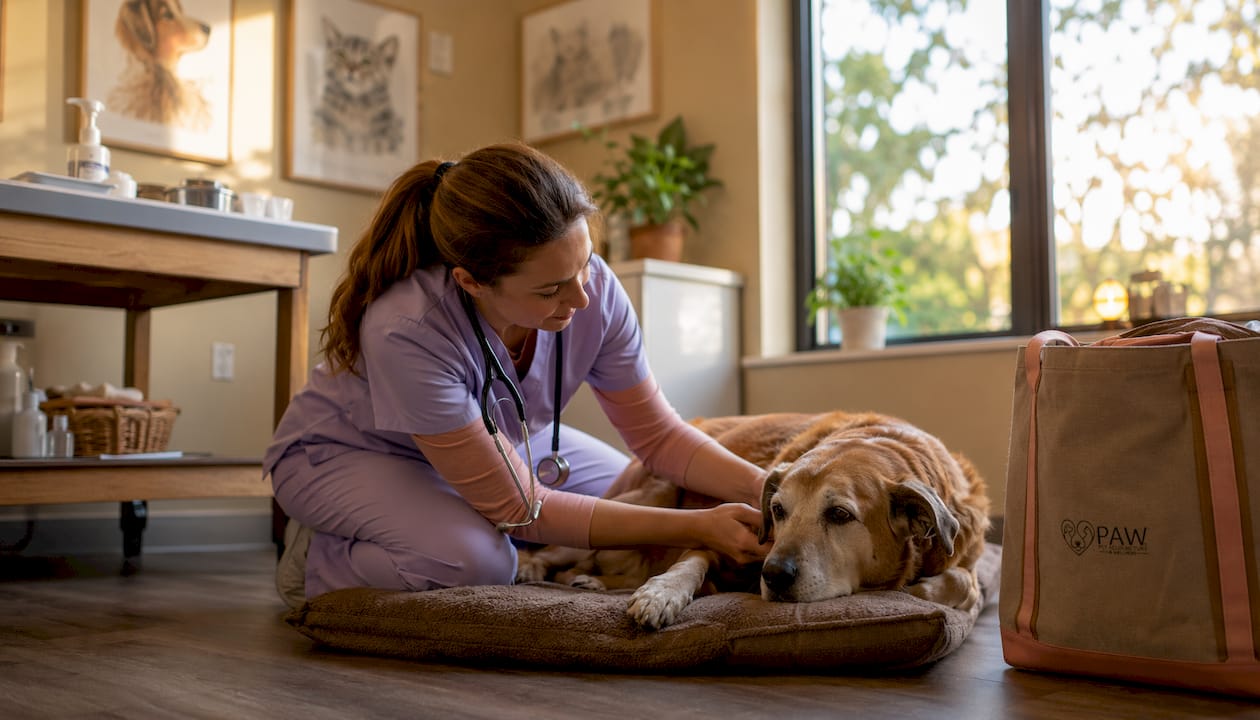
Veterinary medicine now offers a range of FDA-approved medications and structured behavioral protocols that address anxiety at its root.
Medications
- Tasipimidine (Tessie): Administered orally about one hour before a trigger or departure, with up to three doses in 24 hours and at least three hours between doses. Withhold food for one hour before dosing; a small treat to aid swallowing is fine.
- Fluoxetine (Reconcile): An SSRI dosed at 1–2 mg/kg once daily for long-term separation anxiety management. Requires several weeks to reach full effect.
- Clomipramine (Clomicalm, CaniQuell): A tricyclic antidepressant dosed at 2–4 mg/kg once or twice daily, also FDA-approved for separation anxiety.
For storm phobia specifically, a seasonal strategy works well: a fast-acting situational medication during active storm season, combined with a baseline antidepressant like fluoxetine during the off-season to support desensitization and counterconditioning.
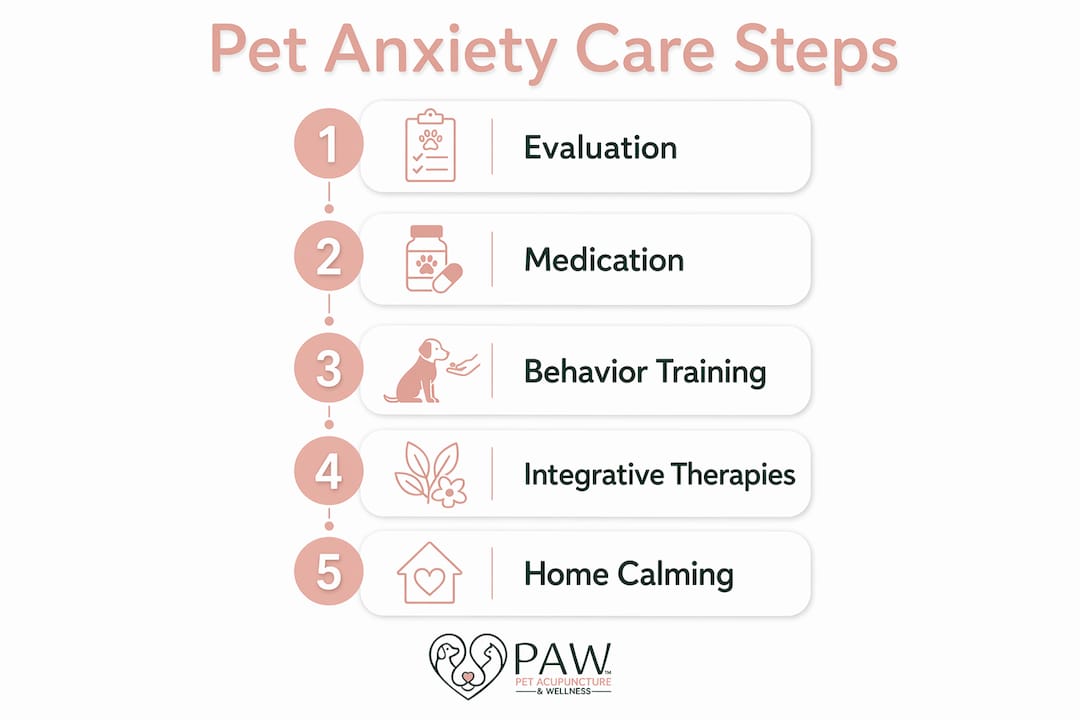
The five-step behavioral modification protocol
Veterinarians managing separation anxiety typically follow a structured plan:
- Environmental management: Prevent exposure to triggers while treatment begins
- Social cues: Build a calm, secure relationship through foundational exercises
- Behavioral tools: Introduce food puzzles, mats, and white noise
- Desensitization and counterconditioning: Gradually reintroduce triggers at low intensity
- Medication: Use FDA-approved drugs to lower baseline anxiety and support learning
For complex or treatment-resistant cases, a board-certified veterinary behaviorist provides the deepest level of expertise, integrating behavioral and medical strategies in ways a general practice may not offer.
How integrative therapies support conventional anxiety care
Conventional medication and behavior modification work well together, and integrative therapies add another layer of support that many anxious pets respond to beautifully.
- Acupuncture: Stimulates specific points along the body’s Meridians, the Qi pathways that govern nervous system balance. Many dogs visibly relax during sessions.
- Tui-na massage: A hands-on Chinese veterinary technique that calms the nervous system without needles, making it especially suited for anxious or fractious pets who resist handling.
- Herbal medicine: Traditional Chinese Veterinary Medicine (TCVM) formulas can gently support Yin and Yang balance, addressing the underlying energetic imbalances that contribute to fear and reactivity.
- Food therapy: Dietary adjustments based on TCVM principles support nervous system health from the inside out.
In a 23-dog case series, combining integrative therapies with conventional treatment produced anxiety score reductions of up to 79.4% at 120 days, with benefits continuing to grow over the full treatment period.
That kind of improvement matters, especially for senior dogs in Florida who may not tolerate high medication doses well. The acupuncture and anxiety connection is well-documented in veterinary literature, and at-home sessions remove the added stress of a clinic visit entirely.
Practical ways to help your pet stay calm at home
Your daily environment shapes your pet’s anxiety more than most people realize. Small, consistent changes add up.
Environmental modifications:
- Create a dedicated safe space (a crate with a cover, a quiet room) where your pet can retreat during storms
- Use pheromone diffusers such as Adaptil for dogs or Feliway for cats to create a calming atmosphere
- Run a white noise machine to mask sudden sounds like thunder or fireworks
- For indoor cats, enrichment toys and vertical spaces reduce baseline stress significantly; a helpful resource on keeping indoor cats calm covers desensitization and counterconditioning in practical detail
Training and behavior:
- Use positive reinforcement exclusively. The ACVB is clear that aversive methods increase fear and aggression rather than reducing them.
- Never punish anxiety-driven behaviors like barking or destruction. Prevent the behavior by managing the environment, then seek professional guidance.
- Practice calm departures with no dramatic goodbyes, and vary your pre-departure routine so your pet stops associating your keys or shoes with distress.
Timing medications correctly:
- Administer situational medications like Tessie approximately one hour before a known trigger.
- For separation anxiety, dose fluoxetine or clomipramine consistently each day, even on calm days, since these medications require steady blood levels to work.
Pro Tip: If your dog shows pre-storm anxiety before rain even starts, begin calming measures (safe space, white noise, pressure wrap) at the first behavioral sign, not when the storm hits. Early intervention is far more effective than reactive comfort.
Pet Acupuncture & Wellness brings integrative anxiety care to your home

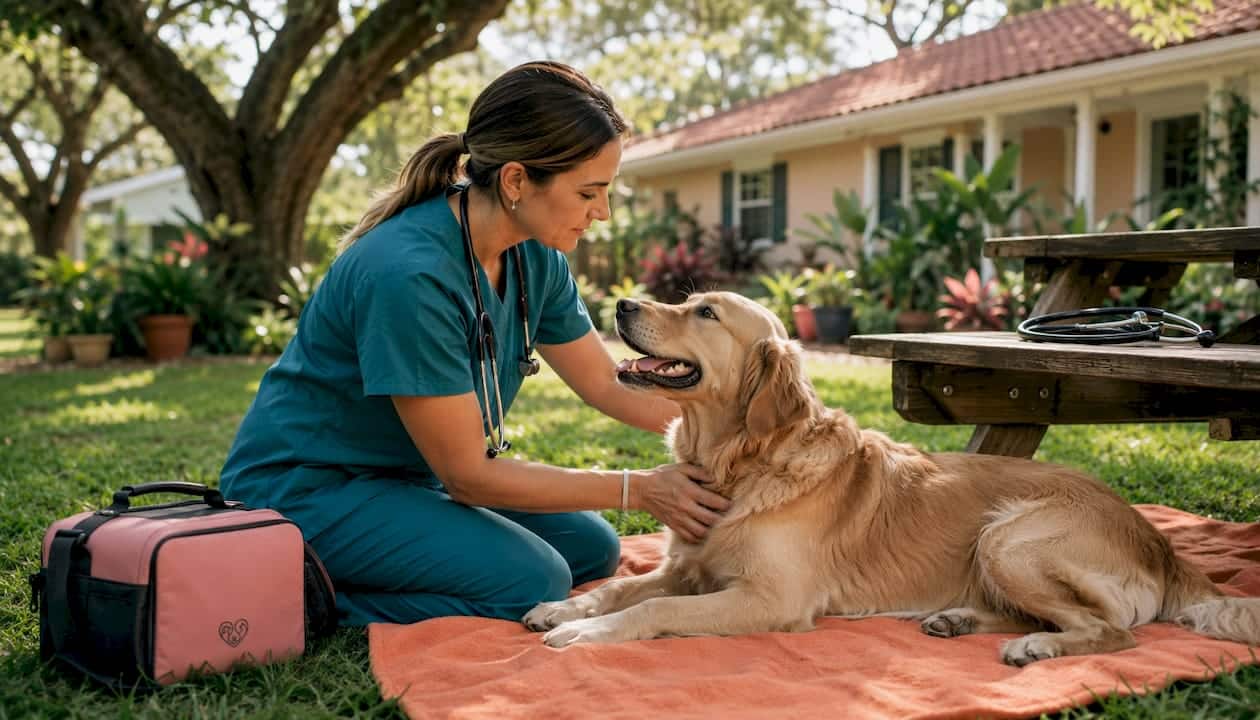
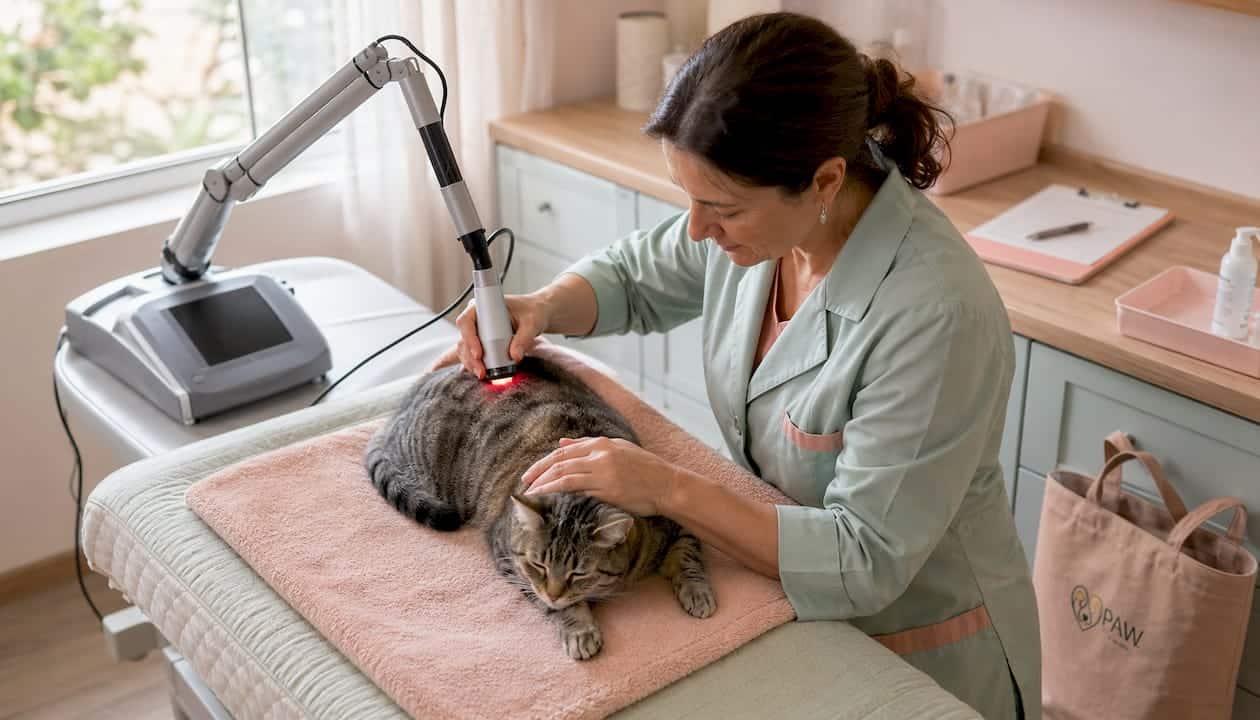
Managing your pet’s anxiety through medication alone often leaves a gap that integrative care fills naturally. Pet Acupuncture & Wellness offers mobile veterinary services throughout South Tampa, bringing acupuncture, herbal therapy, and rehabilitation directly to your home, where your pet is already calm and comfortable.
For anxious pets, especially seniors or those who find clinic visits distressing, an in-home session removes one of the biggest barriers to consistent care. Pet Acupuncture & Wellness combines TCVM modalities with conventional veterinary knowledge, so your pet’s treatment plan addresses the whole animal, not just the symptoms. Whether your dog needs acupuncture to support nervous system balance or your cat benefits from Tui-na massage between medication doses, the care comes to you. Schedule a holistic wellness consultation to build a personalized anxiety plan for your pet today.
Key Takeaways
Effective pet anxiety treatment combines FDA-approved medications, structured behavioral modification, and integrative therapies for the most complete and lasting relief.
| Point | Details |
|---|---|
| FDA-approved medications | Tessie (tasipimidine), fluoxetine, and clomipramine each address different anxiety types and timelines. |
| Five-step behavioral plan | Environmental management, social cues, tools, desensitization, and medication work together systematically. |
| Integrative therapy results | A case series with dogs showed anxiety score reductions of up to 79.4% at 120 days with combined care. |
| Avoid aversive training | The ACVB advises that punishment worsens anxiety and aggression; positive reinforcement is the standard. |
| Pet Acupuncture & Wellness | Mobile in-home integrative care in South Tampa pairs acupuncture and herbal therapy with conventional treatment. |
FAQ
How do you treat anxiety in senior dogs?
Senior dogs often respond well to a combination of low-dose situational medication, acupuncture, and environmental modifications that reduce trigger exposure. In-home integrative care, like that offered by Pet Acupuncture & Wellness, is especially practical for older dogs who find clinic visits stressful.
How much does it cost to medicate a dog for anxiety?
Costs vary by medication type, dog size, and whether you use a brand-name or compounded product; pricing is not publicly standardized. Your veterinarian can provide specific estimates based on your dog’s weight and the chosen protocol.
How do I reduce my dog’s anxiety day to day?
Consistent positive reinforcement training, a predictable daily routine, a designated safe space, and environmental tools like white noise machines and pheromone diffusers all help lower baseline anxiety over time.
What is the 3-3-3 rule for dog anxiety?
The 3-3-3 rule is a general adoption guideline suggesting dogs need roughly 3 days to decompress, 3 weeks to learn a routine, and 3 months to feel at home. While not a clinical treatment protocol, it reflects how long behavioral adjustment genuinely takes and why patience is central to any anxiety management plan.