Regenerative medicine for dogs uses your pet’s own biologic materials to repair damaged tissue, reduce inflammation, and ease chronic pain without relying solely on long-term medication. The two primary therapies are stem cell therapy and platelet-rich plasma (PRP). Osteoarthritis affects over 60% of dogs, making these treatments relevant for a large share of the canine population. Here is what each approach does:
- Stem cell therapy: Mesenchymal stem cells, harvested from your dog’s fat tissue or bone marrow, are processed and injected into damaged joints or soft tissue to stimulate regeneration.
- Platelet-rich plasma (PRP): A concentrated fraction of your dog’s own blood, rich in growth factors, is prepared in-clinic and injected to modulate the immune response and promote healing.
- Stromal vascular fraction (SVF): Adipose tissue is processed to yield a cell-rich fraction used similarly to stem cells for joint and soft tissue conditions.
Common conditions treated include osteoarthritis, cranial cruciate ligament injuries, tendinopathies, and post-surgical soft tissue repair.
What are the real benefits of canine regenerative therapies?
PRP and stem cell therapies work by modulating the immune response, reducing inflammation, and stimulating the body’s own healing pathways. For many dogs, the results are meaningful and measurable.
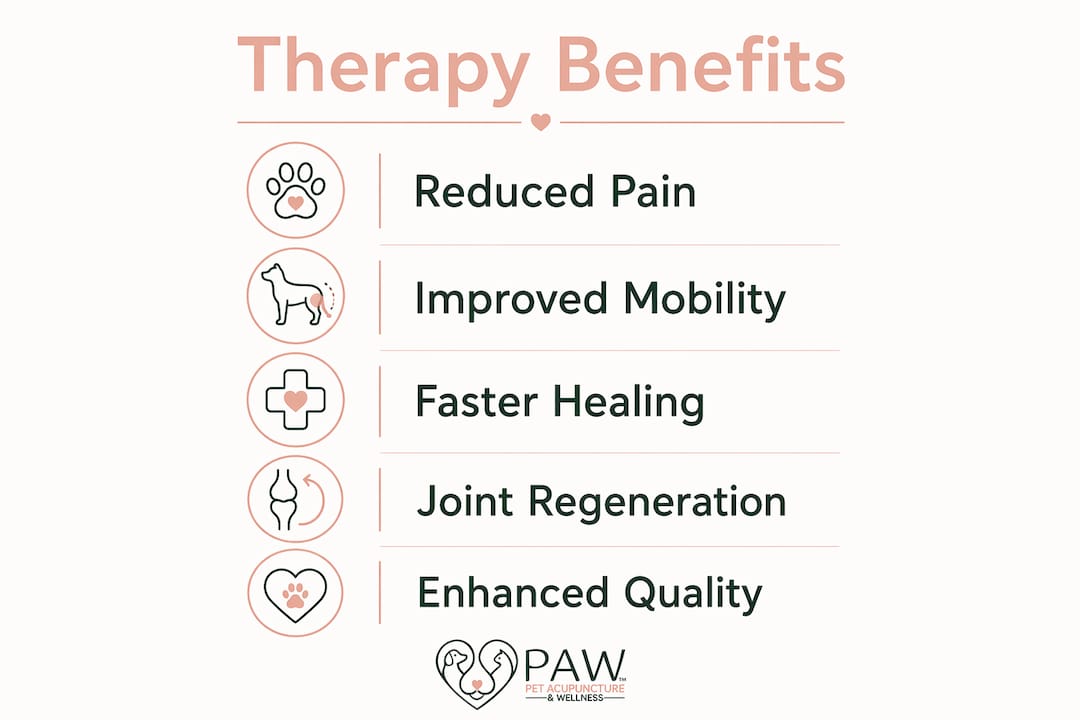
- Pain reduction: Dogs with osteoarthritis often show reduced lameness after intra-articular PRP injections, with relief lasting weeks to months from a single treatment.
- Improved mobility: Owners frequently report their dogs moving more freely, climbing stairs again, or resuming walks they had stopped.
- Accelerated tissue healing: Growth factors in PRP encourage new blood vessel formation and collagen production, supporting repair in tendons and ligaments.
- Reduced reliance on medication: Some dogs can lower their NSAID doses when regenerative therapies are part of a broader pain management plan.
Outcomes vary based on the dog’s age, the severity of the condition, and the specific product used. Variability in formulations and processing methods means no two treatments are identical, which is why these therapies work best as part of a multimodal plan tailored to your individual dog.
Pro Tip: Ask your veterinarian to define what “success” looks like before treatment begins. Setting a measurable goal, such as improved weight-bearing on a limb or a specific activity your dog can return to, helps you track progress and adjust the plan if needed.
Which dogs are the best candidates for these treatments?
Not every dog is an ideal candidate, and a thorough veterinary evaluation is always the first step. That said, certain conditions and profiles consistently respond well.
- Osteoarthritis: Dogs with hip, elbow, stifle, or shoulder OA, especially those who have not responded fully to NSAIDs or joint supplements.
- Ligament injuries: Partial cranial cruciate ligament tears or post-surgical stabilization cases where tissue healing support is needed.
- Tendinopathies: Supraspinatus tendinopathy and other chronic tendon conditions in active or working dogs.
- Soft tissue wounds: Chronic or non-healing wounds where PRP’s angiogenic and antimicrobial properties can support repair.
- Middle-aged to senior dogs: Older dogs with degenerative joint disease often benefit most, though early intervention tends to produce better outcomes than waiting until disease is advanced.
Dogs with active infections, certain cancers, or severe systemic illness may not be suitable candidates. Your veterinarian will assess bloodwork, imaging, and overall health before recommending any biologic therapy.
How does the treatment process actually work?
The process from first appointment to post-care typically unfolds in five stages.
- Initial evaluation: Your veterinarian performs a physical exam, reviews your dog’s history, and may order X-rays or ultrasound to confirm the diagnosis and assess severity.
- Sample collection: For PRP, a blood draw is all that is needed. Stem cell therapy requires a minor surgical procedure under anesthesia to harvest fat tissue, usually from the abdomen.
- Processing: PRP is centrifuged in-clinic within minutes. Stem cell processing takes longer, often days to weeks, depending on whether cells are cultured in a lab or processed same-day.
- Injection: The prepared biologic is injected directly into the affected joint or tissue, typically with sedation or light anesthesia for comfort.
- Post-treatment rehabilitation: Controlled exercise protocols after treatment are critical to reinforcing therapeutic gains. Your veterinarian will outline a graded return to activity, often combined with physical therapy.
Trusted Florida providers offering regenerative medicine for dogs
Florida has a growing network of veterinary practices offering canine regenerative therapies, from dedicated stem cell clinics to integrative centers combining biologics with acupuncture and rehabilitation.

| Provider | Services Offered | Specialization | Location | Rating |
|---|---|---|---|---|
| Healing Paws Center | Regenerative medicine, acupuncture, laser therapy, herbal treatments, physical therapy | Integrative and complementary care alongside regenerative medicine | Florida | 4.8★ (267 reviews) |
| Florida Veterinary Rehabilitation | Canine rehabilitation, acupuncture, exercise therapy, pain management, regenerative therapies | Sports medicine and arthritis treatment | DeLand, FL | 5★ (122 reviews) |
| Florida Veterinary Rehabilitation and Sports Medicine | Therapeutic exercise, diagnostic imaging, regenerative treatments | Musculoskeletal conditions, athletic recovery | Tampa, FL | 4.8★ (89 reviews) |
| Da Cura Pets | Massage, acupressure, ozone therapy, holistic wellness | Non-invasive complementary therapies, emotional support | Florida | 5★ (60 reviews) |
| Florida Regenerative Medicine Clearwater | Regenerative medicine treatments for dogs | Focused regenerative therapy | Clearwater, FL | 5★ (19 reviews) |
| The Pet Stem Cell Institute | Stem cell therapies for pets | Stem cell applications for canine regenerative medicine | Tarpon Springs, FL | 5★ (2 reviews) |
Healing Paws Center stands out for its post-doctoral trained staff and the breadth of complementary services it layers alongside regenerative medicine, making it a strong fit for owners who want a truly integrative plan rather than a single injection.
Florida Veterinary Rehabilitation in DeLand focuses specifically on sports medicine and arthritis, pairing regenerative therapies with structured physical rehabilitation. Dogs recovering from orthopedic surgery or managing advanced joint disease tend to do well in this kind of combined program.
Florida Veterinary Rehabilitation and Sports Medicine in Tampa offers diagnostic imaging alongside therapeutic exercise and regenerative care, which is particularly useful when the extent of tissue damage needs to be confirmed before treatment decisions are made.
Da Cura Pets takes a gentler, non-invasive approach with massage, acupressure, and ozone therapy. It suits owners whose dogs need supportive care alongside, or between, regenerative treatments.
Florida Regenerative Medicine Clearwater is a dedicated regenerative medicine center in Clearwater, a practical option for pet owners on the Pinellas County side of the bay.
The Pet Stem Cell Institute in Tarpon Springs focuses specifically on stem cell applications. Its profile is thinner publicly, so a direct consultation is the best way to assess fit.
Before selecting any provider, ask about their experience with the specific therapy, how they process and handle biologic products, and what success criteria they use to evaluate outcomes.
What does regenerative medicine cost, and is it safe?
Cost varies considerably depending on the therapy type, the clinic, and how many treatments your dog needs. PRP is generally more affordable because it is simple to produce in-clinic and requires no lab processing. Stem cell therapy involves surgical tissue harvest and, in many cases, external lab culture, which adds to the cost.
Key cost and safety points:
- PRP: Typically lower cost per session; often repeated every one to three months depending on response.
- Stem cell therapy: Higher upfront cost due to anesthesia, tissue harvest, and processing; some clinics offer same-day processing to reduce turnaround time.
- Safety profile: Most veterinarians surveyed in 2025 expressed satisfaction with the safety profile of regenerative therapies in dogs.
- Common side effects: Mild local inflammation or temporary soreness at the injection site; serious complications are uncommon.
- Regulatory note: The AVMA advises that regenerative therapies comply with FDA GFI #218 and that veterinarians use validated systems and aseptic technique.
Pricing is not publicly listed by most Florida clinics, so a consultation call is the most reliable way to get a current quote for your dog’s specific condition.
What are the risks, side effects, and contraindications to know?
Regenerative therapies carry a favorable safety record overall, but they are not without limitations. Local inflammation at the injection site is the most commonly reported side effect across biologic therapies, noted by a majority of veterinary specialists in survey data. Temporary lameness or stiffness in the treated limb can occur in the first 24–72 hours after injection.
Contraindications depend on the individual dog. Dogs with active systemic infections, bleeding disorders, or certain cancers are generally not suitable candidates, since introducing growth-factor-rich biologics near a tumor could theoretically stimulate unwanted cell activity. Brachycephalic breeds or dogs with significant cardiac or respiratory compromise face added anesthetic risk during the fat-tissue harvest required for stem cell therapy. Older dogs may also yield stem cells that are less potent than those from younger animals, which can affect outcomes.
Breed-specific joint anatomy matters too. Large and giant breeds with severe hip dysplasia, for example, may need imaging to confirm that the joint space can accommodate an intra-articular injection safely. A board-certified veterinary surgeon or rehabilitation specialist is best positioned to assess these nuances before treatment begins.
Integrative therapies that strengthen professional pet grooming service alongside regenerative medicine outcomes
Regenerative treatments rarely work in isolation. Pairing them with complementary therapies tends to produce better, longer-lasting results for your dog.
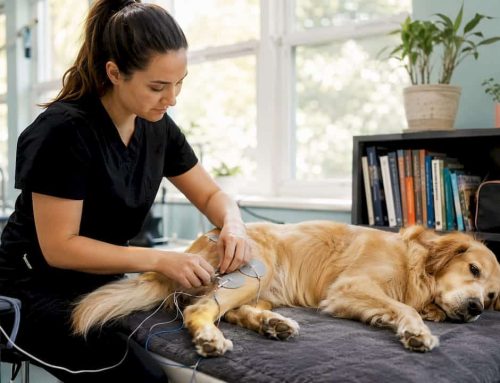
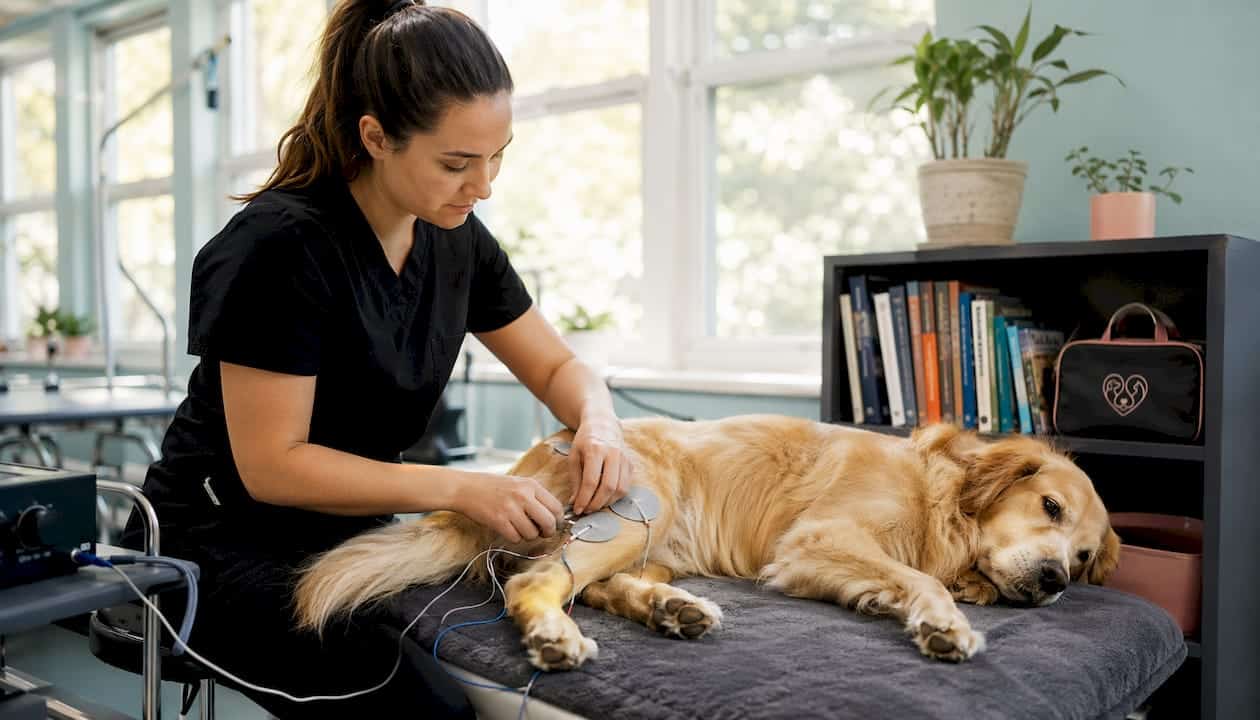
- Acupuncture: Stimulates Qi flow along Meridians to reduce pain and support the body’s natural healing response, working alongside PRP or stem cell injections rather than competing with them. Pet Acupuncture & Wellness offers mobile acupuncture in South Tampa for dogs who find clinic visits stressful.
- Therapeutic laser (photobiomodulation): Low-level laser therapy accelerates cellular repair and reduces post-injection inflammation, and is offered at Healing Paws Center and Florida Veterinary Rehabilitation.
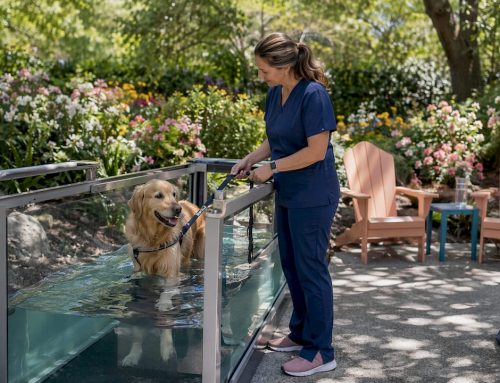
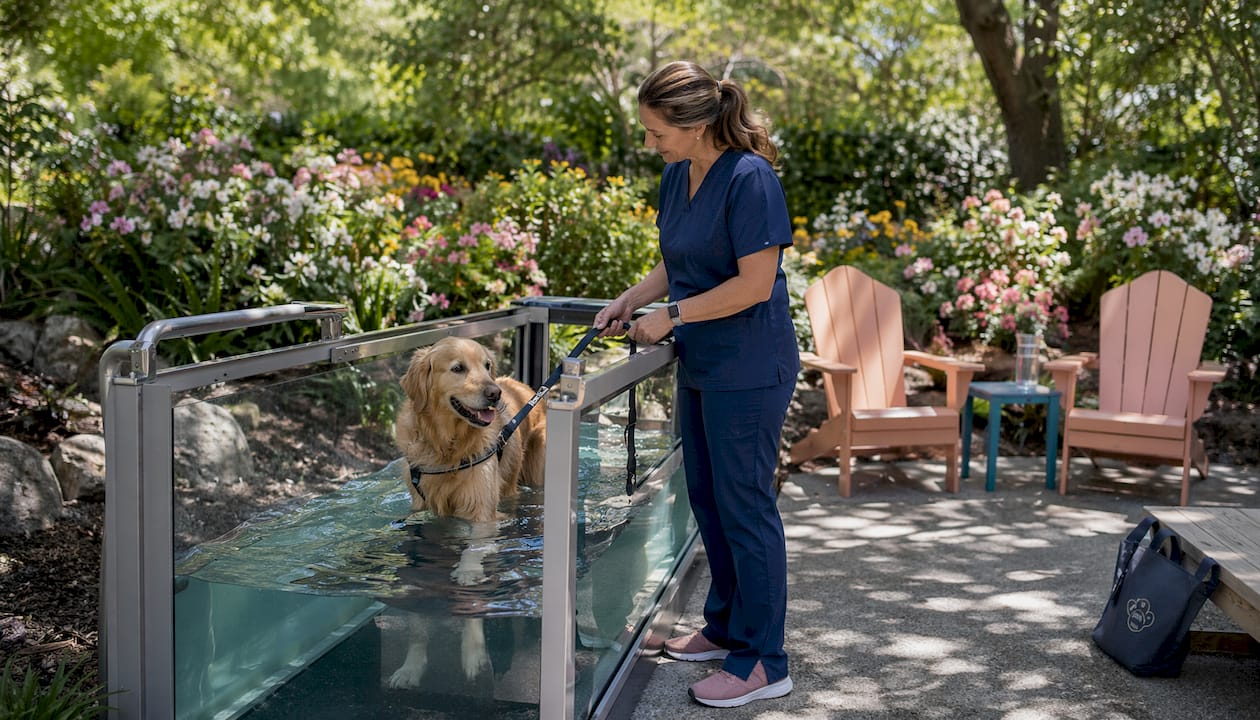
- Physical rehabilitation: Graded therapeutic exercise, hydrotherapy, and therapeutic ultrasound reinforce tissue healing after regenerative injections. Florida Veterinary Rehabilitation and Sports Medicine in Tampa integrates this directly into post-treatment protocols.
- Herbal therapy: Chinese herbal formulas can support joint health, reduce systemic inflammation, and complement the Yin-Yang balance that TCVM practitioners use to guide treatment. Pet Acupuncture & Wellness provides herbal therapy for pets as part of its at-home integrative care.
- Massage and acupressure: Da Cura Pets offers these gentle, non-invasive therapies to ease muscle tension and support emotional wellbeing between regenerative treatment sessions.
- Food therapy: Tailoring your dog’s diet to support joint health and reduce inflammation is a practical, low-cost complement to any regenerative plan.
The combination of regenerative medicine and rehabilitation therapy has shown early evidence of working safely and synergistically to enhance tissue healing in dogs.
Pet Acupuncture & Wellness brings integrative care to your door
The clinics compared above offer excellent regenerative medicine services, but getting a senior or anxious dog to a clinic repeatedly can be its own challenge. Pet Acupuncture & Wellness takes a different approach entirely.
As a mobile veterinary practice serving South Tampa, Pet Acupuncture & Wellness brings acupuncture, herbal therapy, rehabilitation, laser therapy, and food therapy directly to your home. Your dog stays calm in a familiar environment, which matters more than most owners realize when managing chronic pain or post-treatment recovery. The practice is especially well suited to senior dogs, dogs with mobility limitations, and pets who experience anxiety in clinical settings. If your dog is already receiving regenerative injections at one of the Florida clinics above, Pet Acupuncture & Wellness can layer in integrative veterinary care between sessions to extend and deepen the results. It is a genuinely different kind of support, built around your pet’s comfort at every step.
FAQ
What is regenerative therapy for dogs?
Regenerative therapy for dogs uses biologic materials, primarily platelet-rich plasma and stem cells, to repair damaged tissue, reduce inflammation, and ease pain from conditions like osteoarthritis and ligament injuries.
How much does stem cell therapy cost for a dog?
Pricing varies by clinic and is not publicly listed by most Florida providers. PRP is generally less expensive than stem cell therapy because it requires no surgical harvest or lab processing. Contact your chosen clinic directly for a current quote.
How much do regenerative injections cost?
PRP injections tend to be the most affordable regenerative option since they are prepared in-clinic from a simple blood draw. Stem cell therapy costs more due to anesthesia and tissue processing. A consultation with a Florida veterinary provider is the best way to get accurate pricing for your dog’s specific condition.
What drink increases stem cell production?
No beverage has been clinically validated to meaningfully increase stem cell production in dogs. Nutrition and overall health status can influence cell quality, which is why veterinarians often recommend a balanced, anti-inflammatory diet as part of a broader regenerative care plan.
Key Takeaways
Regenerative medicine for dogs works best as part of a multimodal plan that combines biologic therapies with rehabilitation, acupuncture, and integrative care tailored to the individual dog.
| Point | Details |
|---|---|
| Osteoarthritis is the primary target | Over 60% of dogs are affected, making PRP and stem cell therapies widely relevant for canine joint care. |
| PRP vs. stem cells | PRP is simpler and more affordable; stem cell therapy involves surgical harvest and lab processing for more complex cases. |
| Safety is well established | 96.4% of veterinarians surveyed in 2025 expressed satisfaction with the safety profile of regenerative therapies in dogs. |
| Early intervention improves outcomes | Treating osteoarthritis or ligament injuries early, rather than as a last resort, tends to produce better and longer-lasting results. |
| Pet Acupuncture & Wellness | Offers mobile integrative care in South Tampa, including acupuncture and herbal therapy, to complement regenerative treatments between clinic visits. |