Your dog still wants to follow you from room to room, but now pauses before getting up. Your cat still hops onto the couch, but not the windowsill she used to claim every afternoon. Nothing looks dramatic. There's no obvious emergency. Still, you can feel that something has changed.
That's often how pain and mobility issues show up in pets. They don't usually announce discomfort clearly. They move less, hesitate more, sleep differently, or seem a little less like themselves. For many South Tampa families, that's the point where they start looking for help that feels calm, practical, and gentle.
Acupuncture for pets can fit that moment well, especially when care happens at home where your pet already feels safe.
Your Pet Deserves Comfort Here in South Tampa
In South Tampa, a lot of pets I see aren't in obvious crisis. They're older dogs who've started lagging behind on neighborhood walks. They're cats who used to leap onto the bed but now circle first, deciding whether the jump is worth it. They're recovering patients who seem better on paper, but still carry stiffness, tension, or anxiety in their bodies.
That kind of change matters.
A pet doesn't need to cry out to be uncomfortable. Subtle signs often tell the story first:
- Slower movement: getting up stiffly after resting
- Hesitation: pausing before stairs, couches, or the car
- Less engagement: walking away sooner from play or family activity
- Mood shifts: seeming quieter, clingier, or more irritable
- Different routines: sleeping in new places or avoiding favorite spots
For many owners, the hardest part is not knowing whether they're overreacting or catching something early. Usually, if you've noticed a pattern, it's worth paying attention to it.
That's where in-home care can make a real difference. Instead of loading a sore or anxious pet into the car, waiting in a lobby, and asking them to settle in a stressful clinic environment, treatment happens in the place where they already relax. For families looking into in-home veterinary services in South Tampa, that home setting is often part of what makes the visit easier on both the pet and the owner.
Pets often show discomfort by changing behavior before they show dramatic lameness.
Acupuncture for pets isn't about replacing every other kind of medicine. It's about adding another tool when a pet needs better pain control, better mobility, or a more comfortable recovery path.
How Pet Acupuncture Works A Gentle Explanation
Acupuncture can sound mysterious until you see how simple the treatment is.
A useful way to think about it is a traffic jam. The body is always sending messages through nerves, muscles, blood vessels, and connective tissue. When a pet has pain, tension, or injury, those signals can get disorganized. Some areas become overreactive. Others stop communicating well. Acupuncture helps nudge that system back toward a steadier flow.
In traditional terms, people often describe this as restoring balance along pathways in the body. In plain language, that means using precise points to influence how the body responds to pain, tension, and healing.
What The Needles Are Doing
The needles used for acupuncture for pets are very fine and flexible. Most animals tolerate them far better than owners expect. Some notice the initial placement. Many barely react. Quite a few settle down once treatment begins.

Modern veterinary research gives us a clear biological explanation for why this can help. Acupuncture works by stimulating muscles and nerves to increase the body's natural production of endogenous opioids, which are pain-relieving substances that function similarly to pharmaceutical opioids like morphine but without the associated side effects such as nausea or diarrhea, as described in this veterinary acupuncture review on ScienceDirect. That same review notes its use across conditions including radial nerve paralysis, femoral nerve injury, arthritis, anxiety, and digestive issues.
Why Some Pets Relax During Treatment
Once the points are selected and the needles are in place, the body often shifts into a calmer state. Muscles soften. Breathing slows. A worried pet may stop scanning the room and just rest. That response isn't unusual. It's one of the reasons acupuncture for pets feels gentler in real life than many owners imagine beforehand.
The most important part is point selection. Two pets can both have arthritis, but the treatment plan may differ based on where they hurt, how they compensate, how they sleep, and what the exam shows. If you want a closer look at how a veterinarian chooses those points, this overview of acupuncture point selection for pets is a helpful next step.
Practical rule: Acupuncture shouldn't feel forceful. If a pet is highly distressed, the plan needs adjustment.
Common Conditions Pet Acupuncture Can Help
Acupuncture for pets works best when it's matched to the right problem and used with realistic expectations. It's not a cure-all. It's a medical tool that can be very useful for certain patterns of pain, mobility loss, and neurologic dysfunction.

Where It Often Helps Most
Some of the most common conditions that respond well include:
- Arthritis and chronic joint pain: This is one of the most practical uses for acupuncture. It can help pets who are stiff after rest, reluctant on walks, or sore after activity. It's especially useful as part of a broader plan rather than as the only therapy.
- Hip dysplasia: In dogs with hip dysplasia, gold needle implantation at specific acupoints reduced pain scores by 65% and decreased pain signals in 83% of treated animals, while also improving mobility, according to this study on canine acupuncture and gold bead implantation.
- Intervertebral disc disease and back pain: Pets with spinal pain or nerve compression may benefit when treatment targets both pain control and neurologic recovery.
- Post-injury or post-surgical support: When a pet is recovering but still guarded, tight, or weak, acupuncture may help them move more comfortably during the healing period.
- Anxiety and stress-sensitive patients: Some pets carry tension in their whole body, especially around travel and vet visits. The home setting matters here as much as the treatment itself.
What Works And What Does Not
This is the trade-off owners deserve to hear plainly. Acupuncture is not reliably strong as a sole analgesic for canine chronic musculoskeletal pain. A review of the evidence found that three studies did not show significant pain reduction or functional improvement when acupuncture was used by itself for that problem, as summarized in Veterinary Evidence's review of canine acupuncture.
That doesn't make it useless. It makes it a complementary modality. In practice, it tends to perform best when paired with the rest of a thoughtful plan, which may include rehabilitation, home exercise, weight management, medication, or other supportive care.
A Good Fit For The Right Patient
For owners looking specifically at mobility support for older dogs, dog acupuncture for arthritis is often where this conversation starts. The pets who usually do best are the ones with a clear pattern: stiffness, soreness, compensatory muscle tension, or a neurologic issue that needs more than rest alone.
The strongest results usually come from matching the technique to the condition, not from using acupuncture as a stand-alone answer for every painful pet.
What to Expect During an At Home Acupuncture Session
Most owners feel better once they know what the visit looks like.
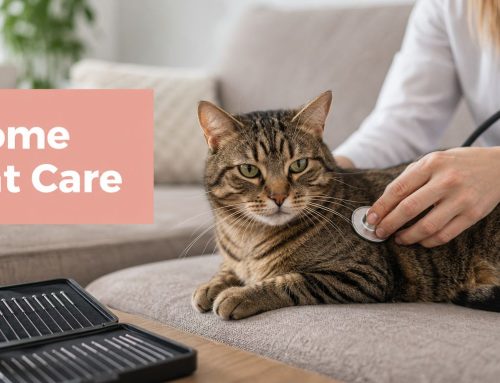
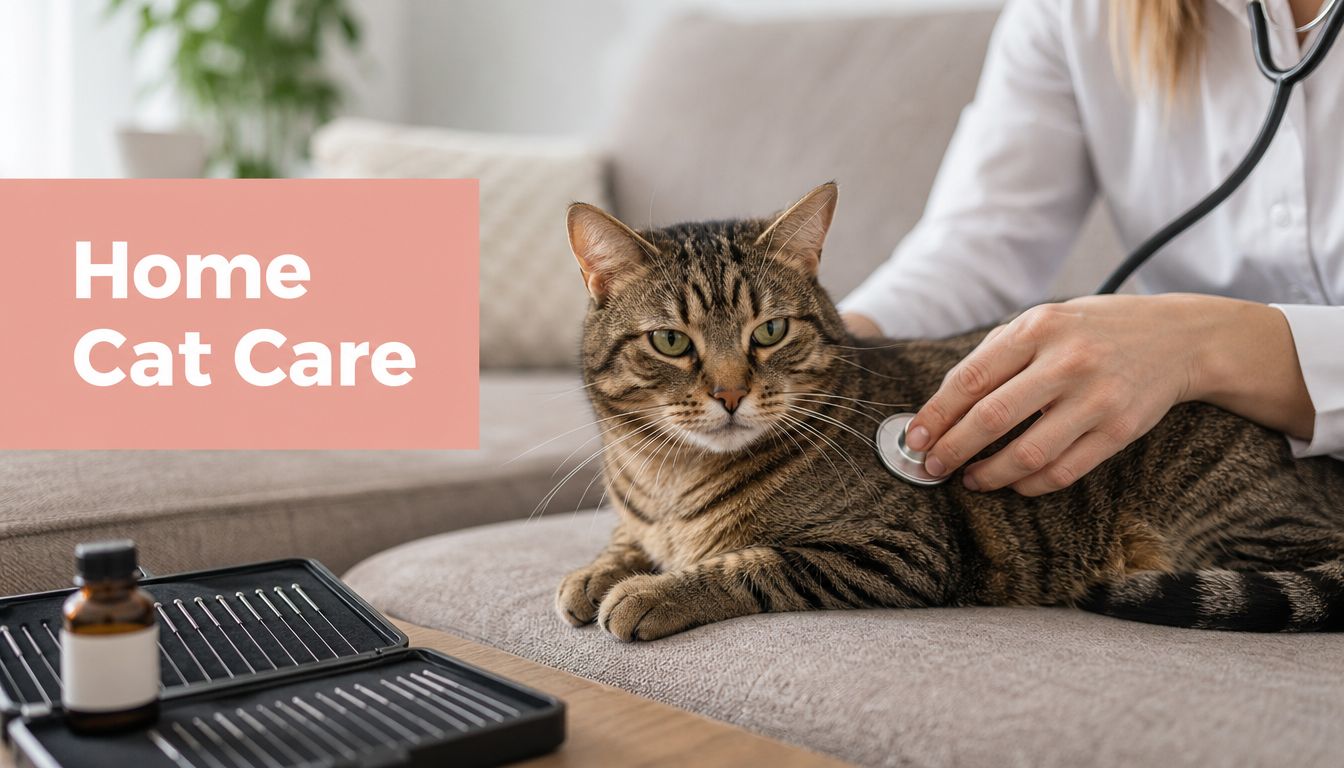
A home acupuncture appointment is quiet by design. The pace is slower than a busy clinic visit, and that matters. Your pet can stay on their own bed, your rug, the couch cushion they always choose, or any spot where they naturally settle.

The First Few Minutes
The visit usually starts with observation before any needles come out. How your pet walks across the room matters. How they stand, sit, turn, or shift weight matters too. In an integrative exam, details like muscle tension, posture, behavior, tongue appearance, and pulse quality can help shape the plan.
Then comes the hands-on part of the assessment. Sore areas, weak areas, compensating areas, and guarded movements all help determine which points make sense for that day. The treatment should fit the pet in front of you, not a generic diagnosis.
At this stage, one practical option for South Tampa families is Pet Acupuncture & Wellness (PAW Vet Practice), which provides mobile, in-home visits focused on acupuncture, pain relief, mobility support, and related integrative therapies within the South Tampa service area.
Needle Placement And Rest Time
Once the plan is set, the needles go in gently and one at a time. Some pets glance back for the first needle and then ignore the rest. Others become noticeably drowsy. A few need a slower approach with fewer points at the beginning, and that's fine.
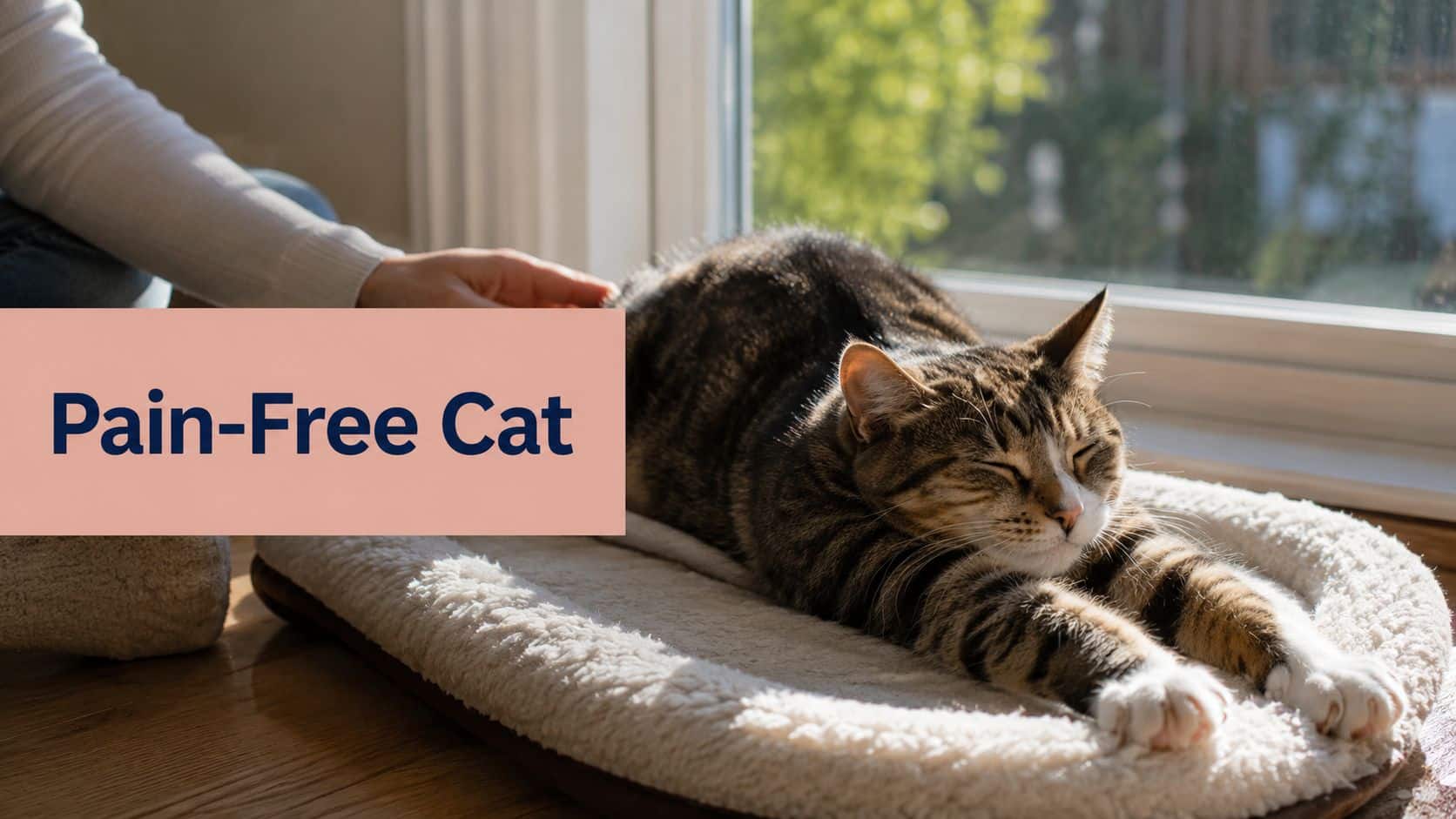
After placement, the room gets quiet. This is often the most surprising part for owners. Instead of a pet becoming more worked up, many soften into the blanket or bed beneath them. Some close their eyes. Some sleep.
A short example can help set expectations before you watch the video below.
What They May Feel Afterward
Most pets do well after treatment, but owners should know that “relaxed” isn't the only normal response. In nerve “wake-up” cases, especially back injuries, acupuncture can cause a temporary pain flare in the first day. According to this veterinary acupuncture FAQ discussing post-treatment soreness, that transient worsening often appears in the first 24 hours, usually settles within 1 to 2 days, and the pain-relief window can last up to 14 days after the session.
That's a useful trade-off to understand in advance. A pet may be sleepy, looser, or brighter afterward. Another may be a little sore before improving. Neither response automatically means the treatment was wrong.
The Plan Before The Vet Leaves
Before the visit ends, the owner should know three things:
- What was treated: the main pain or neurologic patterns found on exam
- What to watch for: improved ease of movement, energy changes, soreness, or restfulness
- What happens next: whether the pet likely needs a series of sessions, supportive exercises, or coordination with their regular veterinarian
That clarity matters. Acupuncture for pets works best when the owner knows what improvement should look like at home.
Advanced Therapies Electroacupuncture and More
Not every pet needs the same version of treatment. Standard dry-needle acupuncture is one option, but some cases respond better when the technique changes.

Traditional Acupuncture
This is the typical form. Fine needles are placed at selected acupoints and left in place for a period of quiet rest. It's often a good starting point for arthritis, mild mobility decline, general pain management, and pets who need a very gentle introduction.
Electroacupuncture
Electroacupuncture adds a mild electrical current between selected needles. The sensation is controlled and deliberate, and it's often used when a stronger neurologic or pain-modulating effect is needed.
In animal models, electroacupuncture statistically equals butorphanol for pain relief, while also showing minimal cardiorespiratory effects and helping accelerate motor recovery in dogs with IVDD, according to this review of electroacupuncture in veterinary medicine. In practical terms, that makes it especially relevant for nerve injury, spinal pain, weakness, and certain paralysis cases.
If you're comparing the two approaches side by side, this explanation of electroacupuncture vs acupuncture helps clarify when each may fit.
Aquapuncture And Laser Therapy
Aquapuncture uses a small amount of sterile liquid placed into selected acupuncture points for a more sustained local effect. It can be useful when a pet won't tolerate many needles or when a longer point stimulation is desired.
Laser therapy is different. It's needle-free. Instead of inserting anything, the clinician applies therapeutic light to targeted areas or points to support circulation and reduce inflammation. This can be a good match for sensitive patients, some cats, or owners who want a non-needle adjunct.
The best modality is the one that matches the pet's condition, temperament, and tolerance on that day.
Choosing a Practitioner and Working With Your Vet
The person performing acupuncture matters as much as the technique.
A licensed veterinarian should be the baseline. For acupuncture, that still isn't enough on its own. The credential that matters here is Certified Veterinary Medical Acupuncturist, or cVMA. That specific training matters because acupuncture point selection, anatomy, neurologic assessment, and treatment planning require more than general veterinary schooling.
A practical summary from this guide to acupuncture credentials for animals makes the point clearly: many articles say acupuncture is safe if done by a “trained vet,” but fail to specify that owners should look for a cVMA-certified veterinarian.
How To Verify The Right Training
Owners don't need to guess. Ask directly:
- What acupuncture certification do you hold?
- Are you a licensed veterinarian?
- How do you decide which points or modalities to use?
- Do you coordinate with my pet's primary veterinarian?
You can also review a practitioner's credentials before booking. If you want to see what that designation means in a clinical setting, this page on a certified veterinary acupuncturist gives a straightforward overview.
Why Collaboration Matters
Integrative care works best when it supports, not competes with, the rest of your pet's medicine. A good acupuncture veterinarian doesn't act like pain, weakness, or gait change only has one answer. They look at the full picture and communicate with the primary care vet when needed.
That's especially important if your pet already has imaging, lab work, medications, or a surgical history. Acupuncture for pets belongs inside that larger medical context.
This is not optional. Good integrative care should make the whole treatment plan clearer, not more fragmented.
Frequently Asked Questions For South Tampa Pet Owners
How many sessions will my pet need
Most pets don't get long-term benefit from a single visit. A standard treatment course typically involves 4 to 6 weekly sessions, according to this overview of common veterinary acupuncture timelines. After that, some pets taper to maintenance visits based on how long relief lasts and what condition is being managed.
How much does a session cost
Costs vary by provider, location, and case complexity. In the United States, veterinary acupuncture commonly ranges from $25 to $250 per treatment, and package discounts are often available, as noted in this PetMD guide to acupuncture for dogs. For South Tampa owners, the final fee depends on the practitioner, travel model, and whether the visit includes related services.
Is my pet too old or too anxious for acupuncture
Age by itself usually isn't the deciding factor. Many senior pets are good candidates because the goal is often comfort, mobility, and quality of life. Anxiety also doesn't automatically rule a pet out. In fact, some pets do better with acupuncture at home precisely because they aren't dealing with the car ride, waiting room, and clinic noise.
How do I prepare my home for a visit
Keep it simple. A quiet room helps. Your pet's usual bed, mat, or blanket is useful. Have treats ready if they're allowed, and let the veterinarian know in advance if your pet has handling triggers, a bite history, or a favorite place where they settle most easily.
How do I know if it's working
Look for functional change, not just dramatic moments. A pet may rise more easily, turn more smoothly, settle better at night, or rejoin routines they'd been avoiding. Those day-to-day improvements often matter more than one big “before and after” moment.
If your dog or cat in South Tampa seems stiffer, slower, or less comfortable at home, Pet Acupuncture & Wellness (PAW Vet Practice) offers mobile integrative veterinary care designed to work alongside your primary veterinarian. The focus is practical: reduce pain, improve mobility, and help your pet feel more at ease in the place they know best.