Your dog has a new arthritis prescription. Your cat just started a heart medication. You pick up a calming chew, a mushroom blend, or an herbal joint supplement because you want to help, not complicate things. That instinct is loving and reasonable.
It's also where many problems begin.
Most pet owners don't think of herbs as medications, but many of them act like medications in the body. They can change how a drug is absorbed, how fast the liver clears it, or how strongly it affects blood clotting, blood pressure, or sedation. In integrative veterinary care, that doesn't mean herbs are bad. It means they need the same respect you'd give any prescription bottle.
For families in South Tampa, this matters even more because many dogs and cats I see are seniors, take multiple medications, and have caregivers trying hard to support comfort, mobility, and quality of life at home.
The Hidden Risks In Your Pet's Supplement Cabinet
A common scenario looks like this. A senior dog starts slowing down, struggles to rise after naps, and seems stiff on morning walks. A devoted owner adds a “natural” supplement on top of pain medication because helping more feels better than waiting.
That decision usually comes from kindness, not carelessness.

The trouble is that “natural” doesn't mean inactive. Herbs, botanicals, and many supplement blends contain compounds that can push the body in the same way drugs do. If a dog already takes an anti-inflammatory, seizure medication, heart medication, steroid, or anxiety medication, adding an herb can create an effect nobody intended.
Why Senior Pets Need Extra Attention
Senior pets often mirror the complexity we see in older human patients. They're more likely to have arthritis, heart disease, endocrine disease, liver changes, kidney changes, or chronic pain. They're also more likely to be taking more than one thing at a time.
Studies of elderly human patients, who often have health profiles similar to senior pets, found that over 43% using herbal medicines with prescription drugs were at risk for potential interactions, which shows how common and serious these combinations can be and why pet owners need to stay alert too (elder herbal-drug interaction data).
If you're already looking at supplements for older dogs, that's a good instinct. The safer next step is making sure each product fits with your pet's actual medication list, diagnosis, and liver or kidney status.
Practical rule: If a product can change pain, mood, inflammation, clotting, sleep, or digestion, treat it like it has drug-like effects until your veterinarian proves otherwise.
The Real Risk Isn't Just The Herb
The biggest mistake isn't giving a supplement. It's giving a supplement without reviewing the full picture first.
A bottle may look gentle on the label and still conflict with a prescription your pet needs every day. That's why herbal interactions with medications deserve calm attention, not panic. With the right review, many combinations can be avoided before they ever become a problem.
How Herbal Supplements And Medications Interact
The easiest way to understand herbal interactions with medications is to stop thinking in terms of “natural versus pharmaceutical.” The body doesn't sort products that way. The body only sees chemicals, pathways, and workload.
Here's the simple version. Herbs can change what happens to a drug before it works, while it works, or after the body tries to clear it.

Metabolism Changes In The Liver
Think of the liver like a highway system with many lanes. Medications travel through that system to be processed and cleared. Some herbs slow the traffic down. Others speed it up.
St. John's wort is the classic example. It induces the liver enzyme CYP3A4, which “speeds up the highway,” so the body can clear important medications like cyclosporine or warfarin too quickly, which may lead to treatment failure (AAFP review of St. John's wort interactions).
For pets, the practical meaning is straightforward. If an herb makes the liver clear a drug faster, the drug may no longer do its job well enough. If an herb slows clearance instead, the drug level may rise and side effects can become more likely.
Additive Effects In The Body
Sometimes the issue isn't liver metabolism at all. Sometimes two substances push in the same direction.
Imagine two singers both trying to belt the same note. One voice may be fine. Add the second, and suddenly the room is overwhelmed.
Common additive patterns include:
- Bleeding support on top of blood-thinning effects when an herb and a medication both reduce clotting
- Sedation on top of sedation when a calming herb is added to a prescription sedative, anti-anxiety drug, or anesthetic plan
- Blood sugar lowering on top of diabetes treatment when a supplement adds to the effect of insulin or other glucose-lowering therapy
In pets, this can show up as bruising, weakness, wobbliness, unusual sleepiness, low appetite, or a pet that “isn't acting right” after a new product is started.
When a pet declines soon after a new supplement is added, I don't assume the herb is harmful on its own. I assume the combination needs to be investigated.
Competition For Transport And Binding
A third mechanism is less familiar but still useful to understand. Some drugs travel through the bloodstream attached to proteins, almost like passengers riding in taxis. If another compound competes for the same ride, more of the drug may be left “free” in circulation.
That free fraction can matter. More free drug can mean stronger effects, more side effects, or less predictable dosing. Pet owners don't need to memorize protein binding theory, but they should know this: even a supplement that doesn't look dramatic can still change how a medication behaves.
Absorption Can Change Too
Some supplements interfere before the medication even reaches the bloodstream. Minerals and certain botanicals can reduce absorption of other products in the digestive tract.
That matters in real life because timing can be part of the fix. In some cases, separating products helps. In others, the pairing is risky enough that separation isn't enough and the combination should be avoided.
A useful owner mindset is this:
- Ask what the herb does in the body
- Ask what the prescription does in the body
- Ask whether those effects overlap, oppose, or alter clearance
- Ask whether timing changes the risk or whether the pair shouldn't be used together
That's the practical core of herbal interactions with medications. It isn't abstract pharmacology. It's the reason one harmless-looking addition can change a stable pet's response to treatment.
Common Herb-Drug Combinations Of Concern For Pets
The interaction list is long. Very long. There are nearly 1,500 documented interactions involving over 500 drugs and 200 herbal products, with St. John's wort, ginkgo, and licorice among the most common herbs involved, and warfarin, insulin, aspirin, and digoxin among the drugs most often affected (documented herb and drug interaction overview).
That doesn't mean every listed interaction is equally dangerous for your dog or cat. It does mean owners should stop guessing.

If you've explored dog herbal remedies, keep this next step in mind. The right herb for one dog can be the wrong herb for another when medication lists differ.
St. John's Wort
This herb deserves special caution. It can reduce the effectiveness of many medications by increasing how quickly the body clears them. In practical terms, that means a drug your pet depends on may not stay at a useful level.
Pairs of concern include:
- Heart and transplant-related medications
- Drugs with narrow dosing margins
- Blood-thinner type medications
- Some behavioral medications
For pet owners, the key takeaway is simple. Don't start St. John's wort casually, especially if your pet is on anything long-term.
Ginkgo Biloba
Ginkgo often gets marketed for circulation or cognitive support. The problem is that it can also increase bleeding risk when paired with drugs that already affect clotting.
This concern is especially relevant when a pet is taking:
- NSAIDs
- Aspirin
- Other medications with blood-thinning effects
- Products being used before surgery or dental procedures
A dog with arthritis may already be on an anti-inflammatory. Add ginkgo without review, and you may increase the chance of bruising, GI bleeding, or prolonged bleeding after a procedure.
Here's a short explainer worth watching before you mix supplements and prescriptions:
Garlic
Garlic is tricky because owners often think of it as a food first and a medicinal plant second. In concentrated supplemental form, that distinction matters less.
The concern isn't only whether garlic belongs in a pet's plan at all. It's also whether it's being layered onto medications that may already irritate the GI tract or alter clotting. In that setting, a “small natural addition” can become a bad fit.
Ginseng
Ginseng shows up in energy, vitality, and immune support products. The practical worry is that it can complicate management when a pet is on glucose-lowering therapy or on medications where clotting balance matters.
If your pet has diabetes, unexplained appetite shifts, weakness, or episodes that seem like low energy crashes after starting a supplement, ginseng belongs on the list of suspects to review.
Valerian And Other Calming Herbs
Valerian is commonly used for calming or sleep support. Owners may reach for it before storms, travel, grooming, or fireworks. The issue is additive sedation.
That's most important when pets also receive:
- Prescription sedatives
- Anti-anxiety medications
- Pain medications with sedating effects
- Anesthetic drugs around procedures
A cat that becomes unusually dull after a calming supplement may not be “finally relaxed.” That cat may be oversedated.
What works: reviewing the exact product label, including blend ingredients and dose.
What doesn't: relying on the front of the package, which often highlights one herb and hides the rest in small print.
Milk Thistle And Liver-Processed Drugs
Milk thistle is often chosen when owners want “liver support.” Sometimes that makes sense. Sometimes it complicates a plan because the liver is also where many medications are processed.
Real trade-offs matter. A supplement meant to support one organ can still alter how another treatment behaves. It needs a case-by-case decision, especially in pets taking multiple chronic medications.
Warning Signs Of A Negative Herb-Drug Interaction
Most herb-drug problems don't announce themselves clearly. Owners usually notice that their pet seems off. That observation matters. Small behavior changes are often the first clue.
The key is to look for changes that begin after a new supplement, dose adjustment, or medication change.
Digestive Changes
The digestive tract often reacts first. Watch for:
- Vomiting that starts after a new product is added
- Diarrhea or loose stool that doesn't fit your pet's normal pattern
- Loss of appetite or reluctance to eat a meal your pet normally wants
- Drooling or lip licking that may suggest nausea
These signs don't automatically prove an interaction, but they do justify a call if timing lines up.
Behavior And Energy Shifts
Some reactions look neurological or behavioral before anything else becomes obvious.
Keep an eye out for:
- Unusual lethargy or difficulty waking
- Restlessness or agitation
- Wobbliness
- Confusion or seeming “not quite present”
- Sudden changes in sleep pattern
A pet owner may be tempted to “wait for a detox.” That's not a safe assumption. If you're wondering whether symptoms should pass on their own, skip home experimentation and get guidance. A good starting point is understanding why unsupported at-home detox approaches for pets can miss the underlying issue.
If a symptom appears after adding an herb, stop thinking in categories like “natural side effect” versus “drug side effect.” Think timing, combination, and risk.
Visible Physical Signs
Some warning signs are easier to see than to interpret, which is why they're so important.
Watch for:
- Bruising
- Bleeding from the gums
- Pale gums
- Weakness
- Skin rash or facial swelling
- Excessive thirst or urination
- Collapse or near-collapse
When To Call Right Away
Call your veterinarian promptly if your pet has new bleeding, marked weakness, severe vomiting, breathing changes, collapse, or a dramatic mental status change after starting a supplement or combining products.
Bring the bottle, the package, or a photo of the label. That saves time and prevents guesswork.
Your Pet Safety Plan Practical Steps For Every Owner
Safe integrative care depends less on buying the “right” supplement and more on building the right process around it. Owners who keep a complete list and share it early make safer decisions. Owners who rely on memory usually miss something important.
That's not a character flaw. It's just what happens when treats, chews, powders, prescriptions, and supplements live in different cabinets.

Build One Master List
Write down everything your pet gets.
Include:
- Prescription medications
- Over-the-counter medications
- Herbal blends
- Single-ingredient supplements
- Calming chews
- Joint products
- Mushroom blends
- Dental products if they contain active ingredients
- Treats marketed for skin, sleep, mobility, or anxiety
The brand name matters. The ingredient list matters more.
Bring Labels, Not Summaries
Don't tell your veterinarian, “It's just a natural calming chew.” Bring the package or send a photo of the back label.
Many products contain mixed formulas. An owner may remember valerian and miss melatonin, chamomile, L-theanine, hemp-derived ingredients, or other added compounds. The details shape the safety decision.
Be Radically Honest About Everything
Veterinarians aren't judging you for trying to help your pet. We need the full list because interactions are often about combinations, not individual products in isolation.
A major challenge is separating important risks from theoretical ones. For example, some interactions are only hypothetical, while real-world data confirms a 38% higher bleeding risk when Ginkgo is combined with warfarin. A complete supplement list helps your veterinarian focus on proven high-risk pairs first (review of clinically significant versus hypothetical herb-drug risks).
If getting an in-person review is hard, a structured virtual vet visit can be a practical way to go through bottles, photos, and timing without guessing.
Plan Ahead Before Surgery Or Anesthesia
This is one of the most overlooked safety steps.
Before a dental procedure, mass removal, imaging under sedation, or any surgery, tell the veterinary team about every herb and supplement. Many clinicians prefer stopping nonessential herbal products ahead of procedures because some can alter bleeding risk, sedation depth, blood pressure, or recovery.
Don't wait until the morning of surgery to mention supplements. That timing can force delays or increase risk.
Start One New Thing At A Time
When owners introduce three products at once, nobody can tell which one helped, which one caused a problem, or whether the issue was the combination.
A safer pattern looks like this:
- Confirm the full current medication list
- Add only one new supplement
- Monitor appetite, stool, sleep, energy, and behavior
- Report changes quickly
Use A Review System That Matches Real Life
The most useful system is the one you'll maintain. Some owners keep a note on their phone. Others keep a zip bag with labels. Some use a kitchen whiteboard.
One practical option is to use a veterinary review process that looks at current pain, anti-anxiety, seizure, heart, or steroid drugs before any herb is added. That's the kind of screening used in integrative veterinary care visits when herbs are being considered alongside conventional treatment.
What works is consistency. What doesn't is assuming you'll remember every ingredient later.
How PAW Vet Practice Helps South Tampa Pets Thrive
Herbs can be useful. Prescription medications can be necessary. The safest plan is often a thoughtful combination, not an either-or mindset.
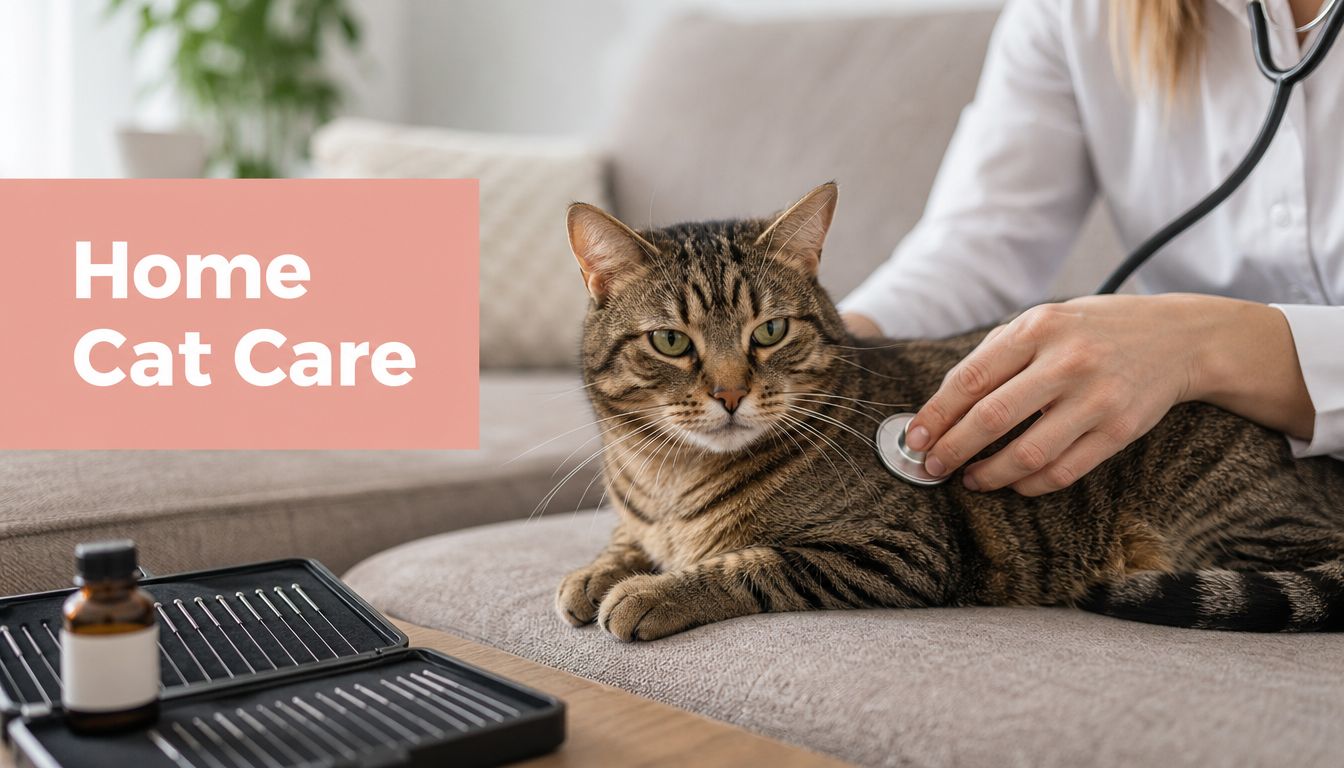
For South Tampa pet owners, in-home care adds something important to that process. A dog or cat in a familiar setting often shows their true mobility, anxiety level, appetite habits, sleep pattern, and daily routine more clearly than they do in a clinic exam room. Those details matter when you're trying to decide whether a supplement is helping, causing side effects, or interacting with medication.
Dr. Monica's work combines conventional veterinary reasoning with Chinese herbal and integrative assessment. That means the conversation isn't limited to “never use herbs” or “try this because it's natural.” It's about checking diagnosis, medication burden, procedure plans, behavior changes, and household routine before adding anything new.
Families who use mobile care in South Tampa often need practical support more than broad theory. They want to know whether the calming chew is compatible with trazodone, whether the joint blend belongs with an NSAID, whether a sedating herb should be stopped before a dental, or whether a senior cat's appetite drop started after a supplement change.
That kind of review is most useful when it's collaborative. Integrative care works best when it complements your primary veterinarian, not replaces them. When everyone is working from the same medication and supplement list, pets stay safer and treatment plans stay clearer.
If you'd like a calm, practical review of your pet's supplements, medications, and integrative options at home in South Tampa, contact Pet Acupuncture & Wellness (PAW Vet Practice). We help dog and cat owners sort through real risks, avoid unsafe combinations, and build treatment plans that support comfort, mobility, and day-to-day well-being.