A search for a South Tampa veterinary hospital usually indicates one of two reasons. Life is calm and you want a dependable clinic before you need one, or something feels off with your pet and you need to decide where to go now.
That decision gets harder in South Tampa because there isn't just one kind of veterinary care nearby. There are traditional full-service hospitals, walk-in models, urgent care options, emergency hospitals, and in-home services that can support recovery or chronic conditions. The right choice depends less on the clinic's marketing language and more on what your pet needs today.
Finding the Right Vet in South Tampa
A good first step is separating primary care from everything else. Your primary veterinarian handles wellness exams, vaccines, routine illness, long-term medication management, and the small changes that matter over time. That relationship becomes the anchor for your pet's care.
For many South Tampa pet owners, convenience matters too. Traffic, work schedules, and anxious pets all affect whether you can realistically keep up with care. If your dog or cat struggles with clinic visits, it can help to look at both a hospital and a house-call option such as a holistic vet near you in South Tampa so you already know what support is available if stress, mobility issues, or chronic pain become part of the picture.
A vet isn't just a place you go for vaccines. It's the team that notices when "slowing down a little" is actually pain, anxiety, dental disease, or early illness.
In South Tampa, the smartest approach is to choose with triage in mind. Ask yourself three practical questions: who will handle routine care, where you'll go after hours, and what support would make treatment easier at home if your pet becomes senior, sore, or medically fragile.
The Landscape of South Tampa Veterinary Hospitals
South Tampa gives pet owners several legitimate options, but the clinic categories can blur together fast. A hospital may call itself full-service, walk-in, or companion animal focused, yet those labels tell you very little about what happens if your dog needs same-day X-rays, your cat needs monitoring after a dental procedure, or your senior pet does much better outside a clinic setting.
What matters more is the clinic's actual setup. Hours. Staffing. Diagnostic equipment. Surgical capacity. Whether they see urgent cases during the day. Whether they transfer after-hours emergencies elsewhere.

What Full Service Usually Means
For most South Tampa hospitals, full-service usually means they can manage the core needs of everyday pet care under one roof:
- Preventive visits such as wellness exams, vaccines, parasite control, and routine screening
- Common medical problems like ear infections, skin disease, mild vomiting or diarrhea, coughing, and limping
- Standard procedures including dentistry, spay and neuter surgery, and minor medical workups
- In-house testing and imaging that help the team make decisions without sending every case elsewhere
That still leaves plenty of variation. Some hospitals have more exam rooms, more treatment staff, or a quieter setup for cats. Others focus on efficient general practice and refer advanced imaging, overnight monitoring, or specialty surgery to larger centers. Neither model is automatically better. The right fit depends on your pet's age, temperament, medical history, and how much support you may need outside a standard appointment.
Why Standards and Systems Matter
A well-run hospital is easier to recognize in person than on a homepage. Look for clear communication, consistent follow-up, written estimates, pain-control protocols, safe anesthesia practices, and a team that knows when referral is the better medical choice. Those systems affect day-to-day care more than marketing language does.
Accreditation can also be one useful marker. Some South Tampa-area hospitals hold AAHA accreditation, which means they choose to meet outside standards for areas such as patient care, anesthesia, and medical records. That does not make non-accredited clinics poor choices. It gives owners one more way to compare how a practice approaches consistency and quality control.
Hospital care is only one part of the picture. For pets with mobility problems, severe car anxiety, chronic pain, or palliative needs, a mobile vet clinic in Tampa can work alongside your primary hospital. In-home care is often a practical extension of good medicine, especially for follow-up exams, comfort-focused care, and cases where reducing stress helps the pet and the family.
A dependable primary hospital should handle ordinary appointments well, explain its limits clearly, and fit cleanly into the rest of your pet's care team.
Emergency Urgent or Routine Care A South Tampa Triage Guide
South Tampa pet owners run into the same problem again and again. A clinic says it's full-service. Another says walk-in. Another says urgent care. Another is open all night. When your dog vomits at 8 p.m. or your cat won't bear weight on a leg, those labels don't help much.
Local veterinary pages often create that confusion by marketing services without clearly defining boundaries between general practice, urgent care, and emergency care, as described by Animal Doctors of South Tampa's walk-in hospital context.
This quick visual helps sort the categories.

Routine Care
Routine care fits problems that are important but usually stable enough to wait for a standard appointment.
Think of situations like these:
- Mild skin or ear problems that are uncomfortable but not rapidly worsening
- Chronic arthritis follow-up when your pet is stiff but otherwise acting normally
- Vaccines and wellness visits when you're staying on schedule
- Behavior, nutrition, or senior-care concerns that need a thoughtful plan, not immediate intervention
A regular veterinarian is usually the right first call here. If transportation or stress is a major issue, a virtual vet visit for guidance can help you decide whether an in-person exam is needed now or can wait.
Urgent Care
Urgent care sits in the middle ground. Your pet shouldn't wait several days, but the situation may not be life-threatening.
Common examples include:
- Limping after a walk when your dog is painful but alert and breathing normally
- Vomiting or diarrhea that is persistent or paired with lethargy
- Sudden ear pain, eye squinting, or allergic flare-ups
- Minor wounds or toenail injuries that need same-day attention
Urgent care can be especially useful after normal business hours, on weekends, or when your primary hospital can't fit you in.
Here is a simple test. If your pet is uncomfortable, worsening, or unable to wait comfortably until the next routine opening, urgent care makes sense. If your pet is unstable, emergency care is safer.
A short explainer can also help if you're sorting this out under stress.
Emergency Care
Emergency hospitals are for pets that may need immediate stabilization, intensive monitoring, oxygen support, surgery, blood products, or round-the-clock treatment.
Go straight to emergency care for problems such as:
- Hit by car or major trauma
- Trouble breathing
- Collapse, seizure, or profound weakness
- Known toxin exposure
- Uncontrolled bleeding
- A bloated abdomen with distress or repeated unproductive retching
If you're debating whether a problem is "serious enough" for emergency care and your pet is struggling to breathe, collapsing, or unable to stand, stop debating and go.
The goal isn't to guess perfectly. It's to get your pet into the right level of care quickly enough that time doesn't become the biggest problem.
How to Choose the Right Primary Vet for Your Pet
Once you know what type of care is what, the next question is more personal. Which clinic fits your pet, your schedule, and the way you want medical decisions handled?
South Tampa gives you a broad range of choices. The market includes long-standing practices advertising more than 60 years combined experience alongside larger systems such as Tampa Bay Animal Hospitals, which operates 8 regional hospitals, according to South Tampa veterinary market data. That range can be a real advantage if you compare thoughtfully.
Questions Worth Asking Before You Commit
Call the clinic. Read the website. Then ask questions that reveal how the practice works.
- How do you handle same-day illness? Some hospitals protect openings for sick pets. Others book out quickly and refer elsewhere.
- Who responds after hours? You need to know whether you'll get triage guidance, a recording, or a direct emergency referral.
- How do you communicate test results and treatment plans? Good medicine falls apart when follow-up is vague.
- What is your approach with fearful pets? This matters more than many owners realize, especially for cats and senior dogs.
- Are there services you commonly refer out? Referral isn't a weakness. It shows the clinic understands its limits.
What Usually Works Best
The best primary vet is rarely the one with the flashiest branding. It's usually the one that does four things well:
- Builds continuity so the team notices changes over time
- Explains options clearly including trade-offs, not just recommendations
- Has a realistic workflow for routine, sick, and follow-up care
- Treats you like a partner instead of rushing through the visit
Common Mistakes Pet Owners Make
Some owners choose based only on distance. Others pick the first clinic with online booking and never ask how emergencies, referrals, or chronic disease management are handled. Those shortcuts can work until your pet develops a recurring issue and you realize the practice isn't a fit.
A good primary veterinarian doesn't need to do everything. They need to know your pet well, communicate clearly, and help you move quickly when the problem belongs somewhere else.
If your dog has chronic ear disease, your cat hides for two days after every appointment, or your senior pet has become progressively stiff, those details should shape your choice. You're not selecting a building. You're selecting a medical relationship.
Integrating At Home Care with Your Veterinary Hospital
Hospital care and in-home care do different jobs. The mistake is assuming one replaces the other.
A hospital is the right setting for diagnostics, imaging, surgery, acute illness, and emergencies. Home-based care becomes useful when the treatment plan needs repetition, patience, reduced stress, or support for day-to-day function. That distinction matters most for senior pets, anxious pets, and pets recovering from injury.

Where The Hospital Leads
In South Tampa, full-service hospitals such as Banfield describe orthopedic mobility workups that use physical exams and imaging to assess bones, joints, and muscles, creating a path toward diagnosis and treatment, as outlined by Banfield's South Tampa mobility assessment page. That matters because limping, stiffness, weakness, and reluctance to jump can come from very different sources.
A painful knee, spinal issue, arthritic hip, or soft tissue strain can look similar at home. Imaging and hands-on orthopedic assessment help sort that out. That is hospital medicine doing what it should do.
Where Home Care Helps
Once the diagnosis is made, some pets do better with part of their plan carried out at home.
That can include:
- Arthritic seniors who need mobility support without the stress of repeated car rides
- Post-operative patients who benefit from calm follow-up checks and home exercise guidance
- Cats with clinic anxiety who shut down in the hospital and hide symptoms
- Palliative patients whose comfort and quality of life need close observation in their normal environment
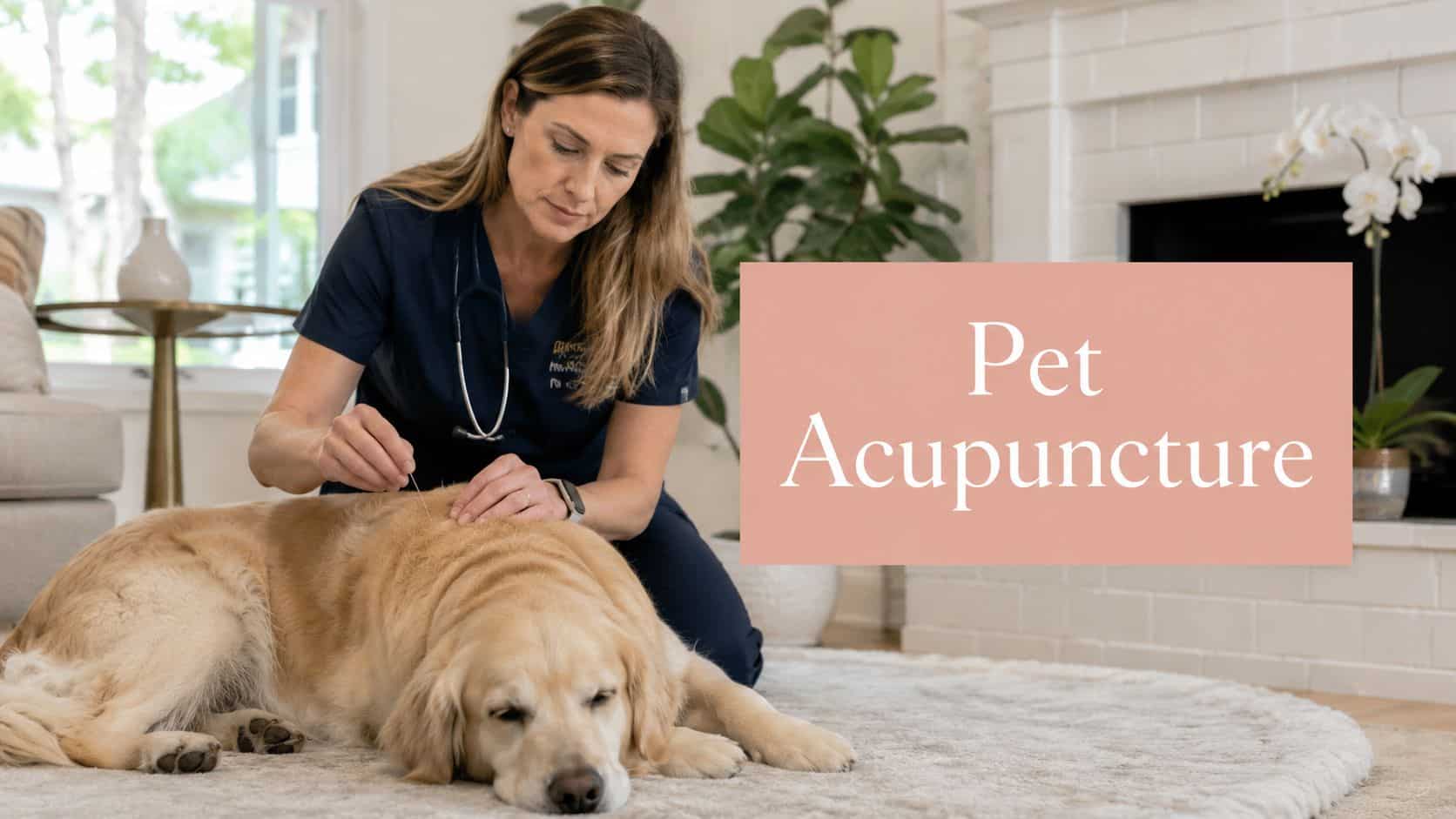
For these pets, in-home care can support medication routines, rehabilitation exercises, laser therapy, acupuncture, and environmental changes like traction, bedding setup, and safer access to food, water, and litter.
The Best Model Is Shared Care
A strong plan often looks like this. The hospital diagnoses and treats the core medical issue. Home-based support helps the pet function better between hospital visits.
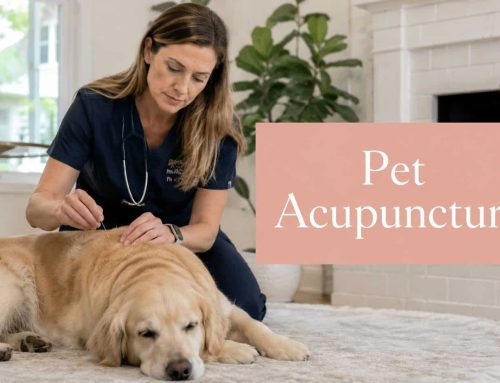
One South Tampa option for that complementary layer is in-home veterinary services through Pet Acupuncture & Wellness (PAW Vet Practice), a mobile service focused on pain relief, mobility, and wellness support for dogs and cats in the home.
What doesn't work well is trying to force home care to do the hospital's job. A house call cannot replace emergency stabilization, surgery, or advanced imaging. Of equal importance, what doesn't work well is asking a painful or panicked pet to do every piece of care in a clinic setting if that stress keeps the plan from being carried out consistently.
Home care works best when the diagnosis is clear, the goals are practical, and everyone involved knows which problems still belong in the hospital.
Building Your Pet's Complete South Tampa Care Team
The most useful mindset is to stop looking for one clinic that does everything. Very few practices can be your primary doctor, urgent care center, emergency room, rehab service, and at-home comfort team all at once.
A better plan is to build a care team around your pet's actual life. Your primary veterinarian handles prevention, routine illness, continuity, and medical decision-making. Urgent and emergency facilities step in when timing or severity changes the equation. In-home support becomes valuable when mobility, chronic pain, recovery, or anxiety make traditional visits harder than they need to be.

For many South Tampa families, the next steps are straightforward:
- Choose your primary hospital carefully based on communication, fit, and access
- Know your after-hours plan before you need it
- Add support layers when needed for senior pets, painful pets, and pets that struggle with clinic stress
If your pet needs that added layer, integrative veterinary care in South Tampa can sit alongside conventional treatment rather than compete with it.
The goal isn't more appointments. It's better coordination, less stress, and care that matches the problem in front of you.
If your dog or cat in South Tampa needs calm, home-based support for mobility, pain management, recovery, or wellness, Pet Acupuncture & Wellness (PAW Vet Practice) offers integrative in-home veterinary care that works alongside your primary veterinarian.