A lot of owners in South Tampa call when something small suddenly doesn't feel small. Their dog slips a little on the tile, hesitates before stepping off the couch, starts walking with a slight head tilt, or seems briefly confused in a room they know well. Those moments are unsettling because neurological problems can look vague at first, then become impossible to ignore.
The good news is that concern is useful. When you notice a change early, you give your veterinarian more information and your dog a better chance at a thoughtful plan. Dog neurological treatment isn't one single therapy. It's a process of finding the cause, deciding what's urgent, and building support around your dog's comfort, function, and safety.
Navigating Your Dog's Neurological Health Journey
A dog's nervous system is the body's control center. It coordinates movement, balance, bladder function, pain sensation, vision, behavior, and consciousness. When something interrupts that system, the signs can range from subtle wobbling to seizures, weakness, facial droop, or sudden inability to stand.
For owners, that uncertainty is often the hardest part. You may wonder if your dog is sore, scared, aging normally, or facing something much more serious. In practice, all of those possibilities can overlap. An older dog with arthritis can also have vestibular disease. A dog with back pain can also have nerve compression. A dog that “just seems off” may be giving the earliest clue that something neurologic is happening.
What Treatment Often Looks Like In Real Life
Many owners expect treatment to mean fixing the problem completely. Sometimes that happens. Often, especially in neurology, the first goal is more practical: reduce pain, prevent worsening, improve mobility, and help your dog function safely at home.
That matters because many canine neurologic conditions are managed rather than cured, and with idiopathic epilepsy, breakthrough episodes can still happen even with medication, so the goal is control rather than total elimination, as explained by ASPCA Pet Health Insurance's overview of neurologic issues in dogs.
Practical rule: A realistic plan is not a lesser plan. If your dog can walk more comfortably, sleep better, eat well, and engage with family again, treatment is working.
The Mindset That Helps Most
Neurologic care goes better when owners stop asking only, “What treatment is there?” and start asking, “What problem are we treating right now?” Those are different questions. A seizure disorder, a neck pain case, a brain lesion, and a weak rear limb case may all look “neurologic,” but they don't get the same plan.
That's why the best approach is usually layered. First, identify emergencies. Next, get a diagnosis or the best working diagnosis possible. Then decide what belongs in the plan: medication, surgery, rehab, home support, or integrative care.
You don't need to become a neurologist overnight. You do need a roadmap, a calm place to start, and a team that can tell you what matters today versus what can wait.
Recognizing the Signs of Neurological Issues
Neurologic symptoms are easier to describe when you group them. Owners often say, “I don't know how to explain it, but he's not right.” Start with what changed: movement, awareness, behavior, or the head and eyes.
Early recognition helps because your veterinarian can localize the problem more accurately when the story is clear. A short phone video can be just as valuable as a written note, especially for tremors, collapse episodes, odd gait, or eye movements.

Changes In Movement
Movement changes are often the first thing families notice on a walk or on slippery floors.
- Unsteady gait means wobbling, weaving, crossing limbs, or looking drunk.
- Weakness can look like delayed rising, knuckling, dragging toes, or collapsing in the rear.
- Circling or leaning may suggest a brain or vestibular problem.
- Sudden paralysis is always urgent, especially if it's paired with pain or loss of bladder control.
Pain can hide inside movement problems. Some dogs don't cry. They stop jumping, refuse stairs, or turn their whole body instead of their neck. If you're unsure whether discomfort is part of what you're seeing, this guide on how not to miss signs of pain in a senior dog or cat can help you spot the quieter clues.
Changes In Consciousness And Behavior
Some neurologic signs are less physical and more cognitive or episodic.
- Seizures may involve full-body convulsions, paddling, jaw chomping, urination, or a period of confusion afterward.
- Staring spells can be brief, repetitive, and easy to dismiss.
- Disorientation may show up as getting stuck in corners, seeming lost in familiar rooms, or staring at walls.
- Personality change can mean clinginess, agitation, unusual withdrawal, or unprovoked irritability.
A useful recording habit is simple:
- Film the episode if it's safe
- Note what happened before it started
- Track how long it lasted
- Describe how your dog behaved afterward
This video gives a helpful visual reference for owners trying to distinguish neurologic warning signs from ordinary clumsiness or aging.
Head And Eye Signs
These signs are especially important because they can point to the brain, cranial nerves, or vestibular system.
- Head tilt that persists
- Rapid eye movements
- Facial asymmetry, such as a drooping lip or eyelid
- Vision change, bumping into objects, or acting startled by familiar obstacles
Bring details, not conclusions. “She tilted her head left and fell twice after waking up” helps more than “I think she had a stroke.”
The Diagnostic Path Your Vet Will Take
Neurologic workups can sound intimidating, but the process is usually very logical. Your veterinarian starts with the least invasive information and uses each step to narrow the list of possible causes. That prevents random testing and helps direct your dog to the right level of care.
A neutral veterinary overview of neurologic disorders notes that treatment decisions often depend on identifying the cause first, which may require imaging, bloodwork, and sometimes spinal fluid testing. You can see that broader framework in this summary from VHA's discussion of neurologic disorders in dogs.

The Exam Tells Us Where To Look
The first diagnostic tool is still the conversation. Onset matters. Sudden signs suggest a different list of problems than gradual decline. Pain matters too. So does whether the problem is constant or episodic.
The neurologic exam then helps localize the issue. Your vet may assess:
- Gait and posture to see whether the problem looks brain, spinal, nerve, or muscle related
- Reflexes and paw placement to check how signals are traveling
- Cranial nerves to evaluate facial movement, eye function, swallowing, and awareness
- Spinal pain through careful palpation and range-of-motion findings
That localization step is a big deal. It answers the practical question, “Where is the problem likely coming from?”
Lab Work And Imaging Each Have A Job
Bloodwork and urinalysis don't show the brain or spinal cord directly, but they can uncover metabolic or systemic problems that mimic neurologic disease. Some dogs with weakness, collapse, or behavior change turn out to have a non-neurologic trigger that still needs urgent treatment.
X-rays are useful for bones and alignment. They can suggest disc space changes, instability, or other structural issues, but they don't show the spinal cord or brain in detail. For that, advanced imaging is often needed.
MRI is usually the best imaging tool for the brain and spinal cord. CT can also be very useful in selected cases. If inflammation, infection, or certain brain and spinal diseases are suspected, cerebrospinal fluid analysis may be recommended after imaging.
The purpose of diagnostics isn't to “do everything.” It's to choose the next test that changes the plan.
When In Home Care Fits The Process
Mobile care can support neurologic cases before and after specialty diagnostics. A house-call visit can document gait changes, home obstacles, mobility challenges, pain triggers, and recovery progress in a way that's hard to see in a clinic lobby. For South Tampa families who need local support around that process, mobile vet clinic services in Tampa can complement your primary veterinarian and any referral hospital involved.
Understanding Conventional Medical and Surgical Treatments
A common South Tampa scenario is a dog who seemed painful or unsteady in the morning and is now unable to walk normally by evening. In that moment, treatment decisions need to be practical and fast. The first job of conventional care is to control the immediate threat, protect the brain or spinal cord, and keep the problem from worsening while the full plan comes together.
Medical treatment depends on the diagnosis, the pace of change, and what the dog can still do neurologically. A seizure disorder, a swollen brain, a painful disc extrusion, and meningitis can all look alarming to an owner, but they do not get the same medications or the same timeline.
Medication Works Best When It Matches The Problem
Neurologic drugs are chosen for a reason. Used well, they reduce secondary injury, improve comfort, and buy time for healing or referral care.
Common categories include:
- Anticonvulsants for dogs with seizures or a high risk of repeat seizures
- Anti-inflammatory medication, including corticosteroids in selected cases where swelling is contributing to clinical signs
- Pain medication for spinal pain, neuropathic pain, and post-operative recovery
- Supportive medication for nausea, anxiety, bladder dysfunction, appetite loss, or sleep disruption when those issues complicate recovery
For dogs with intracranial tumors, palliative medical care often includes corticosteroids to reduce edema and antiepileptic medication to control tumor-associated seizures, as described in this National Library of Medicine review on geriatric canine neurology.
Medication also has limits. Some dogs become sedate, wobbly, constipated, or ravenous. Others need dose changes over time as the disease changes or as side effects start to interfere with daily life. That is one reason I encourage owners to judge treatment by function, not just by whether the prescription was filled. Is the dog resting comfortably, getting outside, eating, and interacting normally enough to recover well?
When Surgery Or Radiation Changes The Outlook
Some neurologic problems improve only when the pressure, mass, or unstable tissue is addressed directly. That can mean spinal surgery for a disc compressing the cord, neurosurgery for a selected brain lesion, or referral for radiation therapy when a tumor is the main driver of signs.
In dogs with brain tumors, the same review notes that definitive treatment such as surgery, radiation therapy, or chemotherapy was associated with longer survival than symptom-only care. That matters because it helps families weigh what aggressive care may realistically offer. Sometimes the right choice is referral and intervention. Sometimes it is palliative care with clear goals for comfort. Both are legitimate medical plans when they are based on the dog in front of you.
Timing matters here. A dog losing motor function from spinal cord compression may have a narrower window for the best surgical result than a dog with stable chronic weakness. Waiting a few days to "see if it passes" can change the outcome in some cases.
What Conventional Care Does Well And What It Doesn't
Conventional treatment is strongest in urgent, diagnosis-driven situations. It stabilizes seizures, treats infections and inflammation, controls serious pain, and gives surgeons and specialists the tools to remove pressure or target disease. It is also the framework that tells us what is safe to add later.
The harder part often starts after the crisis. The MRI is done. The surgery is over. The medication list is longer than anyone hoped. Yet the dog still slips on tile, struggles to rise, pants at night, or seems uncomfortable during the car ride home.
That is where families often need a plan that extends beyond the hospital discharge sheet. In-home support, rehab-style exercises, mobility adjustments, and selected comfort measures can help dogs recover function between recheck visits. For some patients, modalities such as laser therapy for dogs with pain and mobility problems are considered after the primary diagnosis and treatment plan are already in place.
Good neurologic care is rarely one decision. It is a sequence. First, identify and treat the disease that can cause lasting harm. Then build the day-to-day recovery plan around that medical foundation.
How Integrative Therapies Support Neurological Recovery
Integrative care makes the most sense when it's added with a clear purpose. It's not a replacement for diagnostics, anticonvulsants, surgery, or referral care when those are needed. It's a way to help the dog who still hurts, still compensates poorly, still struggles to rise, or still hasn't returned to a comfortable routine after the primary treatment decision has been made.
A practical article in veterinary media notes that acupuncture and herbal formulations can be effective tools for chronic neurologic disease management and quality-of-life support within a multimodal plan. That perspective appears in DVM360's discussion of herbal formulations and acupuncture in neurologic disease.

What Each Integrative Tool Can Add
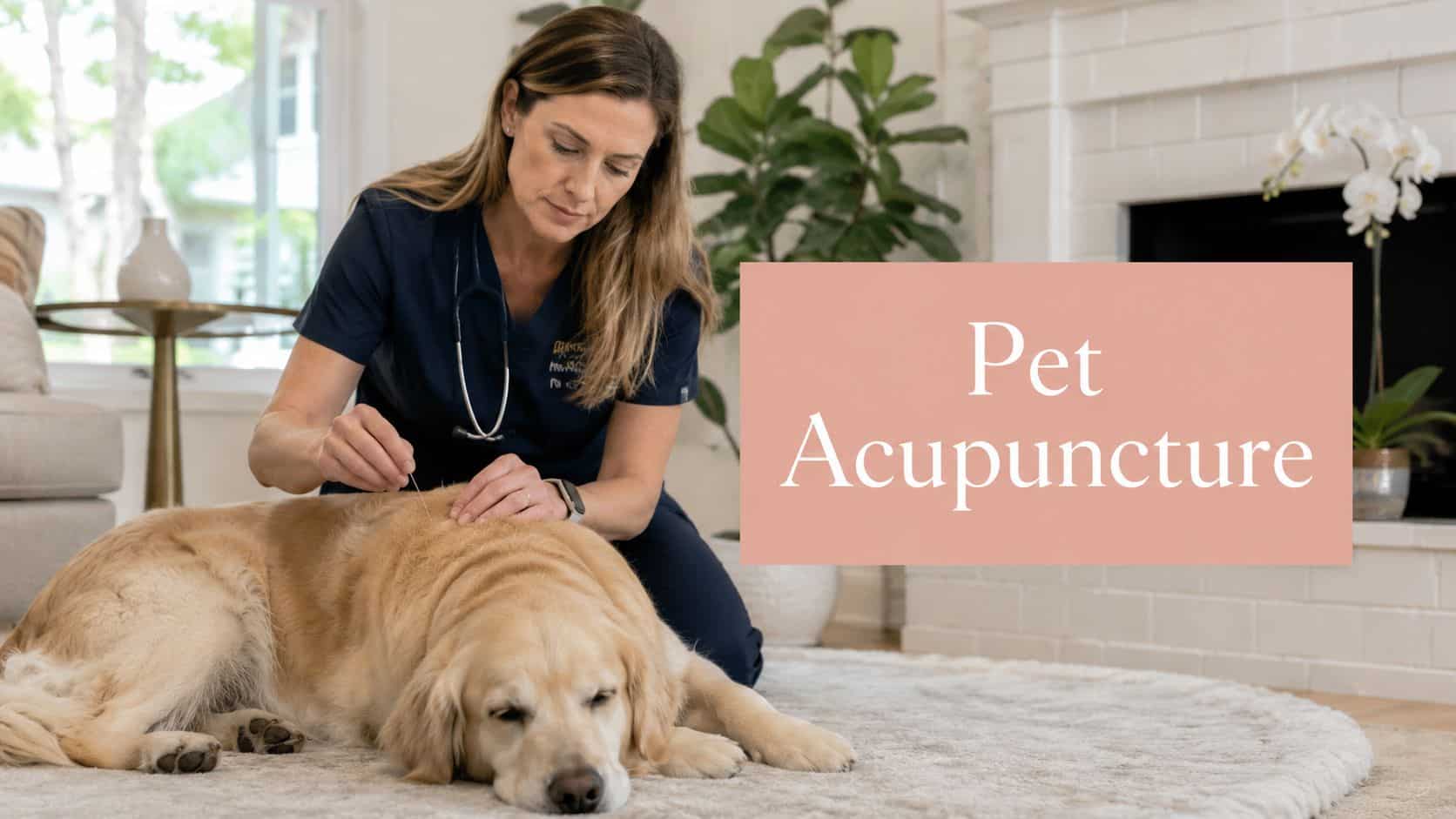
Acupuncture is often used to reduce pain, support neurologic function, and improve comfort in dogs recovering from spinal disease, living with chronic weakness, or compensating after injury. In some cases, electroacupuncture is added to provide a more targeted nerve and muscle stimulus.
Laser therapy is generally used for pain and inflammation control. It can be especially helpful when a dog is guarding a painful neck, resisting movement after back injury, or recovering from surgery and still needs non-drug support. Owners who want a closer look at that modality can review this page on laser therapy for dogs.
Rehabilitation exercises matter because strength and neurologic function aren't the same thing. A dog may have a stabilized spine but still need help with coordination, weight shifting, paw placement, assisted standing, and safe gait retraining.
Chinese herbal and food therapy may be included as adjunctive tools in selected cases, especially when the goals are long-term comfort, appetite support, digestive stability during recovery, or reducing reliance on some symptom-focused medications where appropriate and safe.
Where These Therapies Help Most
In my experience, integrative care is most useful in a few specific situations:
- Post-surgical recovery when the emergency has passed but mobility is still poor
- Chronic spinal pain when medication helps but doesn't fully restore comfort
- Non-surgical cases where the treatment plan centers on rest, medication, and function support
- Progressive neurologic disease where the priority is preserving quality of life as long as possible
- Clinic-stressed dogs who respond better when treatment happens calmly at home
This is also where a provider like Pet Acupuncture & Wellness (PAW Vet Practice) fits. It offers in-home acupuncture, laser therapy, rehabilitation support, and related integrative services for South Tampa pets as an adjunct to primary veterinary and specialty care.
What Integrative Care Won't Do
This part matters. Integrative therapy doesn't remove a compressive disc from the spinal canal. It doesn't replace anticonvulsants in a dog with recurrent seizures. It doesn't make an untreated brain tumor disappear. If a dog needs emergency stabilization or advanced imaging, that comes first.
Good integrative medicine respects the limits of integrative medicine.
Owners sometimes hear “integrative” and assume that means gentle but vague. It shouldn't. The strongest plans are concrete. We use medication for the disease process we know about. We use rehab for the function we want back. We use acupuncture or laser for pain, nerve support, and tolerance of recovery. We adjust based on response, not hope alone.
The In Home Advantage For Neurologic Dogs
Neurologic dogs often struggle with transport. Car rides can worsen anxiety, nausea, pain, and instability. Slippery clinic floors can mask what's happening at home or make the dog look worse than they usually do.
In-home care changes that. You can treat the dog where they live. You can see whether the back entry has stairs, whether the tile floors are sabotaging recovery, whether the harness fits, and whether the dog can reach water without slipping. That context often shapes the plan as much as the therapy itself.
Essential Home Care and Support for Your Dog
Home care is where neurologic treatment succeeds or fails between appointments. A dog that slips ten times a day, strains to stand on polished floors, or can't settle comfortably at night won't recover as well as one whose environment supports movement.
Small changes usually matter more than expensive gadgets. Start with traction, access, and routine.

Make The House Easier To Navigate
Use this checklist to reduce frustration and injury risk:
- Add traction first with yoga mats, runners, or area rugs on slick floors
- Block stairs if your dog is weak, painful, or unsteady
- Use ramps for couches, beds, or outdoor steps when appropriate
- Raise bowls modestly if repeated neck flexion or crouching is difficult
- Keep pathways clear so your dog doesn't have to turn tightly around furniture
If you need a broader home exercise and recovery overview, this guide to rehabilitation therapy for pets is a useful companion to what your veterinarian prescribes.
Support The Dog Without Overhelping
Many owners either do too little because they're afraid, or too much because they're worried. Both can slow progress. The goal is supported movement, not complete inactivity unless strict rest has been specifically prescribed.
Helpful tools can include:
- Support harnesses for dogs who need help standing or toileting
- Slings for short-term rear support
- Non-slip beds that are easy to step on and off
- Scheduled potty breaks so a weak dog doesn't wait too long and then struggle
Watch for patterns. If your dog consistently knuckles after five minutes of activity, cries when turning, or becomes too tired after therapy exercises, report that. Those details help adjust the plan.
A neurologic home setup should reduce effort for the dog, not ask the dog to “try harder.”
Don't Forget Emotional Health
Dogs with neurologic disease can become frustrated, clingy, restless, or flat. They may not be able to do their normal walk, fetch routine, or neighborhood loop. That doesn't mean enrichment stops.
Use food puzzles that don't require much movement, brief sniff sessions in the yard, easy training games, massage if your veterinarian approves it, and frequent quiet social contact. Comfort and engagement are part of treatment too.
South Tampa FAQ for Neurological Pet Care
How does in-home care work for a dog with neurological issues?
A typical concern I hear is this: a dog is already weak or painful, and the trip to the clinic leaves them trembling, slipping, or too tired to be examined well. In-home care helps by letting me assess the dog where they rest, walk, eat, and recover.
That setting matters for neurologic patients. I can watch how your dog rises on your flooring, turns through tight spaces, manages the step to the yard, and responds to handling when stress is lower. If you want the practical details of scheduling and service area, our in-home veterinary visits in South Tampa page explains how house-call care is set up.
Do I need a referral from my regular veterinarian?
Not always. Many families contact me directly after they notice weakness, wobbling, neck or back pain, or a difficult recovery after surgery.
The best results usually come from coordination. If your primary veterinarian or neurologist has already examined your dog, I want those records, imaging results, medication list, and discharge instructions before I adjust any part of the support plan. That keeps care safer and avoids working at cross purposes.
What happens during a first in-home integrative visit?
The first visit is part medical review, part functional assessment, and part home planning. I review the diagnosis, timeline, current medications, comfort level, gait, posture, paw placement, and tolerance for handling. I also look closely at the home itself because treatment only works if it fits the dog's real day-to-day life.
For one dog, the priority is safer transfers outside. For another, it is reducing pain during rest, rebuilding confidence with walking, or setting up simple exercises that do not flare symptoms. Families usually leave that visit with a clearer plan for what to do, what to avoid, and which changes mean we need to speak with the primary vet or neurologist promptly.
Can integrative treatment help after IVDD surgery?
Often, yes. I commonly use integrative care after IVDD surgery to support pain control, muscle use, coordination, and gradual return to more normal movement.
The trade-off is timing and restraint. Good supportive care does not override the surgeon's restrictions, and it does not speed past tissue healing. It works best when it is layered onto the surgical plan at the right stage, with clear communication between teams.
What if my dog hates car rides or seems worse after travel?
That is a practical reason to choose home-based care. Some neurologic dogs become more painful, nauseated, anxious, or unstable after transport, and that can blur the exam and set recovery back for the day.
In those cases, I would rather evaluate the dog calm on their own bed than exhausted from the trip.
If your dog is showing weakness, balance problems, seizures, spinal pain, or slow recovery after neurologic treatment, Pet Acupuncture & Wellness (PAW Vet Practice) provides in-home integrative veterinary care in South Tampa. Dr. Monica works alongside your primary veterinarian to support pain relief, mobility, rehabilitation, and practical home-based care for dogs who need a calmer, more customized recovery plan.