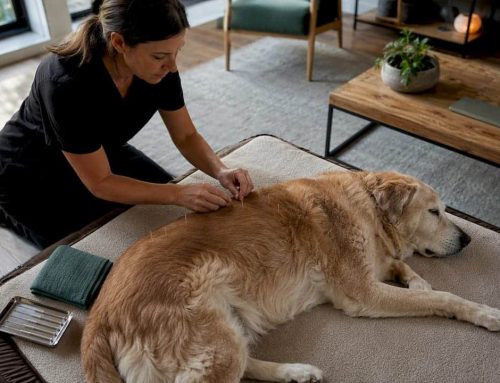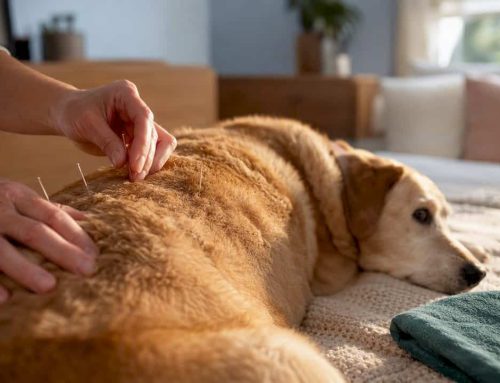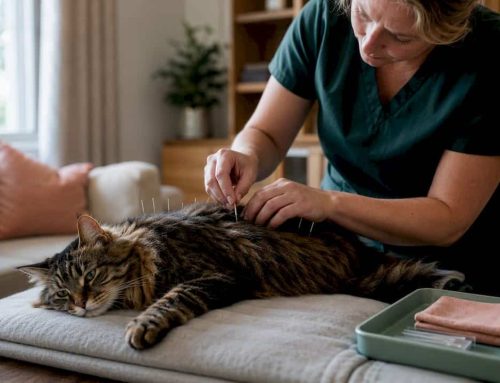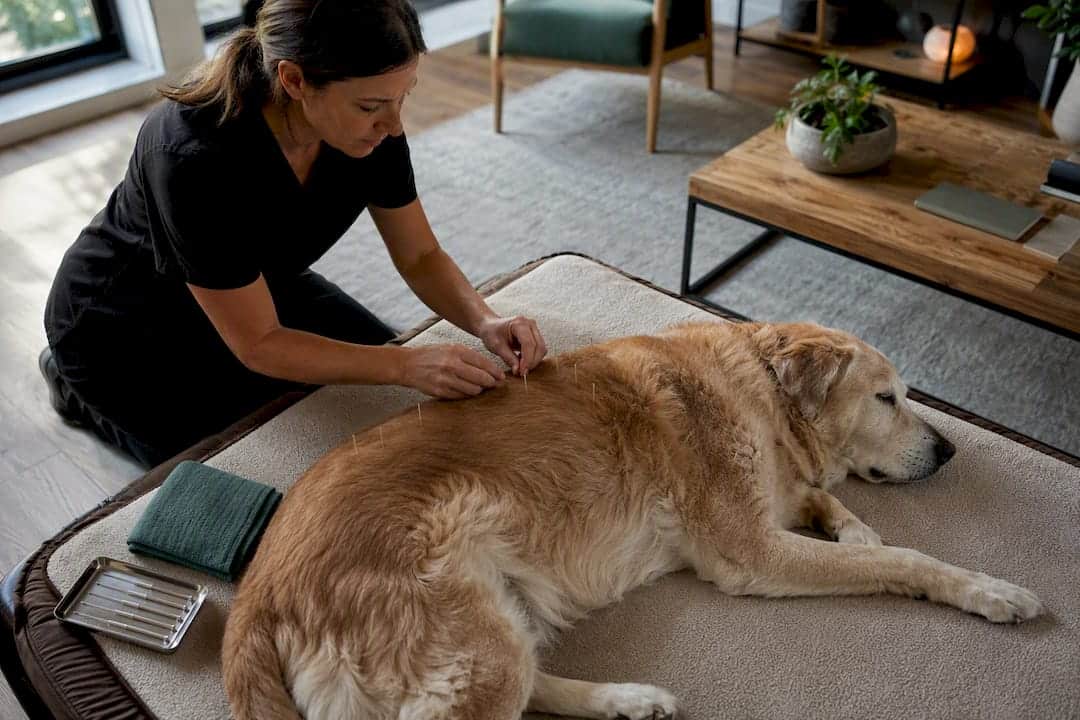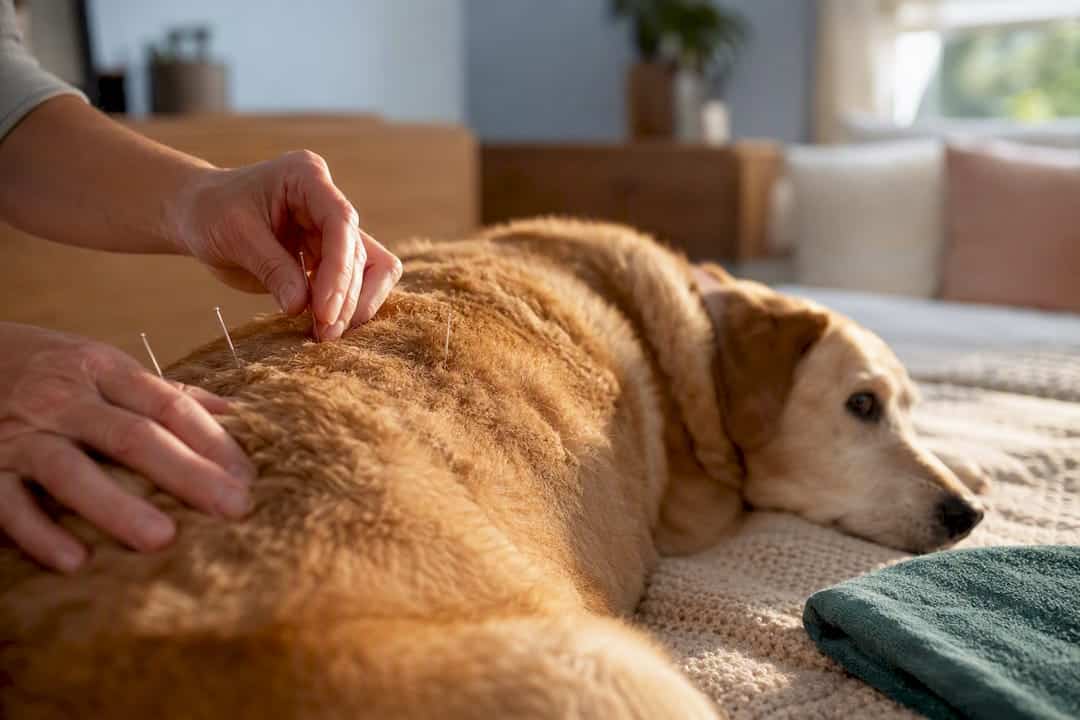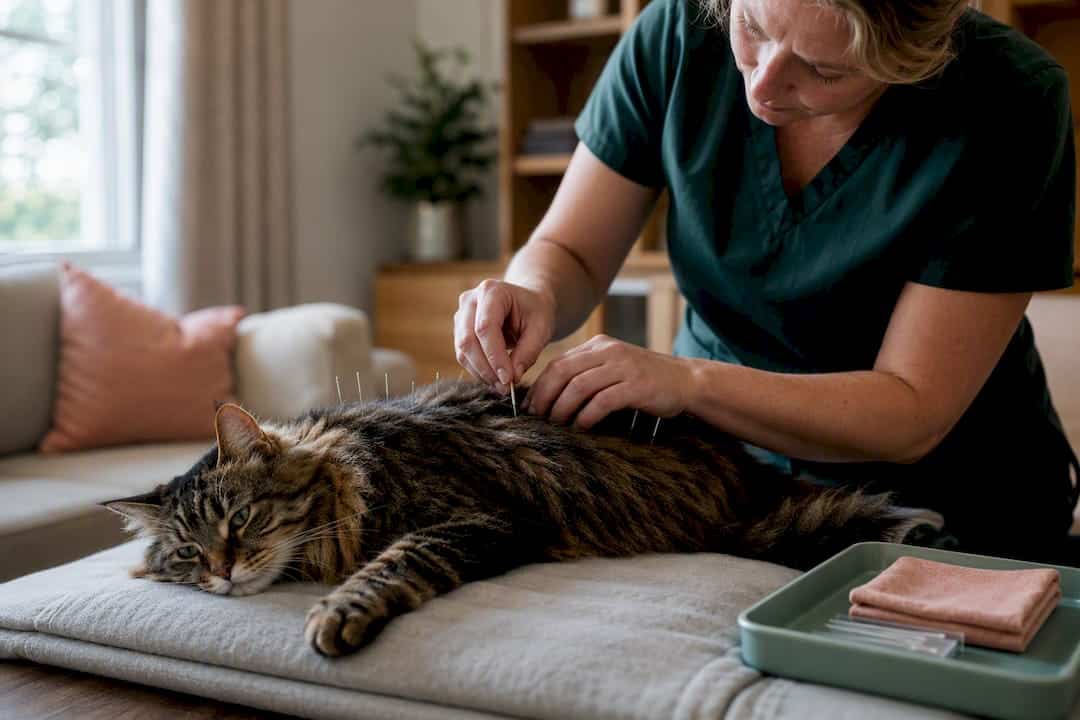
Your pet’s first acupuncture visit is a longer intake and physical exam followed by an initial treatment, and it typically runs about 45 to 60 minutes total. Expect a mix of Western diagnostics and a Traditional Chinese Veterinary Medicine (TCVM) exam, gentle needle placement, a rest period, and simple at-home care afterward. Most practitioners recommend a short series of follow-up sessions before settling on a maintenance schedule.
TL;DR:
- Most pets need a short series of weekly sessions for three to four weeks, with progress tracked through mobility and mood improvements.
- The success of acupuncture depends heavily on a calm, stress-free environment, especially for senior or anxious animals, beyond the technical placement of needles.
- A qualified veterinarian acupuncturist should have proper certification, ask about prior experience with similar conditions, and use sterile, single-use needles.
- Mobile, at-home treatments are often more effective, reducing stress and allowing practitioners to observe real-world issues like stair navigation or rug avoidance.
- Post-treatment, pets typically experience mild, short-term effects such as sleepiness or soreness, which resolve within a day, with serious side effects being very rare.
Table of Contents
- What Happens During the Pre-Appointment Intake and Assessment?
- How Does the Acupuncture Treatment Actually Work?
- What Aftercare Should You Expect at Home?
- How Many Sessions Will Your Pet Need?
- How Do You Find a Qualified Veterinary Acupuncturist?
- Why Mobile, At-Home Acupuncture Changes the Experience
- An Owner-First Take on What Actually Matters Here
- How Pet Acupuncture & Wellness Fits Into Your Pet’s Care
- Sources
- FAQ
What Happens During the Pre-Appointment Intake and Assessment?
Before a single needle touches your pet, your practitioner needs the full picture. That means gathering medical history, understanding your pet’s daily life, and running two distinct types of exams side by side.
Bring what you can. It genuinely speeds things up and helps the practitioner build a treatment plan around your pet’s real life, not a guess.
- Recent medical records and current medication list, including supplements
- Results from any bloodwork, X-rays, or imaging done in the last six to twelve months
- A rundown of daily routine: stairs, walks, jumping on furniture, litter box habits
- Your pet’s favorite blanket or a small treat, since familiar smells and tastes ease nerves
- Notes on when symptoms started, what makes them better or worse, and prior treatments tried
The Western portion looks a lot like a standard checkup: gait analysis, joint palpation, range-of-motion testing, and a basic neurological screen. The TCVM side is where things shift. Your practitioner will observe your pet’s tongue color and texture, then check pulse quality at several points, both of which offer clues about where energy, or Qi, may be stuck or depleted, according to Partner Veterinary. Combining both exam styles is common practice, not a shortcut around thorough diagnostics. If your pet hasn’t had recent labs or imaging, your practitioner may order them before or after this visit to rule out anything that needs separate attention.
How Does the Acupuncture Treatment Actually Work?
Once the assessment wraps up, treatment follows a fairly predictable rhythm. Knowing the sequence ahead of time takes a lot of the mystery, and the anxiety, out of the room.
- Settling in. Your pet gets a few minutes on a comfortable mat or blanket, often with you close by, to relax before anything starts.
- Needle placement. The practitioner inserts very fine, sterile, single-use needles at specific points, guided by both the Western findings and the TCVM exam.
- Needles in place. Your pet rests quietly while the needles work, typically for 10 to 30 minutes.
- Removal and reassessment. Needles come out, and the practitioner checks how your pet responded, sometimes adjusting the plan for next time.
The needles themselves are hair-thin, nothing like the needles used for vaccines or blood draws. Most pets barely react to insertion, and many go still or sleepy once several points are placed. Some sessions use electroacupuncture, a mild electrical current run through the needles for steady stimulation, particularly useful for nerve or muscle issues. Others use aqua acupuncture, where a small amount of sterile fluid is injected at a point instead of a needle staying in, which some pets tolerate better. Your practitioner chooses the modality based on your pet’s condition and comfort level.
Pro Tip: Ask if you can stay in the room during treatment. Most practitioners welcome it, and your presence alone can be the difference between a pet who fidgets and one who settles right into the blanket.
What Aftercare Should You Expect at Home?
Most pets handle acupuncture remarkably well, and the approach is considered low-risk when performed with proper technique. Still, knowing what’s normal versus what warrants a call makes the first 24 hours far less stressful.
In the hours after treatment, some pets get noticeably sleepy or mellow, which is one of the most commonly reported short-term responses. Others show mild soreness around needle sites or a temporary dip in appetite. Both usually resolve within a day.
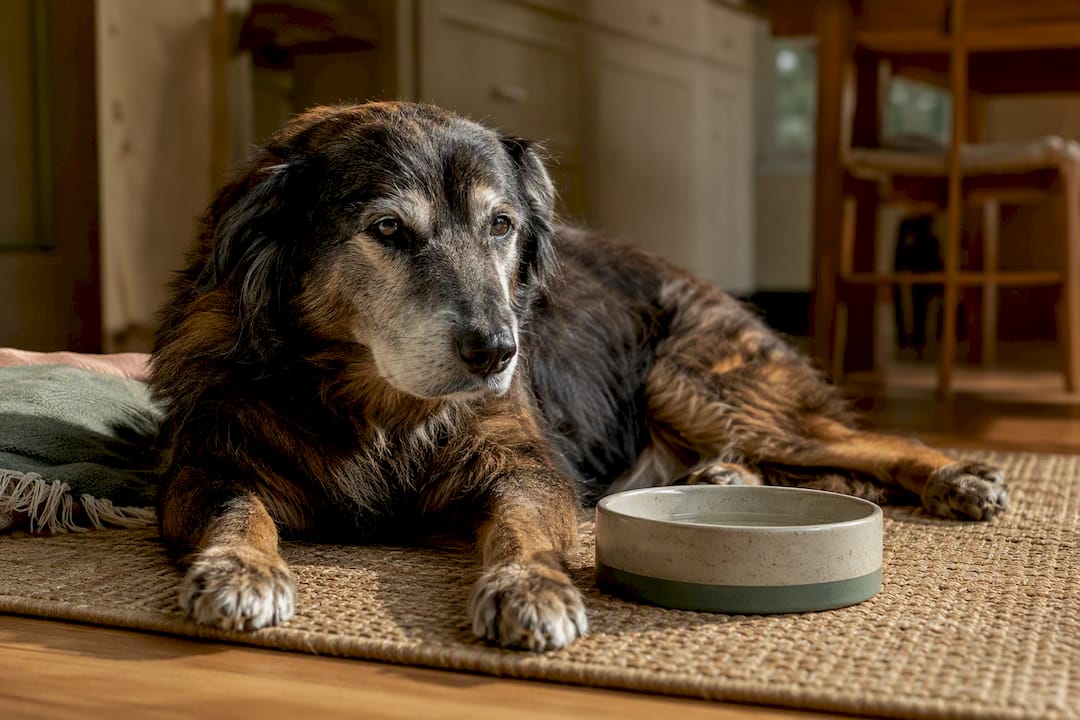
A quick reality check: infection and worsening pain after acupuncture are rare, and sterile, single-use needles are the main reason why. That single safeguard, standard at any reputable practice, removes most of the risk tied to needle-based treatment.
At home, keep things simple:
- Offer a quiet space to rest, away from other pets or loud activity
- Skip strenuous exercise, long walks, or jumping for about 24 hours
- Watch eating, drinking, and bathroom habits for anything unusual
- Note your pet’s mood and mobility so you can report changes at the next visit
Call your vet promptly if you notice bleeding that won’t stop, swelling at a needle site, severe lethargy that doesn’t lift by the next day, or any new neurological signs like stumbling or weakness.
How Many Sessions Will Your Pet Need?
There’s no universal number, but most practitioners start with a defined trial period rather than an open-ended commitment. A common starting pattern is one to two sessions weekly for three to four weeks, then tapering based on how your pet responds. Chronic arthritis in an older dog might need a longer runway than a mild soft-tissue strain.
Owners often notice small shifts before big ones: easier trips up the stairs, better sleep through the night, a return of appetite, or simply a calmer mood. Your practitioner tracks progress through objective measures like range of motion, alongside your own notes and, ideally, short videos showing how your pet moves at home.
- Improved mobility and willingness to move, often the first sign owners spot
- Better sleep quality and fewer nighttime disruptions
- More consistent appetite and energy
- Owner-reported behavior logs reviewed at each follow-up
Acupuncture is frequently paired with rehabilitation therapy or herbal treatments for chronic, multi-layered conditions, since combining approaches often produces better outcomes than any single therapy alone.
How Do You Find a Qualified Veterinary Acupuncturist?
Not every practitioner offering acupuncture has the training to back it up, so a little vetting up front protects your pet.
- Check credentials first. Look for a licensed veterinarian who has completed a certified veterinary acupuncture training program, and don’t hesitate to ask which certification they hold.
- Ask targeted questions when booking. Has this practitioner treated your pet’s specific condition before? Do they use sterile, single-use needles every time? Will they perform a full TCVM exam, and will they coordinate findings with your primary vet?
- Watch for red flags. Walk away from anyone who skips your pet’s medical history, promises a guaranteed cure, or reuses needles.
- Consider a mobile practitioner if travel is hard on your pet. An at-home visit still includes the full intake and exam, just in a setting your pet already trusts.
Why Mobile, At-Home Acupuncture Changes the Experience
A carrier ride and a waiting room full of unfamiliar smells can undo half the calm you’re trying to create for a senior or anxious pet before treatment even starts. At-home visits sidestep that entirely, and the extra setup time on our end tends to pay off in far better cooperation once needles are in place.
There’s a diagnostic upside too. Watching your dog navigate the same stairs he struggles with every morning, or seeing how your cat avoids a particular rug, tells us things a fifteen-minute exam room visit never could.
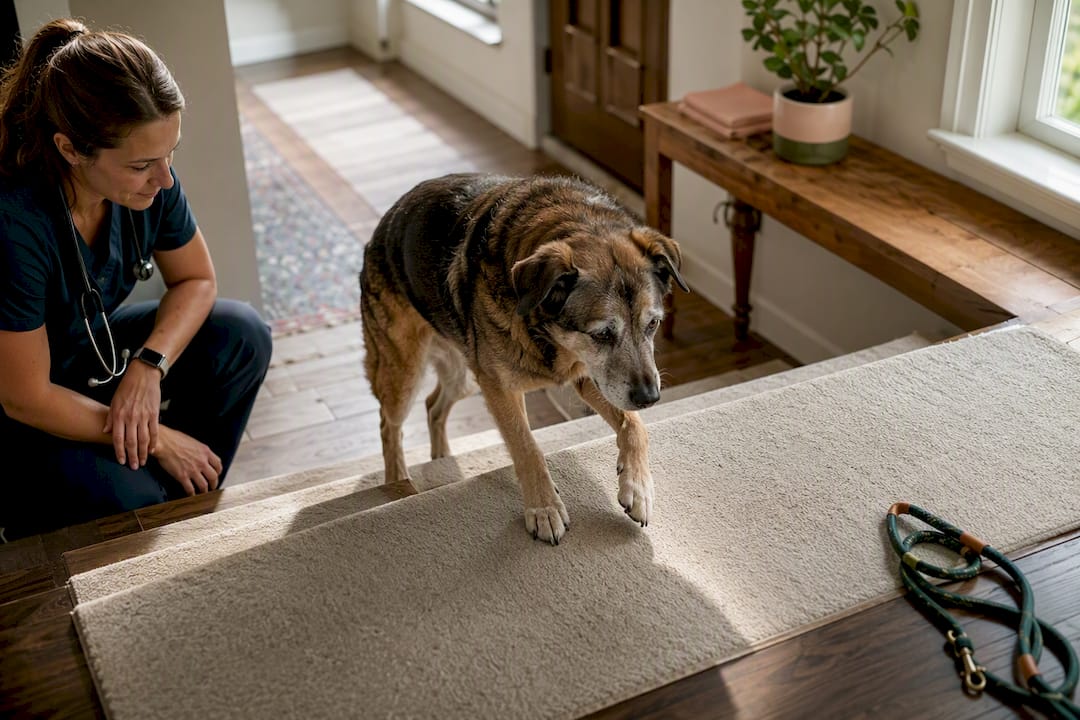
Pet Acupuncture & Wellness builds treatment plans around that reality, often layering rehabilitation or herbal support alongside acupuncture, and always in coordination with your primary veterinarian so nothing falls through the cracks.
An Owner-First Take on What Actually Matters Here
The conventional advice on pet acupuncture focuses almost entirely on the needles: how many, how deep, how often. That’s the least interesting part. What actually determines whether treatment works is everything around the needles, the quality of the intake, whether the environment lets your pet relax, and whether anyone is tracking real-world changes between visits.
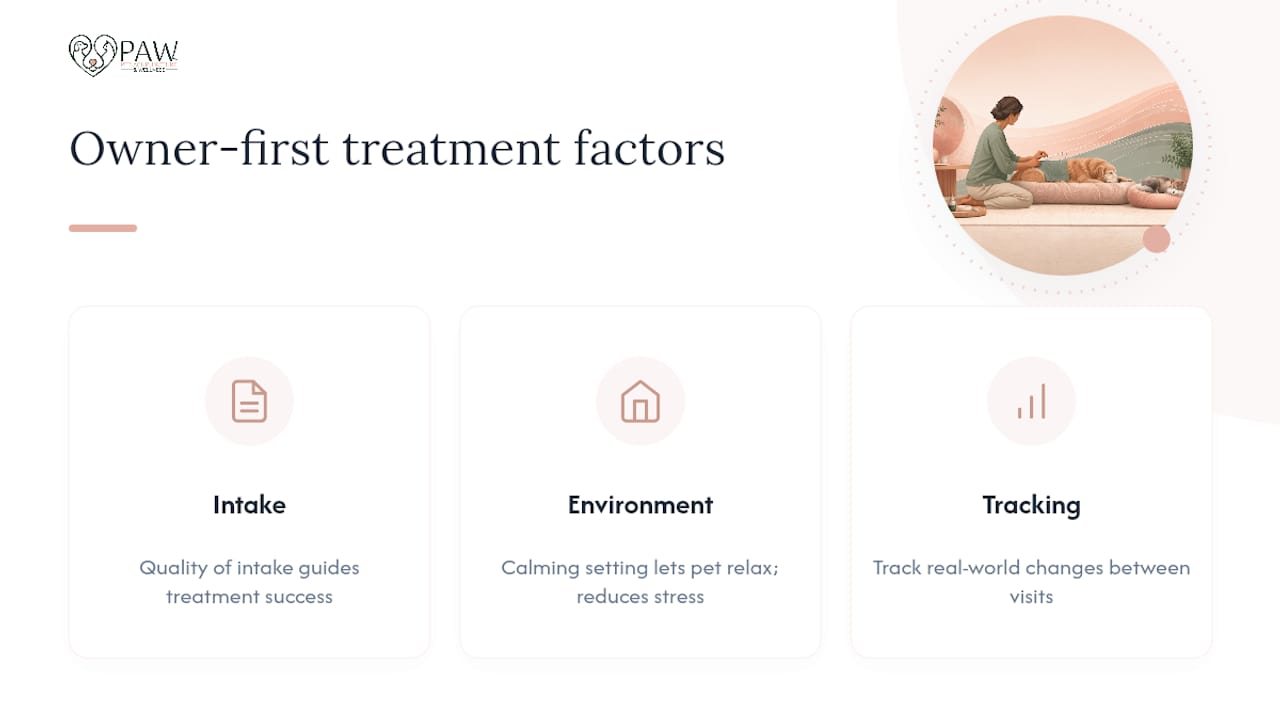
Owners of senior or anxious pets get shortchanged by generic advice that assumes a calm car ride and a waiting room are no big deal. For a lot of pets, that stress alone can blunt the benefit of treatment before it even starts.
If you take one thing from this, prioritize the setting over the schedule. A rushed, high-stress session at a fixed weekly time will underperform a relaxed one, even if it happens slightly less often. Ask your practitioner how they handle a pet who won’t settle, and judge their answer as closely as you judge their credentials.
— Pet Acupuncture & Wellness
How Pet Acupuncture & Wellness Fits Into Your Pet’s Care
The first visit, intake, exam, and treatment can be brought straight to your living room, so your senior or anxious pet never has to face a car ride or waiting room to get relief.

Booking starts with a conversation about your pet’s history and symptoms, followed by a longer first appointment that includes the full intake and exam before any treatment begins. We bring the comfort measures with us: your pet stays on familiar bedding, at home, on their own schedule. Have your pet’s recent records and medication list ready, along with any specific concerns you want addressed. Beyond acupuncture, we also offer herbal therapy for pets who need a layered approach, and if your dog needs extra prep before any vet visit, these tips on getting a dog ready for an annual exam apply just as well here. Reach out to schedule your pet’s first visit and get a plan built around their actual daily life.
Sources
- What to Expect at Your Pet’s First Acupuncture Session | Reverent Coast® Pet Aquatorium
- Pet Acupuncture: Side Effects & Risks | RehabVet
- Pet Acupuncture for Dogs & Cats – Flathead Veterinary Wellness
- What Is Pet Acupuncture? A Guide for Pet Parents – Partner Veterinary
FAQ
What Should You Expect on Your First Pet Acupuncture Visit?
Expect a longer appointment, roughly 45 to 60 minutes, covering a full medical history review, a combined Western and TCVM exam, and often an initial treatment with sterile needles.
Are There Points Acupuncturists Avoid on Pets?
Definitions of restricted or sensitive points vary by training program and by the individual pet’s condition, so this is best confirmed directly with your certified veterinary acupuncturist rather than treated as a fixed universal list.
How Much Does Vet Acupuncture Cost?
Pricing varies by clinic and region, but the first session typically costs more than follow-ups because it includes the full intake and treatment planning.
How Long Does the First Acupuncture Session Last?
Most first visits run about 45 to 60 minutes total, including intake, exam, and treatment, with needles typically staying in for 10 to 30 minutes of that time.