Acupuncture for pancreatitis in dogs can genuinely ease nausea, pain, and sluggish digestion, working alongside fluids and medication rather than replacing them. Points like PC-6 and ST-36 are commonly used to calm the gut and quiet inflammation. Pet Acupuncture & Wellness offers this as an in-home option for South Tampa dogs recovering from a flare. Always loop in your primary veterinarian before starting.
TL;DR:
- Acupuncture can help reduce nausea and inflammation in dogs with pancreatitis by stimulating specific points like PC-6 and ST-36, which support gastrointestinal function.
- Treatment plans depend on the dog’s specific Chinese veterinary medicine pattern, with different acupoints used for conditions like Damp-Heat or Qi Deficiency.
- Sessions typically involve dry needle, aquapuncture, or electroacupuncture, with acute cases needing weekly treatments and chronic cases requiring maintenance visits.
- Most evidence comes from case reports and practitioner experiences, showing potential for reduced reliance on medication but not a guaranteed cure.
- In-home acupuncture is ideal for recovering dogs, especially anxious or mobility-limited pets, as it minimizes stress and improves treatment effectiveness.
Table of Contents
- How Acupuncture for Pancreatitis in Dogs Actually Works
- What a Treatment Session Actually Looks Like
- What the Evidence Says, and Where It Falls Short
- How to Add Acupuncture to Your Dog’s Pancreatitis Care
- Why In-Home Care Changes the Equation for Sick Dogs
- Book In-Home Acupuncture With Pet Acupuncture & Wellness
- Sources
- FAQ
How Acupuncture for Pancreatitis in Dogs Actually Works
Pancreatitis hurts. The inflamed organ sits near major nerve pathways, and that irritation can trigger the nausea, cramping, and reluctance to eat that make this condition so miserable for dogs to live through and owners to watch. Acupuncture works on what’s called a somatovisceral reflex: stimulating specific points on the skin and muscle sends signals along nerve pathways that influence internal organ function, including the stomach and pancreas.
The clinical case for this isn’t theoretical. Needling specific acupoints modulates GI motility, nausea, and pain in ways that show up consistently across veterinary acupuncture practice. PC-6, also called Nei-Guan, is the go-to point for antiemetic effect. ST-36, or Zusanli, regulates motility and reduces inflammation. Together they address two of the most disruptive symptoms of pancreatitis at once.
Traditional Chinese Veterinary Medicine doesn’t treat every pancreatitis case identically. Instead, it sorts dogs into patterns like Spleen Damp-Heat, Food Stagnation, or Spleen Qi Deficiency, and the pattern determines which points and food therapy get emphasized. A dog with Damp-Heat presents differently than one with Qi Deficiency, so a good practitioner won’t run the same protocol on both.
Commonly used acupoints include:
- PC-6 (Nei-Guan): eases nausea and vomiting
- ST-36 (Zusanli): supports GI motility and general immune tone
- SP-6 (San-Yin-Jiao): addresses digestive and Spleen-related imbalances
- BL-20/21 (Pi-Shu, Wei-Shu): back-shu points tied to Spleen and Stomach function
- CV-12 (Zhong-Wan): sits directly over the stomach and supports digestion
Veterinary hospitals now describe acupuncture as a therapy that releases the body’s own pain-relieving and antiemetic mediators, which is why it’s earned a place in mainstream integrative care rather than staying on the fringe.
What a Treatment Session Actually Looks Like
No credentialed practitioner starts needling the moment your dog walks in. Every session opens with an exam, a review of recent bloodwork or imaging, and a conversation with your primary vet if the pancreatitis is still active. This step matters because dogs in acute crisis need stabilization first, not acupuncture.
Once your dog is cleared for treatment, the practitioner chooses a method based on how your dog is doing that day:
- Dry-needle acupuncture — thin, sterile needles placed at chosen points and left in for 10 to 20 minutes; the standard approach for stable dogs.
- Aquapuncture — a small volume of liquid, often vitamin B12, injected into an acupoint for longer-lasting stimulation without a lengthy needle dwell time.
- Electroacupuncture — mild electrical current added to needles for stronger, sustained stimulation, often reserved for chronic or more resistant cases.
- Monitoring and follow-up — your dog rests briefly post-treatment while the practitioner checks response before scheduling the next visit.
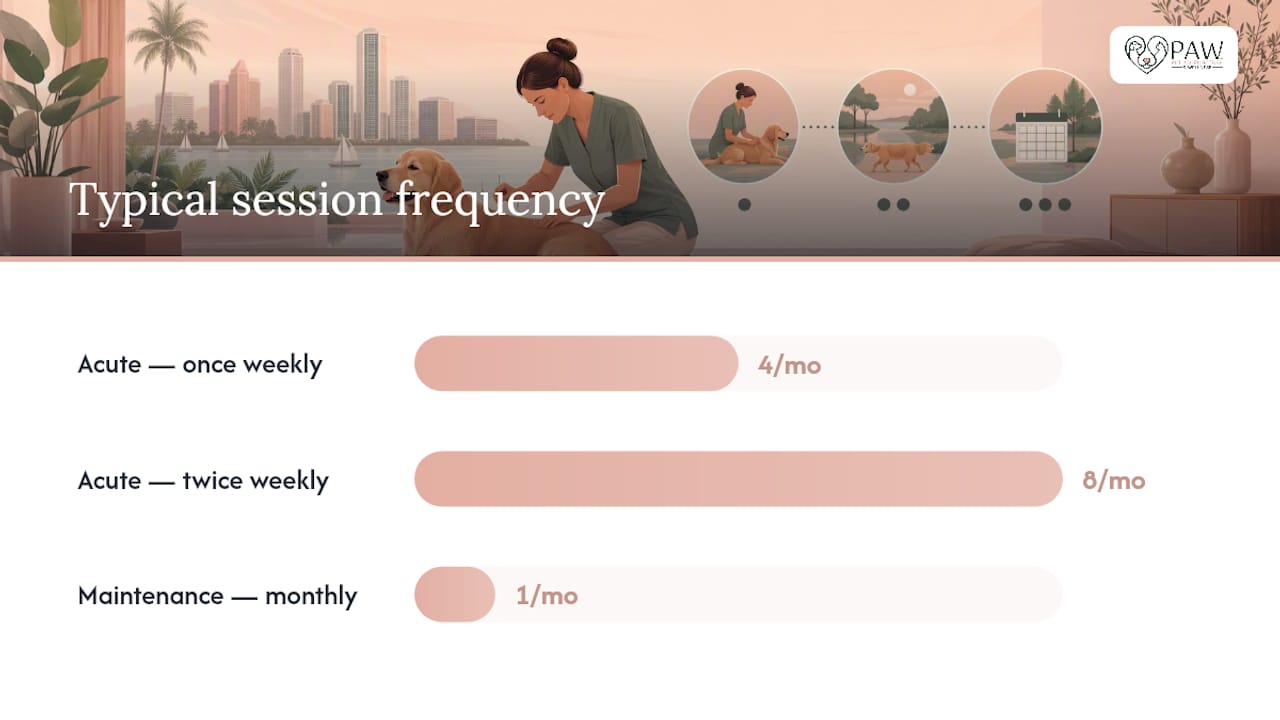
Acute pancreatitis flares often call for sessions once or twice weekly at first, tapering as symptoms settle. Chronic or relapsing cases may shift to monthly maintenance visits once the dog stabilizes.
Pro Tip: Aquapuncture is especially useful for dogs recovering from hospitalization who are still weak or nauseated, since it delivers point stimulation without asking a fragile patient to hold still for a full session.
What the Evidence Says, and Where It Falls Short
Be honest about what the research actually shows. Most support for acupuncture in canine pancreatitis comes from case reports and clinical experience, not large randomized trials. That’s not nothing. It’s a real, if limited, evidence base.
In one documented case, a dog treated with aquapuncture alongside supportive care showed measurable improvement in vomiting, hydration, and appetite within 24 hours.
That case report is single-case evidence, and it shouldn’t be read as a guarantee. But it lines up with what practitioners report anecdotally: acupuncture may reduce reliance on antiemetics and analgesics by improving motility and easing organ pain, which is a realistic, modest goal rather than a cure.
Safety-wise, acupuncture is low-risk when performed by a trained practitioner. Still, a few things owners should know:
- Mild, temporary soreness or lethargy sometimes follows a session, often called a “healing crisis.”
- Serious adverse events are rare but not zero, especially with improper needle placement or unsanitary technique.
- Acupuncture is never appropriate for a dog in shock, severely dehydrated, or in uncontrolled pain. Stabilize first with IV fluids, analgesia, and antiemetics.
Conventional medicine keeps advancing too. Fuzapladib sodium (Panoquell-CA1) received conditional FDA approval for managing acute pancreatitis symptoms in dogs. That’s a reminder that acupuncture works best as a complement to first-line veterinary care, never a substitute for it.
How to Add Acupuncture to Your Dog’s Pancreatitis Care
Adding acupuncture the right way starts before you ever book an appointment. Here’s the sequence that keeps your dog safest:
- Confirm the pancreatitis diagnosis and make sure your dog is stable, hydrated, and pain is controlled.
- Ask your primary vet for a referral or at least a sign-off on integrative therapy.
- Book with a credentialed veterinary acupuncturist rather than a general practitioner offering it as a side service.
- Coordinate any medication or diet changes so nothing conflicts with the treatment plan.
When you’re vetting a practitioner, ask direct questions:
- What certification do you hold (IVAS, CVA, or VTS in acupuncture)?
- Which method will you use for my dog’s current condition, and why?
- What outcomes are realistic within the first two to three sessions?
- What’s the plan if my dog’s symptoms worsen after treatment?
Watch your dog closely between sessions. Stop treatment and call your vet immediately if you see worsening vomiting, collapse, black or bloody stool, or signs of severe dehydration like tacky gums or sunken eyes. And if anyone suggests herbal formulas or major diet shifts alongside acupuncture, run those changes by your veterinary team first. Herbs and prescription diets can interact, and pancreatitis-prone dogs don’t have much margin for error.
For dogs dealing with digestive flare-ups more broadly, this guide to acupuncture for digestive issues covers related GI conditions worth understanding alongside pancreatitis care.
Why In-Home Care Changes the Equation for Sick Dogs
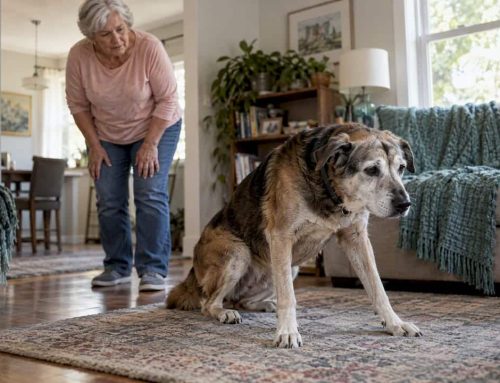
A dog mid-pancreatitis-flare does not want a car ride, a waiting room, or the smell of a clinic. Stress alone can slow digestion and worsen nausea, which works directly against what acupuncture is trying to accomplish. Treating a dog on their own couch, in a room they already trust, tends to produce a calmer patient and a more effective session.
Pet Acupuncture & Wellness built its practice around that reality, pairing acupuncture with rehabilitation and herbal therapy so the whole recovery plan stays coordinated with your primary vet rather than working in isolation. For dogs who also struggle with anxiety around treatment, in-home visits tend to help there too, as explored in this look at what actually works for anxious dogs. Case-by-case outcomes and practitioner credentials are available on request for owners weighing this option.
— Pet Acupuncture & Wellness
Book In-Home Acupuncture With Pet Acupuncture & Wellness
If your dog is recovering from a pancreatitis flare and travel feels like the last thing they need, in-home acupuncture removes that barrier entirely. Pet Acupuncture & Wellness brings the appointment to your living room in South Tampa, which matters most for senior, anxious, or mobility-limited dogs who don’t tolerate clinic visits well.
Here’s what to expect when you book:
- Scheduling happens directly through the practice, and appointments accommodate your dog’s energy level and recovery stage.
- Have recent bloodwork, imaging, or discharge paperwork from your primary vet on hand if your dog was recently hospitalized.
- A referral isn’t required, but coordination with your primary veterinarian is strongly encouraged for active pancreatitis cases.
- First visits include a full exam and a pattern-based treatment plan built around your dog’s specific symptoms.
Ready to see if in-home acupuncture fits your dog’s recovery plan? Visit the South Tampa dog acupuncture service page to check availability and get started. Dogs also managing mobility loss or muscle wasting from prolonged illness may benefit from pairing acupuncture with pet rehabilitation therapy as part of a fuller recovery plan.
Sources
- Veterinary Medical Acupuncture for Gastrointestinal Conditions – VIN
- The diagnosis and treatment of four TCVM patterns related to pancreatitis – AJTCVM
- Case report: integrated Western and traditional Chinese medicine for acute pancreatitis in a dog (2024)
- Acupuncture for chronic pain in dogs — WSU Veterinary Hospital (2026)
FAQ
How can I naturally help my dog heal from pancreatitis?
Supportive care, an easily digestible low-fat diet, and hydration remain the foundation, with acupuncture used alongside them to ease nausea and support motility. Natural approaches work best as an addition to, not a substitute for, veterinary treatment during an active flare.
Which acupuncture point is used for pancreas-related issues?
ST-36 (Zusanli) is the primary point associated with digestive and pancreatic support, while PC-6 is used specifically for nausea control. Practitioners often combine both depending on the dog’s TCVM pattern.
What side effects can acupuncture cause in dogs?
Most dogs tolerate acupuncture well, though mild, temporary soreness or lethargy sometimes follows a session. Serious complications are rare when performed by a trained practitioner using sterile technique.
Can dogs fully recover from pancreatitis?
Many dogs recover well from a single acute episode with prompt treatment, though some go on to develop recurring or chronic pancreatitis. Owners often notice symptom improvement within 24 to 72 hours when acupuncture is added to supportive care, though outcomes vary by severity and underlying cause.